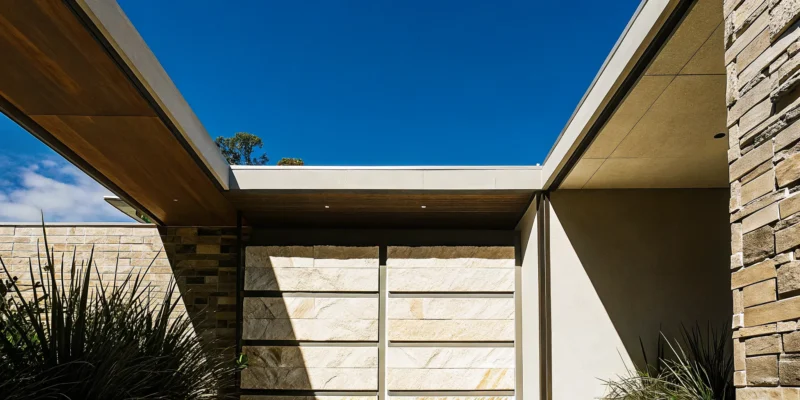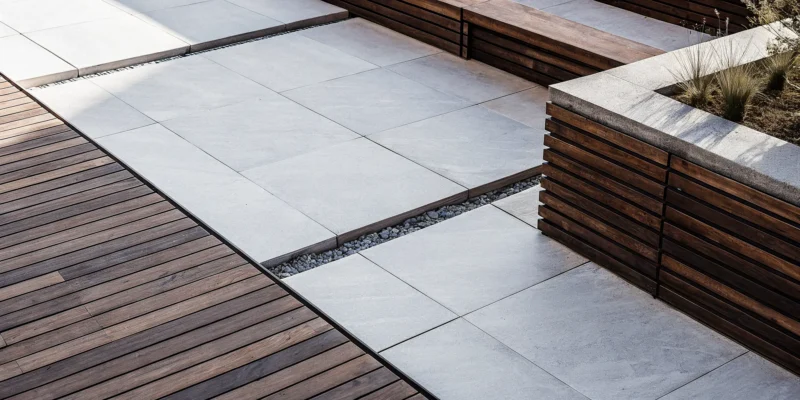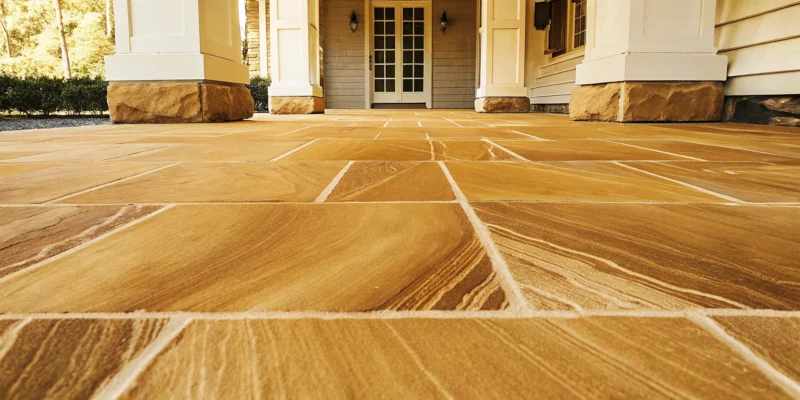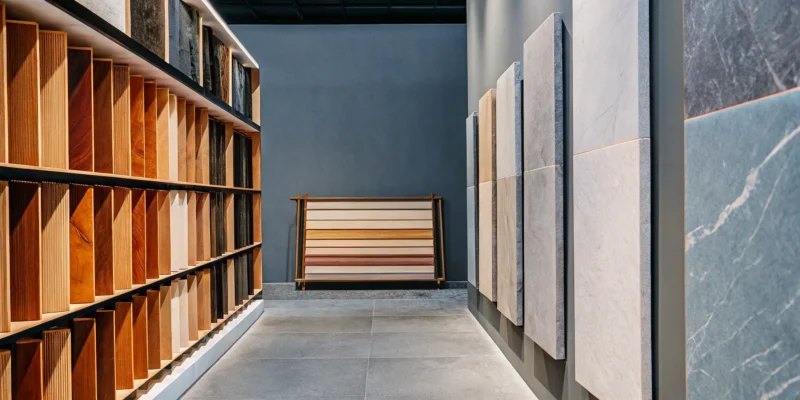
Natural bluestone patio in a lush Long Island backyard with grey-blue flagstones and outdoor seating

Bluestone Patio Cost and Design on Long Island

Long Island winters will crack and shift cheap concrete pavers within a few short seasons. Natural stone offers a stronger way to build a backyard living space that lasts for decades.

A bluestone patio is a durable, natural sandstone outdoor living area quarried in New York and Pennsylvania that resists the harsh local freeze-thaw winter climate.

A professional installation on Long Island costs between $20 and $40 per square foot, depending on the chosen stone thickness, size, pattern, and backyard layout. Installing this natural stone over a solid, compacted aggregate base prevents shifting, making it one of the best patio materials for Long Island for homeowners. It lasts for decades with simple power washing and resists stains when properly sealed. Homeowners can choose textured natural cleft or smooth thermal finishes to match their personal design style and outdoor landscaping.

Before building your dream backyard, you should understand the budget needs and design choices of this natural stone. You might ask yourself: How much does a bluestone patio cost on Long Island? Finding the right answers and planning properly helps you avoid surprises, and here is how.

Call (631) 831-3177 today to talk with a Gappsi masonry expert about planning your own natural bluestone patio on Long Island.

How much does a bluestone patio cost on Long Island?

Key cost drivers for a bluestone patio

A new bluestone patio is a great way to add outdoor living space to your home. But how much you pay depends on a few factors. First, the size of your patio will change your price. Some homeowners start small and later grow their patio to 400 square feet to wrap around the home.

Second, the type of stone you buy will change the cost. Bluestone is a natural sandstone from quarries in New York and Pennsylvania. Because it is very strong, bluestone often costs less than other imported stone options over time. This makes it a great pick among the best patio materials for Long Island.

Material finish and cut

The finish of your stone also drives the bluestone patio cost. Natural cleft bluestone has a textured surface with minor changes in thickness. It has a rustic look that fits nicely in many gardens. Thermal finish bluestone is heated to create a smooth, flat surface, which costs more because of the extra quarry work.

The shape of the stone matters too. Uneven flagstone shapes can take longer to fit together, which adds to your total labor bill. Patterned, pre-cut blocks are faster to set up but have a higher stone cost, while thicker slabs cost more to ship.

Site preparation and base materials

Long Island has a tough freeze-thaw climate. This weather causes the ground to move during the winter. To prevent your patio from cracking or shifting, you must prepare the site well. Masonry teams dig out the soil first, and then they lay down a strong base before setting the stone.

According to Iowa State paving design standards, you need a stable base of compacted stone to prevent settling and movement. Proper drainage is also key. The Environmental Protection Agency notes that aggregate bases help manage water flow and protect your patio from runoff.

Site prep, base stone, and labor are major parts of your total cost. A skilled team has the right tools to grade the land and pack the stone. While doing the work yourself might seem cheap, poor base prep can lead to high repair bills later. If you want a lasting backyard space, hiring an expert is your best path.

Natural cleft or thermal finish: which bluestone is right for you?

When you plan a bluestone patio, you must choose the texture of the stone. Natural bluestone comes in two main finishes. These finishes are natural cleft and thermal finish. Your choice affects the look, feel, safety, and cost of your outdoor space on Long Island.

Texture and look of natural cleft

A natural cleft finish comes from the natural splitting of the stone along its seam during quarrying. This process gives each stone a unique, rugged face. Since bluestone is a natural sandstone, no two pieces are the same. According to Archatrak, bluestone is quarried as a natural cleft stone, which gives each piece a unique texture not found in uniform manufactured pavers.

This finish offers a rustic, organic look with varying depths. You can see and feel the natural ridges of the earth. But this texture can cause slight unevenness underfoot. For some families, this rugged look is what makes it one of the best patio materials for Long Island.

Benefits of a thermal finish

A thermal finish bluestone offers a flat, clean surface. To create this finish, workers wet the stone and pass a hot flame over the face. The heat causes the stone to flake. This flame process creates a smooth, flat face.

It has a slight texture but lacks deep ridges, making a thermal finish bluestone patio look neat and modern. This flat surface is great for placing patio tables, so chairs and dining sets sit level without shaking. The flat stones are also easy for bare feet.

Selecting for safety and cost

Your choice between these finishes also depends on slip safety and cost. The rough face of a natural cleft stone provides excellent traction. This makes it a safe choice near pools where water can make stone slick. But the flat face of thermal finish bluestone is also slip resistant because of its sand texture.

In terms of price, thermal stone costs more because it needs extra labor to heat and cut. Cleft stone is often cheaper since it is split naturally at the quarry. A study by Archatrak shows that cleft bluestone has a rough, split texture. In contrast, thermal bluestone is heat-finished to a smooth, flat face.

Both finishes need a strong base to last in the Long Island freeze-thaw climate. According to design standards from Iowa State University, bluestone paving needs durable bedding and base layers. This stable base of compacted stone prevents settling and movement over time. A skilled mason will make sure your patio has the proper slope and drainage.

Bluestone patio vs concrete pavers: which should you choose?

Choosing the right surface for your yard is a big choice. On Long Island, homeowners often weigh a natural bluestone patio against manufactured concrete pavers. Both options have benefits, but they differ in look, feel, and long term value. Knowing how they perform helps you find the best patio materials for Long Island backyards.

Material aesthetics and cleft texture

We must look at how each stone is made. Concrete pavers are manufactured units with uniform shapes and colors, while bluestone is a natural quarried stone with unique colors and textures. Natural cleft bluestone offers a rustic, split surface with unique ridges. This cleft texture feels solid and earthy underfoot. Pavers, by contrast, are cast in molds and offer a more even, flat look.

Long Island climate durability

Long Island winters bring severe freeze-thaw cycles. These rapid temperature changes shift the ground and can crack thin or poorly laid materials. To prevent this movement, both choices need excellent site prep. A stable patio relies on a compacted stone base to handle drainage and support the surface. This engineered stone base manages stormwater and reduces runoff to keep the stones flat. Natural bluestone holds up well to these climate forces when installed correctly.

Project costs and maintenance

Cost is another key factor for homeowners. Natural stone often costs more upfront than concrete. This is due to quarrying and hard labor to cut the stone. However, natural stone offers a timeless appeal that can increase your home value. Upkeep is simple for both options. Pavers can be swept and washed easily, but they may need joint sand refills. A bluestone patio requires regular sealing to prevent stains and moisture damage. Once sealed, it can last for decades in your backyard.

Feature Natural Bluestone Concrete Pavers
Durability Lasts for decades; highly resistant to freeze-thaw cycles. Strong and durable, but colors can fade over time.
Appearance Unique cleft texture; rich natural blue-grey shades. Uniform shapes; wide range of artificial colors.
Heat reflection Stays cooler underfoot in hot summer sun. Absorbs more heat; can become hot to touch.
Slip resistance Excellent grip due to natural cleft surface. Varies by texture; can be smooth or textured.
Upkeep Needs periodic sealing to prevent stains and weathering. Low maintenance; may need joint sand refills.
Project cost Higher upfront cost due to natural stone quarrying. More budget-friendly; lower material and labor costs.

Ready to move forward? Call (631) 831-3177 and request a bluestone patio quote from the Gappsi team.

How is a bluestone patio installed over compacted stone?

On Long Island, winters bring hard freeze-thaw cycles that can ruin outdoor stone. These quick weather shifts are a leading cause of stress on local masonry, and they create a big need for a stable, well-drained base. Using the best patio materials for Long Island is only half the job. Your project must start with a proper base to keep the stones from shifting or cracking over time.

The need for a stable foundation

To keep the heavy stone from shifting or sinking, you must build a strong, tight layer of crushed rock below. Indeed, a proper bluestone paving design needs a stable base of compacted stone to support heavy loads. You can see detailed design criteria for these layers in the Iowa State paving design standards. This careful site work is the true base of a strong bluestone or paver patio. Proper site work stops water from pooling under the stones, which prevents the ground from shifting when it freezes.

The five steps of patio construction

Building a dry-laid stone patio is a clear, step-by-step job that needs time and skill. Each step must be done with care to ensure the final surface is flat, safe, and built to last for decades. Here is how our team builds a strong patio on Long Island.

  1. Excavation. First, crew members dig the patio site down six to eight inches. This depth leaves enough room for the base stone and the bluestone itself. We make sure the ground slopes away from your home to prevent water from pooling.
  2. Compaction. Next, the team packs the soil flat and adds a layer of crushed gravel. A heavy power machine packs this stone tight to make a hard bed that will not sink over time. This layer is the core of your base prep.
  3. Bedding. The crew spreads a thin, even layer of coarse sand or stone dust over the gravel base. This bedding layer lets the builders set each stone at the right height and level.
  4. Laying bluestone. Craftsmen place the heavy natural stones one by one on the sand bed. They tap each piece with a rubber mallet to make sure it sits flat and stays tight.
  5. Joint filling. Finally, the team sweeps fine sand or joint dust into the gaps. This locks the stones in place and helps stop weeds from growing between them.

Why professional masonry matters

While the work sounds simple, laying a flat stone patio needs true hand skills. Natural stone has small shifts in thickness that a mason must fix by hand. Expert builders know how to slope the surface to shed water away from your home. This expert touch ensures your patio remains clean, safe, and stable through every change of the season.

How do you maintain a bluestone patio on Long Island?

A bluestone patio adds classic charm to any backyard. When looking at the best patio materials for Long Island, this stone stands out for its strength. Proper care keeps this natural stone in top shape for decades. Long Island weather brings temperature shifts that can stress the stone, but simple steps will keep it beautiful.

Sealing the stone

Sealing a bluestone patio protects the natural stone from stains and moisture, helping it last longer. The stone is porous, so it drinks in liquids fast. Spilled food, grease, and wet leaves can leave dark marks. A good sealer forms a barrier that keeps stains on the surface. You should seal your stone soon after you lay it. It is best to add more sealer every three to five years. Before you seal the patio, make sure the surface is dry and clean. Sealing also helps the stone resist winter stress, which can lead to fine cracks.

Power washing and stain care

A well-kept bluestone patio can last for many decades when you seal and clean it. To care for it, you can sweep away dirt and leaves with a stiff broom. You can also wash the stone with a garden hose and mild dish soap. If you need extra help, you can hire local bluestone restoration services to deep clean the stone. A light power washing every few years is great for deep cleaning. But you must use the right pressure, as too much force can carve paths in the sandstone or wash away joint sand. Keep the nozzle at least twelve inches from the stone. Move the spray in steady, sweeping strokes to avoid damage.

Protecting joints and managing moss

Moss and weeds often grow in the joints between the stones. This is common in damp or shady areas. You can pull weeds by hand or use a safe weed killer. A mix of water and vinegar works well to clear moss without harm. Keeping the joints full of sand or gravel prevents weeds from taking root while blocking water from pooling under the stones. To avoid movement, a bluestone patio requires a stable base of compacted stone. Without this base, winter weather can shift the stones. Proper joint care protects the base and ensures your patio stays flat and level.

Bluestone patio design ideas for your Long Island backyard

Planning a bluestone patio is a great way to improve your yard. This natural stone is a top pick for Long Island homes because of its strong wear and classic look. Our stone team creates classic outdoor living spaces using these stones. We have built custom stone yards across Long Island for many years.

Popular stone layout patterns

You can lay your stone tiles in many ways to fit your style. A running bond pattern uses offset rows of same-sized stones. This simple look makes small yards feel much larger.

For a rustic feel, an ashlar pattern uses squares and rectangles of different sizes. This mix creates a unique look that feels relaxed and custom. Natural bluestone is one of the best patio materials for Long Island homes because of these choices. Our mason team helps you pick the layout that matches the scale of your house.

Close-up of a natural cleft bluestone patio surface with grey-blue sandstone texture and clean masonry joints

Custom borders and backyard features

Our stone team plans every detail to blend the paved area with your lawn. These patios blend well with the surrounding land and can include borders, patterns, and inset features. A border frames your paved area and keeps the edge clean. You can use a dark stone border to outline the space.

A raised border also works as a seating wall to host more guests. Our stone plans follow strict Iowa State paving design standards to support foot traffic. Raised seating walls are also great to put around custom fire pits. They give you extra room to sit without adding bulky chairs.

Complementing pools and outdoor kitchens

Our custom stone designs blend natural stone with your pool area. You can blend your paved yard with pools and outdoor kitchens. A bluestone patio looks great next to water or a grill station. When planning your yard, you can pick from several stone patio materials for your project.

You must also pick the right stone finish for your project. Natural cleft bluestone has a rough, split face with natural depth. Thermal bluestone is heat treated to have a flat, smooth surface. A smooth surface is the best choice near swimming pools where kids often run barefoot.

Each type of finish has its own good points that you should think about. A natural cleft face gives a rustic look that hides dirt and wear. A thermal face gives a clean, flat surface that is easy to sweep. Choosing the right finish ensures your family enjoys the patio for decades.

Have questions about your own yard? Call (631) 831-3177 to speak with Gappsi about bluestone patio options for your home.

Frequently Asked Questions

Is bluestone good for a patio?

Yes. Natural bluestone is very strong and lasts a long time. It works well on Long Island because it can handle cold winters and hot summers. It has a pretty blue-grey color that looks great in any backyard. The stone has a natural texture that helps keep people from slipping when it is wet.

Is bluestone cheaper than pavers?

The team at Gappsi notes that natural bluestone often costs more than concrete pavers. Pavers are made in a factory, but natural stone must be dug from the ground. This work makes the stone cost more. Still, natural stone lasts much longer and adds real value to your home.

What are the disadvantages of using bluestone?

One big issue is that bluestone can get very hot in the summer sun. It can also crack if water gets under it and freezes during cold winters. To stop stains and water damage, you must seal the stone. A report on Chrissy Marie Blog notes that sealing is key to help it last.

How long will a bluestone patio last?

A bluestone patio can last for many decades when it is put in the right way. You must place the stone on a strong, packed gravel base. This base stops the stone from shifting when the ground freezes. Sealing the patio and keeping it clean will also help it last a lifetime.

Ready to schedule your bluestone patio consultation?

Delaying your custom backyard masonry project means you will miss the warm outdoor season and face rising local material and labor costs next year. Waiting to schedule also delays the custom design phase, which must begin months in advance to beat the busy spring and summer construction rush. Starting your design-build process now ensures Gappsi can apply authentic Italian craftsmanship to finish your natural bluestone patio before the warm weather arrives.

Ready to get started on your backyard design? Call (631) 831-3177 to contact Gappsi today. We will schedule a bluestone patio consultation with our expert team to plan your dream outdoor space. Our builders are ready to help you create a custom masonry feature that enhances your home.

Share this page:
A top-rated tile pro installs a large format porcelain tile on a floor.

How to Find Top-Rated Porcelain Tile Installers

On Long Island, our homes face everything from humid summers to freezing winters. When installing porcelain tile, especially for an outdoor patio or swimming pool deck, you need an installer who understands our specific climate. A local expert knows how to properly prepare surfaces to prevent shifting and cracking, ensuring your investment withstands the seasons. Finding a contractor with a solid reputation in Nassau or Suffolk County is key. This guide is tailored for Long Island homeowners, helping you identify the questions to ask and the credentials to verify when searching for the best Porcelain Tile Installers – Top Rated Tile Pros in our community.

Key Takeaways

  • Confirm an installer’s credentials and past work: Before hiring, always ask to see a valid license, proof of insurance, and a portfolio of recent porcelain tile projects. This simple step protects you and helps verify their skill level.
  • Recognize that professional installation adds long-term value: Paying for an expert is an investment in your home. A pro has the right tools and knowledge to prepare surfaces correctly, preventing costly issues like cracks and water damage later on.
  • Insist on a detailed contract and clear communication: A trustworthy contractor will provide a written agreement that outlines the project scope, timeline, and total cost. This prevents misunderstandings and ensures the project runs smoothly.

How to Spot a Top-Rated Porcelain Tile Installer

Finding the right person to install your porcelain tile is just as important as picking the perfect design. The quality of the installation determines how your new patio, walkway, or floor will look and how long it will last. A great installer brings your vision to life with precision and skill, while a poor one can lead to cracked tiles and costly repairs down the road. To make sure you hire a true professional, focus on three key areas: their credentials, their past work, and their communication style. These elements will give you a clear picture of who you’re trusting with your home.

Verify Licenses, Insurance, and Certifications

Before you even look at a portfolio, a good first step is to confirm that any potential installer has the proper credentials. This means they should be fully licensed to work in your area and carry current liability insurance and workers’ compensation. This protects you from any liability in case of accidents on your property. Beyond the basics, look for certifications from respected industry groups. Membership in an organization like the National Tile Contractors Association (NTCA) is a strong indicator that an installer is committed to their craft and stays current on the best installation practices. Don’t be shy about asking for copies of these documents; a reputable professional will have them ready.

Review Their Experience, Portfolio, and Customer Feedback

Experience with porcelain tile specifically is crucial. It’s a durable material, but it requires specialized tools and techniques to cut and lay correctly. Ask installers about their experience with projects similar to yours. A great way to see their skill level is by reviewing their portfolio. Look for high-quality photos of completed porcelain and natural stone projects, paying attention to clean grout lines, level surfaces, and intricate cuts. Customer reviews on their website or third-party sites can also provide valuable insight into their professionalism and the quality of their work. A proven track record is one of the best predictors of a successful project.

Prioritize Clear Communication and Transparency

A project can get off track quickly if there isn’t clear communication from the start. Your installer should be able to explain their process, timeline, and pricing in a way that you understand. They should be open to your questions and provide transparent answers. Before work begins, make sure you have a detailed contract that outlines the full scope of the project, the materials being used, the payment schedule, and the total cost. This helps manage expectations and prevents misunderstandings later. A professional who communicates clearly and honestly is more likely to deliver a final result that you love, making the entire masonry construction process smoother.

Pro vs. DIY: Should You Install Your Own Porcelain Tile?

Tackling a home project yourself can be incredibly rewarding. There’s a real sense of pride that comes from standing back and admiring your own hard work, not to mention the potential cost savings. But when it comes to installing porcelain tile, it’s worth pausing to consider if a DIY approach is the right fit. Porcelain isn’t just any tile; its durability and density make it a fantastic choice for your home, but also a uniquely challenging material to work with.

A flawless tile installation requires more than just a good eye and a steady hand. It demands specific tools, extensive knowledge of material preparation, and a level of precision that professionals spend years perfecting. One small mistake can lead to uneven surfaces, water damage, or cracked tiles, turning your dream project into a costly repair job. Choosing between a professional installer and a DIY weekend project is really a decision about balancing upfront costs against long-term quality and peace of mind. When you invest in high-quality porcelain and natural stone, you want an installation that honors that investment.

The Difference in Workmanship and Specialized Tools

Let’s be honest, porcelain is tough. Its incredible density, which makes it so resistant to stains and wear, also makes it difficult to cut and handle without the right equipment. Most DIY toolkits don’t include the wet saw with a diamond blade needed for clean, precise cuts. A sloppy job with the wrong tools can easily lead to chipped edges and wasted material.

Beyond the tools, professional workmanship makes a huge difference. An experienced installer knows exactly how to prepare the subfloor, mix the mortar to the perfect consistency, and set each tile for a perfectly level surface. This expertise prevents common issues like lippage (uneven tiles) and future cracks. A pro understands the nuances of working with hard materials, a skill essential for any quality masonry or tile project.

Considering Time, Effort, and Long-Term Value

A professional can often complete a tile installation in a fraction of the time it would take a DIYer. Think about the disruption to your home life. A project that takes a pro a few days could stretch into weeks or even months for someone learning as they go. It’s a physically demanding job that requires hours of kneeling, lifting, and meticulous placement.

While you might save on labor costs upfront, a DIY installation can cost you more in the long run. Mistakes often require tearing out tiles and starting over, which means buying more materials and spending more time. A professional installation is an investment in your home’s long-term value. It ensures your beautiful new tile looks flawless for decades and contributes to the overall quality of your home remodeling project.

Find Top-Rated Porcelain Tile Installers on Long Island, NY

When you’re ready to bring the beauty and durability of porcelain tile into your Long Island home, finding the right installer is everything. It’s not just about picking a pretty tile; the quality of the installation is what truly determines how your new patio, walkway, or floor will look and how long it will last. A sloppy job can lead to uneven surfaces, cracked tiles, and water damage, turning your dream project into a costly headache. This is especially true for outdoor projects, where installers need to account for Long Island’s specific weather patterns and ground conditions to prevent heaving and cracking.

A top-rated installer does more than just lay tile. They are craftsmen who understand the entire process, from preparing the surface correctly to ensuring every cut is precise. They see how your new porcelain tile fits into the larger vision for your home, whether it’s a sleek new bathroom floor or a sprawling patio for summer gatherings. Choosing a local expert means you’re getting someone who not only has the technical skills but also a reputation to uphold within your community. They understand the value of a job well done because their next project could be for your neighbor. They can also provide valuable insight on the best materials and techniques for our unique coastal environment, ensuring your investment stands the test of time.

Gappsi: Your Local Porcelain Experts

With over three decades of experience serving Nassau and Suffolk County, Gappsi has built a reputation for exceptional craftsmanship. We know that a flawless tile installation requires precision, specialized tools, and a deep understanding of how to prepare surfaces to prevent cracks and water damage down the line. Our team doesn’t just install tile; we design and build complete living spaces. This means we see the bigger picture, ensuring your porcelain surfaces integrate perfectly with your overall home remodeling goals. Whether it’s for an indoor floor or an outdoor patio, we bring a level of expertise that guarantees a beautiful, durable, and lasting result for your home.

Where Can You Use Porcelain Tile in Your Home?

Porcelain tile is one of the most versatile materials you can choose for your home improvement project. Because it’s fired at extremely high temperatures, it’s incredibly dense and durable, making it a fantastic choice for nearly any surface, inside or out. Whether you’re dreaming of a sleek, modern kitchen or a rustic, inviting patio, there’s a porcelain style that fits your vision. Its resistance to water, stains, and scratches means it holds up beautifully in high-traffic areas and demanding environments.

The key is knowing where and how to use it. For indoor spaces, you’ll typically use classic porcelain tiles. For outdoor projects, thicker and even more robust porcelain pavers are the go-to option. Gappsi often recommends porcelain and natural stone to our clients because they represent a smart long-term investment. Their longevity and simple maintenance mean you spend less time worrying about upkeep and more time enjoying your home. From floors and walls to patios and pool decks, porcelain offers a seamless blend of beauty and performance.

Indoor Ideas: Floors, Walls, and Bathrooms

Inside your home, porcelain tile is a true workhorse. Its strength and durability make it perfect for floors in busy areas like kitchens, entryways, and hallways, as it easily resists chips and scratches from daily life. Because it’s non-porous, it’s also an excellent choice for moisture-prone rooms like bathrooms and laundry rooms. You can use it to create stunning, water-resistant shower walls, backsplashes, or entire bathroom floors. A flawless tile installation requires precision and a deep understanding of how to prepare surfaces, which is why professional home remodeling expertise is so important for preventing future cracks or water damage.

Outdoor Ideas: Patios, Pool Decks, and Driveways

Porcelain pavers extend this durability to your outdoor living spaces. They are engineered to withstand harsh weather, from scorching sun to freezing temperatures, without fading or cracking. This makes them ideal for creating beautiful and long-lasting patios, walkways, and pool decks. Their slip-resistant texture provides a safe surface around your swimming pool, and they won’t get as hot underfoot as some other materials. At Gappsi, we don’t just install pavers; we create entire outdoor living environments. As a complete backyard designer, we can integrate porcelain into a cohesive plan that transforms your property into a true oasis.

How to Find and Vet Local Tile Installers

Finding the right tile contractor is a huge step toward bringing your vision to life. With so many options out there, it’s easy to feel overwhelmed. A great installer does more than just lay tile; they ensure the foundation is solid, the lines are perfect, and the finished project lasts for years. Choosing the wrong person for the job can cost you time, money, and a lot of stress. The good news is that with a clear process, you can confidently find a professional who will treat your home with care and deliver beautiful results.

Your search will likely take you down a few different paths, from online searches to asking your neighbors for recommendations. The key is to gather a small list of potential candidates and then vet them thoroughly. This means checking their credentials, looking at their past work, and making sure you have a good rapport. Think of it as conducting interviews for an important role, because that’s exactly what it is. A little diligence upfront saves you from major headaches down the road. Let’s walk through how to find and evaluate local installers so you can hire with confidence.

Using Online Platforms and Review Sites

Online platforms can be a great starting point for your search. Websites like Angi and Thumbtack allow you to enter your zip code and get matched with local tile installers. You can typically see ratings, read reviews from people in your community, and request free estimates from several professionals at once. This helps you quickly create a shortlist of potential candidates without spending hours on search engines.

While these sites are useful for gathering names, think of them as a launchpad, not a final destination. Use them to identify a few highly-rated installers in your area, then plan to do your own deeper research. Instead of relying solely on a directory, you can also work with a comprehensive home remodeling company that has its own team of vetted, expert installers, simplifying the process for you.

Tapping into Local Directories and Word-of-Mouth

Never underestimate the power of a good old-fashioned recommendation. Asking friends, family, and neighbors for referrals is one of the most reliable ways to find a trustworthy contractor. Homeowners who have had positive experiences are usually happy to share the details, giving you firsthand insight into an installer’s professionalism, work quality, and reliability. This is often how you find the true hidden gems in the industry.

Beyond your personal network, consider visiting local tile showrooms or building supply stores. The staff often knows which installers are frequently hired for high-end projects and can provide recommendations. Tapping into these local resources helps you find professionals who are already trusted within the Long Island community. Many established companies are known for their expertise, making them a go-to for homeowners looking for reliable porcelain paver installers.

How to Effectively Compare Ratings and Feedback

Once you have a list of potential installers, it’s time to dig into the reviews. While a high star rating is a good sign, it doesn’t tell the whole story. Take the time to read individual reviews, both positive and negative. Positive reviews can highlight an installer’s strengths, like their attention to detail or excellent communication. Negative reviews are just as valuable, as they can reveal potential red flags or patterns of issues.

Look for how a contractor responds to criticism. Do they address the problem professionally, or do they become defensive? This can tell you a lot about their customer service. Ultimately, knowing what you want is just as important as spotting the warning signs of a bad fit. Following a few key tips for finding porcelain tile installers can help you make a more informed decision. Trust your instincts; if something feels off during your initial conversations, it’s probably best to move on.

What Does Porcelain Tile Installation Cost?

Understanding the cost of a porcelain tile installation is a key step in planning your home renovation. While it’s exciting to imagine the finished product, knowing the numbers helps you create a realistic budget and make informed decisions. The total price tag isn’t just one number; it’s a combination of three main factors: the cost of labor, the price of the tiles and materials you choose, and the specific complexities of your project. Breaking down these components will give you a much clearer picture of what to expect and help you plan your project with confidence. Let’s look at what goes into the final cost.

Breaking Down Labor Costs

When you hire a professional for your tile installation, a significant portion of your budget will go toward labor. This cost covers the installer’s expertise, time, and precision, which are all essential for a beautiful, long-lasting result. Generally, you can expect labor costs to range from about $4 to $32 per square foot. Some professionals may also charge an hourly rate, typically between $30 and $120. For an average project, homeowners often spend around $1,930 on installation, though the total can fall anywhere between $880 and $3,000. This investment ensures your tile is laid correctly, preventing future headaches and repairs.

How Tile Quality and Materials Affect Price

The tiles you select will play a huge role in your project’s overall cost. The market offers a vast array of options, from budget-friendly ceramic tiles at around $1 per square foot to luxurious natural stone that can be much more. Gappsi offers a beautiful selection of high-quality porcelain and natural stone pavers to fit various styles and budgets. Beyond the tiles themselves, you also need to account for other necessary materials. Adhesives, grout, and sealers are crucial for a proper installation and can add another $6 to $9 per square foot to your material costs. Your choice of materials is where you have the most control over the budget.

Factoring in Project Complexity and Prep Work

No two tile projects are exactly alike, and the unique details of your space will influence the final price. A straightforward installation on a flat, prepared surface will cost less than a project with intricate patterns or an uneven subfloor. Preparing the area is a critical step that can add to the cost. For example, if old flooring needs to be removed, you might see an additional charge of $2 to $7 per square foot. If your subfloor isn’t perfectly level, correcting it can cost anywhere from $2 to $30 per square foot. While these preparatory steps add to the upfront cost, they are vital for ensuring your new porcelain tile floor looks great and lasts for years.

Your Pre-Hiring Checklist: Questions for a Tile Installer

Once you have a shortlist of potential installers, it’s time to start the interview process. Finding the right person is just as important as picking the perfect tile, since the quality of the installation determines how your new space will look and how long it will last. Being prepared with a list of questions helps you compare candidates consistently and hire with confidence. Think of this as a job interview where you are the hiring manager for your home.

Questions About Their Experience and Credentials

First, you need to confirm you’re dealing with a legitimate professional. Start with the basics to verify their qualifications and specific experience with porcelain. A true expert will be happy to provide this information.

Ask these questions to gauge their background:

  • Are you licensed and insured to work on Long Island?
  • Can you share a portfolio of your recent porcelain tile projects?
  • Do you have any advanced certifications, for example, from the Ceramic Tile Education Foundation?
  • Can you provide references from recent clients in my area?

Don’t be shy about asking to see their work. Looking at photos of completed porcelain paver projects will give you a clear idea of their skill and style.

Questions About Timelines, Warranties, and Payment

With credentials confirmed, you can move on to the project specifics. This conversation is all about setting clear expectations for how the project will run from a logistical and financial standpoint. Getting everything in writing is essential.

Use these questions to clarify the details:

  • What is the estimated timeline for this project, from prep to completion?
  • What is your payment schedule?
  • Do you offer a warranty on your workmanship, and what does it cover?
  • Will you provide a detailed contract that outlines all costs, materials, and the full scope of work?

A great company’s commitment doesn’t end when the installation is done. Ask if they offer services to protect your investment long-term, like professional restoration and sealing.

Questions About How They Handle Unexpected Issues

Even with the best planning, surprises can happen. A seasoned professional knows this and has processes in place to handle them smoothly. How an installer answers these questions reveals a lot about their communication skills and problem-solving abilities.

Ask these questions to understand their process:

  • How do you handle unexpected problems, like discovering subfloor damage?
  • What is the process for a change order if I want to make an adjustment mid-project?
  • Who will be my main point of contact, and how will we communicate throughout the installation?

Clear answers to these questions can prevent the misunderstandings that often lead to project friction. A contractor who can confidently explain their process is one you can trust to manage your project effectively.

Hiring Red Flags: When to Walk Away

Choosing an installer is a big decision, and knowing what to watch out for is just as important as knowing what to look for. While it’s exciting to get your project started, hiring the wrong person can lead to costly mistakes, frustrating delays, and a finished product you’re not happy with. Trusting your intuition is key. If a potential installer gives you a bad feeling or raises any doubts, it’s often best to walk away. Pay close attention to these major red flags during the hiring process to protect your home and your investment.

Missing a License, Insurance, or Verifiable Portfolio

This is a non-negotiable. A professional installer must have a valid license and current insurance, including liability and worker’s compensation. If they don’t, you could be held financially responsible for any accidents or injuries that happen on your property. Don’t just take their word for it; ask to see the documents and verify that they are up to date. A portfolio is just as important, as it’s proof of their skill and experience. An installer who is proud of their work will be eager to show you examples of their completed porcelain and natural stone projects. If they can’t provide a portfolio or their examples seem questionable, consider it a sign to look elsewhere.

Vague Pricing, Unclear Contracts, or Poor Communication

Clear communication is the foundation of a successful project. From your very first conversation, a professional should be responsive, transparent, and willing to answer all your questions. Be wary of anyone who provides a vague quote without a detailed breakdown of costs for labor and materials. A legitimate bid will be itemized and clear. Similarly, never move forward without a written contract that outlines the full scope of work, a project timeline, the payment schedule, and specific materials to be used. If an installer is hesitant to put everything in writing or pressures you to agree to a verbal deal, it’s a major red flag. Your home remodeling project deserves a clear and professional approach from start to finish.

Get Your Space Ready for Tile Installation

Once you’ve chosen your installer, you’re one step closer to your beautiful new porcelain tile space. Before the team arrives, there are a few things you can do to prepare your home and ensure the installation process is as smooth as possible. A little prep work goes a long way in helping the project run on time and lets the professionals focus on what they do best: creating a flawless finish. Knowing what to expect will also give you peace of mind as your vision comes to life.

Preparing Your Subfloor and Surfaces

A beautiful tile installation starts with a strong foundation. Your installer will tell you that porcelain and natural stone tile requires a completely stiff and rigid surface to prevent cracks and movement over time. Depending on your home’s structure, this might mean adding extra subflooring or bracing to the walls. This step is non-negotiable for a long-lasting result.

A professional installer has the expertise to properly prepare these surfaces, ensuring everything is perfectly level, clean, and ready for tile. This meticulous prep work is what prevents future headaches like water damage or loose tiles. While your installer handles the technical work, clearing the room of furniture and personal items beforehand will help them get started right away.

What to Expect on Installation Day

On installation day, your project team will arrive ready to transform your space. Before they begin, they will likely inspect the tiles. While manufacturers have a grading process, an occasional blemished tile can slip through. A good installer catches these things before they are permanently set in your floor or wall.

After the last tile is laid and the area is cleaned up, you’ll have a final walkthrough with the project manager. This is your opportunity to review the finished work and make sure every detail meets your expectations. A reputable company will not consider the job done until you are completely satisfied. This final check ensures your new home remodeling project is exactly what you envisioned.

Related Articles

Frequently Asked Questions

What’s the real difference between porcelain tile and porcelain pavers? Think of them as siblings designed for different environments. Porcelain tiles are made for indoor use on floors and walls. Porcelain pavers, on the other hand, are much thicker and specifically engineered to handle the outdoors. They can withstand harsh weather, temperature swings, and direct sunlight without cracking or fading, which makes them perfect for patios, pool decks, and walkways.

Is porcelain tile difficult to take care of? Not at all, which is one of its biggest selling points. Because porcelain is non-porous, it naturally resists stains, water, and scratches. For day-to-day cleaning, a simple sweep and occasional mopping with a pH-neutral cleaner is all you need to keep it looking new. This low-maintenance quality makes it a practical and beautiful choice for busy households.

Why can’t I just hire the cheapest installer I find? While saving money is always tempting, a low price can often signal bigger problems. The cheapest bid might come from an installer who cuts corners on crucial prep work, uses subpar materials, or lacks proper insurance. These shortcuts can lead to cracked tiles, uneven surfaces, and water damage, costing you far more in repairs down the road. A quality installation is an investment in your home’s long-term value.

How long will my home be under construction during a tile installation? The timeline really depends on the size and complexity of your project. A small, straightforward backsplash might only take a day or two, while a large floor with extensive prep work could take a week or more. Factors like removing old flooring, leveling the subfloor, and allowing proper drying time for mortar and grout all play a role. Your installer should give you a clear, detailed timeline before any work begins.

Besides the tile itself, what other costs should I budget for? It’s smart to plan for more than just the tile. Your total cost will also include labor, setting materials like mortar and grout, and any necessary prep work. This could involve removing old flooring, repairing or leveling the subfloor, or adding waterproofing membranes in wet areas like bathrooms. A detailed contract from your installer should outline all these potential costs so there are no surprises.

Share this page:
Large-format porcelain pavers forming a modern stone-look patio on Long Island

Long Island Porcelain Pavers: Patio & Driveway Guide

On Long Island, a patio or driveway has to handle more than summer foot traffic. Freeze-thaw cycles, salt, rain, vehicle weight, and changing light all test the materials and the installation beneath them. The right paving system starts with choosing a format suited to the space, then matching the base, drainage, and joint treatment to its intended use.

Schedule a free porcelain paver design consultation with Gappsi today.

Porcelain pavers can provide a practical surface for patios and properly designed driveways when the product and installation method match the application. In particular, 20mm Italian porcelain is engineered for exterior residential and commercial use, while vehicle-rated installations require a reinforced concrete base to help prevent cracking. Its dense composition also supports very low water absorption, which can simplify long-term care. Research on porcelain densification links high-temperature firing with reduced water absorption.

From large-format stone-look finishes to thresholds, drainage, and winter performance, the best choice depends on how the surface will be used. The material benefits become clearer when viewed alongside the comfort, appearance, and climate demands shaping Long Island outdoor projects.

Why Long Island Homeowners Are Switching to Porcelain Pavers

Long Island patios and walkways need to handle bright summer sun, wet weather, and repeated winter freeze-thaw cycles. Porcelain pavers give homeowners a way to combine a deliberate design with practical outdoor performance. Their dense surface can reproduce the appearance of wood, slate, or natural stone, while the material avoids some of the upkeep associated with those finishes. For a broader look at available materials and applications, explore these porcelain and natural stone pavers.

Schedule a free porcelain paver design consultation with Gappsi at 631-831-3177.

Design flexibility without a busy surface

Porcelain makes it easier to coordinate a patio with the rest of an outdoor living project. A wood-look finish can add warmth around a seating area, while a slate or stone-look surface can connect a patio to masonry, planting beds, or a pool surround. Large-format pavers reduce the number of visible joints, creating a cleaner, more continuous field across a patio. That proportion can make a compact Nassau or Suffolk yard feel more organized without relying on decorative patterns that compete with the landscape.

The material also offers a consistent appearance from one piece to the next. Natural stone can vary in color and texture, which some homeowners appreciate, but porcelain provides more control when the goal is a coordinated installation. It can support a restrained palette across patios, walkways, and other connected surfaces.

More comfortable surfaces in direct sun

Outdoor paving should be comfortable as well as attractive. Porcelain pavers have a low thermal mass compared with natural stone, so they stay cooler to the touch in direct sunlight. That difference can matter around outdoor dining areas, lounge furniture, and paths used by children and guests during the hottest part of the day. Shade, color, and site orientation still affect surface temperature, but material selection is an important part of the planning process.

Built for Long Island weather

Winter performance is a central consideration for any Long Island hardscape. 20mm porcelain pavers offer frost resistance, helping them withstand freeze-thaw conditions when the system is designed and installed correctly. Their resistance to frost-thaw damage helps reduce the risk of winter cracking or flaking. This does not eliminate the need for proper grading, drainage, edge restraint, and base preparation. Instead, it gives the installation a material suited to the local climate, whether the project is a patio, walkway, or another low-traffic outdoor surface.

Porcelain Pavers vs. Concrete Pavers: Which Is Right for You?

The better surface depends on how you use the space, the base beneath it, and how much maintenance you want to handle. Porcelain pavers offer a dense, non-porous surface with a consistent appearance, while concrete pavers provide a familiar, adaptable option for patios, walkways, and other hardscape applications. The comparison below highlights the practical differences that matter on Long Island properties.

Porcelain pavers compared with concrete pavers
Consideration Porcelain pavers Concrete pavers
Water absorption Non-porous and highly resistant to water absorption, stains, mold, and moss. See the technical background on porcelain paving. More porous than porcelain, so surface exposure and joint condition can influence staining and moisture management.
Sealing Does not require sealing to maintain its appearance or functional properties. May require sealing depending on the selected product, finish, and the owner’s maintenance preference.
Maintenance Routine cleaning with soap and water is generally sufficient. Exterior-grade or polymeric sand in the joints helps inhibit weeds. Maintenance can include cleaning, joint care, and periodic attention to stains or surface wear.
Lifespan 20mm porcelain is rated for commercial-grade use because of its breaking strength and abrasion resistance. Service life depends heavily on product quality, base preparation, drainage, traffic, and freeze-thaw exposure.
Freeze-thaw performance 20mm porcelain is frost-resistant and designed to withstand Long Island winter freeze-thaw cycles when correctly installed. Performance varies with the concrete mix, installation, drainage, and winter exposure. Poor preparation can increase cracking or movement risk.
Vehicle rating Vehicle-rated porcelain can serve driveways, but it must be installed over a reinforced concrete base to help prevent cracking under vehicle weight. Concrete pavers are commonly used for driveways, but the base, edge restraint, drainage, and installation method still determine performance.
Aesthetics Large-format pieces create fewer joints, with looks that can mimic stone, slate, or wood. Porcelain also provides consistent color and texture. Offers broad shape, color, and pattern flexibility, though color consistency and surface appearance depend on the selected product.

Porcelain also has practical advantages around entertaining areas. It resists heat and grease stains from grills, making it a useful surface for an outdoor kitchen. Its 20mm thickness is approximately 3/4 inch, compared with traditional 2 to 3 inch concrete pavers. So it can integrate more easily with existing door thresholds when the assembly and drainage are properly planned.

In short, choose porcelain when low absorption, no sealing, freeze-thaw resistance, and a refined large-format look are priorities. Concrete may be the better fit when a different pattern, thickness, or installation budget aligns with the project. The right decision should account for the complete system, not just the paver material.

What Makes 20mm Porcelain Pavers Different for Patios and Driveways?

The 20mm specification is more than a measurement. It identifies a thick, dense porcelain paving product engineered for exterior residential and commercial applications, rather than a thin indoor tile adapted for outdoor use. Italian porcelain paving in this format is designed to provide load-bearing performance when the installation system matches the intended use. You can review material options in a porcelain paver showroom on Long Island before choosing a surface for a patio, walkway, or driveway.

That distinction matters because the paver and the base work together. A 20mm slab can be suitable for demanding outdoor areas, but a driveway still requires a properly designed foundation and vehicle-rated installation. For vehicle applications, the pavers should be installed over a reinforced concrete base to help prevent cracking under the weight of a car. Patios and pedestrian areas may use different systems depending on soil conditions, drainage, traffic, and the finished elevation.

High density for busy outdoor spaces

High density gives 20mm porcelain pavers strong resistance to weight and impact, which is useful on patios that hold dining furniture, grills, planters, and regular foot traffic. The same properties support commercial-grade use in public spaces, where abrasion and repeated traffic place greater demands on the surface. This does not eliminate the need for correct handling or installation. The sub-base, slab, bedding material, edge restraints, and joints must all be selected for the site.

Resistance to stains, mold, and moss

Porcelain pavers are highly resistant to staining, mold, and moss. Their non-porous composition also means they do not require sealing to maintain their appearance or functional properties. Occasional cleaning with soap and water can remove surface debris before it builds up. This makes the material a practical choice for outdoor dining areas and patios where food, soil, and seasonal moisture are part of normal use.

Slip resistance around water

For pool decks and other wet areas, look for an R11 slip-rated finish. This rating supports safer footing where water is frequently present. Porcelain is also resistant to salt and chlorine exposure, which can be important around pools. The finish, slope, drainage, and installation details still matter, so the paver should be evaluated as part of the complete outdoor surface rather than as an isolated product.

How Do You Install Porcelain Pavers Over Gravel or a Concrete Base?

The right installation method depends on the surface, expected traffic, drainage needs, and finished elevation. A low-traffic garden path may use a dry-lay approach, while a driveway requires a structural base designed for vehicle loads. In every case, the installer should confirm grading, account for water movement, and protect the finished height at doors and other thresholds.

Modern stone-look porcelain paver installation on a Long Island patio

Compacted Granular Sub-Base

For a driveway or a heavily used patio, base preparation is the part that determines long-term stability. The typical assembly includes a compacted granular sub-base, a geotextile layer, and a rigid concrete slab where the application requires it. The granular material must be placed and compacted evenly rather than left loose beneath the pavers. Proper grading should direct water away from the foundation, and the edge restraint should keep the installation from shifting laterally.

Vehicle-rated porcelain pavers must be installed over reinforced concrete to help prevent cracking under the weight and movement of vehicles. A gravel-only installation is not an appropriate substitute for a reinforced structural base in a driveway. The paver specification, slab design, drainage plan, and joint treatment should be reviewed together before installation begins.

Dry-Lay Over Grass or Gravel

A dry-lay application can work for a temporary or low-traffic landscape path. Porcelain pavers may be set directly onto prepared grass or gravel, creating stepping areas without the same structural assembly used for a driveway. This approach is useful when the goal is a flexible garden route or a surface that can be adjusted later. It is not the right choice for vehicle traffic, concentrated loads, or areas where unstable soil may cause movement.

Spacing, level transitions, and drainage still matter. The pavers should sit firmly, remain reasonably flush with surrounding surfaces, and avoid locations where runoff can undermine the supporting material. An installer can recommend whether the site needs excavation, additional aggregate, or a more rigid system.

Thin-Set Over a Stable Concrete Slab

When an existing concrete slab is stable and level, 20mm porcelain can be installed with a thin-set mortar system. The slab should be evaluated for cracking, settlement, drainage, and bond suitability before mortar is applied. This method can simplify a renovation because the 20mm thickness integrates more easily with existing doors and thresholds than thicker concrete pavers. It still requires appropriate exterior-rated materials, sound surface preparation, and movement-joint planning.

Pedestal Systems for Elevated Decks

For elevated decks or rooftop-style outdoor areas, a pedestal system supports the pavers above the structural surface. The open assembly can conceal drainage pipes and leave access for utility maintenance without removing the entire surface. Pedestal height, spacing, edge detailing, and load requirements must be designed for the specific deck. This system is best handled as a coordinated design and installation project rather than treated as a simple gravel placement.

Are Porcelain Pavers a Good Choice for a Long Island Driveway?

Yes, porcelain pavers can be used for a driveway, but only when the product and installation system are designed for vehicle traffic. A driveway is not the place for a casual dry-lay installation over soil, grass, or loose gravel. Gappsi offers residential and commercial vehicle-rated porcelain pavers, with installation planned around the loads, drainage, and winter conditions specific to the property.

The base matters as much as the paver

For vehicle-rated applications, 20mm porcelain pavers must be installed over a reinforced concrete base. The rigid slab distributes the weight of cars and helps prevent cracking. Without that structural support, even a strong paver can be exposed to movement or concentrated loads that the surface system was not designed to handle.

Proper driveway preparation typically includes a compacted granular sub-base, a geotextile layer where appropriate, and a reinforced concrete slab. The base should also be properly graded so water moves away from the home rather than collecting beneath the paving. If an existing concrete driveway is stable, level, and structurally sound, 20mm porcelain may be installed over it with a thin-set mortar system. The condition of that slab must be evaluated before selecting this approach.

Why 20mm porcelain works for vehicle areas

At 20mm, these large-format pavers provide a practical balance between exterior durability and finished elevation. Their thin profile integrates more easily with thresholds than traditional 2 to 3 inch concrete pavers, which can simplify transitions at a garage, walkway, or front entry. Larger formats can also reduce the number of joints across the driveway, creating a cleaner surface with fewer joint lines to coordinate.

Look for a product with a commercial-grade load and abrasion rating, not simply a decorative outdoor tile. High-density 20mm porcelain is engineered for exterior residential and commercial applications. And its resistance to weight and impact makes it suitable for high-traffic areas when installed over the correct base.

What about stains, winter weather, and joints?

Porcelain’s non-porous surface is highly resistant to oil stains, mold, and moss, and it does not require sealing to preserve its functional properties. However, the joints and drainage details still matter. Exterior-grade or polymeric joint material helps stabilize the surface and inhibit weeds. On Long Island, frost resistance is another important consideration, since freeze-thaw cycles can expose weak installation systems.

The right answer is therefore conditional but clear: vehicle-rated porcelain pavers are a sound Long Island driveway option when installed over a reinforced concrete base. Product rating, slab design, slope, joints, and transitions should be reviewed together before work begins.

How Do You Maintain Porcelain Pavers to Keep Them Looking New?

Do porcelain pavers require maintenance? Yes, but the routine is straightforward. Their non-porous surface does not absorb moisture or common spills the way porous concrete and natural stone can. So they do not need periodic sealing to preserve their appearance or performance. For homeowners who use a patio, pool deck, or outdoor kitchen regularly. That difference can reduce both upkeep and the risk of a surface that becomes difficult to clean.

Clean spills before they become surface buildup

For ordinary care, sweep away leaves, soil, and other loose debris, then wash the surface occasionally with soap and water. This removes surface residue before it accumulates in textured areas or joints. Porcelain is highly resistant to staining, so common outdoor messes such as food, oil. And wine are less likely to leave a permanent mark than they would on an unsealed porous surface. Its dense finish also helps resist acids and pool chemicals, although wiping up concentrated spills promptly is still a sensible practice.

Unlike tinted concrete, porcelain pavers maintain color stability under intense UV exposure, so sunlight does not cause the same type of gradual fading. The material also contains no organic binders, which means it does not provide a food source for mold or fungus. That resistance helps keep the surface cleaner between washings, particularly in shaded or damp parts of a Long Island property.

Keep the joints stable and weed-resistant

Maintenance also depends on what surrounds each paver. Joints should be filled with an appropriate exterior-grade or polymeric sand. This helps stabilize the surface and inhibits weed growth, reducing the need for repeated hand removal or chemical treatments. Check the joints after heavy rain, winter weather, or pressure washing. If sand has been displaced, have the affected areas replenished using the correct joint material rather than sweeping in ordinary loose sand.

Use the right approach for seasonal care

Long Island freeze-thaw cycles make sound installation important, but 20mm porcelain is designed for frost resistance and should not crack or flake simply because of severe winter conditions. Use a broom or a suitable plastic shovel for snow removal, and avoid striking the pavers with metal tools. For pool areas, porcelain’s resistance to salt and chlorine supports easier seasonal care. For a patio or driveway with a persistent stain, consult the installer before using an abrasive cleaner or aggressive pressure-washing setting. In most cases, occasional gentle cleaning, sound joints, and prompt attention to spills are enough to keep the surface looking consistent for years.

Request your free porcelain paver consultation for a Long Island patio or driveway.

Frequently Asked Questions

Can porcelain pavers be used for driveways?

Yes, but a driveway requires vehicle-rated 20mm porcelain pavers installed over a reinforced concrete base. A compacted granular sub-base, geotextile layer, and rigid slab help support vehicle loads and reduce the risk of cracking. Dry-laying directly on grass or gravel is intended for temporary or low-traffic paths, not driveways.

What installation methods are available for porcelain pavers?

The right method depends on the site and traffic level. Low-traffic landscape paths may use a dry-lay installation over grass or gravel. Patios can be installed over a properly prepared base or set with thin-set mortar over a stable existing concrete slab. Pedestal systems are useful for elevated decks because they provide hidden drainage and access to utilities.

Are 20mm porcelain pavers suitable for Long Island winters?

20mm porcelain is designed for exterior use and offers frost resistance suited to Long Island’s freeze-thaw cycles. The installation still needs proper drainage, a stable base, and correctly prepared joints. The paver itself cannot compensate for settlement or trapped water beneath the surface.

Do porcelain pavers require sealing or extensive maintenance?

No sealing is typically required because porcelain is non-porous. Regular cleaning with soap and water removes surface debris, while exterior-grade or polymeric sand in the joints helps stabilize the installation and inhibit weeds. The surface also resists staining, mold, and moss.

Are porcelain pavers slippery when wet?

Choose a product with an appropriate slip-resistance rating for the intended location. An R11-rated porcelain paver is suited to areas frequently exposed to water, including pool decks. Surface texture, slope, drainage, and professional installation also affect how safely the finished area performs when wet.

Schedule Your Porcelain Paver Consultation

A thoughtful plan can help match your patio or driveway installation to the right paver thickness, base, drainage approach, and finish. Schedule a free porcelain paver design consultation with Gappsi for your Long Island project. Call 631-831-3177 to discuss your goals and next steps with the team.

Share this page:
Porcelain vs natural stone pavers for Long Island driveways and patios comparison

Porcelain vs Natural Stone Pavers: Long Island Guide

Selecting the right hardscape material for your Long Island home is a major decision that influences both your property value and your daily outdoor enjoyment. Homeowners in Nassau and Suffolk Counties face unique environmental challenges, including intense winter freeze-thaw cycles, humid summer heat, and high-traffic demands on driveways and patios.

When evaluating porcelain vs natural stone pavers for your upcoming hardscaping project, understanding how each material performs in our specific coastal climate is essential. While natural stone has been a traditional choice for decades, Italian-manufactured porcelain has emerged as a formidable alternative, offering engineered durability and consistent styling.

Let’s compare these two popular hardscape materials across durability, maintenance, aesthetics, and cost, helping you make an informed investment for your home.

Schedule a free consultation with Gappsi’s expert team today by calling (631) 543-1177 or visiting our showroom in Smithtown, NY.

Porcelain vs Natural Stone Pavers: Understanding the Fundamentals

Porcelain and natural stone pavers differ fundamentally in how they are made and how they perform. Porcelain is an engineered product manufactured by pressing ultra-fine clay, silica, and feldspar under extreme pressure and firing it at temperatures between 2,200 and 2,400 degrees Fahrenheit. This vitrification process fuses the materials into an exceptionally dense, glass-like structure that is virtually waterproof and uniform in size and color. Natural stone pavers are quarried directly from the earth as solid blocks of bluestone, travertine, limestone, marble, granite, or sandstone. Each stone is naturally unique, offering distinctive veining, color variation, and texture that cannot be replicated by manufacturing. Because natural stone is organic, it contains microscopic pores that absorb moisture and requires professional sealing to maintain its appearance over time.

To make the best comparison, we must define what these materials are and how they are sourced. Natural stone pavers are cut from solid blocks of geological formations quarried directly from the earth. These materials include natural bluestone, travertine, limestone, marble, granite, and sandstone. Because they are organic, natural stone pavers offer unique textures, mineral veining, and color variations. No two stones are identical, providing a classic, weathered character that integrates beautifully with natural landscapes. Gappsi carries an extensive selection across its Smithtown showroom, allowing homeowners to hand-select the exact stones for their project. For a broader overview of the options available, see Gappsi’s guide on stone patio materials for Long Island.

In contrast, porcelain pavers are engineered hardscape products manufactured by pressing ultra-fine porcelain clay mixed with silica and feldspar under intense pressure and firing them in kilns at temperatures from 2,200 to 2,400 degrees Fahrenheit. This industrial vitrification process fuses the raw materials into a highly dense, glass-like structure. The resulting pavers are extremely hard, uniform in size, and virtually waterproof, allowing manufacturers to print highly realistic stone-look, concrete-look, or wood-look textures directly onto the surface. Porcelain pavers are increasingly popular for modern Long Island landscapes precisely because they deliver the aesthetic of premium natural materials without the maintenance demands. To learn everything about this material, explore Gappsi’s comprehensive porcelain pavers guide.

Is Porcelain Paving Better Than Natural Stone for Long Island Patios?

Yes, porcelain pavers generally outperform natural stone on Long Island patios for homeowners who prioritize low maintenance and long-term durability. But natural stone remains the superior choice for those who value an organic, one-of-a-kind appearance underfoot.

For backyard patios, pool decks, and outdoor living rooms, the choice of hardscape material directly impacts safety, comfort, and ongoing maintenance. Patios are exposed to pool chemicals, spilled drinks, heavy patio furniture, and direct sunlight. One of the most critical factors for Long Island patios is moisture management. Natural stone is naturally porous, containing microscopic voids that absorb water. During cold winters, absorbed water freezes and expands, which can cause natural stones like limestone or sandstone to spall, flake, or crack over time. According to the Tile Council of North America (TCNA) standards, porcelain pavers must maintain a water absorption rate of less than 0.5 percent under the ASTM C373 vacuum test method. This makes porcelain virtually waterproof and highly resistant to frost damage, preventing cracking during our freezing Nassau and Suffolk County winters.

Another major consideration is slip resistance and heat absorption. Natural stone like light-colored travertine and marble is highly regarded because it reflects sunlight and stays cool underfoot even on hot July days while offering excellent slip resistance when wet.

Porcelain pavers, being dense and vitrified, can absorb more heat than natural stones if darker colors are selected. However, choosing light-colored, textured porcelain pavers designed specifically for outdoor use resolves this issue, providing an anti-slip rating of R11 or higher and comfortable walking temperatures.

In terms of cleaning and maintenance, porcelain is the clear winner for patios. Its non-porous structure resists oil stains, food spills, mold growth, and moss. Spilled wine or barbecue grease can be wiped away with water, and the pavers do not require annual chemical sealing.

Natural stone, particularly bluestone and travertine, is susceptible to staining and acid damage from acidic foods or cleaners. To protect its appearance, natural stone must be chemically sealed every two to three years. For a deeper look, you can explore Gappsi’s guide on bluestone vs pavers for patio installations.

A modern porcelain patio installation featuring Italian stone-look porcelain pavers on Long Island

How Do Porcelain Pavers Compare to Natural Stone for Heavy-Duty Driveways?

For residential driveways, thick-format porcelain pavers are the more practical choice because they offer complete chemical resistance and tire-mark resistance. While natural stone driveways deliver unmatched rugged elegance but remain vulnerable to staining and require ongoing maintenance.

Driveways demand much higher load-bearing capacity and impact resistance than patios. Heavy passenger vehicles, SUVs, and delivery trucks exert immense pressure on hardscape surfaces, and tires can leave dark scuff marks. Additionally, driveways are highly exposed to automotive fluids like oil, grease, and brake fluid. To handle vehicular loads, material thickness is crucial. Standard natural stone pavers are typically 2 inches thick, while concrete pavers are 2.375 or 3 inches thick. Historically, porcelain pavers were only available in a 2cm (0.75-inch) thickness, which was ideal for sand-set or pedestal patios but too thin for vehicular driveways. Today, Gappsi supplies advanced 3cm (1.125-inch) thick Italian porcelain pavers engineered specifically for residential driveways. When installed over a reinforced concrete base with high-strength mortar or an engineered sand base, these thick porcelain tiles can easily handle heavy vehicular traffic without cracking.

Natural stone driveways offer unmatched rugged elegance, but they are vulnerable to chemical staining. Motor oil, transmission fluid, and leaf tannins can penetrate deep into natural limestone, sandstone, or granite, creating permanent dark spots that are difficult to remove. Porcelain’s vitrified surface is completely chemical-resistant and stain-proof. Oil drips can be cleaned easily with standard dish soap and water. Furthermore, porcelain is highly resistant to tire marking, preserving a pristine, clean appearance for your driveway. For a detailed breakdown, read Gappsi’s analysis of natural stone vs porcelain pavers for driveways and the buyer’s guide to the best porcelain pavers for driveways.

Schedule a free consultation with Gappsi’s expert team today by calling (631) 543-1177 or visiting our showroom in Smithtown, NY.

Detailed Material Comparison Matrix

The following table outlines the key technical and practical differences between outdoor porcelain and quarried natural stone pavers for Long Island applications. Helping you evaluate each material’s strengths side by side:

Feature / Metric Outdoor Porcelain Pavers Natural Stone Pavers (Bluestone, Travertine)
Water Absorption Virtually waterproof (under 0.5% per ASTM C373) Porous (typically 2% to 8% absorption)
Freeze-Thaw Resistance Exceptional; immune to frost cracking Variable; prone to flaking and cracking over time
Required Sealing Never required Recommended every 2 to 3 years
Stain and Oil Resistance Complete resistance; easily wiped clean Porous; easily stained by oil, rust, and leaf tannins
Color Fading Completely fade-resistant and UV-stable Can fade or change color under direct UV exposure
Thickness Options 2cm (0.75-inch) for patios; 3cm (1.125-inch) for driveways Typically 1.25-inch to 2-inch thickness
Size and Shape Consistency Perfect; rectified edges for tight joints Variable; requires sorting and custom stone cutting
Typical Formats Up to 48×48 inches and large 48×96-inch slabs Standard dimensional sizes (12×12 to 24×36 inches)
Slip Resistance R11 or higher with textured outdoor finishes Naturally slip-resistant when cleft or tumbled
Installation Speed Faster due to rectified edges and uniform thickness Slower; requires hand-sorting and custom cutting

What is More Expensive: Porcelain or Natural Stone Pavers on Long Island?

Natural stone can be either more affordable or significantly more expensive than porcelain depending on the specific stone type. But porcelain delivers a lower total cost of ownership over the life of the installation because it eliminates recurring sealing and maintenance expenses.

When analyzing the cost of a hardscaping project, homeowners must look beyond the initial price per square foot of the raw material. The total cost of an installed hardscape includes material purchase, site preparation, base construction, specialized masonry labor, and long-term maintenance expenses.

In terms of raw material cost, natural stone has a wide pricing spectrum. Common local stone like natural cleft bluestone or basic limestone can be highly affordable. However, imported travertine, marble, or premium granite slabs can be very expensive. Porcelain pavers are manufactured in Italy and imported, placing them on par with mid-to-high-end natural stones. Because Gappsi imports porcelain directly, Nassau and Suffolk County homeowners benefit from competitive pricing on Italian porcelain collections.

Where the cost comparison shifts dramatically is in installation labor and long-term maintenance. Natural stone is irregular in thickness and shape. Professional stone masons must sort, hand-cut, and dry-fit every stone, making the installation process highly labor-intensive and slow.

Porcelain pavers are industrially rectified with absolute geometric precision and uniform thickness, allowing for a faster, more predictable layout that can reduce labor costs. Additionally, because porcelain never requires sealing or deep chemical cleaning, you save thousands of dollars in maintenance over the lifetime of your patio or driveway. For homeowners considering specific paver sizes, see Gappsi’s overview of 24x24x2 pavers for driveways and patios to compare format options.

A classic natural stone patio featuring natural travertine pavers installed in a French pattern

Best Design and Style Trends for Long Island Homes

Both porcelain and natural stone offer distinct design strengths for Long Island homes. With natural stone providing timeless organic character for traditional architecture and porcelain enabling sleek, modern designs with large-format flexibility and minimal grout lines.

Whether your home features a classic Hamptons shingle style, a traditional colonial, or a modern architectural design, your hardscape should complement your home’s exterior aesthetic. Natural stone provides an organic, high-end feel that is difficult to replicate. Natural cleft bluestone offers a rustic, textured surface ideal for traditional Long Island homes. Travertine and limestone provide warm, sandy tones that evoke Mediterranean elegance, which are highly popular for custom swimming pool surrounds. Gappsi carries an extensive selection of natural stones, including bluestone, granite, limestone, and marble, all displayed at our Smithtown showroom. To learn more about selecting stone types, view Gappsi’s guide on natural stone pavers in Nassau County.

Porcelain offers incredible style versatility. Because the textures are printed, you can achieve the look of rare marble, distressed oak wood, polished concrete, or dark basalt without any of the maintenance drawbacks. Porcelain also allows for massive large-format sizes up to 48×96 inches with a slim 3/4-inch thickness, creating sleek, modern patios with minimal grout lines. It is also available in unique shapes, including hexagon tile and wavy-sided pavers, allowing for creative, modern hardscape designs. For homeowners planning a driveway installation, the ultimate guide to porcelain slabs on Long Island provides additional inspiration.

Summary and Key Hardscape Takeaways

To summarize, both materials have their perfect place in Long Island outdoor living designs. Porcelain pavers are the right choice when you want a sleek, modern aesthetic, large-format sizes. Complete stain resistance, minimal maintenance, and zero frost cracking without ever needing to seal the surface. Natural stone pavers are the right choice when you value the organic, one-of-a-kind variation of natural earth products. Want light-colored materials that remain cool underfoot under direct sun, and appreciate the rustic, weathered charm of natural bluestone or travertine. Either material, when installed by an experienced hardscape contractor like Gappsi, will elevate your Long Island property’s outdoor living experience.

Schedule a free consultation with Gappsi’s expert team today by calling (631) 543-1177 or visiting our showroom in Smithtown, NY.

Frequently Asked Questions

Do porcelain pavers get hot in the Long Island sun?

Yes, porcelain pavers can absorb heat under direct sunlight because they are highly dense. However, heat absorption is primarily determined by color rather than material. Dark grey or charcoal porcelain pavers will get hot, whereas light-colored porcelain pavers, such as cream, light beige. Or white marble-look finishes, reflect sunlight and remain highly comfortable to walk on even during hot summer days on Long Island.

Do porcelain pavers crack during Long Island’s freeze-thaw winter cycles?

No, outdoor porcelain pavers are exceptionally resistant to cracking from freezing temperatures. Because they have a water absorption rate under 0.5 percent (tested under ASTM C373), moisture cannot penetrate the dense vitrified body. Without water absorption, there is no internal expansion when temperatures drop. Making them immune to the freeze-thaw cracking that often damages concrete and natural stones like sandstone or limestone.

Do porcelain pavers require sealing?

No, outdoor porcelain pavers never require sealing. Because they are non-porous and vitrified, they resist oil, grease, acid, rust, and leaf stains naturally. Applying a sealer to porcelain is not recommended, as the sealer cannot penetrate the vitrified surface and will simply peel off, leaving a cloudy residue. This eliminates the recurring maintenance cost of sealing associated with concrete or natural stone.

Can you use porcelain pavers for a residential driveway?

Yes, porcelain pavers can be used for residential driveways, but you must select the correct thickness. While standard 2cm (0.75-inch) porcelain is suitable for pedestrian patios, residential driveways require Gappsi’s advanced 3cm (1.125-inch) thick Italian porcelain. When installed over a reinforced concrete slab base with a professional mortar bed, 3cm porcelain provides incredible compressive strength and easily handles vehicular loads without cracking.

Share this page:
Long Island showroom display of porcelain pavers for a modern patio and pool deck.

Find the Best Porcelain Paver Showroom on Long Island

The beauty of porcelain pavers is their incredible versatility. Do you love the warm look of wood but not the upkeep? Or maybe the sleek feel of modern concrete? Porcelain can deliver those aesthetics without compromising on strength. With so many styles, from classic stone finishes to bold geometric shapes, the design possibilities are endless. To truly grasp the creative potential for your backyard, you need to see these options up close. Visiting a dedicated porcelain paver showroom Long Island provides is the perfect way to find a look that matches your personal style and enhances your outdoor living space.

Key Takeaways

  • Choose porcelain for its durability: Because it is dense and non-porous, porcelain naturally resists stains, mold, and cracking from Long Island’s freeze-thaw cycles, giving you a beautiful outdoor space with minimal upkeep.
  • Find the perfect style without compromise: Modern porcelain offers incredible design flexibility, with pavers that realistically mimic natural stone, wood, or cement, so you can achieve your ideal aesthetic for any project.
  • Create a smart financial plan for your project: Material costs typically range from $7 to $9 per square foot, and you can make the investment more manageable by asking about financing options and choosing a full-service company to streamline the process.

Why Choose Porcelain Pavers for Your Long Island Home?

When you’re planning a new patio, pool deck, or walkway, the material you choose is a huge decision. You want something that looks beautiful and holds up for years to come. That’s where porcelain pavers come in. They’ve become a go-to choice for Long Island homeowners, and for good reason. Unlike traditional materials, porcelain offers a unique combination of sophisticated style and incredible resilience. It’s a modern solution that perfectly balances form and function for any outdoor living space. Let’s look at what makes them so special and why they’re an ideal fit for our local climate.

What Sets Porcelain Pavers Apart?

At its core, porcelain is a type of ceramic that’s fired at extremely high temperatures. This process makes the pavers incredibly dense and strong. What does that mean for your backyard? First, they have a very low water absorption rate. Because they don’t soak up water, they naturally resist stains from spilled wine or grill grease, and they’re less prone to mold and mildew growth. This density also makes them exceptionally durable, so you don’t have to worry about them cracking during Long Island’s freeze-thaw cycles. These porcelain and natural stone options give you peace of mind along with stunning looks.

Top Benefits for Long Island’s Weather and Lifestyle

Porcelain pavers are practically made for the unpredictable weather we get on Long Island. From humid, sunny summers to icy winters, they stand strong. They won’t fade under the intense sun, and their resistance to frost damage means they look just as good after a tough winter as they did in the fall. Beyond durability, they fit our outdoor lifestyle perfectly. Many finishes have a textured, slip-resistant surface, making them a safer choice for areas around swimming pools and on walkways that might get wet. Best of all, they are incredibly low maintenance. You can forget about the yearly sealing required by many other materials; a simple cleaning is all they need.

Porcelain, Natural Stone, or Concrete: A Quick Comparison

When you’re planning a new patio, walkway, or pool deck, the material you choose is a huge decision. The three main contenders are usually porcelain, natural stone, and concrete pavers. Each one brings something different to the table in terms of price, durability, maintenance, and style. Thinking through these four areas will help you figure out which material is the perfect fit for your home and lifestyle. Let’s break down how they stack up against each other.

A Look at the Price Tag

Let’s talk budget. The cost of materials is often a deciding factor, and there are clear differences here. Concrete pavers are typically the most wallet-friendly option upfront. Natural stone tends to be at the higher end of the price spectrum, as each piece is unique and quarried from the earth. Porcelain pavers sit comfortably in the middle. You can expect the pavers themselves to cost between $7 and $9 per square foot. When you factor in professional installation, the total price can vary, but it gives you a solid baseline for planning your project. You can explore different porcelain and natural stone options to get a better feel for their costs.

How They Handle the Elements

Long Island weather can be tough on outdoor surfaces, with hot, humid summers and cold, icy winters. Porcelain pavers are exceptionally strong and non-porous, meaning they don’t absorb water. This quality makes them highly resistant to stains, mold, and the cracking that can happen during freeze-thaw cycles. Natural stone is beautiful and durable, but many types are porous and may need regular sealing to prevent staining and water damage. Concrete pavers are also strong, but they can be more susceptible to fading from the sun and cracking over time if not installed properly. For a long-lasting investment, porcelain’s resilience is hard to beat.

What’s the Upkeep Like?

Your free time is valuable, so thinking about maintenance is key. Porcelain pavers are a homeowner’s dream because they are so low maintenance. A simple wash once a year is usually all they need to look brand new. Because they are stain-resistant, you don’t have to panic over spilled wine or greasy drips from the grill. Natural stone often requires more attention, including periodic sealing to protect its surface. Concrete pavers may also need sealing and can sometimes have issues with weeds growing in the joints, requiring a bit more effort to keep them looking tidy. If you prefer to spend more time enjoying your yard and less time working on it, porcelain is an excellent choice.

Finding Your Perfect Style

This is the fun part: choosing a look you love. Natural stone offers a timeless, one-of-a-kind beauty that’s hard to replicate, with each paver having its own unique color and veining. Concrete pavers come in a huge variety of uniform shapes and colors, making them great for creating specific patterns. Porcelain, however, offers incredible versatility. Thanks to modern manufacturing, you can find porcelain pavers that look just like rich wood, sleek cement, or various types of natural stone. They come in many sizes, from standard squares to large format slabs, giving you complete creative control. This allows you to get the exact aesthetic you want, from rustic to modern, without compromising on durability. A great masonry designer can help you bring any vision to life.

Ideas for Using Porcelain Pavers at Home

Porcelain pavers are incredibly versatile, making them a fantastic choice for so many different areas around your home. They aren’t just for patios anymore. You can use their strength and style to create stunning, durable surfaces that tie your entire property together, from the front curb to the backyard. Thinking about how you want to use your space is the first step in a successful project. Let’s look at a few popular ways Long Island homeowners are using porcelain pavers to create their dream outdoor living areas.

Patios and Pool Decks

Porcelain pavers are a perfect match for patios and pool decks, especially with Long Island’s climate. Because they are so strong and don’t soak up water, they naturally resist stains, mold, and cracking from the freeze-thaw cycle. This means your beautiful new patio will stay looking great for years with very little work. Their non-porous surface also makes them slip-resistant, which is a huge safety bonus around swimming pools. You can relax and enjoy your backyard oasis without worrying about constant upkeep or safety hazards. It’s all about creating a space that is as functional and low-maintenance as it is beautiful.

Walkways and Driveways

Your walkway and driveway are the first things guests see, so why not make a great impression? Porcelain pavers are tough enough to handle daily foot traffic and the weight of vehicles, all while standing up to Long Island’s changing weather. They are incredibly durable, resisting fading from the sun, stains from spills, and cracking from extreme temperatures. Using porcelain and natural stone pavers for these areas adds instant curb appeal and a touch of elegance that sets your home apart. A beautifully designed walkway welcomes you home each day, and a strong, stylish driveway is a smart investment that combines form and function perfectly.

Outdoor Kitchens and Living Spaces

Imagine a seamless flow from your indoor kitchen to a stunning outdoor living area. Porcelain pavers make this possible. You can use them to create a cohesive look that extends from your interior rooms to your patio, blurring the lines between inside and out. This is ideal for designing outdoor kitchens, dining areas, and cozy lounges under pavilions and pergolas. Because they are so resistant to stains and easy to clean, they are a practical choice for cooking and entertaining spaces where spills are bound to happen. It’s the perfect foundation for an outdoor room you’ll love to use all season long.

Where to Find Porcelain Pavers on Long Island

Finding the right supplier is just as important as choosing the right paver. You want a place that not only has a great selection but also offers the expertise to guide you. Luckily, Long Island has several excellent showrooms where you can see these beautiful materials up close. From full-service design and installation companies to specialized tile retailers, here’s a look at where you can find porcelain pavers for your next project. Each location offers something a little different, so you can find the perfect fit for your needs and your vision.

Gappsi

If you’re looking for a seamless, all-in-one experience, Gappsi is your destination. We specialize in providing and installing gorgeous porcelain and natural stone pavers for outdoor living spaces. Because we handle everything from design to installation, you don’t have to worry about coordinating with multiple contractors. Our Long Island showroom is the perfect place to get inspired, featuring a curated collection of high-quality Italian porcelain. Think of us as your partner in creating your dream backyard. We’ll help you select the perfect materials and then bring your vision to life with expert craftsmanship, making the entire process smooth and stress-free from start to finish.

NT Pavers

NT Pavers is known for its focus on premium Italian porcelain designed specifically for the outdoors. What makes them stand out is their unique service model. Instead of you having to go to them, they can bring their showroom directly to your home or business. This is incredibly convenient for busy homeowners who want to see how different paver options look in their own space and lighting. This personalized approach allows for a tailored selection process, ensuring you feel confident in your choice before committing. It’s a great option if you value one-on-one consultation and the convenience of shopping from home.

Powerhouse Mason Supply

For homeowners who love having a lot of options, Powerhouse Mason Supply offers a wide inventory of porcelain pavers. Their selection covers a broad range of styles, so whether your home is sleek and modern or has a more traditional feel, you’re likely to find something that catches your eye. Browsing their collection can be a great way to get a feel for the different finishes and designs available on the market. This is a good stop if you’re in the early stages of your project and want to explore a variety of aesthetic possibilities before narrowing down your choices.

Cancos Tile & Stone

As a large retailer with multiple locations, Cancos Tile & Stone has an extensive collection of tiles and stones, including a diverse range of porcelain pavers. Their sheer volume of inventory means you’ll find a wide spectrum of styles, colors, and price points all under one roof. If you enjoy the experience of walking through aisles of options and seeing a massive variety, this could be a helpful stop on your search. Their broad selection caters to many different design preferences, making it a popular destination for homeowners tackling various projects.

Porcelain Source

Porcelain Source caters to a specific niche, focusing on large porcelain slabs. These oversized pieces are a favorite among designers and architects because they create a grand, seamless appearance with fewer grout lines. If you’re aiming for a bold and dramatic statement with your patio, pool deck, or outdoor kitchen, their offerings are worth exploring. This type of porcelain is perfect for creating a high-end, contemporary look that feels both spacious and luxurious. It’s an ideal choice for anyone looking to make a significant visual impact in their outdoor design.

Home Tile Center

If you have a taste for unique and upscale designs, Home Tile Center might be the right place for you. They are recognized for carrying high-end, designer brands and exclusive collections, many of which are sourced from Europe. This makes it a fantastic destination for homeowners who are looking for something a little different from the standard options. If you want your patio or walkway to feature a distinctive and stylish paver that you won’t see in every other backyard, exploring their curated collections could provide the inspiration you’re looking for.

What to Expect: Brands, Styles, and Finishes

When you step into a porcelain paver showroom, you’ll find an incredible array of options waiting for you. It’s not just about picking a color; it’s about discovering the perfect brand, style, and finish to bring your vision to life. Companies like Gappsi source high-quality Italian porcelain, offering everything from classic stone looks to unique wood grains and even modern hexagonal shapes. The best part is that you can often find materials for both your indoor and outdoor spaces, creating a beautiful, seamless flow throughout your home. This variety ensures you can find something that truly reflects your personal style and complements your Long Island property.

A Guide to Sizes, Colors, and Finishes

Porcelain pavers are celebrated for their strength and easy care. They are highly resistant to water absorption, stains, and mold, which makes them a fantastic choice for our Long Island weather. You’ll find them in many sizes, from standard 24×24 inch squares to large, dramatic slabs that create a sleek, modern feel. What’s really exciting is the range of finishes. You can get the warm, rustic look of wood without the maintenance, or a cool, industrial vibe with a cement-style finish. With so many colors and textures available in porcelain and natural stone, you have the freedom to design an outdoor space that’s completely your own.

Choosing a Style for Your Long Island Yard

Think beyond the patio when you’re choosing your pavers. The versatility of porcelain means it works just as well indoors for a kitchen floor as it does for a pool deck. A great showroom will help you see these possibilities and offer design assistance to plan your space. When you work with a full-service company, you get access to comprehensive masonry design and project management, which takes the stress out of the installation process. As you shop, remember to ask about any current promotions or bundled deals on materials and installation. It’s a simple way to get a high-end look while being mindful of your budget.

How Much Do Porcelain Pavers Cost on Long Island?

Figuring out the budget for a new patio or pool deck is a big first step. When it comes to porcelain pavers, you’re looking at a smart investment that pays off in durability and stunning looks. On Long Island, the material cost for porcelain pavers generally falls between $7 and $9 per square foot. For professional installation, you can expect to add about $5 to $10 per square foot to that number.

Of course, these are just starting points. The final price tag for your project depends on several things, like the specific pavers you fall in love with and the unique layout of your space. Think of it like buying a car; the base model has a certain price, but the final cost changes with the trim package and any special features you choose. We’ll break down what goes into the total cost, from the type of paver you select to the prep work needed to ensure your new outdoor space lasts for decades. Gappsi offers a wide selection of high-quality porcelain and natural stone to fit various styles and budgets.

How Prices Vary by Paver Type

Not all porcelain pavers carry the same price tag, and the differences usually come down to style and manufacturing. Factors like the paver’s thickness, finish, and country of origin can all influence the cost. For example, a standard paver might be at the lower end of the $7 to $9 per square foot range, while a premium Italian import with a specialized wood-grain texture could cost more.

The installation method also plays a role. Some projects might use a pedestal system, which raises the pavers, while others use a traditional sand or mortar set. Each technique has different material and labor requirements, which will be reflected in your quote. When you visit a showroom, you can see and feel these differences for yourself and get a clearer idea of how your favorite styles will impact your budget.

Factors That Influence Your Final Cost

Beyond the pavers themselves, several other elements will shape your project’s final cost. The most critical factor is preparing the base. For a long-lasting patio, porcelain pavers need a properly prepared foundation, not just a layer over an old concrete slab. This expert masonry work ensures proper drainage and prevents the pavers from shifting or cracking over time.

Other key considerations include the size and complexity of the job. A large, rectangular patio will generally be more straightforward than a smaller, curved walkway that requires intricate cuts. Site accessibility also matters; if your backyard is difficult to reach with equipment, it could add to the labor costs. Finally, if you need an old patio or structure removed before the new installation can begin, that will also be factored into the overall price.

Making the Most of Your Budget

A beautiful paver patio is a significant home improvement, and there are ways to manage the cost without compromising on quality. The best approach is to get a detailed, itemized quote that clearly outlines all expenses, so there are no surprises. Don’t be shy about asking if any promotions or seasonal discounts are available when you inquire.

Many homeowners also find financing to be a helpful tool. Reputable companies often provide financing options to make the project more affordable by spreading the cost over time. It’s always a good idea to ask what plans are available. Investing in professional design and installation from the start is another way to protect your budget in the long run, as it helps you avoid costly repairs and ensures your outdoor space remains beautiful for years. You can explore products and get expert advice at the Gappsi Store.

Financing and Promotions: What to Know

A beautiful new patio or pool deck is a significant investment in your home’s value and your family’s enjoyment. Thinking about the total cost can feel a little overwhelming, but it doesn’t have to be a barrier. Many homeowners use financing and take advantage of special promotions to make their dream projects a reality without straining their budget. The key is knowing what to look for and what to ask. By exploring these avenues, you can often get your project started sooner and manage the expense in a way that feels comfortable for you. It’s all about making a smart financial plan so you can focus on the exciting part: designing your perfect outdoor space.

Reputable companies understand this and are usually prepared to discuss options that work for your financial situation. Whether it’s a new swimming pool or a complete backyard transformation with custom masonry, understanding the financial side of things is the first step toward a smooth and stress-free project. Before you fall in love with a specific style of porcelain paver, let’s talk about how you can make the numbers work for you. This proactive approach can help you set a realistic budget and move forward with confidence, ensuring there are no surprises along the way. It puts you in control of the process from the very beginning.

Understanding Your Financing Options

Don’t let the initial price tag keep you from your dream backyard. Many home improvement companies offer financing solutions to help you manage the cost of a large project. This allows you to break down the total expense into more manageable monthly payments. It’s a common and practical way to fund everything from a new patio to a full home remodeling project without having to pay the full amount upfront. When you visit a showroom, ask their team about the financing partners they work with. They can walk you through the application process and help you find a plan that fits your budget, making your project much more attainable.

Questions to Ask About Promotions Before You Buy

Before you finalize any decisions, always ask if there are any current promotions or discounts available. You might be surprised by the savings you can find just by inquiring. Showrooms often run seasonal sales, offer discounts on specific materials, or provide package deals for projects that combine multiple services, like installing a patio and an outdoor kitchen at the same time. It’s a great idea to check the company’s website or visit the Gappsi Store to see what’s on offer. A simple question like, “Are there any promotions I should know about?” could make your project significantly more affordable, freeing up room in your budget for that extra feature you really want.

How to Choose the Right Porcelain Paver Showroom

Finding the right porcelain paver showroom is about more than just looking at samples. It’s about finding a partner who can help you bring your vision for your Long Island home to life. A great showroom won’t just sell you pavers; it will provide inspiration, expert guidance, and the support you need to ensure your project is a success from start to finish. As you begin your search, focus on three key areas: the quality of the selection and displays, the availability of design expertise, and whether they offer comprehensive installation and support services. These elements separate a simple supplier from a true project partner.

Look for a Wide Selection and Great Displays

While browsing online is a good start, you absolutely must see and feel the pavers in person. Pictures on a screen can’t accurately capture the true color, texture, and finish of the material. A top-tier showroom will have extensive, well-lit displays that allow you to compare different styles side by side. Look for a place that showcases a wide variety of porcelain and natural stone options from different brands. The best showrooms often have outdoor displays, so you can see how the pavers look in natural light and how they might coordinate with landscaping. This hands-on experience is critical for making a choice you’ll be happy with for years to come.

Seek Out Design Help and Expert Advice

A showroom should be a source of inspiration and practical advice. The team there should be knowledgeable about more than just their products. They should be able to offer design assistance and help you plan your space. Can they help you choose a pattern that complements your home’s architecture? Can they advise on the best size and finish for a pool deck versus a driveway? A reputable showroom provides this kind of expert guidance, helping you refine your ideas and avoid common pitfalls. This support is invaluable for ensuring your project not only looks beautiful but is also functional and well-planned.

Check for Installation and Support Services

The most seamless projects happen when one company handles everything. Ask if the showroom also provides professional installation. Choosing a company that manages both the supply of materials and the installation process ensures quality control from beginning to end. This one-stop-shop approach, which we specialize in at Gappsi, eliminates the stress of coordinating between a supplier and a separate contractor. When your designer, supplier, and installer are all part of the same masonry team, communication is clearer, the timeline is smoother, and you have a single point of contact. It’s the most efficient way to guarantee your new patio, walkway, or pool deck is built to the highest standard.

Get Ready for Your Showroom Visit

A little preparation can make your showroom visit incredibly productive and even fun. Walking in with a plan helps you focus on what matters most: finding the perfect pavers for your home. Think of it less like a chore and more like the first exciting step in bringing your dream outdoor space to life. Below are a few tips to help you feel confident and make the most of your time with the experts.

Your Checklist: What to Bring and What to Look For

Visiting a showroom is the best way to truly understand your options, since photos online can’t capture the real color and texture of a paver. To make your trip effective, bring a few things with you: photos of your project area, basic measurements, and maybe even a paint chip from your home’s exterior or a fabric swatch from your patio furniture. When you’re there, take time to touch the different porcelain and natural stone pavers. Notice their finish and weight. Porcelain is incredibly strong and non-porous, which means it resists stains, mold, and cracking from our freeze-thaw cycles here on Long Island. It’s a durable choice that will keep your patio looking beautiful for years.

Key Questions to Ask the Showroom Staff

The staff are there to help, so don’t hesitate to ask plenty of questions. Having a list ready can ensure you don’t forget anything important. Start with the basics: ask about pricing for your top choices and if there are any current promotions. Then, get into the practical details. Inquire about the recommended installation process and what kind of long-term maintenance is required. A great question is, “How does this specific paver perform in Long Island weather?” Understanding how to care for your investment, including any future restoration and sealing services, will help you choose pavers that fit both your lifestyle and your budget.

Related Articles

Frequently Asked Questions

Are porcelain pavers slippery when they get wet? This is a great question and a common concern, especially for pool decks. Many porcelain pavers are specifically designed with a textured, slip-resistant finish. Because they don’t absorb water, the moisture stays on the surface, so choosing a paver with the right texture is key. When you’re looking at samples, be sure to ask about the slip-resistance rating to find a safe and stylish option for your space.

Can I just put porcelain pavers on top of my old concrete patio? While it might seem like a simple shortcut, we strongly advise against it. A solid, properly prepared base is the most important part of a long-lasting paver installation. Placing pavers over an old concrete slab, which may already have cracks or drainage issues, will likely lead to shifting, water pooling, and cracking down the road. A professional installation includes creating a new, stable foundation to ensure your investment looks great for decades.

Do porcelain pavers get too hot to walk on in the summer sun? All outdoor surfaces will absorb some heat from the sun. Lighter colored pavers will stay cooler than darker ones, so your color choice plays a big role. While porcelain pavers can get warm, they tend to dissipate heat more effectively than some other materials like dense natural stone or asphalt. If you’re planning a pool deck or a patio where you’ll be barefoot often, opting for a lighter shade is a smart move.

How much cleaning do porcelain pavers really need? Honestly, this is where porcelain truly shines. Because the material is non-porous, it naturally resists stains, mold, and mildew. You won’t have to worry about spilled wine or grease from the grill leaving a permanent mark. For most homeowners, a simple rinse with a hose and a light scrub with a gentle cleaner once a year is all it takes to keep them looking brand new.

Why is professional installation so important for porcelain pavers? Porcelain is an incredibly strong and dense material, which is what makes it so durable. However, this also means it requires specialized tools and techniques to cut and install correctly. Proper installation involves creating a precise, level base to ensure perfect drainage and prevent any movement over time. Investing in an expert team ensures the job is done right the first time, protecting the integrity of the pavers and guaranteeing a beautiful, long-lasting result.

Share this page: