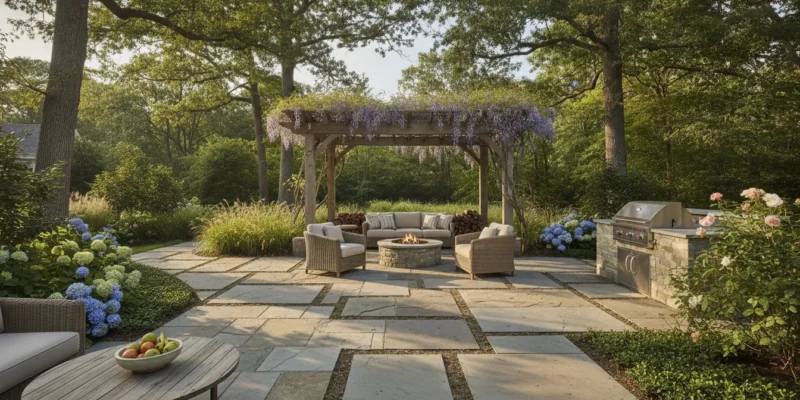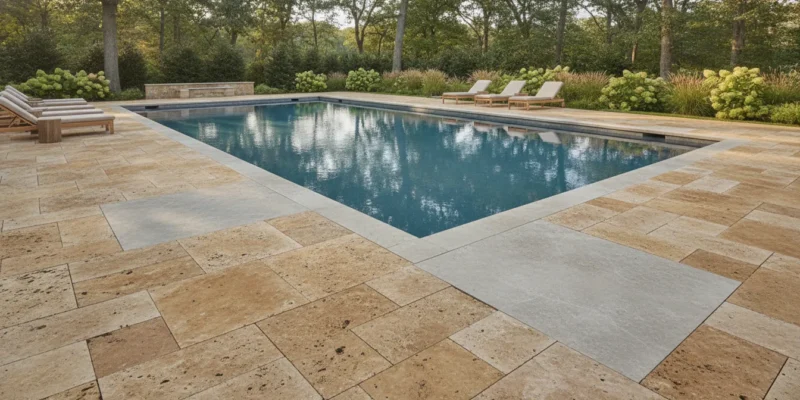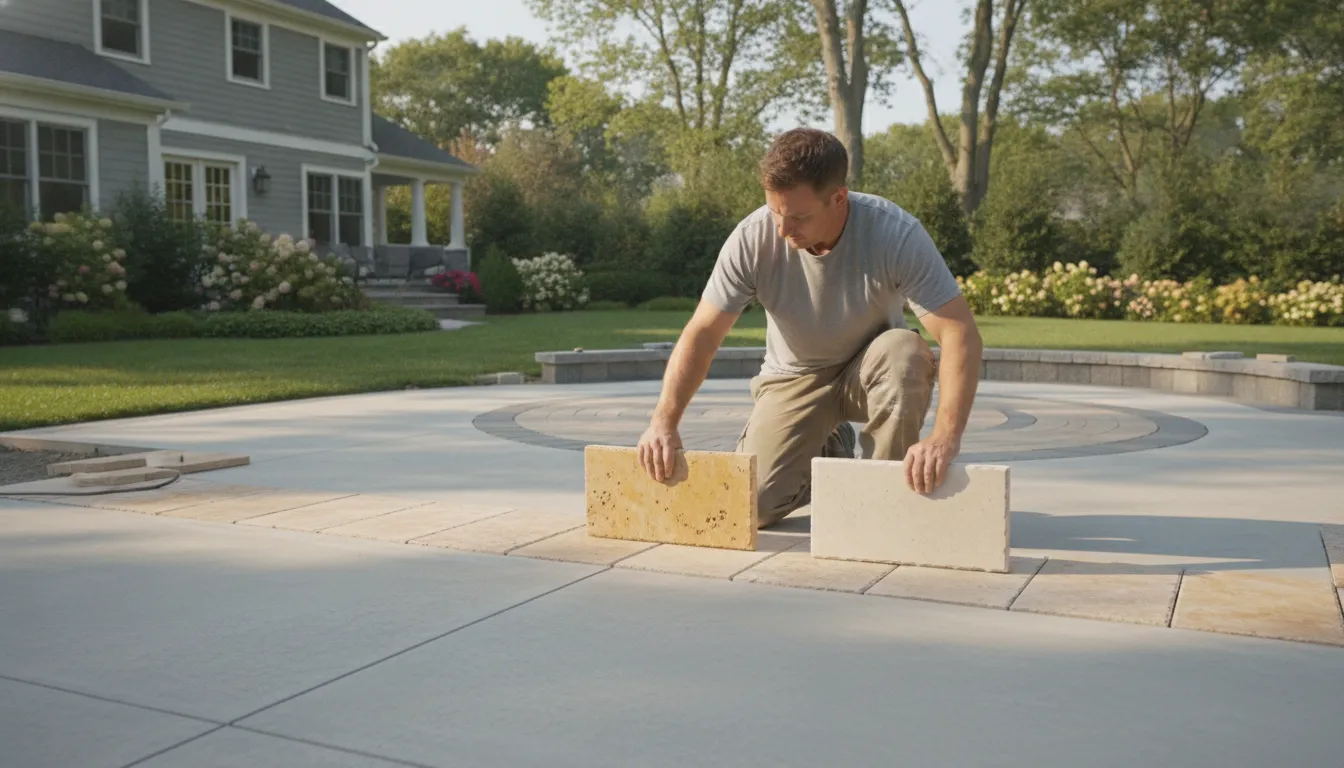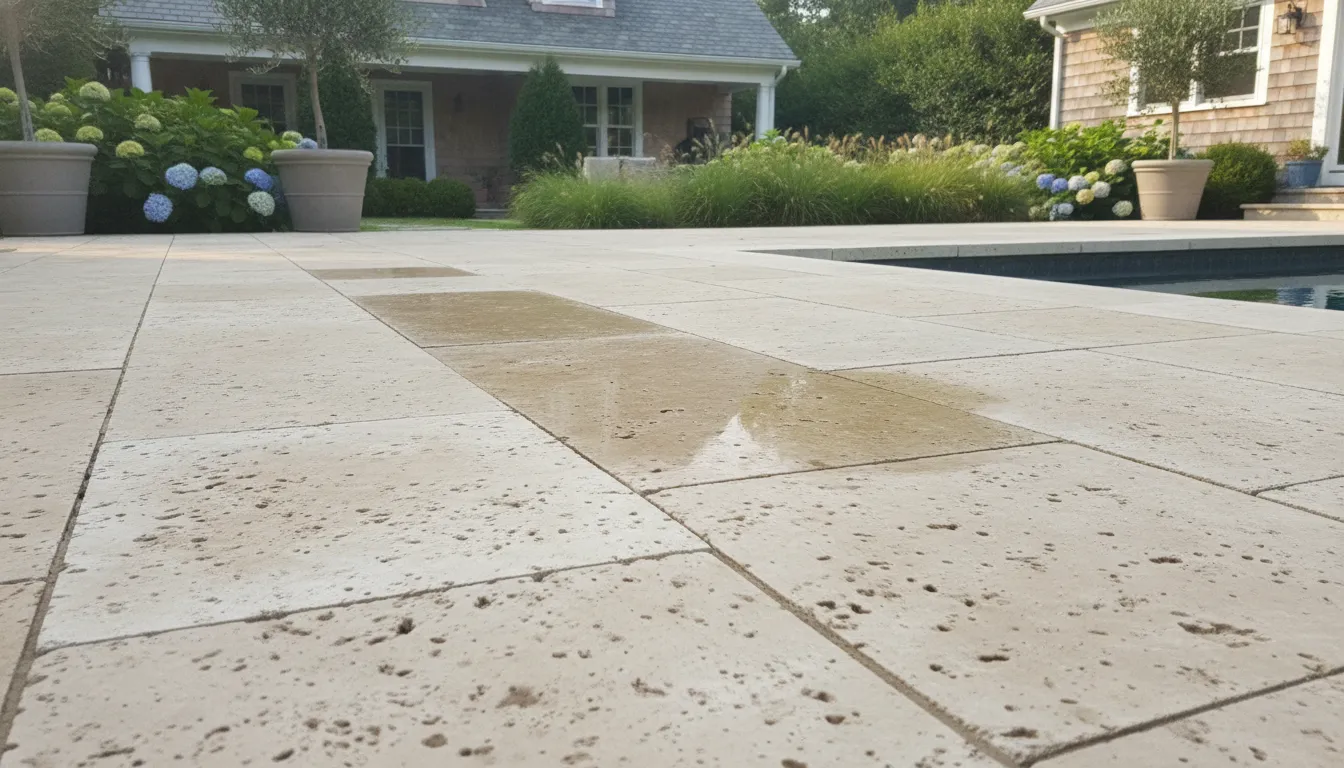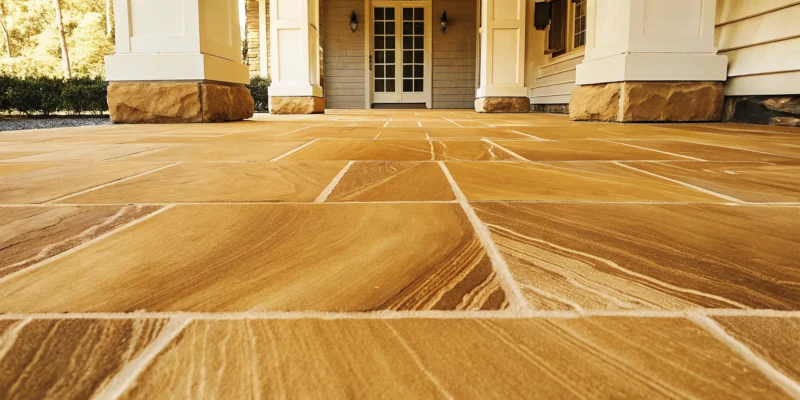
Natural stone pavers on the front porch of a home in Nassau County.

Your Guide to Natural Stone Pavers in Nassau County

Your home should reflect your personal style, right down to the details of your outdoor space. If you’re looking for a truly custom look, manufactured pavers with their uniform shapes and colors might not be the right fit. Natural stone, on the other hand, offers a beauty that is entirely one-of-a-kind. Each paver has its own unique veining, texture, and color palette, formed by nature over millions of years. This ensures your patio or walkway is unlike any other. For those seeking a distinctive and elegant finish, exploring the world of natural stone pavers Nassau County provides is the first step toward creating a truly personalized outdoor retreat.

Key Takeaways

  • Understand each stone’s unique benefits: Think about how you will use the space to choose the right material. For example, travertine stays cool underfoot, making it perfect for pool surrounds, while durable granite is an excellent choice for high-traffic driveways.
  • Invest in lasting quality and value: While natural stone has a higher upfront cost than concrete or brick, its unmatched durability and timeless beauty provide a significant return. It enhances your home’s curb appeal and saves you from future replacement costs.
  • Protect your project with the right pro and proper care: The success of your paver project depends on two things: hiring a licensed, experienced contractor and following a simple maintenance plan. Regular cleaning and sealing will keep your stone looking its best for decades.

What Are the Most Popular Natural Stone Pavers in Nassau County?

When you start looking at natural stone, it’s easy to feel a little overwhelmed by the options. The great thing is that you can’t really make a wrong choice, it’s more about finding the right fit for your home’s style and how you plan to use your outdoor space. Here in Nassau County, homeowners tend to gravitate toward a few specific types of stone that hold up beautifully to our seasons and match the classic Long Island aesthetic. From the rich, deep tones of bluestone to the sunny, Mediterranean feel of travertine, each stone has its own personality.

At Gappsi, we work with a wide variety of porcelain and natural stone pavers, so we’ve seen firsthand what works best for patios, pool surrounds, and walkways in our area. We can help you find the perfect material that not only looks incredible but also fits your lifestyle. Think about the look you’re going for. Do you want something sleek and modern, or rustic and charming? Answering that question is the first step in narrowing down your choices. Let’s walk through some of the most popular options you’ll find in backyards across Nassau County.

Bluestone

Bluestone is a true classic on Long Island for a reason. Its signature blue-gray color creates a look that is both elegant and timeless, fitting in perfectly with traditional and contemporary homes alike. You’ll often see it used for patios and walkways because of its dense, durable nature. One thing to keep in mind is that natural stone pavers, particularly bluestone, can be “vulnerable to neglect.” This just means they look their best with a little upkeep. Proper installation and sealing are key to preventing moisture damage and staining, ensuring your bluestone patio looks stunning for years. We can always help with professional cleaning and sealing to keep it in top condition.

Travertine

If you’re dreaming of a bright, resort-style backyard, travertine is a fantastic choice. As a popular stone for outdoor paving, it’s “known for its durability and aesthetic appeal.” Travertine pavers often come in warm, earthy tones like ivory, beige, and gold, which can make any space feel sunny and inviting. One of its best features is that it stays relatively cool to the touch, even in direct summer sun. This makes it an ideal material for swimming pool decks and patios where you and your family will be walking around barefoot. Its naturally porous texture also provides good slip resistance, adding a layer of safety around wet areas.

Limestone

Limestone offers a softer, more understated beauty compared to other stones. It is “favored for its natural beauty and versatility,” making it a wonderful choice for creating serene and elegant outdoor living areas. Available in creamy whites, light grays, and soft tans, limestone has a fine grain and consistent coloring that lends a clean, sophisticated look to any project. It’s a great fit for garden paths, courtyards, and patios where you want the focus to be on the surrounding landscape design. Its subtle charm complements lush greenery and colorful flowers without overpowering them, creating a harmonious and peaceful outdoor retreat.

Granite

When you need a paver that is incredibly strong and makes a bold statement, granite is the answer. It’s one of the hardest natural stones available, making it exceptionally resistant to scratches, stains, and heavy traffic. At Gappsi, we install an “extensive selection of natural stones, including bluestone, travertine, limestone, granite, marble, and sandstone,” and we often recommend granite for its combination of strength and elegance. It’s a perfect choice for driveways or busy patio areas. With a range of colors from dark grays and blacks to speckled whites and pinks, granite’s polished or flamed finishes can create a truly high-end, custom look for your home’s exterior.

Slate and Sandstone

For homeowners who love rich color and texture, slate and sandstone are two excellent options. Sandstone brings a “warm, earthy feel with its rich red and gold tones,” creating a rustic and inviting atmosphere that’s perfect for a cozy patio or winding garden path. On the other hand, slate is “known for its unique colors and textures,” often displaying deep blues, greens, and purples with a distinctive layered appearance. Both stones add a ton of character to an outdoor space. You can see examples of these beautiful materials and more at the Gappsi Store to get a real feel for how their unique qualities can transform your backyard.

Why Choose Natural Stone Over Concrete or Brick?

When you’re planning a new patio, walkway, or pool deck, you’ll find plenty of material options. Concrete and brick pavers are common, but if you’re looking for a solution that offers timeless beauty, incredible strength, and long-term value, natural stone is in a class of its own. While manufactured pavers try to imitate the look of stone, they can’t replicate the authentic character and performance that comes from a material formed over millions of years.

Choosing natural stone is an investment in your home’s quality and appeal. It’s a decision that pays off not just in stunning aesthetics but also in practical, everyday benefits. From its ability to withstand Long Island’s demanding climate to its unique, earth-given patterns, natural stone provides a superior foundation for your outdoor living spaces. Let’s explore the specific advantages that make it the premier choice for discerning homeowners.

Unmatched Durability for Long Island Weather

Long Island weather can be tough on outdoor materials, with its hot, humid summers and cold, icy winters. Natural stone is uniquely equipped to handle these extremes. Formed under immense heat and pressure, stones like granite and quartzite are incredibly dense and strong, making them resistant to cracking, chipping, and wear. Unlike concrete pavers that can fade and degrade over time, high-quality natural stone maintains its color and integrity for decades. This inherent strength means you can build with confidence, knowing your beautiful masonry work will endure season after season with minimal upkeep.

Enhance Your Home’s Beauty and Value

There’s a reason why manufactured pavers are often designed to look like natural stone: nothing compares to the real thing. Each piece of travertine, bluestone, or granite has unique colors, veins, and textures, ensuring your patio or walkway is truly one-of-a-kind. This natural variation creates a rich, organic look that adds a touch of luxury and sophistication to any property. Beyond its visual appeal, natural stone adds significant, lasting value to your home. It’s a premium feature that enhances curb appeal and provides a great return on investment, saving you the replacement costs associated with lower-grade materials down the line. A well-designed stone feature is a permanent upgrade that you and future owners will appreciate.

Cooler Surfaces and Better Grip

Think about walking barefoot on your patio on a hot July afternoon. Many materials, like concrete and certain composites, can become uncomfortably hot in direct sun. Many types of natural stone pavers, especially lighter-colored options like travertine, stay cooler to the touch. This makes them a perfect and more comfortable choice for pool surrounds and outdoor living areas where you and your family spend time. Additionally, the natural texture of stones like bluestone provides excellent slip resistance, which is a crucial safety feature for surfaces that get wet. This combination of comfort and safety makes natural stone a practical and family-friendly option for any backyard.

The Eco-Friendly Advantage

For homeowners looking to make more sustainable choices, natural stone is an excellent option. As a product quarried directly from the earth, it doesn’t require the extensive energy and water used to manufacture concrete pavers. It’s a natural, non-toxic material that exists in harmony with the environment. Furthermore, certain installation techniques can make natural stone pavers permeable. This allows rainwater to soak into the ground below instead of creating excess runoff, which helps replenish local aquifers and reduces strain on storm drains. Choosing a permeable system is a simple way to make your landscape more environmentally responsible.

How Much Do Natural Stone Pavers Cost in Nassau County?

Understanding the budget for your new patio or walkway is one of the first steps in planning your project. The cost of natural stone pavers in Nassau County can vary quite a bit, but breaking it down can make it much easier to figure out. The final price tag depends on the type of stone you choose, the size of your project, and the complexity of the installation. Let’s look at what you can expect to invest in bringing the timeless beauty of natural stone to your home.

A Cost Comparison of Different Stones

When you start shopping for natural stone, you’ll find that prices generally range from $15 to $50 per square foot for the material itself. This wide range exists because each type of stone has its own unique qualities and sourcing process. For example, a durable and popular choice like travertine might fall in the middle of that range, while a more exclusive type of granite or bluestone could be at the higher end. The key is to balance your aesthetic goals with your budget. At the Gappsi Store, you can explore a variety of options to see which stone best fits your vision and financial plan for your outdoor space.

The Price of Natural Stone vs. Concrete and Brick

It’s helpful to see how natural stone stacks up against other popular paving materials. Generally, natural stone is the premium choice and carries the highest price tag. On the other end of the spectrum, standard concrete pavers are the most economical option, often costing between $2 and $6 per square foot. Brick pavers usually fall somewhere in between. While concrete offers a lower upfront cost, it doesn’t provide the same unique character or long-term value as natural stone. Your choice ultimately depends on your priorities, whether it’s sticking to a tight budget or investing in the unparalleled durability and elegance that only natural stone can offer.

What Factors Influence Your Final Installation Cost?

The price per square foot for the stone is just one part of the equation. Several other factors will determine your project’s total cost. The complexity of the design plays a big role; a simple rectangular patio will cost less to install than one with intricate curves and patterns. Site preparation, such as grading the land or removing an old patio, also adds to the labor costs. Finally, the expertise of your installation team is a crucial factor. An experienced masonry contractor ensures the job is done right, preventing costly repairs down the road. Getting a comprehensive quote will help you understand all the elements that contribute to the final price.

What to Look for in a Nassau County Paver Contractor

Choosing your natural stone is the fun part, but finding the right contractor is what truly brings your project to life. The right partner will not only have the technical skill to install your pavers correctly but will also guide you through the process with confidence. Think of your contractor as your project co-pilot. You want someone who understands your vision, knows the local landscape, and has a proven track record of quality work. Here’s what to focus on to find the best paver contractor for your Nassau County home.

Review Their Portfolio and Local Experience

A contractor’s past work is the best predictor of your future results. Start by asking to see a detailed portfolio. Look for high-quality photos and videos that showcase a variety of projects similar to what you have in mind. This is your chance to see their design style and attention to detail up close. A contractor with deep roots in Nassau County also brings invaluable local knowledge about soil conditions, drainage, and permitting. They know how to build patios, walkways, and driveways that can handle Long Island’s specific weather challenges. Don’t be shy about asking for references or even addresses of completed projects you can see for yourself. A confident contractor will be proud to show off their work.

Ask About Material Sourcing and Quality

The beauty and longevity of your project depend heavily on the quality of the stone. A reputable contractor will be transparent about where they source their materials. They should have strong relationships with trusted suppliers, ensuring you get high-grade, consistent natural stone. Ask them about the different types of stone and why they might recommend one over another for your specific needs. A great contractor will educate you on the pros and cons of travertine versus bluestone for a pool deck, for example. Visiting a showroom like the Gappsi Store can also be incredibly helpful, allowing you to see and touch the materials before making a final decision.

Licensing, Insurance, and Warranties

This is the part that protects you, so it’s not something to skim over. Before you hire anyone, confirm they are fully licensed to work in Nassau County and carry comprehensive liability insurance. A license ensures they are accountable to local standards, while insurance protects you from any liability if an accident happens on your property. Also, ask about the warranties they offer. A professional contractor will stand behind their work with a guarantee on their craftsmanship. This shows they are confident in their installation methods and committed to your long-term satisfaction with their masonry services. Always ask for copies of these documents for your records.

How to Maintain Your Natural Stone Pavers

Choosing natural stone pavers for your patio or walkway is a wonderful investment in your home’s beauty and value. One of its best qualities is its inherent durability, but even the strongest materials benefit from a little attention. While natural stone doesn’t require constant upkeep, a consistent maintenance routine is the key to preserving its elegance for decades. Think of it as protecting your investment. A little care prevents small issues like stains or weeds from becoming bigger problems, ensuring your outdoor space remains a source of pride and enjoyment.

Here on Long Island, our pavers face everything from hot, humid summers to freezing winters. These weather cycles can be tough on outdoor surfaces, but natural stone is uniquely equipped to handle them, provided it’s cared for properly. Some stone types can be more vulnerable to neglect than homeowners expect, so staying on top of simple tasks makes a huge difference. Proper maintenance preserves the stone’s rich color and texture, prevents slick moss growth, and keeps the joints between pavers tight and free of weeds. In the following sections, we’ll walk through simple cleaning and sealing steps, how to manage common issues like weeds, and how to prepare your pavers for every season.

Simple Steps for Cleaning and Sealing

Keeping your natural stone pavers clean is easier than you might think. For general upkeep, simply sweep them regularly to remove dirt and leaves. For a deeper clean, a bucket of warm water with a little mild soap and a soft-bristle brush will do the trick. Gently scrub the surface and rinse thoroughly with a garden hose. It’s best to avoid pressure washers and harsh, acidic cleaners, as they can damage the stone’s surface and sealant.

Sealing your pavers is a crucial step for long-term protection. A quality sealant acts as a barrier against stains from things like spilled drinks, oil, or fallen leaves. It also makes routine cleaning much easier and can enhance the stone’s natural color. While you can do it yourself, professional restoration and sealing services ensure an even application and a durable finish that protects your investment for years to come.

How to Handle Weeds, Moss, and Cracks

Even with the most expert installation, you might eventually see a few weeds or a bit of moss pop up between your pavers. The easiest way to handle them is to pull them by hand or use a specialized weeding tool designed for tight spaces. To prevent them from coming back, you can have polymeric sand swept into the joints. This special sand hardens to lock pavers in place and block weed growth.

While natural stone is incredibly strong, certain types like travertine and bluestone can show signs of neglect if not cared for. If you notice a paver has shifted or developed a significant crack, it’s best to address it quickly. A skilled masonry professional can often repair or replace a single stone without disrupting the entire patio, keeping your outdoor space safe and beautiful.

Prepare Your Pavers for Every Long Island Season

Natural stone is an excellent choice for Long Island because it holds up so well to our freeze-thaw cycles. To keep it in top shape, a little seasonal prep is all you need. In the fall, make sure to sweep away fallen leaves and debris to prevent staining. Before winter arrives, give your pavers a good cleaning and ensure they are properly sealed to resist moisture.

When it comes to snow and ice, avoid using rock salt (sodium chloride), which can corrode and discolor the stone. Instead, opt for sand for traction or a calcium chloride-based de-icer, which is much gentler on porcelain and natural stone. Once spring arrives and the snow melts, a simple cleaning will wash away any winter residue and get your patio ready for warmer weather.

When to Call in a Professional

While most routine maintenance is simple enough to handle on your own, there are times when calling a professional is the smartest move. If you’re dealing with deep-set stains, widespread moss, or multiple cracked pavers, an expert can solve the problem efficiently without causing further damage. Professional teams have the right tools and products to tackle tough jobs that DIY methods might not fix.

Think of it as a check-up for your outdoor space. Gappsi offers comprehensive maintenance programs, from deep cleaning and sealing to repairing settled areas. Having a professional restore and seal your pavers every few years is a great way to protect your investment and keep your property looking pristine. It saves you time and gives you peace of mind knowing the job is done right.

Related Articles

Frequently Asked Questions

How often should I seal my natural stone pavers? The best rule of thumb is to have your pavers sealed every three to five years. The exact timing depends on the type of stone you have and how much foot traffic it gets. Sealing is your best defense against stains from things like spilled wine or grill grease, and it also helps protect the stone from moisture damage during our Long Island winters. A good sealant can even bring out the stone’s natural colors, keeping your patio looking vibrant.

Can I use a pressure washer to clean my stone patio? I would strongly advise against using a pressure washer on your natural stone. The high-pressure stream can be too aggressive, potentially etching the surface of the stone, damaging the sealant, and blasting out the sand in the joints. A much safer and still effective method is to use a simple garden hose, a soft-bristle brush, and a mild, pH-neutral cleaner. This gentle approach will clean your pavers beautifully without risking any damage.

What’s the safest way to remove ice from my stone walkway in the winter? This is a great question because using the wrong product can cause serious damage. You should absolutely avoid using standard rock salt (sodium chloride) on your natural stone pavers, as it can cause pitting and discoloration. Your best options are to use sand for traction or to find a de-icer that is specifically made for natural stone, which is usually a calcium chloride-based product. These alternatives are much gentler and will keep your walkway safe without harming your investment.

Weeds are starting to grow between my pavers. What should I do? Seeing a few weeds pop up is completely normal, so don’t worry that your patio is failing. The easiest solution is to pull them by hand or use a small weeding tool. For a more long-term fix, you can have polymeric sand swept into the joints. When activated with water, this sand hardens and creates a strong yet flexible barrier that makes it very difficult for weeds to grow through.

My pavers look faded and have some old stains. Is it too late to restore them? It’s almost never too late. Natural stone is incredibly resilient, and even pavers that look a bit neglected can often be brought back to life. For deep-set stains or an overall dull appearance, a professional cleaning and sealing can make a world of difference. An expert team has access to specialized cleaning agents and techniques that can lift old stains and restore the stone’s original richness, making your patio look new again.

Share this page:
Decks and patios on Long Island connected in a landscaped backyard

Decks and Patios on Long Island: Which Fits Your Home?

When Long Island homeowners compare decks and patios, the right choice depends on more than the surface color. The elevation of the home, slope of the yard, drainage pattern, access needs, maintenance plan, and relationship to the landscape all shape the result. A useful decision starts with how the space must work every day, then matches the structure and material to the property.

Contact Gappsi through our contact page

Decks are elevated platforms supported by framing, posts, and footings, while patios are ground-level surfaces built over a prepared base. A deck can solve a height or grade change near the home. A patio can provide a direct, step-free connection to the yard. On Long Island, both depend on careful water management and site-specific preparation.

This guide gives you a practical way to compare the two options without treating either one as universally better. Gappsi approaches outdoor living projects by considering the home, materials, grading, planting, and how the finished area connects to the rest of the property.

How do decks and patios differ on a Long Island property?

A deck is a framed structure raised above the ground, often attached to the home and reached by stairs. A patio is a hardscape surface set close to grade, usually built from pavers, porcelain, natural stone, or concrete. The key difference is structural elevation, which affects access, drainage, installation, and how the space meets the house.

Decks are useful when the back door sits above the yard, the property slopes away from the house, or the homeowner wants multiple levels. Their posts and footings allow the finished surface to bridge uneven ground. Railings, stairs, lighting, and the relationship to the door threshold become part of the design rather than afterthoughts.

Patios work well when a home has a relatively usable grade or when the design calls for a broad connection between the house, lawn, planting beds, pool area, or outdoor kitchen. Because the surface sits closer to the ground, it can create an easier transition for moving furniture, serving food, or using a rolling cart.

The decision is not simply wood versus stone. It is a choice between a framed, elevated system and a ground-supported hardscape system. A split-level solution may also make sense. For example, a raised deck can meet the upper door while a lower patio creates a larger gathering area below. The right arrangement depends on the site and the way the family uses the yard.

Which material options suit decks and patios?

Deck materials typically include treated wood, hardwood, or composite boards, while patios can use concrete pavers, porcelain pavers, bluestone, travertine, limestone, granite, or other natural stone. Compare texture, heat, traction, color variation, repairability, sealing needs, and coordination with the home’s facade before selecting a surface.

A deck surface should be evaluated with its complete system. Boards are only one part of the project. The framing, fasteners, posts, footings, stair treads, railings, and space beneath the deck all influence how the finished structure performs. Wood can bring a natural grain and can be refinished, but it needs a maintenance plan. Composite boards can reduce some surface-care tasks, yet the supporting frame and drainage below still matter.

A patio offers a wider material palette. Concrete pavers provide modular shapes and can allow localized repairs when individual units need attention. Porcelain pavers offer consistent sizing and a defined architectural look. Gappsi’s porcelain and natural stone selection includes options for coordinating exterior areas with the home’s design.

Natural stone brings variation in color, texture, veining, and edge character. Bluestone can create a restrained, linear layout. Travertine and limestone can support a lighter, more textured appearance. Granite and other dense stones may suit specific design and performance goals. Material selection should account for the intended finish, sun exposure, wet areas, joints, and whether sealing is appropriate.

Raised composite deck as one option when comparing decks and patios on Long Island
A raised deck can connect an elevated doorway to an uneven backyard while creating a defined outdoor room.

Gappsi’s masonry design and construction services can help homeowners evaluate how stone, porcelain, steps, walls, and adjacent features work together. The goal is not to force every project into one material. It is to select components that fit the home’s architecture, the site’s conditions, and the intended use.

Ask Gappsi about the right outdoor surface for your Long Island home.

How should installation and drainage influence the choice?

Deck installation centers on structural support, footing depth, framing, connections, stairs, and railings. Patio installation centers on excavation, a compacted base, edge restraint, joints, grade, and water movement. Both systems need a plan for runoff so water does not collect against the home, undermine the surface, or create unsafe transitions.

For a deck, the first questions are structural. Where can footings be placed? How high is the finished surface above the yard? How will stairs meet the lower grade? What happens to water beneath the deck? A deck can work on a slope, but the design must account for the soil, the support layout, and the way rain moves across and below the structure.

For a patio, the quality of the base is central. A surface that looks level at installation can shift when water remains trapped below it or when the supporting layers are not prepared for the site. The layout should direct water away from the house and coordinate with downspouts, planting beds, steps, pool areas, and existing hardscape.

Long Island properties do not all drain the same way. Coastal sandy conditions, compacted fill, heavier inland soils, tree roots, and existing grades can change the preparation needed. That is why a surface sample or a generic installation diagram cannot replace a site review. Gappsi’s landscape design team works with grading, planting, drainage, and outdoor living layouts as connected parts of the plan.

Ask the installer to explain the finished elevations in relation to door thresholds, basement windows, foundation walls, steps, and lawn areas. A clear section drawing or 3D design can make those transitions easier to understand before construction begins.

How do accessibility, maintenance, and lifespan compare?

Patios usually offer the simplest step-free route because they are close to grade, although slopes and thresholds still need attention. Decks may require stairs or ramps when raised. Deck maintenance focuses on boards, fasteners, framing, and railings. Patio maintenance focuses on joints, surface cleaning, settling, weeds, and material-specific sealing.

Accessibility is often the first practical difference. A patio can connect a back door to the lawn with a gradual transition when the grades allow it. A deck may be the better structural answer when the door is high above the yard, but stairs can add a barrier. If someone in the household uses a mobility device, carries young children, or wants to age in place, discuss the route from interior rooms to the final seating area before choosing the surface.

Maintenance varies by material and exposure. Deck owners should plan for surface cleaning, fastener checks, board movement, and inspection of stairs, railings, and the structure below. Patios may need joint maintenance, spot repairs, cleaning, and sealing when the chosen material benefits from it. Gappsi’s stone and paver cleaning and sealing service covers maintenance considerations for many exterior hardscape surfaces.

Lifespan should be discussed as a system rather than promised as a single number. A deck’s service life depends on the board material, framing, fasteners, footings, water exposure, and inspection history. A patio’s durability depends on the material, base, drainage, edge restraint, joints, freeze-thaw exposure, and repairs. In both cases, correct preparation and timely maintenance can matter as much as the visible finish.

Think about future repairs before construction. Can a damaged board be replaced without disturbing the rest of the deck? Can a settled patio area be lifted, the base corrected, and the units reset? Are replacement materials available and are extra units stored? These questions help turn a beautiful first-year result into a surface that remains manageable later.

Ground-level patio with planted borders when comparing decks and patios on Long Island
A ground-level patio can provide a broad connection between the house, planting beds, and lawn.

What outdoor surface fits your home and daily routine?

The best fit depends on five linked conditions: the home’s door height, the yard’s grade, the drainage plan, the desired route through the space, and the maintenance the household will consistently perform. Use those conditions to choose the system first, then select a material that supports the home’s architecture and the project’s purpose.

Decision factor Deck may fit when Patio may fit when
Elevation The door is raised or the yard drops away from the home. The finished area can sit close to the existing grade.
Access Stairs are acceptable or a designed ramp can be incorporated. A shorter, step-free route is a priority and grades allow it.
Materials You want boards and a framed outdoor room. You want pavers, porcelain, concrete, or natural stone.
Drainage Water below and around the structure can be managed. The base, slope, joints, and edges can move water away safely.
Future care You can inspect boards, framing, stairs, and railings. You can maintain joints, clean the surface, and address settlement.
Integration You want an elevated connection to an upper room or view. You want masonry, landscape beds, lawn, or a pool area to flow together.

Use the table as a starting point, not a substitute for a site review. A narrow side yard, mature tree, retaining wall, pool, or outdoor kitchen can change the best answer. The finished design should also consider furniture movement, shade, lighting, privacy, and how guests enter the space.

  • Measure the height of each door that may connect to the outdoor area.
  • Note where rainwater currently collects after a storm.
  • Identify slopes, retaining walls, trees, utility access, and existing steps.
  • List the activities the surface must support, such as dining, grilling, play, or quiet seating.
  • Decide how much annual cleaning, sealing, staining, or inspection you will maintain.
  • Choose materials that coordinate with the facade, roof, windows, pool, and planting design.
  • Ask for finished elevations, drainage details, material samples, and a repair plan.

For a broader outdoor living plan, Gappsi can coordinate the relationship between hardscape, planting, structures, and adjacent features. A consultation can help clarify whether the project should use a patio, a deck, or a combination of both.

What should you ask before choosing a deck or patio?

Ask how the proposed surface will meet the house, manage water, handle seasonal movement, support the planned activities, and be maintained over time. Also ask which parts are structural, which materials are included, how transitions will be built, and how repairs can be handled if one area settles or wears.

Before approving a design, request clear answers to these questions:

  1. What finished elevation will the surface have at every door, stair, lawn edge, and drainage transition?
  2. Where will rainwater go during a heavy storm, and how will the plan protect the foundation and adjacent surfaces?
  3. What base, footing, framing, edge restraint, joint, and fastener details are included?
  4. Which areas need railings, stairs, lighting, guards, or a different accessibility treatment?
  5. What routine maintenance does each material require in this location?
  6. What should be saved for future repairs, including extra pavers, finish information, or product details?

These questions keep the conversation focused on performance and use rather than appearance alone. They also make it easier to compare proposals that may use different materials or construction systems.

Contact Gappsi through our contact page

Frequently Asked Questions

Is a deck or patio better for a sloped Long Island yard?

A deck can bridge a grade change with posts and footings, while a patio may need grading, steps, retaining elements, or multiple levels. The better option depends on the door height, slope, soil, drainage, and the desired route through the yard. A site-specific design is more reliable than choosing based on slope alone.

Which surface is easier to maintain, a deck or a patio?

Neither surface is maintenance-free. Deck care can include cleaning, board and fastener checks, and inspections of stairs, railings, framing, and footings. Patio care can include cleaning, joint maintenance, sealing when appropriate, and resetting areas affected by movement. The material and installation details determine the actual routine.

Can a patio be more accessible than a raised deck?

Often, yes. A patio close to grade can provide a simpler path from the home to the yard, but the finished slope, doorway threshold, steps, and surface texture still need review. A raised deck can also be designed with an appropriate route, although its elevation may require stairs or a ramp.

Can a deck and patio be used together?

Yes. A raised deck can connect to an elevated doorway, while a lower patio can create additional room for dining, planting, a fire feature, or circulation. A combined design should coordinate stairs, drainage, sightlines, materials, and the transition between the two levels.

Does Long Island weather affect deck and patio selection?

Seasonal rain, humidity, sun, and freeze-thaw movement make preparation important for both systems. Wood and composite decks need suitable framing and water management. Patios need a stable base, correct grade, durable joints, and a material appropriate for the location. The local site conditions matter as much as the product description.

Contact Gappsi through our contact page

Share this page:
Long Island backyard patio with natural stone and concrete pavers

Patio Pavers for Long Island Homes: A Planning Guide

A patio in Nassau or Suffolk County has to do more than look attractive in a material sample. Its surface, pattern, base, drainage plan, and maintenance needs all affect how it handles everyday use and Long Island’s seasonal weather. Choosing the right system starts with the site, not just the color or texture.

Contact Gappsi through our contact page.

The best patio pavers for a Long Island home depend on the property’s soil, grade, drainage, intended use, and design goals. Concrete pavers provide modular flexibility, porcelain pavers offer defined sizes and finishes, and natural stone such as bluestone or travertine brings distinctive variation. Each option can perform well when matched to proper preparation and installation.

A thoughtful comparison also considers how water moves through and away from the patio. The surface must respond to seasonal movement. Individual units should also be maintainable or replaceable. Those criteria provide a practical starting point for comparing materials and planning a patio that fits the home.

Which patio pavers work best for Long Island homes?

The best patio pavers depend on how you use the space and how the material fits your home. The site must also handle water through seasonal weather. Long Island projects in Nassau and Suffolk County can call for different solutions based on soil. Existing grades, sun exposure, drainage, and the connection between the patio and the rest of the property. Start with those conditions rather than choosing a color from a sample alone.

Contact Gappsi through our contact page

Concrete pavers are a practical choice when you want modular units and defined shapes. Individual pieces can potentially be replaced if a localized area settles or becomes damaged. They are available in varied colors, textures, and patterns, so they can support both traditional and contemporary designs. Ask how the selected system will work with the proposed base, edge restraints, joints, and drainage plan. The paver itself is only one part of the finished surface.

Porcelain pavers can suit homeowners who want a crisp architectural appearance, consistent sizing, and a range of formats and finishes. They require an installation approach appropriate to the product and the site. Especially where the patio must manage runoff or transition to steps, lawn, a pool area, or an outdoor kitchen. Review porcelain and natural stone pavers alongside the proposed construction details, rather than evaluating appearance separately from installation.

Natural stone gives each patio a distinct surface through variations in color, veining, texture, and edge character. Bluestone, travertine, limestone, granite, and other stones can create different visual effects and suit different design goals. The right selection depends on the desired finish, placement, exposure, and how the stone will coordinate with walls, plantings, steps, or pool coping. A physical sample or showroom review can reveal variation that a small digital image cannot.

Brick or clay pavers offer a recognizable, warm appearance that works well with traditional homes, garden paths, and restrained border details. Their color and texture should be considered with the home’s facade and nearby masonry. As with any material, the long-term result depends on proper site preparation, water management, compatible components, and reasonable maintenance. No material should be treated as universally maintenance-free or immune to movement.

A useful selection process compares four things together: appearance, site performance, maintenance expectations, and design coordination. Gappsi Group provides design, construction, material supply, and maintenance services for outdoor projects, with a showroom where homeowners can review materials. Its porcelain and natural stone work is one documented part of that service portfolio. Keep the decision broad enough to account for the complete patio, while using the property’s actual conditions to narrow the options.

How should you compare concrete, porcelain, and natural stone pavers?

The right material depends on how several project criteria work together. Appearance alone is not enough: a patio that looks right in a sample may require a different base, drainage plan, joint detail, or maintenance routine than another material. Compare the surface with the conditions below it and the way you expect to use the space.

How common patio paver materials affect project decisions
Material Appearance and fit Base, drainage, and freeze-thaw planning Maintenance considerations
Concrete pavers Available in varied colors, shapes, textures, and modular sizes. A practical fit when you want flexible patterns, defined borders, and the option to replace individual units. Still depends on a properly excavated and compacted base, edge restraint, and a drainage plan. Permeable interlocking concrete pavement is a separate system with open-graded aggregate layers, not simply standard pavers with wider joints. Sweep regularly and watch joints, edges, stains, and settlement. If a unit moves or becomes damaged, repair can be localized when matching material remains available.
Porcelain pavers Offer a controlled, clean look with consistent color and patterns that can coordinate with contemporary architecture. Review texture and surface finish in person, especially for exposed outdoor areas. Installation details must match the selected system and site. Plan the base, slope, drainage, and transitions before choosing the format. Freeze-thaw performance depends on the product, substrate, water management, and installation quality, not the label alone. Generally calls for routine sweeping and prompt attention to spills, with cleaning methods selected for the surface finish and joint system. Avoid assuming every cleaner or sealer is suitable.
Natural stone Bluestone, travertine, and other stones bring natural variation in color, texture, and pattern. That variation can be an asset when the design should feel less uniform. Choose thickness, finish, joint details, and base construction for the intended use and exposure. Water still needs a deliberate path away from the patio, and freeze-thaw planning should account for the stone, bedding, joints, and site drainage together. Expect material-specific cleaning and sealing decisions. Natural variation means replacement pieces may not look identical, so retain extra material when practical.
Brick or clay pavers Create a traditional, warm appearance and work well with running bond, basket weave, and other structured patterns. Color variation should be reviewed across multiple pieces. Use the same disciplined approach to excavation, compaction, slope, edge restraint, and joints. Water management matters during cold weather because saturated assemblies are more vulnerable to movement. Routine sweeping and occasional cleaning help preserve the pattern. Address loose units, eroded joints, and drainage issues before small changes spread.

For drainage-sensitive sites, the EPA explains that permeable pavement allows stormwater to infiltrate through the surface, while the supporting crushed-stone layers provide the working structure. Low-infiltration soils may need additional drainage measures, and sediment can reduce infiltration over time. These details make the material choice a site-planning decision, not a simple finish selection.

Start with use, grade, soil, water movement, and desired maintenance level. Then compare samples and layouts. Gappsi’s guide to porcelain and natural stone pavers can help narrow the surface options before the full patio design is developed.

What base preparation and drainage do patio pavers need?

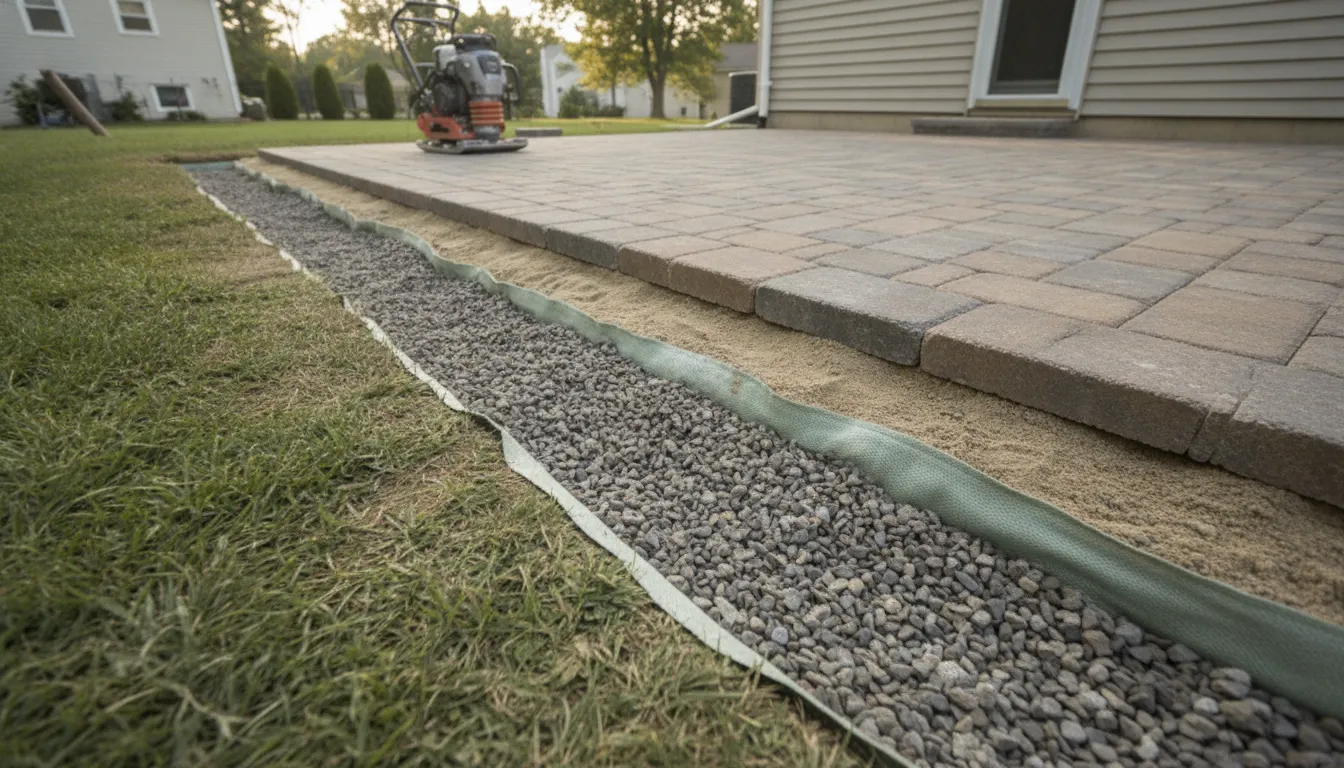
A durable patio begins below the visible surface. Excavation, soil assessment, grading, and compaction determine whether the finished surface stays stable when soil holds water, settles, or moves through seasonal changes. The correct preparation depends on the existing grade, subgrade condition, intended use, and how runoff should move through the property. A qualified installer should evaluate those conditions rather than apply one universal layer depth to every site.

Contact Gappsi through our contact page

Drainage planning is part of the foundation, not an afterthought. Conventional patio systems need a controlled slope that directs water away from the home and prevents ponding. Where infiltration is appropriate, permeable pavement can allow stormwater to move through the surface into the ground below, as described by the EPA guidance on permeable pavements. These systems use crushed stone bedding and base layers. An open-graded base or subbase can also act as a temporary reservoir, storing water before it infiltrates into the subgrade or exits through underdrains, according to the Federal Highway Administration.

Soil matters. Clay or another low-infiltration subgrade may need a planned outlet, such as perforated drain pipes, rather than relying on water to disappear through the soil. The design should also account for roof runoff, downspouts, nearby planting beds, pool areas, and the patio’s relationship to door thresholds. Edge restraints hold the perimeter in position, while properly filled joints help keep individual pavers from shifting laterally. The exact restraint and joint material should match the selected paver system and site conditions.

Patio paver base and drainage preparation beside a Long Island home

  1. Assess the site. Confirm the patio footprint, existing grades, soil behavior, utilities, access, runoff paths, and expected loads.
  2. Excavate and shape the subgrade. Remove unsuitable material, establish the planned elevation, and prepare a surface that can support the base without trapping water.
  3. Build and compact the aggregate foundation. Install the specified crushed stone base in controlled stages, compacting it so the foundation is consistent rather than loose or uneven.
  4. Install the bedding layer and pavers. Place the appropriate bedding material, set the pavers to the planned pattern and slope, and maintain clean transitions at steps, doors, and adjoining surfaces.
  5. Secure the perimeter and finish the joints. Install edge restraint, add the selected joint material, and inspect the surface for alignment, drainage, and stable transitions.

For a closer look at the project sequence, review Gappsi’s paver patio installation steps. The goal is not simply a level-looking patio. It is a coordinated base, slope, and drainage system that supports the design over time.

How do patterns, scale, and borders change a patio design?

The layout of patio pavers affects more than appearance. It guides the eye, defines activity areas, and changes how a patio relates to the home’s architecture. Start with the way people will use the space, then choose a pattern that supports those movements rather than selecting a pattern in isolation.

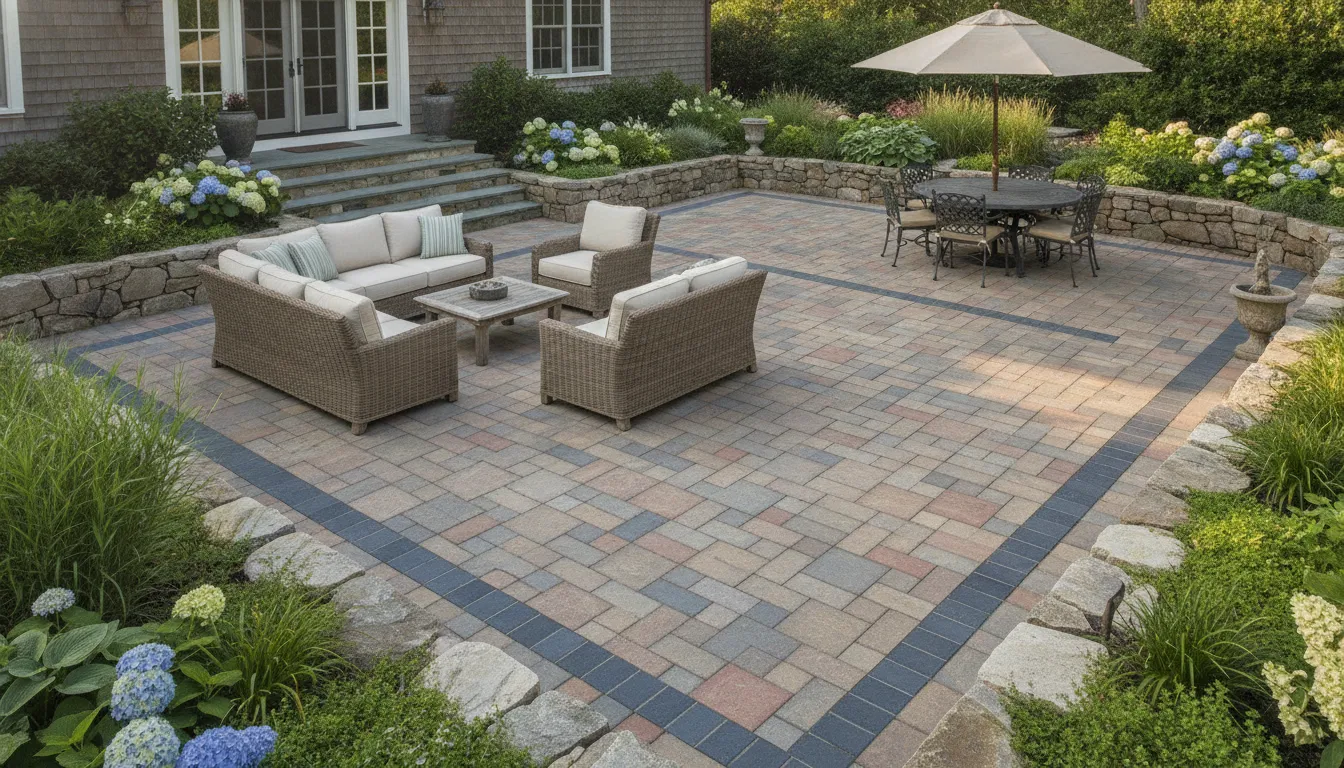
A running bond arrangement creates orderly lines and can make a narrow area feel longer. A basket weave brings a more traditional, textured character and can work well around classic masonry or garden settings. Herringbone introduces stronger diagonal movement and visual energy. Its directional lines can also help distinguish a dining area, walkway, or entry zone from the main field of the patio.

Modular layouts combine different paver sizes within a planned repeat. This approach can make a broad surface feel more layered without relying on several unrelated materials. The repeat should be selected with the actual patio dimensions in mind. A pattern that looks balanced on a sample may require awkward cuts at the edges when it is extended across a real space.

Interlocking patio pavers arranged in a coordinated pattern with a contrasting border

What does a border add?

A border gives the main field a clear stopping point and can reinforce the shape of the patio. A contrasting size, color, or material may frame a seating area, echo a home’s trim, or separate the patio from a planting bed. Borders are especially useful where a patio transitions into steps, a pathway, pool coping, or another hardscape surface. Keep the transition intentional: align key joints where possible, and avoid introducing so many lines that the design becomes visually busy.

Furniture scale matters just as much. Large sectionals and dining sets need enough uninterrupted paving to feel settled, while small seating groups may benefit from a tighter pattern or a defined inset. Marking furniture footprints during planning helps reveal whether the pattern will be hidden, interrupted, or emphasized by the finished arrangement.

For additional examples of coordinated layouts and material combinations, review Gappsi’s patio layout ideas. The strongest design usually uses one dominant field pattern, one supporting border or transition, and proportions that leave practical room for movement.

How do Long Island freeze-thaw cycles affect patio pavers?

Long Island patios experience repeated changes in temperature, precipitation, and ground moisture. When water enters joints, bedding layers, or weak points beneath the surface, freezing can expand that moisture and contribute to movement. Thawing then reveals the problem through rocking units, uneven edges, open joints, or areas that hold water. That does not mean every patio paver system performs the same way. Material selection, drainage, base preparation, and installation quality work together.

Why water management matters

The most important question is often not simply which paver looks best, but where water will go after a storm. A conventional patio should be designed with appropriate surface slope, stable edge restraint, and a base that does not remain saturated. In some locations, a permeable pavement system may be worth evaluating. The Federal Highway Administration explains that these systems use an open-graded base or subbase reservoir to temporarily store water before it infiltrates into the subgrade or moves through underdrains. The reservoir typically contains about 30 percent void space between aggregates, according to the FHWA guidance on permeable pavements.

Soil conditions still matter. The FHWA notes that low-infiltration soils, including clay, may require perforated drain pipes to move excess water. A contractor should inspect the existing grade and soil rather than assume that a permeable surface alone will solve drainage. The design may need a different base profile, an underdrain, or another way to direct runoff away from the home and patio.

How material choice and movement affect repairs

Concrete pavers, porcelain pavers, bluestone, travertine, and other natural stone products each have different thicknesses, textures, edge details, and installation requirements. Choose a product suited to the intended application and confirm its cold-climate specifications with the supplier. Gappsi’s guide to porcelain and natural stone pavers can help homeowners compare those material categories before selecting a sample.

One advantage of a properly installed segmental system is localized repairability. If movement occurs, individual units can potentially be lifted, the underlying base corrected, and the surface reset instead of removing the entire patio. That benefit depends on accurate installation and having compatible replacement material available. A poorly compacted base or missing edge restraint can allow movement to spread regardless of the paver chosen.

What should you ask a contractor?

  • How will you manage surface water and runoff at this property?
  • What base and bedding materials are recommended for the soil and drainage conditions?
  • Does the selected product have documentation appropriate for freeze-thaw exposure?
  • Where will edge restraint, joint material, and transitions be placed?
  • How would you remove and reset a unit if a localized repair becomes necessary?

Cold-climate research from the University of New Hampshire includes dedicated analysis of maintenance and thermal performance in a permeable interlocking concrete pavement test facility. That reinforces the practical point: freeze-thaw performance is a system question, not a label that can be assigned to every patio paver equally. Ask for a drainage plan, a base specification, and a clear repair approach before work begins.

What maintenance keeps a paver patio looking consistent?

A consistent patio surface depends on small checks performed before minor issues become visible repairs. Start with routine sweeping to remove leaves, soil, and grit from the pavers and joints. Pay extra attention after storms, landscaping work, or periods when nearby planting beds shed sediment. On permeable sections, this habit matters for performance because sediment and debris can collect in the surface and reduce infiltration over time. The Federal Highway Administration notes that timely maintenance can help minimize or restore reduced permeability.

Contact Gappsi through our contact page

Check joints, edges, and drainage paths

During a seasonal inspection, look across the patio from a low angle. Loose or missing joint material, separated edge pavers, and small areas that hold water can reveal movement or drainage concerns. Check where the patio meets steps, walls, planting beds, and walkways. Edges that shift can allow surrounding soil into the joints, while blocked drainage paths can keep moisture in the system longer than intended. Addressing the cause is more useful than simply adding joint material over an unstable area.

Respond to stains before they spread

Blot oil, food, and beverage spills promptly rather than allowing them to soak into a porous surface. Use a cleaning method suited to the specific paver material, since concrete, natural stone, and porcelain do not have identical care requirements. Avoid aggressive pressure or acidic products unless the material manufacturer or a qualified professional confirms that approach. Testing a cleaner in an inconspicuous area can help prevent uneven color or surface damage.

Decide whether sealing fits the patio

Sealing is a maintenance decision, not an automatic requirement. It may be considered when the goal is to simplify stain response, influence the appearance, or support a particular material-care plan. The right product and finish depend on the paver, joint material, exposure, and drainage design. Review the basics in this paver sealer maintenance guide before choosing a product. A sealer should not be used to hide settled edges, poor drainage, or failed joints.

Professional restoration is useful when cleaning alone does not resolve inconsistent color, joint loss, recurring stains, settled areas, or water that repeatedly collects in the same location. A careful assessment can separate a surface-cleaning issue from a base, edge-restraint, or drainage problem, then identify the least disruptive repair. That approach keeps patio pavers looking intentional while protecting the function of the installation.

How do you plan patio pavers before requesting a design?

Start with how you expect to use the space, not with a color or pattern. Note whether the patio will hold a dining table, lounge furniture, a grill, an outdoor kitchen, or a path to the pool. Mark the doors, steps, gates, property lines, and areas where furniture must move. This gives a designer useful constraints before material selection begins.

Contact Gappsi through our contact page

Measure the space and observe the site

Record approximate length and width, then sketch the shape rather than assuming it is a perfect rectangle. Photograph the existing grade, downspouts, retaining walls, trees, and nearby structures. Pay attention to where water collects after rain. Grade and drainage influence the layout, elevation, and base planning, so they should be discussed before a final footprint is chosen. If the patio connects to a doorway, pool deck, lawn, or walkway, identify each transition and the height you need to preserve.

Track sun, shade, and daily comfort

Observe the area at breakfast, midday, and evening. A patio that is comfortable at one time of day may be exposed at another. Note mature trees and possible future shade structures, since they affect material color, furniture placement, leaf collection, and maintenance. Think through circulation as well. Leave practical room around seating, cooking areas, and doors instead of using every available inch for paving.

Bring material questions and a realistic budget

Ask to compare physical samples in the conditions where they will be viewed. Gappsi offers porcelain and natural stone options, including multiple styles that can be evaluated through its porcelain and natural stone pavers services. Compare texture, color variation, edge detail, slip considerations, and how each sample relates to the house siding, stonework, or pool finish. A showroom visit can make these differences easier to judge than a screen.

For the budget conversation, provide the approximate dimensions, intended use, access limitations, demolition needs, drainage concerns, borders, steps, lighting, and desired material range. Avoid treating a generic square-foot estimate as a project price. Soil, grade, base work, transitions, and site access can change the scope. For more preparation questions, review Gappsi’s paver patio installation planning guide before requesting a design.

Contact Gappsi through our contact page

Frequently Asked Questions

Can patio pavers be installed directly on dirt?

Usually, no. A durable patio needs an evaluated subgrade, a properly prepared aggregate base, a setting layer, controlled slope, and edge restraint. The correct assembly depends on soil, existing grade, drainage, and expected use. For permeable systems, the EPA describes installation over crushed stone bedding and base layers, rather than directly on soil (EPA guidance).

Are pavers cheaper than a poured concrete patio?

There is no universal answer. The comparison depends on the patio size, excavation, base work, drainage, material, access, pattern, edges, and site conditions. Pavers may require more material and installation planning, but their modular construction can allow individual units to be repaired or replaced. Compare complete project scopes instead of comparing only the surface material.

What is the best patio paver material for a Long Island home?

The best choice depends on how you use the space and which appearance, maintenance routine, and installation requirements fit the property. Concrete pavers offer modular design options, natural stone provides variation, and porcelain offers specific sizes and finishes. Drainage and base preparation matter as much as the visible material, especially where seasonal moisture and freezing affect the site.

How should I plan drainage before installing patio pavers?

Start by reviewing where roof, yard, and patio water currently moves. Then confirm finished elevations, surface slope, soil infiltration, transitions, and any need for collection or discharge measures. Permeable pavement can let stormwater infiltrate through the surface, but low-infiltration soils may require perforated drain pipes or another designed outlet (FHWA guidance).

Ready to plan your Long Island patio?

Material, pattern, base, and drainage decisions work best when they are considered together. Gappsi Group can help you plan a patio design that fits your home, site conditions, and outdoor living goals. Contact Gappsi through our contact page

Share this page:
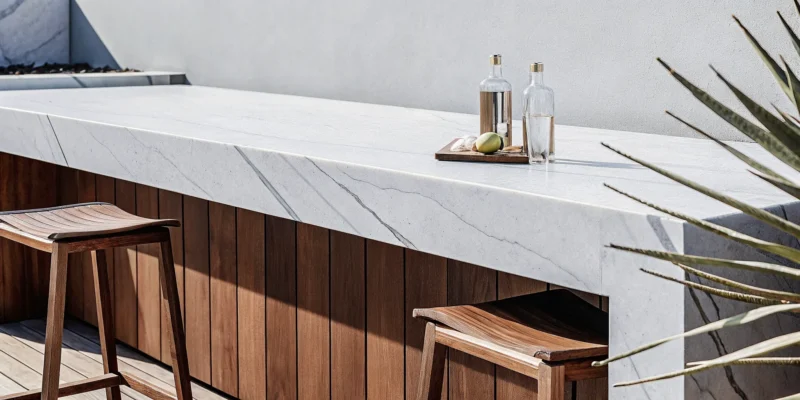
Infinity porcelain slabs for outdoor kitchen countertops.

Why Infinity Porcelain Slabs for Outdoor Kitchens?

Creating your dream outdoor living space shouldn’t mean compromising between beauty and durability. You might love the elegant look of natural marble or the industrial chic of concrete, but worry about how these materials will hold up to the elements. This is where you can truly have it all. With Infinity porcelain slabs for outdoor kitchens countertops, you get access to a vast range of stunning designs that realistically mimic natural stone, wood, and other textures. These surfaces deliver the sophisticated aesthetic you want, combined with the technical performance you need to withstand sun, frost, and stains, giving you complete design freedom without the worry.

Key Takeaways

  • Built to Withstand Long Island Weather: Infinity porcelain is your best defense against the elements; it resists fading from the sun, cracking from winter freezes, and damage from heat, so your outdoor kitchen looks great for years with minimal effort.
  • Enjoy Effortless Cleaning and Safety: Forget about sealing or special cleaners, because porcelain’s non-porous surface naturally resists stains and bacteria, giving you a hygienic space for food prep that you can clean with just soap and water.
  • Get a Flawless Designer Look: Use large slab formats to create a clean, seamless surface with fewer grout lines, and with styles that mimic everything from marble to wood, you can design a sophisticated outdoor kitchen that connects perfectly with your indoor space.

What Are Infinity Porcelain Slabs?

When you’re designing an outdoor kitchen, the countertop is one of the most important choices you’ll make. It needs to be tough enough to handle everything from sizzling hot pans to summer thunderstorms, all while looking fantastic. This is where Infinity porcelain slabs come in. Think of them as the next generation of surfaces, engineered specifically to perform beautifully in outdoor environments. Unlike some materials that fade or crack under pressure, Infinity porcelain is built to last. These slabs are designed to keep their color even in direct sunlight, resist frost during cold Long Island winters, and provide a safe, hygienic surface for all your food prep. They offer a perfect blend of sophisticated style and rugged durability, making them an ideal foundation for any outdoor living space.

How Are They Made?

The incredible strength of Infinity porcelain starts with its ingredients. The process begins by selecting and mixing the best raw materials, including natural minerals like quartz, feldspar, clay, and kaolin. This carefully chosen blend is then pressed under immense pressure and fired at extremely high temperatures. This manufacturing process, known as sintering, mimics how natural stone is formed deep within the earth, but it happens in a fraction of the time. This innovative technology creates a dense, non-porous slab that is exceptionally strong and consistent. By controlling the entire process, from raw materials to the final slab, Infinity ensures a level of quality and performance that natural stone can’t always guarantee. You can explore a wide variety of these high-quality porcelain and natural stone pavers to see the final result.

Why They Excel Outdoors

The reason so many designers and homeowners are choosing porcelain for outdoor spaces is simple: it solves many common problems. Sintered stone and porcelain slabs are a leading trend because they offer large, seamless surfaces that are incredibly low-maintenance. For an outdoor kitchen, this is a game-changer. The material’s UV stability means your countertops won’t fade after a summer in the sun. Its exceptional water resistance and durability make it an ideal choice for patios, decks, and cooking areas exposed to the elements. Infinity porcelain is made to handle outdoor life, easily resisting stains from spills, damage from heat, and the challenges of extreme weather, giving you a beautiful surface you can rely on for years.

What Makes Infinity Slabs Stand Out?

When you’re designing an outdoor kitchen, you need materials that look incredible and can handle everything Long Island weather throws at them. Infinity porcelain slabs aren’t just beautiful; they are engineered with specific features that make them a superior choice for outdoor use. From their durability to their design flexibility, these slabs offer a combination of strength and style that other materials struggle to match. Let’s look at what makes them the perfect surface for your new outdoor living space.

Resists Scratches, Heat, and UV Rays

One of the biggest challenges for outdoor materials is the sun. Infinity porcelain slabs are completely UV-stable, which means their color won’t fade or change, even after years of direct sunlight. They are also incredibly tough, resisting scratches from utensils and daily use. You can even place hot pans directly on the surface without worrying about scorch marks. This impressive durability ensures your outdoor kitchen countertops will look brand new for years, making them a practical and long-lasting investment for your home.

Frost-Proof with Low Water Absorption

Long Island winters can be harsh, with freeze-thaw cycles that can crack and damage porous materials. Infinity porcelain slabs are virtually non-porous, with a water absorption rate of less than 0.5%. This means water can’t seep in, freeze, and cause damage. This quality also makes the slabs highly resistant to staining from spills like wine or oil, which is a huge plus for an outdoor cooking and dining area. You get a surface that’s built to last through every season without needing constant upkeep or restoration and sealing.

Naturally Antibacterial Surface

Keeping your cooking surfaces clean and safe is always a priority, especially when you’re entertaining guests. Because Infinity porcelain is non-absorbent, it naturally prevents bacteria from growing on its surface. This makes it an incredibly hygienic choice for food preparation. You can chop vegetables or roll out dough directly on the countertop with complete peace of mind. This non-toxic and easy-to-clean surface adds a layer of safety and convenience to your outdoor kitchen, making it a healthier space for your family and friends.

Large Slabs for a Seamless Look

Infinity slabs come in large formats, which is a huge advantage for design. Using large slabs means fewer seams and grout lines, creating a clean, continuous surface that looks sleek and modern. This seamless appearance is perfect for creating a sophisticated flow from your indoor kitchen to your outdoor patio. Whether you’re designing a large island or an expansive countertop, the large format of Gappsi’s porcelain and stone options allows for a high-end, cohesive look that enhances your entire outdoor living area.

How Infinity Porcelain Compares to Other Countertops

Choosing the right countertop is a huge part of your outdoor kitchen design, and it’s a decision that goes beyond just looks. An outdoor countertop has to work a lot harder than an indoor one. It needs to stand up to blazing sun, heavy rain, winter freezes, and the occasional spilled marinade or glass of red wine. While classic materials like granite and concrete have their place, they often come with maintenance requirements that can cut into your relaxation time. This is where modern materials really start to make sense, especially for a climate like Long Island’s.

Infinity porcelain slabs are engineered specifically to overcome the challenges of outdoor living. They combine the timeless beauty of natural materials with a level of performance that traditional options just can’t match. When you’re investing in an outdoor kitchen, you want a surface that not only looks great on day one but continues to perform beautifully for years with minimal effort. Understanding how Infinity porcelain stacks up against some of the most common countertop choices will help you select a surface that truly fits your lifestyle. Let’s break down the key differences so you can feel confident in your decision.

Infinity Porcelain vs. Granite

Granite has been a go-to for outdoor kitchens for years, and for good reason. It’s a durable natural stone that holds up well against the elements. However, while granite is tough, it is also porous. This means it needs regular sealing to prevent stains from backyard barbecue spills, wine, or oil. If that sealant wears off, your beautiful countertop can become permanently discolored. Infinity porcelain, on the other hand, offers the same robust durability without the demanding upkeep. Because it has an extremely low water absorption rate, it naturally resists staining and doesn’t require any sealing. You get the rich, veined look of high-end granite without the constant worry about maintenance.

Infinity Porcelain vs. Quartz

Quartz countertops are a favorite for indoor kitchens because of their durability and wide range of styles. The problem is that the resins used to bind quartz together are not UV-stable. When exposed to direct sunlight, a quartz countertop can yellow or fade over time, which makes it a risky choice for an outdoor kitchen. This is where Infinity porcelain truly shines. It is completely UV-resistant, so its color and pattern will not fade, even after years of sun exposure. Porcelain countertops give you incredible design versatility and low maintenance, making them a strong choice for an upgrade without the high upkeep of other stones.

Infinity Porcelain vs. Concrete

Concrete countertops offer a unique, industrial-chic look and can be customized into almost any shape. While they are heat-tolerant, they are also highly porous and prone to staining if not sealed perfectly and frequently. Concrete can also develop hairline cracks over time, especially with the freeze-thaw cycles we experience on Long Island. Infinity porcelain is specifically made to handle outdoor life, easily resisting sun damage, stains, and other environmental factors. It provides a consistently flawless and non-porous surface that won’t harbor bacteria or absorb liquids, making it a much more practical and hygienic choice for a busy outdoor kitchen.

What Are Your Design Options with Infinity Porcelain?

One of the best parts about choosing Infinity porcelain is the creative freedom it gives you. You don’t have to compromise your vision to get a durable outdoor countertop. Whether your style is classic and elegant, modern and industrial, or warm and rustic, there’s an Infinity slab that will bring your dream outdoor kitchen to life. The design possibilities are vast, allowing you to create a space that is a true extension of your home’s personality.

From surfaces that look exactly like natural marble to others that mimic the raw texture of concrete or the warmth of wood, you can find the perfect match for your aesthetic. Plus, with a range of finishes from polished to matte, you can fine-tune the look and feel of your countertops to perfectly complement your home’s architecture and your outdoor living space. This flexibility ensures your outdoor kitchen is not only functional but also a beautiful reflection of your personal style. Let’s look at some of the specific design avenues you can explore with this versatile material.

Natural Stone and Marble Looks

If you love the timeless elegance of natural stone but worry about the upkeep, Infinity porcelain is the perfect solution. These slabs are expertly engineered to mimic the luxurious veining of marble and the rich texture of granite. You can achieve that high-end look for your outdoor kitchen without the constant fear of stains, scratches, or weather damage. Because Infinity slabs are color-stable in sunlight and frost-resistant, the beautiful design you choose will stay vibrant and intact through every Long Island season. Gappsi offers a wide selection of porcelain and natural stone, giving you plenty of options to find that perfect stone-inspired look.

Wood and Concrete Styles

For a more contemporary or industrial vibe, Infinity porcelain offers stunningly realistic wood and concrete styles. Imagine the warm, inviting look of a wooden countertop without any risk of rot, warping, or fading. Or, you can capture the edgy, minimalist appeal of concrete without its tendency to stain and crack over time. These designs allow you to incorporate popular textures into your outdoor space while benefiting from porcelain’s incredible durability and low maintenance. This versatility makes it easy to match your countertops to other elements in your backyard, from modern masonry to rustic wooden pergolas.

Matte and Textured Finishes

The finish of your countertop can completely transform the feel of your outdoor kitchen. Infinity porcelain comes in a variety of finishes, including popular matte and textured options that add depth and sophistication. A matte finish can create a soft, modern look that minimizes glare from the sun, while a textured surface can provide a more organic, tactile experience. These contemporary finishes are not just about style; they are also practical, as they can help hide fingerprints and smudges. You can explore different finishes at the Gappsi Store to feel the difference and see how each one interacts with light.

Create a Seamless Indoor-Outdoor Flow

A key design trend is creating a cohesive flow between your indoor and outdoor living areas. Infinity porcelain makes this incredibly easy to achieve. By using the same slab for your indoor kitchen island and your outdoor barbecue station, you can create a beautiful, harmonious transition that makes your entire living space feel larger and more connected. This design choice visually unites your home and yard, turning them into one expansive area for entertaining. It’s a sophisticated touch that enhances both the look and function of your property, perfectly complementing a custom landscape design.

Are Infinity Porcelain Slabs Easy to Maintain?

One of the best parts of choosing Infinity porcelain slabs for your outdoor kitchen is how simple they are to care for. You get that stunning, high-end look without a demanding maintenance schedule. An outdoor kitchen should be for enjoying, not for constant scrubbing and sealing. Because these slabs are non-porous and incredibly durable, they resist stains, scratches, and weather damage, which means less work for you.

Forget about spending your weekends with special cleaners or worrying about every little spill during a barbecue. Daily upkeep is minimal, and you won’t need to schedule annual sealing appointments like you would with some natural stones. From quick cleanups to handling the occasional tough stain, keeping your Infinity porcelain countertops looking brand new is straightforward. They are designed to withstand the elements and everyday life, so you can focus on making memories in your beautiful outdoor space.

Daily Cleaning Tips

Keeping your Infinity porcelain countertops clean is refreshingly simple. For everyday messes like dust, pollen, or minor food spills, all you need is a soft cloth and a mild, neutral detergent mixed with warm water. Just wipe the surface down, and you’re done. There’s no need to buy expensive or specialized cleaners for daily use.

It’s best to avoid abrasive products like steel wool or scouring powders, as these can dull the finish over time. While porcelain is tough, a gentle approach is always best for preserving its beauty. A quick wipe-down after you cook or entertain is all it takes to keep your outdoor kitchen looking pristine.

How to Handle Stains

Accidents happen, especially when you’re enjoying a glass of red wine or grilling saucy ribs. While Infinity porcelain is highly stain-resistant, a stubborn spot can occasionally appear if a spill is left for too long. For tougher stains from things like grease, wine, or marker, a targeted pH-specific cleaner may be needed.

Before you apply any strong detergent, it’s a great idea to test it on a small, hidden spot first, particularly if you have a polished finish. This ensures the cleaner won’t affect the look of your slab. In most cases, a little extra attention with the right product will lift the stain right out, restoring your countertop’s flawless appearance.

Forget About Sealing

Here’s a major perk: Infinity porcelain slabs never need to be sealed. Unlike natural stones such as granite or marble, which are porous and require regular sealing to prevent liquids from seeping in, porcelain is non-porous. Its dense, solid structure means that liquids sit on the surface instead of soaking in, which is why it’s so resistant to staining.

This saves you both time and money over the years. You can skip the annual chore of sealing your countertops and rest easy knowing your investment is protected from spills. This low-maintenance quality is a key reason why so many Long Island homeowners choose porcelain and natural stone for their outdoor kitchens.

How They Handle Long Island’s Seasons

Long Island weather can be tough on outdoor materials, from hot, humid summers to freezing winters. Infinity porcelain slabs are built to handle it all. They are manufactured at extremely high temperatures, a process that makes them incredibly resistant to thermal shock. This means they won’t crack during the dramatic freeze-thaw cycles we experience.

These slabs are also UV-resistant, so their color and pattern won’t fade even after years of direct sun exposure. Whether it’s a summer heatwave, a surprise frost, or salty air from the coast, your countertops will maintain their structural integrity and beauty. This durability makes them a reliable choice for any outdoor kitchen built to last.

Why Your Outdoor Kitchen Needs a Tougher Countertop

Choosing a countertop for your indoor kitchen is one thing, but an outdoor kitchen countertop has to work a lot harder. It’s exposed to everything Long Island weather can throw at it, from blazing summer sun to freezing winter nights. Materials that look beautiful inside can quickly stain, crack, or fade when left to face the elements. That’s why selecting a material engineered for the outdoors isn’t just a good idea; it’s essential for creating a space that lasts. An outdoor kitchen is an investment, and a durable countertop protects that investment for years of enjoyment.

Resisting Freeze-Thaw Cycles and Humidity

Here on Long Island, we know all about temperature swings. The constant cycle of freezing and thawing during the colder months can be brutal on outdoor materials. Water seeps into tiny pores and cracks, and when it freezes, it expands, creating bigger cracks and causing damage over time. This is a major problem for porous materials like concrete and some natural stones. Infinity porcelain slabs, however, are specifically engineered to be frost-resistant. Because they have an extremely low water absorption rate, water can’t penetrate the surface, which prevents cracking and keeps your countertops looking pristine season after season.

Standing Up to Sun and Salt Air

An outdoor kitchen countertop needs to handle intense sun without losing its color. Many materials, including some natural stones and quartz, can fade or yellow when exposed to constant UV rays. Infinity porcelain slabs are completely UV-stable, so the color and pattern you choose will stay vibrant and true, even in the sunniest backyards. Plus, if you live near the coast, salt in the air can be corrosive to many surfaces. Sintered stone and porcelain are built to resist this kind of environmental stress, offering a low-maintenance surface that won’t stain or degrade from sun and salt exposure. This makes them a perfect fit for any outdoor living space on Long Island.

How Lightweight Slabs Simplify Installation

When you think of a durable stone slab, you probably picture something incredibly heavy that requires a huge effort to install. One of the practical advantages of porcelain is that it offers incredible strength in a surprisingly lightweight and slim profile. This makes the installation process much more straightforward. Lighter slabs are easier for our teams to transport and maneuver, which can lead to a quicker and more efficient installation with less disruption to your property. This combination of durability and a lightweight nature makes porcelain a smart choice if you want a high-end look without the logistical challenges of heavier materials. You can explore our full range of options at the Gappsi Store.

Find Infinity Porcelain Slabs on Long Island

Now that you know why Infinity porcelain is such a fantastic choice for outdoor kitchens, you might be wondering where to find it. If you’re on Long Island, you’re in luck. Finding the perfect slabs and getting expert design help is easier than you think. Gappsi is your local source for both the materials and the expertise needed to bring your dream outdoor kitchen to life, ensuring your project is beautiful and built to last.

Explore Gappsi’s Porcelain and Stone Selection

Infinity porcelain slabs are engineered to handle everything outdoor life throws at them. They are incredibly resistant to sun damage, stains from food and drinks, and other harsh weather, which makes them a perfect material for an outdoor kitchen countertop. At Gappsi, we offer a wide variety of these durable slabs. You can explore our extensive porcelain and stone selection to find the ideal color and pattern that matches your home’s aesthetic. Whether you want the timeless look of classic marble or something more modern and sleek, we have an option that will complete your outdoor space and stand up to the elements for years to come.

Design Your Outdoor Kitchen with Gappsi

A great outdoor kitchen is about more than just the countertop; it’s about creating a functional and inviting space. When you design your outdoor kitchen, think about creating different zones for cooking, casual seating, and dining. Infinity porcelain slabs not only provide a durable work surface but also elevate the entire look of your patio. For a truly cohesive design, you can use the same porcelain surfaces indoors and outdoors. This creates a beautiful visual flow that makes your living space feel larger and more connected. Our team at Gappsi can help you plan a layout that works for your lifestyle and looks amazing.

Related Articles

Frequently Asked Questions

How do these slabs hold up to Long Island’s weather, from summer sun to winter ice? They are specifically engineered for it. Infinity porcelain is completely UV-stable, so the color you choose won’t fade or turn yellow after a summer of direct sun. For our winters, the material is frost-proof because it has an incredibly low water absorption rate. This means water can’t get into the slab, freeze, and cause cracks, which is a common issue with more porous materials during freeze-thaw cycles.

I was considering granite or quartz. Why might Infinity porcelain be a better choice for outdoors? While granite is a classic, it’s porous and needs regular sealing to prevent stains from things like wine or oil. Infinity porcelain gives you a similar durable, high-end look without requiring any sealing. Quartz is a great indoor material, but the resins used to make it can yellow and fade in direct sunlight, making it a risky choice for an outdoor kitchen. Porcelain is UV-resistant, so its color stays true.

What kind of maintenance is actually required for these countertops? The maintenance is refreshingly minimal, which is one of its biggest advantages. For daily cleaning, a simple wipe-down with a soft cloth and mild soap is all you need. Because the slabs are non-porous, they naturally resist stains and don’t harbor bacteria. Best of all, you will never have to seal them, saving you time and money year after year.

Will choosing porcelain limit my design options for an outdoor kitchen? Not at all, it actually expands them. Infinity porcelain offers an incredible range of styles, so you don’t have to sacrifice looks for durability. You can get slabs that perfectly mimic the luxurious look of marble or granite, or you can opt for modern styles that resemble wood or concrete. This versatility makes it easy to create a cohesive design that flows from your indoor space to your outdoor one.

Is porcelain really strong enough to handle the wear and tear of an outdoor kitchen? Yes, it’s exceptionally strong. The manufacturing process creates a dense, durable surface that resists scratches from knives and utensils. It’s also highly resistant to heat, so you can place a hot pan directly on the countertop without worrying about scorch marks or damage. It’s built to handle the demands of cooking and entertaining outdoors while keeping its beautiful finish.

Share this page:
Limestone and travertine pool deck comparison on a Long Island property

Limestone vs Travertine for Long Island Pool Decks

Choosing natural stone for a Long Island pool deck or patio involves more than matching a color to the house. Sun exposure, wet-foot traffic, winter weather, drainage, and daily use all affect the finished surface. The best material is the one whose stone, finish, and installation plan fit the property.

Contact Gappsi through our contact page

For many outdoor projects, limestone vs travertine is a practical tradeoff rather than a universal contest. Travertine is known for an open structure and varied appearance. Limestone can offer a more consistent visual field. Finish, color, thickness, slope, drainage, sealing, and the specific product influence comfort, traction, maintenance, durability, and cost.

Gappsi supplies natural stone pavers for pool decks, patios, coping, walkways, and other masonry projects. Before choosing a material, compare samples in the light and moisture conditions where they will be installed. Then review the base, grading, edge details, and maintenance plan with the contractor. Those decisions have as much impact as the stone name.

What Is the Difference Between Limestone and Travertine?

Limestone and travertine are both carbonate stones, but they do not have the same internal structure or appearance. Limestone can range from fine and consistent to visibly varied. Travertine commonly shows pores, voids, and tonal movement. Quarry, grade, finish, filling, thickness, and fabrication determine how a particular product behaves outdoors.

Limestone is a broad material category. Its color, grain, density, and absorption can vary according to mineral composition and origin. A light limestone with a fine texture will create a different effect from a more heavily patterned selection. That variation is why a product specification and a group of actual samples are more useful than a general promise about all limestone.

Travertine forms when carbonate minerals precipitate from water. Its characteristic openings and layered movement are part of its visual identity. Some products leave the voids more visible, while others fill and finish them for a smoother surface. Filled, honed, brushed, and tumbled treatments can make two travertine products feel and look very different.

Finish matters when comparing the two materials. A smooth limestone should not be compared with a deeply textured travertine and then used to make a broad conclusion about traction or comfort. Ask to see samples with comparable surface treatments, thicknesses, edge profiles, and color ranges. Review them dry and damp, in direct sun and shade.

Use the sample review to coordinate the entire outdoor palette. Set the stone beside siding, pool coping, masonry walls, steps, planting, and furniture. Gappsi’s guide to the benefits of limestone pavers and its guide to the best travertine for pool decks provide additional design context. The right selection is the one that works as part of the complete setting.

How Should You Compare Limestone vs Travertine for a Pool Deck?

Travertine is often considered for a pool deck because its porous structure and lighter colors can feel comfortable in sun. Limestone can suit homeowners who want a more consistent field and defined edge. Neither stone is automatically slip-proof or maintenance-free. Compare the finish, wet traction, drainage, coping, and installation together.

A pool deck has different demands from a covered patio. Bare feet, splash water, glare, pool chemicals, furniture, and repeated wetting all shape the decision. The table below is a starting point for a conversation about the actual products under consideration.

Travertine and limestone pool deck considerations

  • Sun and heat: Travertine: Porosity and light colors can contribute to a cooler-feeling surface, but shade, finish, exposure, and product selection still matter. Limestone: Light colors and a suitable finish can improve surface comfort. Actual temperature depends on the specific stone and site.
  • Wet traction: Travertine: Texture and porosity may support traction, but the selected finish must be evaluated when wet. It is not a universal safety rating. Limestone: Traction varies with texture and finish. A smooth surface can feel different from a brushed, tumbled, or otherwise textured product.
  • Visual character: Travertine: Pits, filled areas, and tonal variation create movement from piece to piece and can support a relaxed pool setting. Limestone: A finer or more consistent appearance can suit formal lines, borders, coping, and coordinated masonry.
  • Pool coping: Travertine: Can coordinate with a naturally varied deck. Edge comfort, fabrication, thickness, and water control still require careful planning. Limestone: Can create a clean coping line. Radius work, custom edges, transitions, and fabrication affect the final result.
  • Drainage: Travertine: Absorption does not replace slope, joints, base preparation, or collection points that move water away from the pool and home. Limestone: Needs the same attention to grading, joints, base preparation, and drainage. Stone cannot correct standing water.
  • Barefoot use: Travertine: Texture can work well when the chosen finish is comfortable and the surface is kept clean. Limestone: A consistent finish can feel coordinated, but the actual sample should be tested for comfort and wet conditions.

These are material tendencies, not guarantees. A well-specified limestone deck can perform well, while a poorly drained travertine deck can develop problems. The installation assembly includes excavation, base preparation, slope, joints, edge restraints, coping, and water management. Ask for those details in the written scope.

Gappsi’s pool deck material guide can help place natural stone beside other paving choices. Compare complete assemblies rather than selecting only from a small sample board. A professional review should also consider the pool shape, steps, raised walls, drainage outlets, and the routes people use around the water.

Contact Gappsi through our contact page

How Do Limestone and Travertine Work on a Long Island Patio?

Both stones can work on a Long Island patio when the product and installation match the site. Limestone often supports a calmer, more consistent design. Travertine can add visible variation and texture. The choice should account for entertaining, furniture, cooking areas, drainage, winter moisture, and how the patio connects to the home.

A patio has its own use pattern. Dining furniture needs stable, level support. An outdoor kitchen needs clear working space and transitions that are easy to clean. A lounge area may prioritize comfort and a softer visual connection to planting. Walkways and steps need consistent dimensions, secure edges, and a finish suited to foot traffic.

Limestone and travertine patio pavers compared on a Long Island home

Limestone can create a controlled visual field. A more even color range can coordinate with contemporary architecture, restrained borders, steps, and masonry walls. It may be a good fit when the patio must connect several materials without a strongly patterned surface. The selected exterior product still needs to be checked for absorption, finish, thickness, and intended use.

Travertine brings recognizable natural variation. Pits, filled areas, and tonal shifts can give a patio a more informal character. A tumbled edge can soften transitions, while a honed or brushed finish can change the way the same stone reflects light and feels underfoot. View several pieces outdoors instead of choosing from one isolated sample.

Long Island conditions make site preparation especially important. Rain, irrigation, pool splash, coastal exposure, and winter freeze-thaw cycles all require a clear path for water. The base should be properly prepared and compacted. The patio should be graded so water moves away from the home and does not collect beneath the paving.

Also consider how the stone meets other surfaces. Door thresholds, steps, pool coping, retaining walls, lawn edges, and planting beds need planned transitions. Gappsi’s information about porcelain and natural stone pavers is useful when a broader material comparison is needed. A coordinated plan reduces the risk that the patio looks like a separate patch added after the rest of the property.

Material costs can be comparable, but the final allowance depends on quarry, grade, finish, thickness, format, access, preparation, edge details, and labor. Ask for a site-specific proposal that separates the stone from demolition, excavation, base work, drainage, installation, sealing, and cleanup. That makes the limestone versus travertine decision easier to evaluate.

Which Stone Is More Durable and Easier to Maintain?

Neither limestone nor travertine is maintenance-free. Long-term performance depends on the selected product, installation quality, drainage, exposure, cleaning routine, and sealing plan. Both are carbonate stones that can react to acidic substances. Use natural-stone products, address spills promptly, and maintain the surface without relying on sealer to correct construction problems.

Durability starts below the surface. A stable sub-base, accurate grading, suitable joints, and planned edge restraints help limit movement and settlement. Poor drainage can leave moisture where it should not be, while shifting or uneven support can place stress on the pavers. Review the complete assembly, not just the stone’s hardness or appearance.

Both materials can be affected by acidic cleaners, fertilizers, food, drinks, leaves, and other substances. Use a pH-neutral cleaner designed for natural stone and follow the product’s care instructions. Sweep grit before it becomes abrasive. Remove organic debris and clean splash zones regularly. Test a cleaner or sealer in an inconspicuous location before treating the full surface.

Natural stone pool deck drainage and texture comparison

Travertine may need attention to natural pits and filled areas. Limestone may show etching, discoloration, or texture changes differently depending on its composition and finish. Neither response means the material is defective. It means the care plan should match the product that was installed. Keep leftover material from the same batch for possible future repairs.

Sealing is a maintenance layer, not a substitute for sound construction. Gappsi recommends professional cleaning and sealing for natural stone. New installations generally need time to cure before the first service, followed by a resealing schedule based on traffic, weather, water exposure, and finish. Confirm the recommended timing with the stone-care professional and test the selected sealer first.

Coastal properties and areas with salt-treated surfaces deserve additional planning. Keep water moving away from the home and pool structure. Do not assume a stronger sealer will solve a grading or base-preparation problem.

For existing installations, Gappsi offers stone cleaning and sealing guidance. Discuss staining, joint condition, repairs, and the selected finish before choosing a cleaning method. A measured care plan protects the appearance homeowners selected instead of trying to make every natural variation disappear.

How Much Do Limestone and Travertine Cost?

There is no dependable single price for limestone or travertine. The estimate includes more than the pavers. Quarry, grade, finish, thickness, coping, demolition, excavation, base preparation, drainage, access, labor, sealing, and site details can change the total. Compare written proposals by scope, not by a material name or starting allowance.

What changes the material allowance?

Start with the actual product. Color range, quarry, grade, finish, thickness, format, filled or unfilled voids, and edge treatment can all change the material allowance. Standard pavers may be handled differently from custom-cut pieces. Pool coping, steps, borders, radius cuts, and raised-wall caps can add fabrication and installation work.

Which site conditions affect installation?

Preparation can determine more of the final scope than the surface material. Demolition and disposal may come first. The proposal may also include excavation, grading, compacted base, bedding material, drainage, protection for existing landscaping, and adjustments around structures. Narrow side yards, slopes, hand carrying, and difficult staging can affect labor and scheduling.

How should you compare written quotes?

Ask each contractor to identify the stone quantity, thickness, finish, coping, demolition, excavation, base, drainage, labor, cleanup, sealing, schedule, allowances, and exclusions. Clarify what could cause a change order, such as unsuitable soil, concealed concrete, drainage conflicts, or a requested material change. A clear scope gives you a better basis for comparing limestone and travertine.

Gappsi can coordinate material selection with site construction through its masonry design and construction services. A complete review should connect the stone choice to the pool layout, patio use, drainage plan, coping, and maintenance expectations.

What Should You Check Before Choosing Limestone or Travertine?

Choose between limestone and travertine after reviewing the intended use, full-size samples, wet traction, sun exposure, drainage, finish, coping, maintenance, and written installation scope. The strongest decision is not based on a universal ranking. It is based on a material and construction plan that fits the Long Island property.

  1. Define the use. Identify whether the stone will serve as a pool deck, patio, walkway, coping, or several surfaces. Barefoot traffic and pool splash create different priorities from a covered dining area.
  2. Compare real samples. Review multiple pieces in direct sun, shade, and damp conditions. Place them beside siding, coping, masonry, planting, and furniture. Note the expected color range rather than judging one hand-picked piece.
  3. Evaluate the finish. Ask how the finish feels under bare feet and how it performs when wet. Avoid treating either material as automatically slip-proof. Texture, slope, joints, and drainage work together.
  4. Confirm the installation assembly. Require details about excavation, sub-base, grading, edge restraints, joints, coping transitions, drainage, and protection of existing features. The surface stone cannot compensate for an unsuitable base.
  5. Match maintenance to your routine. Discuss cleaning, sealing, staining, leaves, food, drinks, pool chemicals, repairs, and future service. Make sure the recommended products and timing match the actual stone and finish.
  6. Compare complete proposals. Ask for written quantities, materials, labor, preparation, drainage, coping, sealing, schedule, assumptions, exclusions, and change-order conditions. A complete scope is more useful than a low starting number.
  7. Coordinate the project. If a pool or masonry project is also planned, review the full scope with the design-build team. Gappsi’s swimming pool services can be considered alongside the deck, coping, drainage, and landscape plan.

Homeowners who want more options can also compare the available porcelain and natural stone pavers before narrowing the material palette. The goal is a surface that looks appropriate, feels comfortable, drains correctly, and can be cared for over time.

Contact Gappsi through our contact page

Frequently Asked Questions

Is limestone or travertine better for a Long Island pool deck?

Travertine is often considered for pool decks because its open structure and light colors can contribute to a cooler-feeling surface. Limestone can suit a more consistent design. Compare the actual finish when wet, plus slope, drainage, coping, and installation quality. No material guarantees the same result on every property.

What is the main difference between limestone and travertine?

Both are carbonate stones, but travertine commonly has visible pores, voids, and layered variation. Limestone is a broader category with products that can look more consistent or more textured. Quarry, composition, finish, filling, thickness, and fabrication determine the characteristics of the specific stone being considered.

Which stone is easier to maintain outdoors?

Both need thoughtful care. Use a pH-neutral natural-stone cleaner, remove debris, address spills, and follow the recommended sealing plan. Travertine may need attention to pits and filled areas. Limestone may show etching or discoloration differently. Drainage and installation quality are essential for either material.

Is limestone durable enough for an outdoor patio?

Yes, an appropriate limestone product can perform well on an outdoor patio when its finish, thickness, sub-base, drainage, and use are properly matched. Long Island weather makes water management important. A stable base and planned joints help limit movement, while an appropriate care routine protects the selected finish.

Which costs less, limestone or travertine?

Neither is reliably less expensive in every project. Product grade, finish, thickness, coping, fabrication, demolition, access, preparation, drainage, labor, and sealing can change the total. Compare written estimates that separate stone, preparation, installation, and maintenance instead of choosing from a material allowance alone.

Plan Your Long Island Stone Project with Gappsi

Limestone and travertine can both support an inviting pool deck or patio when the material and construction details fit the property. Gappsi helps Long Island homeowners review natural stone options alongside design, masonry, pool, drainage, and maintenance considerations. Bring your project goals, site concerns, and sample preferences to the conversation.

Contact Gappsi through our contact page

Share this page: