


Creating a beautiful outdoor living space often feels like a compromise between the look you want and the durability you need. Many homeowners love the warmth of wood or the elegance of natural stone but hesitate because of the constant upkeep. Porcelain tile completely changes the equation. It gives you the freedom to achieve almost any aesthetic, from rich wood grains to sleek, modern concrete, without the associated maintenance headaches. You can finally have a patio that perfectly matches your home’s style and your personal taste. Bringing these sophisticated designs to life requires precision, which is why working with a skilled outdoor porcelain tile installer Long Island is so important for achieving a flawless, high-end finish.
Key Takeaways
- Choose porcelain for its weather-proof performance: Porcelain is engineered to handle Long Island’s climate, resisting cracks from freeze-thaw cycles and stains from summer spills, which means less maintenance and more time enjoying your patio.
- Get your ideal look without sacrificing safety: Modern porcelain offers endless design options, from wood-grain to natural stone looks, so you can match your home’s style. For peace of mind, select outdoor-rated tiles with a high slip-resistance rating (R11 or greater) for pool decks and patios.
- Protect your investment with a qualified installer: The durability of your porcelain patio is only as good as its foundation. Hire a licensed and insured professional who specializes in outdoor installations, focusing on proper site preparation and drainage to guarantee a beautiful, long-lasting result.
Why Choose Outdoor Porcelain Tiles for Your Long Island Home?
When you imagine your perfect backyard, you probably picture a beautiful patio for hosting summer barbecues or a serene pool deck for quiet afternoons. What you probably don’t picture is spending your weekends scrubbing stains or worrying about winter damage. This is where outdoor porcelain tiles come in. They offer the perfect blend of sophisticated style and practical durability, making them an ideal choice for any Long Island home looking for a beautiful, long-lasting outdoor surface.
Built to Withstand Long Island Weather
Long Island weather can be unpredictable, with hot, humid summers and cold, icy winters. You need an outdoor material that can handle it all without showing wear and tear. Porcelain’s dense, non-porous surface is incredibly resilient. It resists cracking during the freeze-thaw cycles that are so common here, and its low absorption rate means spills from summer parties, like wine or oil, won’t leave behind permanent stains. This toughness means you can select from a wide range of beautiful porcelain and natural stone pavers without worrying about their longevity. You get a stunning patio that stays beautiful season after season.
Stands Up to Freezing Winters
The biggest threat to many outdoor materials on Long Island is a harsh winter. Water seeps into porous materials like concrete or certain natural stones, and when it freezes, it expands and causes cracks. Porcelain tiles are engineered to avoid this problem entirely. Because they absorb very little water, there’s almost no risk of them cracking or splitting during a deep freeze. This frost resistance is a game-changer, ensuring your investment is protected year after year. Proper masonry design and construction ensures these durable tiles are installed on a foundation built to last, giving you total peace of mind.
Enjoy More, Clean Less
Your outdoor space should be a source of relaxation, not a list of chores. One of the biggest advantages of porcelain is how little maintenance it requires. Unlike natural stone that often needs annual sealing to protect it from stains and moisture, porcelain’s non-porous surface is naturally resistant to both. A simple wash with soap and water is usually all it takes to keep your patio looking brand new. This means you can spend less time on upkeep and more time actually enjoying your backyard with family and friends. You can forget about laborious sealing treatments and just enjoy the view.
A Safer Surface for Your Family
Safety is always a top priority, especially in outdoor areas where surfaces can get wet. Porcelain tiles are an excellent choice for pool surrounds, walkways, and patios because they are manufactured to be slip-resistant. Many outdoor-rated tiles come with a textured finish that provides a secure grip underfoot, even when wet. For maximum safety around swimming pools or in areas prone to moisture, look for tiles with an R11 slip rating or higher. This gives you the confidence to let kids play freely and guests mingle comfortably without worrying about slips and falls.
Endless Design Possibilities
Choosing a durable material doesn’t mean you have to compromise on style. Porcelain tiles offer an incredible range of design options to bring your vision to life. Whether you love the rustic look of weathered wood, the classic elegance of travertine, or the sleek feel of modern concrete, there’s a porcelain tile that can replicate it perfectly. You can find them in various sizes, colors, and textures to match any aesthetic. This versatility allows you to create a truly custom look for your outdoor living space, one that reflects your personal style and complements your home’s architecture. You can explore a variety of styles at the Gappsi Store.
How Does Porcelain Compare to Other Patio Materials?
Choosing the right material for your patio is a big decision. It sets the tone for your entire outdoor space and has a major impact on maintenance and durability for years to come. While traditional options like natural stone and concrete pavers have been popular for a long time, porcelain tiles have emerged as a top contender for very good reasons. They offer a unique combination of sophisticated style and incredible performance that’s hard to beat, especially in a climate like Long Island’s.
So, how does porcelain really stack up against the alternatives? It’s not just about looks; it’s about how the material lives with you, your family, and the four-season weather. Understanding the key differences will help you feel confident in your choice. Let’s break down how porcelain compares to other common patio materials like natural stone, concrete pavers, and ceramic tile. Exploring the full range of porcelain and natural stone options can help you visualize the perfect fit for your home’s style and your family’s lifestyle. Making an informed decision now means you’ll have a patio you love without the headache of constant upkeep later.
Porcelain vs. Natural Stone
Natural stone like travertine or bluestone offers a timeless, organic beauty that is undeniably appealing. However, that beauty often comes with a bit of work. Many types of natural stone are porous, meaning they can absorb moisture and are susceptible to staining without regular sealing. Porcelain gives you the best of both worlds. It masterfully mimics the look of natural stone but is engineered for superior performance. Because porcelain has extremely low water absorption, it resists stains and won’t be damaged by freeze-thaw cycles during our tough Long Island winters. This durability makes it a practical and long-lasting choice for any outdoor project, from patios to pool decks.
Porcelain vs. Concrete Pavers
Concrete pavers are a common sight in many backyards, but they have some significant drawbacks when compared to porcelain. Traditional concrete pavers are porous, which means spills can easily turn into permanent stains, and they often require sealing to protect them from the elements. Over time, their color can also fade from sun exposure. Outdoor porcelain, on the other hand, is a low-maintenance dream. Its surface is non-porous, so it resists stains and is incredibly easy to clean. Plus, the color is baked throughout the tile, so it won’t fade. You get a beautiful, durable patio without the need for annual sealing and restoration.
Porcelain vs. Ceramic Tile
You might think porcelain and ceramic tiles are interchangeable, but for outdoor use, there’s a clear winner. Standard ceramic tile is softer and more porous than porcelain, making it a poor choice for outdoor applications. It can absorb water, which leads to cracking when temperatures drop below freezing. Porcelain is made from a denser clay and fired at higher temperatures, making it exceptionally hard and non-porous. This means it can easily withstand heavy foot traffic and won’t get damaged by moisture or frost. For a safe, durable surface around swimming pools and on patios, porcelain is the far superior and safer option.
Popular Porcelain Tile Styles for Your Patio
One of the best parts about choosing porcelain for your patio is the sheer variety of styles. You aren’t limited to a single look. Instead, you can find a design that perfectly complements your home’s architecture and your personal taste. Porcelain pavers gracefully blend beauty with durability, making them a popular choice for patios, pool decks, and driveways across Long Island. Whether you love a modern, minimalist vibe or a warm, rustic feel, there’s a porcelain tile that will bring your vision to life. Let’s look at some of the most popular styles we see homeowners falling in love with.
Go Big with Large-Format Tiles
If you want to create a patio that feels open, modern, and sophisticated, large-format tiles are the way to go. These oversized tiles create a seamless, expansive look because they require fewer grout lines. Fewer lines not only make the space feel bigger, but they also mean less grout to clean, which is always a win. This clean, uninterrupted surface is perfect for contemporary homes and for creating a luxurious poolside retreat. You can explore a wide variety of these styles in Gappsi’s collection of porcelain and natural stone to find the perfect scale and color for your project. The result is a high-end, architectural feel that makes your outdoor space feel like a true extension of your home.
Get the Warmth of Wood, Without the Upkeep
Many homeowners love the natural, inviting look of a wood deck, but are not as excited about the constant maintenance. Wood-grain porcelain tile offers the perfect solution. You get the rich color and texture of real wood, but with the incredible durability and low-maintenance benefits of porcelain. These tiles won’t rot, warp, or fade, and you’ll never have to worry about staining or sealing them. This style is a fantastic way to create a seamless flow between your indoor and outdoor spaces, especially if you have hardwood floors inside. It’s a key element in biophilic design, helping you connect your living area with the nature in your backyard, which is a popular goal in many home remodeling projects.
The Classic Look of Natural Stone
There’s something timeless and elegant about natural stone. If you love the look of travertine, slate, or bluestone, you’ll be happy to know you can get that same aesthetic with porcelain. These tiles combine the classic beauty of natural materials with the superior performance of modern porcelain. This means you get a patio with rich, authentic-looking color variations and textures without worrying about the porosity or staining that can come with some natural stones. It’s an ideal choice for complementing traditional home styles or for adding a touch of rustic charm to your backyard. This approach allows you to integrate the classic appeal of masonry with the advanced features of porcelain.
Understanding Slip-Resistance Ratings
When choosing your patio tile, looks are important, but safety is essential. Outdoor porcelain tiles are specifically designed to be slip-resistant, giving you peace of mind, especially in wet conditions. To be sure you’re getting a safe surface, look for a tile’s slip-resistance rating. For optimal safety on a patio or around swimming pools, you should look for tiles with a rating of R11 or higher. This ensures the tile provides enough grip underfoot, even when it’s wet from rain or splashes from the pool. A knowledgeable installer will always discuss these ratings with you to help you choose a tile that is not only beautiful but also safe for your family and guests.
What Does Porcelain Tile Installation Cost on Long Island?
Understanding the budget for your new porcelain tile patio is one of the first steps in bringing your vision to life. While it’s tempting to look for a simple price per square foot, the total cost of a professional installation on Long Island involves several connected factors. It’s an investment not just in the materials, but in the skilled labor, site preparation, and design expertise required to create a beautiful and durable outdoor surface that lasts for decades.
The final price tag reflects the unique details of your project. The specific tiles you fall in love with, the complexity of the pattern you choose, and the current condition of your property all play a role. While premium materials and intricate designs can increase the initial cost, the exceptional durability and low maintenance of porcelain and natural stone pavers deliver incredible long-term value. Think of it as a permanent upgrade to your home and lifestyle, one that pays you back with years of enjoyment and minimal upkeep.
Breaking Down the Cost Per Square Foot
When you start getting estimates, you’ll notice that pricing is often presented on a per-square-foot basis. This figure is a helpful starting point, but it’s important to understand what it includes. Typically, a square-foot price bundles the cost of the porcelain tile itself, the labor for installation, and essential materials like adhesives and grout. However, this base price may not cover significant site preparation, demolition of an old patio, or complex design work. When reviewing a quote, always ask for a clear breakdown to see what is and isn’t covered in the per-square-foot rate.
What Factors Affect the Total Cost?
Several key elements will influence the final cost of your porcelain tile installation. The first is the tile itself, as prices can vary widely based on size, style, and quality. The overall size of your project is another major factor, along with the complexity of your chosen design. A simple, straightforward layout will be more budget-friendly than an intricate pattern. Finally, the amount of site preparation needed to create a stable and level foundation is a critical variable that can significantly impact the scope of work and the total investment required for your project.
Site Size and Design Complexity
The size of your patio and the intricacy of the tile pattern are two of the biggest drivers of your total installation cost. While a larger area requires more materials and labor, the design itself is just as important. A standard grid pattern is the most straightforward to install. However, if you’re dreaming of a more dynamic look, like a herringbone or chevron pattern, be prepared for higher labor costs. These designs require significantly more precision and cutting, which can increase installation time. Similarly, projects with curves, multiple levels, or integrated features will add to the complexity and overall price.
Tile Selection and Material Grade
The world of porcelain tile is vast, and the specific product you choose will have a direct impact on your budget. Tiles from the Gappsi Store come in a wide range of prices, influenced by factors like size, finish, and country of origin. Large-format tiles, for example, often cost more per piece but can create a stunning, modern look with fewer grout lines. Likewise, tiles that perfectly replicate the appearance of wood or natural stone may come at a premium. While it can be tempting to choose a less expensive option, investing in high-quality, through-body porcelain ensures your patio will resist chipping and wear for years to come.
Site Preparation Needs
A beautiful porcelain patio is only as good as the foundation it’s built on. Proper site preparation is absolutely crucial for a long-lasting installation, and this step is a significant part of the project’s cost. The process typically involves excavating the area, grading the land to ensure proper drainage away from your home, and building a stable base of compacted aggregate. If you have an old, cracked concrete patio or uneven ground that needs to be addressed, the demolition, removal, and additional prep work will be factored into your final quote. This foundational work is non-negotiable for preventing shifting, cracking, and water issues down the line.
What to Expect in Your Installation Quote
A professional and transparent quote should leave you with no questions about where your money is going. When you partner with a premier masonry designer, you should receive a detailed, itemized estimate that clearly outlines all aspects of the job. This includes the cost of the specific porcelain tiles, all base materials, labor charges, and fees for site preparation or demolition. It should also specify costs for debris removal and any special features. A clear, written quote is the hallmark of a trustworthy installer and ensures there are no surprises once the project is underway.
What Is the Porcelain Tile Installation Process?
Understanding what goes into a professional porcelain tile installation can help you appreciate the skill involved and know what to look for in an installer. While porcelain itself is incredibly tough, the longevity of your patio depends entirely on how well it’s put together. This isn’t a simple weekend project; it’s a multi-step process that requires precision, the right equipment, and a deep understanding of how materials behave outdoors. A proper installation ensures your beautiful new patio won’t shift, crack, or hold water. From building a solid base to the final finishing touches, each step is critical for creating a space that lasts for decades. Let’s walk through what a professional installation looks like, so you can feel confident when discussing your project with a potential contractor.
Preparing the Foundation
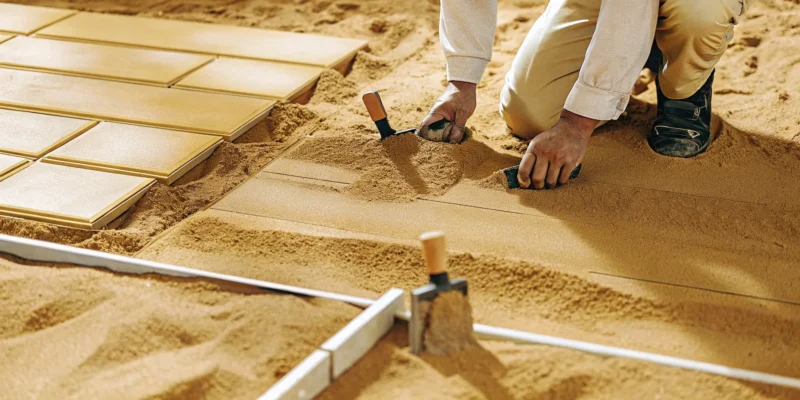
Every great patio starts with a solid foundation. You can’t just lay tiles on top of dirt and hope for the best. Proper site preparation is the most important step for ensuring your patio remains stable and level for years to come. An installer will begin by excavating the area to the correct depth. Then, they will lay and compact a base of crushed stone to create a firm, level bed for the pavers. This step is crucial for preventing the tiles from sinking or shifting over time due to ground movement or Long Island’s freeze-thaw cycles. Think of it as the unseen hero of your patio project; a strong base is what gives porcelain pavers their lasting strength and stability.
Planning for Proper Drainage
Water is the number one enemy of any hardscape project. Without a plan for drainage, rainwater and melting snow can pool on your patio, seep into the foundation, and cause major issues down the line. Effective drainage planning is essential to protect your investment. A professional installer will design a subtle slope (usually about a quarter-inch drop per foot) that directs water away from your home’s foundation and into a designated area like a lawn or drain. This slight grade is virtually unnoticeable but makes all the difference in preventing water damage, ice patches in the winter, and erosion of the base materials. It’s a detail that separates a professional job from an amateur one.
Laying Out and Cutting the Tiles
This is where the visual magic happens. Once the foundation is set, your installer will begin laying out the tiles according to your chosen design. This process involves careful planning and precise execution to ensure the pattern is straight, the lines are clean, and the overall look is seamless. It’s more than just placing squares in a row; it requires finding the perfect starting point and making exact cuts with a wet saw to fit tiles around curves, steps, or other features. As you can see in many of our past projects, the precision during this stage is what creates those stunning, high-end results, whether you’ve chosen a simple running bond or an intricate pattern.
Grouting and Finishing Touches
The final step is applying the grout and adding the finishing touches that pull the whole project together. For outdoor porcelain, installers typically use polymeric sand or a specialized flexible grout. This material is swept into the joints and then activated with water, hardening to lock the tiles firmly in place. This not only adds stability but also prevents weeds from sprouting up between your beautiful tiles. After grouting, the entire surface is thoroughly cleaned to remove any haze, revealing the true color and texture of the porcelain. This meticulous final cleaning is critical for achieving a polished, professional look and ensuring your new patio is perfect from day one.
How to Choose the Right Tile Installer in Long Island
Selecting the perfect porcelain tiles for your patio is exciting, but finding the right installer is what truly brings your vision to life and protects your investment. A great installation ensures your beautiful new patio will last for decades, handling everything from summer barbecues to snowy Long Island winters. Taking the time to vet your options will give you peace of mind and a final result you’ll love. Here are the key steps to follow when choosing a tile installer for your outdoor project.
Check for Licenses and Insurance
Before you even look at a portfolio, make sure any installer you consider is properly licensed and insured in New York. This is your first line of defense. A license shows they meet local standards, while insurance protects you from liability if an accident happens on your property. Don’t just take their word for it; ask for copies of their license and insurance certificate. You can even verify a contractor’s license with the county. A professional company will have this information ready and will be happy to provide it. It’s a simple step that screens out unqualified or less reputable operators right from the start.
Review Their Portfolio and Past Work
Once you’ve confirmed their credentials, it’s time to look at their work. A picture is worth a thousand words, so ask to see a portfolio of their completed outdoor porcelain tile projects. Look for high-quality images that show off their craftsmanship, especially the fine details like cuts, corners, and grout lines. Pay close attention to projects that are similar in style and scope to what you have in mind. Gappsi, for example, has an extensive gallery showcasing our expertise with porcelain and natural stone. Don’t hesitate to ask if you can see a completed project in person or speak with a past client.
Confirm Their Outdoor Installation Expertise
Installing porcelain tiles outdoors is not the same as tiling a bathroom floor. It requires a specific skill set and knowledge of how to handle Long Island’s climate. Your installer must understand how to prepare a proper base, ensure adequate drainage, and use the right materials that can withstand freeze-thaw cycles. Ask potential installers directly about their experience with outdoor projects like patios and pool decks. A team that specializes in outdoor masonry will know exactly how to build a durable foundation that prevents shifting, cracking, and water damage, ensuring your patio remains beautiful for years to come.
Ask About Warranties and Support
A reputable installer will stand behind their work. Always ask about the warranties they offer on both their labor and the materials they use. A strong warranty is a sign of confidence and a promise of quality craftsmanship. Be sure to get the details in writing so you know exactly what is covered and for how long. This includes understanding the process for addressing any issues that might come up after the installation is complete. A company with a long history and a solid reputation is more likely to provide reliable support long after your project is finished.
Look for Clear Communication and Transparent Quotes
A smooth project depends on clear and consistent communication. From your first conversation, the installer should be responsive, listen to your ideas, and answer your questions thoroughly. When you receive a quote, it should be detailed and transparent, breaking down all the costs involved. This includes materials, labor, site preparation, and any other potential charges. A vague or confusing quote is a red flag. A professional will provide a clear, itemized estimate that helps you understand exactly what you are paying for, ensuring there are no surprises along the way and that your home improvement project stays on budget.
Common Mistakes to Avoid When Hiring an Installer
Choosing the right installer is just as important as selecting the perfect porcelain tiles for your patio. A great installation ensures your new outdoor space will last for years, while a poor one can lead to headaches and costly repairs down the road. To help you find a true professional, let’s walk through a few common missteps homeowners make and how you can steer clear of them.
Don’t Just Focus on the Lowest Price
It’s always tempting to go with the lowest bid, but this can be a major pitfall. An unusually low price might mean the contractor is cutting corners, using subpar materials, or doesn’t fully understand the scope of your project. Remember the old saying: if you think a good contractor is expensive, try hiring a bad one. A slightly higher upfront cost for an experienced installer often saves you money in the long run by avoiding future repairs. When you review quotes, balance the price with the contractor’s reputation, the quality of their materials, and the detailed craftsmanship they promise to deliver.
Forgetting to Check Their Past Work
Before you sign any contracts, do your homework. A reputable installer will have no problem providing proof of their license and current insurance. You should also ask to see a portfolio of their completed projects, paying close attention to outdoor porcelain tile installations. Photos are great, but videos can give you an even better sense of their work quality. Many installers showcase their projects on a YouTube channel or social media. Don’t be shy about asking for references from past clients in the Long Island area. A confident contractor will be proud to connect you with happy customers.
Ignoring Outdoor Installation Experience
Installing tiles outdoors is a completely different ballgame than working inside. An outdoor patio must withstand Long Island’s dramatic weather, from humid summers to freezing winters. An installer needs specific expertise in creating a durable base, accounting for temperature changes, and working with materials designed for exterior use. When vetting a contractor, specifically ask about their experience with outdoor porcelain and natural stone. Their ability to handle the unique challenges of an outdoor environment is a clear indicator of their skill level and will determine the longevity of your patio.
Failing to Plan for Drainage Upfront
Proper drainage is one of the most critical, yet often overlooked, aspects of a successful patio installation. If water doesn’t have a clear path to run off, it can pool on the surface, seep into the grout, and damage the foundation beneath your tiles. This is especially problematic during our freeze-thaw cycles, which can cause tiles to crack or shift. A skilled installer will meticulously plan for drainage from the very beginning by creating a subtle slope and preparing the base correctly. This foresight prevents water damage and protects your investment from needing premature restoration services.
Why Partner with a Premier Long Island Installer?
Choosing an installer for your porcelain tile patio is a big decision. While it might be tempting to go with the lowest bid, partnering with a premier, full-service company ensures your investment is protected and your vision comes to life exactly as you imagined. A top-tier installer brings design expertise, proven craftsmanship, and a seamless process that saves you time and stress, turning a complex project into an exciting home transformation.
The Gappsi Advantage: From Design to Installation
The Gappsi advantage is our comprehensive approach. We guide you through every step, from the initial design concepts to the final installation, ensuring your vision is realized with precision. Having one dedicated team manage your project eliminates the stress of coordinating with separate designers and contractors. Our integrated process ensures the design and construction crews are perfectly in sync. We see the bigger picture, applying our extensive home remodeling experience to create a patio that flows beautifully with your home’s architecture and your overall landscape design.
A Legacy of Quality Craftsmanship
With a history of serving Long Island homeowners since 1987, we have a deep understanding of what it takes to build lasting outdoor spaces in our unique climate. This legacy is built on a foundation of exceptional craftsmanship and an unwavering commitment to quality. Our team’s expertise in masonry goes beyond just laying tiles; we build patios with meticulous attention to detail, from creating a stable base to ensuring every cut and joint is perfect. This dedication means your new patio will not only be stunning but will also stand the test of time.
Explore Our Porcelain and Natural Stone Showroom
Making the right material choice is much easier when you can see and feel the options in person. Our Long Island showroom lets you move beyond online galleries and explore an extensive selection of top-quality materials. You can compare the textures of different wood-look planks or see how the light hits various stone-inspired finishes. Visiting our showroom is a key part of the design process, where our experts can help you browse our collection of porcelain and natural stone and find the perfect style to complement your home.
How to Keep Your Porcelain Tiles Looking New
One of the best parts of choosing porcelain for your patio is how simple it is to maintain. Unlike other materials that require constant attention, porcelain is designed for easy living. Its non-porous surface naturally resists stains, mold, and mildew, so you can spend less time cleaning and more time enjoying your beautiful outdoor space. With just a little routine care, your porcelain patio will look as stunning as the day it was installed for years to come. You won’t need special sealants or harsh chemicals, just a few basic steps to keep everything fresh.
This low-maintenance quality means your outdoor retreat remains a source of relaxation, not a list of chores. It’s a smart choice for busy Long Island homeowners who value both beauty and practicality in their home investments. Because porcelain is so durable and resistant to wear, it holds its value and appearance over time, making it a wise addition to your property. The peace of mind that comes from knowing your patio can handle spills from a family barbecue or the effects of a winter storm is truly invaluable.
Simple Routine Cleaning
Keeping your porcelain tiles clean is refreshingly straightforward. Because the material is non-porous, dirt and spills sit on the surface instead of soaking in, which makes them easy to remove. For everyday upkeep, simply sweep away leaves and debris. You can also rinse the area with a garden hose to wash away dust and pollen. If you encounter a more stubborn spot, a pH-neutral cleaner mixed with warm water and a soft-bristle brush will usually do the trick. With beautiful porcelain and natural stone, you can forget about intensive scrubbing or the need for annual sealing, giving you a gorgeous patio without the extra work.
Seasonal Care for Your Patio
Porcelain pavers are built to handle everything Long Island weather throws at them. Their dense, strong surface is incredibly resistant to cracking during the freeze-thaw cycles of our winters. This durability means you don’t have to worry about seasonal damage. When spring arrives, a simple cleaning is all that’s needed to get your patio ready for summer gatherings. While porcelain itself doesn’t need sealing, it’s always good to know experts in paver restoration and care are available for any questions about your outdoor surfaces. Proper installation is the key to this resilience, ensuring your patio remains a worry-free feature of your home for years.
Creating a Cohesive Outdoor Living Space
Maintaining the beauty of your porcelain tiles also means preserving the overall design of your outdoor oasis. Porcelain gives you the freedom to create a truly custom look, with a huge variety of colors, textures, and sizes that can mimic everything from natural wood to sleek stone. Keeping your tiles clean ensures these design details continue to shine, maintaining the elegant and modern feel of your space. A well-maintained patio serves as the foundation for your entire outdoor area, tying together your landscape design, pool deck, and walkways into one seamless and inviting environment.
Related Articles
- Top Porcelain Patio Tiles Suppliers in Smithtown, NY
- Best Porcelain Patio Tiles Suppliers in Smithtown, NY
- Guide to Rooftop Porcelain Pavers in Long Island
- Porcelain & Stone Patio Pavers on Long Island | Gappsi Inc
- 5 Largest Porcelain Pavers Suppliers on Long Island NY
Frequently Asked Questions
Are porcelain tiles slippery for a pool deck or patio? This is a great question, and safety is always the top priority. Outdoor-rated porcelain tiles are specifically manufactured to be slip-resistant. When you’re choosing a tile for a patio or pool surround, you should look for one with a slip-resistance rating of R11 or higher. This ensures the tile has enough texture to provide a secure grip, even when it gets wet from rain or splashes from the pool.
Will porcelain tiles get too hot to walk on in the summer? Any surface will get warm in direct summer sun, but porcelain handles heat very well. Lighter-colored porcelain tiles are an excellent choice because they reflect more sunlight and stay cooler to the touch compared to darker materials like bluestone or concrete. If you have a patio that gets a lot of direct sun, opting for a lighter shade of porcelain will help keep the surface comfortable for bare feet.
Can you install porcelain tiles over an old concrete patio? While it might seem like a good shortcut, we strongly advise against laying porcelain tiles directly over an existing concrete slab. Old concrete can have hidden cracks or shift over time, and that movement will transfer directly to your new tiles, causing them to crack and fail. A professional installation always involves creating a new, properly compacted base to ensure your patio is stable and has the correct drainage for decades of use.
How long will a porcelain tile patio actually last? When installed correctly by a professional, a porcelain tile patio is a long-term investment that can last for decades. The material itself is incredibly durable and resistant to almost everything our Long Island climate can throw at it. It won’t fade from sun exposure, crack during freeze-thaw cycles, or get damaged by stains. This exceptional durability is why the quality of the installation is so important; a solid foundation ensures the patio’s longevity.
Is porcelain more expensive than natural stone? The upfront cost of porcelain can be comparable to many types of natural stone, but it’s important to look at the long-term value. While some natural stones might have a lower initial price, they often require annual sealing and are more susceptible to staining or weather damage, which can lead to future repair costs. Porcelain’s incredible durability and low-maintenance nature mean you save money and time over the years, making it a very cost-effective choice for the life of your patio.