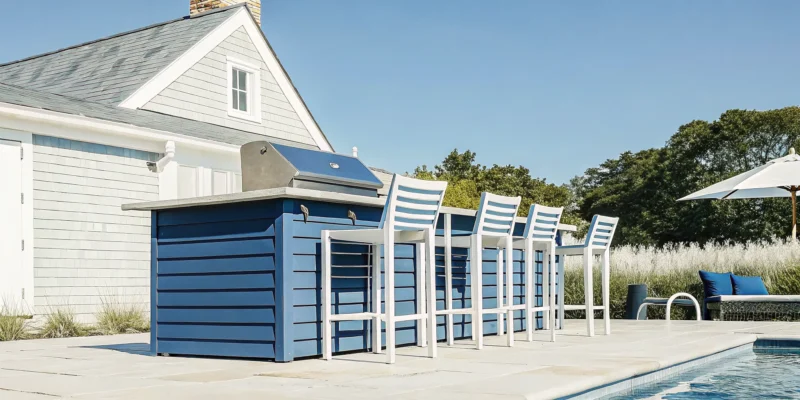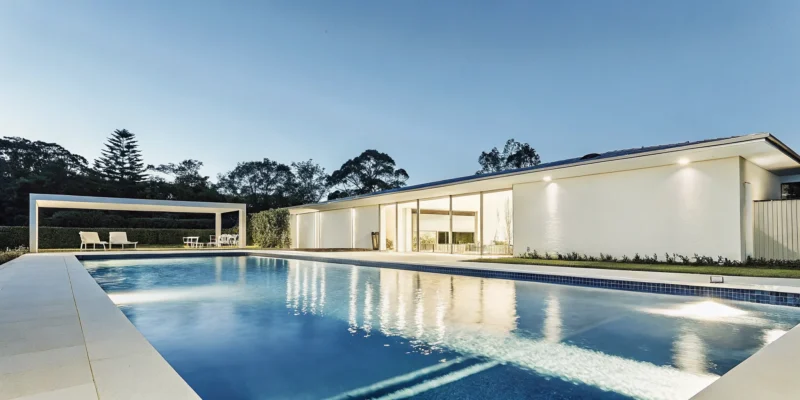
Inground vinyl pool kit installed in a backyard with a stone patio and lounge chairs.

Inground Vinyl Pool Kit Price: A Full Breakdown

It’s easy to get lost in conflicting information when researching pool costs. You might hear that vinyl pools have lots of “hidden” fees or that the advertised inground vinyl pool kit price is misleading. Let’s clear the air. The truth is, the kit is just one component of your total investment. Essential steps like site preparation, professional installation, and electrical work all have their own costs. This guide is designed to give you a transparent, no-surprises breakdown of every expense. We’ll cover what’s in the kit, what’s not, and how to plan for a smooth, predictable, and stress-free project.

Key Takeaways

  • Look Beyond the Kit Price: The initial cost of a vinyl pool kit is only part of the story. Your total budget should also account for necessary expenses like excavation, professional installation, permits, and electrical work to get an accurate financial picture.
  • Customization Shapes Your Cost: The final price tag is directly influenced by your choices. Key factors include the pool’s size and shape, liner thickness, and any upgrades you add, such as heaters, lighting, or custom stone decking.
  • Budget for Future Liner Replacement: A key long-term cost of a vinyl pool is replacing the liner, which typically needs to be done every 5 to 9 years. Factoring this predictable expense into your budget from the start helps you plan for future maintenance.

What’s in an Inground Vinyl Pool Kit?

When you hear “pool kit,” you might picture a simple box, but it’s much more than that. An inground vinyl pool kit is a comprehensive package that includes nearly all the essential components you need to build a pool in your backyard. Think of it as the foundation of your future oasis. These kits are designed to streamline the building process, whether you’re a seasoned DIYer or planning to hire a professional team.

The main idea is to bundle the core structural and functional parts together. This way, you aren’t left scrambling to find a compatible pump for your filter or the right ladder for your deep end. While every kit can vary slightly, a quality package provides the bones of your pool, ready for assembly and installation. At Gappsi, we ensure our swimming pool systems are complete, taking the guesswork out of the equation so you can focus on the fun parts, like planning your first pool party.

What the Kit Includes

So, what’s actually inside the box? A standard inground vinyl pool kit typically comes with the pool’s structure, which is often a set of steel or polymer wall panels that form the perimeter. You’ll also get a durable vinyl liner—many suppliers even let you choose from various colors and patterns. Essential hardware like fiberglass steps, a handrail for safety, and a deep-end ladder are also included. Functionally, the kit provides the heart of your pool’s circulation system: a pump and filter. To round it out, you can expect to find a basic maintenance kit, skimmer, and return jets to keep the water clean and moving.

A Quick Look at the Installation Process

Getting your kit from the driveway into the ground involves a few key stages. First, the wall panels are assembled to create the pool’s shape. Next, a concrete collar is poured around the base of the walls to lock them securely in place. After that, the pool floor is carefully prepared and smoothed before the vinyl liner is hung and fitted. While it’s a more involved process than dropping in a pre-made fiberglass shell, it allows for incredible design flexibility. A significant portion of a vinyl pool’s cost comes from labor, so handling the installation yourself can lead to big savings if you’re up for the challenge.

How Much Does an Inground Vinyl Pool Kit Cost?

Figuring out the cost of an inground vinyl pool kit can feel a bit like a puzzle, but it’s simpler than you think once you break it down. The price of the kit itself is just your starting point. It covers the essential structure of your pool, but not the labor or finishing touches that bring it to life. The total cost depends on the kit’s quality, what’s included, and where you live. Think of it in three main tiers: basic kits for the budget-conscious, premium kits with all the bells and whistles, and the all-in cost that reflects local installation expenses. Understanding these different price points will help you set a realistic budget for your dream backyard oasis.

The Price Tag on Basic Kits

If you’re looking for the most straightforward entry point into pool ownership, a basic inground vinyl pool kit is where you’ll start. These kits typically run around $6,000 and provide the bare essentials to get your project underway. This usually includes the steel or polymer wall panels, the vinyl liner, a skimmer, and the coping that lines the pool’s edge. What it generally doesn’t include is a pump, filter, steps, or any of the plumbing. A basic kit is a great foundation, but remember to budget for the necessary equipment and installation costs on top of this initial price. It’s a solid choice for a DIY-savvy homeowner or someone looking to manage costs by sourcing other components separately.

What to Expect for Premium Kits

For those wanting more durability and features right out of the box, premium kits are the way to go. Prices for these more comprehensive inground swimming pool kits can range from about $12,500 to over $21,000. The higher price tag gets you significant upgrades, such as thicker, more resilient vinyl liners, stronger wall panels, and often includes built-in steps, which are a huge convenience. Many premium packages also come bundled with a high-quality pump and filter system, saving you the trouble of sourcing them separately. This is a solid choice if you want a longer-lasting pool with fewer initial hassles and a more all-inclusive starting package.

How Location Affects Your Price

The price of the kit is one thing, but the total cost to build your pool is another story, and your location plays a huge role. On average, the complete installation of a vinyl-lined pool can land around $45,000 for a standard 12’ x 24’ pool. This figure accounts for the kit, labor, excavation, electrical work, plumbing, and a basic concrete deck. Here on Long Island, factors like local labor rates and permit requirements can influence the final number. That’s why getting a detailed quote from a local expert who understands the whole process, from design to the first swim, is the best way to get an accurate picture of your total investment in a new swimming pool.

What Factors Influence the Price of a Kit?

When you start shopping for an inground vinyl pool, you’ll notice that the kit price is just a starting point. Think of it as the base model of a car—the final cost depends on the choices you make and the unique conditions of your property. Understanding these variables ahead of time helps you create a realistic budget and ensures there are no surprises down the road. The main factors that will shape your final quote are the pool’s size and shape, the quality of the liner you choose, your backyard’s specific conditions, and any extra features you decide to add. Each of these elements plays a significant role in the overall investment, so let’s break them down one by one. This way, you can feel confident about where your money is going and make informed decisions to build the perfect pool for your home.

Pool Size and Shape

It’s no surprise that the bigger the pool, the higher the price. A larger pool requires more materials for the walls, a larger liner, and more labor to assemble. The shape also plays a key role. A classic rectangle is generally the most cost-effective option, while custom freeform shapes with curves and unique angles will add to the cost due to the complexity of manufacturing and installation. One of the great advantages of vinyl is its design flexibility. Unlike fiberglass pools, which have depth limitations, vinyl swimming pools can be built to almost any depth you want, giving you complete control over your design.

Liner Quality and Thickness

The vinyl liner is the most visible part of your pool, and its quality directly impacts both the look and longevity of your investment. Liners come in various thicknesses, measured in mils. While a standard liner is perfectly suitable for many families, upgrading to a thicker one offers better resistance to tears and punctures from pool toys, pets, or debris. A thicker liner costs more upfront and can be a bit more challenging to install, but the added durability often translates to a longer lifespan, saving you money on replacements in the long run. It’s a trade-off between initial cost and long-term peace of mind.

Your Backyard’s Condition

What’s happening underground in your backyard can have a major effect on your budget. The ideal site is flat, clear, and has soft, easy-to-dig soil. However, many Long Island properties have challenges like rocky soil, clay, a high water table, or a significant slope. These conditions can make the excavation process much more difficult and expensive. Easy digging might cost as little as $2.50 per cubic yard, but tough, rocky terrain can push that figure to over $200 per cubic yard. A professional site assessment is crucial to understanding what your specific landscape will require for a smooth installation.

Optional Equipment and Features

Beyond the basic pool structure, your equipment and feature choices will round out your final cost. Some items, like a pump and filter, are mandatory for keeping your pool clean and functional. But even with these essentials, you have options that vary in price and performance. From there, you can add a range of upgrades to enhance your swimming experience. A pool heater can extend your swim season, underwater lighting creates a beautiful nighttime ambiance, and an automatic pool cover adds a layer of safety and convenience. These features, along with additions like slides or diving boards, allow you to customize your pool to fit your lifestyle.

What Costs Come After Buying the Kit?

Buying an inground vinyl pool kit is an exciting first step toward creating your backyard oasis. But it’s important to remember that the price on the kit is just that—a starting point. Several other essential costs come into play before you can start swimming. Thinking about these expenses ahead of time helps you create a realistic budget and ensures a smooth process from start to finish. Let’s break down the major costs you can expect after you have your kit in hand.

Excavation and Site Prep

Before your pool can be assembled, you need a place to put it. This means excavation—a big hole in your backyard. The cost for this can vary widely depending on what’s under your grass. Long Island soil can be sandy and easy to dig, but hitting a patch of dense clay or large rocks can make the job much more difficult and expensive. Easy digging might cost just a few dollars per cubic yard, but tough conditions can run into the hundreds. Proper site prep also involves clearing the area and ensuring the ground is perfectly level, which is critical for the pool’s structure. This foundational work is something our landscaping design teams handle every day.

Professional vs. DIY Installation

One of the biggest decisions you’ll make is whether to install the pool yourself or hire a professional. While a DIY approach can certainly save you money on labor—potentially $3,500 to $5,000—it’s a massive undertaking. The installation involves assembling the wall panels, fitting the liner perfectly, and connecting all the components. It requires precision and specialized knowledge. Hiring an experienced team ensures the job is done correctly and efficiently, preventing costly mistakes that could damage your pool down the line. A professional swimming pool installation also typically comes with a warranty, giving you peace of mind that your investment is protected.

Permits and Electrical Work

Installing a pool isn’t a simple backyard project; it’s a major construction job that requires official approval. You’ll need to secure building permits from your local town or village before any work begins, which can cost a few hundred dollars. This step is non-negotiable and ensures your pool meets all safety and building codes. Additionally, your pool’s pump, filter, and any lighting or heating systems need power. This requires a licensed electrician to run dedicated circuits from your home’s electrical panel to the pool equipment. For safety reasons, this is absolutely not a DIY task. Always hire a professional to handle the electrical work to keep your family safe and your pool up to code.

Plumbing and Equipment Setup

Your pool’s circulation system is its lifeline, and it all comes down to the plumbing. This involves connecting the skimmers, drains, pump, and filter to keep your water clean and clear. Getting this network of pipes right is crucial for your pool to function properly. The labor for plumbing and equipment setup is a significant part of the overall installation cost because it requires skill and precision. This is also when the vinyl liner is carefully set into place. The liner is durable, but it can be punctured, so it needs to be handled by someone who knows what they’re doing. Proper setup from the start prevents leaks and ensures all your equipment works together seamlessly for years to come.

Which Upgrades Add to the Final Cost?

A basic vinyl pool kit gives you the essentials, but the real transformation happens with the upgrades. Think of the kit as your blank canvas. The features you add are what turn a simple swimming hole into a stunning backyard retreat that becomes the heart of your home. These add-ons are where you can truly customize your pool to fit your lifestyle, whether you’re looking for energy efficiency, enhanced safety, or a beautiful space for entertaining friends and family. While these upgrades will increase your initial investment, many pay for themselves over time through lower maintenance needs, higher energy savings, and a more enjoyable pool experience day in and day out.

Planning for these features from the start helps you create a comprehensive budget and ensures your finished swimming pool is exactly what you dreamed of, without any surprise costs down the line. It’s about looking beyond the initial price and considering the total value and enjoyment you’ll get from your investment. From the equipment that keeps your water sparkling to the lighting that sets the mood for an evening swim, every choice contributes to the final product. Let’s look at some of the most common upgrades that will influence your final price tag and how they can improve your pool.

Better Pumps, Filters, and Heaters

The equipment that runs your pool is its heart and lungs, and this is one area where an upgrade can make a huge difference. Opting for a high-efficiency variable-speed pump, for instance, can significantly cut down on your energy bills over the life of the pool. Similarly, a better filter means cleaner, clearer water with less manual work for you. And if you want to extend your swim season into the cooler months, a reliable heater is a must. Investing in top-tier equipment from the beginning means a more functional, cost-effective, and enjoyable pool for years to come.

Pool Covers and Safety Features

A pool cover is one of the most practical upgrades you can make. Automatic covers not only provide a critical layer of safety for families with children and pets but also save you money and time. They reduce water evaporation, keep debris out (which means less cleaning), and help the water retain heat, lowering your heating costs. Beyond covers, you might also consider adding perimeter fences and netting to secure the pool area. These features are an essential part of responsible pool ownership and add peace of mind.

Lighting and Smart Systems

Want to create that perfect ambiance for an evening swim? Upgraded lighting is the way to do it. Modern LED lights come in a variety of colors and can be programmed to create different moods, turning your pool into a beautiful nighttime feature. You can also integrate smart systems that let you control everything—from the lights and temperature to the pump and water features—right from your phone. This technology adds a layer of convenience that makes managing your pool incredibly simple and is a key part of any modern home remodeling project.

Decking and Pool Edging

The area surrounding your pool is just as important as the pool itself. The right decking and edging, also known as coping, define the look and feel of your entire outdoor space. Upgrading from basic concrete to beautiful porcelain and natural stone pavers can completely change the aesthetic. A well-designed deck provides a safe, non-slip surface for walking and lounging, while high-quality coping creates a seamless and polished transition from the deck to the water. This is where you can really tie the pool into your home’s overall design.

How Do Vinyl Pools Stack Up Against Other Types?

Choosing the right type of inground pool often comes down to comparing vinyl, fiberglass, and concrete. Each has its own benefits and long-term considerations. A vinyl liner pool is a popular starting point for many homeowners due to its lower initial cost and design flexibility. To help you decide, let’s break down how these pool types differ in cost, maintenance, and overall lifespan.

Upfront Costs: Vinyl vs. Fiberglass vs. Concrete

When you’re planning your new swimming pool, the initial price is often the first thing you look at. This is where vinyl liner pools really shine. Generally, a vinyl pool is the most affordable option to install, with average costs running from $25,000 to $65,000. In comparison, fiberglass pools have a higher starting price because the shell is manufactured off-site and delivered in one piece. Concrete pools are typically the most expensive upfront due to the labor-intensive custom construction process. If your main goal is to get a beautiful pool for the lowest initial investment, a vinyl liner pool is the clear winner.

Long-Term Maintenance Differences

The lower upfront cost of a vinyl pool is balanced by its specific maintenance needs. The vinyl liner is durable but softer than fiberglass or concrete, so you’ll want to regularly check for potential tears or punctures. In contrast, concrete pools require regular brushing to prevent algae growth on their porous surface and may need acid washing every few years. Fiberglass pools are known for being low-maintenance, as their smooth, non-porous surface is algae-resistant and gentle on your feet. While vinyl requires careful attention to the liner, its day-to-day chemical maintenance is usually less intensive than a concrete pool’s.

Lifespan and Replacement Needs

This is where the long-term budget comes into play. While the structure of a vinyl pool lasts for decades, the liner itself will eventually need to be replaced. A typical vinyl liner has a lifespan of about 5 to 9 years, though some premium liners can last longer with proper care. The average replacement cost is between $3,000 and $6,000. Fiberglass and concrete shells can last for 50 years or more, but they have their own major future expenses. Concrete pools need to be completely resurfaced every 10 to 15 years, a project that can be quite costly. Our restoration and sealing services can handle these jobs, but it’s a significant undertaking.

What Are the Yearly Costs of a Vinyl Pool?

Once your beautiful new pool is installed, the fun begins. But it’s also smart to plan for the ongoing expenses that come with ownership. While vinyl pools are celebrated for their lower upfront cost compared to other types, they do have yearly maintenance needs. Thinking about these costs ahead of time means you can budget accordingly and avoid any surprises down the road. This way, you can focus less on your wallet and more on enjoying your backyard retreat.

Keeping your pool in top shape involves a few key areas of spending. You’ll have the predictable, long-term cost of replacing the liner, the routine annual upkeep for chemicals and cleaning, and a small budget set aside for any unexpected equipment repairs. Let’s break down what you can expect to spend each year to maintain your vinyl pool, ensuring it stays sparkling and swim-ready for years to come. With the right plan, these costs are completely manageable parts of enjoying your investment.

Replacing the Liner

One of the most significant long-term expenses for a vinyl pool is replacing the liner. Think of it as a predictable refresh for your pool every several years. A quality vinyl liner typically lasts between 5 and 9 years, depending on factors like sun exposure, chemical balance, and usage. When it’s time for a replacement, it’s a great opportunity to update the look of your pool with a new color or pattern. Budgeting for this expense from the start ensures you’re prepared when the time comes, making the process smooth and stress-free. Proper care can help you get the most life out of your liner before it needs to be replaced by a professional swimming pool service.

Annual Upkeep Expenses

Beyond the liner, you’ll have regular maintenance costs to keep your pool water clean, safe, and balanced. These annual upkeep expenses cover everything from chemicals like chlorine and algaecide to cleaning supplies and the costs of opening and closing your pool for the season. For many homeowners in Long Island, this can range from a few hundred to over a thousand dollars per year, depending on the pool’s size and whether you handle the maintenance yourself or hire a service. Consistent upkeep not only keeps your pool looking great but also helps protect the liner and equipment from premature wear. It’s a necessary investment for a healthy and enjoyable swimming environment.

Equipment Maintenance and Repairs

Just like any other part of your home, your pool’s equipment will need occasional attention. Your pump, filter, and heater are the workhorses that keep your pool running smoothly, and over time, they may need repairs or replacement parts. It’s also possible to get a small tear or hole in the liner that needs patching. Setting aside a small budget for these potential repairs is a wise move. Addressing minor issues quickly can prevent them from turning into bigger, more expensive problems. Quality installation helps minimize these issues, but it’s always good to be prepared for the occasional fix to keep your pool equipment in perfect working order.

Where Can You Find a Quality Pool Kit?

Once you’ve decided on a vinyl liner pool, the next big step is finding a kit that delivers on quality without creating a ton of headaches. The right kit is the foundation of your entire project, so this isn’t the place to cut corners. You’ll find plenty of options online, from basic packages to all-inclusive systems. The key is to look beyond the price tag and consider what you’re truly getting. Are you just buying a pallet of parts, or are you investing in a system from a company that will stand by its product?

For homeowners here on Long Island, it’s also important to choose a system built to handle our specific climate and soil conditions. A quality kit should come with durable components, a strong warranty, and clear instructions. Better yet, it should come with access to expert support. While the idea of a DIY pool project is appealing to many, having a team of professionals to guide you—or handle the entire installation—can be the difference between a summer of fun and a season of stress. At Gappsi, we provide complete swimming pools and installation services, ensuring every detail is handled correctly from the start.

Why We Trust Our Gappsi Pool Systems

We’ve been building backyard retreats on Long Island since 1987, so we know exactly what it takes to construct a pool that lasts. That’s why we’ve developed our own Gappsi Pool Systems. We don’t just sell you a kit; we provide a complete, high-quality solution that we stand behind. Our systems feature durable, non-corrosive polymer walls that are perfect for Long Island’s coastal environment. We pair them with top-tier liners and energy-efficient equipment to give you a beautiful, low-maintenance pool. When you choose a Gappsi pool, you’re getting more than just materials—you’re getting decades of local expertise and a dedicated team committed to bringing your vision to life.

Other Brands on the Market

As you research your options, you’ll likely come across several national brands that sell kits directly to consumers. Companies like Pool Warehouse are known for offering a wide variety of shapes and sizes, including custom designs for a unique look. You might also see EnduraPool, which markets full inground kits that include nearly everything you need to get set up. For those focused on a hands-on project, Royal Swimming Pools is another popular name that specializes in do-it-yourself packages. These brands can be a good fit for experienced DIYers who are comfortable managing a large-scale construction project on their own.

What to Look for in a Brand

Regardless of which brand you choose, there are a few key things to look for. First, examine the wall materials. Most kits come with either polymer or steel walls. While both are strong, polymer walls are often a better choice because they’re lighter, easier to work with, and completely rust-proof—a huge plus in our salty air. Next, check the liner’s thickness and warranty. A high-quality liner will last longer and resist punctures better. Finally, consider the support offered. Does the company have a responsive customer service team? A great brand doesn’t just sell you a product; it provides the resources you need for a successful installation.

Are There Common Myths About Vinyl Pool Costs?

When you start planning for a new pool, it’s easy to get tangled up in conflicting information, especially when it comes to the costs. The price of an inground vinyl pool kit can seem straightforward, but it’s just one piece of a much larger puzzle. A few common myths can lead to some unwelcome surprises in your budget, turning an exciting project into a stressful one. Many homeowners assume the kit price is the final price, that a DIY installation will automatically cut the cost in half, or that a vinyl pool won’t add any real value to their home down the line.

Let’s clear the air on these points. Getting a handle on the full financial picture from the very beginning is the key to making a confident decision. It ensures your new backyard oasis is a source of joy, not a financial headache. We’ll walk through the so-called “hidden” costs that often get overlooked, the reality of DIY savings, and what a vinyl pool truly means for your home’s long-term value. By looking past the myths, you can plan your project with a clear, realistic budget and get excited about the summers ahead.

The “Hidden” Costs to Watch For

One of the biggest myths is that the price on the pool kit is your total cost. In reality, the kit is just the starting point. Several other expenses are essential for a proper installation. For instance, every vinyl pool needs a concrete footer poured around its walls to provide stability, which is an added material and labor cost. You also need to think about the future. A vinyl liner is durable, but it doesn’t last forever. You can expect to replace the liner every 7 to 15 years, which is a significant future expense to plan for. On top of that, you have annual maintenance costs for chemicals, cleaning, and opening/closing the pool, which keep it sparkling and safe.

The Truth About DIY Savings

The idea of building your own pool to save money is tempting, and it’s true that you can cut down on labor costs by going the DIY route. However, it’s crucial to be realistic about what this project involves. Installing an inground pool is a major construction job that requires specialized skills, heavy machinery, and a deep understanding of plumbing, electrical work, and local building codes. A small mistake during excavation or installation can lead to costly repairs that quickly erase any initial savings. When you work with professionals, you’re not just paying for labor; you’re investing in expertise, efficiency, and the peace of mind that comes with knowing the job is done right the first time.

Understanding Long-Term Value

You might hear that vinyl pools don’t add as much resale value to a home as other pool types. While they may have a different ROI compared to concrete pools, they absolutely add value in other important ways. A beautiful, well-maintained pool transforms your backyard into a private resort, creating a hub for family fun, relaxation, and entertaining. This lifestyle upgrade is a huge selling point for many potential buyers. A complete and inviting outdoor living space makes your home more desirable and can help it stand out on the market. The true value isn’t just in the numbers—it’s in the countless memories you’ll make.

How Can You Finance Your New Pool?

A new swimming pool is a significant investment in your home and lifestyle, but that doesn’t mean you have to pay for it all at once. Thinking through your budget and payment options ahead of time can make the entire process smoother. Fortunately, there are several ways to manage the cost, from dedicated financing programs to smart purchasing strategies that can save you money from the start. Let’s walk through some of the most common approaches to financing your dream pool.

Financing Programs and Payment Plans

Many homeowners are surprised to learn how accessible financing can be. Most reputable pool companies understand this is a major purchase and offer financing programs to help spread out the cost. These plans can turn a large, one-time expense into manageable monthly payments. When you meet with a contractor, always ask about their financing partners and what kinds of plans are available. Beyond company-specific options, you can also look into a home equity line of credit (HELOC) or a personal loan from your bank. Exploring these avenues can help you find a payment structure that fits comfortably within your family’s budget, making it easier to invest in one of Gappsi’s swimming pools without financial strain.

Finding Promotions and Discounts

Who doesn’t love a good deal? Keep an eye out for seasonal promotions or special discounts, especially during the off-season when pool companies are less busy. Some businesses offer discounts for paying with a check instead of a credit card to avoid processing fees, passing those savings on to you. The best way to stay in the loop is to ask your pool provider directly about any current offers. You can also check company websites for promotions on products and materials. Visiting the Gappsi Store online or in person is a great way to see what’s available and find high-quality materials that might be on sale, helping you reduce the overall project cost.

Smart Ways to Save on Your Purchase

You can make strategic choices during the planning phase that have a big impact on your final bill. Opting for a vinyl liner pool is already a great start, as they are typically more affordable than concrete or fiberglass. You can also save by choosing a smaller pool or a simpler shape, which reduces material and labor costs. Another effective strategy is to schedule your installation during the fall or early spring. Demand is lower during these times, and contractors may offer more competitive pricing. Simplifying the surrounding masonry work or phasing your landscaping project can also help you manage upfront expenses while still achieving a beautiful result.

Related Articles

Frequently Asked Questions

What’s the real total cost I should budget for a vinyl pool? The kit price is your starting line, not the finish line. To get a realistic budget, you need to account for the essential work that brings the pool to life. This includes the cost of excavation, professional installation labor, plumbing, and the electrical work needed to power the pump and any lighting. You should also plan for the patio or decking that will surround your pool, as this is a key part of the final look. A comprehensive quote from a local professional is the best way to understand the full investment for your specific property.

How long does a vinyl pool actually last? The structure of a vinyl pool, meaning the steel or polymer wall panels, is incredibly durable and built to last for decades. The component with a shorter lifespan is the vinyl liner itself. With proper care and balanced water chemistry, you can expect a liner to last between 5 and 9 years. Think of replacing it as a predictable maintenance task that also gives you a great opportunity to refresh your pool’s appearance with a new color or pattern.

Is installing the pool kit myself a realistic way to save money? While you can certainly save on labor costs with a DIY installation, it’s a major construction project that requires a high level of skill. You’ll be managing excavation, assembling the structure with precision, and handling crucial plumbing connections. A small error can lead to costly repairs that could easily wipe out your initial savings. For most homeowners, hiring an experienced team provides peace of mind, ensures the job is done right, and protects your investment.

Can I get a custom-shaped pool with a vinyl kit? Absolutely! This is one of the biggest advantages of choosing a vinyl liner pool. Unlike fiberglass pools that are made from pre-set molds, vinyl offers incredible design flexibility. You can go with a classic rectangle, a curvy lagoon shape, or a completely unique freeform design that fits your backyard’s layout. You also have full control over the depth, so you can create a pool with a deep end for diving or a large shallow area for relaxing.

What’s the biggest thing people forget to budget for? The most commonly overlooked expense is the “poolscape,” which is everything that surrounds the water. This includes the patio material, the safety fencing required by local codes, and the landscaping that makes the space feel complete and beautiful. These finishing touches are what transform a simple pool into a true backyard oasis. It’s always a good idea to plan for these elements from the very beginning so your budget reflects the full scope of the project.

Stone accent wall installation using stacked stone veneer in a modern home.

Your Step-by-Step Stone Accent Wall Installation

Few home improvement projects offer the same dramatic impact as a stone accent wall. It introduces a natural, organic element that brings warmth and texture to any interior space. While the final result looks complex and high-end, the process itself is more straightforward than you might think. This guide demystifies the entire stone accent wall installation, breaking it down into clear, manageable steps. We’ll cover the essential prep work that guarantees a lasting bond, the right way to apply adhesive, and the techniques for cutting and placing stone for a balanced, beautiful pattern. Consider this your complete roadmap to creating a stunning feature wall with confidence.

Key Takeaways

  • Proper Prep is Non-Negotiable: The success of your accent wall depends on the prep work. A clean surface, a moisture barrier, and a cement board backing are the essential first steps for a durable, long-lasting finish.
  • A Methodical Approach Creates a Natural Look: Plan your stone layout on the floor before you begin to avoid unnatural patterns. Work from the bottom up and take your time to ensure each stone is secure and your lines are clean.
  • Know When to Call in a Professional: While a simple wall can be a great DIY project, hiring an expert for large or complex installations is a smart investment that guarantees a flawless result and helps you avoid costly mistakes.

What You’ll Need for Your Stone Accent Wall

Before you can bring that beautiful stone accent wall to life, you’ll need to gather the right supplies. Think of it as your project’s shopping list. Having everything on hand before you start makes the entire process much smoother and more enjoyable. From the star of the show—the stone itself—to the tools that will help you get that perfect finish, getting organized is the first step toward a stunning result. We’ll walk through the four main categories of materials and tools you’ll need to get the job done right.

Choosing Your Stone Veneer

The first, and most exciting, step is selecting your stone. When you’re browsing options, you’ll find that natural stone veneer comes in various thicknesses, usually between 0.4 and 1.75 inches. This isn’t just a minor detail; the thickness affects the final look and the installation method. A thicker stone might offer a more rustic, dimensional feel, while a thinner one can create a sleek, modern look. Take your time exploring Gappsi’s wide selection of porcelain and natural stone to find a style that truly fits your home’s personality and your design vision.

The Right Adhesives and Mortars

To make sure your beautiful stone veneer stays put for years to come, you need the right foundation. A common mistake is applying the stone directly to drywall. For the best adhesion and long-term durability, it’s always recommended to install a cement board over your existing wall first. This creates a solid, stable surface for the mortar to grip onto. Using the correct polymer-modified mortar is also crucial, as it’s specially formulated to handle the weight of the stone and create a powerful bond. These expert masonry techniques are what ensure a lasting, professional-quality finish.

Tools for Cutting and Shaping

Unless you’re incredibly lucky, you’ll need to cut some stones to fit perfectly around outlets, corners, and the edges of the wall. For clean, precise cuts, a wet saw and an angle grinder are your best friends. A wet saw uses water to keep the blade cool and reduce dust, making it ideal for straight cuts through the stone. An angle grinder is perfect for smaller, more intricate adjustments or shaping curves. Having both tools on hand will give you the flexibility to handle any cutting challenge and ensure every piece of stone fits just right.

Essential Safety Gear

This part is non-negotiable. Your safety should always come first. Before you even open a bag of mortar, make sure you have a good pair of gloves to protect your hands from irritation. When it’s time to cut the stone, safety goggles and a dust mask are absolute must-haves. Cutting stone creates fine dust and small chips that you definitely don’t want in your eyes or lungs. It only takes a few seconds to put on your safety gear, and it’s a simple step that protects you throughout the entire project.

How to Prep Your Wall for Stone Veneer

Before you even think about mixing mortar, let’s talk about prep work. I know it’s the least glamorous part of any project, but getting your wall ready is the single most important step to ensure your stone veneer looks amazing and lasts for decades. A properly prepared surface prevents issues like moisture damage, cracking, or stones falling off down the line. Think of it as building a solid foundation—without it, even the most beautiful stonework can fail.

The goal is to create a stable, moisture-resistant surface that can securely hold the weight of the stone and mortar. This involves a few key stages that you can’t afford to skip. First, you’ll need to completely clear and protect your work area. Then, you’ll address the wall itself by applying a moisture barrier and installing the right kind of backing material, like a cement board. Finally, you’ll want to do a quick check to make sure your wall’s structure is up to the task. While stone veneer is relatively lightweight, you still want peace of mind. Taking the time to do this right sets you up for a smooth installation and a flawless finish. If you’re feeling unsure about any of these steps, our masonry experts are always here to help.

Clear and Protect Your Workspace

First things first: clear the room. Move any furniture, rugs, and decor out of the space entirely. For items that are too big to move, cover them completely with heavy-duty plastic sheeting and tape it down. This project will create a lot of dust, and you’ll be surprised where it can end up. Cover your floors with drop cloths to protect them from scratches and mortar spills. If you have hardwood or tile floors, it’s a good idea to lay down a layer of thin cardboard or rosin paper under the drop cloths for extra protection against dropped tools or stones. Taking 30 minutes to protect your workspace will save you hours of cleanup later.

Prep the Surface and Add a Moisture Barrier

If you’re installing stone veneer over a surface like drywall or wood panels, adding a moisture barrier is a must. The mortar used to apply the stone contains a lot of water, which can seep into porous surfaces and cause rot, mold, or structural damage over time. In fact, most building codes require a moisture barrier for this type of installation. You’ll typically use a water-resistant building paper or asphalt-saturated felt, overlapping the seams and securing it to the wall with staples. This simple layer acts as a shield, protecting the integrity of your wall and ensuring your stone accent wall stands the test of time.

Install the Right Backing Material

While you can technically install stone veneer over drywall, it’s not the best approach. For a truly durable and professional-looking finish, you should apply the stone to a cement board. Drywall can degrade when exposed to the moisture in the mortar, weakening the bond over time. Cement board, on the other hand, is designed to handle wet conditions without swelling, crumbling, or losing its strength. It provides a much more stable and rigid surface for the mortar to adhere to, creating a stronger, more permanent bond for your stone. Think of it as the ideal canvas for your stonework.

Check for Structural Support

One of the great things about stone veneer is that it’s lightweight enough for most interior walls. Generally, a standard wood-framed wall built with 2×4 or 2×6 studs is perfectly capable of supporting the added weight without any extra reinforcement. Before you start, use a stud finder to locate the studs in your wall—you’ll need to screw your cement board directly into them. If you have an older home, or if you’re unsure about your wall’s construction, it’s always a good idea to consult a professional. A quick inspection can give you the confidence that your wall is ready for its beautiful new finish. Our home remodeling team can easily assess your structure.

Your Step-by-Step Installation Guide

Ready to bring your stone accent wall to life? Once your wall is prepped, the installation process can begin. Think of it like putting together a beautiful, textured puzzle. Taking your time with each step is the key to getting that professional, high-end look you’re after. We’ll walk through the process together, from laying the first stone to applying the final protective coat. With a little patience and the right technique, you’ll have a stunning feature wall that completely transforms your space.

Start from the Bottom and Work Up

The golden rule of installing stone veneer is to start at the bottom and work your way up. This method uses gravity to your advantage. Each new row of stones gets support from the row beneath it, which prevents any slipping or sliding while the adhesive sets. Starting at the base ensures your entire wall is stable and secure from the ground up. It’s a simple but crucial first step that creates a solid foundation for the rest of your project and helps you keep your lines straight and even as you build.

Apply the Adhesive Correctly

Getting the adhesive right is essential for a long-lasting wall. You’ll want to spread a thin layer of mortar or mastic adhesive, about 1/8 to 1/4 inch thick, onto a small section of the wall at a time. Then, use the notched side of your trowel to comb through the adhesive, creating grooves. These grooves create suction and help the stone grip the wall securely. It’s one of the most important parts of any masonry project. Let the adhesive get a little tacky before you start pressing the stones into place—this will give you the best hold.

Cut and Place Each Stone

This is where your artistic vision comes into play. Before you apply any adhesive, lay your stone veneer pieces out on the floor to plan your pattern. This allows you to mix and match different shapes, sizes, and colors to create a balanced, natural look. You’ll inevitably need to cut some stones to fit around outlets or at the end of a row. For clean, precise cuts, a wet tile saw is your best friend. Measure twice, mark your stone with chalk, and cut once. Placing each custom-fit piece of natural stone is incredibly satisfying as you watch your design take shape.

Finish with Clean Joints

Once all the stones are set and the adhesive has cured, it’s time to finish the joints. Depending on the style of stone you’ve chosen, you may need to apply grout in the gaps between them. This step fills in any empty spaces and gives the wall a complete, polished appearance. Some styles, like dry-stack stone, are designed to fit tightly together without visible grout lines. Always check the recommendations for your specific stone veneer. If you are grouting, use a grout bag to apply it neatly into the joints, then smooth it out for a clean finish.

Seal the Stone for Protection

The final step is to protect your beautiful new wall. Applying a quality stone sealant is a must, as it creates a protective barrier against moisture, dust, and stains. This makes cleaning much easier and helps preserve the natural color and texture of the stone for years to come. It’s a simple step that ensures your investment continues to look as good as the day you installed it. If you want to ensure it’s done perfectly, professional restoration and sealing services can provide a flawless and durable finish.

Common Installation Mistakes to Avoid

Even with the best materials, a few common slip-ups can turn your dream accent wall into a frustrating project. Knowing what to watch out for ahead of time is the best way to ensure a smooth process and a beautiful, lasting result. From the initial prep work to the final stone placement, paying attention to the details makes all the difference. Let’s walk through the most frequent mistakes so you can sidestep them completely and feel confident in the final outcome. Think of this as your friendly guide to getting it right the first time, so you can spend less time troubleshooting and more time admiring your work.

Skipping Wall Prep

This is easily the most critical mistake you can make. Applying stone veneer to a surface that isn’t ready is like building a house on a shaky foundation—it just won’t last. The wall you’re working on must be completely clean, dry, and structurally sound before you even think about mixing your mortar. Any lingering dust, grease, or moisture will prevent the adhesive from bonding properly, which can lead to loose or falling stones down the road. Taking the time to thoroughly clean the surface and make any necessary repairs isn’t just a suggestion; it’s a non-negotiable first step for a professional-looking finish that stands the test of time.

Using the Wrong Amount of Adhesive

Getting the consistency of your mortar or adhesive just right is a bit of an art form. If you mix it too stiff, you’ll struggle to apply it, and it won’t create a strong bond with the stone. On the other hand, if it’s too thin and watery, your stones will slide down the wall before they have a chance to set. The ideal mortar should be loose enough to flow easily from the tip of the bag without being runny. A great pro tip is to mix small batches as you go. This helps you maintain the perfect consistency and prevents the adhesive from drying out too quickly.

Incorrect Stone Placement and Timing

It’s tempting to jump right in, but a little planning goes a long way. Avoid the dreaded “zipper effect,” where the vertical joints line up and create an unnatural, distracting pattern. To prevent this, lay out your stones on the floor first to create a pattern that looks balanced and organic. Start your installation from the bottom corners and work your way up and in. Rushing the process can also lead to slippage, so give each row enough time to set before adding the weight of the next one. Patience is your best friend here, and a well-planned layout is key to a natural look.

Ignoring Gaps and Alignment

Small gaps and misaligned stones might not seem like a big deal up close, but they can be glaringly obvious once you step back and look at the finished wall. These little imperfections can disrupt the entire visual flow of your accent wall, making it look less polished. As you work, frequently take a few steps back to check your progress from a distance. Ensure your horizontal lines are level and that the spacing between stones is consistent. Proper masonry work is all about precision, and taking care of these small details is what separates an average job from a professional installation.

What’s the Cost of a Stone Accent Wall?

Figuring out the budget for your stone accent wall is a huge step in bringing your vision to life. While the final price tag can vary, understanding the key components will help you plan effectively and avoid surprises. Generally, you can expect a stone accent wall to cost between $650 and $3,250, with an average around $1,300. The main factors influencing this range are the size of your wall and the type of stone you choose. Let’s break down what goes into that number so you can feel confident about your investment.

Breaking Down Material Costs

The star of the show is, of course, the stone itself. Your choice of stone veneer will be the biggest driver of your material costs. Natural stone, with its unique textures and colors, often comes at a higher price point than manufactured stone veneer, which offers a consistent look and a lighter weight. At Gappsi, we have a wide selection of beautiful porcelain and natural stone options to fit different styles and budgets. Thinking about the square footage you need to cover will give you a clearer picture of your material expenses before you even begin.

Factoring in Labor and Professional Fees

Unless you’re a seasoned DIY pro, professional installation is the way to go for a flawless finish. It’s important to know that labor often makes up more than a third of the total project cost. This fee covers the expertise, precision, and efficiency of an experienced team. A professional installer ensures every stone is perfectly placed, the wall is structurally sound, and the final result is stunning and durable. When you hire a team for their masonry expertise, you’re paying for peace of mind and a wall that will look incredible for years to come.

Planning for Unexpected Costs

A smart budget always leaves a little room for the unexpected. Beyond the stone and labor, there are other potential costs to consider. These can include essential supplies like underlayment, backing materials, high-quality adhesives, and grout. You might also have delivery fees for your materials and the cost of any specialized tools needed for the job. Planning for these items from the start helps prevent budget overruns and keeps your project running smoothly. A good contractor will outline these potential costs for you upfront.

Ways to Save on Your Project

You can absolutely create a gorgeous stone wall without overspending. One of the best ways to manage your budget is to ask for an itemized quote. Avoid lump-sum estimates that don’t detail where your money is going. An itemized list breaks down the costs for labor, materials, and any other fees, giving you full transparency. You can also discuss different material options with your designer. Sometimes, a slightly different style of stone veneer can offer a similar look for a lower price, helping you achieve your dream design while staying on budget.

DIY vs. Hiring a Pro: What’s Right for You?

Deciding whether to tackle your stone accent wall yourself or bring in a professional comes down to your budget, timeline, and comfort level with home projects. While a DIY project can be incredibly rewarding, sometimes the peace of mind and flawless finish of a professional job is the better investment. There’s no single right answer, but thinking through a few key points will help you figure out the best path for your home and your sanity. Let’s break down which route might be the right one for you.

When to DIY Your Accent Wall

If you’re a hands-on person who enjoys a good weekend project, building a stone accent wall can be a great fit. With stone veneer, the process is more straightforward than you might think. Many homeowners find it’s a beginner-friendly project that can completely transform a room without a massive budget. This path is ideal for smaller, more straightforward walls where the stakes feel a little lower. If you have the patience to dedicate to proper wall prep, carefully placing each stone, and finishing the details, you can achieve a beautiful result you’ll be proud of for years. It’s a chance to put your personal touch on your space and learn a new skill along the way.

When to Call in the Professionals

While DIY is tempting, there are times when calling an expert is the smartest move. If your project is large, involves complex cuts around outlets or windows, or requires structural considerations, a professional is essential. Common DIY installation mistakes like visible gaps, improper sealing, or a poorly planned layout can ruin the final look and be difficult to fix. Our expert masonry team has the experience to handle these challenges seamlessly, ensuring a perfect and quick installation. If you’re short on time, want a guaranteed high-end finish, or just prefer to leave it to someone with a trained eye for design and detail, hiring a pro is the way to go.

The Benefits of a Professional Guarantee

Hiring a professional offers more than just a great-looking wall; it provides complete peace of mind. While labor costs are a significant part of the investment, that price includes expertise that helps you avoid expensive errors down the road. A professional team handles everything, from ensuring the wall is structurally sound to managing any necessary local permits. At Gappsi, our home remodeling experts guarantee the quality of their work, so you can be confident that your new accent wall is not only beautiful but also built to last. It’s an investment in quality, efficiency, and the assurance that the job will be done right the first time.

How to Care for Your New Stone Accent Wall

Your new stone accent wall is a showstopper, and keeping it that way is easier than you might think. With just a little routine care, you can ensure your investment stays as beautiful as the day it was installed. Proper maintenance protects the stone from dust, stains, and moisture, preserving its natural character and texture for years to come. Whether your wall is a cozy indoor feature or a striking exterior statement, these simple steps will help you maintain its integrity and appearance without a lot of fuss.

Simple Cleaning and Upkeep

For day-to-day care, a light touch is all you need. General maintenance involves dusting or using a vacuum with a brush attachment to get rid of any loose debris. For a slightly deeper clean, you can wash the surface with a mild soap and water solution. If you notice more stubborn spots, use a soft-bristle brush and clean water to gently scrub the area. For exterior walls, hosing the veneer down once or twice a year can help the stone keep its beautiful, natural appearance. This simple routine is usually enough to handle everyday dust and grime.

Resealing to Protect Your Investment

Sealing your stone wall is a key step in protecting it from the elements. A quality sealer acts as a barrier, helping to prevent moisture and stains from penetrating the stone. While not something you need to do often, periodically applying a clear sealer will go a long way in preserving your wall’s color and condition. This is especially important for walls in high-traffic areas, kitchens, or outdoor spaces exposed to weather. If you’d rather leave it to the experts, Gappsi offers professional restoration and sealing services to ensure the job is done right.

Tips for Long-Term Care

Beyond regular cleaning, a few extra tips can keep your wall looking its best. If you want to enrich the stone’s natural tones, consider using an enhancer. This product will bring out the deep color of the stone, giving it a richer, darker look while adding another layer of protection. It’s also a good idea to periodically inspect the wall for any loose stones or cracked mortar, addressing small issues before they become bigger problems. Consistent, gentle care is the best way to maintain the beauty of your natural stone for a lifetime.

Related Articles

Frequently Asked Questions

Can I install stone veneer directly over my existing drywall? While it might seem like a tempting shortcut, it’s not a good idea. The mortar used to set the stone contains a lot of moisture, which can weaken drywall over time and compromise the bond. For a truly durable and professional result, you should always install a cement board over the drywall first. This creates a stable, moisture-resistant surface that gives the mortar the best possible grip and ensures your wall will last for decades.

What’s the most common mistake that ruins a stone accent wall? Hands down, the biggest mistake is rushing or skipping the wall preparation. If the surface isn’t perfectly clean, dry, and properly backed with a material like cement board, the adhesive won’t bond correctly. This can lead to loose or even falling stones down the line. Taking the time to create a solid foundation is the single most important step for a beautiful and long-lasting finish.

Do I really need to seal an indoor stone wall? Yes, it’s a step you won’t want to skip. Even indoors, a stone wall is exposed to dust, airborne particles, and potential splashes or scuffs, especially in a high-traffic area. A quality sealer creates an invisible barrier that protects the stone from absorbing stains and makes it much easier to clean. It’s a simple final step that preserves the natural color and integrity of the stone for years to come.

How do I get the stone layout to look natural and not like a repeating pattern? The key is to plan your layout before you apply any adhesive. Lay a good number of stones out on the floor to see how the different shapes, sizes, and colors work together. Intentionally mix them up to create a balanced look. As you install, make sure to stagger your vertical joints so they don’t line up, which avoids that unnatural “zipper” look. Taking a few steps back frequently to check your work helps you see the bigger picture.

Is this a project I can realistically finish in a single weekend? For a very small and straightforward wall, a dedicated DIYer might be able to complete it in a weekend. However, for most projects, it’s better to plan for more time. The preparation, cutting stones to fit, letting the mortar set between rows, and grouting all take time and patience. Rushing the process is where mistakes happen, so it’s often a multi-day or two-weekend project to do it right.

A Stunning Multisport Game Court Built in Commack, NY by Gappsi

View Gappsi’s YouTube Channel to view A Stunning Multisport Game Court Built in Commack, NY by Gappsi

Creating a backyard that blends beauty, recreation, and durability is an art, and Gappsi continues to perfect it with every project. Their latest transformation in Commack, NY, is a valid showcase of craftsmanship, design innovation, and multifunctional outdoor living. This newly completed multisport game court brings together basketball, pickleball, mini golf, volleyball, badminton, and a custom-built practice wall, all in a cohesive, highly engineered layout.

Designed to offer year-round fun for the entire family, this project is more than a court.  A private recreation complex built right at home.

A Vision of Recreation From Every Angle

The centerpiece of this Commack project is a full-size, vibrant basketball court, carefully positioned to enhance playability, safety, and visual appeal through the surrounding features. The layout was designed not only for performance but also to maximize the available space and turn it into an all-ages sports retreat.

And surrounding that basketball court? A beautifully sculpted mini golf course that wraps entirely around the perimeter of the court. It’s dynamic, flowing, and brings a fun, relaxing atmosphere that balances the competitive nature of the basketball and pickleball areas.

This combination of active and leisure activities creates a space that truly offers something for everyone.

vibrant basketball courtA Fully Custom Mini Golf Course

To build the mini golf course, Gappsi used premium-grade synthetic turf selected for both performance and longevity:

Putting Green Turf

  • Installed in the main play areas
  • Provides a true-to-roll ball response
  • Designed for smooth, consistent speed

Fringe Turf

  • A slightly taller, realistic turf
  • Frames the putting surface
  • Adds visual depth and improves ball play

The entire mini golf layout includes several holes equipped with flags, offering a variety of shot types and putting challenges. What makes this installation particularly impressive is the carefully sculpted undulation throughout the mini golf floor. The elevation changes and contours create a dynamic playing experience akin to a professional putting green, adding both challenge and fun to the design.

sculpted mini golf course

A Multi-Use Basketball and Pickleball Court

At the heart of this project lies the multisport game court, built using TopCourt Mateflex tiles in a custom blend of blue and gray. These tiles offer:

  • Shock absorption
  • Slip resistance
  • Fast drainage
  • Year-round durability
  • A comfortable feel underfoot

The court is fully striped for basketball and pickleball, making it easy for players to transition between sports. With precision striping, the layout maintains the visual clarity and regulation spacing needed for both games.

TopCourt Mateflex tilesProfessional Grade Basketball Hoops

The court features two Dominator basketball hoops, installed at opposite ends to support full-court play. Dominator hoops are known for:

  • Heavy-duty construction
  • Superior stability
  • Smooth, consistent rebound
  • Long-lasting outdoor performance

These premium hoops complete the professional-level feel of the basketball experience.

Multi-Sport Net System for Pickleball, Badminton & Volleyball

To expand the court’s versatility, Gappsi installed a center multisport net system. This adjustable net transforms the court for:

  • Pickleball
  • Badminton
  • Volleyball

The system is easy to raise, lower, or remove depending on the sport being played.  It makes this court one of the most flexible outdoor athletic installations available.

Multi-Sport Net System for Pickleball, Badminton & VolleyballSafety & Enhanced Play with 14-Foot Out-of-Bounds Netting

Around the outer edge of the play area, Gappsi added 14-foot out-of-bounce netting, a crucial feature for both convenience and safety. This netting:

  • Keeps balls inside the court
  • Protects surrounding areas
  • Adds a professional sports-complex appearance

This installation also includes two solar-powered lights facing the house, providing nighttime visibility while maintaining energy efficiency. With solar lighting, the court remains usable long after sunset without increasing electricity costs.

A Brazilian Cumaru Wood Practice Wall

One of the standout custom features of this project is the practice wall, built with beautiful Brazilian Cumaru wood. Cumaru is prized for its:

  • Extreme durability
  • Resistance to rot, insects, and weather
  • Rich color and grain
  • Long-lasting structural strength

The practice wall is finished on both sides, offering functionality and a polished aesthetic from any viewing angle. Whether used for solo practice, drills, or warmups, it’s a high-end addition that elevates both performance and visual appeal.

Brazilian Cumaru WoodMaterials and Craftsmanship That Last

Gappsi uses only premium-grade materials and proven installation techniques for long-term performance. From the sports tiles to the turf, the wood elements, and the netting system, every component was selected to withstand heavy use and harsh New York weather while maintaining its beauty.

This multisport game court is built not only for today’s enjoyment but for many years of family memories, friendly competitions, and weekend gatherings.

A Complete Backyard Transformation in Commack, NY

This multisport game court installation is a testament to Gappsi’s ability to merge sport, leisure, and design into one harmonious space. With:

  • A full basketball/pickleball court
  • Mini golf course wrapping the perimeter
  • Adjustable multi-sport net system
  • Brazilian Cumaru practice wall
  • Premium Dominator equipment
  • Solar lighting and 14-foot containment netting
  • High-performance Mateflex sports tiles

…it’s one of the most comprehensive and visually stunning backyard recreation projects in Commack, NY.

Homeowners now enjoy a private sports oasis that supports fitness, family time, and endless fun, all crafted with the highest level of detail and expertise.

private sports oasis that supports fitness, family time, and endless funIf you’re considering a multisport game court or custom outdoor recreational area for your property, Gappsi can bring your vision to life with unmatched quality and design innovation.

SCHEDULE A MEETING TODAY WITH GAPPSI

A finished stone patio built on a lawn, the result of a step-by-step DIY guide.

How to Build a Stone Patio on Grass That Lasts

A great outdoor space can completely change how you experience your home, and a stone patio is the perfect foundation for that new lifestyle. It’s the anchor for your outdoor dining set, the spot for your fire pit, and the stage for countless memories. If you’ve been looking at an underused part of your lawn and dreaming of something more, you’re in the right place. This isn’t just a construction project; it’s about creating a personal retreat. Our guide on how to build a stone patio on grass step by step provides the clear, actionable instructions you need to turn that vision into a reality, ensuring your new space is not only beautiful but also built to withstand our local seasons.

Key Takeaways

  • Build a Rock-Solid Base First: The most common patio failures come from a weak foundation. Prevent sinking and shifting by properly excavating, adding materials in layers like gravel and sand, and thoroughly compacting each layer before moving on.
  • Get the Layout and Slope Right: Before placing a single stone, ensure your patio slopes gently away from your house to manage drainage. Start by setting the border stones to create a sturdy frame, then work inward, constantly checking that your stones are level.
  • Finish Strong to Ensure Durability: The final steps lock your entire patio together. Use polymeric sand to fill the joints, which hardens to prevent weeds and shifting, and install edge restraints around the perimeter to keep the structure secure for years.

Gathering Your Supplies: What You’ll Need for a Stone Patio

Before you can break ground on your beautiful new patio, you need to get organized. Having all your materials and tools ready to go will make the entire process smoother and more enjoyable. Think of it as setting yourself up for success from day one. This step involves more than just picking out pretty stones; it’s about choosing the right materials for Long Island’s climate, gathering the correct tools for the job, and creating a realistic budget. Let’s walk through exactly what you’ll need to get started.

Choosing Your Patio Materials

When it comes to selecting the stone for your patio, you have some fantastic options. Popular choices like bluestone, flagstone, and slate offer timeless appeal and durability. For a sturdy patio that lasts, aim for stones that are between 1.5 and 2 inches thick. It’s also crucial to choose a material that can handle our local weather, especially the freeze-thaw cycles we experience on Long Island. Gappsi offers a wide selection of high-quality porcelain and natural stone specifically suited for our climate, ensuring your patio looks great for years to come.

The Right Tools for the Job

Having the right equipment on hand is non-negotiable for a successful DIY patio project. Here’s a checklist of the essential tools you’ll need to gather:

  • Tape measure, stakes, and string for marking your layout
  • Shovel and pickaxe for excavation
  • Wheelbarrow for moving materials
  • 4-foot level to ensure a proper slope
  • Hand tamper or a rented plate compactor for a solid base
  • Rubber mallet for setting stones
  • Masonry saw with a diamond blade for cuts

Don’t forget to grab safety gear like goggles, a dust mask, and ear protection, especially when you’re operating power tools.

How to Estimate Material Needs and Budget

Let’s talk numbers. For a DIY project, you can generally expect to spend between $4 and $7 per square foot on materials. For a 12×16-foot patio, you’ll need about 192 square feet of stone. It’s a smart move to buy 5-10% extra to account for any cuts or mistakes. You’ll also need about 3 tons of crushed stone for a 3-inch base and 1 ton of stone dust for a 1-inch setting bed. If you’d rather leave the heavy lifting and complex calculations to the pros, our masonry design and construction team is always here to help create a detailed plan and estimate for you.

Prepping the Ground: How to Prepare Your Lawn for a Patio

A beautiful stone patio starts from the ground up. The secret to a patio that stays level and looks great for years isn’t just the stone you choose—it’s the solid foundation you build beneath it. Skipping or rushing the prep work is the number one reason patios sink, shift, or become uneven over time. Taking the time to properly prepare your lawn creates a stable base that can handle foot traffic, patio furniture, and Long Island’s changing seasons without budging.

Think of it like building a house; you wouldn’t start without a solid foundation, and your patio is no different. This process involves four key stages: marking your layout, clearing the area, digging out the base, and compacting the soil. Each step builds on the last to ensure a durable, professional-looking result. While it requires some muscle, getting the groundwork right is the most important investment you can make in your new outdoor space. For intricate designs or large-scale projects, our masonry experts are always here to help build the perfect foundation.

Step 1: Mark Your Patio’s Layout

First things first, you need to define the exact shape and size of your future patio. Grab some wooden stakes and a ball of string to outline the perimeter right on your lawn. This visual guide helps you see the final footprint and ensures your lines are straight and your curves are smooth. Once you have the shape marked, double-check your measurements.

Now for a crucial detail: drainage. You need to plan for a slight slope that directs water away from your house’s foundation. A good rule of thumb is to create a grade of about a quarter-inch for every foot of patio. For example, a 12-foot patio should be about three inches lower on the side farthest from your home. This simple step prevents pooling water, ice buildup, and potential water damage to your house.

Step 2: Clear Away Grass and Plants

With your layout marked, it’s time to clear the area. You’ll need to remove every bit of grass, weeds, and other vegetation within the staked-out perimeter. For smaller patios, a sharp spade or shovel will do the trick. If you’re working with a larger space, consider renting a sod cutter to make the job faster and easier.

Be thorough here. Make sure you dig up the roots, not just the surface greenery. Any roots left behind can decompose and create air pockets, causing the ground to settle unevenly later. They can also sprout new weeds that push up through the joints of your patio. Once everything is removed, use a rake to clear away loose debris and create a relatively flat surface for the next step. A clean slate is essential for a professional landscape design.

Step 3: Dig Out the Foundation

Now it’s time to start digging. You need to excavate the entire patio area to a consistent depth to make room for the base materials. The total depth depends on the layers you’ll be adding. A standard patio base requires about four to six inches for a gravel layer, one inch for a sand layer, plus the thickness of your pavers.

For example, if you’re using two-inch-thick pavers, you’ll need to dig down about seven to nine inches total. This ensures your finished patio will sit flush with the surrounding lawn. Use a tape measure to check the depth as you go to keep it uniform across the entire area. This excavation creates the basin that will hold the crushed stone and sand that form your patio’s unshakeable support system for your chosen porcelain or natural stone.

Step 4: Compact the Soil for a Solid Base

After you’ve finished digging, you’re left with exposed soil, also known as the subgrade. Before you add any base material, this soil needs to be tightly compacted. This step is absolutely critical because it prevents the pavers from sinking or shifting over time. Any loose soil will settle eventually, creating dips and uneven spots in your beautiful new patio.

For small areas, you can use a hand tamper—a tool with a heavy, flat metal base and a long handle—to firmly press the soil down. For larger patios, it’s worth renting a plate compactor from a local tool rental shop. Go over the entire area several times until the ground is firm, level, and solid underfoot. A properly compacted subgrade is the bedrock of a patio that will last a lifetime.

How to Build a Rock-Solid Patio Base

Now that you’ve prepped the ground, it’s time to build the foundation. Think of the base as the unsung hero of your patio—you’ll never see it, but it does all the heavy lifting. A strong, well-compacted base is what prevents your beautiful stones from shifting, sinking, or becoming uneven over time. Skipping or rushing these steps is the number one reason patios fail, so give this stage the attention it deserves. It’s the difference between a patio that looks great for a season and one that lasts for decades.

Building a solid base involves creating a few distinct layers that lock together to form a stable platform. You’ll start with a weed barrier, add a thick layer of crushed stone for drainage and support, and finish with a thin layer of sand to create a perfectly level bed for your pavers. While it requires some muscle, getting the base right is completely achievable. If you’d rather leave the heavy lifting to the pros, our masonry experts are always here to build a foundation that stands the test of time.

Lay Down Landscape Fabric

First, roll out a layer of landscape fabric over the entire excavated area. This simple step serves two important purposes: it acts as a barrier to stop weeds from growing up through the joints of your patio, and it keeps your gravel base from mixing with the soil underneath. Make sure to overlap any seams by at least six inches to ensure there are no gaps. The fabric is permeable, so it will still allow water to drain through while keeping your layers separate and clean. This small detail goes a long way in maintaining the integrity of your patio base for years to come.

Add and Level the Crushed Stone Layer

Next comes the crushed stone, which will make up the bulk of your patio’s foundation. You’ll want to use ¾-inch crushed stone, also known as crusher run. Don’t just dump it all in at once. The key to a stable base is to add the stone in 2- to 3-inch layers, compacting each one thoroughly before adding the next. For the best results, rent a plate compactor—it will save you a ton of time and effort. Your goal is to build a firm, interlocking base that is between 4 and 6 inches thick after compaction.

Spread the Sand or Stone Dust

Once your crushed stone base is compacted and level, it’s time for the final layer: about one inch of coarse sand or stone dust. This layer acts as a setting bed, creating a smooth, cushioned surface that makes it easier to set your stones perfectly flat. To get it perfectly level, you can lay two pipes or 1-inch wooden dowels on either side of the area and drag a straight 2×4 across them. This technique, called “screeding,” removes any high spots and fills in low ones, giving you an ideal surface to work with.

Compact Each Layer for Maximum Stability

Compaction is not a step you can afford to skip. It’s what locks all the base materials together and removes air pockets that could lead to settling later on. You already compacted the soil after digging, and you need to apply that same diligence here. Each 2- to 3-inch layer of crushed stone must be compacted until it’s solid before you add the next. A properly compacted base won’t have any give when you walk on it. This meticulous process ensures your patio remains stable and level through freezing winters and hot Long Island summers.

Choosing Your Stones: What Are the Best Options for Your Patio?

Selecting the right stone is one of the most exciting parts of planning your patio. This isn’t just about picking a durable surface; it’s about choosing the foundation for your future outdoor memories. The material you choose sets the entire mood for your space, influencing everything from its style and color palette to its long-term durability. Think of your patio as an extension of your home’s interior—the right stone will create a seamless flow between indoors and out, adding both beauty and value to your property.

Your decision will likely come down to three things: the look you want to achieve, your budget, and how you plan to use the patio. Are you dreaming of a rustic, charming retreat for quiet mornings, or a sleek, modern entertainment area for hosting friends and family? Do you need a surface that can stand up to heavy foot traffic and poolside splashes? Answering these questions will help narrow down your options. Let’s walk through some of the best and most popular choices to help you find the perfect fit for your Long Island home.

Classic Charm: Bluestone and Natural Stone

If you’re aiming for a timeless, elegant look, you can’t go wrong with natural stone. Materials like bluestone and flagstone offer an authentic, organic beauty that manufactured products can’t replicate. Each stone is unique, with subtle variations in color and texture that add character and depth to your patio. Bluestone is a local favorite for its rich, blue-gray tones that feel right at home in any landscape. For the best results, look for stones that are between 1.5 and 2 inches thick to ensure they’re sturdy enough for foot traffic. Exploring different natural stone options can help you find the perfect material to create a classic outdoor living space.

Modern & Durable: Concrete and Porcelain Pavers

For those who prefer a more modern aesthetic or need a highly durable surface, concrete and porcelain pavers are excellent choices. Concrete pavers are incredibly versatile, coming in a huge range of shapes, colors, and sizes that allow for complete creative control. They are also a cost-effective option. Just be sure to choose a textured finish to provide good grip and prevent slips. Porcelain pavers are a premium choice known for their incredible strength and low-maintenance qualities. They resist stains, mold, and fading, and their non-slip surface makes them a safe and stylish option for any patio or walkway. Gappsi’s masonry experts can help design and install a paver patio that lasts for decades.

Elegant Choices: Travertine and Slate

Travertine and slate are two other natural stones that bring a touch of luxury to any backyard. Travertine offers a warm, earthy look with beautiful swirling patterns that evoke Mediterranean villas. One of its best features is that it stays cool to the touch even in direct sun, making it an amazing choice for patios around swimming pools. It’s naturally non-slip, but sealing it is a good idea to protect it from stains. Slate provides a sophisticated, layered look with deep, rich colors. While it’s a stunning choice for a patio, it can be more brittle than other stones, so it’s best reserved for areas with foot traffic rather than driveways.

A Quick Guide to Stone Size and Thickness

The size and thickness of your stones are just as important as the material itself. The general rule is that the amount of weight the surface needs to bear determines its thickness. For a standard patio that will only see foot traffic and patio furniture, stones that are around 1.5 inches thick are usually sufficient. However, if your patio might need to support something heavier, or if it’s adjacent to a driveway, opting for a thickness of at least 2 inches is a safer bet. This extra thickness provides the strength needed to prevent cracking and shifting over time, ensuring your patio remains a beautiful and stable feature of your home.

Laying the Stones: A Step-by-Step Guide

With a solid base in place, you’re ready for the most satisfying part of the project: laying the stones. This is where your vision for an outdoor oasis truly comes to life. While the foundation you just built is the unsung hero, the pattern and placement of your stones are what everyone will see and admire. Taking your time here is key to achieving a professional, long-lasting finish. The process isn’t complicated, but it does require attention to detail, especially when it comes to slope, borders, and leveling.

Whether you’ve chosen classic bluestone or modern porcelain pavers, the basic principles are the same. You’ll want to work methodically, checking your work as you go. Think of it like putting together a large, heavy puzzle. Each piece needs to fit just right to create a beautiful and stable surface. If you’re feeling unsure about getting the details perfect, remember that this is where expert masonry craftsmanship really shines. But if you’re ready to tackle it yourself, let’s walk through the steps to lay a patio that looks great and stands the test of time.

Get the Slope Right for Proper Drainage

Before you lay a single stone, you need to think about water. Proper drainage is non-negotiable for a durable patio. Without it, water can pool on the surface, seep into your home’s foundation, or create icy patches in the winter. To prevent this, your patio must slope away from your house at a rate of about 1/8 to 1/4 inch for every foot of distance. For example, a 10-foot patio should be about 1.25 to 2.5 inches lower at the outer edge than it is against your house. You can set this slope using guide strings tied to stakes to ensure your entire patio follows this gentle grade.

Begin with the Border Stones

Every great picture needs a frame, and your patio is no different. Installing the border stones first creates a sturdy perimeter that holds everything else in place. This frame prevents the interior stones from shifting or spreading apart over time, a common issue known as “creep.” Start by laying the stones along your guideline, tapping them firmly into the sand base with a rubber mallet. Once the border is set, you can install paver edging—typically made of plastic or metal—along the outside edge. Secure this edging into the ground with heavy-duty landscape spikes to lock your border stones in place.

Lay the Interior Stones

Now you can start filling in the main area of your patio. Begin at a corner, preferably against the house, and work your way outward. Place each stone gently onto the sand bed, leaving a small, consistent gap of about 1/4 inch between them for jointing sand later. Don’t press or slide them into place, as this can disrupt the smooth sand layer underneath. Use a level to check each stone as you go. If a stone is too high, tap it down with a rubber mallet. If it’s too low, lift it and add a small amount of sand underneath until it’s perfectly even with its neighbors.

Keep Gaps and Levels Consistent

As you continue laying stones, consistency is your best friend. Use a long level across several stones at once to check for evenness and ensure you’re maintaining the correct slope. Small inconsistencies can become major tripping hazards, so take the time to get it right. Pay close attention to the gaps between the stones, keeping them as uniform as possible for a clean, professional look. Don’t worry if you have to lift and reset a stone a few times to get it perfect—patience during this stage will pay off for years to come.

The Finishing Touches: How to Fill Joints and Secure Edges

You’ve laid the last stone, and your patio is finally starting to look like the real deal. Now it’s time for the final steps that will lock everything together and ensure your hard work stands the test of time. Filling the joints and securing the edges are what separate a good patio from a great one. This stage is all about creating stability, preventing weeds from creeping in, and giving your patio a clean, professional finish. Taking your time here will prevent shifting, wobbling, and other issues down the road. Whether you’re using classic bluestone or modern porcelain pavers, these finishing touches are essential for a durable and beautiful outdoor space.

Filling Joints with Sand

Once your stones are perfectly placed, the next step is to fill the gaps between them. This does more than just fill a void; it creates friction that locks the stones together. For a classic approach, stone dust is an excellent choice. It packs down tightly, helps deter weed growth, and still allows for the tiny, natural movements a patio needs to make with the changing seasons. It’s a much better option than regular sand, which can wash away easily and attract ants. Simply sweep the stone dust across the surface of your patio, using a push broom to work it into every joint until they are completely full.

Using Polymeric Sand for a Stronger Hold

If you want an even stronger, more low-maintenance finish, consider using polymeric sand. This is a special blend of sand with a polymer additive that hardens when you add water. It creates a firm, durable bond between the stones that’s fantastic at preventing weeds and protecting against insect damage. Applying it is straightforward: you sweep it into the joints just like regular sand, but it’s crucial to use a leaf blower to remove every last grain from the surface of the stones before misting with water. This prevents a hazy film from forming. For a perfect application and long-term protection, professional restoration and sealing services can ensure your patio is sealed correctly from day one.

Secure the Perimeter with Edge Restraints

Your patio’s perimeter is its first line of defense against shifting and spreading. Without a strong edge, the outer stones can slowly move outward under pressure, creating gaps and an unstable surface. This is where edge restraints come in. These are sturdy strips of plastic, steel, or aluminum that you install around the entire border of the patio. You’ll want to secure them firmly into the ground with heavy-duty landscape spikes. This creates an invisible frame that holds everything tightly in place. Proper installation of these restraints is a key part of professional masonry work and is a non-negotiable step for a long-lasting patio.

Keeping Your Patio Perfect: A Simple Maintenance Guide

Your beautiful new stone patio is finished, and now it’s time to enjoy it. With just a little regular care, you can keep it looking as good as the day you laid the last stone. A simple maintenance routine protects your investment and prevents small issues from becoming big headaches, ensuring your outdoor space remains a stunning retreat for years. From quick clean-ups to seasonal tasks, staying on top of patio care is straightforward and rewarding. Here’s a simple guide to help you keep your patio in pristine condition through every season.

Routine Cleaning and Weed Prevention

The easiest way to keep your patio looking fresh is with regular cleaning. A quick sweep every few days clears away leaves and debris before they can stain the stone, and a rinse with a garden hose washes away surface grime. Pay close attention to the joints between stones, as this is where weeds love to sprout. Pull them immediately before their roots get established and shift your pavers. Filling the joints with sand or fine gravel is a great way to discourage weed growth from the start, making your upkeep even easier.

Seasonal Care and Sealing

To give your patio an extra layer of defense, consider sealing it. A quality sealer protects your porcelain and natural stone pavers from stains, harsh weather, and UV rays, and it can even make the stone’s colors appear more vibrant. This isn’t a monthly task—applying a sealer every few years is usually enough. If you’d rather leave it to the experts, professional restoration and sealing services can ensure the job is done perfectly, giving you long-lasting protection. Always follow the product instructions for the best results.

How to Handle Minor Repairs and Settling

Even with a perfectly installed base, it’s a good idea to check on your patio stones occasionally. Every few months, look for any pavers that have shifted or settled, creating an uneven surface. Catching a wobbly stone early is a simple fix—you can often lift it, add a little more sand underneath to level it, and set it back in place. Addressing these minor adjustments as they appear prevents them from turning into larger, more complicated repairs. Consistent care is key to keeping your patio safe, stable, and beautiful.

Common Pitfalls: Mistakes to Avoid When Building Your Patio

Building a stone patio is an exciting project that can completely transform your backyard. But after putting in all that effort, the last thing you want is to see your beautiful new space sink, shift, or hold puddles of water. A few common missteps, especially in the early stages, can lead to major headaches down the road. Let’s walk through the biggest mistakes people make so you can be sure your patio is built to last. Getting these details right from the start is the secret to a patio that looks great and stays stable for years to come. When done correctly, a patio becomes a lasting feature of your home, which is why professional masonry services focus so heavily on getting the foundation right.

Skipping Steps in Base Preparation

Think of your patio’s base as its foundation—it’s the most important part of the entire project. Rushing this step is a recipe for disaster. A solid base prevents the stones from sinking and shifting, ensuring a level surface that lasts. This involves more than just digging out some dirt. You need to build up the base in layers, typically starting with a layer of ¾-inch gravel. Each layer must be compacted thoroughly before adding the next. It might feel tedious, but this process creates the stable, unshakeable support your beautiful natural stone pavers need. Cutting corners here will almost certainly lead to an uneven, wobbly patio in just a season or two.

Ignoring Compaction and Drainage

Two other critical elements that often get overlooked are compaction and drainage. First, let’s talk drainage. Your patio must have a slight slope—about 1/8 to 1/4 inch per foot—leading away from your house. This gentle grade ensures that rainwater runs off instead of pooling on the surface or seeping into your home’s foundation. Second, proper compaction is non-negotiable. Every layer of your base, from the soil at the very bottom to the final layer of sand, needs to be tightly compacted. This removes air pockets and creates a dense, solid ground that won’t settle over time. Ignoring this can cause your pavers to sink and become uneven, creating tripping hazards and requiring costly restoration and sealing services later on.

Related Articles

Frequently Asked Questions

How deep do I actually need to dig for my patio foundation? A good rule of thumb is to add up the layers. You’ll need about 4 to 6 inches for your compacted crushed stone base, 1 inch for the sand or stone dust layer, plus the thickness of your chosen stone. So, if you’re using 2-inch thick pavers, you should plan to dig down about 7 to 9 inches. This depth is crucial for creating a stable foundation that can withstand Long Island’s freeze-thaw cycles without shifting.

Can I skip the crushed stone base and just use sand? I would strongly advise against it. While it might seem like a tempting shortcut, using only sand will almost certainly lead to a patio that sinks and becomes uneven over time. The crushed stone layer is what provides the real structural support and drainage. Sand alone doesn’t lock together to create a stable base, meaning your beautiful stones will shift and settle with foot traffic and weather changes.

What’s the big deal about polymeric sand versus regular sand for the joints? Think of polymeric sand as a super-powered version of regular sand. It contains a polymer that hardens when you add water, effectively locking your stones together like a flexible grout. This creates a much stronger surface that helps prevent weeds from growing through the cracks and stops ants from setting up shop. Regular sand can wash out during heavy rain and doesn’t offer the same level of stability.

How do I handle cutting stones for the edges or around obstacles? For clean, precise cuts, you’ll want to rent a wet masonry saw with a diamond blade. Trying to use other tools can result in cracked stones and a lot of frustration. Always wear your safety gear, including goggles and a mask, as cutting stone creates a lot of dust. For tricky curves or shapes, you can create a template out of cardboard first, trace it onto the stone, and then carefully follow the line with the saw.

Is sealing my new stone patio really necessary? While it’s not strictly mandatory, sealing your patio is a smart move to protect your investment. A good quality sealer acts as a shield, helping to prevent stains from things like spilled drinks or grill grease. It also protects the stone from weather damage and UV rays, which can cause fading over time. Sealing makes routine cleaning much easier and keeps your patio looking vibrant for years to come.

A custom multisport game court with a basketball hoop, synthetic turf putting green, and pro-grade surface.

How to Design Your Dream Multisport Game Court

Why limit your backyard to a single activity? A simple basketball hoop is fun, but a true multisport game court transforms your space into a versatile arena for endless entertainment. One thoughtfully designed court can host a fast-paced pickleball match in the morning, a family volleyball game in the afternoon, and even a putting contest on an integrated turf green in the evening. This flexibility means the fun never gets old. As your family’s interests change, the court adapts right along with them. It’s the most innovative way to maximize your yard’s potential, giving you a dozen different ways to play without needing a dozen different spaces.

Key Takeaways

  • Maximize Your Yard with a Single, Versatile Court: A custom multisport game court transforms one area into a hub for countless activities. By incorporating features like adjustable nets, custom line markings, and integrated turf, you create a flexible space that adapts to your family’s favorite games, from basketball to pickleball and even mini-golf.
  • Invest in Pro-Grade Materials for a Better, Safer Game: The quality of your court’s surface and equipment directly impacts playability and safety. Professional-grade materials like interlocking tiles and rust-proof hardware provide superior shock absorption, consistent performance, and the durability to withstand years of play and harsh weather.
  • A Smart Plan and Simple Upkeep Protect Your Investment: A successful court project begins with thoughtful planning that includes layout design, local permits, and a clear budget. Once built, a simple routine of regular cleaning and equipment checks is all it takes to keep your court in top condition, ensuring it remains a lasting source of family fun.

What Makes a Custom Multisport Game Court a Great Investment?

Adding a multisport game court to your backyard is about more than just creating a place to play—it’s an investment in your family’s lifestyle, health, and the long-term value of your home. Think of it as the ultimate backyard upgrade, a central hub for activity and connection that pays dividends for years to come. Instead of a space dedicated to a single activity, a custom court offers the flexibility to adapt to your family’s changing interests, from a fast-paced game of basketball one day to a friendly pickleball match the next.

This versatility is what makes a multisport game court so special. It’s a space that encourages everyone to get outside, stay active, and spend quality time together, away from screens. It becomes the go-to spot for after-school fun, weekend tournaments, and neighborhood get-togethers. Beyond the immediate enjoyment, a professionally designed game court is a significant asset. It enhances your property’s appeal, making your home stand out and adding tangible value should you ever decide to sell. It’s a feature that offers a unique blend of personal enjoyment and smart financial sense.

One Court, Endless Games

The beauty of a multisport game court lies in its incredible versatility. Why limit your backyard to just a basketball hoop or a tennis court when you can have a space that accommodates a wide range of activities? A single, thoughtfully designed court can host everything from basketball and volleyball to pickleball and badminton. This flexibility means the fun never gets old. As your kids grow and their interests change, the court adapts right along with them. It’s a smart use of space that maximizes your backyard’s potential, giving you endless options for recreation without needing a massive yard.

Fun for the Whole Family, All Year Long

A home sports game court is a powerful tool for bringing people together. It naturally encourages exercise, helps everyone burn off steam, and provides a healthy outlet for friendly competition. More importantly, it fosters connection and creates a space where lasting memories are made. Imagine your kids and their friends playing for hours, or hosting a weekend barbecue where the main event is a family volleyball tournament. These are the moments that matter. A custom court provides a safe, convenient, and endlessly entertaining reason for everyone to put down their devices and enjoy the fresh air together.

Add Lasting Value to Your Home

When it comes to home improvements, a multisport game court is a feature that truly adds value. It’s a unique amenity that can make your property much more attractive to potential buyers, especially families. In a competitive real estate market, having a professionally installed game court can set your home apart and justify a higher asking price. It’s not just a patch of asphalt; it’s a lifestyle feature that signals a home built for fun, activity, and family life. This kind of addition enhances your property’s overall appeal and can provide a solid return on your investment.

Key Features of a Modern Multisport Game Court

A modern multisport game court is so much more than just a slab of concrete with a basketball hoop. It’s a dynamic space designed for endless fun, activity, and friendly competition. The best courts are thoughtfully planned to accommodate a variety of sports and activities, making them a true centerpiece for your backyard. Think about it: one dedicated area that can host a pickup basketball game, a competitive pickleball match, and even a round of mini-golf, all in the same afternoon. This level of versatility is what makes a custom court a fantastic addition to any home. By combining smart design with high-quality materials, you can create a hub for family entertainment that will be enjoyed for years. It’s about creating a space that brings people together, encourages active lifestyles, and adds real value to your property. From the playing surface under your feet to the adjustable nets that switch between games, every element is chosen to maximize your enjoyment and the court’s functionality. Let’s look at the key features that transform a simple court into a premier athletic space that your family will love.

A Central Hub for Basketball

At the heart of most multisport game courts is a dedicated basketball area. This space often serves as the central hub, with other games and activities planned around it. A typical design includes two high-quality basketball hoops, one at each end, with court lines for regulation play. But the smart design doesn’t stop there. The same space can be striped for other games, like pickleball, creating a multi-use surface that’s always ready for action. This approach maximizes every square foot, allowing you to switch from a game of hoops to a pickleball match in minutes. It’s the perfect foundation for your family’s custom game court.

Integrating Turf for Mini Golf

Why limit your court to just ball sports? One of the most creative ways to enhance your court is by integrating a custom putting green. Imagine a mini-golf course wrapping around the perimeter of your basketball court. We can build this using different types of synthetic turf—a smooth putting green turf for the main area and a taller turf for the fringe. This adds an entirely different kind of activity to your backyard, perfect for a relaxing afternoon or for entertaining guests. It’s a fantastic way to add visual interest and even more fun without the constant maintenance of natural grass.

Adjustable Nets for More Ways to Play

Versatility is the name of the game, and nothing adds more flexibility than an adjustable net system. We can install a multiport netting system that easily changes height, instantly preparing your court for a new sport. In just a few moments, you can set it up for a fast-paced game of pickleball, raise it for badminton, or get it ready for a volleyball match. This simple feature dramatically expands the number of activities your family can enjoy. It ensures that your court appeals to everyone, regardless of their age or athletic interests, making it a truly inclusive space for play.

Professional-Grade Surface Materials

The surface you play on makes all the difference in terms of performance, safety, and durability. That’s why we use professional-grade materials like VersaCourt tiles. These tiles feature a patented interlocking system that creates an exceptionally uniform and durable surface, perfect for everything from basketball and tennis to shuffleboard. This type of surface provides better shock absorption than concrete, which is easier on your joints and helps reduce the risk of injury. Investing in a high-quality, durable surface ensures your court can handle intense play and all types of weather while providing a safe environment for years of fun.

How Adjustable Netting Unlocks Your Court’s Potential

A great multisport game court is all about versatility. While a basketball hoop is a fantastic centerpiece, the real magic happens when you can instantly transform the space for a completely different game. This is where a high-quality adjustable netting system comes in. It’s the feature that turns your court from a single-use area into a dynamic hub for endless activities. Instead of being locked into one sport, you have the freedom to play whatever you’re in the mood for, whenever you want. It’s about creating a space that grows with your family’s changing interests.

The versatility of adjustable netting maximizes your court’s functionality. Unlike rigid, permanent fixtures that can be limiting, a modern netting system can be easily modified to suit different sports, ensuring your court is always ready for action. This flexibility allows you to get the most out of your investment, creating a space that serves every member of your family, from young kids learning the basics to adults enjoying a competitive match. With a professional sports game court, you can host a neighborhood pickleball tournament one day and a family volleyball match the next, all in the same space. It’s the ultimate way to bring everyone together for some active fun.

Set Up for a Pickleball Match

Pickleball has become incredibly popular, and an adjustable net makes it easy to join the fun without building a dedicated court. The system allows for a quick and easy setup, so you can get a game going in minutes. Simply lower the net to the official pickleball height of 34 inches at the center, and you’re ready to play. This flexibility means you don’t have to commit precious yard space to a permanent, single-sport fixture. Instead, your court can adapt to your interests, making it easy to enjoy a spontaneous match with friends and family whenever the mood strikes.

Switch to a Game of Volleyball

Ready for a different challenge? With the right adjustable netting, transitioning from pickleball to volleyball is seamless. The net can be raised to accommodate the specific height requirements for volleyball, badminton, or any other net sport you enjoy. This simple adjustment completely changes the dynamic of your court, opening it up to a new world of games. It’s an ideal feature for families with diverse interests, ensuring there’s always something for everyone to play. The right fences and netting system is designed for durability and ease of use, so you can spend less time on setup and more time playing.

Adjust the Net Height for Any Sport

The true beauty of an adjustable net is its ability to adapt to any game or player. You can set the height for official tennis practice, lower it for the kids to invent their own game, or find the perfect level for a casual game of badminton. This versatility not only enhances the fun but also improves safety. Unlike rigid fencing, the soft netting is designed for active play environments. It ensures your court is always ready for action, no matter what game is on the agenda. This adaptability is what makes a multisport game court a lasting source of entertainment for your entire family.

What Games Can You Play on a Multisport Game Court?

One of the best things about designing a custom multisport game court is the sheer number of activities you can pack into one space. It’s not just a basketball court or a tennis court—it’s a flexible arena for whatever game your family is in the mood for. With smart design choices like adjustable nets, custom line markings, and versatile surfaces, your backyard can become the go-to spot for everything from intense competition to casual weekend fun. A single court can easily accommodate a wide range of sports, making it a dynamic hub for an active lifestyle.

Basketball, Tennis, and Other Court Classics

A multisport game court is the perfect foundation for all the classics. We can design a space with a central basketball court, complete with high-quality Dominator hoops for everything from a game of H-O-R-S-E to a full-court press. With the right dimensions and striping, that same area can host a tennis match or a fast-paced game of street hockey. The beauty of a custom game court is its versatility. You can easily switch from shooting hoops to practicing your backhand without needing separate spaces for each activity. It’s all about creating a layout that supports your family’s favorite sports.

Practice Your Putting on a Turf Green

Why limit your court to just bouncing balls? We can integrate a dedicated putting green right alongside your main court area. By using high-quality synthetic turf, we can create a realistic green that’s perfect for practicing your short game or enjoying a friendly putting competition with the family. This adds an entirely different kind of activity to your backyard, offering a more relaxed and focused way to enjoy the outdoors. It’s a fantastic feature for golf enthusiasts and a fun, low-impact game that everyone from kids to grandparents can play together.

Serve Up Some Pickleball and Volleyball

Pickleball has become incredibly popular, and a multisport game court is the ideal place to play. We can paint lines for both basketball and pickleball on the same surface, so you can switch games in an instant. With an adjustable net system, you can set the perfect height for a pickleball match and then raise it for a lively game of volleyball or badminton when friends are over. These net-based sports are incredibly social and perfect for backyard parties and family gatherings. Your court can quickly become the neighborhood hotspot for friendly competition.

Get Creative and Invent Your Own Games

Your multisport game court is a blank canvas for fun. Beyond the official rules of tennis or basketball, the durable, all-weather surface is perfect for classic kid-friendly games like hopscotch, four square, or just letting them zoom around on scooters. You can even invent your own family games. The customizable design allows you to create a space that truly fits your lifestyle. Because the surfaces we use are built for safety and durability, you can feel confident letting your family’s imagination run wild, creating memories that will last for years to come.

Why We Build with Dominator Products

When you invest in a custom multisport game court, the quality of the equipment is just as crucial as the surface you play on. After all, what’s a basketball court without a hoop that can handle a serious game, or a pickleball court with a sagging net? That’s why we partner with Dominator for our court equipment. We’ve seen firsthand how their products stand up to years of competitive play and the unpredictable Long Island weather. Their commitment to professional-grade quality means your court will be ready for action whenever you are.

Building exceptional turf and game courts is about more than just laying down a surface; it’s about creating a complete, long-lasting experience. Dominator’s focus on rugged construction and durable, rust-proof materials gives us—and you—confidence that your investment is built to last. From heavy-duty basketball hoops to pro-level pickleball posts, their equipment provides the reliability and performance needed to turn your backyard into the ultimate sports destination. We choose our partners carefully, and Dominator consistently delivers the quality our clients deserve.

Rust-Proof Aluminum for Durability

One of the biggest enemies of outdoor equipment is rust. Here on Long Island, with humid summers and wet winters, metal components can quickly corrode if they aren’t made from the right materials. Dominator solves this problem by constructing their in-ground posts from long-lasting, rust-proof aluminum. This means your basketball hoop and net posts won’t just look great on day one—they’ll maintain their structural integrity and clean appearance for years to come. You won’t have to worry about unsightly rust stains or weakening that could compromise safety. It’s a smart design choice that ensures durability and reduces long-term maintenance.

Heavy-Duty Hoops for Serious Play

If you have aspiring athletes in your family, a flimsy, store-bought basketball hoop just won’t cut it. Dominator’s in-ground basketball hoops are designed for players who are serious about their game. With professional specs and rugged construction, these hoops offer the stability and performance you’d expect from a professional court. The heavy-duty build can withstand aggressive play, from powerful shots to slam dunks, without rattling or wobbling. This creates a more authentic and satisfying playing experience, allowing you and your family to practice and compete on a hoop that feels just like the real thing.

Pro-Level Posts for Pickleball

Pickleball is a game of precision, and nothing disrupts a match faster than a droopy, unstable net. Dominator’s in-ground posts are engineered specifically for permanent pickleball courts, providing the perfect tension and stability for regulation play. These posts are set securely into the ground, ensuring your net stays at the correct height without sagging in the middle. This professional-level setup guarantees a consistent and fair playing surface every time you step onto the court. It’s this attention to sport-specific detail that makes a custom-built court feel truly premium and ready for competitive action.

Stainless Steel Hardware That Lasts

It’s often the small details that determine a product’s lifespan, and hardware is a perfect example. While the main posts might be aluminum, the nuts, bolts, and other fasteners that hold everything together can be weak points for rust. Dominator addresses this by using stainless steel hardware across their systems. This combination of rust-proof aluminum and corrosion-resistant stainless steel ensures that every single component is built to endure the elements. It prevents the hardware from seizing up or failing, making any future adjustments easy and keeping the entire structure secure and safe for years of play.

Why is Synthetic Turf a Perfect Fit for Your Court?

When you’re designing a multisport game court, the surface is everything. While hard surfaces are perfect for games like basketball and pickleball, integrating sections of synthetic turf can completely transform the space. Think of it as the ultimate utility player for your backyard. High-quality synthetic turf gives you a soft, green, and incredibly versatile area for everything from a personal putting green to a spot for soccer drills or field hockey practice. It’s a fantastic way to add more activities to your court without the constant work that a natural lawn demands.

Modern turf looks and feels remarkably like the real thing but comes with a long list of benefits that make it a smarter choice for an active family. It’s designed for performance, safety, and longevity, ensuring your court is ready for fun whenever you are. It blends seamlessly with other court surfaces and your surrounding landscape, creating a cohesive and professional look for your entire backyard entertainment space. Unlike natural grass, which can become a patchy, muddy mess under heavy use, synthetic turf maintains its pristine appearance year-round. This means you get a consistently beautiful and functional surface that adds real value and usability to your home, making it a worthwhile investment for any family that loves to play outdoors.

More Durable Than Natural Grass

Let’s be honest: natural grass just can’t keep up with the demands of a sports game court. The constant running, jumping, and scuffing would quickly turn a beautiful lawn into a patchy, muddy mess. Synthetic turf, on the other hand, is built for this. It’s engineered to withstand heavy, repeated use without showing signs of wear and tear. The fibers are resilient, so they won’t get matted down or ripped out, even during the most intense games. It also holds up beautifully against Long Island’s weather, from the summer sun to winter frosts. This durability means your court will look pristine and play perfectly for years, without the need for reseeding or patching.

Ready for Play in Any Weather

One of the biggest frustrations with a natural grass playing surface is its unreliability. A heavy rainstorm can leave your lawn soggy and unplayable for days. With synthetic turf, that’s a problem of the past. It’s designed with a sophisticated drainage system that allows water to pass through quickly, so the surface dries out almost immediately after the rain stops. This means no more canceled games or muddy footprints tracked into the house. Your court is always ready for action, whether it’s a sunny afternoon or a cool morning after a downpour. This all-weather accessibility ensures you get the maximum use and enjoyment out of your investment, all year long.

Less Time on Maintenance, More Time Playing

A natural lawn is a part-time job. It needs constant mowing, watering, fertilizing, and weeding to stay healthy and look good. When you install synthetic turf, you get all that time back. The maintenance is incredibly simple—an occasional rinse with a hose to clear off dust or a quick sweep to remove leaves is usually all it takes. You can say goodbye to your lawnmower and sprinkler system. Instead of spending your weekends doing yard work, you can spend them actually using your court, playing with your kids, and making memories. It’s a low-maintenance solution that fits perfectly into a beautifully designed landscape.

A Safer, More Comfortable Surface

When your family is playing hard, safety is a top priority. Modern synthetic turf is designed with safety in mind. Many systems include a cushioned underlayer that helps absorb impact, making falls and tumbles a little softer than they would be on hard-packed dirt or pavement. This can help reduce scrapes, bruises, and more serious injuries. The surface itself is also perfectly even and consistent, with no hidden divots or holes that could cause someone to trip or twist an ankle. This creates a reliable and comfortable playing field where everyone can feel confident giving it their all, from the youngest players to the adults.

How Custom Surfaces Improve Your Game

The surface of your multisport game court is more than just the ground you play on—it’s the foundation for every game. The right material directly impacts performance, safety, and how much you’ll enjoy your court for years to come. While concrete and asphalt were once the standard, they can be unforgiving on the joints and prone to cracking over time with Long Island’s weather cycles. Today’s advanced surfaces are engineered for sport, offering superior playability, shock absorption, and durability that old-school materials just can’t match. They transform a simple play area into a professional-feeling arena.

Choosing a high-quality, custom surface for your turf and game court is one of the most important decisions you’ll make in the design process. A premium surface ensures a consistent ball bounce for a true game feel, provides better cushioning to protect against injuries, and creates a safer environment for your family and friends. Think of it as an investment not just in your property, but in better play, more fun, and total peace of mind. With the right surface, you get a professional-grade experience that looks incredible and is built to last through countless seasons of play.

The Benefits of Top Court Met Flex Tiles

We use Top Court Met Flex tiles because their patented interlocking system creates an exceptionally uniform and durable surface. This seamless design ensures a consistent and predictable ball response, whether you’re shooting hoops, playing tennis, or starting a pickleball match. Unlike asphalt, there are no cracks or uneven spots to worry about. The tiles are engineered to provide the ideal balance of traction and give, allowing for quick pivots and movements without straining your joints. This professional-grade surface is perfect for a wide range of sports, giving you a reliable and high-performance court right in your backyard.

Designing Your Court’s Color Scheme

Your court should be an extension of your home’s style, not just a functional space. With custom court tiles, you can design a color scheme that complements your landscape and personal taste. Choose your favorite team colors, add permanent lines for different sports, or create a unique pattern that makes your court truly one-of-a-kind. Beyond aesthetics, these specialized surfaces are designed with safety in mind. They are made to handle the impact of intense play, absorbing shock to reduce stress on your body. This means you and your family can play longer and more comfortably, with less fatigue and risk of strain.

Built to Handle Any Weather

A great backyard court is one you can use whenever you want, without worrying about the weather. Our court surfaces are built to withstand Long Island’s diverse climate, from the hot summer sun to freezing winter temperatures. The materials are UV-stable to resist fading, so your court’s vibrant colors will last for years. The open-grid design allows water to drain through quickly, preventing puddles and letting you get back to playing soon after it rains. This durable, low-maintenance design means you’ll spend less time on upkeep and more time enjoying your court with family and friends, season after season.

Safe, Slip-Resistant Surfaces

Safety is always a top priority, especially when it comes to sports. Our court surfaces feature a slip-resistant texture that provides excellent grip, even in damp conditions. This significantly reduces the risk of falls and injuries, allowing everyone from young kids to adults to play with confidence. The tiles also offer slight vertical flex, which helps absorb impact and lessens the strain on players’ knees and ankles during high-energy games. This combination of shock absorption and secure footing creates a safer and more comfortable playing environment for athletes of all ages.

How to Plan Your Custom Multisport Game Court

Bringing a custom multisport game court to your backyard is an exciting project, and a little bit of planning is all it takes to make sure the final result is exactly what you dreamed of. Thinking through the key details ahead of time ensures a smooth process from the first measurement to the first game. We’ll walk you through the four essential steps to plan your perfect court: mapping out your space, understanding local rules, picking the right materials, and setting a clear budget and timeline.

Measure Your Space and Design the Layout

First things first, let’s look at your space. Grab a tape measure and get a clear idea of the available area in your yard. A multisport game court is brilliant because it uses a single playing surface with different colored lines to mark out various games, letting you get the most out of your space. Think about what sports your family will play most often. Is basketball the top priority, or are you a family of pickleball fanatics? Your answer will help guide the design. Our team can help you create a custom layout that fits your yard’s dimensions and your family’s favorite activities, ensuring every inch of your new game court is ready for action.

Understand Local Zoning and Permits

Before breaking ground, it’s important to check in on local regulations. Building a game court is a construction project, and most towns in Long Island have specific zoning laws and permit requirements you’ll need to follow. This might include rules about how far the court needs to be from your property line, drainage requirements, or even restrictions on lighting. You can typically find this information on your local municipality’s website. The good news is you don’t have to sort through this alone. As part of our process, we handle all the necessary building permits and applications, ensuring your project is fully compliant and hassle-free from the start.

Choose the Best Materials for Your Needs

The materials you choose for your court surface are a huge factor in its performance, safety, and longevity. You want a surface that can handle everything from intense games to Long Island’s changing seasons. We use high-performance materials like Top Court Met Flex tiles, which provide excellent traction and shock absorption to keep players safe. For surrounding areas or a dedicated putting green, our synthetic turf is a durable, low-maintenance option. Selecting the right materials is key to creating a court that not only looks professional but is also built to last for years of family fun.

Create a Realistic Budget and Timeline

Finally, let’s talk numbers and schedules. A custom multisport game court is an investment that adds incredible value and endless entertainment to your home. Having a clear budget in mind from the beginning helps guide decisions on the court’s size, materials, and special features. It’s also helpful to have a general timeline. The construction process can be affected by things like permit approvals, weather, and the complexity of your design. We believe in total transparency, so we’ll work with you to establish a detailed project plan and budget, ensuring there are no surprises along the way. You’ll know exactly what to expect and when you can start planning your first game.

How to Keep Your Court in Top Condition

Your new multisport game court is going to be the heart of your backyard, a place for countless games and memories. To make sure it stays in prime condition for years of fun, a little bit of regular maintenance is all you need. Think of it as a simple routine that protects your investment and keeps the court safe and ready for play at a moment’s notice. Consistent care prevents small issues from becoming bigger problems, ensuring your court looks and performs its best through every season.

Keeping your court clean and well-maintained is about more than just appearances. A clear surface is a safe surface, free from slippery wet leaves or debris that could cause a fall. Regular upkeep also preserves the integrity of the court materials, extending their life and saving you from more significant repairs down the road. By spending just a few minutes each week on simple tasks, you ensure that your court remains a source of joy and activity for your family, rather than another item on your to-do list. It’s a small commitment that pays off with every game played.

Simple, Regular Cleaning Tips

The foundation of great court care is keeping the surface clean. Debris like leaves, twigs, and dirt can hold moisture and become slippery, so it’s best to clear them away regularly. Once a week, a quick pass with a leaf blower or a soft-bristled broom is usually enough to do the trick. If you notice any standing water after it rains, sweep it off to prevent the surface from softening over time. A simple hosing down with clean water can also help wash away any fine dirt or dust that builds up, keeping your court’s colors vibrant and its surface ready for action.

How to Care for Your Court Seasonally

As the seasons change here on Long Island, your court’s needs will, too. In the fall, be extra diligent about clearing wet leaves, as they can stain the surface if left to sit for too long. It’s also a good idea to inspect the court after major storms or temperature shifts for any signs of wear. A proactive step you can take is to trim any overhanging tree branches. This not only reduces the amount of leaves and debris that fall onto the court but also prevents potential damage from falling limbs during a storm. A little seasonal attention ensures your court weathers the elements beautifully.

Maintaining Your Equipment

Your court’s surface isn’t the only thing that needs a check-up. Your equipment, from the basketball hoop to the pickleball net, plays a huge role in your family’s enjoyment and safety. Make it a habit to regularly inspect your gear. Check that net posts are secure, the basketball hoop is stable, and all hardware is tight. Wipe down surfaces to remove any dirt or grease that might have accumulated. Ensuring your equipment is in top shape means every game is played as it should be—safely and with gear that performs at its best.

Protecting Your Court’s Surface for Years to Come

To ensure the longevity of your court, it’s important to address any minor issues before they escalate. If you spot a small crack or see any paint starting to peel, getting it repaired promptly will prevent further deterioration. This proactive approach is the best way to protect the surface. Of course, starting with high-quality materials makes all the difference, as the durable surfaces used in our sports game courts are designed to withstand the elements. For any deeper cleaning or repairs, professional restoration and sealing services can revitalize your court and keep it looking brand new.

Related Articles

Frequently Asked Questions

How much space do I really need for a multisport game court? This is one of the most common questions we get, and the answer is more flexible than you might think. You don’t need a massive estate to create an amazing play area. The beauty of a custom court is that we design it to fit your specific yard and your family’s favorite activities. A compact space can be perfect for a dedicated pickleball court or a half-court for basketball, while a larger area can accommodate full-court games and even a surrounding putting green. It all starts with a smart layout that makes the most of what you have.

What makes a professional surface like Top Court tiles better than just painting lines on concrete? The difference is all about performance and safety. While concrete is a hard, unforgiving surface that can be tough on your joints, our tile systems are engineered for athletics. They have built-in shock absorption that cushions landings and reduces the strain on knees and ankles, which means you can play longer and more comfortably. These surfaces also provide a consistent ball bounce and superior traction, creating a safer and more authentic game experience that you just can’t get from a simple concrete slab.

Can we actually use the court during the winter on Long Island? Yes, you absolutely can. Our court surfaces are built to handle Long Island’s weather, including the freeze-thaw cycles of winter. The materials are incredibly durable and won’t crack like asphalt can. Plus, the open-grid design of the tiles allows for excellent drainage, so snowmelt and water don’t pool and create icy patches. As long as the surface is clear of snow, it’s ready for a game, giving you a place for outdoor activity all year long.

How long does the planning and installation process typically take? The timeline for a custom court can vary depending on a few factors, like the complexity of your design and the local permit process. We handle all the permit applications to make things as smooth as possible for you. Once we begin, we work efficiently to bring your design to life. During our initial consultation, we’ll give you a clear and realistic timeline based on your specific project so you know exactly what to expect from start to finish.

Is a multisport game court difficult to maintain? Not at all. In fact, it’s significantly easier to care for than a traditional lawn. The main task is simply keeping the surface clear of debris like leaves and twigs, which a quick pass with a leaf blower can handle. An occasional rinse with a garden hose will wash away any dust and keep the colors looking bright. Because the materials are so durable and designed for the outdoors, you’ll spend far less time on upkeep and much more time enjoying the court with your family.