


Acid and marble have a complicated relationship. A simple splash of lemon juice on your kitchen island can leave a permanent dull spot, a type of damage called an etch. Yet, in the hands of a professional, that same acidic reaction can create a beautiful, antique finish on stone. Understanding this difference is key for any homeowner with natural stone surfaces. An accidental spill causes damage, but an intentional marble acid wash is a design choice that adds texture and character. We’ll explore both sides of the story: how to protect your countertops from common household acids and what to do about accidental etching. We will also show you how this process is used to create stunning, low-maintenance finishes for your home.
 Pool Acid Wash and Marble Dusting Why Do It? Swimming Pool Renovation
Pool acid wash and marble dusting are important when pool stains and algae build-up can cause your pool’s surface to look grimy and your pool water to look dirty. Not only will you not want to dive into your pool, but you also won’t want to lounge on your pool chaise and look at the filthy water and tiles.
A good rule of thumb to help determine whether a pool needs acid-washing or not is to check the shallow end of the pool. See if you can see the bottom of the pool. If you can, then it may still be possible for you to restore your pool water with the help of chemicals. But if the floor isn’t visible, then the cost and labor associated with using chemicals are much more expensive than acid washing. It can also take a lot more time.
♦ Check Out Our Swimming Pool Gallery ♦
How Acid Washing Your Pool Works?
The acid used in this process removes a thin layer of material from the surface of the pool. Doing this too often will break down the integrity of the plaster or marcasite finish.
Pool acid washing is a process where chemicals—mainly hydrochloric acid, also known as muriatic acid—are combined with water and sprayed onto your pool’s surface to remove any grime and build-up. A professional pool cleaner will then use a brush to scrub out the staining and other grime. The chemical wash allows for easier removal of algae and staining that has been built upon your pool’s surface.
 What Algae and Stains are Removed?
Whether you have a plaster pool, Gunite, or concrete, different types of algae and staining will occur and cause your outdoor oasis to look dirty.
♦ Algae Growth – Algae growth is the most common type of staining that pool owners look to get removed through pool acid washing. Lack of pool cleaning, improper pool pH balance, and low pool circulation are all causes of algae growth. The algae growth can cause health issues along with clogged pool filters. Pool acid washing can help remove algae growth and prevent any further damage from occurring to you or your oasis
♦ Hard Water – Hard water stains, also known as scum, are created from calcium deposits. These deposits can often be found along the edge of your pool where the tile meets the water. Hard water stains lead to cloudy water and a lower (and unsafe) water pH level. Hard water stains can also be removed through pool acid washing.
♦ Copper Stains – Similar to magnesium stains, copper stains also occur when your pool’s source water comes from well water typically high in all minerals. Copper stains create blue, green, and black staining in your pool.
♦ Magnesium Stains – Depending on the type of water you fill your pool with, magnesium may be present. Too much magnesium in your pool can cause discoloration such as pink, red, and even black.
Is Acid Washing Safe?
As mentioned above, pool acid washing requires the use of harsh chemicals. If you’re not a professional pool cleaner, it can be easy to get hurt from the harsh chemicals needed to successfully clean your pool. If you’re looking to get your pool acid washed, then hiring a professional is ideal not just for your health and safety, but also for the safety of your pool. Pool acid washing, when not done correctly, can cause:
- Chemical burns on the skin if protective gear is not worn
- Lung damage if the chemicals are breathed into the body
- Discoloration on your pool’s surface
- Damage on your pool’s surface
Since pool washing only needs to be done once every 5-7 years, it’s best to consult a professional pool cleaner.
 The Benefits of Quartz on Your Pool Finish – Marble Dusting
Pool owners are always on the lookout for materials that are durable, low maintenance, and easy to clean. One of the best materials for pool finishes is quartz. Quartz is an aggregate of quartz crystals, resins, and pigments. It is an incredibly strong and long-lasting material that can add value and beauty to your pool. Consider the following benefits of a quartz finish for your pool.
♦ Aesthetics – Quartz’s design options are limitless. The type of quartz you select affects the appearance of the water in your pool, as the speckles catch the light and change the water’s color. This means that you can use a quartz finish to shade your pool’s water in a variety of different hues, from light blue to deep midnight blue. Whether you want to go for a classic and elegant look or an exciting and lively one, quartz can deliver. You can choose from a variety of finishes also, from pebble to smooth, each giving you a unique and beautiful surface.
♦ Comfort – When you swim or step into a pool, your comfort is essential. The quartz pool finish is smooth to the touch, making swimming more enjoyable and comfortable. Unlike plaster pools, which can be rough and abrasive, quartz feels soft and silky on your feet and skin. Moreover, quartz’s non-porous surface lessens the presence of harmful bacteria and makes the water feel softer, which is a great perk for your skin and hair.
The Science of Acid Etching on Marble
How a Chemical Reaction Creates an Etch
Marble is a calcium-based stone, which is what gives it that timeless, elegant look we all love. Unfortunately, this also makes it very sensitive to acids. When something acidic, like lemon juice, wine, or even the wrong cleaning product, comes into contact with marble, it causes a chemical reaction. This isn’t just a surface stain you can wipe off. The acid actually dissolves a tiny layer of the stone, a process called etching. An etch is physical damage that leaves a dull, milky spot where the polished finish used to be, and it can’t simply be cleaned away.
Using harsh chemicals like muriatic acid on marble is especially damaging for this reason. The strong acid reaction can quickly ruin the stone’s polished surface, leaving it looking dull and uneven. Since etching is actual damage to the stone, a simple cleaning won’t fix it. The surface usually needs to be professionally honed and re-polished to restore its smooth, glossy appearance. The best approach is always prevention, like using coasters and pH-neutral cleaners. But since life happens, it’s good to know that professional restoration and sealing can correct the damage and help protect your beautiful marble from future mishaps.
Understanding Accidental Etching vs. an Intentional Finish
While we’ve been talking about using acid to deep clean a swimming pool, it’s important to understand how acid interacts with other surfaces around your home, especially natural stone. The same chemical process that strips away grime in a pool can either damage or beautifully finish a marble countertop. The key difference is intent. Accidental spills can cause what’s known as etching, which looks like a dull, discolored spot on your polished stone. It’s essentially a chemical burn that mars the surface and dulls its shine.
On the other hand, an acid wash can be an intentional finish applied by professionals to create a specific look and texture. This process gives the stone a weathered, matte appearance that is both beautiful and practical. Knowing the difference is crucial for any homeowner with natural stone surfaces. It helps you protect your investment from accidental damage while also opening your eyes to unique design possibilities for your kitchen, bathroom, or outdoor living space. Understanding your materials is the first step to maintaining their beauty for years to come.
What Causes Accidental Etching?
Accidental etching happens when an acidic substance comes into contact with a calcium-carbonate-based stone, like marble, limestone, or travertine. The acid triggers a chemical reaction that literally eats away at the stone’s surface, destroying the polish and leaving a dull, rough patch. It’s not a stain that has soaked into the stone; it’s physical damage to the stone itself. Think of it as a permanent burn mark. This is why you might notice dull spots on your marble kitchen island where a splash of lemon juice or a drop of wine once sat, even after you’ve wiped it clean.
Common Household Items to Avoid
The culprits behind most accidental etching are probably sitting in your kitchen right now. Common household acids are the biggest threat to your polished marble surfaces. You’ll want to be extra careful with things like lemon juice, vinegar, wine, and tomato sauce. It’s not just food items, either. Many all-purpose or bathroom cleaners contain harsh acids that can instantly damage your stone. Always read the label on your cleaning products and opt for pH-neutral cleaners specifically designed for natural stone to keep your surfaces looking their best.
The Role and Limitations of Marble Sealers
Many homeowners believe that sealing their marble makes it indestructible, but that’s a common misconception. A penetrating sealer is designed to absorb into the stone’s pores to protect it from absorbing liquids and causing color stains. However, no sealer can make marble acid-proof. Etching happens on the surface, so a sealer won’t stop that chemical reaction. The best defense is to wipe up any acidic spills immediately. Professional restoration and sealing services are vital for protection, but daily vigilance is what truly preserves your stone’s polished shine.
Acid Washing as a Countertop Finish
Now that we’ve covered the accidental side of things, let’s look at how acid can be used intentionally. An acid-wash finish is a purposeful treatment where acid is applied to a stone’s surface to create a unique texture. Unlike the glossy look of polished stone, an acid-washed finish is matte and has a slightly weathered or antique feel. This finish is popular for homeowners who want a more rustic or organic look for their countertops, vanities, or even outdoor kitchen surfaces. It’s a way to harness that chemical reaction for a beautiful design outcome.
Creating a Textured, Antique Look
The primary appeal of an acid-wash finish is its aesthetic. The process creates a soft, textured surface that feels wonderful to the touch and has a non-reflective, matte appearance. This gives the stone an antique, lived-in character right from the start. It’s a perfect choice if you’re aiming for a design that feels warm and inviting rather than sleek and modern. The subtle texture adds depth and dimension to the stone, highlighting its natural patterns in a completely different way than a high-gloss polish would.
How an Acid-Wash Finish Hides Wear and Tear
Beyond its beauty, an acid-wash finish is incredibly practical. Because the surface is already textured and matte, it does an excellent job of camouflaging future wear and tear. Everyday scratches, small dings, and even minor etches from accidental spills tend to blend right into the existing finish. This makes it a fantastic, low-maintenance option for busy areas like a family kitchen or an outdoor bar. You get the elegance of natural stone without the constant worry about keeping a perfect, glossy surface pristine.
How to Care for Marble Surfaces
General Marble Vulnerabilities
Marble is absolutely stunning, but its classic beauty comes with a bit of a trade-off: it’s a softer, more porous stone. This means it’s more susceptible to certain types of damage than harder stones like granite. Understanding these vulnerabilities is the first step to keeping your marble looking pristine for years. It’s not about being afraid to live with your beautiful surfaces, but rather knowing how to care for them properly. From the kitchen countertop to your patio pavers, a little preventative care goes a long way in protecting your investment and maintaining that elegant finish you fell in love with.
Preventing Cracks from Heat
One of the quickest ways to damage marble is with extreme heat. Placing a hot pot or pan directly from the stove or oven onto a marble surface can cause thermal shock, leading to cracks in the stone. This isn’t a stain you can buff out; it’s a structural fracture. The best defense is a simple one: always use trivets, hot pads, or cutting boards as a barrier. Making this a habit will protect your marble from unsightly and often irreparable heat damage, ensuring your countertops or tables remain flawless.
What is Marble “Bruising”?
Have you ever noticed small, white marks on a marble surface after an impact? This is often called “bruising.” It happens when a heavy object, like a can from the pantry or a hefty pot, is dropped onto the stone. These white flecks are tiny fractures just below the surface caused by the sharp impact. Unlike an etch, which is a chemical reaction on the surface, a bruise is a physical mark within the stone itself. While sealers protect against stains, they can’t prevent bruising, so it’s wise to be mindful when handling heavy items around your marble installations.
How to Repair Acid Etching
Acid etching is probably the most common issue marble owners face. It happens when an acidic substance—like lemon juice, vinegar, or even some harsh cleaners—comes into contact with the marble. The acid reacts with the calcium carbonate in the stone and literally eats away a tiny bit of the surface, leaving a dull, whitish mark. It’s important to know that an etch is not a stain; it’s physical damage to the stone’s finish. The good news is that for minor cases, you don’t have to live with it forever.
Fixing Light Etching at Home
For very light etching, you might be able to handle the repair yourself. There are specialized marble polishing powders and pastes available that are designed to gently buff out these dull spots. These products work by removing a microscopic layer of the stone to restore its shine. Before you start, always clean the area thoroughly and make sure it’s completely dry. It’s also crucial to test the product on a small, hidden spot first to see how your specific marble reacts. With a bit of patience and elbow grease, you can often restore the luster to your surface.
When to Call a Professional for Stone Restoration
If you’re dealing with deep etches, widespread dullness, or significant scratches, it’s time to call in the experts. DIY methods can sometimes make severe damage worse if not done correctly. A professional stone restoration company has the right equipment and expertise to handle serious issues. They can sand down the surface to remove the damaged layer and then re-hone or re-polish it to its original finish. For homeowners in Long Island, services that restore and seal natural stone can bring your surfaces back to life, making them look brand new again.
♦ Swimming Pool Gallery ♦
♦ Durability – One main benefit of quartz as a pool finish is its durability. Quartz is a highly durable and impact-resistant material that can withstand the test of time. It resists chipping, fading, and cracking. Because of quartz’s unique composition, it creates a hard and dense surface that resists stains, algae, and other common pool chemicals.
♦ Maintenance – A great benefit of a quartz pool finish is that it requires low maintenance. The surface is smooth and non-porous, making it much harder for dirt and debris to adhere to the surface. A quartz pool finish will only need occasional brushing and weekly cleaning with a mild pool cleaner. This makes it an ideal choice for those who seek an easy-to-maintain pool.
♦ Costs Less – In the long run, quartz pool finishes are more cost-efficient. Its surface is durable and gives a lasting finish, reducing the need for frequent replacements. It is also more resistant to staining and fading, making it less prone to costly cleaning and maintenance. Investing in a quartz pool finish can also increase the value of your home and property, making it a worthwhile investment.
Commercial Swimming Pool Acid Wash and Marble Dusting
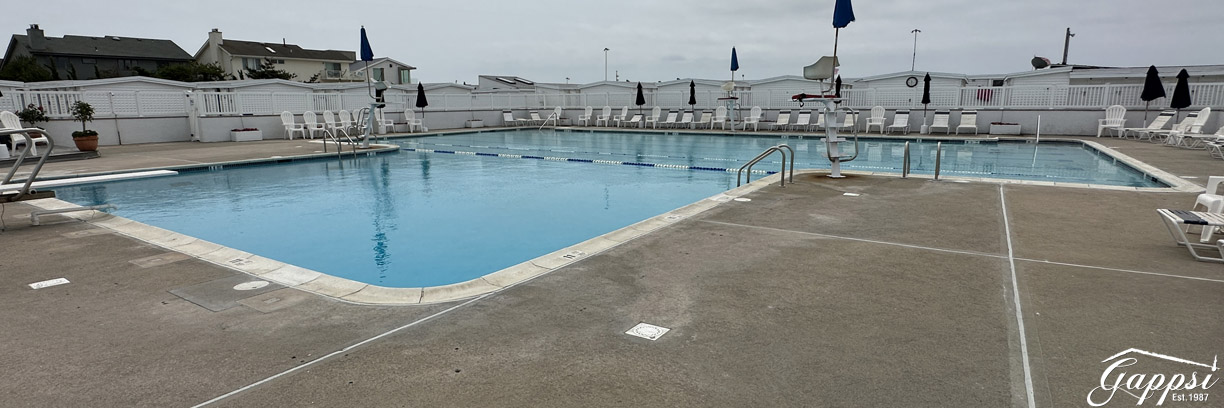
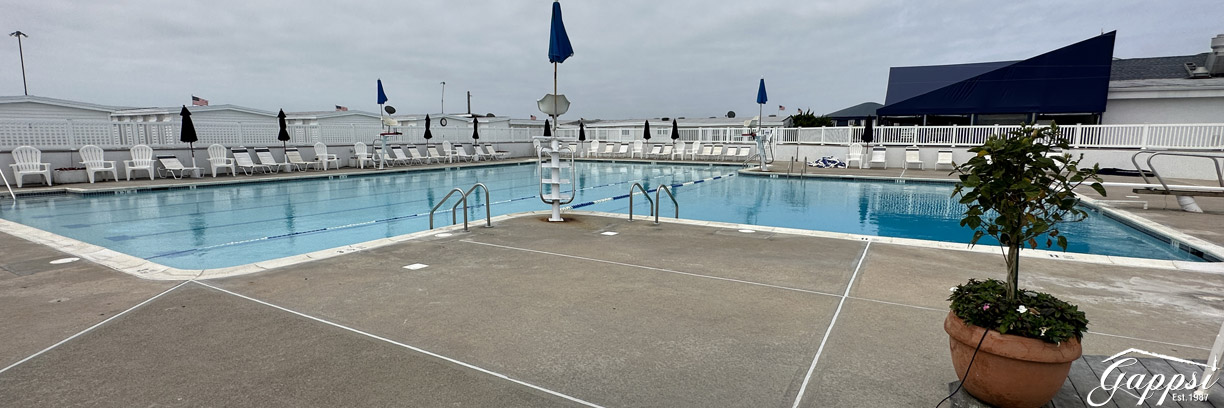
This is the Atlantic Beach Country Club, Gappsi refinished the pool with new white quartz. A very large pool, approximately 6000 sqft. The pool was acid-washed, bond-coated, and replastered with white quartz. In addition, we installed new line swim lanes on the floor with tiles. This is the latest marble dusting job completed by Gappsi in Atlantic Beach NY.
SCHEDULE A MEETING TODAY WITH GAPPSI
View Gappsi’s YouTube Channel for Videos of Commercial Swimming Pool Renovation and Marble Dusting
https://youtu.be/9wYxA2YHaVU
Frequently Asked Questions
How often should I get my pool acid washed? An acid wash is a pretty intensive process, so it’s not something you need to do every year. For most pools, scheduling an acid wash every five to seven years is a good guideline. This is enough to handle tough stains and algae buildup without wearing down your pool’s surface too quickly. If your pool gets heavy use or is prone to algae, you might need it sooner, but it’s best to consult a professional to assess its condition.
What’s the difference between an acid wash for a pool and an acid-wash finish on a countertop? Think of it as the difference between deep cleaning and designing. A pool acid wash is a restorative cleaning process that uses acid to strip away a thin layer of the pool’s surface, removing stubborn stains and algae. An acid-wash finish on a marble countertop, however, is an intentional design choice. Professionals apply acid to create a matte, textured, and antique look, which is beautiful and great at hiding future wear.
I spilled lemon juice on my marble countertop. Is it ruined forever? Don’t panic, it’s likely not ruined. That dull spot you see is called an etch, which is a chemical reaction on the surface. For very light etches, you might be able to fix it yourself with a special marble polishing powder. However, for deeper etches or if you’re not comfortable doing it yourself, it’s best to call a professional. Stone restoration experts can hone and re-polish the surface to make it look new again.
Will a sealer prevent my marble from getting etched? This is a common misconception. A sealer is fantastic for preventing stains because it soaks into the stone’s pores and stops liquids from being absorbed. However, etching is a chemical reaction that happens on the surface of the stone itself. A sealer can’t stop acid from reacting with the marble. The best way to prevent etching is to wipe up acidic spills like wine or citrus juice immediately.
Is a quartz pool finish the same as a marble countertop? No, they are very different materials used for different purposes. A quartz pool finish, sometimes called marble dusting, is a blend of quartz crystals, resins, and pigments applied to the interior of a pool. It’s incredibly durable, smooth, and resistant to chemicals and algae. A marble countertop is a slab of natural stone quarried from the earth. While beautiful, marble is much softer and more sensitive to acids and heat than the engineered quartz material used in pools.
Key Takeaways
- Acid has two very different roles for stone: An accidental splash of lemon juice can cause a permanent dull spot, known as an etch, on your marble countertop. However, professionals use a deliberate acid wash to deep clean pool surfaces or create a beautiful, textured finish on stone.
- Prevention is the best care for marble: Always use trivets to protect against heat cracks, be careful with heavy items to avoid “bruising,” and clean with pH-neutral products. Keep in mind that sealers help prevent stains from soaking in, but they cannot stop the surface damage caused by acid etching.
- Know your limits for repairs: While you might fix a very light etch with a special polishing powder, a pool acid wash and significant stone restoration are jobs for professionals. Using harsh chemicals or improper techniques can cause permanent damage to your surfaces or yourself.
 The family in this East Islip home wanted a pool for entertaining that was built to last. Giuseppe Abbrancati, owner/designer of Smithtown-based Gappsi, Inc. suggested a gunite saltwater pool in a Sports Pool style design where both sides of the pool are shallow and the deep end is in the middle. “Gunite pools make a statement. They are a very customizable pool. That is why you see a sundeck, round steps, and LED lights inside the pool. You can shape the cement any way you want it and apply any finish. They are also highly durable,” says Abbrancati who has been building pools for the last thirty years. “The deepest part of this pool is six feet. It’s built like that so you can play volleyball in the pool and its fair ground,” he adds. Abbrancati designed a classic rectangular-shaped pool that is 16 by 32 foot in size and has that sleek modern look. “Everyone in the Hamptons has the gunite rectangular shape. It is the most elegant,” he says. The pool, he explains, is a cobalt blue diamond bright with quartz finish. Before the installation, the house – that is close to a hundred years old- had a simple concrete patio. in order to keep the character of the home, Abbrancati chose a brick looking veneer that would blend in with the existing bricks to make it look like the pool was always there. “I didn’t want the pool to look like it was an addition. I wanted it to look like it was built with the house 100 years ago,” he says. Travertine pavers were added throughout. Additional features of the property that Abbrancati built was a sunken down natural fire pit made from rocks and lava and an L-shaped bench for seating. One of the corners of the pool features a blue stone counter three feet wide that is designed to enjoy snacks and beverages poolside. Seating inside the pool with stools built inside the pool made from veneer with glass tiles is an ideal spot for socializing. A twelve-foot long natural gas fire pit runs alongside the pool so you can roast marshmallows and eat smores right from the pool. The fire accent is also a beautiful decorative feature that adds ambiance. A sundeck is accessible on the shallow end of the pool and an ideal place to place a lounge chair. To keep the pool pristine an ‘auto-cover’ was installed. With a push of a button – located next to the sliding door- the auto-cover opens and closes. The pool has a gas heater and the temperature can go as high as 104 degrees. The average setting is between 80 to 85. The heater goes on automatically and the technology enables the homeowner to set the temperature that is comfortable for them.