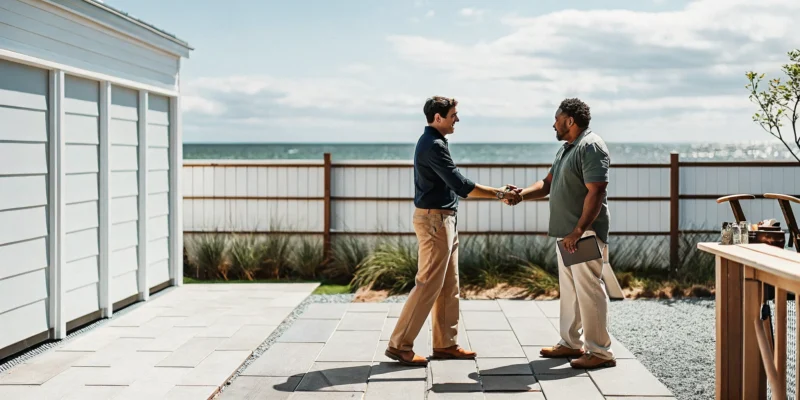
Professional backyard game court transformation in Hempstead, NY featuring a multi-sport surface.

A Pro Backyard Game Court Transformation in Hempstead

Take a look at your backyard. For many homeowners, there’s an underused corner or a patch of grass that just sits there, not quite living up to its potential. You might mow it and water it, but it doesn’t really add anything to your life. What if you could turn that forgotten space into the most exciting part of your property? A custom sports games court does exactly that, converting a passive area into an active hub for entertainment and exercise. It’s the ultimate upgrade for any family looking to get more out of their home. A Professional Backyard Sports Game Court Transformation in Hempstead NY is the key to unlocking your yard’s true potential.

Key Takeaways

  • Invest in Your Home and Family: A backyard sports games court adds significant value to your property while creating a central spot for your family to stay active, connect, and have fun right at home.
  • Professional Build Quality is Non-Negotiable: The performance and durability of your court depend on a professionally installed foundation. Proper site preparation and high-quality materials are essential for a safe, level surface that prevents costly future repairs.
  • Customize Your Court and Make It Last: You can design a court that perfectly matches your family’s favorite activities and your home’s style with custom colors, layouts, and features. A simple routine of cleaning and seasonal prep will protect your investment and keep it ready for play year-round.

Why Build a Backyard Sports Game Court?

Thinking about adding a sports games court to your backyard is about more than just creating a space to play. It’s an investment in your home, your family’s health, and countless hours of fun right outside your door. A custom court transforms an underused patch of lawn into the centerpiece of your outdoor living space, offering a convenient and exciting way to stay active and connected. It becomes the spot where memories are made, from teaching your kids to shoot hoops to hosting friendly neighborhood pickleball tournaments. With a professional installation, you get a durable, safe, and beautiful addition that serves your family for years.

Add Value to Your Hempstead Home

A well-designed sports games court can make your home more valuable. When it comes time to sell, unique features that promote an active lifestyle are a huge draw for potential buyers. A professionally built court is a clear indicator of a well-maintained and upgraded property, which can significantly increase its market value. It’s not just an amenity; it’s a long-term investment in your property’s appeal. By choosing quality materials and a thoughtful design, you’re adding a feature that makes your home stand out and offers a tangible return. Our synthetic turf and sports games courts are built to last, ensuring they remain a valuable asset.

Get Your Family Active and Outside

In a world of screens and indoor activities, a backyard sports games court is a powerful invitation to get outside and move. Having a dedicated space for basketball, tennis, or pickleball makes it easy and accessible for everyone in the family to get active. It encourages friendly competition, helps develop new skills, and brings everyone together for quality time away from distractions. This feature promotes a healthier lifestyle and provides a safe, controlled environment for kids to play. It’s a simple way to make physical activity a natural part of your family’s daily routine, creating healthy habits that last a lifetime.

Create Year-Round Entertainment

One of the best parts about a modern sports games court is that the fun doesn’t have to end when the seasons change. The courts and turf we install are durable and ready for use in different weather conditions. The high-quality materials are designed to withstand Long Island’s hot summers and cold winters, providing a reliable surface for play throughout the year. You can enjoy a game of basketball on a sunny spring afternoon or a pickleball match on a crisp fall day. To make the space even more versatile, consider adding pavilions and pergolas for shade and shelter, creating an all-season entertainment hub in your own backyard.

How Gappsi Transforms Your Backyard

Turning an empty or underused part of your yard into a hub of activity is what we do best. We see your backyard not just as it is, but for what it could be: a professional-grade recreational area for your family and friends. Our process is designed to be seamless, handling every detail from the first sketch to the final installation. We combine your vision with our expertise to create a space that is both beautiful and functional, giving you a custom sports games court that fits your lifestyle perfectly.

We believe that a great project starts with a great plan. That’s why our team works closely with you to understand exactly what you’re looking for. Whether it’s a space for serious training or casual weekend fun, we manage the entire project so you don’t have to worry about a thing.

Full Design and Build Services

Our team provides comprehensive design and build services to bring your dream backyard to life. We manage every step of the process, from the initial concept to the finished construction. This means you have a single, dedicated team handling everything, ensuring a smooth and cohesive project. We specialize in creating custom sports games courts that are tailored to your family’s specific interests and the unique layout of your property. Your vision is our blueprint, and we work to create a unique recreational space that you’ll enjoy for years to come.

Multi-Sport and Single-Sport Court Options

Every family plays differently, which is why we offer a wide range of options for your backyard court. You can choose a dedicated court for a single sport like basketball or tennis, or opt for a versatile multi-sport design that allows for a variety of activities. We equip each court with professional-grade equipment and use low-maintenance materials, so you can spend more time playing and less time on upkeep. Our goal is to build a court that not only meets your functional needs but also enhances the overall look and feel of your outdoor living space.

Professional Installation with Quality Materials

A court is only as good as its foundation. Our installation process begins with a solid gravel base and a bluestone screening layer. This meticulous preparation ensures proper drainage and stability, preventing the surface from shifting or cracking over time. For the playing surface, we use high-quality Mateflex Top Court tiles. These tiles provide the feel of a professional indoor court with excellent grip and bounce, yet they are durable enough to handle Long Island’s weather. This commitment to quality materials and craftsmanship guarantees a perfectly flat, long-lasting playing surface.

What Makes a Gappsi Court Last?

A backyard Sports Games Court is a fantastic addition to your home, but it’s also a significant investment. You want to be sure it will stand up to years of competitive games, family fun, and Long Island weather. That’s why we build our courts to last, focusing on quality from the ground up. It’s not just about the playing surface; it’s about the professional-grade components and expert construction techniques we use for every single project. From the foundation hidden underground to the hoops and netting, every detail is chosen for its durability and performance. This commitment to quality ensures your court remains a safe, functional, and beautiful part of your home for years to come. We understand that a court is more than just a place to play, it’s a hub for family memories. That’s why we refuse to cut corners. We combine superior materials with decades of construction experience to deliver a final product that not only looks great on day one but continues to perform beautifully season after season. We believe a court’s longevity is determined by the things you can’t see just as much as the things you can, which is why our process is so thorough.

High-Performance Mateflex Court Tiles

The surface you play on makes all the difference. We use Mateflex Top Court tiles because they provide the feel of a professional indoor court right in your backyard. These high-performance tiles are engineered for excellent grip and consistent ball bounce, giving you a true and reliable playing experience. They are also designed to handle everything from summer heat to winter cold without cracking or fading. Plus, the tiles have a bit of give, which helps reduce stress on your joints. This means you and your family can play longer and more comfortably, making your court the perfect spot for both casual fun and competitive matches.

Pro-Grade Dominator Hoops and Custom Netting

To complete your court, we install top-of-the-line equipment like Dominator 72-inch Aluminum Professional Hoops. These aren’t your average basketball hoops; they are built to last. The aluminum construction resists rust, a must-have for our coastal climate, and the space-saving design keeps your yard feeling open. Best of all, they feature adjustable height settings, so everyone from young kids to adults can get in on the action. We also install custom fences and netting to keep the ball in play, protecting your landscaping and making games more enjoyable for everyone.

Solid Foundations and Premium Turf

A great court starts with a solid base. We begin every installation by creating a stable foundation using a gravel base and a layer of bluestone screening. This expert masonry work is crucial because it ensures proper drainage and prevents the surface from shifting or cracking over time. This keeps your court perfectly flat and safe for play. To finish the area, we often surround the court with premium synthetic turf. It stays green and lush all year without any mowing or watering, providing a clean, mud-free border that beautifully complements your new Sports Games Court.

What Is Our Design and Build Process?

Bringing a professional-grade sports games court to your backyard is an exciting project, and we’ve refined our process to make it straightforward and enjoyable for you. We manage every detail from the first conversation to the final installation, ensuring your vision comes to life exactly as you imagined. Our approach is built on clear communication and expert execution, so you can feel confident and informed every step of the way. Here’s a look at how we turn a simple patch of grass into a premier recreational area for your family.

Start with a Consultation and Site Visit

Everything begins with a conversation. Our first step is to schedule a consultation where we can listen to your ideas and understand what you’re looking for in a backyard court. Whether you envision a space for basketball, pickleball, or a multi-sport layout, we want to hear all about it. We’ll then visit your home to assess the available space, discuss the potential layout, and answer any questions you have. This initial meeting is crucial for creating a plan that fits your property and your family’s needs, forming the foundation for our entire design and build project.

Select Your Custom Design and Materials

Once we have a clear plan, we move on to the fun part: customizing your court. We’ll guide you through selecting the design, colors, and materials that match your personal style. You can choose anything from a classic look to a vibrant, two-tone design with professional-style striping for different games. We offer a wide range of high-performance, low-maintenance materials to ensure your court not only looks fantastic but also stands up to years of play. Our goal is to collaborate with you to create a unique design that complements your home and provides the perfect playing experience.

We Handle Site Prep and Installation

With the design finalized, our experienced team takes over to bring it to life. We handle every aspect of the installation, from excavation and site preparation to the final finishing touches. A proper foundation is key to a long-lasting court, so we start by building a solid gravel base with a bluestone screening layer. This ensures excellent drainage and prevents shifting or cracking over time. You can relax knowing that our masonry experts are meticulously preparing the ground and installing your court with precision and care, creating a perfectly flat and durable surface for endless fun.

Common Myths About Backyard Game Courts

Thinking about adding a sports game court to your backyard is exciting, but it’s easy to get sidetracked by misinformation. You might hear advice from a well-meaning neighbor or read something online that sounds right but could lead you down the wrong path. These myths can make the project seem more complicated or, even worse, lead to costly mistakes that are difficult and expensive to fix later on. From underestimating the groundwork to overlooking local rules, a few common misunderstandings can turn a dream project into a major headache.

We believe that building your perfect outdoor space should be a smooth and rewarding process. That’s why we want to clear the air and separate fact from fiction. Understanding the truth behind building a high-quality court helps you make informed decisions and ensures your investment is one your family will enjoy for years. A properly built court isn’t just a slab of concrete with a hoop; it’s a precisely engineered space designed for safety, performance, and durability. Let’s walk through some of the most common myths we hear from homeowners and get you the right information from the start, so you can focus on the fun part: planning all the games you’ll play.

Myth: DIY Is Always Cheaper

Many homeowners think a DIY approach will save them a significant amount of money, and it’s a tempting thought. However, building a sports game court isn’t like a typical weekend project. The foundation is the most critical part, and pouring a concrete slab for a court requires a level of precision far beyond that of a simple patio or driveway. If the surface isn’t perfectly flat and properly cured, the ball won’t bounce correctly, and the court won’t be safe for play. Fixing a poorly poured foundation is a massive expense that often costs more than getting it done right the first time. Professional sports games courts installation guarantees the base is built to last.

Myth: Any Flat Surface Will Do

At a glance, your backyard might look perfectly level, but looks can be deceiving. A common mistake is assuming any flat-looking patch of grass is ready for a court. In reality, a high-performance sports game court needs to be almost perfectly flat or have a very slight, intentional slope (usually around 1%) to allow for water runoff. Even minor bumps or an uneven grade can create puddles, cause inconsistent play, and become a safety hazard. That’s why professional site evaluation and preparation are non-negotiable. Our teams perform detailed masonry and grading work to create a flawless foundation before any surface tiles are laid.

Myth: You Don’t Need Permits

It’s easy to think of a backyard court as just another landscaping feature, but many towns and municipalities see it differently. You can’t just start digging. Local zoning laws often have specific rules about where you can build, how large the structure can be, and whether it’s near sensitive areas like wetlands. Failing to secure the right permits can result in fines and may even force you to tear the whole thing down. Part of a professional home remodeling service is managing these details for you. We handle the paperwork and ensure your project complies with all local regulations, so you have complete peace of mind.

How to Customize Your Sports Game Court

One of the best parts of adding a sports games court to your backyard is making it completely your own. This isn’t about dropping a generic slab of concrete in your yard; it’s about creating a space that reflects your family’s passions and fits seamlessly with your home’s aesthetic. From choosing the right combination of games to picking out colors and logos, every detail can be tailored to you. At Gappsi, we guide you through all the possibilities to design a court that’s as unique as your family. Let’s look at a few ways you can personalize your new favorite spot.

Basketball and Multi-Sport Layouts

If your family loves a little bit of everything, a multi-sport layout is a fantastic choice. This versatile setup is one of the most popular options because it truly maximizes your available space, giving you the flexibility to enjoy basketball, tennis, volleyball, and more, all in one area. You can have a basketball hoop at one end and a removable net system for volleyball or badminton. We can paint lines for multiple games, so switching from a pickup basketball game to a family tennis match is simple. It’s the perfect way to ensure there’s always something fun for everyone to do with our custom sports games courts.

Dedicated Tennis and Pickleball Courts

For the dedicated athlete in the family, a single-sport court might be the way to go. If you’re serious about tennis or have caught the pickleball bug, having a court built to regulation standards can make all the difference in your game. We can design a dedicated space with the precise dimensions, net height, and surface characteristics you need for authentic play. This ensures you have a professional-grade area for practice and competition right in your backyard. A dedicated court is an amazing asset for anyone looking to learn more about a sport and share their passion with friends and family.

Add Custom Colors, Logos, and Features

This is where you can really let your personality shine. Your sports games court doesn’t have to be a standard green or gray. We can customize the court tiles with colors that match your home, represent your favorite sports team, or just create a vibrant, energetic look. You can even add a family crest or personal logo to the center court for a truly one-of-a-kind touch. Beyond colors, we can integrate features like professional lighting for evening games, high-quality fencing for safety, and even surrounding landscape design to make the court a beautiful focal point of your yard.

What Does a Game Court Cost?

One of the first questions homeowners ask is about the cost of a backyard sports games court. The final price depends on your vision, as every project is custom. We work with you to create a detailed plan that aligns with your budget, ensuring total transparency from start to finish. It’s an investment in your home and your family’s lifestyle, and we’re here to help you understand every part of it.

Factors That Affect Your Budget

The total investment for your sports games court is shaped by several key factors. Size is the biggest driver; a larger court requires more materials and labor. The features you choose, like adjustable hoops, fencing, or lighting, also play a role. We must also account for essential site preparation, which includes excavation, grading, and pouring a concrete foundation. This groundwork is critical for a level, durable playing surface. The unique conditions of your property and any local permit requirements can also influence the final cost of your sports games court.

Breaking Down the Full Investment

So, what does the full investment look like? While projects can range from $25,000 to over $75,000, a typical court often lands somewhere in the middle. This price covers everything from the ground up. The concrete base is the foundation, followed by high-performance surface tiles that provide color and safety. From there, you can add components like professional-grade basketball hoops or rebounder nets. Adding features like court lighting will extend your playing time into the evening. Each element contributes to the final cost to build a fun and long-lasting sports games court.

Explore Our Financing Options

A backyard sports games court is a wonderful addition to your home, and we want to make it an achievable goal for your family. By planning carefully, you can get a professional-quality court that fits your financial picture. During your consultation, we can discuss different options and features to find a solution that meets your needs and budget. We can also guide you toward financing options to make the investment more manageable. Don’t let the initial cost hold you back from creating a space for endless family fun. Your dream court is within reach.

How to Maintain Your New Game Court

Your new backyard Sports Games Court is an investment in your home and your family’s fun, and we build every Gappsi court to withstand years of play. With just a little routine care, you can keep it looking and performing its best. Proper maintenance protects the surface, ensures safety, and extends the life of your court, so you can focus on making memories. Think of it less as a chore and more as a simple way to protect your favorite backyard feature. Following a few easy steps will keep your court in top condition through every season of the year.

Follow Simple Cleaning and Inspection Routines

Keeping your court clean is the first step to great maintenance. Regularly use a leaf blower or a soft-bristled broom to clear away leaves, dirt, and other debris that can become slippery or stain the surface. For a deeper clean, you can rinse the court with a garden hose. While you’re out there, take a moment to walk the perimeter and inspect the surface. Look for any potential issues, since cracks can sometimes occur from weather changes or heavy use. Proper drainage is essential to prevent damage, so make sure water isn’t pooling anywhere. It’s also a good idea to avoid placing heavy patio furniture or equipment on the court to maintain its integrity. Catching small issues early is the best way to prevent bigger problems.

Prepare Your Court for Every Season

Long Island weather brings a little bit of everything, so preparing your court for seasonal changes will ensure it stays ready for play year-round. In the fall, be diligent about clearing fallen leaves to prevent staining. Before winter arrives, give the court a final cleaning and make sure the area has proper drainage to handle melting snow. For courts with synthetic turf, a seasonal fluffing with a stiff brush can keep the fibers upright and looking fresh. In the spring, a good rinse will wash away any winter grime. This simple seasonal prep ensures the longevity and usability of your court, so it’s always ready for the next game as soon as the weather is right.

Know When to Call for Professional Restoration

While routine cleaning is something you can easily handle, some jobs are best left to the pros. If you notice significant surface damage, deep cracks, or widespread discoloration, it’s time to call for a professional opinion. The foundation of a Sports Games Court is very different from a standard patio, and if the surface isn’t perfect, it won’t play right. Our team can assess any damage and recommend the best course of action, from minor repairs to a full resurfacing. Gappsi offers expert restoration and sealing services to bring your court back to its original glory. Calling for professional help when you need it protects your investment and ensures your court remains a safe, high-performance space for years to come.

Related Articles

Frequently Asked Questions

How long does the entire process take, from consultation to completion? The timeline for building a backyard sports games court can vary depending on the project’s complexity, site conditions, and local permitting requirements. Generally, once the design is finalized and permits are secured, the construction phase itself can take a few weeks. We manage every step efficiently, from the initial site preparation and foundation work to the final installation of the surface and equipment, to ensure a smooth process with minimal disruption to your home.

My backyard isn’t very big. Can I still get a sports games court? Absolutely. One of the main benefits of a custom design is that we can tailor the court to fit your specific space. We can create a compact half-court for basketball, a dedicated pickleball court, or a creative multi-sport layout that makes the most of a smaller area. During our initial site visit, we’ll assess your yard and show you what’s possible, ensuring you get a functional and fun court that fits perfectly.

What makes your Mateflex tiles better than just a painted concrete surface? While a painted concrete slab might seem like a simple solution, it lacks the performance and safety features of a professional tile system. Our Mateflex tiles are engineered to provide better shock absorption, which is easier on your joints and helps reduce the risk of injury. They also offer superior grip and a more consistent ball bounce for a true playing experience. Plus, the tiles are designed to withstand weather changes without cracking and allow for proper drainage, ensuring a longer-lasting and safer surface.

How do you make one court work for multiple sports like basketball and pickleball? We design multi-sport courts with versatility in mind. This typically involves installing adjustable or removable equipment, like a basketball hoop at one end and a net system that can be set up for tennis, pickleball, or volleyball. We then paint clear, professional-style lines for each sport, often using different colors to keep the layout easy to understand. This approach transforms a single space into a hub for all your family’s favorite activities.

How much maintenance does a court actually need throughout the year? Our courts are designed to be very low maintenance, so you can spend more time playing. The most important task is simply keeping the surface clear of leaves, dirt, and other debris with a leaf blower or broom. An occasional rinse with a garden hose is usually all you need for a deeper clean. With these simple steps, your court will stay in great shape and be ready for a game whenever you are.

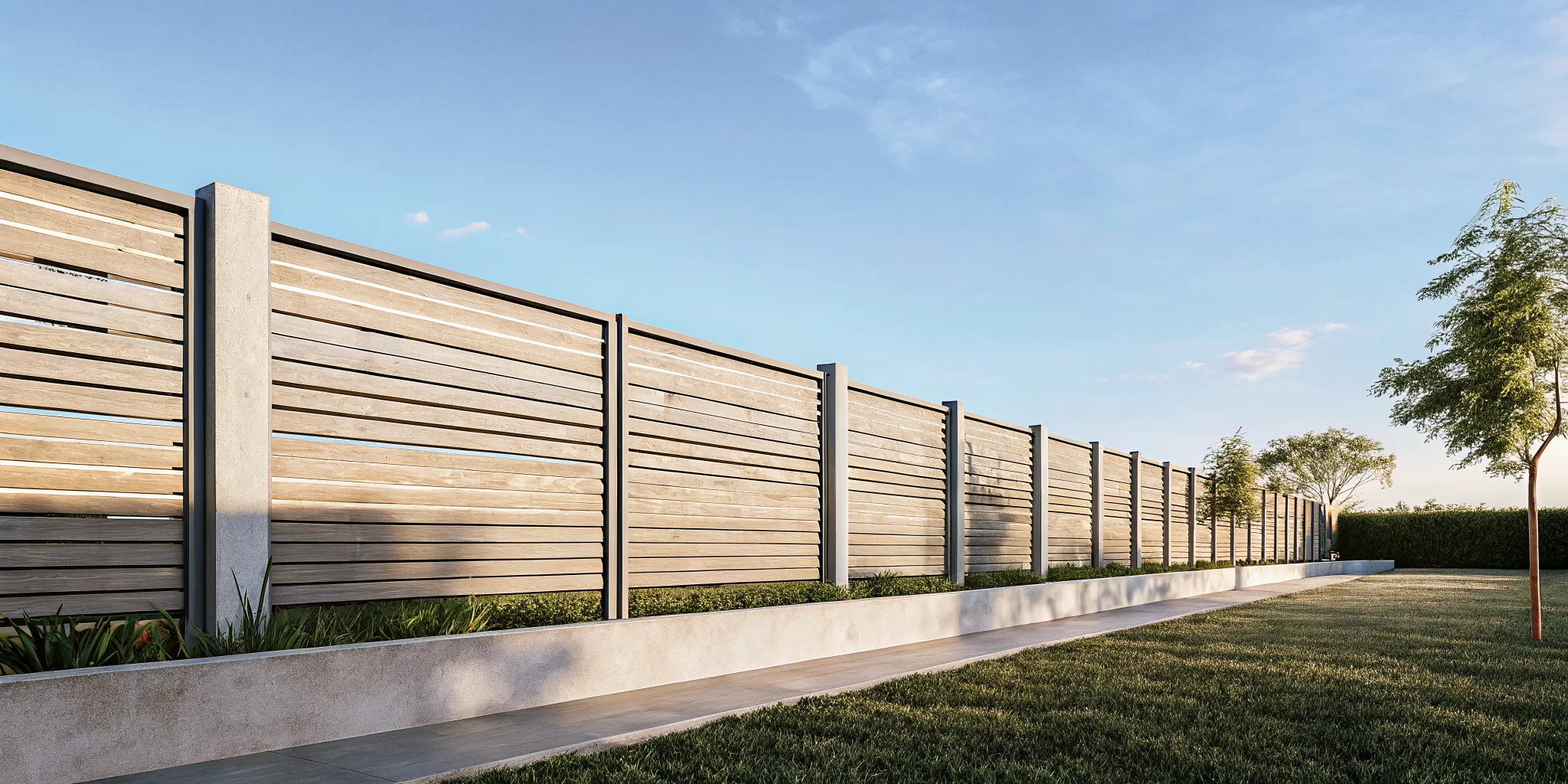
Getting a quote for turf installation from a professional in a backyard.

Get a Quote for Turf Installation Without Surprises

Installing artificial turf on Long Island comes with its own set of considerations. Our local soil conditions and weather patterns demand an installation process that ensures proper drainage and long-term stability. A one-size-fits-all approach simply doesn’t work here. A professional installer will assess your property’s unique layout, slope, and soil to create a custom plan. This guide explains how these local factors influence the work required for a lasting result. We’ll equip you with the right questions to ask so you can be sure your project is in expert hands when you get a quote for turf installation for your Suffolk or Nassau County property.

Key Takeaways

  • Look beyond the price per square foot: A comprehensive quote includes crucial elements like ground preparation, proper grading for drainage, and the quality of the turf and infill, which all determine the longevity of your new lawn.
  • Vet your installer thoroughly: The success of your project depends on the team you hire, so prioritize professionals with a proven portfolio, full licensing and insurance, great customer reviews, and solid warranties.
  • Recognize turf as a long-term investment: While there is an upfront cost, artificial turf saves you money on water and maintenance for decades, lasts up to 25 years, and can improve your home’s curb appeal and resale value.

What Determines Your Turf Installation Cost?

When you start looking into artificial turf, you’ll quickly find that the price is more than just the cost of the turf itself. Several key factors influence your final quote, and understanding them will help you see exactly what you’re paying for. From the unique layout of your yard to the materials used underneath, each element plays a role in creating a beautiful, long-lasting lawn.

The Size and Shape of Your Yard

It seems simple: a bigger yard means a higher cost. While that’s generally true, the price per square foot can actually be lower for larger projects. This is because every job has fixed costs, like transporting materials and equipment. On a larger installation, these costs are spread out. The shape of your space also matters. A simple rectangular yard is more straightforward to work on than one with lots of curves, garden beds, or other features that require precise cutting and fitting of the synthetic turf.

The Type of Turf You Choose

Not all artificial turf is the same. The product you select will have a major impact on the total cost. Different types of turf are designed for different uses, from soft, lush lawn replacements to durable surfaces for pet areas or backyard Sports Games Courts. Materials like polyethylene offer a realistic look and feel perfect for landscaping. While the upfront cost of quality turf is higher than laying sod, it’s an investment that pays off over time through saved water, time, and maintenance expenses.

Preparing the Ground

A great turf installation starts with what’s underneath. In fact, a huge portion of the work and cost is dedicated to ground preparation. This process involves removing your old grass and soil, grading the area to ensure it’s perfectly level, and installing a compacted base of crushed stone. This foundation is critical for the stability and longevity of your new lawn. Skipping or rushing this step can lead to lumps, sinking, and drainage problems down the road, so it’s where professional expertise really counts.

Infill and Drainage Needs

Infill is the granular material that’s brushed into the turf fibers. It helps the blades stand up straight, adds a soft feel underfoot, and weighs the turf down. Options range from basic silica sand to more advanced, coated sands that are antimicrobial, which is great for pets. This works hand-in-hand with proper drainage, which is built into the prepared base. A well-designed system ensures rainwater flows through the turf and away from your home, preventing puddles and keeping your lawn usable year-round.

How Do You Get an Accurate Turf Installation Quote?

Getting a clear and accurate quote is the first step toward your new lawn. To make sure there are no surprises down the road, it’s helpful to understand what goes into a quote and how to compare offers from different installers. A detailed quote is a sign of a transparent and professional company that values your business and wants to get your project right from the start.

What to Provide for an Accurate Quote

To get the most precise estimate, you’ll want to give your potential installer as much information as possible. Start with the basics: the approximate square footage of the area you want to cover. It’s also helpful to have photos of the space from a few different angles. Think about how you plan to use your new lawn. Will it be a play area for kids and pets, a pristine putting green, or a spot for outdoor entertaining? The intended use can influence the type of synthetic turf and sports games courts that will work best for you. The more details you can provide upfront, the more accurate your initial quote will be.

Mistakes to Avoid When Getting Quotes

It can be tempting to jump at the lowest price, but this is often a mistake. A quote that seems too good to be true might mean the installer is cutting corners on essential steps, like proper ground preparation or drainage. An inadequate base can lead to sinking, pooling water, and a lumpy surface that wears out quickly. A quality installation is about more than just laying down turf; it’s about creating a stable and durable foundation. Be wary of any quote that isn’t itemized or seems vague. A professional will always account for the complete landscape design to ensure your new turf integrates perfectly with your property.

How to Compare Installation Quotes

When you have a few quotes in hand, look beyond the final number. A good quote will break down the costs, including site preparation, base materials, the specific turf product, infill, labor, and cleanup. Compare what’s included in each offer. Does one company include higher-quality materials or a more robust base layer? Also, take time to research each company’s reputation. Look for customer reviews and ask to see examples of their work. Seeing finished projects on platforms like YouTube can give you a great sense of an installer’s craftsmanship and the quality you can expect for your own home.

What Should You Look for in a Turf Installer?

Getting a great price on your turf installation is important, but the quality of the installation itself is what truly determines how your new lawn will look and perform for years to come. A poor installation can lead to seams that show, poor drainage, and a shorter lifespan for your turf, which is the last thing you want after making such a significant investment. Choosing the right installer is just as crucial as selecting the perfect turf for your home. You want a team that not only knows the product but also understands the unique challenges of Long Island properties, from our specific soil composition to our seasonal weather patterns.

When you start vetting potential installers, you’re looking for a partner in your home improvement project, not just a contractor. This means finding a company with a solid reputation, the right credentials, and a deep commitment to quality craftsmanship. A professional installer will be transparent about their process, provide clear and detailed quotes, and stand behind their work long after the project is complete. To help you find the best team for the job, it’s helpful to focus on a few key areas: their experience, their credentials, their customer feedback, and the guarantees they offer. These factors will give you a complete picture of the company you’re considering hiring and ensure you feel confident in your choice.

Proven Experience and a Strong Portfolio

When you’re investing in your home, you want to see what an installer is capable of before you sign a contract. A reputable company should have a strong portfolio of completed projects that showcases their skill and attention to detail. Ask to see examples of their work, paying close attention to how they handle edges, seams, and complex yard shapes. Look for a variety of projects, including residential lawns, putting greens, or even custom Sports Games Courts, to get a sense of their range. A proven track record not only demonstrates expertise but also gives you confidence that they can deliver the beautiful, durable lawn you envision.

Proper Licensing and Insurance

This is a non-negotiable. Any contractor working on your property must be fully licensed and insured. Licensing confirms that the installer complies with local regulations and standards of practice, while insurance protects you from any liability in the unfortunate event of an accident or damage to your property during the installation. Don’t just take their word for it; ask to see proof of their general liability insurance and workers’ compensation coverage. A professional company will have this information readily available and will be happy to provide it. This simple step protects your investment and provides essential peace of mind throughout the project.

Customer Reviews and Testimonials

Customer reviews are an invaluable window into a company’s professionalism, work ethic, and the quality of their finished product. Go beyond the star ratings and read what previous clients have to say about their experience. Were they happy with the communication? Did the crew show up on time and keep the worksite clean? Most importantly, how does the turf look and feel months or even years after the installation? Checking testimonials on the company’s website and third-party review sites will give you a well-rounded understanding of their reputation and what you can expect when you work with their team.

Warranties and Service Guarantees

A confident installer will always stand behind their work. Be sure to ask about the warranties they offer, which typically cover both the turf material itself (against things like fading or defects) and the installation workmanship. A strong warranty reflects the company’s belief in the quality of their products and their installation process. Get all guarantees in writing and make sure you understand what is covered and for how long. This, along with a detailed quote that outlines all costs, ensures there are no surprises and protects you from any potential issues down the road. A transparent company will be upfront about these details from the start.

Are There Hidden Costs to Watch For?

Getting a quote for your new turf lawn should be a straightforward process, but it’s smart to know what goes into the final number. A detailed quote from a professional installer will break down every part of the project, but some costs can be overlooked if you don’t know what to ask about. Think of it less like “hidden” costs and more like project-specific needs that aren’t always obvious at first glance. Understanding these potential expenses ahead of time helps you budget accurately and ensures there are no surprises on the final invoice.

A trustworthy installer will walk you through every line item, but being an informed homeowner is your best tool for a smooth project. From preparing the ground to the final finishing touches, several factors can influence the total cost. It’s important to discuss these elements with your contractor to make sure your quote is truly all-inclusive. We’ll cover the most common areas where extra costs can appear, so you can have a confident and clear conversation about your synthetic turf installation. This way, you can focus on the excitement of your beautiful new lawn, not on unexpected bills.

Clearing the Area and Hauling Debris

Before the first roll of turf can be laid down, the installation area needs to be a completely blank slate. This means your existing lawn, including grass, weeds, and roots, must be removed. If your yard has large rocks, old sprinkler heads, or stubborn tree roots, the clearing process will require more labor and time, which can affect the cost. It’s a crucial first step that can’t be skipped.

Once everything is cleared out, it has to go somewhere. The cost of hauling away all that debris is another factor to consider. A comprehensive quote should clearly state whether site clearing and debris removal are included in the price. Discussing the current state of your yard with your installer will help them provide a more accurate estimate for this essential prep work. Proper landscape preparation is the foundation of a long-lasting turf installation.

Grading and Proper Drainage

One of the most critical parts of any turf installation is ensuring water can drain away properly. Without a well-graded base, you could end up with puddles, mold, or a squishy lawn after it rains. Proper site preparation involves creating a slight, almost unnoticeable slope that directs water away from your home and off the turf surface. This prevents significant issues down the line and protects your investment.

The amount of work needed to achieve correct grading depends on the natural slope of your yard. Some yards may require more extensive work and additional base materials to build up certain areas. This is not a step where you want to cut corners. A professional installer will assess your property’s specific drainage needs and include the necessary grading and base preparation in their quote, ensuring your new lawn is as functional as it is beautiful.

Edging, Borders, and Other Finishing Touches

The details are what give your new turf lawn a polished, professional look. Edging materials create a clean, defined border between your turf and surrounding garden beds, patios, or walkways. They also help secure the turf, preventing the edges from lifting over time. The material you choose for your border, whether it’s a simple composite bender board or elegant stone pavers, will influence the final cost.

Beyond standard edging, consider any unique features in your yard. Do you want the turf to curve perfectly around a fire pit or fit snugly against an existing stone patio? This type of detailed work requires more precise cutting and fitting, which can add to the labor costs. These finishing touches are what truly customize your space, so be sure to discuss your vision with your installer to get an accurate price for the complete look.

Local Permits and Inspection Fees

Depending on where you live in Long Island and the scale of your project, you might need a permit from your local town or village. Projects that involve significant changes to your property’s grading or drainage systems often require official approval. While not always necessary for a straightforward turf installation, it’s something you should clarify with your contractor from the start. A seasoned local installer will be familiar with the specific requirements in your area.

Ask your installer if any permits are needed and who is responsible for securing them. The quote should specify if permit application fees or any required inspection fees are included. Getting a detailed quote in writing that clearly outlines what is and isn’t covered is essential. This ensures your project complies with all local regulations and avoids any potential fines or delays, giving you complete peace of mind.

What Questions Should You Ask Before Hiring?

Once you have a few quotes in hand, it’s time to dig a little deeper. Asking the right questions before you sign a contract is the best way to ensure your project goes smoothly and you’re happy with the result. Think of this as your final interview for the company you’re about to partner with. A professional installer will welcome these questions and provide clear answers.

The Installation Process and Timeline

Understanding the workflow helps you set realistic expectations. Ask for a step-by-step breakdown of the installation, from ground preparation to laying the turf and applying infill. A key question is about the timeline: “How long will the project take?” Also, find out how they plan to manage the worksite and protect your property. Knowing who your main point of contact will be is also important for clear communication. The specific turf you choose can influence the process, so discuss how your selection impacts the installation schedule and requirements.

Future Maintenance and Support

Artificial turf is low-maintenance, but not no-maintenance. Ask your potential installer what upkeep your new lawn will need to stay looking its best. Find out if they offer any maintenance packages or support after the job is done. Most importantly, get the details on the warranty. You’ll want to know exactly what it covers and how long it lasts. While the initial synthetic turf expense is a key consideration, understanding the long-term support ensures your investment is protected. Knowing who to call if a problem arises provides valuable peace of mind.

Payment Schedules and Financing

Don’t be shy when it comes to talking about money. A reputable company will be transparent about all costs. Ask for a detailed, itemized quote that breaks down every expense to avoid hidden fees. Clarify the payment schedule, including the deposit amount and when the final balance is due. It’s also a good idea to ask what payment methods they accept and if they offer any financing options to make the project more manageable. Getting everything in writing protects both you and the contractor, creating a clear agreement before any work begins.

Is Artificial Turf a Good Long-Term Investment?

When you’re considering a big home improvement project, it’s natural to ask if it’s really worth the money in the long run. The upfront cost is one thing, but the true value comes from years of enjoyment, savings, and increased home value. Let’s break down why synthetic turf is often a smart financial decision for homeowners. It’s an investment in your property and your lifestyle, giving you a beautiful, usable space without the constant maintenance that natural grass demands.

Savings on Water Bills and Upkeep

One of the biggest perks of artificial turf is the immediate drop in your monthly bills. Think about the costs of maintaining a natural lawn: constant watering, mowing, fertilizing, and weeding. These expenses add up. In contrast, synthetic turf requires very little upkeep, which can save you hundreds each year on water and landscaping alone. This not only puts money back in your pocket but also helps conserve water, making it a more sustainable choice for your home. You get a perfect-looking lawn without the constant work and expense.

How Long Your New Turf Will Last

An investment in your home should be built to last, and high-quality artificial turf delivers on that promise. With proper installation and care, you can expect your new lawn to last anywhere from 15 to 25 years. That’s decades of having a beautiful, green space for your family to enjoy without worrying about reseeding or replacing sod every few years. This impressive durability makes the initial cost a long-term solution, not just a temporary fix. It’s a one-time project that pays off for years to come.

How Turf Can Increase Your Home’s Value

Curb appeal is a huge factor in your home’s value, and a pristine, green lawn makes a powerful first impression. Artificial turf provides that perfect look year-round, which can be a major selling point for potential buyers. A beautiful, low-maintenance yard is a highly desirable feature. In fact, a well-maintained lawn can significantly enhance your property’s appeal. By creating a functional and attractive outdoor space, you’re not just improving your own quality of life; you’re also making a smart investment in your property’s future value.

Related Articles

Frequently Asked Questions

Why does the ground preparation cost so much? Think of the ground preparation as the foundation of your house. You wouldn’t want to cut corners there, right? A significant portion of the installation cost goes into creating a perfectly graded and compacted base. This step is what ensures your turf drains properly, stays smooth and level, and lasts for decades. A solid foundation prevents sinking, puddles, and lumps, so it’s truly the most critical part of the entire project.

Is it worth paying more for a higher-quality turf? Yes, in most cases, it is. The price of turf often reflects its durability, realism, and feel. Higher-quality products use better materials that are more resistant to fading from the sun and can handle more foot traffic from kids, pets, or backyard parties. While the upfront cost is higher, a premium turf will look better and last longer, making it a smarter investment over the life of your lawn.

What’s the biggest red flag to watch for in a quote? The biggest red flag is a lack of detail. If you receive a quote that’s just a single number without a breakdown of costs for materials, labor, and ground preparation, be cautious. This vagueness can hide corner-cutting on essential steps, like creating a proper base. A professional installer will always provide a clear, itemized quote so you know exactly what you are paying for.

How much maintenance does artificial turf really require? While it’s much less work than a natural lawn, it isn’t completely maintenance-free. You’ll want to rinse it off periodically to clear away dust and pollen, especially if you have pets. It’s also a good idea to use a stiff-bristled broom or a leaf blower to remove leaves and debris. This light upkeep keeps the fibers standing tall and ensures your lawn looks great year-round.

How long does a typical turf installation take from start to finish? The timeline really depends on the size and complexity of your yard. For an average-sized residential lawn, the process usually takes anywhere from two to five days. The first day or two is dedicated almost entirely to the crucial ground preparation work, like excavation and building the base. The final days involve laying, securing, and adding infill to the turf itself.

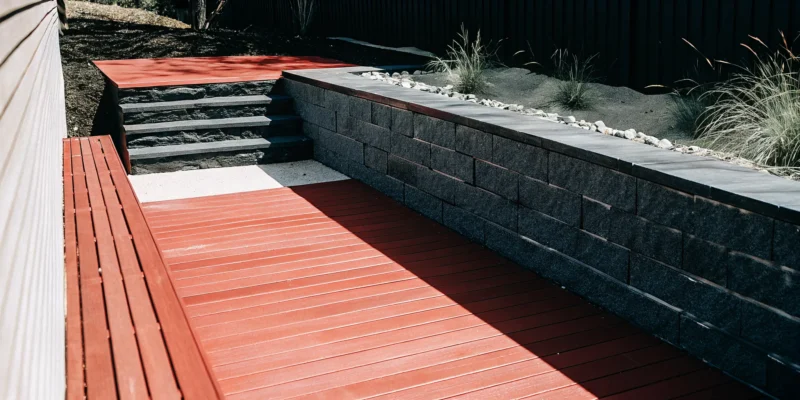
Applying sealer stain to a bluestone patio to remove brown spots.

Fix Brown Spots on Bluestone with Sealer Stain

Have you tried everything to get rid of those stubborn brown spots on your bluestone, only to watch them return? Many homeowners reach for a pressure washer or harsh cleaners, but these methods often make the problem worse by damaging the stone’s surface. The issue isn’t on the surface; it’s within the stone itself. Iron deposits are oxidizing and creating rust stains from the inside out. To truly solve the problem, you need a solution that addresses the root cause. This article provides a step-by-step tutorial on How to Remove Brown Spots from Bluestone Copings and Patios with Sealer Stain, the professional-grade solution for a flawless result.

Key Takeaways

  • Identify the Real Culprit: Understand that brown spots on bluestone are a natural result of iron oxidation, not a product defect, which means the problem can be managed with the right approach.
  • Choose the Correct Treatment: Skip the pressure washer and harsh chemicals that can damage your stone; instead, use a specialized sealer stain that penetrates the surface to even out color and block moisture.
  • Prioritize Proper Application: For a flawless, long-lasting finish, always start with a thoroughly clean and completely dry surface, test the product in an inconspicuous spot, and apply the stain in several thin, even coats.

Why Does My Bluestone Have Brown Spots?

If you’ve noticed unsightly brown or rust-colored spots appearing on your beautiful bluestone patio or walkway, you’re not alone. It’s a common issue that can leave homeowners feeling frustrated, wondering if they chose the wrong material or if something is wrong with their stone. The good news is that these spots are rarely a sign of a defective product. Instead, they are usually the result of a natural process happening within the stone itself.

Bluestone is a stunning and durable choice for outdoor spaces, which is why it’s so popular for everything from pool surrounds to elegant patios. However, its natural composition makes it prone to developing these specific types of stains over time. Understanding what causes these spots is the first step toward fixing them and preventing them from coming back. The culprit is a chemical reaction involving iron, water, and air. Once you know why it’s happening, you can take the right steps to restore your bluestone’s original beauty and protect your investment for years to come.

The Role of Iron Oxidation

The simple explanation for those stubborn brown spots is rust. Just like a metal garden tool left out in the rain, the iron inside your bluestone can oxidize. Bluestone is a natural material, and it contains varying amounts of iron minerals as part of its geological makeup. When these iron deposits are exposed to oxygen and water, a chemical reaction occurs, creating iron oxide, which we see as rust.

This process isn’t a flaw in the stone; it’s just a part of its natural character. The spots can appear randomly, concentrated in areas where the iron deposits are closest to the surface. This is why you might see them on some pavers but not others. Gappsi has extensive experience working with all types of porcelain and natural stone pavers, and we understand the unique properties of each.

Environmental Factors That Worsen Stains

Moisture is the main trigger for iron oxidation, so environmental factors play a huge role in how and when these brown spots appear. You might notice the spots look darker or more prominent after it rains, and they may seem to fade when the stone is completely dry. This cycle happens because water activates the iron deposits.

On Long Island, our bluestone is exposed to plenty of moisture from rain, humidity, melting snow, and even lawn sprinklers. Acid rain can sometimes accelerate the oxidation process. Runoff from garden beds can also be a factor, especially if you use fertilizers that contain iron. Effectively managing these environmental triggers is key, and professional restoration and sealing services can provide a protective barrier against moisture.

Why Bluestone is So Susceptible

Bluestone is a type of sandstone, a sedimentary rock known for its dense, durable structure and distinctive blue-gray color. Its composition is what makes it both beautiful and susceptible to iron staining. The very minerals that give bluestone its character, including iron, are distributed throughout the stone. This means that almost any bluestone installation has the potential to develop rust spots over its lifetime.

While it can be disappointing to see these spots appear, it’s helpful to view it as a natural characteristic of the material rather than a defect. The durability and timeless appeal of bluestone are why so many homeowners choose it for their masonry projects. Fortunately, you don’t have to live with the stains. With the right treatment, you can manage the oxidation and keep your bluestone looking its best.

Why Traditional Cleaning Methods Fail

If you’ve tried to scrub or blast away those stubborn brown spots on your bluestone, you’ve probably felt the frustration when they barely budge or quickly return. It’s a common experience, and it’s not your fault. The truth is, the usual cleaning methods you’d use for other outdoor surfaces just don’t work for the deep-set mineral stains in bluestone. In fact, some of these popular techniques can do more harm than good.

Regular cleaning only tackles surface-level grime, leaving the underlying cause of the stains, iron oxidation, untouched. To truly fix the problem, you need a solution that addresses the issue from within the stone itself. Let’s look at why your go-to cleaning strategies are falling short and how they might be making the situation worse for your beautiful bluestone patio or walkway.

The Limits of Pressure Washing

Using a pressure washer can be incredibly satisfying, as you watch dirt and grime disappear in an instant. Unfortunately, when it comes to brown spots on bluestone, that satisfaction is short-lived. Pressure washing only removes surface dirt; it doesn’t penetrate the stone to address the mineral stains causing the discoloration. Worse yet, the high-pressure stream can damage the surface of the bluestone, stripping away its natural protective layer. This makes the stone more porous and even more susceptible to future staining and moisture absorption. While it might look better for a week or two, pressure washing is a temporary fix that can lead to bigger problems down the road.

The Problem with Generic Chemical Cleaners

Your local hardware store has an entire aisle of potent-looking chemical cleaners, but most are a poor match for bluestone. Many generic cleaners are acid-based, which can etch, discolor, and permanently damage the stone’s surface. Milder, non-acidic cleaners, on the other hand, typically aren’t strong enough to lift deep-set iron stains. Beyond their ineffectiveness, many of these cleaners leave behind a chemical residue. If you try to apply a sealer over this residue, it can prevent the sealer from bonding correctly, resulting in a streaky, uneven finish that fails to protect your stone. It’s a classic case of the supposed cure causing another problem.

How Improper Cleaning Makes Things Worse

Even if you find a suitable cleaner, the process itself can create new issues if you’re not careful. One of the most common mistakes is applying a sealer before the bluestone is completely dry. Because bluestone is a porous natural material, it holds onto moisture for a long time after being washed. Sealing damp stone traps that water inside, which can lead to a cloudy or hazy appearance under the sealer. This trapped moisture also prevents the sealer from properly absorbing and curing, leading to weak spots and premature failure. Proper restoration and sealing requires patience and a perfectly dry surface to achieve a durable, beautiful result.

Common Myths About Sealer Stains

When people hear the term “sealer stain,” they often imagine a thick, opaque coating like paint that will cover up the natural beauty of their bluestone. This is one of the biggest myths out there. A high-quality sealer stain designed for natural stone is nothing like paint. Instead of sitting on top, it’s a translucent formula that penetrates the pores of the bluestone. It works with the stone’s inherent characteristics to even out the color variations caused by iron stains while allowing the natural texture and pattern to show through. Think of it as a restorative treatment that enhances your stone’s appearance and provides lasting protection, rather than a cover-up.

What You’ll Need for Sealer Stain Application

Getting the right tools and materials together before you start is the secret to a smooth, successful project. Think of it like gathering your ingredients before you start cooking; it just makes everything easier and far less stressful. When you’re tackling a project like restoring your bluestone, this preparation phase is what separates a frustrating experience from a deeply satisfying one. Properly preparing your bluestone and having the right gear on hand ensures the sealer stain can do its job effectively, giving you that beautiful, long-lasting finish you’re picturing.

This isn’t the time to cut corners. A little prep work now will save you a lot of headaches later and give your patio or walkway the refresh it deserves. It also protects your investment. High-quality bluestone is a gorgeous feature for any home, and treating it correctly keeps it that way. By taking the time to assemble everything you need, you’re setting yourself up for a professional-quality result that not only looks great but also extends the life of your stone. Let’s walk through exactly what you’ll need to get started on the right foot.

Essential Cleaning and Prep Supplies

The most common mistake people make is not cleaning the stone surface thoroughly before applying a sealer. Any dirt, grime, or old sealant left behind can prevent the new sealer stain from adhering properly, leading to a blotchy and ineffective finish. To get your bluestone ready, you’ll need a stiff-bristle brush (not wire), a quality stone cleaner, and access to a hose. For tougher grime, a pressure washer on a low setting can be helpful. You should also grab some painter’s tape and plastic sheeting to protect any surrounding surfaces like siding, plants, or other masonry from accidental drips. Proper surface preparation is non-negotiable for a professional-looking result.

Choosing the Right Sealer Stain

Not all sealers are created equal, especially when you’re trying to correct discoloration. To fix those stubborn brown spots, you need a product that does two things at once: it must even out the stone’s color and provide a protective seal to block water from causing more rust stains. Look for a high-quality, professional-grade sealer stain specifically designed for natural stone like bluestone. These products are formulated to penetrate the stone, providing durable color and protection against stains and weathering. You can find a range of excellent options at the Gappsi Store, where we stock products trusted by our own installation teams for their reliability and superior finish.

Application Tools and Safety Gear

Once your surface is clean and you have your sealer stain, you’ll need the right tools to apply it. A small paint roller with a medium-nap cover works well for the main surfaces, while a good-quality paintbrush is perfect for cutting in along edges and getting into tight corners. You’ll also want a paint tray to hold the sealer. Most importantly, don’t forget your safety gear. You should always wear chemical-resistant gloves to protect your hands and safety glasses to shield your eyes from splashes. Working in a well-ventilated area is also key. Taking these simple precautions ensures the project is not only successful but also safe from start to finish.

How to Apply Sealer Stain to Remove Brown Spots

Ready to tackle those brown spots? Applying a sealer stain is a straightforward process, but the secret to a flawless finish is in the prep work and application technique. Following these steps will help you restore your bluestone’s natural beauty and protect it for years to come. Let’s walk through the process together.

Step 1: Prepare and Clean the Bluestone

This first step is the most important one, so don’t rush it. You need to give your bluestone a deep clean before applying any sealer. Think of it this way: if you don’t remove all the dirt, algae, and grime first, you’ll just be sealing it in, which can make the stains look even worse. Use a pH-neutral stone cleaner and a stiff-bristle brush to scrub the surface thoroughly. After scrubbing, rinse the area completely with a garden hose until the water runs clear. Make sure you remove all the cleaning residue. For stubborn, deep-set grime, you might consider calling in a pro. A professional cleaning and sealing service ensures the stone is perfectly prepped for staining.

Step 2: Test the Stain on a Small Area

Before you commit to staining your entire patio, always test your sealer stain in a small, hidden spot. Every piece of bluestone is unique, and the final color can vary based on its specific mineral composition and porosity. Pick an area that’s usually out of sight, like behind a large planter or under your patio table. Apply the sealer stain exactly as you plan to for the main project and let it dry for at least 24 hours. This gives you a chance to see the true, cured color and make sure you love the result. It’s a simple step that can save you from a big surprise later on.

Step 3: Apply Multiple Thin Coats

When it comes to sealer stain, less is more. It’s much better to apply two or three thin, even coats than one thick, heavy layer. A thick coat can look blotchy, take forever to dry, and may not absorb properly into the stone. Make sure your bluestone is completely dry after cleaning before you begin. Applying sealer to damp stone can trap moisture, leading to a cloudy finish or streaks. By building up the color with thin layers, you get a more uniform, durable, and professional-looking result. This careful approach is key to enhancing the beauty of any natural stone and ensuring it looks its best.

Best Practices for a DIY Application

To get the best results, timing and temperature matter. Try to apply your sealer stain on a mild, overcast day. If you work in direct, hot sunlight, the sealer can dry too quickly on the surface before it has a chance to penetrate the stone. This can lead to an uneven finish and poor protection. The ideal temperature is usually between 50 and 80 degrees Fahrenheit. Work in small, manageable sections, maintaining a wet edge to prevent lap marks where your sections overlap. Always follow the manufacturer’s instructions for application, whether you’re using a roller, a brush, or a sprayer. A little patience here goes a long way toward a beautiful finish.

Safety Precautions and Common Mistakes

Let’s talk safety first. Always wear protective gloves and safety glasses when working with sealers and stains. These products contain chemicals that can irritate your skin and eyes. Also, make sure you have good ventilation if you’re working in a covered or partially enclosed area. A common mistake is forgetting to protect the surrounding surfaces. Use painter’s tape and plastic sheeting to cover any nearby siding, plants, or outdoor furniture to shield them from accidental drips and overspray. Taking a few extra minutes to prep your area can save you a lot of cleanup time later. If the project feels overwhelming, remember that our professional restoration team is always here to help.

Long-Term Benefits of a Sealer Stain Treatment

Applying a sealer stain is more than just a quick fix for brown spots. It’s an investment in the beauty and longevity of your bluestone patio, walkway, or pool coping. This treatment offers a comprehensive solution that not only corrects existing discoloration but also provides a strong defense against future issues, keeping your outdoor spaces looking their best for years to come.

Restore Your Bluestone’s Appearance

A sealer stain treatment is designed to even out the tone of your bluestone, effectively erasing those frustrating brown spots. The goal is to create a uniform color while preserving the stone’s inherent character and texture. Unlike a coat of paint, a quality sealer stain enhances the bluestone’s natural beauty, so it looks refreshed and clean, not artificial. This process revitalizes your investment in high-quality natural stone, making your patio or pool surround look as good as the day it was installed. It brings back the rich, varied colors you loved in the first place, ensuring your outdoor space feels welcoming and well-maintained.

Protect Against Future Staining

The most significant long-term benefit is protection. The sealer stain creates a barrier that penetrates the stone’s surface, preventing water from seeping in. Since water absorption is the primary cause of iron oxidation and rust spots, this sealing action is your best defense against future discoloration. This proactive step makes routine cleaning much easier and reduces the likelihood of stains setting in from spills or environmental exposure. Gappsi’s professional restoration and sealing services ensure your bluestone is properly protected from the elements, giving you peace of mind and a lasting, beautiful finish.

When to Consider a Professional

While it may be tempting to tackle this project yourself, professional application is crucial for achieving a flawless, natural-looking finish. An expert knows how to properly prepare the surface and apply the sealer stain in thin, even coats to avoid a blotchy or painted appearance. If you’re dealing with widespread discoloration, calling a professional can save you time and prevent costly mistakes. Experts who handle masonry projects regularly have the experience to diagnose the specific cause of your staining and apply the most effective treatment, ensuring the results are both beautiful and durable.

How to Maintain Your Treated Bluestone

Once your bluestone is treated, maintenance becomes much simpler. It’s important to avoid harsh cleaning methods like pressure washing or acidic cleaners, which can strip the sealer and damage the stone over time. Instead, a gentle approach is best. Regularly sweep away debris and clean spills as they happen. For a deeper clean, use a pH-neutral cleaner specifically formulated for natural stone. Using the proper cleaning products will preserve the protective seal and keep your bluestone looking pristine without causing harm. This simple routine ensures your restored bluestone stays beautiful for many seasons.

Related Articles

Frequently Asked Questions

Will the sealer stain make my bluestone look fake or painted? Not at all. This is a common concern, but a quality sealer stain is very different from paint. Instead of forming a thick, opaque layer on the surface, it’s a translucent product designed to penetrate the stone. It works by evening out the discoloration from the rust spots while still allowing the natural texture, color variations, and character of your bluestone to show through. The result is a refreshed, uniform appearance that looks natural, not artificial.

Can I just use a regular clear sealer instead of a sealer stain? While a clear sealer is great for protecting stone from moisture, it won’t solve the problem of existing brown spots. A clear sealer is transparent, so it would simply seal the rust stains in, leaving them visible under the protective coat. A sealer stain is specifically formulated to do two jobs at once: its tint corrects the discoloration, and its sealing properties provide the protection needed to prevent new spots from forming.

Will the brown spots come back after treatment? A proper sealer stain treatment is the best defense against the return of brown spots. The sealer creates a protective barrier that significantly reduces water absorption, which is the trigger for the iron oxidation that causes the rust. While no outdoor surface is completely immune to the elements forever, a high-quality application will protect your bluestone for several years. Proper maintenance, like gentle cleaning, will also extend the life of the treatment.

How often will I need to reapply the sealer stain? The longevity of the treatment depends on several factors, including the amount of foot traffic your patio gets and its exposure to sun and rain. Generally, you can expect a professional-grade sealer stain to last for three to five years. You’ll know it’s time for a refresh when you notice water is no longer beading on the surface or if you see any faint discoloration starting to reappear.

What if I’m not comfortable doing this project myself? That’s perfectly understandable. Achieving a smooth, even finish without lap marks or blotches requires careful preparation and technique. If you’re hesitant or simply want to ensure a flawless result, calling a professional is a great option. Our restoration team has the experience and equipment to properly clean the stone, diagnose any underlying issues, and apply the sealer stain for a durable, beautiful finish.

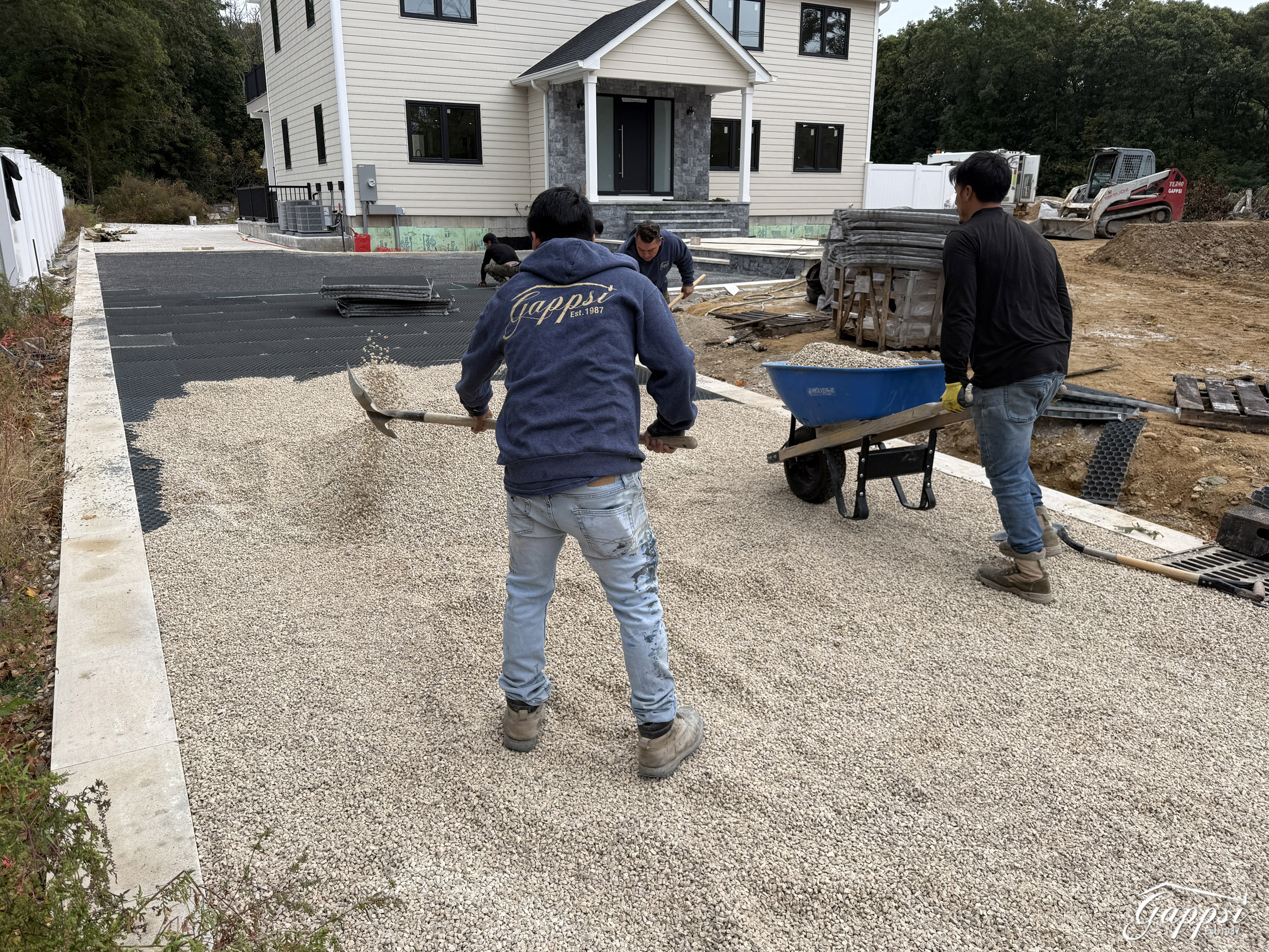
A pool patio showcasing the best paving materials, with natural stone pavers and a clean coping edge.

3 Best Paving Materials for Your Pool Patio & Coping

When you picture your perfect pool day, you probably see friends and family laughing, relaxing, and having fun. The foundation for all those great moments is a safe and comfortable patio. The right surface prevents slips and falls, feels good underfoot, and creates a welcoming environment for everyone. This is why selecting the best paving material for a pool patio and coping is about much more than just aesthetics. It’s about creating a secure space where you can relax without worry. Let’s explore the top materials that deliver on safety, comfort, and style, so you can build the perfect poolside retreat.

Key Takeaways

  • Focus on safety and comfort first: Your best material choice will have a non-slip texture to prevent accidents and a lighter color to keep bare feet comfortable on hot days.
  • Match your material to your home and climate: Select a paver that complements your home’s architecture and is durable enough to withstand pool chemicals and New York’s freeze-thaw cycles for a beautiful, long-lasting patio.
  • Remember that professional installation is key: The right material can fail without proper installation. Critical details like drainage, secure coping, and expansion joints are what make a patio safe, durable, and worth the investment.

What Are the Best Materials for Your Pool Patio?

Choosing the right material for your pool patio is one of the most important decisions you’ll make for your backyard oasis. The surface you select sets the tone for the entire space and plays a huge role in safety and comfort. You want something that looks beautiful, feels good under bare feet, and can stand up to splashes and sunshine. Let’s walk through the top three materials that homeowners love, so you can find the perfect match for your new swimming pool.

Natural Stone

If you’re dreaming of a rich, textured look with timeless appeal, natural stone is a wonderful option. Materials like travertine, bluestone, and flagstone offer unique patterns and colors that create a one-of-a-kind patio. Travertine is especially popular for pool areas because its porous nature helps with drainage and it stays surprisingly cool in the summer sun. While natural stone is a premium choice and can be more of an investment, its organic beauty is unmatched. A tumbled or brushed finish can also add extra grip, making it a safer surface for wet feet.

Porcelain Pavers

For a combination of modern style and incredible durability, porcelain pavers are hard to beat. They are specifically engineered for outdoor use, making them resistant to water, chlorine, salt, and fading from UV rays. This means your patio will look great for years with very little fuss. Porcelain is also a top choice for safety, as it offers excellent slip resistance. Plus, it doesn’t require sealing and is simple to clean. Choosing lighter-colored porcelain and natural stone pavers will also help keep the surface cooler for a more comfortable poolside experience.

Concrete Pavers

Concrete pavers are a fantastic all-around choice, giving you a great balance of style, durability, and value. They offer the strength of solid concrete but come in a huge variety of colors, shapes, and sizes, often designed to mimic the elegant look of natural stone. This versatility makes it easy to find a style that complements your home and landscape design. A key benefit for pool areas is their non-slip surface, which provides a safe and secure footing for family and guests. Concrete pavers are a practical and attractive solution that can bring your vision to life without stretching your budget.

What Makes a Great Pool Paving Material?

Choosing the right material for your pool patio goes far beyond aesthetics. While you definitely want a surface that looks beautiful, the best choices also deliver on safety, comfort, and long-term durability. Think about it: this is where your family and friends will spend countless summer days walking, playing, and relaxing. The right paving material creates a secure and enjoyable environment that can handle everything from cannonballs to cookouts.

When you start exploring your options, you’ll find that the best materials share a few key characteristics. They provide excellent grip, stay comfortable under bare feet, stand up to harsh pool chemicals, and manage water effectively. Let’s look at what makes a paving material truly great for a Long Island pool patio.

Prioritize Slip Resistance for Safety

Safety should always be your top priority around a swimming pool. Wet surfaces can be incredibly slippery, so choosing a non-slip material is essential for preventing accidents. The texture of the paver plays a huge role here. Materials with a slightly rough or matte finish, like tumbled travertine or brushed porcelain, offer much better traction than smooth, polished surfaces. When we design a pool patio, we select materials that meet or exceed industry safety standards for wet walking surfaces. This ensures your pool area is a safe space for everyone, from toddlers taking their first steps to grandparents enjoying the sun.

Ensure Comfort with Heat-Resistant Surfaces

We’ve all done the hot-pavement-dance on a scorching summer day. The material you choose for your pool deck can make the difference between a comfortable stroll and a mad dash for the shade. Dark, dense materials tend to absorb and hold onto heat, becoming uncomfortably hot for bare feet. Lighter-colored pavers are a great choice because they reflect more sunlight. Certain materials, like travertine, are naturally cooler to the touch, making them a popular and comfortable option. A heat-resistant surface ensures your patio remains a pleasant and usable space even during the peak of a Long Island summer.

Find Materials That Withstand Weather and Chemicals

Your pool patio has a tough job. It’s constantly exposed to direct sunlight, chlorinated or saltwater splashes, and the full range of New York’s four-season climate, including freeze-thaw cycles in the winter. You need a material that won’t fade, stain, or crack under pressure. High-quality porcelain and natural stone pavers are specifically designed for this environment. Materials like granite and certain types of concrete are incredibly dense and non-porous, which means they resist damage from both chemicals and weather, ensuring your investment looks great for years to come.

Understand Water Absorption and Drainage

Proper water management is critical for the safety and longevity of your pool patio. You want a surface that discourages water from pooling, which can create slipping hazards and lead to mildew growth. Textured pavers help water drain away more effectively than perfectly flat ones. However, the material itself is only part of the equation. A professional installation with a proper drainage system is just as important. Our masonry and construction teams ensure your patio is graded correctly, so water flows away from the pool and your home’s foundation, protecting your entire outdoor living space.

Comparing Your Top Material Choices

Now that you know what to look for in a pool paving material, let’s weigh the pros and cons of the top three contenders. Each one offers a unique blend of style, durability, and maintenance requirements, so thinking through your priorities will help you land on the perfect fit for your home.

The Pros and Cons of Natural Stone

Natural stone is a classic choice for a reason. Materials like travertine, bluestone, and flagstone bring an unmatched richness and texture to a pool patio. Because each stone is unique, you get a one-of-a-kind look with endless variations in pattern, shape, and color. This makes it easy to find natural stone options that feel like a true extension of your home. The biggest consideration with natural stone is the investment. It’s a premium material, and the cost reflects the intensive process of quarrying, finishing, and transporting it. While some stones like travertine are famous for staying cool on hot summer days, others can absorb more heat, so it’s important to choose wisely for a comfortable poolside experience.

The Pros and Cons of Porcelain Pavers

Porcelain pavers have become a go-to for modern pool patios, and it’s easy to see why. They offer incredible durability and a clean, sophisticated look. We especially recommend textured porcelain pavers because they provide a comfortable, slip-resistant surface that’s perfect for bare feet. One of the best things about porcelain is its resilience. It stands up to water, chlorine, salt, and harsh UV rays without fading or degrading. This means your patio will look great for years with very little effort. In fact, porcelain typically doesn’t require sealing, which is a huge plus for anyone who prefers low-maintenance outdoor living. It’s a practical and beautiful choice for any poolside design.

The Pros and Cons of Concrete Pavers

If you’re looking for a material that balances cost, style, and performance, concrete pavers are an excellent option. They give you the high-end look of natural stone without the premium price tag, making them a very popular choice for pool decks. You can find them in a huge variety of colors, sizes, and shapes, which gives you the creative freedom to design a patio that perfectly matches your vision. Textured concrete pavers also offer a reliable non-slip surface, keeping your pool area safe for family and friends. To get the most out of them, proper sealing and expert installation are key. When done right, they create a durable and stunning poolside retreat that will last for years.

Everything to Know About Pool Coping

Pool coping is one of those details that makes a huge difference in the final look and feel of your backyard oasis. It’s the finishing touch that frames your pool, but it does more than just look pretty. Think of it as the bridge between your pool and your patio. It provides a safe edge, a comfortable seat, and a protective cap for your pool’s structure. Choosing the right coping is a key step in designing a pool area that is both beautiful and functional.

What Is Pool Coping and What Does It Do?

So, what exactly is pool coping? It’s the material used to cap the edge of your pool shell. This cap serves a few important jobs. It protects the pool structure from the elements and prevents water from getting behind the shell, which could cause damage over time. It also creates a smooth, rounded edge that’s safe for swimmers to hold onto. Finally, it helps direct water that splashes out of the pool toward deck drains. Properly installed coping is essential for the longevity and safety of your swimming pool.

Popular Coping Edge Styles to Consider

Coping comes in several edge styles, and your choice influences both the safety and aesthetic of your pool. One of the most popular options is the bullnose edge, which is rounded and smooth. This style is comfortable to sit on and easy to grip, making it great for families. Another option is a rough-cut or chiseled edge, which offers a more rustic, natural look. You could also opt for a cantilevered edge, where the patio material extends slightly over the pool’s edge for a clean, modern finish. The style you select should complement your porcelain or natural stone patio.

How to Match Coping with Your Patio

Your pool coping should feel like a natural extension of your patio, not an afterthought. The key is creating a cohesive design that ties your outdoor space together. You can achieve a seamless look by using the same material for both your coping and your patio. Alternatively, you can create a beautiful visual contrast by choosing a coping material that complements your pavers in a different color or texture. For example, a dark gray coping can create a stunning frame around a light-colored patio. Our masonry design experts can help you find the perfect combination.

Breaking Down the Cost and Maintenance

Creating your dream pool patio is an exciting project, but it’s also a significant investment. To make the best choice for your home and budget, it’s helpful to look beyond the initial price tag and consider the full picture. This includes the upfront cost of materials and installation, the long-term upkeep required to keep your patio looking beautiful, and the importance of avoiding common installation errors that can lead to expensive repairs down the road. Thinking about these factors now will ensure you can relax and enjoy your poolside oasis for many years to come.

Your Initial Investment

The material you choose for your pool patio is the biggest factor in your initial cost. Natural stone, like travertine or bluestone, sits at the higher end of the price spectrum. This is because it’s expensive to quarry, finish, and transport these beautiful, one-of-a-kind materials. On the other hand, concrete pavers offer a more budget-friendly alternative. They give you the sophisticated look of natural stone without the premium price, making them a popular choice for achieving a high-end aesthetic. Exploring a wide selection of porcelain and natural stone options can help you find the perfect balance between your vision and your budget.

Planning for Long-Term Upkeep

To keep your pool patio looking its best season after season, a little maintenance goes a long way. Sealing your pavers is one of the most important steps, especially for natural stone. A quality sealant protects the stone from pool chemicals, stains, and the effects of Long Island’s weather. While most natural stone requires this protective layer, porcelain pavers are a fantastic low-maintenance option that usually doesn’t need sealing. Factoring in periodic cleaning and resealing will protect your investment and preserve its beauty. Gappsi offers professional restoration and sealing services to keep your patio in top condition.

Common Installation Mistakes to Avoid

Proper installation is just as important as choosing the right material. A professional installation prevents future headaches and ensures your patio lasts. One common mistake is mixing different paver sizes and shapes without a cohesive design, which can create a chaotic look. Another critical error is failing to install expansion joints where the pavers meet the pool coping. These joints allow the materials to expand and contract with temperature changes, preventing cracks and damage. Working with an experienced masonry and construction company ensures these crucial details are handled correctly from the start.

Design Tips for a Beautiful and Safe Pool Patio

Once you’ve narrowed down your material choices, it’s time for the fun part: designing a space that’s both stunning and secure. The right design choices go beyond just picking a pretty paver. They create a cohesive look that complements your home and a safe environment for your family and friends to enjoy all summer long. From the color palette to the surface texture, every detail plays a role in building your perfect poolside retreat.

A well-thought-out design ensures your patio is not only beautiful on day one but also functional and durable for years to come. Think about how you plan to use the space. Will it be a quiet spot for sunbathing, a lively area for kids to play, or an elegant setting for outdoor dining? Your answers will influence the layout, the type of pavers you choose, and even the patterns you incorporate. For example, a large, open pattern can make a small space feel bigger, while intricate designs can define different zones for lounging and dining. We help homeowners explore a wide range of porcelain and natural stone options to find the perfect fit for their vision and lifestyle. Getting these details right from the start is the key to creating an outdoor oasis you’ll love.

Choose Colors and Patterns You’ll Love

Your pool patio is an extension of your home, so its color scheme should feel personal and inviting. Pavers come in a huge range of colors, from warm, earthy tones that create a natural, rustic vibe to cool grays and blues for a more modern look. White pavers are a classic choice because they reflect sunlight, helping to keep the surface cooler on hot days. Beyond color, the pattern you choose can add a lot of personality. A simple running bond is timeless, while a herringbone or basketweave pattern can add a touch of custom detail. Think about what style best matches your home’s architecture and your personal taste.

Select the Right Texture for Safety and Style

When it comes to pool patios, safety is just as important as style. A wet surface can be a major slipping hazard, which is why texture is a critical consideration. Pavers with a naturally rough, tumbled, or brushed finish provide much better grip underfoot. Materials like travertine and textured concrete are excellent choices for this reason. They also help water drain away instead of pooling on the surface. This doesn’t mean you have to sacrifice looks for safety. The right texture can add visual depth and character to your patio, creating a rich, layered look that feels both elegant and secure. Our masonry design team can help you find the perfect balance.

Learn How to Seal and Protect Your Pavers

To keep your new pool patio looking its best, a little protection goes a long way. Sealing your pavers is a crucial step, especially for natural stone. A quality sealant protects the stone from stains, harsh pool chemicals, and fading caused by the sun. It also makes cleaning up spills much easier. While most natural stone benefits from sealing, high-density materials like porcelain pavers usually don’t need it, which is a great low-maintenance perk. Applying a sealant is a key part of long-term care that preserves the beauty and integrity of your investment. If you need help, our restoration and sealing services can ensure your patio stays in top condition.

How to Choose the Right Material for Your Long Island Home

Now that you know the top material options, let’s narrow down the perfect choice for your Long Island property. Your home’s location, style, and your family’s safety are all key factors in making a decision you’ll love for years to come. Thinking through these elements will help you select a material that is not only beautiful but also practical for our unique environment.

Consider New York’s Four-Season Climate

Living on Long Island means your outdoor patio has to endure everything from humid summer days to freezing winter nights. The constant freeze-thaw cycle can cause some materials to crack and degrade over time. That’s why it’s so important to choose durable options like dense natural stone or porcelain pavers, which are built to withstand these temperature swings. Beyond durability, think about safety. Materials with a bit of texture, like travertine or brushed concrete, provide better grip around the pool, reducing the risk of slips and falls during a summer splash or after a rainstorm.

Match Your Patio to Your Home’s Architecture

Your new pool patio should feel like a natural extension of your home, not an afterthought. Take a look at your home’s architectural style. Is it a classic colonial, a coastal cottage, or a modern build? The materials you choose should complement that aesthetic. For example, the profile of your pool coping can make a big impact. A rounded bullnose edge creates a soft, traditional look, while a sharp, drop-face edge offers a clean, contemporary feel. Our masonry design experts can help you select colors, patterns, and textures that harmonize with your home’s existing character.

Make Your Final Decision with Confidence

With your ideal material and style in mind, the final step is ensuring a safe and professional installation. Safety around a pool is non-negotiable. Industry standards require a minimum coefficient of friction for wet walking surfaces, a technical detail a professional installer will handle for you. It’s also critical that all pavers, especially the coping around the pool’s edge, are installed securely and perfectly level to prevent tripping hazards. Working with an experienced team on your swimming pool project guarantees that every detail is managed correctly, giving you a stunning and secure patio built to last.

Frequently Asked Questions

Which material is the safest for a family with young children? Safety is all about texture. For a pool area with lots of activity, you want a paver with a non-slip surface that provides excellent grip for wet feet. Textured materials like tumbled travertine, brushed porcelain, and certain concrete pavers are all fantastic choices. They offer much better traction than smooth or polished surfaces, which helps prevent slips and falls and gives you peace of mind.

My backyard gets a lot of direct sun. Which pavers will stay the coolest? To avoid a hot-pavement-dance, your best bet is to choose lighter-colored pavers, as they reflect more sunlight and absorb less heat. White, beige, or light gray options will feel much more comfortable underfoot on a hot day. If you love the look of natural stone, travertine is famous for staying naturally cooler to the touch, making it a premium and very comfortable choice for sunny pool decks.

How much maintenance does a new pool patio really need? The level of upkeep depends on the material you choose. Porcelain pavers are the easiest to care for since they are non-porous and don’t require sealing. Natural stone and concrete pavers, however, benefit greatly from being sealed. A quality sealant protects them from chlorine, salt, stains, and weather damage. Beyond that, regular sweeping and occasional washing will keep any patio looking its best.

Is it better to use the same material for the coping and the patio? There is no right or wrong answer here; it really comes down to the look you want to achieve. Using the same material for both the coping and the patio creates a seamless, uniform design that feels very cohesive. On the other hand, choosing a contrasting coping material, perhaps in a darker or complementary color, can create a beautiful frame around your pool and add a custom design element.

What’s the biggest mistake people make when choosing patio materials? A common mistake is focusing only on appearance while overlooking function. It’s easy to fall in love with a beautiful, sleek paver, but if it gets dangerously slippery when wet or scorching hot in the sun, you won’t be happy with it long-term. The best approach is to find a material that balances the style you want with the safety, comfort, and durability your family needs for a poolside space.

Elevating the Game: A Custom Racquetball Court Installation in Long Beach, NY

View Gappsi’s YouTube Channel to view Elevating the Game: A Custom Racquetball Court Installation in Long Beach, NY

When it comes to home improvement and outdoor recreation, few things add as much value and excitement as a professional-grade sports game court. At Gappsi, we take pride in transforming underutilized spaces into world-class athletic environments. Our latest project takes us to the beautiful coastal community of Long Beach, NY, where we recently completed a stunning custom racquetball court that blends high-performance engineering with sleek, modern aesthetics.

This project is a testament to how Gappsi can take an existing, aging footprint and revitalize it into something spectacular. If you’ve been dreaming of a backyard arena but aren’t sure how to handle existing concrete or irregular yard shapes, this Long Beach installation serves as the perfect blueprint.

The Foundation: Breathing New Life into Existing Concrete

One of the most common questions we receive from homeowners in Long Beach and across Long Island is: “Do I need to rip out my old concrete patio or basketball pad to build a new court?” The answer, as demonstrated by this project, is a resounding no.

For this specific installation, the client had an existing concrete slab. While the concrete was structurally sound, it was aesthetically dated and lacked the shock absorption required for high-impact sports like racquetball. Instead of the costly and invasive demolition process, Gappsi used the existing slab as a sub-base.

By working with the existing foundation, we saved the client time and minimized the project’s environmental impact. However, installing over old concrete requires a keen eye for precision, especially when that concrete isn’t perfectly square.

The Surface: Mateflex Tiles and “Top Court” Style

To achieve a professional feel, we utilized Mateflex modular tiles for this custom racquetball court. Mateflex is the industry standard for outdoor sports surfacing for several reasons:

  1. Drainage: The open-grid design allows water to flow through the tiles and off the concrete, ensuring the court dries quickly after a Long Beach rain shower.

  2. Safety: These tiles offer excellent lateral forgiveness, reducing the strain on players’ knees, ankles, and lower backs compared to playing directly on concrete.

  3. Durability: They are UV-stabilized, meaning the vibrant colors we chose will stay bright despite the constant exposure to salt air and sun.

For this project, we opted for the “Top Court” style. This specific tile configuration is designed for multi-sport versatility and provides the consistent ball bounce and traction necessary for the fast-paced nature of racquetball.

Aesthetic Excellence: The Blue Gradient

Visual appeal is a hallmark of a Gappsi court. For this Long Beach residence, we moved away from the traditional green or red surfaces and leaned into a sophisticated, aquatic-inspired color palette that fits perfectly with the South Shore vibe.

  • The Center: We used a deep Navy Blue for the primary playing area in the custom racquetball court. This dark hue provides a high-contrast background, making it easier for players to track the fast-moving racquetball.

  • The Perimeter: To create a sense of depth and boundary, we used a vibrant Royal Blue for the out-of-bounds areas.

  • The Markings: To tie it all together, the court was professionally striped with crisp White Lines. The result is a sharp, “pro-league” look that stands out as a focal point of the backyard.

Elevating the Game A Custom Racquetball Court Installation in Long Beach NY

Seamless Integration: Keeping the Hoops

At Gappsi, we believe in functional design. The client had an existing basketball hoop already anchored into the site. Rather than removing it, we meticulously installed the Mateflex tiles and the synthetic turf border around the existing pole. This allows the space to remain a multi-functional “Sport Game Court,” where the family can transition from a high-intensity racquetball match to a casual game of HORSE without needing separate facilities.

A Mirror Image: The Gappsi Legacy

One of the most distinctive aspects of this job is its history. Just on the other side of the property wall sits another sports game court that Gappsi installed several years ago.

Standing between the two, it feels like looking at a mirror image of excellence. Seeing the older court still in fantastic condition is a testament to the longevity of our materials and the quality of our craftsmanship. The new racquetball court complements its “older brother” perfectly, creating a massive, contiguous sports complex within the property that is truly a rare find in Long Beach.

The Finishing Touch: Synthetic Turf Framing

Perhaps the most important detail for “curb appeal” was the decision to frame the court with high-quality synthetic turf.

As mentioned earlier, the original concrete slab was not perfectly square. This is a common issue with older construction. If we had simply laid the tiles and left them, the “crooked” edges of the concrete would have been an eyesore.

Our solution was to use synthetic turf to “square up” the visual field. We framed the entire court with a lush green border, which serves several purposes:

  • Separation: It creates a clean, distinct border between the athletic court and the perimeter fence.

  • Problem Solving: In areas where the concrete was narrow, we used a thin strip of turf; in areas where the concrete fell short of the fence line, we used more turf to fill the gap.

  • Maintenance: The turf provides a “buffer zone” that prevents grass clippings or dirt from blowing onto the court surface, keeping the Mateflex tiles cleaner for longer.

The contrast between the Royal Blue tiles and the vibrant green turf gives the entire backyard a manicured, resort-like feel.

Why Choose Gappsi for Your Long Beach Sports Game Court?

This Long Beach racquetball court is the latest example of why Gappsi remains the leader in outdoor sports environments on Long Island. We don’t just “lay down tiles”, we engineer solutions. Whether it’s dealing with non-square foundations, integrating existing equipment, or matching the aesthetic of a previous installation, our team handles every detail from concept to completion.

Long Beach residents know that the salt air and coastal weather can be tough on outdoor structures. By choosing Gappsi and materials like Mateflex and premium synthetic turf, you are investing in a court that is built to withstand the elements while providing endless hours of fitness and fun.

Ready to Build Your Dream Court?

From racquetball and basketball to pickleball and tennis, Gappsi is ready to transform your backyard. This latest project in Long Beach shows that no matter the shape of your existing space, we can create a professional, beautiful, and durable court tailored to your style.

Contact Gappsi Today

📍 Serving all of Long Island, NY — Nassau & Suffolk Counties
🌐 https://www.gappsi.com/
📞 Call now for a free consultation and estimate

SCHEDULE A MEETING TODAY WITH GAPPSI