


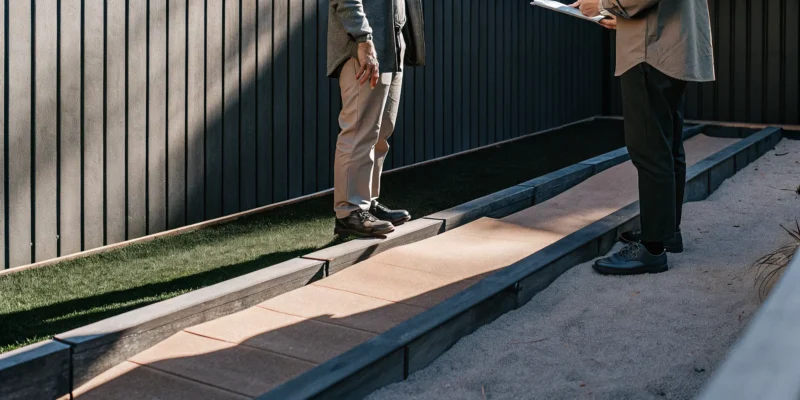
Installing artificial turf on Long Island comes with its own set of considerations. Our local soil conditions and weather patterns demand an installation process that ensures proper drainage and long-term stability. A one-size-fits-all approach simply doesn’t work here. A professional installer will assess your property’s unique layout, slope, and soil to create a custom plan. This guide explains how these local factors influence the work required for a lasting result. We’ll equip you with the right questions to ask so you can be sure your project is in expert hands when you get a quote for turf installation for your Suffolk or Nassau County property.
Key Takeaways
- Look beyond the price per square foot: A comprehensive quote includes crucial elements like ground preparation, proper grading for drainage, and the quality of the turf and infill, which all determine the longevity of your new lawn.
- Vet your installer thoroughly: The success of your project depends on the team you hire, so prioritize professionals with a proven portfolio, full licensing and insurance, great customer reviews, and solid warranties.
- Recognize turf as a long-term investment: While there is an upfront cost, artificial turf saves you money on water and maintenance for decades, lasts up to 25 years, and can improve your home’s curb appeal and resale value.
What Determines Your Turf Installation Cost?
When you start looking into artificial turf, you’ll quickly find that the price is more than just the cost of the turf itself. Several key factors influence your final quote, and understanding them will help you see exactly what you’re paying for. From the unique layout of your yard to the materials used underneath, each element plays a role in creating a beautiful, long-lasting lawn.
The Size and Shape of Your Yard
It seems simple: a bigger yard means a higher cost. While that’s generally true, the price per square foot can actually be lower for larger projects. This is because every job has fixed costs, like transporting materials and equipment. On a larger installation, these costs are spread out. The shape of your space also matters. A simple rectangular yard is more straightforward to work on than one with lots of curves, garden beds, or other features that require precise cutting and fitting of the synthetic turf.
The Type of Turf You Choose
Not all artificial turf is the same. The product you select will have a major impact on the total cost. Different types of turf are designed for different uses, from soft, lush lawn replacements to durable surfaces for pet areas or backyard Sports Games Courts. Materials like polyethylene offer a realistic look and feel perfect for landscaping. While the upfront cost of quality turf is higher than laying sod, it’s an investment that pays off over time through saved water, time, and maintenance expenses.
Preparing the Ground
A great turf installation starts with what’s underneath. In fact, a huge portion of the work and cost is dedicated to ground preparation. This process involves removing your old grass and soil, grading the area to ensure it’s perfectly level, and installing a compacted base of crushed stone. This foundation is critical for the stability and longevity of your new lawn. Skipping or rushing this step can lead to lumps, sinking, and drainage problems down the road, so it’s where professional expertise really counts.
Infill and Drainage Needs
Infill is the granular material that’s brushed into the turf fibers. It helps the blades stand up straight, adds a soft feel underfoot, and weighs the turf down. Options range from basic silica sand to more advanced, coated sands that are antimicrobial, which is great for pets. This works hand-in-hand with proper drainage, which is built into the prepared base. A well-designed system ensures rainwater flows through the turf and away from your home, preventing puddles and keeping your lawn usable year-round.
How Do You Get an Accurate Turf Installation Quote?
Getting a clear and accurate quote is the first step toward your new lawn. To make sure there are no surprises down the road, it’s helpful to understand what goes into a quote and how to compare offers from different installers. A detailed quote is a sign of a transparent and professional company that values your business and wants to get your project right from the start.
What to Provide for an Accurate Quote
To get the most precise estimate, you’ll want to give your potential installer as much information as possible. Start with the basics: the approximate square footage of the area you want to cover. It’s also helpful to have photos of the space from a few different angles. Think about how you plan to use your new lawn. Will it be a play area for kids and pets, a pristine putting green, or a spot for outdoor entertaining? The intended use can influence the type of synthetic turf and sports games courts that will work best for you. The more details you can provide upfront, the more accurate your initial quote will be.
Mistakes to Avoid When Getting Quotes
It can be tempting to jump at the lowest price, but this is often a mistake. A quote that seems too good to be true might mean the installer is cutting corners on essential steps, like proper ground preparation or drainage. An inadequate base can lead to sinking, pooling water, and a lumpy surface that wears out quickly. A quality installation is about more than just laying down turf; it’s about creating a stable and durable foundation. Be wary of any quote that isn’t itemized or seems vague. A professional will always account for the complete landscape design to ensure your new turf integrates perfectly with your property.
How to Compare Installation Quotes
When you have a few quotes in hand, look beyond the final number. A good quote will break down the costs, including site preparation, base materials, the specific turf product, infill, labor, and cleanup. Compare what’s included in each offer. Does one company include higher-quality materials or a more robust base layer? Also, take time to research each company’s reputation. Look for customer reviews and ask to see examples of their work. Seeing finished projects on platforms like YouTube can give you a great sense of an installer’s craftsmanship and the quality you can expect for your own home.
What Should You Look for in a Turf Installer?
Getting a great price on your turf installation is important, but the quality of the installation itself is what truly determines how your new lawn will look and perform for years to come. A poor installation can lead to seams that show, poor drainage, and a shorter lifespan for your turf, which is the last thing you want after making such a significant investment. Choosing the right installer is just as crucial as selecting the perfect turf for your home. You want a team that not only knows the product but also understands the unique challenges of Long Island properties, from our specific soil composition to our seasonal weather patterns.
When you start vetting potential installers, you’re looking for a partner in your home improvement project, not just a contractor. This means finding a company with a solid reputation, the right credentials, and a deep commitment to quality craftsmanship. A professional installer will be transparent about their process, provide clear and detailed quotes, and stand behind their work long after the project is complete. To help you find the best team for the job, it’s helpful to focus on a few key areas: their experience, their credentials, their customer feedback, and the guarantees they offer. These factors will give you a complete picture of the company you’re considering hiring and ensure you feel confident in your choice.
Proven Experience and a Strong Portfolio
When you’re investing in your home, you want to see what an installer is capable of before you sign a contract. A reputable company should have a strong portfolio of completed projects that showcases their skill and attention to detail. Ask to see examples of their work, paying close attention to how they handle edges, seams, and complex yard shapes. Look for a variety of projects, including residential lawns, putting greens, or even custom Sports Games Courts, to get a sense of their range. A proven track record not only demonstrates expertise but also gives you confidence that they can deliver the beautiful, durable lawn you envision.
Proper Licensing and Insurance
This is a non-negotiable. Any contractor working on your property must be fully licensed and insured. Licensing confirms that the installer complies with local regulations and standards of practice, while insurance protects you from any liability in the unfortunate event of an accident or damage to your property during the installation. Don’t just take their word for it; ask to see proof of their general liability insurance and workers’ compensation coverage. A professional company will have this information readily available and will be happy to provide it. This simple step protects your investment and provides essential peace of mind throughout the project.
Customer Reviews and Testimonials
Customer reviews are an invaluable window into a company’s professionalism, work ethic, and the quality of their finished product. Go beyond the star ratings and read what previous clients have to say about their experience. Were they happy with the communication? Did the crew show up on time and keep the worksite clean? Most importantly, how does the turf look and feel months or even years after the installation? Checking testimonials on the company’s website and third-party review sites will give you a well-rounded understanding of their reputation and what you can expect when you work with their team.
Warranties and Service Guarantees
A confident installer will always stand behind their work. Be sure to ask about the warranties they offer, which typically cover both the turf material itself (against things like fading or defects) and the installation workmanship. A strong warranty reflects the company’s belief in the quality of their products and their installation process. Get all guarantees in writing and make sure you understand what is covered and for how long. This, along with a detailed quote that outlines all costs, ensures there are no surprises and protects you from any potential issues down the road. A transparent company will be upfront about these details from the start.
Are There Hidden Costs to Watch For?
Getting a quote for your new turf lawn should be a straightforward process, but it’s smart to know what goes into the final number. A detailed quote from a professional installer will break down every part of the project, but some costs can be overlooked if you don’t know what to ask about. Think of it less like “hidden” costs and more like project-specific needs that aren’t always obvious at first glance. Understanding these potential expenses ahead of time helps you budget accurately and ensures there are no surprises on the final invoice.
A trustworthy installer will walk you through every line item, but being an informed homeowner is your best tool for a smooth project. From preparing the ground to the final finishing touches, several factors can influence the total cost. It’s important to discuss these elements with your contractor to make sure your quote is truly all-inclusive. We’ll cover the most common areas where extra costs can appear, so you can have a confident and clear conversation about your synthetic turf installation. This way, you can focus on the excitement of your beautiful new lawn, not on unexpected bills.
Clearing the Area and Hauling Debris
Before the first roll of turf can be laid down, the installation area needs to be a completely blank slate. This means your existing lawn, including grass, weeds, and roots, must be removed. If your yard has large rocks, old sprinkler heads, or stubborn tree roots, the clearing process will require more labor and time, which can affect the cost. It’s a crucial first step that can’t be skipped.
Once everything is cleared out, it has to go somewhere. The cost of hauling away all that debris is another factor to consider. A comprehensive quote should clearly state whether site clearing and debris removal are included in the price. Discussing the current state of your yard with your installer will help them provide a more accurate estimate for this essential prep work. Proper landscape preparation is the foundation of a long-lasting turf installation.
Grading and Proper Drainage
One of the most critical parts of any turf installation is ensuring water can drain away properly. Without a well-graded base, you could end up with puddles, mold, or a squishy lawn after it rains. Proper site preparation involves creating a slight, almost unnoticeable slope that directs water away from your home and off the turf surface. This prevents significant issues down the line and protects your investment.
The amount of work needed to achieve correct grading depends on the natural slope of your yard. Some yards may require more extensive work and additional base materials to build up certain areas. This is not a step where you want to cut corners. A professional installer will assess your property’s specific drainage needs and include the necessary grading and base preparation in their quote, ensuring your new lawn is as functional as it is beautiful.
Edging, Borders, and Other Finishing Touches
The details are what give your new turf lawn a polished, professional look. Edging materials create a clean, defined border between your turf and surrounding garden beds, patios, or walkways. They also help secure the turf, preventing the edges from lifting over time. The material you choose for your border, whether it’s a simple composite bender board or elegant stone pavers, will influence the final cost.
Beyond standard edging, consider any unique features in your yard. Do you want the turf to curve perfectly around a fire pit or fit snugly against an existing stone patio? This type of detailed work requires more precise cutting and fitting, which can add to the labor costs. These finishing touches are what truly customize your space, so be sure to discuss your vision with your installer to get an accurate price for the complete look.
Local Permits and Inspection Fees
Depending on where you live in Long Island and the scale of your project, you might need a permit from your local town or village. Projects that involve significant changes to your property’s grading or drainage systems often require official approval. While not always necessary for a straightforward turf installation, it’s something you should clarify with your contractor from the start. A seasoned local installer will be familiar with the specific requirements in your area.
Ask your installer if any permits are needed and who is responsible for securing them. The quote should specify if permit application fees or any required inspection fees are included. Getting a detailed quote in writing that clearly outlines what is and isn’t covered is essential. This ensures your project complies with all local regulations and avoids any potential fines or delays, giving you complete peace of mind.
What Questions Should You Ask Before Hiring?
Once you have a few quotes in hand, it’s time to dig a little deeper. Asking the right questions before you sign a contract is the best way to ensure your project goes smoothly and you’re happy with the result. Think of this as your final interview for the company you’re about to partner with. A professional installer will welcome these questions and provide clear answers.
The Installation Process and Timeline
Understanding the workflow helps you set realistic expectations. Ask for a step-by-step breakdown of the installation, from ground preparation to laying the turf and applying infill. A key question is about the timeline: “How long will the project take?” Also, find out how they plan to manage the worksite and protect your property. Knowing who your main point of contact will be is also important for clear communication. The specific turf you choose can influence the process, so discuss how your selection impacts the installation schedule and requirements.
Future Maintenance and Support
Artificial turf is low-maintenance, but not no-maintenance. Ask your potential installer what upkeep your new lawn will need to stay looking its best. Find out if they offer any maintenance packages or support after the job is done. Most importantly, get the details on the warranty. You’ll want to know exactly what it covers and how long it lasts. While the initial synthetic turf expense is a key consideration, understanding the long-term support ensures your investment is protected. Knowing who to call if a problem arises provides valuable peace of mind.
Payment Schedules and Financing
Don’t be shy when it comes to talking about money. A reputable company will be transparent about all costs. Ask for a detailed, itemized quote that breaks down every expense to avoid hidden fees. Clarify the payment schedule, including the deposit amount and when the final balance is due. It’s also a good idea to ask what payment methods they accept and if they offer any financing options to make the project more manageable. Getting everything in writing protects both you and the contractor, creating a clear agreement before any work begins.
Is Artificial Turf a Good Long-Term Investment?
When you’re considering a big home improvement project, it’s natural to ask if it’s really worth the money in the long run. The upfront cost is one thing, but the true value comes from years of enjoyment, savings, and increased home value. Let’s break down why synthetic turf is often a smart financial decision for homeowners. It’s an investment in your property and your lifestyle, giving you a beautiful, usable space without the constant maintenance that natural grass demands.
Savings on Water Bills and Upkeep
One of the biggest perks of artificial turf is the immediate drop in your monthly bills. Think about the costs of maintaining a natural lawn: constant watering, mowing, fertilizing, and weeding. These expenses add up. In contrast, synthetic turf requires very little upkeep, which can save you hundreds each year on water and landscaping alone. This not only puts money back in your pocket but also helps conserve water, making it a more sustainable choice for your home. You get a perfect-looking lawn without the constant work and expense.
How Long Your New Turf Will Last
An investment in your home should be built to last, and high-quality artificial turf delivers on that promise. With proper installation and care, you can expect your new lawn to last anywhere from 15 to 25 years. That’s decades of having a beautiful, green space for your family to enjoy without worrying about reseeding or replacing sod every few years. This impressive durability makes the initial cost a long-term solution, not just a temporary fix. It’s a one-time project that pays off for years to come.
How Turf Can Increase Your Home’s Value
Curb appeal is a huge factor in your home’s value, and a pristine, green lawn makes a powerful first impression. Artificial turf provides that perfect look year-round, which can be a major selling point for potential buyers. A beautiful, low-maintenance yard is a highly desirable feature. In fact, a well-maintained lawn can significantly enhance your property’s appeal. By creating a functional and attractive outdoor space, you’re not just improving your own quality of life; you’re also making a smart investment in your property’s future value.
Related Articles
- Get a Quote for Turf Installation: A 5-Step Guide
- Synthetic Turf Solutions & Installation on Long Island | Gappsi Inc
Frequently Asked Questions
Why does the ground preparation cost so much? Think of the ground preparation as the foundation of your house. You wouldn’t want to cut corners there, right? A significant portion of the installation cost goes into creating a perfectly graded and compacted base. This step is what ensures your turf drains properly, stays smooth and level, and lasts for decades. A solid foundation prevents sinking, puddles, and lumps, so it’s truly the most critical part of the entire project.
Is it worth paying more for a higher-quality turf? Yes, in most cases, it is. The price of turf often reflects its durability, realism, and feel. Higher-quality products use better materials that are more resistant to fading from the sun and can handle more foot traffic from kids, pets, or backyard parties. While the upfront cost is higher, a premium turf will look better and last longer, making it a smarter investment over the life of your lawn.
What’s the biggest red flag to watch for in a quote? The biggest red flag is a lack of detail. If you receive a quote that’s just a single number without a breakdown of costs for materials, labor, and ground preparation, be cautious. This vagueness can hide corner-cutting on essential steps, like creating a proper base. A professional installer will always provide a clear, itemized quote so you know exactly what you are paying for.
How much maintenance does artificial turf really require? While it’s much less work than a natural lawn, it isn’t completely maintenance-free. You’ll want to rinse it off periodically to clear away dust and pollen, especially if you have pets. It’s also a good idea to use a stiff-bristled broom or a leaf blower to remove leaves and debris. This light upkeep keeps the fibers standing tall and ensures your lawn looks great year-round.
How long does a typical turf installation take from start to finish? The timeline really depends on the size and complexity of your yard. For an average-sized residential lawn, the process usually takes anywhere from two to five days. The first day or two is dedicated almost entirely to the crucial ground preparation work, like excavation and building the base. The final days involve laying, securing, and adding infill to the turf itself.