


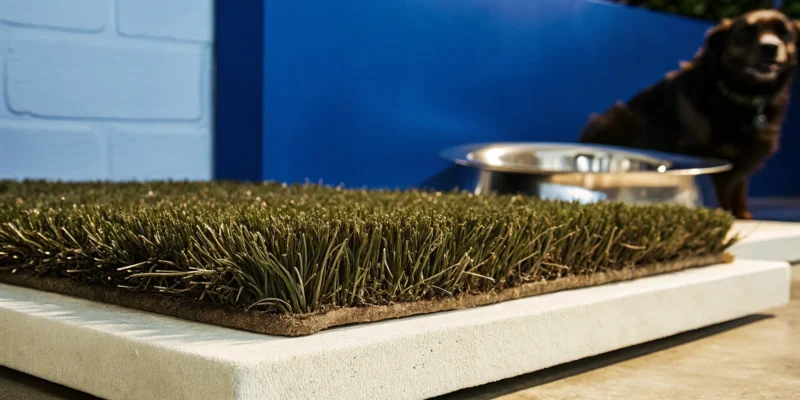
If you’re a pet owner with a natural grass lawn, you know the struggle. Between the muddy paws tracked through the house, the patchy yellow spots from urine, and the constant battle to keep your yard looking green, it can feel like a losing game. You want a beautiful outdoor space, but you also want a yard your dog can actually enjoy. This is where a high-quality synthetic turf system changes everything. It offers a durable, clean, and consistently beautiful solution that stands up to even the most energetic pets. This guide will walk you through everything you need to know to choose the best artificial grass for pets, from understanding drainage systems to selecting materials that are safe, soft, and built to last.
Key Takeaways
- Focus on the complete system, not just the look: A truly pet-friendly lawn requires more than green blades. Ensure your turf has superior drainage to wash away urine, is made from non-toxic materials for safety, and features durable yet soft fibers for comfort and play.
- Match the turf material to your pet’s lifestyle: Polyethylene offers a great balance of softness and durability for most dogs. For high-energy pets, nylon provides maximum strength, while polypropylene is a budget-friendly option for small, low-traffic areas.
- Combine professional installation with simple maintenance: The long-term success of your turf depends on proper installation for drainage and a consistent cleaning routine. Regularly removing solid waste and rinsing with a hose is the best way to keep your lawn fresh and odor-free.
What Makes Artificial Grass Pet-Friendly?
When you’re choosing artificial grass for your home, your pet’s safety and comfort are top priorities. Not all turf is designed with furry friends in mind, so it’s important to know what to look for. The best pet-friendly turf goes beyond just looking green; it features specific qualities that handle everything from potty breaks to playful roughhousing. A great lawn needs to do more than just withstand the occasional game of fetch. It needs an advanced drainage system to quickly whisk away urine and prevent odors from setting in, keeping your yard smelling fresh.
The materials themselves are just as important. You want a surface made from non-toxic components, ensuring your pet can roll around and relax without being exposed to harmful chemicals like lead or heavy metals. Durability is another key factor. The turf fibers must be strong enough to resist digging and constant traffic but soft enough not to irritate sensitive paws. Finally, since synthetic grass can warm up in the sun, the best options include cooling technology to keep the surface at a safe and comfortable temperature. Understanding these features will help you choose a lawn that is a true paradise for your pet.
Drainage That Keeps Odors Away
Proper drainage is the most critical feature of any pet-friendly artificial grass system. Without it, urine can pool on the surface or get trapped in the backing, leading to unpleasant and persistent odors. Look for turf with a fully permeable backing that allows liquids to pass through quickly. High-quality pet turf is designed for a rapid flow rate, sometimes draining hundreds of inches per hour, which helps wash away urine and prevent bacteria from building up. This efficient system ensures your yard stays fresh and clean, so you and your pet can enjoy it without any lingering smells.
Safe, Non-Toxic Materials for Your Pet
Your pet’s health is non-negotiable, so the materials used in your artificial grass matter. Reputable pet-friendly turf is made from non-toxic components and is rigorously tested to be free of harmful chemicals like lead, heavy metals, and PFAs. This means your dog or cat can roll around, play, and relax on the lawn without you having to worry about them ingesting or absorbing dangerous substances. When you choose a high-quality synthetic turf installation, you can feel confident that your yard is a safe environment for everyone in your family, including the furry ones.
Durable Fibers for Active Paws
Pets can be tough on lawns. Between running, digging, and playing, they put a lot of stress on the grass fibers. Pet-friendly turf is engineered with durable, resilient blades that can withstand heavy use without breaking, fraying, or developing flat spots. The fibers are securely stitched to the backing to prevent your dog from pulling them out. At the same time, these durable fibers are designed to be soft and gentle on sensitive paws, preventing scrapes or irritation. This combination of strength and softness ensures your lawn stays beautiful while providing a comfortable surface for daily play.
A Soft, Realistic Feel for Comfort
While durability is essential, you also want a lawn that feels good to walk and play on. The best artificial grass for pets mimics the softness and texture of a natural lawn. It shouldn’t feel stiff, abrasive, or slippery underfoot (or under-paw). A soft, inviting surface encourages your pet to use the space for lounging and playing, making your yard a true outdoor oasis. This realistic feel also improves the overall look of your landscape, creating a lush, green space that both you and your pet will love spending time in.
Cooling Tech to Protect Sensitive Paws
One common concern with artificial turf is that it can get hot in direct sunlight. However, modern pet-friendly turf often includes advanced cooling technology to solve this problem. These innovative systems use heat-reflective materials or unique fiber shapes to reduce the surface temperature, keeping the lawn comfortable even on warm summer days. This is a crucial safety feature, as it helps protect your pet’s sensitive paw pads from burns. When choosing turf, ask about its cooling properties to ensure your yard remains a safe and pleasant place for your pet to play all year round.
Which Artificial Grass is Best for Pets?
Choosing the right artificial grass for your furry friend comes down to a few key factors: your pet’s size, how active they are, and your budget. The material of the turf blades plays the biggest role in its performance. Most pet-friendly turf is made from polyethylene, nylon, or polypropylene, or sometimes a blend of these materials. Each one offers a different mix of durability, softness, and cost. Understanding these differences will help you find the perfect lawn solution that keeps both you and your pet happy for years to come.
Gappsi’s Custom Turf for Pets
At Gappsi, we design custom synthetic turf solutions specifically for pet owners on Long Island. Our goal is to create a yard that’s beautiful, functional, and safe for your animals. We focus on installing turf with superior drainage to prevent odors and ensure a clean surface. Our pet-friendly grass means you can say goodbye to muddy paws being tracked through your house. It also eliminates the need for potentially harmful lawn chemicals and reduces common pests like fleas and ticks, creating a healthier outdoor space for your entire family to enjoy.
Polyethylene (PE): The Popular All-Rounder
Polyethylene is the most popular material for artificial grass, and for good reason. It strikes an excellent balance between softness and durability, making it a fantastic all-around choice for most households with pets. The fibers are gentle on paws, so your dog will love lounging and playing on it. At the same time, it’s resilient enough to handle daily zoomies without showing wear and tear. PE turf also has a very natural look and feel, so you don’t have to sacrifice aesthetics for function. It’s a reliable option for everything from small potty areas to full backyard installations.
Nylon: The Toughest Turf Option
If you have a particularly energetic dog, multiple pets, or a high-traffic yard, nylon is the strongest material you can choose. It’s known for its exceptional durability and resilience, meaning the blades will spring back into place even after heavy use. Nylon can withstand rough play and digging better than any other material. While it is the most durable, it can also be a bit stiffer and more abrasive than polyethylene. Because of this, it’s often used in combination with other materials to add strength without sacrificing comfort.
Polypropylene (PP): The Budget-Friendly Choice
Polypropylene is typically the most affordable turf material available. While its lower price point is attractive, it comes with a trade-off in durability. PP is not as resilient as nylon or polyethylene, so it’s best suited for areas with low foot traffic or for smaller, less active pets. It has a lower melting point, which can be a concern in yards that get a lot of direct, intense sunlight. However, for a small, shaded dog run or a potty patch that won’t see a lot of rough play, polypropylene can be a perfectly suitable and cost-effective solution.
Pros and Cons of Artificial Turf for Pets
Deciding to switch to artificial turf is a big step, and it’s smart to weigh the good with the not-so-good. While many Long Island pet owners find that synthetic grass is a game-changer for their yards and their sanity, there are a couple of factors to consider before you commit. The biggest benefits revolve around cleanliness and convenience, while the main drawbacks are the initial cost and how the turf handles heat. Thinking through both sides will help you make a choice that you and your furry friends will be happy with for years to come.
Pro: Enjoy a Clean, Low-Maintenance Yard
One of the best parts of having artificial turf is saying goodbye to muddy paws for good. Even after a rainstorm, your dog can run around outside without tracking dirt and mud back into the house. You also won’t have to deal with yellow spots from urine or patchy areas from digging. Synthetic turf gives you a consistently green, beautiful lawn all year without the constant upkeep. This means less time spent on yard work and more time enjoying your clean, pest-free outdoor space with your pet. It also eliminates the need for potentially harmful fertilizers and pesticides, creating a safer playground for everyone.
Con: Consider the Upfront Cost and Heat
The initial investment for artificial turf is higher than seeding a natural lawn. It’s important to view it as a long-term upgrade to your home. High-quality pet turf is designed to last for 15 years or more, saving you money over time on water, fertilizer, and lawn care services. Another point to consider is heat. On very hot, sunny days, the turf can get warm to the touch. However, this is easily managed by spraying it down with a hose to cool it off before your pet plays. Many modern turf options also include cooling infills that help reduce the surface temperature, keeping paws comfortable.
How Much Does Pet-Friendly Turf Cost?
Thinking about your budget is a practical first step, and the cost of pet-friendly turf can vary quite a bit. The final price tag depends on a few key things: the quality of the turf you choose, the size of your yard, and the complexity of the installation. While it’s a bigger upfront investment than laying down natural sod, you’re paying for a long-term solution that saves you time on maintenance and keeps your yard looking great year-round. You can finally say goodbye to muddy paws and patchy grass.
The total cost covers more than just the roll of grass. It includes preparing the ground, adding a proper base for drainage, the turf material itself, special infill designed for pets, and the labor to put it all together perfectly. When you work with professionals, you’re investing in a durable, safe, and beautiful space for your entire family, including your furry members. Gappsi offers a range of synthetic turf options to fit different needs and budgets, ensuring your project is handled correctly from the ground up. We can walk you through the options to find a solution that makes sense for your home and your wallet.
How Turf Materials Affect the Cost
When you’re choosing artificial grass for pets, the material makes all the difference in both performance and price. Higher-quality turf is designed to be soft on your pet’s paws, giving them a comfortable surface for playing and lounging. More importantly, the best options have excellent drainage systems built right in to quickly filter away urine and prevent unpleasant odors from sticking around.
You’ll also want to ensure the turf is made without any harmful chemicals. A premium, non-toxic turf might cost a bit more, but it provides peace of mind knowing your pet has a safe environment. Cheaper materials may not drain as effectively or feel as soft, so investing in quality from the start often saves you headaches and replacement costs later on.
Account for Installation and Infill
Proper installation is just as important as the turf itself, and it’s a major factor in the overall cost. A professional installation ensures your turf will last for years and function exactly as it should. The process involves carefully preparing the ground, adding a sub-base layer that allows for maximum drainage, and laying down a weed barrier to prevent unwanted growth.
After the turf is in place, a special infill is brushed in between the blades. For pet-friendly projects, we use specific types of infill that help control odors and keep the grass blades standing upright for a natural look. Cutting corners on installation can lead to drainage issues, lumps, and a shorter lifespan for your lawn. A professional team makes sure every step is done right for a flawless, long-lasting finish.
Is Artificial Grass Actually Safe for Dogs?
As a dog owner, your pet’s safety is always top of mind. It’s completely normal to wonder if artificial grass is a healthy choice for your furry family member. The great news is that modern, high-quality synthetic turf is designed specifically with pets in mind. Gone are the days of stiff, plasticky turf that contained questionable materials. Today’s options are non-toxic, lead-free, and comfortable enough for afternoon naps in the sun.
When you choose a premium pet-friendly system, you’re not just getting a green lawn; you’re getting a surface engineered to handle everything from zoomies to potty breaks. The key is to focus on turf made from safe materials that can withstand active pets and drain liquids effectively. This means looking for a complete system that includes a permeable backing, the right kind of infill, and durable grass blades. A professional installation ensures all these components work together to create a yard that’s as safe as it is beautiful. By paying attention to a few important features, you can create a beautiful, safe, and clean outdoor space that both you and your dog will love for years to come.
Keep Paws Cool on Hot Days
We’ve all seen dogs do the hot-pavement-dance on a sweltering summer day. A common concern with artificial turf is that it can get warm in direct sunlight. Luckily, technology has come a long way. Many modern synthetic turf options now include cooling features that reflect sunlight instead of absorbing it. Some advanced turf can stay up to 42% cooler than older versions, making it much more comfortable for your dog’s sensitive paws. When choosing your turf, ask about its heat-resistance properties to ensure your yard is a comfortable oasis, even during a Long Island heatwave.
How to Stop Digging and Chewing
If you have a dog that loves to dig, you know the frustration of finding holes all over your lawn. Pet-friendly artificial grass is built to be tough. It features strong, resilient fibers and a securely bonded backing that resists even the most determined digging and chewing. While high-quality turf creates a formidable barrier, a very persistent dog might still try their luck. In these cases, the durable turf works best alongside some positive reinforcement training to redirect their digging instincts. This combination helps protect your investment and keeps your yard looking pristine.
Keep Your Turf Clean and Hygienic
One of the best parts of having artificial turf is saying goodbye to muddy paws being tracked through your house. It also means you no longer need to use potentially harmful pesticides or fertilizers on your lawn. This instantly creates a cleaner and healthier environment for your pet. To manage pet waste and prevent odors, choose a turf system with excellent drainage and an antimicrobial infill. Unlike rubber crumb infills, antimicrobial sand helps stop bacteria growth. The most important step, however, is regular cleaning. A quick rinse and occasional deep clean will keep your lawn fresh and hygienic.
How to Clean and Maintain Your Pet-Friendly Turf
One of the best parts of having artificial grass is how little maintenance it requires. You can finally say goodbye to mowing and watering. But to keep your yard looking and smelling fresh, especially with furry friends, a little upkeep is necessary. Think of it as a simple tidying routine that protects your investment and ensures your lawn is always ready for playtime. Following a few easy steps will keep your pet-friendly turf in top condition for years to come.
Your Daily and Weekly Cleaning Routine
Keeping your turf clean is straightforward. The most important daily task is to pick up any solid waste, just as you would with a natural lawn. For urine spots, a quick rinse with a garden hose is usually enough to wash everything away and prevent odors from setting in. If you notice a lingering smell, a simple solution of water and mild vinegar can help neutralize it. Once a week, I recommend giving the grass a quick brush with a stiff, non-metal broom. This helps the fibers stand up straight and keeps your lawn looking lush and new.
Deep Cleaning and Sanitizing Your Turf
For a more thorough clean, especially in areas your pet frequents, you’ll want to sanitize the turf periodically. This helps eliminate bacteria and ensures your yard is a truly hygienic space for both pets and family. We recommend using a product specifically designed to sanitize and deodorize synthetic turf without harsh chemicals, making it completely safe for everyone. You can find effective, pet-friendly turf cleaners at the Gappsi Store. Applying a sanitizing spray every few months, or as needed, will keep your lawn pristine.
Tips for Long-Term Turf Care
The best way to ensure your turf is easy to maintain is to start with a professional installation. A proper base layer for drainage, a quality weed barrier, and the right type of infill are all critical for preventing future problems with smells and wear. Once your turf is installed, consistency is key. Regular rinsing is the most effective way to stop odors before they start. If a stubborn smell does appear, a pet-friendly enzyme spray can break down the odor-causing bacteria. With the right foundation and a simple cleaning schedule, your artificial grass will remain a beautiful, hassle-free feature of your home.
Related Articles
- The Best Artificial Grass for Pets: A Buyer’s Guide
- Synthetic Turf Solutions & Installation on Long Island
Frequently Asked Questions
Will my yard smell bad if my dog uses the turf as a bathroom? This is a very common concern, but with the right system, your yard will stay fresh. Odor control comes down to two things: excellent drainage and the right infill. A professionally installed pet turf system is designed to let liquids pass through quickly, preventing urine from pooling. When paired with an antimicrobial infill that fights bacteria growth and a simple routine of rinsing the area with a hose, you can effectively prevent any unpleasant smells from developing.
Does artificial grass get too hot for my dog’s paws? While it’s true that synthetic turf can warm up in direct sun, modern turf is designed to handle the heat much better than older versions. Many high-quality options now include cooling technology that reflects sunlight, keeping the surface temperature significantly lower. On especially hot days, you can also give the lawn a quick spray with water to cool it down instantly, ensuring it’s always a safe and comfortable place for your pet to play.
How long does pet-friendly turf actually last? A high-quality, professionally installed artificial lawn is a long-term investment that can easily last for 15 years or more, even with active pets. The lifespan depends on the quality of the turf materials and the installation itself. Durable fibers that resist wear and tear, a secure backing that prevents digging, and a proper base for drainage all work together to create a lawn that stands up to years of running, playing, and daily use.
What’s the real difference between the turf materials you mentioned? Think of it this way: Polyethylene is the popular, well-rounded choice that offers a great mix of softness for comfort and strength for daily play. If you have a very high-energy dog or multiple pets, Nylon is the most durable option available, built to handle extreme wear. Polypropylene is a more budget-friendly material, but it’s less resilient, making it best for smaller, less active pets or areas that don’t see a lot of traffic.
Is it difficult to clean up after my pet on artificial grass? Not at all; in fact, many owners find it much easier than cleaning a natural lawn. Solid waste is simple to pick up, and since the surface is non-absorbent, it doesn’t leave any messy stains behind. For urine, a quick rinse with a garden hose is all you need to wash it through the drainage system. This simple routine keeps your lawn hygienic and beautiful without the hassle of repairing dead grass spots.