


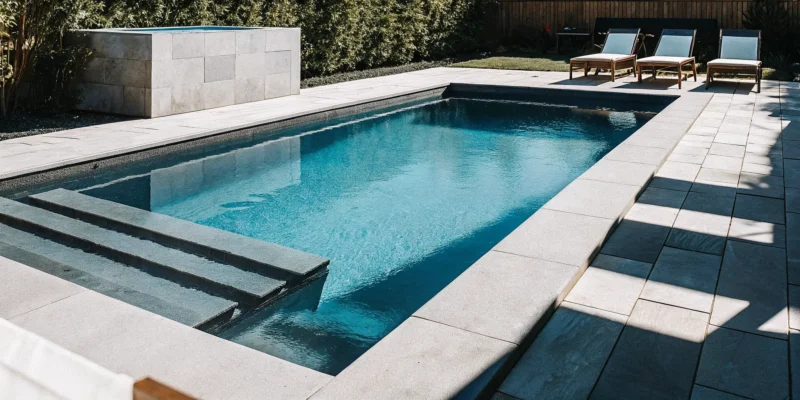
Your home should be your sanctuary, and that includes the space just outside your door. A thoughtfully designed backyard becomes more than just a yard; it’s an outdoor living room, a private retreat, and the backdrop for countless family memories. Creating that perfect oasis requires a blend of creative vision and technical expertise. You need a partner who can translate your dreams into a functional, beautiful design. This article will walk you through the essential steps of finding and collaborating with the right professionals. We’ll cover how to vet the top Backyards designers contractors on Long Island ny so you can confidently begin the journey of transforming your property into the personal escape you deserve.
Key Takeaways
- Invest time in finding the right design partner: Your project’s outcome depends heavily on this choice. Look beyond portfolios by verifying credentials, reading client reviews, and choosing a professional whose communication style makes you feel comfortable and understood.
- A clear vision leads to a better outcome: Do your homework before the first consultation. Collect inspiration images, define your priorities, and be transparent about your budget to help your designer create a plan that truly reflects your goals.
- Embrace the entire renovation process: A successful backyard transformation involves more than just construction. It includes detailed planning, permit approvals, and navigating potential challenges, so setting realistic timeline expectations is crucial for a positive experience.
What Services Do Backyard Designers Offer?
When you partner with a backyard designer, you’re getting more than just a plan. You’re getting a partner who can manage your project from the first sketch to the final installation. A full-service company handles every detail, ensuring a cohesive design and a stress-free process. Here are the core services you can expect.
Landscape Design and Construction
This is the foundation of any great backyard. A professional team will work with you to create a complete vision for your space. This includes everything from plant selection and garden layouts to irrigation and lighting. The best designers offer comprehensive landscape design and construction services, managing the entire project so you don’t have to coordinate with multiple contractors. They bring your ideas to life while ensuring the final result is both beautiful and functional.
Custom Swimming Pools and Water Features
A backyard designer can help you create the perfect oasis with custom swimming pools and spas. They go beyond standard shapes to design a pool that fits your landscape and lifestyle, complete with surrounding patios and water features like waterfalls or fountains. This integrated approach ensures your pool area feels like a natural extension of your home, creating a seamless transition from your house to your personal retreat.
Outdoor Living Spaces: Pavilions, Pergolas, and Kitchens
Modern backyards are all about creating functional outdoor rooms. Designers specialize in building structures that extend your living space, such as outdoor kitchens for entertaining, cozy fire pits for evening gatherings, and shaded seating areas. With custom pavilions and pergolas, you can create a comfortable spot to relax, dine, or host guests, effectively adding another room to your home without the walls.
Synthetic Turf and Game Courts
For families who love to play, a designer can incorporate recreational areas into your backyard. This includes installing low-maintenance synthetic turf for a perfect lawn year-round or building custom Sports Games Courts for basketball, tennis, or pickleball. These spaces are designed for daily enjoyment and activity, turning your yard into a fun and engaging environment for everyone in the family.
Masonry, Fencing, and Hardscaping
Hardscaping provides the structure and “bones” of your outdoor space. This includes essential elements like patios, walkways, retaining walls, and driveways. A skilled designer uses high-quality materials like natural stone or porcelain pavers to build durable and attractive features. Professional masonry and fencing services define the layout of your yard, improve its functionality, and add significant visual appeal.
How to Choose the Right Backyard Designer
Finding the right partner to bring your backyard vision to life is the most important step in your renovation journey. You’re not just hiring a contractor; you’re collaborating with a creative professional who will shape the space where your family makes memories for years to come. The right designer will understand your style, respect your budget, and have the expertise to manage the project from the first sketch to the final planting. Taking the time to carefully vet your options ensures a smoother process and a final result you’ll absolutely love.
Research Local Companies and Review Portfolios
Your search should begin online, exploring the work of local Long Island designers. A company’s portfolio is its visual resume, offering the best insight into its style, capabilities, and the quality of its craftsmanship. Look for a gallery that showcases a wide range of projects, from intricate masonry to complete outdoor living environments. Pay attention to the details. Do the designs look custom and thoughtfully planned? Do they feature the kinds of materials and features you envision for your own space? A strong portfolio demonstrates experience and a keen eye for design, helping you create a shortlist of companies that align with your aesthetic.
Verify Licenses, Insurance, and Experience
Once you have a few contenders, it’s time to do your due diligence. Any reputable design and build firm will be fully licensed and insured, which protects you and your property throughout the construction process. Don’t hesitate to ask for proof of their credentials. Experience is another key factor. A company that has been serving the Long Island community for decades has a proven track record of reliability and customer satisfaction. This longevity shows they can handle the unique challenges of local projects, from navigating permits to understanding the regional climate. Choosing an established, professional team like Gappsi gives you peace of mind that your investment is in capable hands.
Read Client Reviews and Check References
While a portfolio shows you the final product, client reviews tell you about the journey. Look for testimonials on the company’s website, Google, and other third-party review sites. Previous clients offer an unfiltered look at what it’s like to work with a designer. Are they praised for their communication, professionalism, and ability to stay on schedule? Pay attention to how the company responds to feedback, too. Asking for a few references you can call is also a great idea. Speaking directly with a past customer allows you to ask specific questions about their experience and satisfaction with the finished outdoor living space.
Evaluate Their Design Style and Communication
A successful project is built on clear communication and a shared vision. During your initial consultations, notice how well the designer listens to your ideas. Do they ask thoughtful questions to better understand your lifestyle and how you plan to use the space? It’s helpful to prepare for these conversations by gathering inspiration photos from magazines or Pinterest. This gives the designer a concrete starting point. Ultimately, you want a partner who can take your ideas, add their professional expertise, and collaborate with you to create a design that is both beautiful and functional. Find someone whose style you admire and whose communication approach makes you feel comfortable and heard.
What to Expect When Vetting Contractors
Once you’ve narrowed down your list of potential backyard designers, it’s time to start the conversation. This vetting process is your chance to find a true partner for your project, someone who not only understands your vision but also has the expertise to bring it to life. Think of these initial meetings as interviews where you’re hiring a team for a very important job: transforming your home.
Effective communication is the foundation of any successful renovation. From your first phone call to the final walkthrough, you want to feel heard, respected, and confident in your contractor’s process. This is the time to ask detailed questions, clarify expectations, and get a feel for their working style. A great designer will be transparent about their methods, realistic about timelines, and open to discussing your budget. Pay attention to how they listen and respond. Do they offer creative solutions? Are they clear about potential challenges? Finding a team you connect with will make the entire experience smoother and more enjoyable.
Prepare for Initial Consultations
Before you meet with any designers, take some time to prepare. The more information you can provide, the more productive your consultation will be. Gather any inspiration you have, whether it’s a Pinterest board filled with dreamy patios or photos you’ve saved of landscape designs you love. Think about how you want to use the space. Are you dreaming of a family-friendly area with a pool and a sports games court, or a quiet retreat with a cozy fire pit? Having a clear list of your must-haves and nice-to-haves will help the designer understand your priorities from the start.
Key Questions to Ask Potential Contractors
During your consultation, don’t be shy about asking questions. This is your opportunity to understand a company’s qualifications and process. Start with the basics: Are they licensed and insured in Long Island? Can they provide references from past clients? Ask about their experience with projects similar to yours, whether it’s installing custom swimming pools or building intricate stone patios. It’s also important to discuss your budget openly. A clear budget helps the designer create a realistic plan that aligns with your financial comfort zone and project goals.
Clarify Their Process and Timeline
Every contractor has a unique workflow, so it’s important to understand what to expect. Ask for a breakdown of their design and construction process. Who will be your main point of contact throughout the project? How often can you expect updates? Have a frank conversation about the timeline, including potential start dates and an estimated completion date. A reputable designer will be upfront about factors that can affect the schedule, like weather delays or permit approvals. Understanding their process helps you manage expectations and ensures everyone is on the same page.
Review Contracts and Payment Terms
Before signing anything, carefully review the contract. This document should outline every detail of the project, including the full scope of work, specific materials to be used, a clear timeline, and a payment schedule. Make sure everything you discussed is included in writing. If anything is unclear, ask for clarification. The payment terms should be broken down into manageable installments tied to project milestones, rather than a large upfront sum. A detailed contract protects both you and the contractor, ensuring a transparent and professional relationship from beginning to end.
Breaking Down Backyard Renovation Costs
Understanding the financial side of a backyard renovation is the first step toward making your dream space a reality. Costs can vary widely depending on your vision, the materials you choose, and the complexity of the project. It’s helpful to think of your total investment in a few key parts: the design plan, the materials, and the installation. By breaking it down, you can create a clear budget, communicate effectively with your contractor, and ensure there are no surprises along the way. A well-planned budget helps your designer create a beautiful and functional space that respects your financial boundaries.
What Influences Project Pricing?
Several key factors determine the final price of your backyard project. The overall scope is the biggest driver; a simple paver patio will cost significantly less than a multi-level outdoor living area with a swimming pool and kitchen. The quality of materials you select, from natural stone to composite decking, also plays a major role. Keep in mind that initial quotes often cover the design plan, while the cost of materials and installation are separate. Site conditions, like grading issues or difficult access, can also add to labor costs. Understanding these variables will help you see where your money is going.
Balance Material Quality with Labor Costs
While it can be tempting to choose less expensive materials to lower upfront costs, investing in quality pays off in the long run. Durable materials paired with expert craftsmanship result in a beautiful space that stands the test of time, saving you from future repairs. A great designer focuses on building spaces meant for daily enjoyment, ensuring they are not only stunning but also built to last for decades. When you invest in high-quality porcelain and natural stone, for example, you’re also investing in the longevity and value of your home.
Get Accurate Estimates and Avoid Hidden Fees
Clear communication is your best tool for getting an accurate estimate and preventing unexpected costs. When you receive a proposal, make sure it’s itemized so you can see exactly what you’re paying for. Don’t hesitate to ask what is and isn’t included. Establishing a good rapport with your contractor helps ensure you’re both on the same page throughout the project. This open dialogue is essential for managing any changes that may arise and avoiding hidden fees. A transparent process is the foundation of a successful home remodeling project, whether indoors or out.
Set a Realistic Budget for Your Vision
Being upfront about your budget is crucial. It’s not about limiting creativity; it’s about channeling it effectively. Your budget serves as a practical guide for your designer, helping them suggest materials and features that align with your financial plan. This ensures your vision is achievable without causing financial stress. A good approach is to create a list of “must-haves” and “nice-to-haves.” This allows your designer to prioritize the essential elements while exploring options for the extras, like a custom pavilion or pergola, if the budget allows.
How to Clearly Communicate Your Vision
Turning your dream backyard into a reality starts with clear communication. You have a picture in your mind, and your designer has the expertise to build it. The key is to bridge the gap between your idea and their execution. A successful project depends on a strong partnership, and that partnership is built on mutual understanding from the very first conversation. When you and your designer are on the same page, the entire process feels less like a transaction and more like a creative collaboration. It’s about making sure the final space not only looks beautiful but also functions perfectly for you and your family. Think of your designer as your partner in this project. The more clearly you can articulate what you want, the better they can translate that vision into a tangible plan. This involves more than just picking out pretty pictures; it’s about discussing how you live, what your priorities are, and what your budget looks like. By preparing your ideas, being upfront about your expectations, and staying open to collaboration, you set the stage for a smooth process and a final result you’ll absolutely love.
Use Visual Aids and Inspiration Boards
A picture really is worth a thousand words, especially when it comes to design. It’s one thing to say you want a “modern and clean” patio, but showing your designer exactly what that means to you is much more effective. Start gathering images that capture the look and feel you’re after. Create a Pinterest board, tear pages from magazines, or save photos of backyards you admire. These visual aids give your designer concrete examples to work with, ensuring your aesthetic preferences are understood. You can even find great ideas by watching project videos that show how different materials and layouts come together in a real space. This simple step helps align your vision with your designer’s, creating a solid foundation for the entire project.
Set Clear Expectations and Priorities
Before your first meeting, take some time to think about what you truly want and need from your new outdoor space. What are your non-negotiables? Is a large swimming pool the main event, or is a functional outdoor kitchen your top priority? Have an open conversation with your designer about your expectations for the timeline, how you plan to use the space, and any specific features you have in mind. For example, if you need a durable fence for privacy and safety, make that clear from the start. Establishing your priorities helps your designer understand what matters most to you, which allows them to make smart recommendations that fit your lifestyle and goals.
Discuss Budget Constraints Upfront
Talking about money can feel uncomfortable, but it’s one of the most important conversations you’ll have with your backyard designer. Being transparent about your budget from the beginning isn’t limiting; it’s empowering. It provides a realistic framework for the project and helps your designer suggest the best materials and design solutions within your price range. An upfront budget discussion prevents misunderstandings down the road and ensures the design plan is achievable without causing financial stress. This allows the focus to remain on creating a beautiful and functional space that you can afford, avoiding any surprise costs or disappointments later in the process. Think of it as setting the project up for success from day one.
Stay Open to Professional Recommendations
You are the expert on your vision, but your designer is the expert on bringing it to life. They have years of experience with materials, construction techniques, and local Long Island building codes. While it’s important to hold onto your core ideas, try to remain flexible and listen to their advice. A designer might suggest a different type of natural stone that is better suited for the climate or a layout adjustment that improves traffic flow. Their professional recommendations are meant to enhance your project, often leading to a more beautiful, durable, and functional outcome than you originally imagined. Trusting their expertise is a key part of a successful collaboration.
Common Project Challenges to Prepare For
Embarking on a backyard renovation is an exciting process, but even the most meticulously planned projects can encounter a few bumps along the way. Knowing what to expect ahead of time can make all the difference, turning potential stressors into manageable tasks. From unpredictable weather to the fine print on a building permit, being prepared helps you and your design team work together smoothly to find solutions. A great partnership with your designer is built on clear communication, and that includes talking about potential challenges before they happen.
Think of this as your project toolkit for dealing with the unexpected. We’ll walk through the most common challenges homeowners face during a backyard transformation. Understanding these potential hurdles, like weather delays, permit requirements, surprising site conditions, and realistic timelines, empowers you to ask the right questions and set clear expectations from the start. This proactive approach not only keeps your project on track but also helps maintain a positive and collaborative relationship with your build team. A well-informed homeowner is a confident one, and that clarity is the foundation of a successful partnership and a beautiful final result you’ll love for years.
Weather Delays and Seasonal Considerations
Here on Long Island, we get to experience all four seasons, but that also means our weather can be a bit unpredictable. A string of rainy days, a surprise snowstorm, or a summer heatwave can temporarily halt construction on your project. It’s important to remember that these delays are for safety and quality reasons; for example, pouring concrete or laying natural stone pavers requires specific weather conditions to cure properly.
When you discuss your project timeline, ask your contractor how they account for potential weather delays. A seasoned professional will build some flexibility into the schedule. Planning your project during a season with more favorable weather can help, but having a conversation about a contingency plan ensures everyone is on the same page when skies turn gray.
Permit Requirements and Zoning Restrictions
Before any ground is broken, there’s a bit of necessary paperwork to sort out. Local zoning laws and permit requirements can vary quite a bit between towns in Nassau and Suffolk County. These rules dictate what you can build, where you can build it, and how large it can be. Projects like installing a new swimming pool, building a pavilion, or adding significant masonry work almost always require a permit from your local municipality.
An experienced backyard designer will handle the entire permitting process for you, but it’s helpful for you to understand that this step takes time. The approval process can sometimes take several weeks or even months, so it’s a critical factor to build into your overall project timeline.
Unexpected Site Conditions
One of the biggest unknowns in any outdoor project is what lies beneath the surface of your yard. Once excavation begins, your team might uncover things that weren’t visible during the initial site analysis. Common surprises include large boulders, poor soil quality that needs amending, or old, forgotten drainage pipes. While these discoveries can feel like a setback, they are quite common in construction.
A great contractor will address these issues head-on and communicate with you immediately. Before signing a contract, it’s a good idea to discuss how unexpected site conditions will be handled. Clarifying the process for any necessary changes to the scope and budget upfront ensures that you can work with your contractor effectively if a surprise does pop up.
Manage Timeline Expectations
A realistic timeline is one of the most important elements of a smooth renovation. It’s easy to get excited and hope for a quick turnaround, but a quality project takes time. The total timeline isn’t just the construction phase; it also includes design revisions, material selection and ordering, and waiting for permits to be approved. Each of these steps can influence the start date and overall duration of the work.
Have an open conversation with your designer about your goals and any specific deadlines you have in mind, like hosting a summer party. This allows them to create a schedule that is both ambitious and achievable. Good contractor communication is key to ensuring everyone is aligned on the timeline and prepared for each phase of the project.
Finding a Backyard Designer in Nassau and Suffolk County
Finding the right creative partner is one of the most important steps in bringing your dream backyard to life. Luckily, Long Island is home to many talented professionals. The key is to find a designer whose style, experience, and process align perfectly with your vision and needs. To help you get started, here’s a look at some top options in Nassau and Suffolk County.
Gappsi: Premier Outdoor Living Specialists
With a reputation built since 1987, Gappsi is known for creating high-quality outdoor living spaces that are both beautiful and functional. We operate as a one-stop shop, which means we can handle every aspect of your project from the initial design to the final installation. Whether you’re dreaming of a custom swimming pool, a detailed stone patio, or a complete landscape overhaul, our team tailors every design to your specific vision. We manage everything in-house, ensuring a seamless process and consistent quality from start to finish for a space you’ll love for years to come.
Other Established Local Companies
As you do your research, you’ll likely come across other well-regarded companies in the area. Designscapes of Long Island is known for managing projects from the initial concept through to completion. Gary Duff Designs, based in Holbrook, also specializes in creating custom outdoor environments for homeowners across Long Island. Another established name is Hicks Nurseries, which offers landscape design and build services aimed at helping clients create their ideal yard. Taking the time to look at different portfolios will help you get a feel for the various design styles available.
Questions to Ask When Comparing Your Options
A successful project depends on clear and consistent communication. When you meet with potential designers, don’t hesitate to ask detailed questions about their process. Find out how they provide updates, handle changes, and involve you in decisions. It’s also helpful to come prepared with your own ideas. Gathering photos and videos from sources like the Gappsi YouTube channel can help you show designers exactly what you have in mind. Ask them how they would approach your specific ideas and what recommendations they might have to improve them.
The Design and Build Process, Step by Step
Once you’ve chosen a backyard designer, the real fun begins. Transforming your outdoor space is an exciting process, but it helps to know what to expect along the way. A professional design and build firm will guide you through a structured process that takes your project from a simple idea to a beautiful, finished reality. While every project is unique, most follow a similar path involving initial planning, detailed design, hands-on construction, and a final review. Understanding these stages helps you stay informed, manage expectations, and collaborate effectively with your team to create the backyard you’ve always wanted.
Initial Consultation and Site Analysis
The first step is the initial consultation, where you’ll meet with the design team to discuss your vision, goals, and budget. This is your opportunity to share your ideas and ask questions. To make this meeting as productive as possible, come prepared with a list of must-haves and nice-to-haves. The designers will listen to your needs and conduct a thorough analysis of your property. They’ll assess the existing layout, sun exposure, soil conditions, and any potential challenges. Effective communication is key from the very beginning, so be open and clear about what you want to achieve with your landscape design. This initial meeting sets the foundation for the entire project.
Design Development and Material Selection
After the consultation, the designers get to work creating a concept for your space. This phase often includes sketches, 2D plans, or even 3D renderings that help you visualize the final result. Visual references are incredibly helpful here, so don’t hesitate to share your Pinterest boards or photos that inspire you. Your budget also plays a big role, acting as a guide for the designer. They will help you select the right materials that fit both your aesthetic and your price point. Whether you’re dreaming of elegant porcelain pavers for a new patio or durable materials for a walkway, this is when those important decisions are made.
Construction and Project Management
With a final design approved, the construction phase begins. Your project manager will coordinate everything, from securing permits to scheduling the crew and overseeing the installation. This is when you’ll see your vision start to take physical shape, whether it’s the excavation for a new swimming pool or the careful placement of stones for a retaining wall. Staying on the same page with your contractor is crucial during this stage. If unexpected issues come up, it’s important to work together to find solutions that meet your needs and stay within your budget. Regular updates and clear communication will ensure the project runs smoothly from start to finish.
Final Walkthrough and Maintenance Guidelines
Once the construction is complete, you’ll do a final walkthrough with the project manager. This is your chance to inspect the work, point out any final adjustments, and ensure every detail meets your expectations. A great designer doesn’t just build your space and leave. They will also provide you with comprehensive guidelines on how to care for your new backyard. It’s smart to think about maintenance from the start, as some designs require more upkeep than others. Your contractor should explain how to care for new plantings, clean your patio, and maintain any special features, ensuring your investment looks beautiful for years to come with proper restoration and sealing.
Related Articles
- Backyard Kitchen & Patio Design Ideas for NY Homes
- Backyard & Outdoor Designers in Long Island, NY
- The Ultimate Guide to Outdoor Living Contractors in LI
Frequently Asked Questions
What’s the advantage of using a full-service design and build company? The biggest advantage is simplicity and cohesion. Instead of you having to hire and coordinate a separate landscape architect, a pool installer, a mason, and an electrician, a single team manages every detail. This ensures your entire project, from the patio to the plantings, follows one unified vision. It also means you have one point of contact, which makes communication much clearer and the whole process less stressful.
What if I’m not sure what I want my backyard to look like? That’s completely normal and actually a great place to start. A good designer’s job is to help you discover your style. They will ask you questions about how you plan to use the space, who will be using it, and what feeling you want to create. They can show you a portfolio of different projects, from natural and rustic to modern and sleek, to see what resonates with you and help you build a vision from there.
How can I create a realistic budget if I don’t know what things cost? Start by thinking about your total investment comfort level. Then, make a list of your “must-haves” and “nice-to-haves.” During your initial consultation, you can discuss this list with your designer. They can provide a general price range for different features, like a swimming pool or an outdoor kitchen, and help you understand how material choices affect the final cost. This conversation will help you align your vision with a practical budget.
Besides construction, what other factors influence the project timeline? The design phase itself is a key part of the timeline. This includes creating the initial concepts, making revisions, and selecting all your materials. Another significant factor is the local permitting process, which can sometimes take several weeks or even months before any work can begin. Finally, the availability of specific materials can also play a role, so making decisions early helps keep things on track.
What happens if I want to make a change to the design after construction has started? It’s possible to make changes, but it’s important to communicate with your project manager as soon as you think of one. They will discuss the implications of the change, including how it might affect the cost and the timeline. Any adjustments will be documented in a change order that you approve before the new work begins. This ensures everyone is on the same page and there are no surprises with the final bill.