


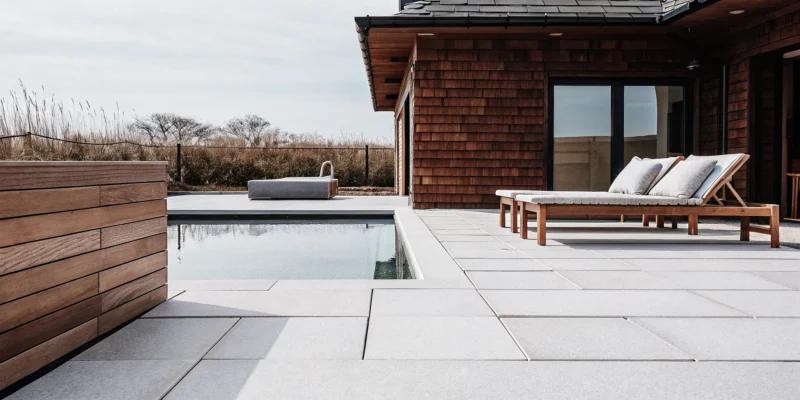
The right patio material can completely transform your backyard, turning a simple pool into a luxurious retreat. While natural stone is beautiful, the constant upkeep can be a dealbreaker. This is where porcelain comes in, offering the best of both worlds. You can get the stunning look of Italian marble, rustic slate, or even warm wood planks, all with the incredible durability and low-maintenance benefits of an engineered material. It’s a choice that doesn’t force you to compromise on style or practicality. We’ll explore the amazing design flexibility you get with a specialized porcelain pool patio and coping on Long Island ny, from modern large-format tiles to classic stone looks that will elevate your outdoor living space.
Key Takeaways
- Enjoy a truly low-maintenance patio: Porcelain’s non-porous surface naturally resists stains, pool chemicals, and frost damage, meaning you can forget about yearly sealing and spend more time enjoying your pool.
- Combine poolside safety with high-end design: Modern porcelain pavers are engineered with a textured, slip-resistant finish for safety, while also offering a huge variety of styles that beautifully replicate natural stone or wood without the upkeep.
- Prioritize the right product and professional installation: For a lasting investment, always choose outdoor-rated porcelain pavers with high slip-resistance and hire an experienced contractor who understands proper installation for our Long Island climate.
Why Choose Porcelain for Your Pool Patio and Coping?
When you’re designing the perfect backyard oasis, the material you choose for your pool patio and coping is one of the most important decisions you’ll make. It sets the stage for your entire outdoor space. While you have many options, porcelain has become a top choice for Long Island homeowners, and for good reason. It offers a fantastic combination of sophisticated style, incredible durability, and poolside safety. Think of it as the best of all worlds. You get a high-end look that can mimic natural stone or sleek modern concrete, but with technical properties that make it uniquely suited for life around a swimming pool.
Porcelain is an engineered material, fired at high temperatures to create a dense, strong, and non-porous tile. This manufacturing process is what gives it its superpowers. It’s built to handle everything from cannonballs and pool parties to harsh winter freezes without staining, fading, or cracking. When you invest in a porcelain patio, you’re choosing a surface that will look just as beautiful in ten years as it does on day one, with surprisingly little effort. It’s a smart, practical choice that doesn’t ask you to compromise on aesthetics.
Stands Up to Long Island Weather
We all know Long Island weather can be unpredictable. We get intense summer sun, heavy rain, and freezing winters, sometimes all in the same season. Your outdoor materials need to be tough enough to handle it all. This is where porcelain truly shines. Because it’s so dense and strong, it can endure these changing weather conditions without showing wear and tear. The vibrant color of your patio won’t fade under constant UV exposure, and the tiles won’t become brittle over time. This durability makes our selection of porcelain and natural stone a reliable, long-term investment for any outdoor project.
Ensures Poolside Safety with Slip Resistance
Safety is always the number one priority around a swimming pool, especially when you have kids and guests running around. A slippery surface is a major hazard. Fortunately, porcelain pavers made for outdoor use are designed with safety in mind. They are manufactured with a textured, slip-resistant finish that provides a secure grip underfoot, even when the surface is wet from splashes. Unlike some glossy indoor tiles, exterior-grade porcelain ensures you and your family can walk confidently around the pool. When we design a pool patio, we always use tiles with a high slip-resistance rating to give you total peace of mind.
Resists Water and Freeze-Thaw Damage
One of porcelain’s biggest advantages is its extremely low water absorption rate, typically less than 0.5%. This makes it practically waterproof. On Long Island, this is critical for preventing freeze-thaw damage during the winter. With more porous materials like concrete or certain natural stones, water seeps into the surface. When temperatures drop, that water freezes, expands, and creates cracks. Because porcelain doesn’t absorb water, there’s no risk of this cycle causing damage. Your patio will remain intact and free of cracks year after year, avoiding the need for frequent repairs or restoration and sealing services.
Withstands Pool Chemicals
Your pool needs chemicals like chlorine to stay clean and sanitary, but those same chemicals can be tough on surrounding surfaces. They can cause discoloration, staining, and gradual erosion on materials like natural stone or concrete pavers. Porcelain, however, is completely unfazed. Its non-porous surface prevents chemicals from penetrating and causing damage. Splashes of chlorinated water or other pool treatments won’t leave a lasting mark. This means your patio will maintain its original color and finish for years, looking clean and pristine without any special maintenance or worry about chemical spills.
Porcelain vs. Other Pool Patio Materials
Choosing the right material for your pool patio is a big decision. You want something that looks beautiful, feels great underfoot, and holds up to the demands of a poolside environment. While materials like concrete, natural stone, and traditional pavers have been popular for years, porcelain is quickly becoming the top choice for discerning Long Island homeowners. Let’s break down how it compares to other common options.
Porcelain vs. Concrete
Concrete pavers are often seen as a budget-friendly choice, and their straightforward installation can appeal to DIY enthusiasts. However, when you look at the long-term picture, porcelain really shines. Porcelain pavers are incredibly durable, resisting cracks, chips, and fading over time. They are also non-porous, which means you don’t have to seal them, and they stand up to stains from spilled drinks or pool chemicals. While concrete might save you money upfront, porcelain’s resilience and low maintenance offer lasting value and peace of mind, making cleaning simple with just a sweep and some mild soap.
Porcelain vs. Natural Stone
There’s no denying the beauty of natural stone like travertine or bluestone. The downside is the upkeep. Natural stone is porous, so it needs regular sealing to prevent stains and water damage. It can also be more susceptible to wear from pool chemicals and salt. This is where porcelain offers the best of both worlds. Modern porcelain and natural stone pavers can perfectly mimic the look of natural materials, from the veining of marble to the texture of slate. You get that high-end, organic aesthetic without the demanding maintenance routine, making it a practical and stylish option for your pool coping and patio.
Porcelain vs. Traditional Pavers
Traditional pavers have long been a go-to for outdoor projects, but porcelain brings a level of elegance and strength that’s hard to match. Porcelain pavers create a sleek, elegant and modern look that can transform your outdoor space. Because they are manufactured under extreme pressure and heat, they are exceptionally dense and strong, resisting scratches, stains, and everyday wear far better than many traditional options. This durability is a huge plus for a busy pool area. With porcelain, you can achieve a sophisticated appearance with the assurance that your patio will look amazing for years to come.
What Are Your Design Options with Porcelain?
One of the best parts about choosing porcelain for your pool area is the incredible design flexibility it offers. This isn’t just a practical material; it’s a canvas for creating your dream outdoor space. Thanks to modern manufacturing, porcelain can beautifully replicate the look of other materials like natural stone, rich wood, or even concrete, but without the demanding upkeep. This means you can achieve almost any aesthetic you have in mind, from a rustic, wood-plank look to the clean lines of a contemporary stone patio. The design possibilities are truly vast.
You can select from an extensive range of colors, textures, and sizes to perfectly complement your home’s architecture and your personal style. Whether you envision a sleek, modern oasis or a cozy, traditional backyard retreat, there’s a porcelain option that fits. At Gappsi, we help you sort through these choices to find the perfect match. You can see a wide variety of high-quality porcelain and natural stone pavers at our showroom to get a real feel for how they look and feel. This hands-on experience is often the key to making a confident decision for your home. It allows you to compare different styles side-by-side and imagine how they will transform your backyard into a personal paradise.
Explore Colors, Finishes, and Textures
When you start exploring porcelain, you’ll be amazed by the variety. You can find tiles in a huge spectrum of colors, from soft, sandy beiges that create a coastal vibe to deep, dramatic charcoals for a modern edge. Beyond color, porcelain comes in different finishes, including matte, textured, and semi-polished. For a pool patio, a textured finish is an excellent choice because it provides extra grip underfoot, making the area safer. These textures can mimic the feel of natural slate or grained wood, adding another layer of dimension to your design. The color and finish you choose are baked into the tile, so you don’t have to worry about them fading from sun exposure over the years.
Create a Seamless Look with Large Format Tiles
A popular trend in outdoor design is using large format porcelain tiles. These larger tiles, often 24×24 inches or even bigger, create a sophisticated and expansive feel for your patio. With fewer grout lines, the surface appears more continuous and clean, which can make your entire outdoor space feel larger and more open. This seamless look is not only stylish but also practical, as fewer grout lines mean less space for dirt to accumulate and less cleaning for you. You can extend these large tiles from your patio directly to the pool’s edge, using the same material for the coping to create a stunning, unified design that flows beautifully. This approach is a fantastic way to enhance your swimming pool design.
Discover Popular Styles on Long Island
On Long Island, homeowners often lean into styles that reflect our beautiful coastal surroundings. Light-colored porcelain pavers that mimic sand or light gray stone are incredibly popular because they create a bright, airy, and beach-inspired atmosphere. These lighter shades also have the practical benefit of staying cooler under the summer sun. For more traditional homes, porcelain that looks like classic bluestone or brick offers timeless appeal. As experts in Long Island landscape design, we’ve seen how perfectly porcelain coping and treads fit into local projects, from Westhampton Beach to Smithtown, providing a durable and stylish finish for pool edges and steps.
How to Match Your Coping to Your Patio
The coping is the finishing piece that caps the edge of your pool shell, and it plays a huge role in the final look. You have two main design paths: matching or contrasting. Using the same porcelain tile for both your patio and coping creates a cohesive, monolithic look that is very sleek and modern. It makes the pool and patio feel like one continuous surface. Alternatively, choosing a contrasting coping can create a beautiful visual frame around your pool, highlighting its shape. For example, a dark gray coping paired with light gray patio pavers can add a dramatic and custom touch. You can see how different combinations come to life by exploring videos of Gappsi’s completed projects.
What Is Pool Coping and Why Does It Matter?
If you’ve ever sat on the edge of a pool and dangled your feet in the water, you’ve interacted with pool coping. Simply put, coping is the cap or edging placed on the top of a pool’s shell. Think of it as the finishing frame around your aquatic masterpiece. But it’s much more than just a decorative touch. Coping serves a critical dual role: it protects your pool’s structure and enhances its overall safety and style. It’s the material that bridges the gap between your pool and your patio, creating a cohesive and polished look.
Functionally, coping directs water that splashes out of the pool toward deck drains and away from the pool’s foundation, preventing potential damage. It also creates a smooth, non-abrasive edge for swimmers to hold onto, making it safer to get in and out. Aesthetically, it provides a seamless transition from the water to your surrounding patio. Choosing the right material and style for your coping is a key decision in any swimming pool project, as it ties the entire look of your backyard oasis together. Without it, you’d just have an exposed concrete edge, which is neither safe nor attractive. This single element can define the character of your pool area, so it’s worth careful consideration.
Types of Porcelain Coping Profiles
When you choose porcelain for your coping, you also get to select its profile, which is the shape of the edge. This choice has a big impact on both the look and feel of your pool area. One of the most popular options is the bullnose profile, which has a smooth, fully rounded edge. It’s comfortable to sit on and offers a classic, soft look that’s great for families.
For a more modern and sleek design, a square or straight-edge profile provides clean, 90-degree angles that complement contemporary architecture. Another great option is a drop-down edge. This profile features a thicker front face that extends downward, covering the top of the pool wall. It’s perfect for creating a substantial, high-end look and can cleverly hide the mortar bed for an ultra-clean finish. Gappsi offers a wide selection of porcelain and natural stone coping with various profiles to suit any design vision.
How Coping Protects Your Pool’s Structure
Coping is your pool’s first line of defense against the elements. It acts as a protective shield for the pool’s upper edge, or bond beam, preventing water from seeping in behind the pool shell. This is especially important on Long Island, where freeze-thaw cycles can cause water to expand and lead to serious structural cracks. Properly installed coping creates a waterproof seal that safeguards your investment.
Beyond protecting the shell, coping also provides a safe, sturdy edge for swimmers. It gives you a secure handhold when entering or exiting the water and a comfortable place to sit and relax. Because porcelain doesn’t absorb much heat, it also stays cooler under the summer sun than many other materials, making it more comfortable for bare feet and hands. Our expert masonry team ensures your coping is installed flawlessly to maximize both protection and safety.
Coordinate Coping with Your Patio Design
Your pool coping is the visual link between your pool and your patio, so making a thoughtful choice is key to a cohesive design. You generally have two main approaches. The first is to use the exact same porcelain tile for both the coping and the patio. This creates a seamless, uniform look that can make your outdoor space feel larger and more integrated. It’s a popular strategy in modern and minimalist designs.
Alternatively, you can create contrast by choosing a coping that is a different color, texture, or even material from your patio pavers. This technique frames the pool, making it a distinct focal point in your backyard. For example, a dark gray coping around a pool set in a light-colored patio can create a stunning visual statement. You can explore different combinations of pavers and coping at the Gappsi Store to find the perfect pairing for your home.
Is Porcelain a Truly Low-Maintenance Option?
When you invest in a beautiful pool patio, the last thing you want is to spend your summers scrubbing and sealing it. You want to be swimming, hosting barbecues, and relaxing. This is where porcelain truly shines. The term “low-maintenance” gets used a lot in home improvement, but for porcelain, it’s not just a marketing buzzword, it’s a core feature. Because porcelain is non-porous, it naturally resists stains, mold, and mildew. Spilled drinks, wet leaves, and even pool chemicals don’t easily penetrate the surface, making cleanup incredibly simple.
This durability means you can spend more time enjoying your outdoor space and less time worrying about its upkeep. Unlike other materials that require constant attention to keep them looking their best, porcelain holds its color and finish for years with minimal effort. For busy Long Island homeowners, choosing porcelain for your pool patio and coping means choosing a material that works for your lifestyle, giving you a pristine-looking poolside retreat without the demanding maintenance schedule. It’s a practical choice that delivers long-lasting beauty and peace of mind.
Simple Routine Cleaning Tips
Keeping your porcelain patio looking brand new is refreshingly simple. You don’t need any special products or harsh chemicals. For routine cleaning, all it takes is a quick sweep with a broom to remove loose dirt and leaves. After that, you can wash the area with a simple mixture of mild soap and water. A gentle scrub with a soft-bristle brush is usually enough to handle any grime that has built up. Then, just rinse it clean with a hose. This straightforward process is all that’s needed to maintain the beauty and safety of your poolside area throughout the season.
Does Porcelain Need Sealing?
Here’s some great news: porcelain tiles do not need to be sealed. Ever. This is one of their biggest advantages over natural stone and concrete pavers. Because porcelain is fired at extremely high temperatures, it becomes vitrified, which means it has a very low water absorption rate. The surface is so dense and non-porous that it naturally repels water, oils, and other liquids that could cause stains. This eliminates the need for the regular sealing that other materials require to stay protected. While we offer professional restoration and sealing services for materials that need it, you can rest easy knowing your porcelain patio won’t be one of them.
Upkeep: Porcelain vs. Other Materials
When you compare the upkeep of porcelain to other popular patio materials, the difference is clear. Natural stone, while beautiful, is porous and can easily stain without regular sealing. It’s also susceptible to damage from salt and pool chemicals. Concrete pavers can fade over time and are prone to efflorescence, a white powdery deposit that requires special cleaners to remove. Porcelain, on the other hand, is built to withstand the elements. It resists fading from UV rays, stands up to harsh pool chemicals, and won’t stain from everyday spills. This superior durability makes both porcelain and natural stone great options, but porcelain’s minimal upkeep gives it a clear edge for a hassle-free outdoor space.
Debunking Myths About Porcelain Patios
Porcelain is a fantastic choice for outdoor projects, but it’s surrounded by a few persistent myths. If you’ve heard whispers that porcelain is slippery, fragile, or a one-size-fits-all material, it’s time to set the record straight. These misconceptions can keep you from choosing one of the most durable and beautiful materials available for your Long Island home. Let’s clear up the confusion so you can feel confident about your patio decisions. Understanding the truth about porcelain helps you appreciate why it’s such a popular and practical option for everything from patios to pool surrounds. We’ll tackle the three biggest myths head-on.
Myth: Porcelain Is Too Slippery for Pool Areas
This is probably the most common concern I hear from homeowners, and it’s a valid one. Safety around the pool is non-negotiable. The good news is that this myth is largely false. While a high-gloss, polished porcelain tile meant for indoor use would certainly be slippery when wet, outdoor porcelain pavers are a completely different product. Manufacturers design these pavers with safety in mind, creating textured, matte finishes that provide excellent grip. These anti-slip surfaces make them a secure choice for swimming pools and other wet areas, giving you peace of mind without sacrificing style.
Myth: It’s Too Fragile for Outdoor Use
When you hear “porcelain,” you might picture delicate teacups, but the porcelain used for patios is engineered for toughness. These pavers are fired at extremely high temperatures, making them incredibly dense, strong, and resistant to wear and tear. They can easily handle heavy foot traffic, patio furniture, and the freeze-thaw cycles we experience on Long Island. Unlike some other materials, porcelain is non-porous, so it stands up to stains, mold, and pool chemicals without fading or deteriorating. It’s a durable, long-lasting material that proves its strength season after season.
Myth: Any Porcelain Tile Will Work for a Pool
This is a critical myth to bust because choosing the wrong tile can lead to serious problems. Not all porcelain is created equal. A tile designed for a kitchen backsplash is not the same as a paver meant for a patio. For outdoor and pool applications, you must select a product specifically rated for that purpose. Look for porcelain and natural stone pavers with a high slip-resistance rating, proper thickness, and frost-proof certification. This is where professional advice is invaluable. When you work with experts, you can be sure you’re selecting a beautiful tile that also meets every safety and durability requirement for your project.
How to Choose the Right Porcelain for Your Pool
Okay, you’ve decided on porcelain for your pool area. That’s a fantastic choice. But before you start picking out colors, it’s important to know that not all porcelain tiles are suitable for poolside applications. The beautiful tile you saw for a bathroom floor is very different from what you need for an outdoor patio on Long Island. Choosing the right product is about more than just looks; it’s about ensuring safety, durability, and a long-lasting return on your investment. Let’s walk through the key factors to consider so you can select your porcelain with confidence.
Look for High Slip-Resistance Ratings
Safety around the pool is non-negotiable, especially with kids, pets, and guests splashing around. When wet, some surfaces can become incredibly slick, but the right porcelain is designed to prevent that. Look for tiles with a high slip-resistance rating, often indicated by a Dynamic Coefficient of Friction (DCOF) value. You want a tile specifically made for wet and outdoor areas. These tiles have a textured surface that provides grip underfoot, even when soaked. Choosing high-quality porcelain pavers with a proper non-slip finish gives you peace of mind, allowing everyone to enjoy the pool without you having to worry about slips and falls. It’s a simple choice that makes a world of difference.
Consider Tile Thickness and Strength
Your pool patio is a high-traffic zone. It needs to handle everything from constant foot traffic to heavy lounge chairs and tables. This is where tile thickness and strength become critical. Standard indoor porcelain tiles are typically too thin and fragile for outdoor use. For a pool deck, you should look for porcelain pavers, which are much thicker (usually 2cm or 3cm) and engineered for superior durability. These robust pavers resist cracking, chipping, and scratching, so you don’t have to stress about everyday wear and tear. When you are installing a new pool patio, using the correct thickness ensures your beautiful new space will stand strong for years to come, handling summer parties and patio furniture with ease.
Verify Frost and Weather Resistance
Here on Long Island, our patios have to endure it all: hot summers, heavy rain, and freezing winters. The freeze-thaw cycle, where water seeps into materials, freezes, expands, and causes cracks, can destroy a patio in just a few seasons. This is where porcelain truly shines. Because it is non-porous, it absorbs very little water (less than 0.5%). This low absorption rate means there’s almost no water inside the tile to freeze and expand, making it exceptionally frost-resistant. By choosing a quality, weather-resistant porcelain, you protect your investment from the harsh elements. Your patio will maintain its integrity and appearance through every season, without the cracking and spalling common in other materials.
Balance Your Style with Function
Functionality is key, but you also want a pool patio that reflects your personal style. The great news is that with porcelain, you don’t have to choose between durability and design. Modern porcelain pavers come in an incredible range of colors, patterns, and finishes. You can get the rich, warm look of natural wood, the elegant veining of marble, or the rustic texture of slate, all with the unbeatable performance of porcelain. This versatility allows you to create a cohesive look that complements your home and landscape. You can explore different styles to find the perfect match, whether you’re aiming for a sleek, modern oasis or a classic, timeless retreat. It’s the best way to get a high-end aesthetic without compromising on poolside practicalities.
What Is the Cost of a Porcelain Pool Patio on Long Island?
Let’s talk about one of the most important parts of any home project: the budget. When planning for a porcelain pool patio on Long Island, it’s helpful to have a general idea of the investment. On average, you can expect the cost to range from $15 to $30 per square foot, which typically includes both the porcelain pavers and professional installation. For premium tiles, intricate designs, or challenging installations, the price can go up to $50 per square foot or more.
Think of this as more than just an expense; it’s an investment in your home’s value and your family’s enjoyment for years to come. The final price tag is unique to every project because it depends on your specific choices and property. The quality of the porcelain and natural stone pavers you select, the complexity of the design, and the current condition of the installation site all play a role. We’ll break down these factors next, so you can see exactly what goes into creating a beautiful and lasting poolside retreat. Understanding these details will help you plan your budget effectively and make choices that align with your vision for the perfect outdoor space.
What Factors Influence the Final Cost?
Several key elements will shape the final cost of your porcelain patio. First is the material quality itself. Higher-end porcelain tiles may cost more upfront, but they offer superior durability and more sophisticated designs. Second, the complexity of the installation is a major factor. A project that requires extensive site preparation, like leveling uneven ground or installing a new drainage system, will require more labor. Your design choices, such as custom patterns or mixing different tile sizes, can also influence the cost. Finally, the expertise of your installation team is crucial. A highly skilled masonry designer ensures the job is done right, preventing costly issues in the future.
Is Porcelain a Good Long-Term Investment?
Absolutely. A porcelain pool patio is one of the smartest investments you can make for your home. Its incredible durability means it can handle Long Island’s weather, from hot, sunny summers to freezing winters, without cracking, fading, or staining. Unlike other materials that require frequent upkeep, porcelain is famously low-maintenance. You won’t have to spend your weekends pressure washing or sealing it. This saves you time and money year after year, a benefit you’ll appreciate when comparing it to materials that need restoration and sealing services. Plus, a stunning, high-quality pool deck significantly enhances your property’s appeal and can increase its overall market value.
How to Hire the Right Contractor for Your Project
Choosing the right material for your pool patio is only half the battle; finding the right team to install it is just as important. Your contractor can make or break your project, turning your vision into a stunning reality or a costly headache. A great installation ensures your porcelain patio is not only beautiful but also safe, durable, and built to withstand Long Island’s specific climate challenges. Taking the time to vet your options will give you peace of mind and a finished product you can enjoy for years to come.
When you partner with an experienced team, you’re not just paying for labor. You’re investing in expertise, precision, and the assurance that the job will be done correctly from the ground up. This is especially true for materials like porcelain, which require specialized knowledge for a successful installation.
Key Questions to Ask Before You Hire
Before you sign a contract, it’s essential to ask a few key questions to gauge a contractor’s expertise. Think of it as an interview for one of the most important jobs at your home. Start by asking about their specific experience with porcelain pavers, especially for pool surrounds. You’ll want to know if they understand the unique installation methods required. Also, ask to see a portfolio of their work, paying close attention to completed porcelain pool projects. Finally, inquire about how they handle challenges specific to our area, like preparing for freeze-thaw cycles, to ensure your patio is built to last.
Why Professional Installation Is Crucial
While a DIY project can be tempting, installing a porcelain pool patio is a job best left to the pros. Professional installation is crucial for ensuring the safety and stability of your patio. Experts know how to properly prepare the ground and lay the stones to create a perfectly level, secure surface that prevents tripping hazards. They also manage critical details like creating proper drainage to guide water away from your pool’s foundation. A skilled masonry team ensures every element is perfect, protecting your long-term investment and adding significant value to your home.
Find the Perfect Porcelain for Your Project at Gappsi
Choosing the right material is one of the most exciting parts of planning your new pool patio. At Gappsi, we make it easy to find high-quality porcelain that fits your style and budget, with expert support to guide you through the entire process. We are dedicated to helping you create a beautiful, functional, and lasting outdoor space for your Long Island home.
Explore the Gappsi Showroom
Choosing the right material for your pool patio is a big decision, and pictures online can only show you so much. Visiting our showroom lets you see and feel the quality of our porcelain pavers for yourself. You can compare different textures, appreciate the subtle variations in color, and see how the light hits various finishes. We have a huge selection of stylish and durable porcelain and natural stone options perfect for any Long Island backyard. Seeing the materials in person is the best way to feel confident in your choice and truly imagine how your new poolside oasis will look and feel underfoot.
Your One-Stop Shop for Design and Materials
Planning a new pool patio involves more than just picking out pavers. You need a cohesive design that works with your home and landscape. At Gappsi, we simplify the process by being your single source for both design and materials. Our team provides comprehensive masonry design and construction services, ensuring your project is seamless from the first sketch to the final installation. You won’t have to juggle different contractors or suppliers. We handle everything, providing high-quality porcelain pavers and the expert craftsmanship needed to bring your vision to life, whether it’s for your home or a commercial property.
Get Expert Guidance from Start to Finish
With so many beautiful options, choosing the right porcelain can feel overwhelming. That’s where our team comes in. We’re here to offer expert guidance every step of the way. We’ll listen to your ideas and help you select the best porcelain for your specific needs, considering everything from slip resistance for safety around the water to durability for our Long Island climate. Our goal is to make sure you feel informed and excited about your decision. We combine our product knowledge with our extensive experience in building swimming pools to ensure your new patio is not only stunning but also perfectly suited for your lifestyle.
Related Articles
- Porcelain Tiles for Pool Copings: A Buyer’s Guide
- Porcelain & Stone Patio Pavers on Long Island | Gappsi Inc
- Porcelain Tiles for Pool Copings: A Buyer’s Guide
- Top 4 2-Inch Porcelain Coping Suppliers on Long Island
Frequently Asked Questions
Is porcelain really safe for a pool deck? I’m worried about it being slippery. This is a great question and a very common concern. The key is knowing that the porcelain used for outdoor patios is completely different from the glossy tile you might have in your bathroom. Exterior-grade porcelain pavers are specifically manufactured with a textured, matte finish that provides excellent grip, even when wet. We always use tiles with a high slip-resistance rating to ensure your pool area is as safe as it is beautiful.
Does a porcelain patio get too hot to walk on in the summer? Any surface will get warm in the direct Long Island sun, but porcelain handles heat remarkably well. Lighter-colored porcelain tiles, like sandy beiges or light grays, reflect more sunlight and stay much cooler underfoot compared to dark-colored pavers or even some natural stones. When you’re choosing your style, we can help you select a color that not only looks great but also feels comfortable on bare feet during the hottest days of summer.
You say porcelain is low-maintenance, but what about the grout lines? Won’t they get stained? This is a detail that many people worry about, but modern installation techniques have made it much less of a concern. We use high-performance grouts that are designed to resist stains, mold, and mildew. Also, because porcelain pavers are so precisely manufactured, we can install them with very narrow grout lines. This creates a sleek, seamless look and means there’s simply less grout to worry about cleaning in the first place.
Porcelain sounds more expensive upfront. Is it really worth the cost compared to concrete or other pavers? It’s true that the initial investment for porcelain can be higher than for some other materials. However, it’s important to think about the total cost over the life of your patio. Materials like concrete and natural stone require regular sealing and are more prone to staining or cracking, which leads to ongoing maintenance costs. Porcelain doesn’t need sealing and resists stains and weather damage, so you save a significant amount of time and money on upkeep year after year. It’s a long-term investment in a hassle-free backyard.
Can you install porcelain pavers directly over my old concrete patio? This is a possibility, but it depends entirely on the condition of your existing concrete. For a porcelain installation to last, it needs a perfectly stable and level base. If your current patio has major cracks, is uneven, or has drainage issues, it’s not a suitable foundation. A professional needs to assess the site to determine the best approach, which often involves removing the old concrete to properly prepare the base from scratch. It ensures your new patio will be flawless for decades.