


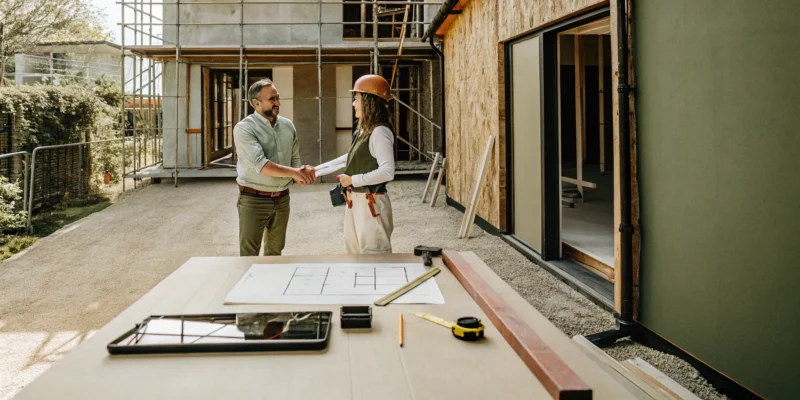
Building on Long Island comes with its own unique set of rules. From navigating the specific zoning laws in your village to choosing materials that can withstand our coastal weather, a home extension here requires local expertise. A beautiful addition does more than just add space; it should complement your home’s style and feel like it was always meant to be there. This is especially true in our diverse architectural environment. To get it right, you need a team that understands the local landscape. This guide is designed for Long Island homeowners like you, covering everything from permits to finding experienced residential home extension builders who know how to build for our community.
Key Takeaways
- Choose Your Builder Wisely: Your project’s success hinges on your builder, so look past the portfolio. Verify their license and insurance, speak with recent references, and ask detailed questions during your consultation to confirm their expertise and communication style.
- Protect Your Budget: Smart financial planning is essential for a successful project. Always get detailed quotes that break down costs, be cautious of low-ball estimates, and include a contingency fund of 15-20% to handle any surprises without stress.
- Get It All in Writing: A handshake is not a contract, so protect yourself with a detailed written agreement. It should specify the project scope, materials, timeline, and payment milestones, and you should use formal change orders for any mid-project adjustments.
What Is a Home Extension, and Is It Right for You?
If you love your home and neighborhood but find yourself running out of room, a home extension might be the perfect solution. An extension is simply a way to add more living space to your existing house, whether it’s a new room, a second story, or a converted garage. It allows you to customize your home to fit your family’s changing needs without the stress and expense of moving. From creating a dedicated home office to building a spacious in-law suite, a well-designed extension can completely transform how you live in your home.
Deciding if an extension is right for you comes down to your goals, budget, and how much disruption you’re willing to handle. These projects can add significant value and function to your property, but they require careful planning. The first step is understanding the different types of extensions and figuring out which one aligns with your vision. Exploring your options will help you create a space that not only meets your immediate needs but also serves your family for years to come. A professional home remodeling team can guide you through the entire process, from initial design to final construction.
Single-Story Additions
A single-story addition expands your home’s footprint on the ground level. This is a fantastic way to add a specific room you’ve always wanted, like a bright sunroom, a family game room, or a much-needed guest bedroom. Because it’s built on one level, this type of extension can often be integrated seamlessly with your home’s existing layout, improving its flow and functionality. It’s a popular choice for adding a master suite on the main floor or expanding a kitchen to create a large, open-concept living area. The key is to design a space that feels like it was always part of the original home.
Multi-Story Additions
When you need a significant amount of new space, a multi-story addition is an excellent option. This involves adding rooms on multiple levels, or even adding an entire second story to your home. This type of project can double your square footage, making it possible to add multiple bedrooms and bathrooms, a spacious media room, or a private mother-in-law suite. While it’s a more complex undertaking, a multi-story addition is a powerful way to get the space you need without sacrificing your yard. You can see examples of these large-scale transformations on the Gappsi YouTube channel, which showcases what’s possible when you build up instead of out.
Sunrooms and Enclosed Patios
A sunroom or enclosed patio is the perfect way to bridge the gap between your indoor and outdoor living areas. These additions are designed with large windows to let in plenty of natural light, giving you a comfortable spot to enjoy the beauty of your backyard year-round, no matter the weather. A sunroom can serve as a cozy reading nook, a vibrant playroom, or a beautiful dining area for entertaining guests. Similarly, enclosing a patio creates a versatile, protected space for relaxing or hosting gatherings. These additions are a wonderful way to enhance your lifestyle and make the most of your Long Island property.
Garage and Loft Conversions
If you’re looking for a creative way to add living space without changing your home’s footprint, consider converting your garage or attic. These underutilized areas hold incredible potential. A garage can be transformed into a home gym, a guest suite, or a functional home office. Likewise, an attic or loft can become a charming bedroom, a quiet study, or a fun home theater. Since you’re working within the existing structure, garage and loft conversions can often be a more streamlined and cost-effective project than building a brand-new addition from the ground up. It’s all about reimagining the space you already have.
How to Choose a Home Extension Builder
Choosing a builder for your home extension is one of the most important decisions you’ll make during your renovation. This is the team you’re trusting to transform your living space, so it’s essential to find a partner who is skilled, reliable, and a good fit for your vision. Think of it as assembling your dream team for a major project. The right builder acts as more than just a contractor; they are a guide, helping you make informed decisions about design, materials, and budget. A little research upfront can save you from major headaches down the road and ensure your project runs smoothly from the initial design to the final walkthrough.
Finding the right fit means looking beyond the price tag. You want a company with a proven track record, a commitment to quality, and a communication style that works for you. This process involves several steps, from verifying credentials to speaking with past clients. Each step gives you a clearer picture of who you’ll be working with for the next several months. By focusing on a few key areas, you can confidently select a builder who will not only meet your expectations but exceed them, bringing your dream extension to life with professionalism and care. The following steps will help you evaluate potential builders and make a choice you feel great about.
Check for Licenses, Insurance, and Certifications
Before you even look at a portfolio, make sure any builder you consider has their paperwork in order. This is a non-negotiable first step. A reputable builder must be licensed to work in your area and carry both liability insurance and workers’ compensation. This protects you from financial risk if an accident happens on your property. Don’t just take their word for it; ask for proof of their license and insurance policies. A professional company will have this information ready and will be happy to provide it. This simple check ensures you’re working with a legitimate business that adheres to local regulations and professional standards for home remodeling.
Review Their Experience and Portfolio
Once you’ve confirmed a builder is licensed and insured, it’s time for the fun part: looking at their past work. A portfolio is more than just a collection of pretty pictures; it’s proof of their experience and a window into their craftsmanship. Look for a builder with a strong track record of completing projects similar to yours. Do their designs align with your aesthetic? Pay attention to the quality of the materials and the attention to detail. A company that showcases a wide range of projects, from custom masonry to complex additions, demonstrates versatility and deep expertise. This review helps you find a team that can not only build your extension but also manage the entire process seamlessly.
Read Reviews and Ask for References
A builder’s reputation is built on the experiences of their past clients. Start by reading online reviews on various platforms to get a general sense of customer satisfaction. While a few negative comments aren’t always a deal-breaker, look for patterns in the feedback. Next, ask the builder for a list of recent references, and be sure to follow up with them. Speaking directly with former clients gives you a chance to ask specific questions about their experience. Were they happy with the communication? Did the project stay on schedule and on budget? Seeing project videos and testimonials on a platform like YouTube can also provide unfiltered insight into a builder’s work and client relationships.
Finding Reputable Builders on Long Island
When you’re ready to find a builder for your home extension on Long Island, your search should focus on quality and reputation. A great starting point is looking for builders who are active in local industry groups, as this often shows a commitment to their craft. But a truly great partner goes beyond affiliations. You want a team that is transparent, communicative, and dedicated to bringing your specific vision to life, whether you’re adding a new wing or simply enclosing a patio.
The Gappsi Standard of Excellence
To understand what to look for, it helps to have a benchmark. At Gappsi, we’ve built our reputation since 1987 on a foundation of exceptional craftsmanship and total customer satisfaction. We believe the best projects happen when you are involved and informed every step of the way. Our approach to home remodeling is centered on transparency, from the initial design to the final walkthrough. This commitment is why so many Long Island homeowners trust us not just for extensions, but for everything from swimming pools and masonry to complete landscape transformations. We bring decades of experience to every job, ensuring your project meets the highest standards of quality.
How to Evaluate Local Builder Listings
As you browse local builders, use a consistent method to assess each one. First, read their online reviews and testimonials. What past clients say is incredibly telling about a company’s work ethic and final product. Next, carefully review their portfolio. A builder should be proud to show off their work, giving you a clear picture of their style and capabilities. You can often find project galleries or even videos on their website or social media channels that showcase their past projects. Finally, pay attention to their professionalism from the very first call. A responsive, clear communicator is exactly who you want managing your project.
How to Vet a Builder Before You Hire Them
Once you have a shortlist of potential builders, it’s time to do your homework. This vetting stage is arguably the most important part of the entire process. It’s where you move beyond glossy portfolios and have real conversations to find a partner you can trust with your home and your investment. Taking the time to ask smart questions, verify credentials, and check in with past clients will give you the confidence you need to move forward and protect you from costly surprises down the road.
Key Questions to Ask During Your Consultation
Your initial consultation is more than just a sales pitch; it’s a fact-finding mission. Come prepared with questions to understand each builder’s process and expertise. A great start is asking for a detailed quote that separates material costs from labor. You should also ask about their project management style, who your main point of contact will be, and how they handle communication. Inquire about their typical timeline for a home remodeling project similar to yours and how they manage unexpected delays. A professional builder will welcome these questions and provide clear, confident answers.
Verify Their Licenses and Insurance
Never, ever skip this step. A legitimate builder must be licensed to operate in your area and carry adequate insurance. This isn’t just red tape; it’s your primary protection. Ask for a copy of their state or local license and proof of both general liability insurance and workers’ compensation. General liability covers damage to your property, while workers’ comp protects you from being liable if one of their crew members gets injured on your job site. You can often verify a contractor’s license online through state government websites. A builder who hesitates to provide these documents is a major red flag.
How to Properly Check References
Talking to past clients is the best way to get an unfiltered look at what it’s like to work with a builder. Don’t just settle for a list of names. Ask for references from projects completed in the last year that are similar in scope to yours. When you call, go beyond asking, “Were you happy with the work?” Ask specific questions like: Did the project stay on budget? Was the team respectful of your home? How did the builder handle challenges when they arose? Did they communicate clearly and consistently? You’re looking for patterns of professionalism, reliability, and quality craftsmanship, like the kind you’d see in a detailed masonry portfolio.
How to Compare Quotes Without Getting Burned
Receiving quotes for your home extension is an exciting step. It’s when your project starts to feel real. But this is also where you need to be the most careful. Comparing bids isn’t just about finding the lowest number; it’s about understanding what you’re truly getting for your money. A quote that seems like a bargain on the surface can hide major problems, from surprise costs to subpar work. To make a confident decision, you need to know how to read between the lines, identify what a comprehensive quote looks like, and spot the red flags that signal a bad deal. Think of it as your project’s first quality control check. A builder who provides a clear, detailed, and honest quote is likely to bring that same level of professionalism to the actual construction of your home.
What a Detailed Quote Should Include
A trustworthy quote is a transparent one. You should always aim to get at least three bids to have a solid basis for comparison. A professional builder will provide a quote that clearly separates the costs of materials from the costs of labor. This breakdown is essential because it helps you see exactly where your money is going and compare different offers accurately. Vague, one-line totals are a sign that a contractor might be hiding something. Also, a good contract should specify that the final payment is held until the entire home remodeling job is finished to your satisfaction, ensuring the builder is motivated to complete every last detail.
Spot Red Flags in Low-Ball Estimates
While it’s tempting to jump on the lowest offer, an unusually low bid is often a major red flag. Some contractors might give you a low price just to get the job, only to cut corners on materials or hit you with unexpected charges later. Be wary if a builder’s price magically matches the budget you mention. A true professional prices the job based on the work required, not on what they think you can pay. Choosing a builder shouldn’t be based on price alone. You need someone with proven experience and a deep understanding of Long Island’s local building codes, especially for complex projects like masonry and structural additions.
Understand Your Cost Breakdown
Before you even look at quotes, it’s helpful to have a realistic grasp of your total budget. While every project is unique, understanding the general costs of construction can provide valuable context. More importantly, always leave room in your budget for a contingency fund, typically 10% to 20% of the total project cost. This isn’t just for “what if” scenarios; it’s a practical tool for managing unexpected issues, like discovering hidden structural problems or deciding on a last-minute upgrade. Having this buffer prevents financial stress and ensures your project, whether it’s a new sunroom or a full swimming pool installation, can proceed smoothly without compromising on quality.
What Does a Home Extension Actually Cost?
Let’s talk about the numbers. While every project is unique, you can get a general idea of the investment required. A typical home addition often falls in the range of $160 to $280 per square foot. For a standard 400-square-foot room, that could mean a budget between $65,000 and $115,000. Of course, this is a starting point. The final price tag depends heavily on what you’re building. Adding a simple family room or office will cost less than a more complex space. If your extension includes a full kitchen or a luxurious primary bathroom with high-end fixtures, the cost can easily climb above $350 per square foot.
The key is to understand that you are not just paying for square footage; you are paying for the complexity, materials, and craftsmanship that go into it. A well-planned home remodeling project is an investment in your property’s value and your family’s quality of life. Working with an experienced builder who can provide a transparent and detailed quote is the best way to understand exactly where your money is going and ensure there are no surprises along the way.
Factors That Affect the Final Price
Several key factors influence the final cost of your home extension, and it’s helpful to know what they are. The location of your home, the materials you select, and local labor rates are the biggest drivers. On Long Island, both labor and materials can have different costs compared to other regions. As a general rule, your budget will be split between materials, which make up about 60% of the total, and labor, which accounts for the other 40%. Your choice of finishes can create a wide price swing. For example, selecting high-end porcelain and natural stone will have a different budget impact than choosing more standard options.
How to Budget for Permits, Materials, and Labor
A good budget goes beyond the basic costs of construction. You should also plan for an additional $10,000 to $15,000 to cover essential pre-construction expenses. This portion of the budget typically includes things like architectural plans, soil tests, and municipal permits and fees. These aren’t optional extras; they are necessary steps to ensure your project is safe, compliant, and built to last. A reputable builder will help you account for these costs upfront in their initial estimate, so you have a complete picture of the total investment required before any work begins. This transparency is a sign you’re working with a true professional.
Why You Need a Contingency Fund
No matter how carefully you plan, unexpected issues can arise during a renovation. That’s why a contingency fund is an absolute must. Think of it as a safety net for your budget. Most professionals recommend setting aside an extra 15% of your total project cost for this fund. It can cover anything from addressing a hidden structural problem discovered during demolition to a last-minute material price increase. Having this fund in place provides peace of mind and ensures that a minor hiccup doesn’t derail your entire project. It gives you the flexibility to handle surprises without compromising on the quality of your extension.
Common Mistakes to Avoid When Hiring a Builder
Hiring a builder for your home extension is a major decision, and it’s easy to feel overwhelmed. You want to find someone trustworthy who can bring your vision to life without the drama. Unfortunately, a few common missteps can turn your dream project into a stressful ordeal. Knowing what these pitfalls are ahead of time is the best way to protect your investment and your peace of mind. These mistakes are surprisingly common, but they are also completely avoidable with a little bit of foresight.
From handshake deals that leave out critical details to falling for a price that seems too good to be true, these errors can lead to budget overruns, project delays, and disappointing results. The goal isn’t to make you second guess your project, but to empower you to move forward with confidence. A professional and transparent process is the foundation of any successful build. When you work with an experienced team, they will guide you through each step, ensuring every detail is covered before the work even begins. This proactive approach is key to a smooth home remodeling experience. Let’s walk through the most frequent mistakes so you can sidestep them entirely.
Skipping the Written Contract
A verbal agreement or a simple handshake is not enough when it comes to your home. You should always get every single detail in writing. A comprehensive contract is your most important tool, acting as a roadmap for the entire project. It protects you and the builder by clearly outlining expectations, preventing misunderstandings and arguments down the line. Your contract should specify the full scope of work, a detailed list of materials, a project timeline with key milestones, and a clear payment schedule. Think of it as the official rulebook for your project. A professional builder will insist on a detailed contract before starting any work.
Paying Too Much Upfront
It’s understandable that a builder needs funds to get started, but paying the full amount before the work is complete is a huge red flag. A large upfront payment removes the builder’s incentive to finish the job to your satisfaction. In a worst case scenario, a dishonest contractor could take your money and disappear. The industry standard is a modest deposit, typically 10% to 20%, to cover initial material costs. After that, you should agree on a payment schedule tied to the completion of specific project phases. For example, you might make a payment after the foundation is poured, another when framing is complete, and so on, with the final payment due only when the project is finished and you are completely satisfied.
Choosing Based on Price Alone
Everyone loves a good deal, but when it comes to building an extension on your home, the lowest bid is rarely the best one. An unusually low estimate can be a sign of trouble, often indicating that the builder is cutting corners with subpar materials, using inexperienced labor, or planning to surprise you with extra charges later. Instead of focusing only on the price, consider the overall value. A reputable builder’s quote reflects their experience, quality craftsmanship, and use of durable materials. Investing in a well-built swimming pool or home addition means it will last for decades, saving you money on future repairs.
Ignoring Planning Permissions
The excitement of starting a new project can sometimes overshadow the less glamorous, but essential, administrative tasks. In Long Island, obtaining the correct permits from your town or village is a legal requirement for most construction projects. If your home is part of a homeowners association (HOA), you will likely need their approval as well. Ignoring these steps can lead to serious consequences, including hefty fines, work stoppages, or even being ordered to tear down the new construction. An experienced local builder will be familiar with the specific codes and permitting processes in Nassau and Suffolk counties, managing this complex step on your behalf.
Having Unclear Expectations
To get exactly what you want, you need to be crystal clear about your vision from the very beginning. Vague instructions lead to ambiguous results. Before any work starts, take the time to define every detail of your project. This includes everything from the layout and dimensions to the specific brands and models of fixtures, the type of flooring, and even the paint colors. The more detailed you are, the better. All these specifications should be written directly into your contract. This ensures there is no room for misinterpretation and helps your builder deliver a final product that perfectly matches what you had in mind.
How to Manage Your Home Extension Project
Once you’ve signed the contract, the real journey begins. Managing a home extension might sound intimidating, but it’s all about clear communication and staying organized. A great builder will guide you through every phase, but your involvement is what ensures the final result matches your vision perfectly. Think of yourself as the project’s director and your builder as the expert producer making it all happen. The key is to establish a collaborative relationship from day one.
At Gappsi, we manage the entire project from start to finish, which takes a lot of the pressure off you. We believe in a transparent process where you’re always in the loop. By breaking the project down into manageable steps, you can track progress, handle any surprises, and keep an eye on the budget without feeling overwhelmed. Let’s walk through how to keep your project running smoothly.
Set Clear Milestones and Check-Ins
Before the first hammer swings, you and your builder should agree on a series of project milestones. These are specific, measurable stages of completion, like finishing the foundation, completing the framing, or installing the windows. Having these milestones written into your contract creates a clear roadmap for the project and helps manage payment schedules.
Schedule regular check-ins, whether it’s a quick daily chat or a more formal weekly walkthrough. This is your time to see the progress firsthand, ask questions, and discuss what’s next. Consistent communication prevents misunderstandings and ensures you and your builder are always on the same page. A company that provides comprehensive home remodeling services will already have a structured system for this, making the process feel organized and predictable.
How to Handle Mid-Project Changes
Even with the best planning, changes can happen. You might decide you want different light fixtures, or your builder might uncover an unexpected structural issue. The most important thing is to handle these changes formally. Don’t rely on a verbal agreement. Instead, ask for a written “change order.”
A change order should clearly describe the new work, detail the impact on the total cost, and adjust the project timeline accordingly. Both you and your builder should sign it before any new work begins. This document protects everyone and keeps the budget transparent. It’s also smart to plan for the unexpected from the start. Many experts suggest setting aside an extra 10% to 15% of your total budget just for these kinds of situations.
Tips for Staying on Budget
Sticking to a budget is one of the biggest concerns for any homeowner. Your best defense is a detailed plan and a contingency fund. As we just mentioned, having extra funds set aside for unexpected costs is essential. You can’t predict everything, so having a financial cushion prevents a small issue from turning into a major crisis.
As a general guideline, some financial experts point to the 30% rule for home renovations, which suggests the total cost shouldn’t exceed 30% of your home’s current value. This can help you set a realistic initial budget. Throughout the project, track every expense against your initial cost breakdown. By monitoring spending and approving any changes in writing, you can maintain financial control and finish your project without any stressful surprises.
Extending Your Home on Long Island: What Makes It Different
Adding an extension to your home is a big step, and on Long Island, it comes with its own set of unique considerations. Our beautiful island has a distinct character, from its charming villages to its stunning coastline, and these features play a big role in any construction project. Understanding the local landscape is the first step to a successful home addition.
First, Long Island is a patchwork of towns and villages, each with its own specific zoning laws and building codes. What’s permissible in one part of Nassau County might be different from the rules in Suffolk. This is why working with a builder who has deep local experience is so important. They can help you manage the permitting process and ensure your project complies with all local requirements.
Given our coastal geography, you also have to think about the environment. Many areas are subject to special regulations to protect against flooding and erosion. Your extension might need to be elevated or built with specific materials that can withstand salt air and strong storms, following state guidance for building in coastal areas. A knowledgeable builder will know exactly how to source the right materials and apply the proper construction techniques to protect your investment from the elements.
Finally, think about style. Long Island boasts a wonderful mix of architectural designs, from historic colonials to sleek, modern homes. A great extension doesn’t just add space; it complements the existing structure and enhances your home’s character. In our competitive real estate market, a thoughtful, well-integrated addition can significantly increase your property’s value, making it a smart investment for the future.
Related Articles
- Extension Projects & Remodeling Services in Long Island | Gappsi Inc
- Home Remodeling & Construction Services Long Island | Gappsi Inc
- Long island NY Archives – Gappsi Group
Frequently Asked Questions
How long will my home extension project take? The timeline for a home extension can vary quite a bit depending on the project’s size and complexity. A straightforward, single-room addition might take a few months, while a large, multi-story extension could take six months or longer. Factors like obtaining permits, weather delays, and the availability of specific materials also play a role. A professional builder will provide you with a detailed project schedule upfront so you have a clear understanding of the timeline from start to finish.
Will I need to hire a separate architect for the design? Not necessarily. While you can certainly hire an architect first and then find a builder, many homeowners prefer working with a design-build company. A design-build firm, like Gappsi, handles the entire process for you, from the initial design concepts and architectural drawings to the final construction. This integrated approach streamlines communication and ensures the design is perfectly aligned with your budget and the practicalities of construction.
Can I live in my house during the construction? For most home extensions, you can absolutely continue living in your home. A professional construction team will take great care to minimize disruption to your daily life. They will seal off the work area to control dust and debris and maintain a clean, organized job site. If the project involves a major renovation of a critical area like your only kitchen, you might need to make temporary arrangements, but your builder will discuss this with you well in advance.
How do you ensure the new addition matches the style of my existing home? Making an extension feel like a natural part of your home is a top priority. This is achieved through careful planning during the design phase. We pay close attention to matching architectural details like rooflines, window styles, and exterior materials, whether it’s siding, brick, or stone. The goal is to create a seamless transition so that the finished project looks like it was always meant to be there, not like an afterthought.
What is the first step I should take if I’m interested in a home extension? The best first step is to define your goals and gather inspiration. Think about what you need from the new space and collect photos of extensions or rooms you love. Once you have a general idea of your vision, the next step is to schedule a consultation with an experienced builder. This initial meeting allows you to discuss your ideas, understand what’s possible with your property, and get a preliminary sense of the budget and process.