


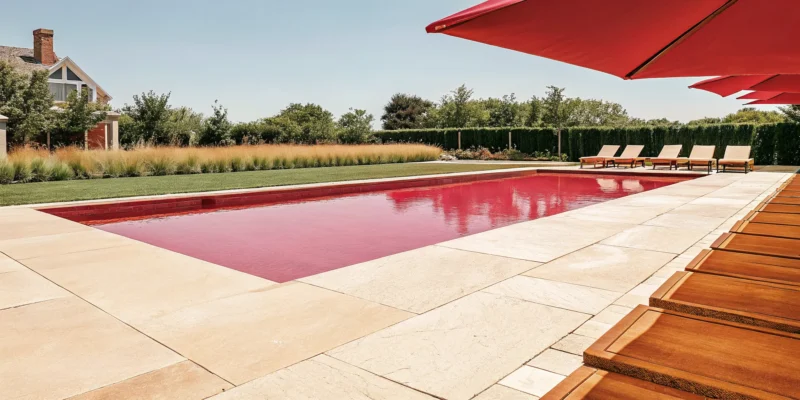
Long Island winters expose weak pool edges long before summer swimmers do. The right coping must handle freeze-thaw cycles, wet feet, and the visual weight of the entire backyard.
Ready to compare pool coping options for your Long Island backyard? Schedule a consultation with Gappsi’s design team.
Pool coping materials form the finished cap around an inground pool, protecting the structure while creating a safer, more comfortable edge. Coping also separates the waterline from the surrounding deck and gives swimmers a defined place to grip. For Long Island backyards, the main choices include natural stone, concrete pavers, porcelain, and brick, but each differs in texture, upkeep, cost, and winter performance. A sound selection should feel secure under wet feet, coordinate with the pool patio, and withstand repeated weather exposure. Construction standards recognize the need for materials that tolerate freezing temperatures, an important concern in Nassau and Suffolk Counties. The best option balances appearance with the edge profile, installation method, and long-term care that fit how your family uses the pool.
Choosing well starts with understanding what coping contributes beyond appearance through every Long Island season. Before comparing stone, concrete, porcelain, and brick for a Nassau or Suffolk County yard, consider the foundation question: What does pool coping do? A confident material decision begins with
What does pool coping do?
Pool coping caps the top edge of an inground pool, protects the structure, and creates a comfortable boundary for swimmers. It also helps direct water away from vulnerable joints and visually connects the pool with the surrounding patio. The right profile and texture improve both function and appearance.
Protection at the pool edge
Pool coping is the finished cap where the pool wall meets the surrounding deck. It covers the exposed edge and helps protect the pool structure from daily use, splashes, and weather. This narrow band also gives the perimeter a stable, clean finish instead of leaving a raw construction edge.
Coping takes repeated contact from feet, hands, furniture, and cleaning tools. A loose, cracked, or poorly set piece can weaken the edge and create an uneven boundary. For that reason, the material, base, and joints must work as one built system.
The coping’s shape and pitch help guide splash water and deck runoff away from vulnerable joints. Drainage still depends on the full patio plan, not coping alone. Water that collects near the edge can expose nearby materials to repeated wetting and cold-weather stress.
Cold-weather durability matters across Nassau and Suffolk Counties. Public pool rules hosted by the University of Texas note that materials must withstand freezing temperatures. That requirement offers a useful test when comparing pool coping materials for Long Island conditions.
A comfortable, secure boundary
Coping forms the boundary swimmers touch as they enter, rest, or pull themselves from the water. A rounded or eased edge can feel better in the hand than a sharp corner. The selected profile should fit both the pool design and the way people will use the edge.
Surface texture matters because coping is often wet. A lightly textured finish can provide a steadier contact point, while a highly polished surface may feel slick underfoot. Homeowners comparing best paving materials for pool coping should weigh grip, edge shape, and heat comfort alongside color.
A visual link to the patio
Coping also acts as a visual frame around the water. It can match the patio for a seamless look or add controlled contrast that defines the pool’s outline. Width, color, joint spacing, and edge style all affect how the pool fits the yard.
This visual connection works best when the coping is planned with pavers, steps, stonework, and other hardscape features. Reviewing it as part of the full Swimming Pool Construction layout helps adjoining surfaces meet with purpose. It also gives installers a chance to coordinate drainage, joints, and elevations before separate materials come together.
Compare the most popular pool coping materials
The right coping should frame the water, suit the surrounding hardscape, and feel secure underfoot. Natural stone, porcelain, concrete, and brick each offer a distinct look and care profile. This comparison gives homeowners a practical starting point before reviewing samples and edge details.
Pool coping materials at a glance
No single material is the right choice for every pool. Climate, finish, installation quality, and routine care can all shape long-term performance. In cold regions, select materials rated to withstand freezing temperatures, as noted in these pool construction rules.
| Material | Appearance | Maintenance | Durability considerations | Best-fit design |
|---|---|---|---|---|
| Natural stone | Organic color and varied texture | May need cleaning and sealing, based on stone type | Performance varies by stone, finish, and climate | Traditional, estate, and nature-led settings |
| Porcelain | Clean lines and consistent color | Usually simple routine cleaning | Requires a product suited to outdoor pool use | Modern and streamlined pool areas |
| Concrete | Flexible shapes, colors, and edge profiles | May need sealing and crack monitoring | Mix, base preparation, and installation affect results | Custom forms and coordinated decks |
| Brick | Warm color and familiar pattern | Joints may need cleaning or repair over time | Choose units rated for the local climate | Classic homes and patterned hardscapes |
Appearance and design fit
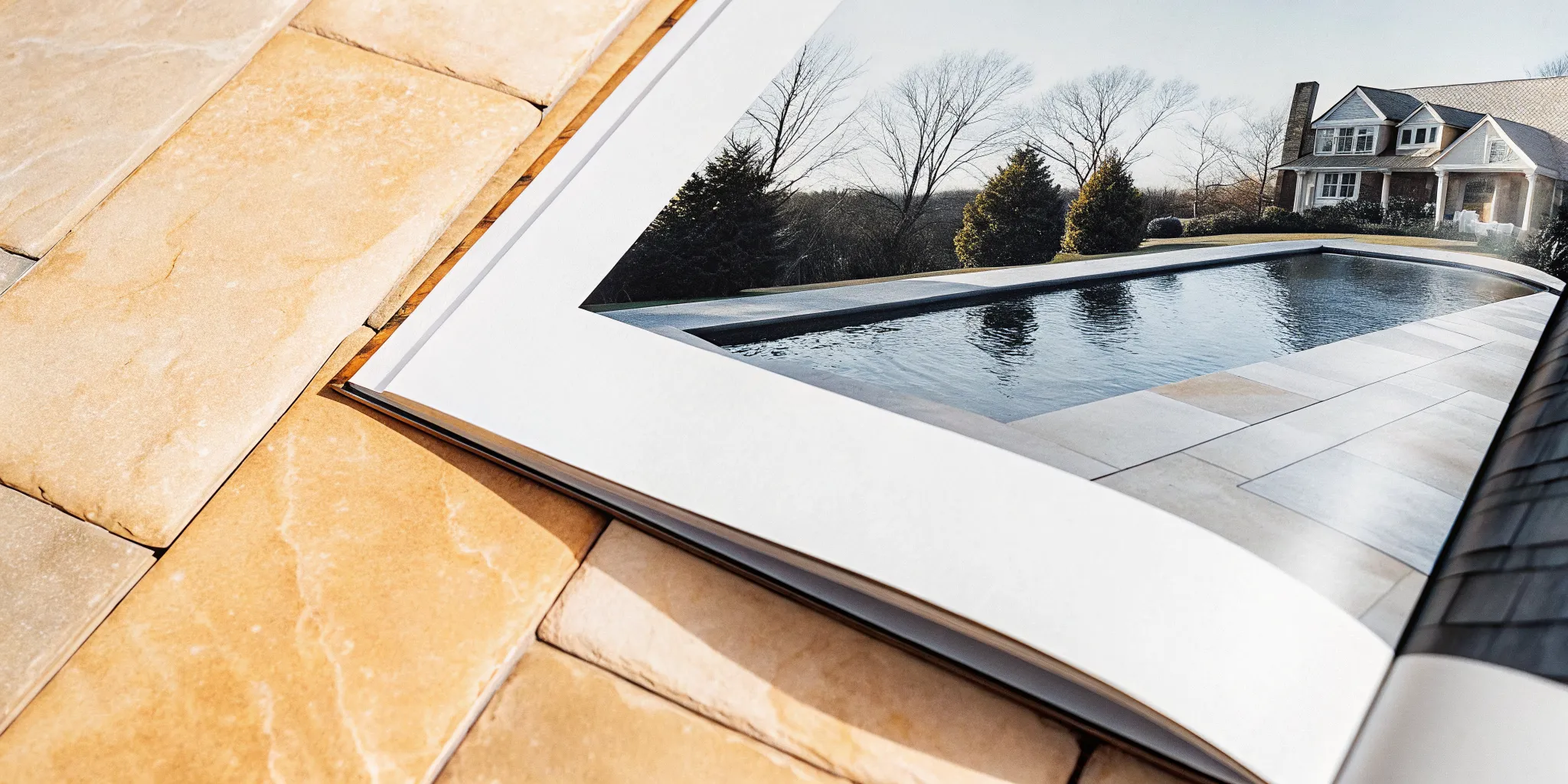
Natural stone brings subtle color shifts and texture, which can soften the line between a pool and its landscape. Porcelain creates a more even surface and a crisp visual rhythm. Concrete can follow curves or custom shapes, while brick adds warmth through its scale and repeating joints.
Look beyond the coping as a separate border. Its tone, width, and edge should work with the pool interior, patio, and nearby masonry. Reviewing the best paving materials for pool coping can help connect the coping choice with the broader patio plan.
Care, durability, and sample review
Maintenance depends on the exact product and finish, not only the material category. Some natural stones and concrete finishes may benefit from periodic sealing. Brick joints can need attention, while porcelain often relies on sound installation and well-kept joints for a neat appearance.
Ask to see full-size samples in daylight before making a final choice. Touch each finish with wet hands and compare how colors look beside the pool tile. Also confirm freeze ratings, edge comfort, cleaning needs, and repair options with the installer.
A coordinated plan can reduce awkward transitions between coping, decking, and other stonework. Gappsi’s custom masonry and stonework services help homeowners assess those details as part of the full outdoor setting.
Natural stone coping brings distinctive character
Natural stone gives pool coping a look that manufactured pieces cannot duplicate. Each piece can show its own color, grain, pits, and tonal shifts. Those changes help the pool edge feel connected to patios, walls, and the wider landscape.
When comparing pool coping materials, start with the whole-site design rather than selecting a stone sample alone. Review water color, decking, house masonry, and nearby planting together. This broader comparison helps prevent a visually disconnected pool edge.
Stone varieties and visual character
Travertine, limestone, granite, marble, and sandstone each create a distinct design direction. The right choice depends on the planned color palette, desired pattern, available finishes, and the character of the home.
- Travertine can support a warm, relaxed setting with visible texture and tonal movement.
- Limestone suits quiet designs that call for a restrained and unified stone border.
- Granite can create a crisp, substantial edge within a formal or modern plan.
- Marble brings strong visual presence when the design calls for a polished sense of luxury.
- Sandstone can complement casual landscapes through its earthy color range and natural-looking surface.
Natural variation is part of the appeal, but it requires careful planning. Review several full pieces instead of approving the project from one small sample. A dry layout also lets the installer balance stronger veins, color shifts, and textures around the pool.
Finish and edge comfort
The finish changes how stone looks and feels at the waterline. A smooth finish can appear refined, while more texture can add grip. Guidance on pool areas notes that extra texture on coping is a smart safety measure.
Edge shape deserves equal attention because swimmers may sit, lean, or pull themselves over the coping. An eased or rounded edge can create a gentler contact point than a sharp profile. Compare actual edge samples by hand before making a final choice.
Finish and edge details should also suit the rest of the masonry. Consistent lines can connect coping with steps, raised walls, and nearby paving. Thoughtful transitions let natural stone read as one part of the full outdoor design.
Sealing, care, and lasting appeal
Ask the installer how the selected stone, finish, and local conditions affect sealing and routine care. The maintenance plan should name suitable cleaners, an inspection schedule, and signs that need attention. Avoid assuming that every natural stone follows the same care plan.
Cold-weather performance matters on Long Island. Pool rules referenced by the University of Texas call for materials able to withstand freezing temperatures. Confirm that the chosen stone and installation plan are suited to seasonal freeze conditions before work begins.
Natural stone earns its luxury appeal through composition, not through the material name alone. Balanced color placement, a comfortable edge, and clean ties to surrounding masonry create a considered result. With the right planning, the coping becomes a defining detail within the complete outdoor setting.
Bring your preferred textures and colors together before installation. Visit Gappsi’s Smithtown showroom or schedule a pool design consultation.
Is porcelain coping right for a modern pool?
Porcelain coping is well suited to modern pools when homeowners want crisp lines, consistent color, and a surface designed for easy care. The best results depend on choosing an exterior-rated, textured product and coordinating its thickness, edge profile, base, and joints with the surrounding patio.
Porcelain is a strong candidate when a pool design calls for clean lines and a controlled, modern finish. Among pool coping materials, it stands out for low water absorption, steady color, and simple routine care.
A crisp, consistent appearance
Porcelain coping can give the pool edge a precise look without making the setting feel plain. Its consistent color and finish work well with geometric pools, broad patios, and streamlined outdoor living spaces.
The range of available looks can support either a quiet backdrop or a bold contrast at the waterline. This flexibility lets the pool edge complement modern architecture without drawing attention from the full landscape.
It also helps connect the coping with nearby paving when the project uses a coordinated design. Homeowners comparing finishes can review Gappsi’s porcelain patio and coping guide for a closer look at this material.
Low absorption and routine care
Porcelain absorbs little water, which can make regular upkeep more direct. Its dense surface is less likely to hold common marks. The consistent finish can also help the pool edge keep a neat appearance.
Routine care still matters. Sweep away loose debris, clean spills, and check joints as part of normal pool maintenance. In a cold climate, material selection and installation must also account for freezing conditions. Published pool construction rules note that materials must withstand freezing temperatures.
- Choose a finish that supports safe footing around wet areas.
- Match the coping color with the pool interior and nearby paving.
- Plan joint details and edge profiles with the full pool design.
Where porcelain fits best
Porcelain may be the right choice when the main goals are a modern appearance, controlled color, and manageable care. It works best when coping, patio paving, and masonry are planned together rather than selected as separate parts.
The final choice should also reflect the home’s architecture, expected use, and the feel of the wider landscape. Compare porcelain with stone, concrete, and brick before deciding. A side-by-side showroom review offers a useful starting point.
When do concrete or brick coping make sense?
Concrete and brick coping make sense when their color, scale, and edge detail support the home’s architecture and surrounding hardscape. Concrete offers broad design flexibility, while brick brings a familiar traditional character. In either case, Long Island homeowners should evaluate texture, joint layout, winter exposure, and maintenance.
Concrete for flexible pool edges
Concrete makes sense when the coping must follow curves, custom corners, or a clean modern layout. It can be formed in place or installed as precast units. Color, texture, and edge shape can help it relate to the patio without making the pool border feel busy.
This option works well when the design calls for a broad, smooth-looking band around the water. Concrete still needs careful material selection in Long Island’s climate. Pool construction materials should withstand freezing temperatures, according to public pool construction guidance.
Brick for a traditional setting
Brick coping suits homes and yards with a classic, warm, or established look. Its smaller units can trace curved pools and create a clear border. Brick also pairs naturally with many masonry patios, garden walls, and older home styles.
The joints are a key part of the finished appearance. Their width, color, and pattern can make the edge feel formal or relaxed. Brick should also have a suitable surface and edge profile for bare feet near water. Compare the border directly with the surrounding patio.
Installation and upkeep
Neither material is maintenance-free. Concrete can develop cracks or surface wear, while brick joints may loosen or collect growth over time. Good installation starts with a stable base, sound joints, and a layout that moves water away from the pool.
- Check the coping for movement, cracks, loose units, and worn joints.
- Clean the surface with methods suited to the chosen finish.
- Repair damaged joints before water reaches the base below.
- Confirm the edge remains comfortable and secure underfoot.
The right choice depends on the pool shape, nearby masonry, and the amount of routine care the homeowner accepts. Concrete offers more freedom in shape and finish. Brick brings a distinct pattern and traditional character. Both pool coping materials perform best when coping, decking, and drainage are planned together.
How should Long Island homeowners choose coping?
Long Island homeowners should choose coping by comparing wet-foot traction, edge comfort, freeze-thaw suitability, maintenance, and visual fit with the patio. Reviewing full-size samples beside the pool is more useful than choosing from a small photo. The installation plan should also coordinate drainage, joints, and elevations.
The right choice balances appearance, comfort, weather resistance, care needs, and installation details. Start with the full pool area rather than choosing coping by itself. This approach helps the pool edge work with the patio, waterline tile, and nearby masonry.
A six-step selection process
Use the following process to compare pool coping materials in a clear order. It keeps early design choices from hiding practical concerns that affect daily use.
- Define the design direction. Decide whether the pool should feel formal, natural, modern, or traditional. Then narrow the material, color, shape, and edge profile to choices that fit that goal.
- Test texture and edge comfort. Wet each sample and feel its surface with a bare hand. Check that the edge feels smooth against arms and feet without becoming slick.
- Plan for Long Island weather. Ask how each option handles freezing weather, moisture, pool chemicals, and seasonal temperature shifts. Also confirm its sealing, cleaning, and repair needs.
- Coordinate nearby finishes. Compare coping beside the planned patio and waterline tile. Aim for a clear contrast at the pool edge without creating a mix of unrelated colors.
- Inspect full-size samples. View them outdoors in sun and shade, then wet them. Small photos may hide texture, color variation, glare, and the true scale of an edge.
- Plan installation as one system. Confirm joints, drainage, cuts, transitions, and edge details before work begins. The coping, pool shell, patio, and masonry should follow one plan.
Long Island performance checks
Freeze resistance deserves close review because coping sits beside water and faces winter weather. A university-hosted pool rule calls for materials that can withstand freezing temperatures. Homeowners should ask for product data and discuss how the installer handles joints and drainage.
Maintenance also affects the long-term fit. Ask whether the surface needs sealing and what cleaners are safe. Learn how stains, chips, and loose units are repaired. These answers can separate two choices that look alike at first.
A coordinated material palette
Coping can match the patio for a quiet, continuous look or contrast with it to mark the pool edge. Review the coping while comparing the broader patio plan. Keep waterline tile, wall caps, steps, and nearby stonework in the same sample review.
Finish the choice only after seeing the materials together in person. Bring the selected samples into daylight and view them from several angles. A coordinated plan reduces awkward cuts and helps each transition look intentional once installation starts.
Coordinate coping with the complete backyard design
Pool coping materials shape more than the rim of a swimming pool. Their edge, finish, and color affect how the water, patio, and nearby masonry read as one space. Plan these details together before installation starts, rather than treating coping as a final trim choice.
Edge profiles and daily use
A bullnose edge has a rounded face that creates a soft transition at the waterline. It suits traditional pools and gives swimmers a smooth surface to grip. A square edge has clean lines and works well with modern geometric designs.
Cantilever coping extends the patio surface over the pool wall, which creates a simple and continuous look. Each profile changes the visible thickness, shadow line, and feel of the pool perimeter. The right choice should fit both the pool shape and the way people enter the water.
Finish and color relationships
Start with the full material palette, not a single coping sample. Compare coping beside the patio surface, masonry veneer, waterline tile, and pool finish in the same light. A coordinated sample review helps frame this shared selection.
Exact color matches can make a design appear flat. A related tone often creates better depth while keeping the setting calm. Texture also matters because a polished-looking edge beside a rough patio can seem disconnected, even when both pieces share a color.
Material performance belongs in the design discussion too. Pool construction materials must be sound, and coping in a cold climate must handle freeze conditions. These requirements appear in published pool construction material rules, which support selecting for service needs as well as appearance.
One plan across the backyard
A coordinated plan sets coping dimensions before the patio pattern and masonry details are finalized. This helps align joints, control transitions, and avoid narrow cuts around curves or corners. It also lets the design team resolve height changes between the pool edge and nearby outdoor areas.
Working under one provider keeps the pool builder, patio crew, and masonry team focused on the same drawings and material schedule. Gappsi can coordinate custom masonry and stonework with the coping and patio design. That shared plan helps every finish support the pool’s shape instead of competing with it.
Review samples outdoors and view them dry and wet before approval. Also check the proposed edge profile at steps, seating areas, and gathering zones. These small choices guide comfort and visual flow across the complete backyard.
Frequently Asked Questions
What is the best material for pool coping in a Long Island backyard?
The best choice depends on the pool design, budget, and maintenance plan. For Long Island, prioritize a slip-resistant finish and proven freeze-thaw performance. Dense natural stone, exterior-rated porcelain, and quality concrete coping can all work when installed correctly. Review actual samples when wet, because color, texture, and grip can differ from product photos.
What is the cheapest option for pool coping?
Concrete coping is often the lowest-cost starting point, especially when a simple profile and standard finish suit the pool. However, the lowest initial quote may not deliver the lowest lifetime cost. Compare installation, sealing, repair, and replacement needs before deciding. Brick and natural stone may cost more upfront, while individual damaged units can sometimes be replaced without rebuilding the entire edge.
What is the most durable pool coping material?
There is no single most durable material for every pool. Granite, quality porcelain, and properly made concrete coping can provide long service when matched to the site. In Long Island’s climate, the product and installation system must tolerate freezing temperatures. Pool construction guidance also identifies freeze resistance as a material requirement, according to these pool rules.
Which pool coping materials stay cool in the summer?
Light-colored travertine, limestone, and some textured concrete products often feel cooler than dark, dense surfaces in direct sun. Actual surface temperature varies with color, finish, exposure, and weather. Ask to see outdoor samples, then compare them during a sunny afternoon. A material should also provide reliable wet traction, since a cooler surface is not automatically safer around water.
Are natural stone pool coping materials worth the cost?
Natural stone can justify its higher price when a homeowner values unique color variation, substantial edges, and a long-lasting appearance. Bluestone, sandstone, and limestone are among the available natural stone choices. The right selection still depends on finish, wet grip, sealing needs, and freeze-thaw suitability. Compare installed samples and maintenance requirements before choosing stone over porcelain, brick, or concrete.
Ready to choose pool coping for your backyard?
Waiting to select pool coping can delay design decisions and leave your pool edge disconnected from the patio, masonry, and wider backyard plan. Starting now gives you time to compare materials, review colors and textures, and choose details that suit your home before installation planning begins. An early consultation also helps align the coping, pool, and surrounding hardscape within one clear design, reducing rushed choices later in the process.
Ready to plan a polished, coordinated pool area? Contact Gappsi through our contact page to book a design consultation and arrange your visit to the Smithtown showroom. Bring your questions and ideas so the team can help you compare options and identify a practical next step for your Long Island backyard.