


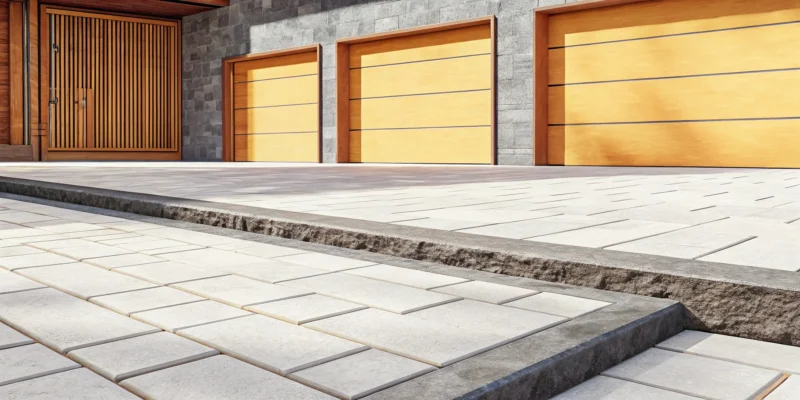
Many Long Island yards come with challenges. You might have a sloped property that’s difficult to use, a cracked driveway that ruins your home’s first impression, or simply no dedicated space for outdoor entertaining. These are the exact problems that professional masonry is designed to solve. A well-built retaining wall can turn a useless hill into a beautiful tiered garden, while a new paver patio creates the perfect spot for family gatherings. The best masonry contractors on Long Island, NY are expert problem-solvers, using stone, brick, and concrete to add both function and style to your property. This guide will show you how the right masonry project can fix your yard’s biggest issues and transform it into a space you love.
Key Takeaways
- Masonry is more than just bricks: It is the art of building the durable, beautiful structures that define your outdoor living area, from patios and walkways to retaining walls and outdoor kitchens.
- Your contractor is your project partner: Protect your home and investment by choosing a professional who is fully licensed, insured, and provides a detailed written contract before starting any work.
- A detailed plan prevents surprises: Ensure a smooth project by getting itemized estimates to compare value, setting a realistic budget, and confirming your contractor will manage the local permit process for you.
What Does a Masonry Contractor Do?
When you hear the term “masonry contractor,” you might picture someone laying a simple brick wall. While that’s part of the job, their skills cover a much wider range of services that are essential for creating beautiful and durable homes. A great masonry contractor is both an artist and an engineer, blending materials like stone, brick, and concrete to build structures that are as strong as they are stunning. From the foundation of your home to the intricate details of your outdoor patio, their work is everywhere. Let’s look at the specific tasks a masonry contractor handles.
Laying Bricks, Blocks, and Stones
At its core, masonry is the art of building with individual units. A contractor’s expertise involves skillfully laying bricks, blocks, and stones to form everything from foundational walls and chimneys to decorative garden borders and veneers. They understand how different materials and mortar types react to Long Island’s weather, ensuring your structures are built to last. This foundational skill is what allows for the creation of sturdy retaining walls that prevent soil erosion or elegant brickwork that gives your home timeless curb appeal. It’s a craft that requires precision, strength, and a deep knowledge of materials.
Pouring Concrete and Building Structures
Many masonry projects require a solid base, which is where concrete comes in. Professional masonry contractors are also experts at pouring concrete for a variety of applications. This includes creating strong foundations for new home additions, pouring slabs for sheds or pavilions, and forming structural components that provide stability for larger projects. They manage the entire process, from building the forms and mixing the concrete to finishing the surface for a smooth, level result. This expertise ensures that whatever is built on top, whether it’s a pergola or an outdoor kitchen, has the support it needs to remain secure for years.
Creating Patios, Walkways, and Outdoor Features
This is where a masonry contractor’s creativity really shines. They are the professionals you call to transform your backyard into a functional and inviting outdoor living space. Using materials like beautiful porcelain and natural stone pavers, they design and build custom patios for entertaining, elegant walkways to guide guests through your garden, and stunning pool surrounds. Their work can also include building outdoor kitchens, fire pits, and seating walls that become the centerpiece of your backyard. These features not only make your outdoor areas more enjoyable but also add significant value to your home.
Repairing, Restoring, and Sealing Surfaces
Masonry isn’t just about building new things; it’s also about maintaining and protecting existing structures. Over time, exposure to the elements can cause cracks in concrete, fading in pavers, or deterioration of mortar joints. A qualified contractor provides essential restoration and sealing services to address these issues. They can repair cracked patios, repoint aging brickwork, and apply professional-grade sealants to protect surfaces from water damage, stains, and wear. This preventative maintenance keeps your investment looking its best and extends the life of your masonry for decades.
Popular Masonry Projects for Long Island Homes
Masonry is the backbone of a truly exceptional outdoor living space. It’s what gives your yard structure, character, and timeless beauty. On Long Island, where we love to make the most of our properties, custom masonry allows you to shape your environment to fit your lifestyle. Whether you’re dreaming of a sprawling patio for summer barbecues, a cozy fire pit for crisp autumn evenings, or elegant walkways that guide guests through your garden, it all starts with stone, brick, or concrete.
A skilled masonry contractor does more than just lay stones; they bring a vision to life. The right project can solve practical problems, like managing a sloped yard or creating a durable driveway, while also adding significant value and curb appeal to your home. From foundational structures to decorative finishes, masonry work is a long-term investment in your property’s function and style. Below are some of the most requested projects that transform Long Island backyards into personal retreats, blending seamlessly with features like swimming pools, pergolas, and lush landscapes.
Paver Patios and Walkways
A paver patio is the heart of an outdoor living area, providing a solid and stylish foundation for dining sets, lounge chairs, and container gardens. Unlike a simple concrete slab, pavers offer endless design possibilities. You can choose from a huge variety of shapes, colors, and textures to create a look that is uniquely yours. Walkways made from the same materials create a cohesive flow, connecting your patio to the driveway, pool, or a quiet corner of your garden. High-quality porcelain and natural stone pavers are not only beautiful but also incredibly durable, standing up to foot traffic and Long Island’s changing seasons with minimal maintenance.
Retaining Walls and Garden Borders
Many Long Island properties have gentle slopes or varied elevations. Retaining walls are the perfect functional and aesthetic solution. They can turn a challenging slope into usable, terraced levels for planting or recreation. A well-built retaining wall prevents soil erosion and manages water runoff, protecting your landscape and home foundation. On a smaller scale, masonry garden borders create clean, defined edges for your flower beds and pathways. These features add a professional, polished look to your yard and can be built from materials that perfectly complement your home’s exterior and other hardscaping elements.
Driveways and Curbing
Your driveway is the first impression your home makes, so why not make it a great one? A custom masonry driveway instantly improves your home’s curb appeal. Paver driveways are a popular choice because they are strong, flexible, and offer a more sophisticated look than standard asphalt. For a more natural or rustic aesthetic, you can also consider options like stabilized gravel driveways, which provide a durable surface with excellent drainage. Adding masonry curbing along the edges of your driveway creates a clean, finished look that clearly defines the space and protects your adjacent lawn or garden beds.
Outdoor Kitchens and Fire Pits
There’s nothing better than cooking and dining outdoors. An outdoor kitchen, built with a sturdy masonry base, can be a simple grill island or a full-service setup with countertops, sinks, and storage. These structures are built to last, with materials like stone and brick that withstand the elements. Similarly, a built-in fire pit becomes a natural gathering spot for family and friends. It extends the time you can spend in your backyard well into the cooler months. These features transform a simple patio into a true outdoor room, perfect for entertaining or just relaxing.
Pool Decks and Entertainment Areas
A beautiful swimming pool deserves an equally beautiful surround. A masonry pool deck provides a safe, non-slip surface that is also comfortable underfoot. Materials like porcelain or natural stone pavers are ideal because they stay cooler in the sun and resist fading from chlorine and UV rays. Beyond the pool’s edge, masonry can be used to build out entire entertainment areas. Imagine multi-level patios for lounging, built-in seating walls that provide extra space for guests, and raised platforms for a hot tub or a cozy pergola. These elements work together to create a luxurious, resort-like atmosphere right in your own backyard.
What Makes a Great Masonry Contractor?
Finding the right contractor is the most important step in bringing your vision to life. But with so many options on Long Island, how do you know who to trust with your home? A great masonry contractor does more than just lay bricks; they act as a partner in your project. They combine technical skill with a creative eye and a commitment to your satisfaction. When you’re vetting potential contractors, there are a few key qualities that separate the good from the truly exceptional. Focusing on these areas will help you find a professional who will deliver beautiful, lasting results for your home.
Experience and a Strong Portfolio
Experience is more than just a number, it’s a sign of expertise honed over years of work. A contractor with a long history, like Gappsi’s 35-plus years serving Long Island, has seen it all. They understand the local climate, soil conditions, and architectural styles. Ask to see a portfolio of their completed projects. This is your chance to see their craftsmanship firsthand and get inspiration for your own space. A strong portfolio demonstrates their skill with different materials and project types, from intricate stone patios to sturdy retaining walls. It’s the best proof of their ability to deliver the quality you expect.
Proper Licensing and Insurance
This is a non-negotiable. Any contractor you consider must be fully licensed and insured to work in Nassau and Suffolk Counties. Licensing proves they meet local and state standards for their trade, while insurance protects you, your property, and the workers in case of an accident. Don’t just take their word for it; ask for proof of their license and insurance certificates. A professional contractor will have this information ready and will be happy to provide it. This simple step is crucial for your peace of mind and financial protection throughout the project.
High-Quality Materials and Craftsmanship
The beauty and longevity of your masonry project depend entirely on the quality of the materials and the skill of the person installing them. A great contractor uses proven methods and doesn’t cut corners. They should be able to explain why they recommend certain materials over others for your specific project. Whether you’re dreaming of a classic brick walkway or a modern patio, the right contractor will source top-tier porcelain and natural stone. Their commitment to quality craftsmanship ensures your investment not only looks stunning on day one but also withstands the test of time.
A Clear Design and Consultation Process
Your project should be a collaboration, not a guessing game. A top-tier contractor will offer a clear design and consultation process to make sure your vision is perfectly translated into the final build. They should listen to your ideas, offer professional input, and provide a detailed plan before any work begins. This process includes setting clear timelines, maintaining a clean work area, and having a direct point of contact for any questions. A company that invests in a thorough masonry design phase is dedicated to getting the details right and ensuring you’re happy with the outcome.
Great Communication and Project Support
Excellent communication is the foundation of a smooth and stress-free project. From the first phone call to the final walkthrough, your contractor should be responsive, clear, and proactive. They should keep you informed about progress, answer your questions promptly, and address any concerns that arise. A contractor who maintains a clean job site and communicates clearly with their customers shows respect for you and your home. You can often get a sense of their transparency by seeing how they present their work online, like through detailed project videos on their YouTube channel, which shows they are proud of their process and results.
How Much Does Masonry Work Cost on Long Island?
This is the big question, isn’t it? Understanding the budget is the first step in turning your backyard dreams into reality. The cost of masonry work on Long Island can vary quite a bit, but it helps to think of it as an investment in your home’s value and your family’s enjoyment. Quality masonry doesn’t just look beautiful; it’s built to last for decades, giving you a fantastic return on your investment through years of morning coffees, family barbecues, and quiet evenings by the fire pit. While a final price tag depends on your specific project, knowing the key factors that influence cost will help you plan effectively and make informed decisions. Let’s break down what goes into a masonry estimate so you can approach your project with confidence.
Factors That Affect Your Final Price
Several key elements shape the final cost of your masonry project. First is the material you choose. Gorgeous natural stone or high-end porcelain pavers will have a different price point than classic bricks or concrete blocks. The complexity of the design also plays a big role. A simple, rectangular patio will cost less than a multi-level space with curved walls and intricate patterns. Labor is another significant factor, especially on Long Island where skilled craftsmanship is in high demand. Finally, your property’s specific conditions, like site accessibility and the amount of prep work needed, can influence the total price.
Typical Costs for Popular Projects
To give you a general idea for budgeting, it helps to look at some common project costs. Keep in mind these are estimates, and a detailed quote is the only way to get a precise figure. For a paver patio, you might see prices ranging from $15 to $35 per square foot, depending on the materials and design intricacy. Building a stone retaining wall often falls between $20 and $60 per square foot. The cost reflects the skill needed to create a structure that is both beautiful and functionally sound. For custom features like a pool deck or an outdoor kitchen base, the price will be tailored to your unique design and material selections.
How to Avoid Hidden Costs
No one likes financial surprises during a home improvement project. The best way to avoid them is through clear communication and planning. Always get a detailed, written estimate that itemizes the costs for labor, materials, and any other fees. Before work begins, talk with your contractor about potential issues that could affect the budget, like poor soil drainage or discovering underground pipes. A good contractor will be upfront about these possibilities. It’s also a smart move to set aside a contingency fund, typically 10-20% of the total project cost, to cover any unforeseen expenses that might arise. This simple step provides peace of mind and keeps your project on track.
How to Choose the Right Masonry Contractor
Finding the right partner for your masonry project is the most important step toward bringing your vision to life. A great contractor does more than just lay bricks; they act as your guide, helping you choose the right materials, create a beautiful design, and ensure the final result is built to last. Taking the time to vet your options carefully will save you from headaches down the road and ensure you end up with a space you love. Here’s how to find the best masonry contractor for your Long Island home.
Define Your Project First
Before you start calling contractors, take some time to outline what you want. Are you dreaming of a sprawling new patio for summer barbecues, a functional retaining wall to manage a slope, or a simple repair for a cracked walkway? Knowing the scope of your project helps you find a specialist with the right experience. A company that excels at building intricate outdoor kitchens might have a different skillset than one that focuses on foundation repairs. Browse portfolios for inspiration and make a list of your must-haves. This clarity will make it much easier to communicate your vision and get accurate estimates from potential contractors.
Check Their Credentials and Reviews
Your next step is to do some homework. A reputable contractor will be fully licensed and insured for work in Nassau and Suffolk Counties, which protects you from liability. Don’t be shy about asking for proof. Look for a company with years of experience and a strong, diverse portfolio of completed projects. You can often find photos and videos on their website or social media channels, like the Gappsi YouTube channel, which showcases real-world transformations. Finally, read online reviews and testimonials to see what past clients have to say about their communication, professionalism, and the quality of their work.
Key Questions to Ask Before You Hire
Once you have a shortlist, it’s time to start the interview process. A professional contractor will offer a free estimate without any high-pressure sales tactics. During this consultation, ask questions that give you insight into their process. You might ask: Who will be my main point of contact? How do you keep the work area clean and safe? What is the estimated timeline for my project? This is also the perfect time to discuss materials. Ask about the different types of porcelain and natural stone they recommend and why. A great contractor will welcome these questions and provide clear, confident answers.
Red Flags to Watch For
Just as important as knowing what to look for is knowing what to avoid. Be cautious of any contractor who gives you a quote without seeing the property, pressures you to sign a contract immediately, or offers a price that seems too good to be true. A lack of a professional website, a physical address, or a portfolio are also warning signs. Always insist on a detailed, written contract that outlines the full scope of work, materials, timeline, and payment schedule. Vague agreements or requests for large upfront cash payments are major red flags that could signal an unreliable or inexperienced operator.
What to Expect From Your Estimate
Getting an estimate is one of the most important steps in your project. It’s more than just a price tag; it’s the blueprint for your future outdoor space and the start of your relationship with a contractor. A professional estimate process should feel clear, comfortable, and comprehensive. It’s your chance to see how a company operates, how they communicate, and whether they truly understand your vision. You should walk away from an estimate feeling informed and confident, not confused or pressured. Think of it as the first real conversation about turning your ideas into a tangible plan. A great contractor uses the estimate to build trust and set clear expectations from day one, ensuring everyone is on the same page before any work begins. This document is the foundation for a successful project, so it’s worth understanding what goes into a good one and how to read between the lines.
How to Request an Estimate
Reaching out for an estimate should be a straightforward and stress-free experience. Reputable companies make it easy to get in touch and are happy to discuss your project without any obligation. You should never feel pressured to commit just because you asked for a quote. When you contact a contractor, be ready to share the basic details of your project: what you want to build, where it’s located, and your general timeline. This initial conversation helps them understand your needs. At Gappsi, we believe in making this first step simple. You can easily request a consultation to get the ball rolling and have an open conversation about your vision for your home.
What a Good Estimate Includes
A quality estimate is detailed and transparent. It should break down the entire project so you know exactly what you are paying for. Look for more than just a final number at the bottom of the page. A thorough estimate will include a clear scope of work, an itemized list of materials and their costs, and a breakdown of labor charges. It should also outline a projected timeline, from start to finish, and specify payment terms. This level of detail shows that the contractor has carefully considered your project and is committed to transparency. It protects you from unexpected costs and ensures your masonry project is built to the agreed-upon standards.
How to Compare Different Quotes
When you have multiple quotes in hand, it’s tempting to just look at the final price. However, the cheapest option isn’t always the best. Compare the details of each estimate side-by-side. Does one contractor specify higher-quality porcelain and natural stone? Does another have a more realistic timeline? Pay attention to a contractor’s understanding of Long Island’s specific environment, including its soil and weather patterns. A contractor with deep local experience will plan a project that avoids future issues and lasts for years. Look for a company that demonstrates expertise and a commitment to quality craftsmanship, as these factors are far more valuable than a slightly lower price.
Common Mistakes to Avoid When Hiring a Contractor
Choosing a masonry contractor is one of the most important decisions you’ll make for your home improvement project. This partnership will shape the outcome, timeline, and budget of your vision. While it’s exciting to get started, moving too quickly can lead to costly mistakes and a lot of frustration. Taking the time to do your homework is the best way to ensure a smooth process and a beautiful result that you’ll love for years to come.
Think of hiring a contractor like hiring a key team member for your home. You want someone who is not only skilled but also reliable, trustworthy, and a good communicator. A great professional relationship is the foundation of a great project. To help you make a confident choice, we’ve put together a list of the most common pitfalls homeowners on Long Island face when hiring a contractor. By knowing what to watch out for, you can sidestep these issues and find a masonry expert who will bring your outdoor living space to life without the headache.
Choosing Based on Price Alone
It’s always tempting to go with the lowest bid, but this is often one of the biggest mistakes you can make. A price that seems too good to be true usually is. An unusually low estimate can be a red flag for a contractor who cuts corners, uses subpar materials, or lacks the experience to price a job accurately. You might save money upfront, but you could end up paying much more later in repairs or corrections. The National Association of Home Builders warns that the lowest price can reflect a lack of experience or quality. Instead of focusing only on the final number, consider the overall value. A quality contractor provides expert craftsmanship, durable materials, and peace of mind.
Skipping the Insurance and Credentials Check
This is a step you absolutely cannot afford to skip. A reputable masonry contractor must carry both general liability insurance and workers’ compensation. Liability insurance protects your property from accidental damage, while workers’ compensation covers injuries that might happen on the job, protecting you from being held responsible. The New York State Department of State emphasizes that hiring an unlicensed contractor can expose you to serious financial and legal risks. Before signing anything, ask for a certificate of insurance and verify their license. A professional contractor will have this information ready and will be happy to provide it. It’s a simple check that provides essential protection for you and your home.
Not Getting Everything in Writing
A verbal agreement or a handshake is not enough to protect you during a major home improvement project. A detailed, written contract is essential. This document is your roadmap for the entire project, and it protects both you and the contractor by setting clear expectations from the start. The Better Business Bureau advises that a written agreement is the best way to prevent misunderstandings and provides a reference point if disputes arise. Your contract should clearly outline the full scope of work, a list of materials to be used, a payment schedule, and a projected start and completion date. Never start a project without a signed contract in hand.
Overlooking a Contractor’s Communication Style
Your contractor will be a regular presence at your home, so it’s important that you can communicate effectively with them. During the initial consultation, pay close attention to how they interact with you. Do they listen to your ideas and answer your questions patiently? Are they responsive to your calls and emails? As experts at HomeAdvisor point out, a contractor’s responsiveness and willingness to answer questions can indicate their professionalism and commitment. A contractor who is difficult to get in touch with before you’ve hired them will likely be even harder to reach once the project is underway. Choose someone who is clear, respectful, and makes you feel comfortable. Good communication is the key to a low-stress project.
Do You Need a Permit for Masonry Work?
The word ‘permit’ can sound a little intimidating, but it’s an important part of any major home project. When it comes to masonry work on Long Island, permits are usually required for projects that involve structural changes or cover a significant area. Think new retaining walls, large patios, or outdoor fireplaces. These rules are in place to ensure everything is built safely and to code, protecting your investment and your family. It’s less about red tape and more about peace of mind for you as a homeowner.
Local Building Codes on Long Island
One of the trickiest parts about permits is that the rules can change from one town to the next. What’s required in Islip might be different from the regulations in North Hempstead. This is why working with a local contractor who knows the area is so important. For example, many towns require permits for any masonry work that alters a building’s structure. The Town of Hempstead’s website offers detailed building permit information that clarifies when an application is necessary. A professional contractor will be familiar with the specific codes in your village or town, ensuring your project is compliant from the start.
How Your Contractor Handles Permits
You have enough to think about with your project’s design and materials, you shouldn’t have to become a permit expert, too. A reputable masonry contractor will handle the entire permit process for you. This includes preparing the application, submitting plans, and coordinating with local building departments. This service is a huge part of their job and a sign of a true professional. The New York State Department of State provides resources on building permits and confirms that contractors should be knowledgeable about local requirements. By letting your contractor manage the paperwork, you can avoid potential fines or delays and focus on the exciting parts of your project.
Bringing Your Outdoor Living Space to Life with Masonry
Masonry is more than just stone and mortar; it’s the backbone of a truly exceptional outdoor living area. It provides the structure, definition, and enduring beauty that turns a simple backyard into a personal retreat. When you think about your dream patio, walkway, or pool deck, you’re thinking about masonry. A skilled contractor uses these materials to build a cohesive space where every element works together, from the hardscape under your feet to the landscape that surrounds you. It’s about creating a seamless flow between your home and your yard.
Combining Masonry with Landscaping
The best outdoor designs happen when masonry and landscaping are planned together. Masonry provides the strong, structural elements like stone retaining walls to terrace a sloped yard, elegant paver walkways to guide you through a garden, or a raised stone border for your flower beds. These features create the “bones” of the space. Then, the landscape design brings it to life with color, texture, and softness. By integrating these two disciplines, you get a balanced and harmonious environment that feels both intentional and natural. It’s this thoughtful combination that creates a truly stunning and functional outdoor setting.
Designing Around Pools, Pergolas, and Patios
Masonry is fundamental when creating destination spots in your backyard. Think about the areas where you gather with family and friends. A beautiful stone patio serves as the floor for your outdoor living room, while a custom-built outdoor kitchen becomes the heart of your summer parties. When you add features like swimming pools, the surrounding deck is a critical masonry element for both safety and style. The same goes for the solid foundation needed for a beautiful pergola or pavilion. A great masonry design ties all these features together, creating a unified and inviting space for relaxation and entertainment.
The Lasting Value of Quality Masonry
Choosing quality masonry is an investment in your home’s future. When a project is built with excellent materials and expert craftsmanship, it’s designed to withstand Long Island’s weather for decades. This means you spend more time enjoying your space and less time worrying about repairs. Using high-quality porcelain and natural stone ensures your patios and walkways resist wear and maintain their beauty. Over time, well-built masonry adds significant value to your property. To protect that investment, professional cleaning and sealing can keep your surfaces looking brand new for years to come, making it a smart choice for any homeowner.
Related Articles
- Cultured Stone & Masonry Contractors in Long Island | Gappsi Inc
- Need masonry estimate | contractor Suffolk-Nassau | long island – Gappsi Group
- Estimate for masonry and landscape work around the pool long island – Gappsi Group
- Stones & Porcelain Archives – Gappsi Group
- The Ultimate Guide to Outdoor Living Contractors in LI
Frequently Asked Questions
How long will my masonry project take to complete? The timeline for a masonry project really depends on its size and complexity. A straightforward paver walkway might only take a few days, while a large, multi-level patio with a retaining wall and outdoor kitchen could take several weeks. Weather also plays a role, as we need good conditions for materials to set properly. A professional contractor will give you a detailed and realistic timeline in your written contract so you know exactly what to expect before any work begins.
What kind of maintenance does a paver patio or walkway need? The great thing about modern pavers is that they are designed to be very low maintenance. For the most part, you can keep your patio looking great with just a seasonal sweep and a rinse with your garden hose. To keep it looking brand new, we recommend having it professionally cleaned and sealed every few years. This protects the surface from stains and weathering, preserves the color, and helps prevent weeds from popping up in the joints.
Is masonry construction a messy process? Any construction project will have some level of dust and disruption, but a professional contractor works hard to keep it contained. They should respect your home by protecting surrounding lawn and landscape areas, maintaining a tidy job site, and cleaning up thoroughly at the end of each day. While there will be a temporary work zone, it shouldn’t feel like your entire property has been taken over.
Why is it better to hire one company for my masonry, pool, and landscaping? When you hire one company to manage your entire outdoor project, you get a single, cohesive vision from start to finish. It eliminates the stress of coordinating different contractors and ensures all the elements, like your patio, pool deck, and garden beds, are designed to work together perfectly. This integrated approach prevents communication gaps, streamlines the timeline, and results in a more beautiful and functional space because one expert team is overseeing everything.
What’s the real difference between using natural stone versus porcelain pavers? Choosing between natural stone and porcelain often comes down to your personal style and lifestyle. Natural stone offers a unique, organic beauty since no two pieces are exactly alike, but it can be more porous and may require regular sealing to prevent stains. Porcelain pavers are manufactured to be incredibly dense and durable, making them highly resistant to stains, fading, and moisture. They offer a very consistent and clean look, perfect for modern designs.