


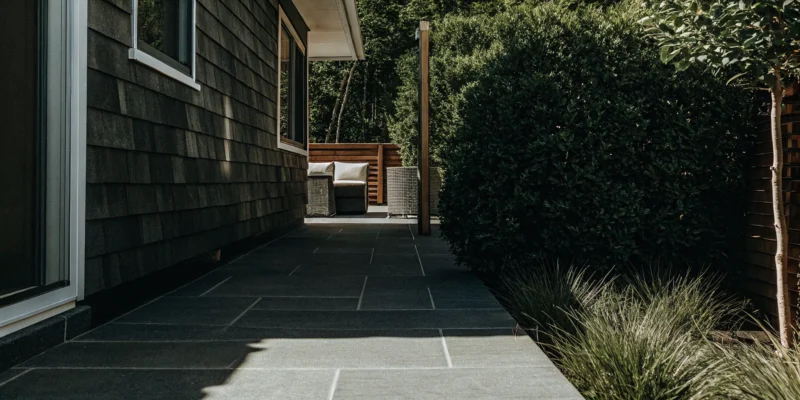
You have a vision for your backyard: a beautiful, inviting space perfect for summer barbecues and quiet mornings. But turning that vision into reality can feel overwhelming. With so many choices for materials, from sleek porcelain to rustic natural stone, where do you even begin? And how can you be sure the finished project will last through Long Island’s tough seasons? This is where a professional comes in. Finding the right outdoor tile contractor Long Island has to offer is the key to a stress-free process and a flawless result. This guide breaks down the entire process into simple, actionable steps to help you plan with confidence.
Key Takeaways
- Prioritize the foundation for a lasting project: Before choosing a tile pattern, focus on the essentials. Proper site preparation and a plan for water drainage are the most important steps for creating an outdoor space that will not shift, crack, or pool water over time.
- Match the tile to your lifestyle: Select a tile material by balancing looks with real-world use. Think about durability for Long Island weather, slip resistance for safety around pools, and the maintenance level you are comfortable with to find the perfect surface for your home.
- Vet your contractor to protect your investment: Choosing the right installer is as crucial as choosing the right tile. Always confirm they are licensed and insured, look through their portfolio of past projects, and compare detailed quotes to find a true professional who guarantees quality workmanship.
What Does an Outdoor Tile Contractor Do?
An outdoor tile contractor does more than just lay down pavers. They are skilled professionals who manage your project from the initial idea to the final, beautiful result. Think of them as your expert partner in transforming your outdoor space. Their work typically falls into three main categories: installation, design, and maintenance. Understanding what they do helps you know what to expect and how to work together to create the backyard of your dreams.
Tile Installation Services
The most visible part of a contractor’s job is, of course, the installation. This is where their technical skill really shines. A professional contractor ensures your project is built on a solid foundation, handling all the necessary prep work to prevent shifting or cracking down the line. They specialize in installing a wide range of materials, from elegant porcelain pavers to classic natural stone. Their expertise guarantees that every tile is perfectly placed, properly grouted, and ready to withstand Long Island’s weather for years to come. It’s this attention to detail that separates a DIY job from a lasting, professional installation.
Design and Consultation
Before a single tile is laid, a great contractor provides design and consultation services. This is where your vision starts to take shape. They work with you to understand your style, how you plan to use the space, and what your budget looks like. A contractor will help you sort through the vast world of tile options, explaining the pros and cons of different materials, colors, and patterns. This collaborative process ensures the final design is not only beautiful but also practical for your family’s needs. Gappsi’s approach to custom masonry design focuses on creating a space that is uniquely yours, blending seamlessly with your home and landscape.
Restoration and Sealing
A contractor’s work doesn’t have to end once the installation is complete. To protect your investment, many professionals also offer maintenance services. Over time, outdoor tiles are exposed to foot traffic, weather, and potential stains. Professional restoration and sealing services are key to keeping your patio or walkway looking brand new. This can involve deep cleaning to remove grime and moss, repairing any minor damage, and applying a high-quality sealant. Sealing helps guard against water damage, stains, and fading from the sun, preserving the beauty of your tiles for the long haul.
What Types of Outdoor Tiles Are There?
Choosing the right tile for your outdoor space can feel like a big decision, but it’s also where the fun begins. The material you select sets the tone for your entire patio, walkway, or pool deck. From the sleek, modern look of porcelain to the timeless elegance of natural stone, each option offers a unique combination of style, durability, and feel. Understanding the differences will help you find the perfect match for your Long Island home and lifestyle. Let’s walk through some of the most popular choices so you can feel confident in your selection.
Porcelain Pavers
If you’re looking for a material that combines sophisticated style with incredible strength, porcelain pavers are an excellent choice. Unlike indoor porcelain tiles, these pavers are thicker and built to withstand the elements. They are highly durable, non-porous, and resistant to water, stains, and fading from the sun. This makes them a fantastic, low-maintenance option for high-traffic areas like patios and pool decks.
Because they absorb very little water, porcelain pavers are also frost-resistant, a must-have feature for Long Island’s freeze-thaw cycles. Plus, their natural slip resistance provides peace of mind for families with children. With a huge variety of colors and patterns available, including designs that beautifully mimic natural stone and wood, you can achieve almost any look without compromising on performance. Gappsi offers a wide selection of high-quality porcelain and natural stone pavers to fit your design vision.
Natural Stone
There is something truly special about natural stone. Each piece is completely unique, with its own distinct colors, textures, and patterns shaped by the earth over millions of years. This one-of-a-kind character brings an unmatched sense of luxury and permanence to any outdoor project. As a leading Long Island masonry design firm, Gappsi specializes in creating stunning outdoor living spaces with custom-carved natural stone.
Popular options like granite, bluestone, and limestone are known for their durability and classic appeal. While natural stone is a premium investment, its beauty is timeless and can last a lifetime with proper care. It creates a seamless connection between your home and the natural landscape, adding significant value and curb appeal. Whether you envision a rustic flagstone patio or a formal bluestone walkway, natural stone delivers an authentic, high-end finish.
Travertine and Slate
Within the world of natural stone, travertine and slate are two standout options with distinct personalities. Travertine, a type of limestone, is prized for its warm, earthy tones and soft, elegant appearance. One of its most celebrated qualities is its ability to stay cool to the touch even in direct sunlight, making it a perfect material for pool surrounds and patios where you’ll be walking barefoot. Its naturally porous surface gives it a beautiful texture, though it does require sealing to protect against stains.
Slate offers a more dramatic and richly colored alternative. Available in shades of blue, gray, green, and purple, its naturally layered surface provides excellent slip resistance. Slate is incredibly dense and durable, standing up well to heavy foot traffic and harsh weather. Both travertine and slate bring a touch of organic sophistication to any outdoor design, and you can explore these options in the Gappsi stone collection.
Ceramic and Concrete Tiles
While often associated with indoor applications, certain ceramic and concrete tiles are specifically engineered for outdoor use. It’s crucial to select tiles that are rated for exterior conditions, as these are made to endure extreme temperatures and moisture without cracking. Quarry tile, a type of unglazed ceramic, is a classic, hard-wearing choice that provides a rustic, practical surface for patios and walkways.
Concrete pavers are another versatile and often more budget-friendly option. They can be molded into a wide array of shapes, sizes, and colors, giving you immense design flexibility. From tiles that mimic cobblestone to large, sleek modern slabs, concrete can adapt to any style. Both ceramic and concrete tiles require proper installation and often benefit from sealing to prevent staining and weather damage, a service our restoration and sealing team can provide to ensure their longevity.
How to Choose the Right Outdoor Tile for Your Home
Selecting the perfect outdoor tile is about more than just picking a color you like. It’s a decision that balances durability, safety, and your personal style to create a space that’s both beautiful and functional. The right tile can completely transform a simple patio into a stunning outdoor living room or make a pool deck feel like a resort. On Long Island, where we experience everything from hot, sunny summers to freezing, icy winters, your choice matters even more. You need a material that can handle the elements without cracking, fading, or becoming a safety hazard.
Think of it as setting the stage for your entire outdoor area. The tile you choose will influence everything from your furniture choices to the overall mood of your backyard. By focusing on a few key factors, you can narrow down the options and find a tile that not only looks fantastic but also stands the test of time. We’ll walk through the most important considerations: how well the tile holds up to weather, how safe it is underfoot, and how it complements your home’s aesthetic. This will help you make a confident choice for your masonry project.
Durability and Weather
Your outdoor tiles will be exposed to everything our Long Island weather throws at them, so durability is non-negotiable. You need a material that can withstand freeze-thaw cycles without cracking and resist fading under the summer sun. Materials like porcelain and natural stone are excellent choices because they are specifically designed for these challenges. Porcelain, in particular, is a powerhouse for outdoor use. It’s incredibly dense and non-porous, meaning it absorbs very little water. This quality makes it highly resistant to frost damage, staining, and moisture, which is why it’s a top pick for patios, walkways, and pool surrounds. Choosing a weather-resistant tile from the start saves you from costly repairs and replacements down the road.
Slip Resistance and Safety
Safety should always be a priority, especially in outdoor areas that get wet. Patios, pool decks, and walkways can become slippery when it rains or when kids are splashing around, so choosing a tile with good slip resistance is essential. When you’re looking at tile options, check for a high coefficient of friction (COF) rating, which indicates how much grip the surface provides. Many outdoor tiles, especially porcelain, are manufactured with a slightly textured surface to provide better traction. This is a critical feature for ensuring your beautiful new outdoor space is safe for family and guests. A slip-resistant surface gives you peace of mind, allowing everyone to enjoy the swimming pool and patio area without worry.
Aesthetics and Style
Once you’ve addressed durability and safety, you can focus on the fun part: style. The tile you select is a major design element that sets the tone for your entire outdoor living space. Do you envision a sleek, modern patio or a rustic, natural retreat? Your tile choice can bring that vision to life. Start by considering the function of the space and your home’s existing architecture. You can find tiles that mimic the look of natural wood, slate, or stone, giving you endless design possibilities. Browsing different materials at the Gappsi Store can help you find a surface that supports both your design vision and the practical needs of your project, ensuring your outdoor area is a true extension of your home.
Where to Install Outdoor Tile
Outdoor tile isn’t just for patios anymore. Its versatility allows you to create cohesive, beautiful, and functional spaces throughout your entire property. From high-traffic walkways to relaxing poolside lounges, the right tile can define a space and tie your whole outdoor design together. Let’s look at some of the most popular places to install outdoor tile and why it works so well in each.
Patios and Pool Decks
Your patio and pool deck are the heart of your backyard, so they need to be both beautiful and tough. This is where outdoor tile truly shines. Materials like porcelain are perfect because they can handle Long Island’s changing seasons, from hot summer days to freezing winter nights. Many tile options are also slip-resistant, which is a must-have for safety around a swimming pool. You get a durable, safe surface that also looks incredible, creating the perfect spot for sunbathing, entertaining, or just relaxing with your family. It’s a practical upgrade that adds a touch of luxury to your outdoor living area.
Walkways and Driveways
First impressions matter, and your walkways and driveway set the tone for your entire home. Using outdoor tile in these areas creates a polished, high-end look that instantly improves curb appeal. Porcelain pavers are an excellent choice because they are incredibly strong and can withstand the weight of vehicles and heavy foot traffic. They are also resistant to water and stains, making them a low-maintenance option for a busy entryway. A well-designed masonry walkway or driveway apron made with tile not only looks fantastic but also provides a durable, long-lasting surface that will welcome you home for years to come.
Outdoor Kitchens
An outdoor kitchen is all about combining function with fun, and the right tile is key to achieving that balance. For flooring, you need something that can handle spills, foot traffic, and the occasional dropped utensil. On countertops and backsplashes, the tile must be easy to clean and resistant to heat and stains from food and grease. Porcelain and natural stone tiles are fantastic choices for all these surfaces. They provide a clean, hygienic, and durable foundation for your cooking area, allowing you to focus on grilling and entertaining without worrying about messes.
How Much Does Outdoor Tile Installation Cost on Long Island?
Understanding the budget for your outdoor tile project is one of the first and most important steps. The total cost is a blend of two main things: the materials you choose and the labor required to install them perfectly. While it’s tempting to look for the lowest number, think of this as an investment in your home’s value and your family’s enjoyment. A well-installed tile patio or walkway will last for decades, so getting it right from the start is key. On Long Island, prices can vary, but a quality contractor will give you a clear breakdown of what you’re paying for.
Material Costs
The tiles themselves are your first major expense. Material costs can range from a few dollars per square foot to much more, depending on what you select. For example, basic ceramic tiles will be on the lower end, while high-end porcelain and natural stone pavers will be a larger investment. The great thing is, you have options. Your choice affects not just the look but also the durability of your space. A premium porcelain paver, for instance, might cost more initially but its resistance to stains, frost, and wear can save you money on maintenance and replacement down the road.
Labor vs. Materials
Labor is the other half of the cost equation, and it’s just as important as the materials. You can expect labor for outdoor tile installation to range from $5 to $15 per square foot, and many professional installers have a minimum fee for smaller projects. This cost covers the skill and time of the installation team. Proper masonry work is an art, especially outdoors where the base preparation is critical for a long-lasting result. Paying for experienced labor means you’re paying for a job done right, preventing future issues like cracked tiles or an uneven surface.
What Affects the Final Price?
Several factors will influence your final quote. The total square footage of the area is a big one, of course. The type of tile you choose and the complexity of the design also play a major role; a simple grid pattern is quicker to install than an intricate mosaic. Most importantly, outdoor installations require specific preparation to withstand Long Island’s weather. This includes creating a proper base, ensuring correct drainage, and using materials that can handle freeze-thaw cycles. This expert prep work is crucial and will be factored into the cost by any reputable contractor.
How to Plan Your Outdoor Tile Project
A beautiful outdoor tile project doesn’t just happen, it’s the result of careful planning. Thinking through the details before the work begins ensures your new patio, walkway, or pool deck not only looks fantastic but also stands the test of time. From preparing the ground to setting a realistic budget, each step is a building block for a successful outcome. Let’s walk through the key stages of planning your project so you can feel confident and prepared.
Site Prep and Conditions
Before any tile can be laid, the ground beneath it needs to be perfectly prepared. Think of it as the foundation of your project, everything else rests on it. A quality installation requires proper base preparation, leveling, and compaction to ensure durability and longevity. This process often involves excavating the area, laying a sub-base of gravel, and ensuring it’s perfectly flat and compacted.
This step is critical for preventing tiles from shifting, cracking, or becoming uneven over time. A professional contractor will assess your specific site conditions, including soil type and existing landscape features, to create a stable base. Proper site preparation is truly the most important factor for a lasting outdoor tile installation.
Drainage and Slope
Water is the biggest enemy of any outdoor hardscape. Without a proper drainage plan, water can pool on the surface, seep into the grout and base, and cause major damage, especially during Long Island’s freeze-thaw cycles. This is why creating a gentle slope is a non-negotiable part of the installation process. The slope, usually unnoticeable to the eye, directs water away from your home’s foundation and prevents it from sitting on the tile.
Understanding how different materials respond to environmental stress is crucial for making choices that align with your outdoor setting. Your contractor will design a drainage system that works with your chosen tile and landscape. For areas like pool decks, effective drainage is essential for both safety and durability.
Choosing a Layout and Pattern
Now for the fun part: deciding how your tiles will look. The layout and pattern you choose have a huge impact on the overall style of your space. A simple running bond pattern can feel classic and clean, while a herringbone or basketweave design adds a touch of elegance and visual interest. The best choice often balances aesthetics with performance, ensuring the design complements your outdoor space.
Consider the size of the area. Large-format tiles can make a small patio feel more spacious, while intricate patterns can define different zones in a larger outdoor living area. We recommend browsing a gallery of porcelain and natural stone projects to find inspiration and see how different patterns work in real-world settings.
Maintenance Needs
To keep your outdoor tile looking its best, you need to consider its long-term maintenance needs. Your lifestyle and how much time you want to spend on upkeep should influence your material choice. For example, many porcelain tiles can withstand extreme outdoor conditions, making them a fantastic, low-maintenance option for outdoor living areas.
On the other hand, some beautiful natural stones may require periodic sealing to protect them from stains and weathering. Be honest with yourself about what you’re willing to commit to. Discussing the maintenance requirements of different materials with your contractor will help you select a tile that fits your home and your routine. If you do choose a material that needs upkeep, professional cleaning and sealing services can keep it in top condition.
Setting a Budget and Timeline
Finalizing your budget and timeline is the last major planning step. Your total project cost will be a combination of materials and labor. While online guides suggest labor costs for standard tile installation can range from $5 to $15 per square foot, every project is unique. Factors like site accessibility, project complexity, and the type of tile you choose will all affect the final price.
The best way to get an accurate number is to get a detailed quote from your contractor. When it comes to timeline, be sure to account for potential weather delays and material lead times. Visiting a showroom like the Gappsi Store can help you understand material costs and availability, allowing you to create a more realistic budget and schedule for your project.
How to Choose the Right Outdoor Tile Contractor
Finding the right contractor is just as important as picking the perfect tile for your patio or pool deck. The right team will bring your vision to life, ensuring your new outdoor space is not only beautiful but also durable and professionally installed. A great contractor handles everything from proper site preparation to the final sealing, giving you peace of mind. Making the right choice means your investment will last for years to come. Here’s what to focus on when you’re ready to hire a professional for your outdoor tile project.
Check for Licenses and Insurance
This is the absolute first step and it’s non-negotiable. A licensed and insured contractor is a professional who meets state and local requirements. The license proves they have the necessary qualifications, while insurance protects you from any liability if an accident happens on your property during the project. Before you even discuss project details, ask for proof of both. A reputable company will provide this information without hesitation. Think of it as your first line of defense in ensuring your project is in capable hands. You can always verify a contractor’s license to be sure.
Review Their Portfolio
Once you’ve confirmed they’re licensed and insured, it’s time to look at their work. A portfolio is your window into a contractor’s craftsmanship, style, and experience. Ask to see photos and examples of outdoor tile projects they have completed, especially ones similar to what you have in mind. Pay close attention to the details: Are the grout lines clean and consistent? Do the patterns align perfectly? Does the overall finish look polished and professional? A strong portfolio filled with high-quality masonry projects shows a track record of success and helps you visualize what they can do for your home.
Questions to Ask Your Contractor
Walking into a consultation with a list of questions shows you’re a serious homeowner and helps you compare contractors effectively. Don’t be shy about digging into the details. Consider asking questions like:
- What is your experience with the specific tile I want to use?
- How will you prepare the site and ensure proper drainage?
- What waterproofing methods do you use for outdoor installations?
- Can you provide a detailed project timeline from start to finish?
- What kind of warranty do you offer on your workmanship and the materials? The answers you receive will reveal a lot about their expertise and the level of service you can expect.
Compare Quotes
It’s always a good idea to get quotes from at least three different contractors. However, don’t let price be your only guide. The cheapest bid is often a red flag for subpar materials or rushed labor. When you compare contractor bids, make sure each quote provides a detailed breakdown of all costs, including materials, labor, site preparation, and any potential extra fees. A transparent, comprehensive quote is a sign of a trustworthy contractor. Your goal is to find the best value for your investment, which combines fair pricing with quality materials and expert installation for a result that lasts.
Why Choose Gappsi for Your Outdoor Tile Project?
Choosing the right contractor is the most important step in bringing your outdoor vision to life. You need a team that not only understands your goals but also has the expertise to execute them flawlessly. At Gappsi, we combine decades of local experience with a comprehensive, design-to-installation approach and the highest quality materials. This unique combination ensures your outdoor tile project is not just completed, but crafted to perfection.
Decades of Local Experience
With roots in Long Island since 1987, we’ve spent decades perfecting the art of outdoor living design. Our team has an intimate understanding of the local environment, from the coastal weather to the distinct architectural styles of Suffolk and Nassau County. This isn’t just a job for us; it’s our community. As a leading masonry firm, we specialize in creating beautiful, durable outdoor spaces with custom natural stone and elegant porcelain pavers. Our long history means we’ve built a reputation for excellence one project at a time, ensuring your patio, walkway, or pool deck is built to last and designed to impress. We know what works here because we live here, too.
All-in-One Design and Installation
We believe your home improvement project should be exciting, not stressful. That’s why we offer a seamless, all-in-one process that takes you from the first sketch to the final tile. As a full-service design and construction company, we manage every detail in-house. You’ll work with one dedicated team for the entire project, which means communication is clear, and the final result is cohesive. There’s no need to juggle multiple contractors or worry about different parts of the project lining up. We handle the design, material sourcing, and expert installation, so you can simply look forward to enjoying your beautiful new outdoor space.
Quality Materials from the Gappsi Store
A beautiful design deserves materials that will stand the test of time. The durability and look of your outdoor tile project depend entirely on the quality of the products used. We are committed to using only the best, which is why we source premium materials directly for our clients. You can explore a wide selection of top-tier porcelain and natural stone options, allowing you to see and feel the materials before making a decision. This commitment to quality ensures your investment not only looks stunning on day one but continues to add value and beauty to your home for years to come.
Related Articles
- Guide to Rooftop Porcelain Pavers in Long Island
- Top Porcelain Patio Tiles Suppliers in Smithtown, NY
- Use of travertine is for indoor or outdoor? Long island – Gappsi Group
- Limestone Patios, Pools & Pergolas in Long Island | Gappsi Inc
- Outdoor Kitchen Design & Installation in Long Island | Gappsi Inc
Frequently Asked Questions
What is the best type of tile for Long Island’s weather? For our specific climate with its hot summers and freezing winters, porcelain pavers are an outstanding choice. They are incredibly dense and absorb almost no water, which makes them highly resistant to the cracking that can happen during freeze-thaw cycles. They also hold up beautifully against sun fading and are very easy to clean. While natural stone is also a durable and beautiful option, porcelain offers that extra layer of low-maintenance peace of mind that many homeowners here appreciate.
Can I install new outdoor tile over my old concrete patio? This is a common question, and the answer is: maybe. It really depends on the condition of your existing concrete slab. If the concrete is in great shape, with no major cracks, and has the proper slope for drainage, it can sometimes serve as a base. However, if the slab is cracked, uneven, or pitched incorrectly, laying tile over it will only lead to problems. A professional contractor needs to assess the site to determine if the existing concrete is a sound foundation or if it needs to be removed to build a proper base from scratch.
How long does a typical outdoor tile installation take? The timeline for a project can vary quite a bit. A straightforward, smaller patio might only take a few days, while a larger, more complex project with intricate patterns or extensive site preparation could take a week or two. Factors like the size of the area, the type of tile, the amount of prep work needed, and of course, the weather, all play a role. A good contractor will provide you with a realistic timeline as part of their initial project plan.
How do I clean and maintain my new outdoor tile patio? Keeping your new tile looking great is usually pretty simple. For most routine cleaning, you can just sweep away debris and occasionally wash the surface with a gentle soap and water. For tougher spots, avoid harsh chemicals that could damage the tile or grout. The biggest maintenance step to consider is sealing. While porcelain often doesn’t require it, natural stone benefits greatly from a quality sealant every few years to protect it from stains and water damage.
Besides the tile and labor, what other costs should I expect? A comprehensive quote should cover more than just the materials and the act of laying them. The most significant additional cost is usually site preparation. This includes excavating the area, bringing in and compacting the proper base materials like gravel, and hauling away any old patio materials. The complexity of the design can also affect the price; for example, a herringbone pattern takes more time and skill to install than a simple grid. Make sure your quote clearly itemizes these aspects so you know exactly what you are paying for.