


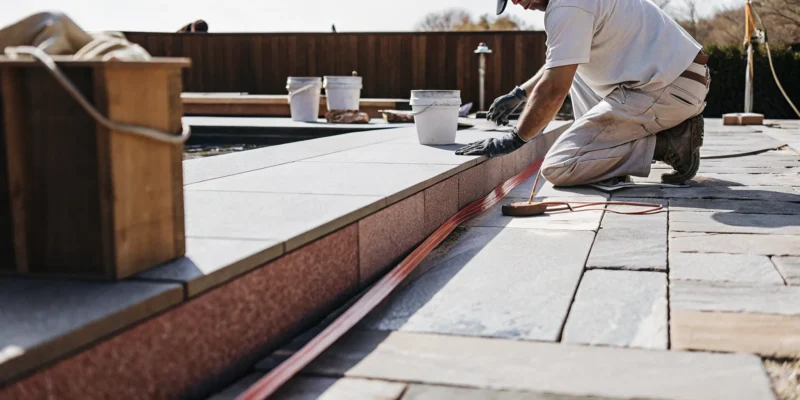
Your pool coping is the unsung hero of your backyard, quietly protecting your investment from the elements. But it’s not invincible. Over time, you might notice small cracks, crumbling mortar, or stones that feel loose underfoot. These aren’t just cosmetic issues; they are warning signs that water might be seeping into your pool’s structure. On Long Island, this is especially dangerous, as trapped water can freeze and expand, causing serious damage. Knowing how to spot these telltale signs early can save you from costly repairs. This article will help you identify when your coping needs attention and why calling a professional pool coping installer Long Island trusts is the best next step.
Key Takeaways
- Coping serves two key roles: It acts as a crucial safety feature by providing a non-slip grip and protecting your pool’s structure, while also being a primary design element that frames your pool’s look.
- Select materials that withstand Long Island weather: Your coping choice must endure our freeze-thaw cycles. Durable options like granite, cool-to-the-touch travertine, and low-maintenance porcelain are excellent for both performance and style.
- Always hire a professional for installation: This is not a DIY project. An expert installer guarantees correct drainage, a secure fit, and a safe edge, which prevents costly structural damage and protects your investment in the long run.
What Is Pool Coping and Why Is It Important?
When you picture a beautiful swimming pool, you probably think of the sparkling water and the stylish patio. But there’s a key element that ties it all together: the pool coping. It’s the finishing touch that sits on the edge of your pool, and it does a lot more than just look good. Understanding what coping is and why it’s so important is the first step in creating a safe, durable, and stunning backyard oasis.
What Does Pool Coping Do?
Simply put, pool coping is the material used to cap the top edge of your pool shell. Think of it as the border where the pool wall meets the surrounding deck or patio. Its primary job is to create a seamless transition, but its role is twofold: function and style. Functionally, it protects the pool structure and gives swimmers a place to grab onto. Aesthetically, it frames the water and provides a polished, finished look. Choosing the right coping is a crucial decision in your swimming pool design, as it impacts both the safety and the overall vibe of your space.
How Coping Keeps Your Pool Safe
Safety is the most critical function of pool coping. A well-installed coping provides a smooth, rounded edge that prevents cuts and scrapes as people get in and out of the water. It also offers a sturdy, non-slip surface for swimmers to grip. Beyond personal safety, coping protects the pool itself. It directs water from splashes and rain away from the pool shell and into the deck drains. This prevents water from getting behind the pool wall, which could cause serious structural damage over time. Proper coping is a key part of protecting your investment and ensuring your patio and pool structure remain in great shape, avoiding the need for premature restoration and sealing.
How Coping Defines Your Pool’s Style
While safety and function are essential, let’s be honest, looks matter too. Pool coping is a major design feature that defines your pool’s personality. It’s the frame that completes the picture. The material you choose can steer your backyard’s style in any direction you want, from modern and sleek to rustic and natural. A crisp, white porcelain coping might create a chic, resort-like feel, while a rugged bluestone could give you a more organic, earthy look. By carefully selecting your porcelain and natural stone coping, you can create a cohesive design that ties your pool to the rest of your outdoor living space, making it feel truly custom.
Choosing a Pool Coping Material for Your Long Island Home
The material you choose for your pool coping does more than just frame the water. It’s the surface where you’ll dangle your feet, where kids will launch their cannonballs, and it’s a critical design choice that ties your entire backyard together. For Long Island homeowners, this decision is especially important. Our weather, from hot, sunny summers to freezing winters, requires a material that is both beautiful and incredibly resilient. The right choice will feel comfortable underfoot, provide a safe, non-slip edge, and complement your home’s style for years to come.
Your coping material is a key part of your overall swimming pool design. It needs to stand up to constant water splashes, direct sun, and changing temperatures. Luckily, there are several fantastic options that are perfectly suited for our climate. Whether you prefer the timeless look of natural stone or the sleek finish of modern pavers, there’s a material that will fit your vision and your lifestyle. Let’s explore some of the best choices for Long Island homes.
Travertine
If you dream of a pool deck that feels soft and luxurious, travertine is an excellent choice. One of its best features is that it stays remarkably cool to the touch, even on the hottest summer days. That means no more hopping around on scorching hot surfaces. Travertine is also naturally porous, which gives it a slip-resistant texture that’s perfect for families with children. It provides a sophisticated, elegant look that can transform your pool area into a resort-like retreat. You can find a variety of beautiful natural stone options that will give your pool a high-end finish.
Bluestone
For that quintessential Long Island look, nothing beats bluestone. It has been the go-to coping material across the Northeast for decades, and for good reason. Its rich, natural color variations create a timeless and classic feel that complements both traditional and contemporary homes. Beyond its good looks, bluestone is exceptionally strong and durable, making it a reliable choice that will last for years. Choosing bluestone is a nod to local tradition, creating a beautiful and enduring frame for your pool that feels right at home. Its installation is a specialty of expert masonry contractors.
Granite
When you need a material that is practically indestructible, look no further than granite. This natural stone is a true powerhouse, capable of handling anything Long Island’s climate throws at it. Granite easily withstands our harsh freeze-thaw cycles, resists damage from pool chemicals, and won’t fade in the sun. Its naturally textured surface also provides excellent grip, making it one of the safest choices for a wet pool edge. Investing in granite coping means choosing a worry-free, high-performance material that offers both rugged durability and natural beauty for your pool area.
Porcelain
If you love a clean, modern aesthetic and minimal maintenance, porcelain pavers are a fantastic option. Because porcelain is non-porous, it’s highly resistant to stains, water damage, and fading, so it will look brand new for years with very little effort. It’s also incredibly durable and can handle temperature swings without cracking. Porcelain comes in a huge variety of styles, allowing you to achieve the look of natural stone, wood, or concrete with added performance benefits. This versatility makes it easy to find a porcelain paver that perfectly matches your backyard design.
Limestone and Concrete Pavers
Both limestone and concrete pavers offer a wonderful balance of style, durability, and value. Limestone provides a beautiful, natural look with subtle textures and colors that can create a soft, organic feel around your pool. It’s a durable stone that holds up well in our climate. Concrete pavers, on the other hand, offer incredible design flexibility. They come in a vast range of colors, shapes, and styles, allowing you to create a truly custom look at an accessible price point. Both are excellent materials that can be installed by a skilled masonry designer to create a stunning and functional pool edge.
What Does Pool Coping Cost on Long Island?
Budgeting for your pool project is a big step, and understanding the cost of coping is a key piece of the puzzle. While the final price tag can vary, knowing the components that go into it will help you plan effectively. The cost is typically measured per linear foot and depends heavily on the materials you choose and the specifics of your pool. A good plan starts with understanding these variables, so you can feel confident in your investment and create a beautiful, lasting finish for your backyard oasis.
Understanding the Price Per Linear Foot
When you get a quote for pool coping, you’ll almost always see the price broken down by the linear foot. This is simply the measurement of your pool’s perimeter, or its edge. On Long Island, the cost for professional coping installation can range from $15 to over $60 per linear foot. This range accounts for different materials, from affordable concrete pavers to premium natural stone. Think of this price as a starting point. A simple rectangular swimming pool will be straightforward to measure, while a freeform design with lots of curves will require more detailed calculations. This per-foot cost generally includes both the materials and the labor for installation.
Factors That Affect Your Final Cost
Several key factors will influence your total investment. The most significant is your choice of material. Premium options like granite or travertine will cost more than standard concrete pavers. The size and shape of your pool also play a big role; a larger pool or one with intricate curves requires more material and labor. Don’t forget about the condition of your pool’s existing edge. If old coping needs to be removed and disposed of, or if the underlying bond beam needs repairs, this will add to the final cost. At Gappsi, we source high-quality porcelain and natural stone to ensure your coping is both beautiful and durable.
Breaking Down Material vs. Labor Costs
Your total project cost is a blend of material and labor expenses, and it’s wise not to cut corners on either. Choosing a high-quality material is your first line of defense against issues like cracking or slippery surfaces. Sourcing from a trusted supplier ensures you get a product that can withstand Long Island’s weather. Equally important is the installation itself. Expert masonry work guarantees that each stone is properly set, sealed, and graded for drainage. Paying for professional labor prevents costly mistakes down the road, ensuring your pool coping remains secure and beautiful for years to come.
Common Pool Coping Challenges for Long Island Homeowners
Living on Long Island means enjoying beautiful summers by the pool, but our unique coastal climate also presents specific challenges for keeping that pool in top shape. The dramatic temperature swings, salty air, and heavy precipitation can be tough on your pool’s structure, especially the coping. When coping isn’t installed correctly, it can fail, leading to costly repairs and even safety hazards around your pool area. It’s a common headache for homeowners who invest in a beautiful backyard only to see it degrade prematurely.
From the North Shore to the South Shore, every pool owner faces similar hurdles. Your coping needs to withstand harsh winters, manage water effectively, and perfectly fit the unique shape of your pool. These aren’t just minor details; they are essential for the longevity and safety of your investment. Overcoming these challenges requires a combination of the right materials and expert installation. A professional installer understands how to work with our local conditions to ensure your pool coping is beautiful, safe, and built to last for years to come. They can anticipate problems before they start, saving you stress and money down the road.
Surviving Freeze-Thaw Cycles
One of the biggest enemies of any outdoor masonry on Long Island is the freeze-thaw cycle. During late fall and winter, water seeps into the pores of stone and concrete. When the temperature drops below freezing, that water turns to ice and expands, creating immense pressure from within. This expansion can cause materials to crack, chip, and break apart over time. For pool coping, this process can be especially destructive, leading to loose stones and a compromised pool edge.
Choosing a durable, low-porosity material is your first line of defense. Materials like high-quality porcelain and natural stone are less susceptible to water absorption, making them ideal for our climate. Equally important is professional installation. An expert ensures the coping is set on a solid base with proper mortar and joints, minimizing opportunities for water to get trapped and cause damage.
Ensuring Proper Drainage and Protection
Pool coping does more than just frame your pool; it’s a critical part of your pool’s water management system. Its primary job is to direct water from splashing and rain away from the pool shell and foundation. When coping is installed with the correct slight slope away from the water, it prevents water from getting behind the pool wall. This is essential for preventing erosion and protecting the structural integrity of your pool over the long term.
Proper drainage also contributes to a safer and cleaner pool deck. By channeling water away, the coping helps prevent slippery puddles from forming where people walk. It also reduces the moisture that can lead to mold, mildew, and algae growth on your patio. Expert masonry work is key to creating this functional and protective barrier, ensuring your entire pool area remains safe and beautiful.
Fitting Custom Pool Shapes
Rectangular pools are no longer the only option. Today’s homeowners are opting for stunning freeform designs with elegant curves, integrated spas, and tanning ledges. While these custom shapes create a beautiful backyard focal point, they also make coping installation much more complex. Each piece of coping must be precisely cut and meticulously fitted to follow the pool’s unique contours without leaving wide gaps or sharp, uneven edges.
This is where the skill of a seasoned installer truly shines. A DIY attempt or a job by an inexperienced contractor on a custom swimming pool often results in a sloppy, unprofessional finish that detracts from the pool’s design. Professionals have the specialized tools and expertise to make flawless cuts, ensuring a smooth, uniform, and safe edge that perfectly complements the beauty of your custom pool.
What to Expect During a Pool Coping Installation
A professional pool coping installation is a meticulous process, not just a matter of laying down new stones. It’s a craft that ensures your pool edge is beautiful, safe, and built to withstand Long Island’s weather for years to come. When you hire an experienced team, you can expect a systematic approach that covers everything from structural checks to the final finishing touches. Knowing what to expect can make the process feel smooth and transparent, giving you confidence that the job is being done right. From preparing the foundation to sealing the final joint, every step is crucial for a lasting result. Let’s walk through the key phases of a typical installation so you can see exactly how a professional transforms your swimming pool.
Preparing the Site and Removing Old Coping
First, your installation team will focus on preparation. Before any new material is placed, a skilled contractor will inspect the pool’s structural edge, known as the bond beam, to confirm it’s solid and sound. This step is essential because the bond beam provides the foundation for the entire coping structure; without a stable base, the new coping could fail prematurely. If you’re replacing old, damaged coping, this is also when the crew will carefully remove and haul away the existing material. This initial phase ensures a clean and stable slate, which is critical for the longevity of your new masonry work and the overall success of the project.
Setting and Securing the New Coping
Once the site is fully prepped, the exciting part begins: setting the new coping. Your installer will mix a strong mortar and carefully set each stone, ensuring a secure and permanent bond. This is where true craftsmanship shines. They will pay close attention to creating a consistent overhang, which is the part of the coping that extends slightly over the pool’s edge. This detail isn’t just for looks; it also helps direct splashes away from the pool deck. For pools with curves, corners, or integrated spas, each piece of porcelain or natural stone is custom-cut to fit perfectly, creating a seamless and polished line around your entire pool.
Sealing and Applying Finishing Touches
The final stage of installation is all about protection and polish. After the coping stones are securely in place, your installer will apply a flexible, waterproof sealant in the joint between the coping and the patio. This is a critical step that prevents water from seeping into the gap, which could cause shifting or damage from freeze-thaw cycles. Once everything is sealed, the team will finish the joints and give the entire area a thorough cleaning. A professional crew leaves your poolside looking pristine and ready for you to enjoy, with no mess left behind. Proper restoration and sealing is the key to a long-lasting, beautiful finish.
Telltale Signs You Need New Pool Coping
Your pool coping is the protective cap for your pool’s edge, but it’s not meant to last forever. Over time, exposure to the elements, pool chemicals, and regular use will take a toll. Spotting the warning signs early can save you from more extensive and costly repairs down the road. Think of it as a regular health checkup for your pool. A quick walk around your pool every few weeks is all it takes to catch problems before they become serious.
Ignoring a small crack or a slightly loose stone might seem harmless, but these minor issues can allow water to seep into the pool’s structure. On Long Island, where we experience freeze-thaw cycles, that trapped water can freeze and expand, causing significant damage to your pool shell and deck. Keeping an eye out for these signs is key to protecting your investment and ensuring your pool area remains a safe and beautiful retreat for your family. If you notice any of these issues, it’s a good idea to consider professional restoration and sealing services to assess the damage and recommend a solution. Catching problems early is the best way to keep your backyard oasis in top shape for years of enjoyment.
Visible Cracks, Chips, or Wear
One of the most straightforward signs that your coping needs attention is visible damage. Look for fine hairline cracks, noticeable chips, or areas where the surface is flaking or crumbling. These aren’t just cosmetic flaws; they are entry points for water. Even a tiny crack can widen over time, compromising the bond between the coping and the pool beam. You might also notice that the color has faded unevenly or that the texture feels rough and worn down. This kind of deterioration not only looks bad but can also make the pool edge uncomfortable or unsafe for swimmers to hold onto. Different porcelain and natural stone materials show wear in different ways, so pay close attention to any changes in their appearance.
Loose or Shifting Stones
If you can feel a coping stone move or wiggle under your hands or feet, you have a problem that needs immediate attention. Loose coping is a serious trip hazard, and the last thing you want is an accident around the pool. This instability usually happens when the mortar or adhesive holding the stones in place has failed. Often, this is because water has penetrated the joints and broken down the bond. You might see crumbling grout or widening gaps between the stones. Don’t ignore this. A single loose stone can lead to a domino effect, causing neighboring stones to shift as well. A professional masonry expert can determine the cause and secure your coping properly.
Water Damage and Drainage Problems
Your pool coping has a critical job: to direct splash-out and rainwater away from the pool shell and into your deck drains. When it fails, you’ll see signs of water damage. Look for a white, chalky residue on the coping or the wall below it, a sign of mineral deposits left by evaporating water. You might also notice persistent damp spots, mold, or algae growing on or behind the coping. These symptoms indicate that water is pooling instead of draining correctly. This trapped moisture can cause immense pressure on your pool wall, especially when it freezes in the winter. Proper drainage is essential for the longevity of your entire swimming pool structure, so any sign of a drainage problem is a clear signal to call a professional.
Professional vs. DIY Installation: Why an Expert Matters
While tackling a home project yourself can be rewarding, pool coping installation is one area where expertise is non-negotiable. The process involves much more than just placing stones around the pool’s edge. It requires precision, knowledge of materials, and an understanding of how your pool structure works. A small mistake can lead to costly repairs and safety hazards down the road. Hiring a professional ensures the job is done right the first time, protecting your investment and giving you a beautiful, durable finish that lasts for years.
The Risks of a DIY Project
It’s easy to see the appeal of a DIY project, but with pool coping, the risks often outweigh the potential savings. Many homeowners choose a material based only on its appearance, which can lead to cracked edges, slippery surfaces, or stone that becomes uncomfortably hot in the sun. The installation itself is also deceptive. While it may seem straightforward, you need to know exactly what you are doing. For example, if you notice multiple cracks in your existing coping, it could indicate that the pool walls have shifted. This is a major structural problem that a DIY repair won’t fix and could lead to a complete pool deck remodel.
How a Pro Guarantees a Lasting Result
A professional installer brings years of experience to your project, guaranteeing a result that is both beautiful and built to last. Experts help you avoid common but costly mistakes related to sourcing materials, applying the right sealants, and achieving a flawless finish. They understand how different stones react to Long Island’s weather and will ensure your coping can withstand freeze-thaw cycles without cracking or shifting. Most importantly, a professional masonry contractor ensures the coping has a smooth, rounded edge. This detail is critical for the safety of everyone using the pool, preventing scrapes and providing a comfortable grip for getting in and out.
The Value of a Professional Warranty
Hiring a professional provides peace of mind that a DIY project simply can’t offer. Reputable installers are licensed and insured, protecting you from any liability during the project. At Gappsi, we handle every aspect of the installation with our in-house team, so you never have to worry about unknown subcontractors on your property. A professional company also provides clear, upfront pricing and detailed estimates, so you know exactly what to expect. Ultimately, the warranty and support you receive from an established Long Island installer are invaluable. It’s a promise that your new pool coping is a secure, long-term investment in your home.
How to Choose the Right Installer on Long Island
Choosing a contractor for your pool coping is one of the most important decisions you’ll make for your backyard project. This isn’t just about finding someone to lay down stones; it’s about finding a partner who will protect your investment and bring your vision to life with skill and care. The right installer ensures your pool’s edge is not only beautiful but also safe and durable enough to withstand Long Island’s distinct seasons.
A great contractor provides a seamless experience from the first consultation to the final cleanup. They communicate clearly, respect your property, and have a deep understanding of local building codes and environmental factors. With decades of experience transforming Long Island homes, we know that exceptional craftsmanship is built on a foundation of trust and expertise. Before you commit, it’s essential to do your homework. Taking the time to properly vet an installer will give you peace of mind and a finished product you can enjoy for years to come. Use these steps to guide your search and find a professional you can count on.
Verify Their License, Insurance, and Experience
Before you fall in love with a design, make sure you’re talking to a legitimate professional. The first step is to confirm they are fully licensed to work in Nassau or Suffolk County and carry comprehensive liability insurance. This is a non-negotiable that protects you from any potential accidents or property damage during the project. Don’t just take their word for it; ask to see the documents. Experience is just as critical. An installer with years of experience on Long Island will have a deep understanding of how to build structures that last through our freeze-thaw cycles and coastal weather, ensuring your pool coping doesn’t crack or shift prematurely.
Review Their Portfolio and Material Expertise
A portfolio is your window into an installer’s craftsmanship and style. Ask to see a gallery of their completed pool coping projects. As you look through the photos, pay close attention to the details. Are the lines clean and straight? Are the grout joints consistent? Does the overall finish look polished and professional? This is also the time to gauge their familiarity with different materials. A true expert should be able to confidently discuss the benefits of travertine versus porcelain and show you examples of their work with each. Their portfolio should prove they have the skill to execute your specific design flawlessly.
Ask About Warranties and Ongoing Support
A professional installer stands behind their work long after the project is finished. Be sure to ask detailed questions about the warranties they offer. A strong warranty should cover both the materials used and the labor performed, giving you a clear path to resolution if any issues arise. It’s also wise to inquire about ongoing support and maintenance. For instance, you can ask if they provide services like deep cleaning or sealing to keep your coping looking its best. Companies that offer restoration and sealing services are often invested in the long-term durability of their installations, which is a great sign of a quality partner.
Key Questions to Ask Before Hiring
Once you’ve narrowed down your options, it’s time for a final round of questions to ensure you’re making the right choice. Having a list ready helps you compare installers and clarifies expectations for everyone involved.
Here are a few key questions to ask:
- Can I see your license and certificate of insurance?
- How many years have you been installing pool coping on Long Island?
- Do you have a portfolio of recent projects I can review?
- Who will be my main point of contact during the installation?
- What does your warranty cover and for how long?
- How do you handle unexpected issues or project delays?
Their answers should give you the confidence you need to move forward with your swimming pool project.
Mistakes to Avoid When Hiring a Coping Installer
Choosing an installer for your pool coping is a big decision. The right partner will ensure your pool edge is beautiful, safe, and built to last, while the wrong one can lead to costly repairs and headaches. To help you make a confident choice, let’s walk through some common mistakes homeowners make and how you can steer clear of them. A little preparation goes a long way in guaranteeing your project is a success from start to finish.
Don’t Choose Based on Price Alone
It’s tempting to go with the lowest quote, but this can be a costly mistake in the long run. A surprisingly low price often signals subpar materials or inexperienced labor. Many homeowners focus on the initial look of the coping without considering its durability. This can lead to problems like cracked edges after a tough winter, dangerously slippery surfaces, or stone that gets uncomfortably hot in the summer sun. When you select a material, think about quality and performance first. Investing in a durable, high-quality material and a skilled installer protects your investment and ensures your pool area remains a safe, enjoyable space for years.
Don’t Skip the Vetting Process
Hiring the first installer you speak with without doing your homework is a major risk. A true professional will have a proven track record, proper credentials, and a deep understanding of local requirements. Take the time to verify their license and insurance, and ask for references from recent projects here on Long Island. A crucial part of the vetting process is confirming their familiarity with local building codes and permit requirements. An experienced masonry contractor will handle these details for you, preventing legal complications and ensuring your project is completed to standard.
Always Review Contracts and Permits
A verbal agreement isn’t enough to protect you or your investment. Before any work begins, make sure you have a detailed written contract that outlines the entire scope of the project. This document should include a clear timeline, a payment schedule, and a specific list of all materials to be used. Don’t be afraid to ask for clarification on any points you don’t understand. It’s also a great idea to take photos throughout the installation process. This documentation creates a clear record of the work and helps ensure the final result is exactly what you agreed upon. You can see examples of our finished work on our YouTube channel.
Remember to Plan for Maintenance
Your pool coping material choice has a direct impact on the longevity of your pool’s edge and the amount of upkeep it will need. Here on Long Island, it’s especially important to consider factors like freeze-thaw durability to prevent cracking during our cold winters. You should also think about slip resistance for safety and how much heat the material absorbs. Talk to your installer about the long-term maintenance requirements for the materials you are considering. A good contractor will not only install your coping correctly but also provide guidance on how to care for it, including services like professional restoration and sealing.
Tying It All Together: Coping and Your Outdoor Design
Your pool coping is much more than just the edge of your pool. Think of it as the frame for your masterpiece. It’s the critical design element that connects your sparkling swimming pool to the rest of your outdoor living space. When chosen thoughtfully, your coping can create a seamless flow between the water, your patio, and the surrounding landscape. It’s the detail that pulls your entire backyard vision together, turning a collection of separate areas into one cohesive, beautifully designed oasis. This is how you get that magazine-worthy look where everything just works together perfectly.
Making the right choice means looking beyond the pool itself. Consider the colors and textures of your home’s exterior, your patio furniture, and even the plants in your garden. The goal is to create a harmonious environment where every element feels like it belongs. This is where a holistic design approach makes all the difference. By planning how your coping will interact with other hardscape features, you ensure a polished and intentional look that feels both luxurious and inviting. It’s this attention to detail that transforms a backyard into a personal retreat, a place you’ll love spending time in for years to come.
Match Your Coping to Your Deck and Patio
The best coping choices don’t just look good on their own, they harmonize with your deck and patio. When selecting a material, think about how its color and texture will pair with your existing surfaces. For example, the warm, earthy tones of travertine coping can beautifully complement a rich wood deck, creating a soft and natural transition. If you have a modern patio made of sleek concrete or dark stone, a crisp, light-colored porcelain coping can provide a stunning contrast. On Long Island, it’s also vital to consider practical factors like slip resistance and durability through our freeze-thaw cycles to ensure your design is as safe as it is stylish.
Complement Your Look with Pavers
Using pavers that match or complement your coping is a fantastic way to create a unified and expansive feel in your backyard. Imagine a seamless flow of beautiful granite from your pool’s edge across your entire patio. This approach gives your space a high-end, custom look that can significantly increase your property’s value. Alternatively, you can create visual interest by choosing a complementary paver. A skilled masonry designer can help you pair different materials, like a smooth bluestone coping with textured concrete pavers, to add depth and character to your outdoor design while maintaining a cohesive color palette.
Create a Cohesive Backyard Oasis
Coping is the finishing touch that ties everything together. Its smooth, rounded edge provides a safe and comfortable border for your pool, but its design impact goes much further. You can use the same coping material on other features throughout your yard, like on the tops of retaining walls, garden steps, or around a fire pit. This repetition of material creates a powerful sense of unity and intention. It’s a professional landscape design secret that makes your entire backyard feel like a single, thoughtfully planned oasis. This consistency is what elevates a space from simply functional to truly extraordinary.
Related Articles
- Coping Estimate for Gunite Pool Long Island
- Long Island Swimming Pool Design & Construction NY | Gappsi
- Fitting a Custom Pool on Your Long Island Property
- Large Shallow Swimming Pool Long Island
- Inground Pool Installation Long Island: A 2026 Guide
Frequently Asked Questions
How long should my pool coping last? The lifespan of your pool coping really depends on three things: the material you choose, the quality of the installation, and how well you maintain it. A high-quality, dense material like granite or porcelain that is installed by an expert can easily last for decades, even with our tough Long Island winters. On the other hand, a lower-grade material or a DIY installation might show signs of failure in just a few years. Proper installation that accounts for freeze-thaw cycles is the most important factor for a long-lasting result.
What’s the best coping material for a family with kids? When safety is your top priority, you want to focus on materials that are non-slip and don’t get too hot. Travertine is a fantastic choice because it stays remarkably cool under the summer sun, so you don’t have to worry about little feet getting burned. It also has a naturally porous texture that provides good grip. Porcelain is another excellent option; it’s incredibly durable, non-porous, and comes in many textured, non-slip finishes that are perfect for a busy and splash-heavy pool area.
Can my cracked coping be repaired, or does it all need to be replaced? This is a great question, and the answer depends on the extent of the damage. A single, small chip or a hairline crack in one stone might be repairable. However, if you have multiple cracked stones, crumbling mortar, or any loose sections, it usually points to a larger problem, like water getting behind the coping. In those cases, a full replacement is often the best solution to fix the underlying issue and prevent more serious structural damage to your pool.
How long does a typical pool coping installation take? For a standard-sized pool, a professional coping installation usually takes a few days. The total time can vary based on the size and shape of your pool, the type of material being installed, and whether we need to remove old coping first. A complex, freeform pool will naturally take longer than a simple rectangle because of the custom cuts required. A good contractor will give you a clear timeline before the project begins.
Does my coping have to match my patio pavers? Not at all. While using the same material for both your coping and patio creates a very seamless, high-end look, it’s not your only option. You can create a beautiful, intentional design by choosing a complementary material. For instance, a dark bluestone coping can create a stunning frame around a lighter-colored paver patio. The key is to select materials that share a similar style or color palette to ensure your entire outdoor space feels cohesive and thoughtfully designed.