


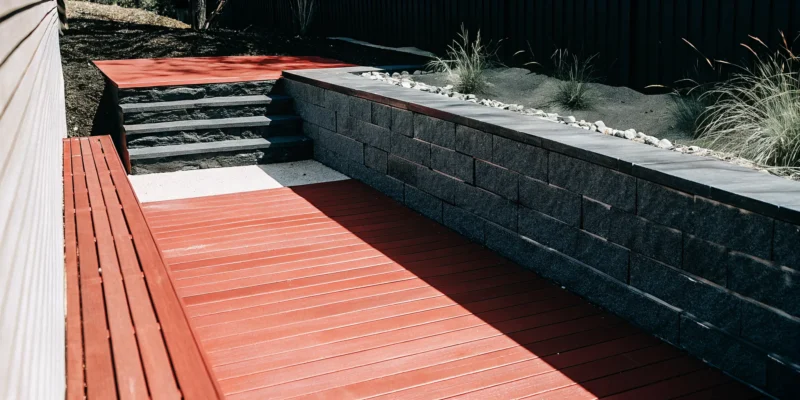
Building a retaining wall on Long Island requires local expertise. The rocky, clay-heavy soil on the North Shore presents different challenges than the sandy conditions of the South Shore. A successful, long-lasting wall must be engineered specifically for your property’s unique terrain and drainage needs. These local factors play a significant role in determining your project’s budget. To get an accurate picture of how much does retaining walls cost in Long Island, you have to consider these regional variables. This guide will explain the key cost drivers, including how our island’s specific geography influences the materials, labor, and engineering required for a successful installation.
Key Takeaways
- Plan a Comprehensive Budget: Your total cost includes more than just materials; be sure to account for essential expenses like permits, engineering fees, site excavation, and a proper drainage system for a complete and realistic budget.
- Know What Influences the Price: The final cost of your retaining wall is shaped by four main factors: its overall size (height and length), the material you choose, your property’s specific conditions, and any custom design elements like curves or built-in seating.
- Prioritize Quality for Lasting Value: A professionally built wall solves practical issues like erosion and adds significant curb appeal, so protect your investment by getting detailed, itemized quotes from experienced contractors and never compromising on structural integrity.
What Is a Retaining Wall?
At its core, a retaining wall is a structure built to hold back soil on a slope. Think of it as a functional barrier that prevents gravity and rainwater from causing erosion and washing your yard away. But a well-designed retaining wall does so much more than just manage soil. It’s a powerful tool that can completely transform your property’s landscape. By carving out level tiers from a hillside, a retaining wall creates new, usable space where there was once just an unusable incline.
Suddenly, you have the perfect spot for a beautiful masonry patio, a lush garden, or a safe, flat play area for your kids. These structures can also become stunning design features in their own right. Whether crafted from rustic natural stone or modern concrete blocks, a retaining wall adds texture, dimension, and structure to your outdoor living space. It’s one of the few home improvement projects that solves a practical problem while also adding significant aesthetic value.
Why your Long Island property might need one
You might be wondering if a retaining wall is the right solution for your yard. Generally, these projects are necessary when a property has slopes, drainage problems, or a need for more functional space. If you notice your yard showing signs of soil movement or significant water runoff after a storm, a retaining wall could be the ideal long-term fix.
Look for clues like small landslides, exposed tree roots, or areas where water pools instead of draining properly. A sloped yard that’s difficult to mow or enjoy is another clear indicator. A professionally installed retaining wall addresses these issues head-on by stabilizing the soil and controlling water flow, protecting your home’s foundation and turning a challenging landscape into a beautiful, functional asset.
Factoring in Long Island’s unique terrain
Long Island’s geography is surprisingly diverse, and your location plays a huge role in designing the right retaining wall. The needs of a homeowner in Massapequa with a minor grade change are completely different from someone in Cold Spring Harbor managing a steep hillside. Understanding Long Island’s tricky soil is key to a successful project.
The North Shore often features rocky, clay-heavy soil that requires robust drainage systems to handle water properly. In contrast, the South Shore’s sandy soil presents its own challenges, especially with high water tables that demand specialized drainage solutions. A local contractor with deep experience in the area will know exactly how to approach these unique conditions, ensuring your wall is built to last.
How Much Does a Retaining Wall Cost in Long Island?
Figuring out a budget for a retaining wall is one of the first steps in planning your project. On Long Island, the cost can range quite a bit, typically falling between $50 and $200 per square foot of the wall’s face. This is a wide range because the final price tag depends on several key things: the wall’s size, the materials you choose, and how complex the installation will be. A simple, low garden wall made from concrete blocks will cost much less than a tall, curved wall built from premium natural stone on a sloped yard that requires significant site preparation.
Think of these numbers as a starting point. A professional contractor can give you a precise quote, but understanding the basic cost structure helps you set realistic expectations. The right masonry work not only solves practical issues like soil erosion but also adds significant beauty and structure to your landscape. It can define outdoor living areas, create level ground for a patio, or add terraced garden beds. As we break down the costs, you’ll get a clearer picture of how your vision aligns with your budget and what to expect for your investment.
Breaking down costs by material
The material you select is one of the biggest factors influencing your retaining wall’s cost. Each option has a different price point and offers a unique aesthetic. For example, natural stone pavers create a classic, high-end look, while interlocking blocks provide a uniform and budget-friendly alternative.
Here are some typical installed costs per square foot of wall face in Long Island:
- Interlocking Concrete Blocks: $40 to $80. These are engineered to fit together perfectly, making them a popular and durable choice.
- Natural Stone: $80 to $165. This premium option offers a timeless and unique appearance but requires more skilled labor to install.
- Poured Concrete: $60 to $120. A very strong and modern-looking option, ideal for large, heavy-duty walls.
Estimating total costs by project size
Once you have a material in mind, you can start estimating the total cost based on the size of your wall. For a smaller project, like a 20 to 30-foot-long wall that’s a few feet high, you might expect to pay between $1,500 and $4,000. For a more substantial 50-foot wall, the cost could range from $4,000 to $10,000, depending heavily on its height and the site conditions.
Here’s a helpful tip: if your wall needs to be taller than four feet, it’s often better to build two or three shorter, tiered walls. This approach is not only more stable but also creates beautiful opportunities for integrated planting beds, turning a functional wall into a stunning landscape design feature.
Key Factors That Drive Retaining Wall Costs
When you start budgeting for a retaining wall, you’ll quickly find that the final price is more than just the cost of materials. Several key factors come together to determine your total investment. Understanding these variables will help you plan your project, set a realistic budget, and know exactly what you’re paying for. From the wall’s dimensions to the unique challenges of your property, each element plays a role in the final quote.
Wall height and length
The most direct cost factor is the size of your wall. Contractors typically price retaining walls per square foot of the wall’s face, so both height and length are critical. A long, low wall might cost the same as a short, tall one. For many Long Island homes, a medium-height wall is perfect for managing a sloped yard or creating a level space for a patio. These walls, which handle the grade changes most properties have, generally run from $65 to $110 per square foot.
Site conditions and accessibility
Every property is unique, and the specific conditions of your yard can significantly influence the cost. A steep slope, rocky soil, or poor drainage will require more intensive site preparation and specialized labor, adding to the budget. Accessibility is another major point. If heavy machinery can’t easily reach the construction area, the work may need to be done by hand, increasing labor hours. A professional masonry team will assess these factors during an initial consultation to provide an accurate estimate.
Local labor costs
The cost of labor is a major component of your retaining wall budget, and it reflects the skill and experience of the installation crew. While it can be tempting to find the cheapest option, quality craftsmanship is essential for a wall that is both beautiful and structurally sound. A simple, straightforward project will have lower labor costs than a complex one requiring engineering or special equipment. Investing in an experienced team ensures your wall is built correctly to handle Long Island’s specific soil and weather conditions for years to come.
Design complexity and custom features
A simple, straight wall is the most budget-friendly option, but your design choices can transform a functional structure into a stunning landscape feature. Elements like curves, tiers, and built-in staircases add complexity and cost but also create incredible visual appeal. You can also integrate custom features like bench seating, planters, or outdoor lighting directly into the wall. The natural stone or concrete blocks you choose will also impact the price, giving you another way to balance your aesthetic goals with your budget.
Comparing Retaining Wall Materials and Costs
Choosing the right material for your retaining wall is one of the most important decisions you’ll make. It’s a choice that directly impacts not only your budget but also the entire look and feel of your outdoor space for years to come. Each option comes with its own set of benefits, from the modern appeal of concrete to the timeless beauty of natural stone. We’ll walk through the most common materials used for retaining walls here on Long Island, breaking down their typical costs and what makes each one a great fit for your project. This will help you find the perfect balance between your aesthetic vision and your financial plan.
Interlocking concrete blocks
Interlocking concrete blocks are a go-to choice for many Long Island homeowners, and for good reason. They are incredibly durable, engineered to fit together perfectly, and relatively straightforward to install, which can help manage labor costs. This material offers a clean, uniform look that works well with many modern home styles. Expect the cost to range from $40 to $80 per square foot. If you need a strong, reliable wall that can handle our coastal weather without a fuss, this is an excellent option. Our masonry experts can design a block wall that is both functional and stylish.
Natural stone
If you’re aiming for a retaining wall that feels like a natural extension of your landscape, nothing beats the beauty of real stone. Each stone is unique, creating a wall with rich texture, color variation, and timeless character. While it’s one of the more expensive options, typically running from $80 to $165 per square foot, the stunning visual payoff is undeniable. A natural stone wall can transform your yard into a high-end retreat. We source a wide variety of beautiful natural stones perfect for creating a one-of-a-kind feature on your property.
Poured concrete
For a sleek, modern, and incredibly strong retaining wall, poured concrete is a fantastic choice. This material offers amazing design flexibility because it can be formed into custom curves, straight lines, and different heights to match your specific vision. The cost generally falls between $60 and $120 per square foot. Poured concrete can also be stamped or stained to mimic other materials, giving you more aesthetic control. It’s a durable, long-lasting solution that provides a minimalist backdrop for your landscaping, making it a popular choice in contemporary landscape design.
Timber
Timber walls offer a rustic, natural charm that blends beautifully with gardens and wooded properties. They are often the most budget-friendly option upfront, with costs typically ranging from $13 to $35 per square foot. This makes timber an attractive choice for homeowners looking to define garden beds or manage minor slopes without a major investment. However, it’s important to remember that wood requires ongoing maintenance. To prevent rot and decay, timber walls need to be properly treated and may eventually need replacement, so you should factor future upkeep into your decision.
Brick
A brick retaining wall delivers a classic, traditional look that never goes out of style. It’s a versatile material that complements many architectural styles, from colonial to contemporary. The cost can vary quite a bit depending on the type of brick and the complexity of the design, but it generally ranges from $10 to $30 per square foot. Brick is a durable material that holds up well over time, offering a warm and inviting feel to any outdoor space. Our masonry construction services include expert bricklaying for walls that are as sturdy as they are beautiful.
Don’t Forget to Budget for These Additional Costs
When you start planning for a new retaining wall, it’s easy to focus on the big-ticket items like materials and labor. While those are certainly major parts of the equation, the final cost involves more than just the wall itself. Several other factors, often called “hidden costs,” are essential for building a structure that is safe, legal, and built to last. Overlooking these expenses can lead to surprise bills and potential problems down the road. From securing the right permits to ensuring proper site preparation and drainage, each step plays a vital role in the success of your project.
Thinking about these additional costs from the beginning helps you create a realistic budget and ensures there are no unexpected hurdles. A professional team will account for these elements in their initial proposal, giving you a clear and comprehensive picture of the total investment. At Gappsi, our masonry experts walk you through every line item, so you understand exactly what’s needed to bring your vision to life correctly. This includes everything from initial engineering designs to the final finishing touches, ensuring your retaining wall not only looks great but also functions perfectly for years to come. We believe in transparency, so you’ll never be caught off guard by unexpected fees. A well-planned project is a successful one, and that starts with a complete and honest budget.
Permits and local regulations
Before any digging begins, it’s important to understand your town’s specific rules. On Long Island, most retaining walls over four feet tall require a building permit. This isn’t just bureaucratic red tape; it’s a crucial safety measure. Obtaining a permit usually means the project must be designed by a licensed engineer to ensure it can handle the pressure from the soil behind it. While this adds an expense to your project, it protects your investment and ensures the wall is legally compliant and structurally sound. Working with an experienced contractor simplifies this process, as they can manage the paperwork and make sure all local codes are met.
Engineering and design fees
For taller or more complex walls, you’ll need to budget for professional engineering and design. An engineer creates detailed, stamped drawings that serve as the blueprint for your project. These plans specify the wall’s dimensions, foundation requirements, reinforcement needs, and drainage system. This step is essential for getting a permit and guarantees your wall is designed to withstand Long Island’s specific soil conditions and weather patterns. Think of it as an investment in peace of mind. These professional plans ensure your contractor builds the wall correctly, preventing costly failures and ensuring long-term stability for your property.
Site prep and excavation
The cost of your retaining wall is heavily influenced by the condition of your property. Site preparation involves more than just clearing a path; it includes excavating a trench for the wall’s foundation, grading the area, and hauling away excess soil. If your yard is on a steep slope, has rocky soil, or is difficult to access with machinery, the labor and equipment costs for this phase will increase. A thorough site assessment from your contractor is key to getting an accurate estimate. Proper landscape preparation sets the stage for a smooth installation and a durable final product.
Drainage and waterproofing
Proper drainage is arguably the most critical element of a long-lasting retaining wall. Without a way for water to escape, hydrostatic pressure will build up behind the wall, causing it to bulge, crack, or even collapse. A well-designed drainage system includes a perforated pipe at the base, a layer of gravel for water flow, and filter fabric to prevent soil from clogging the system. While it adds to the upfront cost, skimping on drainage is a recipe for disaster. Investing in a proper system from the start will save you from expensive and difficult repairs in the future.
Future maintenance
Once your retaining wall is built, a little ongoing care will keep it looking and functioning its best. The type of maintenance depends on the material, but it generally involves simple tasks like keeping drainage outlets clear of debris and periodically cleaning the wall’s surface. For natural stone or concrete walls, you might consider professional cleaning and sealing every few years to protect against weathering and stains. A well-maintained retaining wall is a valuable asset that improves curb appeal and can even increase your property value, making it an investment worth protecting for the long term.
Common Budgeting Mistakes to Avoid
Creating a realistic budget is one of the most important steps in planning your retaining wall project. A well-thought-out budget prevents surprises and ensures you can complete your vision without financial stress. Let’s walk through a few common mistakes homeowners make so you can sidestep them from the start. By being aware of these potential pitfalls, you can approach your project with confidence and clarity.
Underestimating hidden costs
When you picture your retaining wall, you probably think about the cost of the stone or blocks. However, a significant portion of the budget goes toward work that happens before the first block is even laid. These “hidden” costs often include excavation, removing and hauling away soil, and installing special reinforcements for stability. A professional contractor will also factor in proper site preparation and grading. An expert masonry team will account for these elements in their initial quote, giving you a complete picture of the investment instead of surprising you with extra charges later.
Skipping permits and engineering
It can be tempting to cut corners on administrative tasks, but skipping permits and engineering is a mistake you can’t afford to make. In many Long Island towns, retaining walls over a certain height (often four feet) legally require a building permit and a design stamped by a licensed engineer. This isn’t just red tape; it’s a crucial step to ensure your wall is structurally sound and safe for your family. Failing to get the right approvals can lead to fines, forced tear-downs, and major headaches down the road. Always factor these professional fees into your initial budget.
Choosing materials on price alone
While your budget is a key factor, selecting materials based only on the initial price tag can lead to problems. The cheapest option might not be strong enough for your soil conditions or the height of your wall, leading to premature failure and costly repairs. The right material depends on your aesthetic goals, the wall’s function, and Long Island’s specific climate. Investing in high-quality natural stone or durable concrete blocks suited for your project will give you a beautiful, long-lasting wall that provides better value over time.
Not comparing multiple quotes
Before you commit to a contractor, it’s wise to get a few different quotes. This isn’t just about finding the lowest price. Comparing proposals helps you understand different construction approaches and see what each contractor includes. A low bid might be missing crucial elements like drainage or backfilling, which could lead to higher costs later. When you get a detailed proposal, look for a clear breakdown of labor, materials, and other expenses. This transparency is the mark of a trustworthy professional and helps you make a truly informed decision for your home.
How Design Choices Impact Your Budget
The look of your retaining wall is important, but the design choices you make go far beyond aesthetics. These decisions are some of the biggest drivers of your final project cost. From the wall’s structure to the special features you include, every choice has a price tag. Thinking through these options ahead of time helps you create a realistic budget and ensures the final product meets both your functional needs and your financial plan. By working with an experienced masonry design team, you can explore how different design elements will affect your bottom line and make informed choices that add long-term value to your property.
Tiered vs. single walls
When you need a taller retaining wall, you have two main options: building one tall, single wall or creating a series of shorter, stepped-back walls. While a single wall might seem like the most direct approach, a tiered system is often the smarter choice for walls over four or five feet high. Building two or three shorter walls with space for planting in between can be less expensive and simpler to engineer. This design also breaks up a massive, imposing wall into a more visually appealing feature that integrates beautifully into your landscape design.
Built-in features like lighting and seating
A retaining wall doesn’t have to be just a wall. With a little planning, it can become a multi-functional part of your outdoor living space. Incorporating features like built-in bench seating or integrated lighting can transform a purely structural element into a favorite gathering spot. While these additions will increase the initial cost, they also add immense value and usability to your yard. Imagine having a permanent, beautiful seating area for guests or soft lighting that adds ambiance and safety to your patio at night. These custom touches are what turn a simple backyard into a true outdoor retreat.
Advanced drainage solutions
This is one area where you absolutely should not cut corners. Water pressure from saturated soil is the number one reason retaining walls fail. A proper drainage system is critical to your wall’s longevity and stability. Good drainage design includes elements like a gravel backfill, perforated pipes to channel water away, and weep holes that allow moisture to escape. While investing in an advanced drainage solution adds to the upfront cost, it protects your investment from leaning, cracking, or collapsing. Think of it as essential insurance for your wall, preventing far more expensive repairs down the road.
Does a Retaining Wall Add Value to Your Long Island Home?
When you’re considering a major home improvement project, the big question is always: “Will this actually add value?” When it comes to retaining walls, the answer for Long Island homeowners is a resounding yes. A professionally installed retaining wall is more than just a barrier; it’s a smart investment that pays off in both immediate enjoyment and long-term property value. It solves common landscape problems while making your yard more beautiful and functional. Think of it as a two-for-one deal, enhancing your home’s curb appeal while actively protecting it from the elements.
Enhancing curb appeal and function
Retaining walls are a perfect example of where function meets form. A sloped, difficult-to-use yard can be transformed into a stunning, multi-level outdoor living area. Imagine turning an unusable hill into a flat space for a beautiful patio, a lush garden, or a safe play area for your kids. A well-built retaining wall holds soil in place, redirects water, and can even protect nearby structures. By choosing materials that complement your home, like elegant natural stone, your wall becomes a central feature of your landscape design, not just a background utility.
Protecting your property from erosion
Long Island’s terrain can be beautiful, but it also means many properties deal with slopes and potential water runoff. A retaining wall is your first line of defense against soil erosion. It’s a sturdy structure designed to hold back soil, especially on a slope, preventing it from washing away during heavy rains and threatening your home’s foundation, driveway, or patio. By stopping soil from moving, a retaining wall not only preserves your yard but also creates stable, level ground. This protective measure is a key part of a thoughtful landscape design that secures your property for years to come.
How to Get a Fair Quote from a Long Island Contractor
Finding the right contractor is just as important as choosing the right materials for your retaining wall. A fair and detailed quote is the foundation of a successful project, ensuring there are no costly surprises down the road. To make sure you’re partnering with a professional who understands your vision and respects your budget, it’s important to approach the quoting process with a clear strategy. Getting multiple quotes is a great start, but knowing what to look for in those proposals is what truly empowers you as a homeowner. A trustworthy contractor will be transparent about their process and costs from the very beginning.
Request an itemized proposal
When you start collecting quotes, don’t just look at the final number. Ask each contractor for a detailed, itemized proposal. This document should break down every aspect of the project, including costs for materials, labor, excavation, drainage systems, and any other specific line items. Getting at least two or three quotes from different contractors helps you compare not just prices but also their proposed methods. An itemized breakdown allows you to see exactly where your money is going and ensures you are comparing apples to apples. This level of detail is a hallmark of a professional masonry designer and helps prevent misunderstandings later on.
Key questions to ask your contractor
A good contractor will welcome your questions. Before you sign any contract, make sure you have clear answers to a few key things. Ask about costs that go beyond the wall itself, such as digging, soil removal, and any special reinforcements that might be needed for your property. It’s also a great idea to ask for references and look at their past projects; a contractor proud of their work will have a portfolio ready to share. You can see examples of high-quality work on the Gappsi YouTube channel. Also, inquire about their project timeline, who is responsible for securing permits, and what kind of warranties they offer on their craftsmanship and the materials used.
Red flags to look out for
Be cautious of quotes that seem unusually high and vague or, conversely, are so low they seem too good to be true. A quote that isn’t itemized might be hiding inflated costs for simple tasks. If a contractor can’t explain why their price is what it is, consider it a red flag. Another major warning sign is a contractor who dismisses the need for engineering plans or permits. Most retaining walls on Long Island require them, and a professional will factor this into the process from the start. A contractor who suggests skipping these steps is not only putting your project at risk but also exposing you to potential legal and safety issues.
Partner with Gappsi for Your Long Island Retaining Wall
Choosing to build a retaining wall is a significant decision for your property. It’s an investment that protects your landscape from erosion, creates more usable space, and adds lasting visual appeal. Because of Long Island’s unique soil conditions and terrain, finding a partner who understands the local challenges is essential. At Gappsi, we bring decades of experience designing and building structural elements that are not only beautiful but are also engineered to withstand the specific demands of our region. We handle every detail, from initial site assessment and design to securing permits and final construction.
Our process is built around collaboration. We know the best material for your retaining wall depends on your home’s style, your budget, and the wall’s specific job. Our team will walk you through all the options, helping you select the perfect fit. Whether you envision the timeless look of natural stone or the clean lines of interlocking concrete blocks, our expert masonry crews ensure the highest quality craftsmanship. We see a retaining wall as more than just a structure; it’s a key feature that should integrate seamlessly with your overall landscape design.
A well-designed retaining wall can also be the first step toward a larger outdoor transformation. It can carve out a level terrace for a new patio, provide a stable foundation for a pavilion or pergola, or frame a stunning poolside garden. As a full-service home improvement company, we can help you see the bigger picture and design a retaining wall that serves your entire outdoor living vision. If you’re ready to add beauty, function, and value to your property, let’s start the conversation.
Related Articles
- Learn About Quality Retaining Walls for Your Long Island Backyard – Gappsi Group
- Estimate for reinforced poured concrete footer for retaining walls long island – Gappsi Group
- Three level retaining wall long island – Gappsi Group
- Remove retaining walls|rebuild retaining wall|long island – Gappsi Group
- Top Concrete Block Retaining Wall Contractors Long Island
Frequently Asked Questions
Why is there such a wide price range for retaining walls? The final cost depends on a combination of factors unique to your project. The wall’s size is the most obvious one, but the materials you choose and the conditions of your property play an equally large role. A simple, straight wall made from concrete blocks on a flat, accessible lot will naturally cost less than a tall, curved wall built from premium natural stone on a steep, hard-to-reach slope. The price reflects the custom solution your yard requires.
Do I really need to hire an engineer and get a permit? For many projects on Long Island, the answer is yes. Most towns require a building permit and plans from a licensed engineer for any retaining wall over four feet tall. This process is a crucial safety measure. It ensures your wall is properly designed to handle the immense pressure from the soil behind it, protecting your property and your investment from a costly failure down the road.
How can I make my retaining wall more than just a plain wall? A retaining wall is a fantastic opportunity to add custom features to your outdoor space. You can incorporate built-in bench seating, create integrated planters for flowers and herbs, or install subtle lighting for safety and evening ambiance. Instead of one tall wall, you could opt for a tiered design that creates beautiful terraces for gardening. These choices turn a functional structure into a central feature of your landscape.
How long will my retaining wall project take from start to finish? The timeline can vary quite a bit. A small, straightforward project might only take a few days, while a large, complex wall requiring engineering and permits could take several weeks. Factors like weather, site accessibility, and the permit approval process all influence the schedule. A professional contractor can give you a realistic timeline based on the specifics of your project during the initial consultation.
Is it okay to choose a cheaper material to save money? While it’s tempting to choose the most budget-friendly option, it’s important to consider the long-term value. The right material needs to be strong enough for your wall’s height and your property’s specific soil conditions. Choosing a material that isn’t suited for the job can lead to premature failure and much more expensive repairs later. It’s better to invest in a durable, appropriate material that will give you a beautiful and secure wall for years to come.