


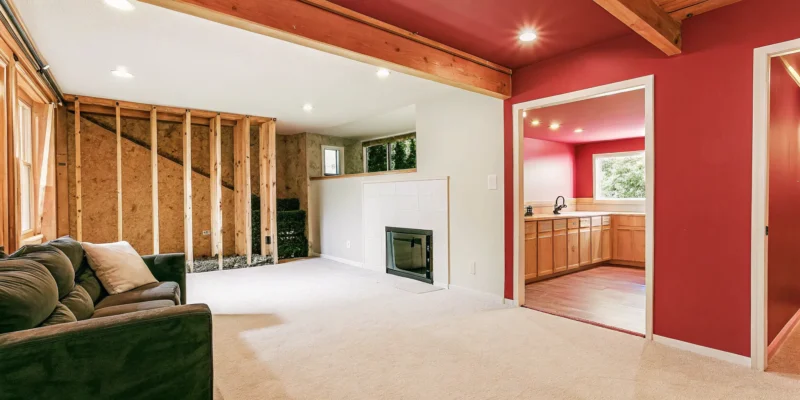
That unused space downstairs holds so much potential. It could be a cozy family room, a sleek home gym, or a quiet guest suite. But turning that vision into a reality starts with one crucial, practical step. When you get a quote for basement finishing, you’re not just getting a price; you’re creating the blueprint for your project. This process helps you understand the costs, define the scope, and find the right professional partner. It’s the moment your idea begins to take shape. This guide will walk you through everything you need to know to navigate this first step with confidence, ensuring your home remodeling project is a success from the very beginning.
Key Takeaways
- Look Beyond the Price Tag: A quality quote is more than a number; it is a detailed breakdown of materials, labor, and permits. This transparency protects you from surprise costs and helps you compare offers accurately.
- Prepare for Your Consultation: Before meeting a contractor, define your vision for the space, set a realistic budget, and take basic measurements. This preparation helps them create a more precise and personalized estimate.
- Vet the Professional, Not Just the Paper: Ask critical questions about their license, insurance, and references. Also, make sure you understand their process for handling project changes to ensure you are partnering with a reliable team.
What Drives Your Basement Finishing Cost?
Understanding what goes into the price of a basement remodel helps you plan your budget and make informed decisions. The final cost isn’t just a single number; it’s a combination of several key factors. From the sheer size of the space to the materials you choose, each element plays a role in shaping your quote. Let’s walk through the five main drivers of your basement finishing cost.
The Size and Design of Your Space
The square footage of your basement is the foundation of your project’s cost. A larger area naturally requires more materials and labor. But beyond size, the complexity of your design is a major factor. A simple, open-plan layout with drywall, basic flooring, and standard lighting will be on the lower end of the cost spectrum. However, if your vision includes custom features, the price will adjust accordingly. Adding walls to create separate rooms, like a bedroom or office, increases the scope. Incorporating a bathroom, a wet bar, or a dedicated home theater involves more intricate work and specialized home remodeling expertise, which will be reflected in your quote.
Your Choice of Materials
The materials you select have a direct impact on both the look and the cost of your finished basement. For flooring, options range from budget-friendly vinyl planks to plush carpeting or elegant tile, each with a different price point. You might also need a subfloor to create a level and moisture-resistant base, which is an additional material and labor cost. This principle applies to everything in the space, including wall finishes, ceiling styles, and lighting fixtures. While premium materials like natural stone for a feature wall cost more upfront, they often provide greater durability and a more high-end finish, adding long-term value to your home.
Essential Utilities: Electrical, Plumbing, and HVAC
Turning a concrete shell into a comfortable living area requires significant utility work. This is a critical part of any basement project and a major cost component. Your plan will likely require an electrician to run new wiring for outlets, overhead lighting, and dedicated circuits for appliances or entertainment systems. If you’re adding a bathroom or a wet bar, a licensed plumber will need to install new supply and drain lines. You also need to consider climate control. Extending your home’s existing HVAC system with new ductwork ensures the space is comfortable year-round. This work is essential for creating a safe, functional, and habitable room.
Local Permits and Building Codes
On Long Island, any renovation that creates a new living space requires permits from your local town. This is a non-negotiable step that ensures your project is safe, legal, and up to code. Permit requirements are in place to protect you and future owners. They often dictate specifics like the minimum ceiling height, the number and size of egress windows for emergency exit, and proper ventilation. The cost of the permits themselves, along with any work needed to meet these building codes, will be part of your overall budget. Working with an experienced local contractor like Gappsi ensures the process is handled correctly from the start, avoiding potential fines and future headaches.
Keeping Moisture Out: Waterproofing
Before any finishing work begins, it’s crucial to address potential moisture issues. Basements are below ground, making them naturally susceptible to water intrusion and dampness. Proper waterproofing is an investment that protects your entire renovation from costly water damage and mold growth down the road. Depending on your home’s specific needs, this could involve sealing the interior foundation walls, installing a sump pump to manage groundwater, or adding a French drain system. A thorough contractor will assess your basement for any signs of moisture and recommend the right solution. These restoration and sealing services are fundamental to creating a dry, healthy, and long-lasting living space.
How to Prepare for Your Quote
Being prepared for your quote meeting helps us give you the most accurate estimate. A little homework ensures we can bring your vision to life. Here’s how you can get ready for our conversation.
Measure Your Space and Note Its Condition
Before we visit, get familiar with your basement’s layout. Grab a tape measure for a rough idea of the length and width. Basic dimensions are a great starting point. Also, note the current condition. Are there support columns, low-hanging pipes, or a sump pump we need to work around? Knowing these details in advance helps us plan more effectively during our initial consultation.
Define Your Vision and Must-Haves
How do you dream of using your new basement? Think about its primary function: a family media room, a home gym, or a guest suite? Make a list of your “must-haves,” like a wet bar, and your “nice-to-haves,” like a sound system. This clarity helps us understand your priorities and design a space that fits your lifestyle. When you can clearly define your vision, we can better align the project scope with your goals.
Set a Realistic Budget
Knowing your budget is key to a successful renovation. On Long Island, basement finishing costs vary widely based on features like a custom bathroom or home theater. Be honest with your contractor about what you are comfortable spending. This allows us to suggest materials and designs that fit your financial plan. We also recommend a contingency fund, about 10% to 15% of the total cost, for any unexpected surprises during construction.
Research Local Building Codes
Finishing a basement is about safety and compliance, not just looks. Renovations on Long Island involving new living space or changes to plumbing and electrical systems require permits. Your town has rules about ceiling height, egress windows, and ventilation. While a reputable contractor manages the permit process, understanding these requirements helps you ask informed questions. It ensures your new space is beautiful, legal, and safe for your family to enjoy for years to come.
What to Expect During the Quoting Process
Getting a quote for your basement remodel is more than just getting a price; it’s the first step in building a relationship with your contractor. A professional and transparent quoting process is a strong indicator of the quality and communication you can expect throughout the entire project. This phase is all about making sure both you and your contractor are on the same page, with a clear understanding of the vision, scope, and costs involved. It’s a collaborative effort that sets the foundation for a successful renovation. From the first conversation to the final, detailed estimate, each step is designed to eliminate surprises and ensure your project starts on the right foot. A contractor who invests time in a thorough quote is one who values precision and client satisfaction. This initial stage is your opportunity to gauge their expertise, attention to detail, and how they handle questions. It’s the blueprint for your partnership, so it’s important to know what a quality process looks like. Understanding these steps will help you feel confident and prepared as you move forward with your home remodeling project.
The First Chat: Your Initial Consultation
Your journey begins with an initial conversation. This first chat, whether over the phone or in our showroom, is our chance to listen. We want to hear all about your vision for the space. Are you dreaming of a cozy family media room, a sleek home gym, or a functional guest suite with a kitchenette? This is the time to share your must-haves, your style preferences, and your ideal budget range. Feel free to bring any inspiration photos or ideas you’ve collected. Think of it as a discovery call where we get to know you and your goals, ensuring we are a good fit before moving on to the next step.
The On-Site Visit and Measurements
After our initial talk, the next step is for us to see the space in person. An on-site visit is essential for creating an accurate and comprehensive quote. During this meeting, we will take detailed measurements of your basement, noting the location of key features like support columns, windows, and existing utility lines. We’ll also assess the current condition of the space, checking for any potential challenges like moisture issues or structural quirks. This thorough evaluation allows us to gather all the technical data needed to plan for every phase of the project, from framing and electrical work to insulation and flooring. You can see examples of our meticulous process on our YouTube channel.
When to Expect Your Estimate
A detailed, accurate quote takes time to build. Be wary of any contractor who gives you a price on the spot. After our on-site visit, we take all the information we gathered, your vision, and our precise measurements back to the office. We then carefully calculate the costs for materials, labor, and any necessary permits. This process can take a week or more, depending on the complexity of your project. A rushed estimate often leads to surprise costs and missed details down the road. We believe in taking the time to get it right from the start, so your final quote is a reliable roadmap for your project’s budget and timeline.
How to Read Your Quote
When you receive our estimate, you won’t just see a single number. A trustworthy quote should be a detailed, transparent document that breaks down the entire project. Look for itemized lines for each part of the job, including demolition, framing, electrical, plumbing, and finishes. It should clearly specify the materials to be used and the associated labor costs. This level of detail is your best protection against unexpected expenses. A vague quote is a red flag, but a comprehensive one shows that your contractor has thoroughly planned your project and is committed to transparency. This is especially important for custom work like detailed masonry.
How to Compare Your Basement Finishing Quotes
Once you have a few estimates in hand, the real work begins. It’s tempting to just look at the final number, but a smart comparison goes much deeper. This is your chance to see which contractor truly understands your vision and which one might be cutting corners. A lower price can sometimes hide bigger problems, like vague terms, missing services, or low-quality materials. Taking the time to properly evaluate each quote protects your investment and ensures you partner with a professional who will deliver the basement you’ve been dreaming of.
Think of each quote as a blueprint for your project. It reveals a contractor’s process, their attention to detail, and how they value their work and your home. By looking at the specifics, you can identify the best partner for your comprehensive home remodeling project, not just the cheapest option. Let’s walk through exactly what you should be looking for to make a confident and informed decision.
Break Down the Line Items
A single number on a piece of paper is not a quote, it’s a guess. A professional estimate should be a detailed, itemized list that breaks down every aspect of the project. This includes costs for labor, specific materials, permits, demolition, and cleanup. If you receive a vague estimate, don’t hesitate to ask for a more detailed breakdown. This transparency is a hallmark of a trustworthy contractor. It shows they have thoroughly planned the project and are confident in their pricing, leaving no room for surprise costs down the line. A clear, itemized quote is your best tool for comparing apples to apples and understanding exactly where your money is going.
Vet Your Contractor’s Credentials
The numbers only tell part of the story. The team behind the quote is just as important. Is the contractor licensed and insured in Long Island? Do they have a portfolio of finished basements you can review? A reputable company will be happy to provide these credentials. You can also get a feel for their professionalism during the on-site visit. Did they take precise measurements and ask detailed questions about your goals? You can often see their work firsthand on their website or social media, which gives you a clear idea of their craftsmanship and style. This research helps you confirm you’re hiring an experienced and reliable team.
Spot Potential Hidden Costs
The lowest bid can be tempting, but it might be missing crucial elements. Some contractors leave out necessary work to make their price seem more attractive. Be on the lookout for omissions related to plumbing, electrical, or HVAC rough-ins, especially if you plan to add a bathroom or kitchenette. Egress windows, which are often required by code, involve expert masonry work and can add a significant amount to the final cost. Ask each contractor directly if these items are included and what other potential costs could arise during the project. A good contractor will be upfront about these possibilities from the start.
Compare Payment Schedules and Warranties
A contractor’s payment terms and warranties speak volumes about their stability and confidence. Be cautious of anyone asking for a large percentage of the total cost upfront. A typical payment schedule is tied to project milestones, ensuring you only pay for completed work. Equally important is the warranty. Does it cover both labor and materials? A strong warranty shows that the contractor stands behind their work and uses quality materials built to last. Comparing these policies side-by-side will help you understand the long-term value each contractor offers beyond the initial price tag. This gives you peace of mind that your investment is protected.
Key Questions to Ask Every Contractor
Once you have a few quotes in hand, the real work begins. It’s not just about comparing numbers; it’s about vetting the people you’re inviting to transform your home. Asking the right questions upfront can save you from headaches, unexpected costs, and a project that doesn’t meet your expectations. Think of this as your interview process. You are the hiring manager for one of the most important jobs: improving your home. A reputable contractor will welcome your questions and provide clear, confident answers. This conversation helps build the trust and communication that are essential for a successful partnership. We’ve put together a list of key questions to help you get the clarity you need before signing on the dotted line.
What’s the Project Timeline?
Knowing the project timeline is about more than just circling a date on your calendar. It helps you plan your life around the construction and set realistic expectations. Ask for a detailed schedule that outlines each phase of the project, from demolition to the final touches. While a basement remodel can often take eight to twelve weeks, your specific project’s timeline will depend on its complexity. Understanding the sequence of events also helps you see progress and know if things are on track. A clear timeline is a sign of a well-organized contractor who has a solid plan for your home remodeling project.
What Materials Will You Use?
Your quote should be more than just a final number. A detailed estimate lists the specific materials the contractor plans to use, and this is where you can really see the value. When you get an estimate that’s just a number with no detail, it’s time to ask questions. Inquire about the brands, quality, and durability of everything from flooring to fixtures. This allows you to compare apples to apples between quotes and ensures there are no surprises. Knowing the materials helps you understand the long-term quality of your investment, whether you’re choosing beautiful porcelain pavers for a new patio or specific cabinetry for your basement bar.
Can I See Your License, Insurance, and References?
This is a non-negotiable question. Before you hire anyone, you must confirm they are properly licensed to work in your area and carry both liability insurance and workers’ compensation. Many homeowners don’t realize their contractor skipped these important steps until it’s too late, leaving them financially responsible for accidents or property damage. A professional contractor will readily provide these documents. Also, ask for a list of recent references from clients with similar projects. Speaking to past customers is one of the best ways to gauge a contractor’s reliability, communication, and quality of work.
How Do You Handle Changes and Cost Overruns?
Even with the best planning, changes can happen. You might decide to add a feature, or an unexpected issue might arise during construction. It’s essential to know how your contractor handles these situations. Ask about their process for “change orders,” which are written documents that detail the change and its impact on the cost and timeline. Signing off on a vague estimate can leave you exposed to surprise costs and blown timelines. A clear process for managing changes protects both you and the contractor, ensuring that any adjustments are agreed upon in writing before the work proceeds.
Common Mistakes to Avoid When Getting Quotes
Getting quotes is an exciting step, but it’s also where some costly mistakes can happen. Being aware of common pitfalls will help you choose the right partner for your project and ensure your vision comes to life without any unwelcome surprises. Let’s walk through a few key things to watch out for so you can move forward with confidence.
Choosing Based on Price Alone
It’s so tempting to jump on the lowest number you see, but this is one of the biggest mistakes you can make. An unusually low bid often means corners are being cut somewhere. This could be in the quality of materials, the skill of the team, or even skipping essential steps like pulling the right permits. While it saves money upfront, it can lead to poor workmanship, safety issues, and expensive repairs down the road. Instead of focusing only on the price tag, consider the overall value. A quality home remodeling project is an investment in your home, and a slightly higher quote from a reputable contractor often reflects better materials, expert craftsmanship, and peace of mind.
Accepting a Vague Estimate
A one-page quote with a single number at the bottom is a major red flag. Vague estimates leave you vulnerable to surprise charges and misunderstandings about what’s included. A professional contractor should provide a detailed, itemized breakdown of all costs, including labor, materials, and any subcontractor fees. This document should clearly outline the entire scope of work, from demolition to the final touches. Don’t be afraid to ask for clarification. A trustworthy partner will be happy to walk you through every line item, ensuring you both have the same expectations before any work begins. This level of detail protects you and sets the stage for a smooth project.
Skipping the Comparison Step
Even if you have a great feeling about the first contractor you meet, it’s always wise to get a few different quotes. Not getting multiple estimates means you have no way of knowing if the price is fair or if another company might offer a better approach. Comparing quotes helps you establish a baseline for your project’s cost and see how different professionals plan to tackle the job. This step isn’t just about finding a better price; it’s about making an informed decision. By speaking with a few experts, you’ll gain valuable insights and feel more confident when you finally choose the right team for your basement finishing project.
Forgetting About Permits and Extra Costs
Many homeowners are surprised to learn that finishing a basement often requires permits, especially if you’re adding plumbing, new electrical wiring, or changing the structure. Forgetting to account for these can halt your project and lead to fines. Beyond permits, there can be other unforeseen expenses. For example, you might discover a moisture issue that needs to be addressed or decide to add an egress window for safety. A great contractor will discuss these possibilities with you from the start. Be sure to ask what’s included in their quote regarding permits and how they handle unexpected issues that may affect the budget. Proactive restoration and sealing can often prevent future problems.
How Many Quotes Do You Really Need?
Deciding on a contractor is one of the biggest steps in your basement finishing project. A crucial part of this process is gathering quotes, but how many do you actually need? While it can feel like a lot of work, getting the right number of estimates helps you find a great partner for your project and ensures you get a fair price for quality work. Let’s walk through how to approach this step with confidence.
The Rule of Three
You’ve probably heard this before, and for good reason. The “rule of three” is a solid guideline for most home improvement projects. Getting at least three quotes gives you a clear picture of what the project should cost. It helps you compare prices for your project and see the different approaches contractors might take. With three different estimates in hand, you can easily spot any outliers. Is one quote significantly higher or lower than the others? Having multiple options provides the context you need to make a smart, informed decision without feeling overwhelmed by too much information.
Is It Worth Your Time to Get More?
So, is three the magic number? Often, yes. But for larger or more complex projects, like a complete home remodeling that includes a finished basement, gathering another one or two quotes can be a wise investment of your time. Taking this extra step helps you truly understand the market rate for the job. It also gives you more opportunities to talk with different professionals, learn about new material options, and gain confidence in your final choice. The goal isn’t just to find the cheapest price, but to find the best value and the right team for your vision.
Red Flags That Mean You Need Another Quote
As you review your quotes, keep an eye out for red flags that signal it’s time to get another estimate. A bid that is dramatically lower than the others might seem like a great deal, but it can be a warning sign. A contractor with a rock-bottom price may be cutting corners on materials, skipping permits, or using less experienced labor. Another major red flag is a vague estimate that’s just a single number with no breakdown of costs. A professional quote should be detailed, outlining the costs for labor, materials, and other expenses. If a contractor isn’t transparent from the start, it’s best to move on.
Related Articles
- Basement Finishing Company Cost: The 2025 Guide
- Basement Finishing Company Cost Guide & Savings Tips | Gappsi Inc
- Home Remodeling & Renovation Services in Lindenhurst | Gappsi Inc
Frequently Asked Questions
Why can’t I get a simple price estimate over the phone? A basement is a unique space, and an accurate quote requires seeing it in person. A phone call can’t tell us if there are hidden moisture issues, low-hanging pipes, or an uneven foundation that needs to be addressed. The on-site visit allows us to take precise measurements and assess the existing conditions, ensuring the quote we provide is comprehensive and reliable, not just a guess that will change later.
Do I really need a permit just to finish my basement? Yes, you absolutely do. On Long Island, any project that creates a new living area requires permits from your town. This is a critical step that ensures all work, especially electrical and plumbing, is done safely and meets local building codes. It protects your family, your investment, and your home’s future resale value. A professional contractor handles this entire process for you.
How long will my basement be under construction? A typical basement finishing project often takes between eight and twelve weeks from the start of construction. The exact timeline depends on the scope of your project. A simple, open-plan family room will be on the shorter end, while a more complex design with a full bathroom, a wet bar, or custom masonry will naturally require more time. We will always provide you with a detailed schedule before we begin.
Can I save money by doing some of the work myself, like painting? While it can be tempting to handle parts of the job yourself, we generally advise against it. Our projects run on a tightly coordinated schedule, and DIY work can cause delays that impact every other trade, from electricians to flooring installers. Furthermore, our warranty covers the craftsmanship of our team, and we can’t guarantee work that we don’t perform ourselves. Letting a professional team handle the entire project ensures a seamless and high-quality result.
What is a ‘change order’ and why is it important? A change order is a written document that outlines any adjustments to the original plan. For instance, you might decide to add built-in shelving or upgrade your flooring choice after the project has started. The change order details the new work, the associated cost, and any impact on the timeline. You review and approve it before we proceed, which ensures total transparency and prevents any surprise charges on your final bill.