


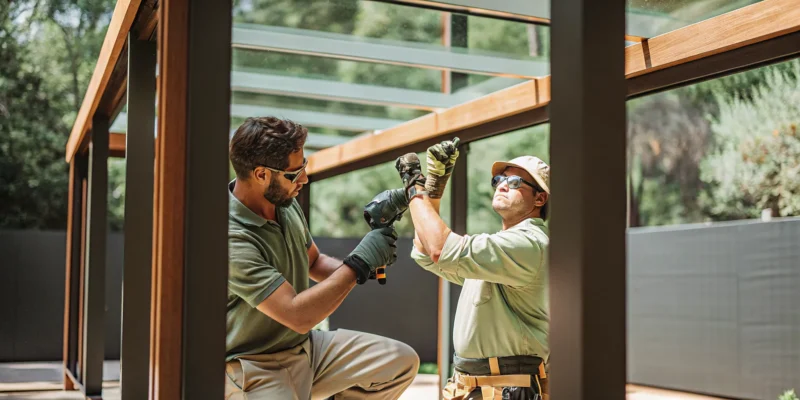
When you decide to add a gazebo to your property, you’re not just building a structure; you’re creating a new outdoor room. The possibilities can feel endless, from classic wooden designs nestled in a garden to modern aluminum pavilions perfect for poolside lounging. The challenge is turning that vision into a reality that complements your home and withstands Long Island’s weather. A standard kit from a big-box store might not capture your unique style or needs. Working with a professional gazebo installer Long Island opens the door to custom designs, premium materials, and expert craftsmanship, ensuring your new backyard feature is both beautiful and built to last for years of enjoyment.
Key Takeaways
- Professional Installation is Key to a Lasting Structure: Hiring an expert ensures your gazebo is built safely and correctly, provides access to custom design options, and handles the complexities of local building codes and permits on your behalf.
- Plan Your Budget by Understanding All Cost Factors: A gazebo’s final price depends on its size, design, and materials. Be sure to also account for professional labor, site preparation, and any necessary permit fees to create a realistic financial plan.
- Select the Right Partner for a Seamless Project: Vet potential installers by reviewing their portfolio of local work, verifying their licenses and insurance, and asking about warranties. Choosing a full-service company simplifies the process, as they handle everything from design to final construction.
Why Go Pro With Your Gazebo Installation?
Adding a gazebo to your backyard is an exciting project. It’s easy to get caught up in design ideas and imagine all the relaxing afternoons you’ll spend in your new outdoor retreat. While the idea of a DIY project can be tempting, a gazebo is a significant structure. Professional installation is more than just a convenience; it’s an investment in safety, quality, and your property’s value.
Hiring an experienced installer means you get a structure that is built correctly from the ground up. Professionals have the tools, knowledge, and experience to ensure your gazebo is secure, level, and able to withstand Long Island’s weather for years to come. They can also guide you through the entire process, from creating a custom design that fits your vision to handling the complex local building codes and permits. Choosing to work with a pro gives you peace of mind, knowing that every detail is handled correctly and your new backyard feature is built to last.
For a Safe and Long-Lasting Structure
A gazebo should be a safe haven, not a source of worry. Professional installation is the best way to ensure your structure is built correctly and securely. Experts understand the importance of a proper foundation, whether it’s a concrete slab or reinforced footings. This is crucial for stability and longevity. They also know how to properly anchor the gazebo to withstand strong winds and seasonal weather, a must for any outdoor structure on Long Island. By hiring a pro, you’re ensuring the final build meets all safety standards, giving you a beautiful and durable space for your family to enjoy without concern.
Gain Access to Custom Designs and Expertise
Working with a professional installer opens up a world of design possibilities that go far beyond a standard kit. An expert can help you create a truly custom gazebo that complements your home’s style and your backyard’s unique layout. Gappsi designs and builds custom pavilions, pergolas, and gazebos across Long Island, offering everything from beautiful standard models to completely bespoke creations. A professional designer can help you select the right materials, size, and features to create an outdoor room that perfectly suits your needs, whether you envision an intimate dining area or a spacious entertainment hub.
Handle Permits and Local Codes with Ease
One of the most challenging parts of any construction project is dealing with local regulations. Depending on its size and your location in Nassau or Suffolk County, your gazebo will likely require a building permit. Professional installers are well-versed in these local zoning laws, including setback requirements from property lines and height restrictions. They can manage the entire permitting process for you, from filing the paperwork to ensuring the final structure is fully compliant. This saves you from the stress of research and the potential risk of costly fines or having to modify your gazebo later.
Find Your Perfect Gazebo: Styles and Materials
Freestanding Gazebos
A freestanding gazebo is that picture-perfect structure you imagine nestled in a garden or standing elegantly by a pool. Because it’s a standalone feature, you have complete freedom with its placement. You can create a quiet reading nook in a far corner of your yard or make it the central hub for your outdoor entertaining. These classic structures act as a beautiful focal point in your landscape design, offering a dedicated escape from the everyday. Whether you envision a space for quiet morning coffees or lively evening chats with friends, a freestanding gazebo provides a versatile and charming backdrop for your life outdoors.
Attached Gazebos and Pavilions
If you love the idea of a seamless transition from your home to your yard, an attached gazebo might be the perfect fit. These structures connect directly to your house, extending your living space onto a deck or patio. This makes them incredibly convenient for entertaining and ideal for backyards where space is a consideration. For those who need to accommodate larger crowds, a pavilion is an excellent alternative. Pavilions and pergolas are typically larger, open-air structures that provide ample shade for dining areas, outdoor kitchens, or poolside lounges. They offer a grander scale for hosting parties and family gatherings while still defining a comfortable outdoor room.
Choosing Your Material: Wood, Vinyl, and Aluminum
The material you choose for your gazebo sets the tone for your entire outdoor space and determines its long-term maintenance needs. Traditional wood offers a timeless, rustic charm that blends beautifully with nature, though it requires periodic sealing or staining. For a more low-maintenance option, vinyl is a fantastic choice. It’s durable, weather-resistant, and comes in clean, classic finishes that stay looking fresh for years. If you prefer a modern aesthetic, consider an aluminum structure. Gappsi offers innovative louvered aluminum pavilions and gazebos that give you control over sun and shade, providing sleek style with almost no upkeep.
Personalize Your Space with Custom Features
A gazebo is more than just a structure; it’s an extension of your home and lifestyle. Personalizing it with custom features is what transforms it into your favorite destination. Imagine integrated lighting for evening ambiance, a ceiling fan for warm summer days, or built-in electrical outlets for music and devices. You can also add screens to create a bug-free zone or incorporate a full outdoor kitchen for the ultimate entertaining setup. A professional design and build team can help you with the entire home remodeling process, ensuring every detail, from seating to sound systems, is perfectly integrated to create your dream outdoor oasis.
What Does Gazebo Installation Cost on Long Island?
One of the first questions homeowners ask when planning a backyard project is about the budget. When it comes to building a gazebo, the cost on Long Island can vary quite a bit. Nationally, you might see price ranges from $5,000 to over $14,000, but this is a broad estimate that doesn’t always reflect local pricing. The final price tag for your project depends on several key factors: the gazebo’s size, the complexity of its design, the materials you choose, and the labor involved. A simple, pre-fabricated kit will naturally cost less than a large, custom-designed structure with intricate details.
Think of a gazebo as a long-term investment in your property and your lifestyle. It creates a beautiful focal point for your yard and a dedicated space for relaxation and entertainment. At Gappsi, we specialize in creating custom pavilions and pergolas that are built to last and perfectly match your home’s aesthetic. Understanding the different elements that contribute to the cost will help you plan a project that fits your vision and your budget. Below, we’ll break down these factors so you can feel confident in your decisions.
The Impact of Size and Design on Cost
It’s no surprise that the bigger the gazebo, the higher the cost. A larger footprint requires more materials and additional labor to build. A cozy 10×10 foot gazebo will be much more budget-friendly than a spacious 16×20 foot structure designed to host large family gatherings. But size is only part of the equation. The complexity of the design also plays a major role in the final price.
A standard octagonal or square design is typically more straightforward to construct. However, if you’re looking for a custom shape to fit a unique corner of your yard or want to add elaborate details like built-in benches, decorative railings, or a two-tiered roof, the cost will increase. For custom builds, contractors often price by the square foot, which can range from $60 to $100 or more, depending on the specifics. These custom touches, like a beautiful masonry base, are what make your gazebo truly one-of-a-kind.
Understanding Material Costs
The material you choose for your gazebo is one of the most significant cost drivers. On the lower end, you can find DIY gazebo kits made from treated pine or metal for a few thousand dollars. While these are affordable, they may not offer the same durability or high-end finish as a custom-built structure. For a custom project, materials like cedar, redwood, vinyl, and aluminum are popular choices, each with its own price point and maintenance needs.
At Gappsi, we believe in using high-quality materials that stand the test of time. A custom-built gazebo using premium wood or low-maintenance vinyl will be a larger initial investment, often starting around $8,000 and going up from there, but it pays off in longevity and beauty. You can also incorporate stunning porcelain and natural stone for the flooring, creating a truly luxurious and durable foundation for your outdoor retreat.
Budgeting for Labor, Permits, and Site Preparation
Beyond the gazebo itself, there are a few other costs to factor into your budget. Professional installation is essential for ensuring your gazebo is safe, level, and built to code. Labor costs for a professional crew can range from $2,000 to $5,000, depending on the project’s complexity. This fee covers the team’s expertise, tools, and time.
You also need to consider site preparation. Your chosen spot must be cleared and leveled before construction can begin. In some cases, this may involve pouring a concrete slab for a stable foundation. Finally, most towns on Long Island require a building permit for a structure like a gazebo, which can cost between $50 and $200. A full-service installer like Gappsi handles all aspects of the project, from landscape design and site prep to securing permits, giving you a seamless experience from start to finish.
How to Choose the Right Long Island Gazebo Installer
Finding the right installer is just as important as picking the perfect gazebo design. You want a partner who understands your vision and has the technical skill to bring it to life safely and beautifully. A great installer makes the process feel seamless, handling the details so you can focus on how you’ll enjoy your new backyard retreat. Taking the time to vet your options will give you peace of mind and a structure you’ll love for years.
Check Their Portfolio and Experience
Before you commit, take a good look at a company’s past work. A strong portfolio is more than just a collection of pretty pictures; it’s proof of their craftsmanship and experience. Look for examples of gazebos and other outdoor structures they have built right here on Long Island. Do their projects match the quality and style you envision for your own home? An experienced team will have a deep understanding of how to build durable pavilions and pergolas that can withstand our local weather, ensuring your investment is built to last.
Verify Licenses, Insurance, and Warranties
This step is non-negotiable. A professional installer must have the proper licenses and insurance to work in your town or village. This protects you from any liability if an accident happens on your property during construction. Don’t just take their word for it; ask for proof of their credentials. It’s also wise to confirm local permit requirements with your building department. Finally, ask about warranties. A company that offers a warranty on their workmanship is confident in their quality and stands behind their projects, giving you an extra layer of security.
Look for a Full-Service Partner
Why juggle multiple contractors when you can work with one team that does it all? A full-service partner simplifies the entire process. At Gappsi, we handle the whole project, from creating a custom design to building the structure and even helping you secure the necessary permits. Choosing a company that manages every detail saves you from the stress of coordinating different vendors and timelines. This integrated approach ensures a smooth, efficient installation and a cohesive final result that perfectly fits your outdoor living space.
Common Mistakes to Avoid When Hiring
Choosing an installer based on the lowest bid alone can be a costly mistake. An unusually low price might signal subpar materials or inexperienced labor, leading to problems down the road. Another pitfall is not ensuring your installer will follow local building codes. Some areas have strict zoning rules for outdoor structures, and ignoring them can result in fines or even forced removal. A reputable contractor will be well versed in these regulations and ensure your project is fully compliant from the start, making your home remodeling project a success.
Understanding Long Island’s Gazebo Rules
Before you can relax in your new backyard oasis, there are a few practical steps to cover. Navigating local building codes and permit requirements might not be the most exciting part of the process, but it’s essential for a smooth and successful installation. Every town and village on Long Island has its own set of rules for structures like gazebos.
Understanding these regulations from the start helps you avoid costly delays or issues down the road. It ensures your new gazebo is safe, compliant, and a lasting addition to your property. While it can seem like a lot to manage, this is where a professional installer’s experience becomes invaluable. An expert partner will handle the paperwork and ensure every part of the project meets local requirements, so you can focus on the fun parts, like choosing your design.
Building Permits and Zoning Laws
So, will you need a permit for your gazebo? The short answer is: probably. In New York, a building permit is often required for any accessory structure that is over a certain size, typically around 120 square feet. You may also need one if your gazebo design is taller than 8 to 10 feet or includes features like electricity for lighting or an outdoor fan. These state building requirements are just a starting point, as your local town or village will have the final say. Getting familiar with your specific local zoning laws is the most important step to ensure your project starts off on the right foot.
Setback Requirements, Height Limits, and HOA Rules
Beyond the building permit, your project will need to follow local zoning rules. Gazebos are usually classified as “accessory structures,” and they must comply with specific placement guidelines. This includes setback requirements, which dictate how far the structure must be from your property lines, typically at least three feet from the side and rear. There are also often height limits, which are usually capped at around 15 feet. If you live in a community with a homeowners association (HOA), be sure to check their rules too. HOAs can have their own, sometimes stricter, guidelines for outdoor structures. Factoring these rules into your landscape design early on is key to a seamless installation.
Nassau vs. Suffolk County Regulations
One of the complexities of building on Long Island is that the rules can change quite a bit from one place to the next. The requirements in Nassau County can be very different from those in Suffolk County, and they can even vary between neighboring villages. For example, some more rural areas might have more relaxed regulations, while densely populated towns may have stricter codes. This is why local expertise is so important. A seasoned installer who has completed projects across the island will know the specific nuances of your area’s codes. This experience helps prevent surprises and ensures your gazebo’s foundation and structure are fully compliant with all local masonry and building standards.
Ready to Build Your Backyard Retreat?
Bringing your dream backyard to life is an exciting process, and choosing the right team is the final, most important step. While a DIY project can be tempting, professional installation is the best way to ensure your new gazebo is safe, structurally sound, and built to last for years of enjoyment. A professional installer handles the entire process, so you can focus on planning your first backyard gathering instead of worrying about construction details.
Your backyard is unique, so your gazebo should be too. Instead of settling for a one-size-fits-all kit, consider a partner who can create a structure that perfectly complements your home and landscape. At Gappsi, we design and build custom pavilions, pergolas, and gazebos tailored to your specific vision and needs. Whether you want a classic wooden gazebo or a modern aluminum pavilion, a custom build ensures a perfect fit.
Before breaking ground, it’s important to understand the local rules. Every town on Long Island has its own zoning laws and building codes that can affect your project, dictating things like how close you can build to your property line or the maximum height of your structure. You may also need a building permit, especially for larger gazebos or those with electrical wiring. An experienced local installer will be familiar with these requirements and can manage the permitting process for you, ensuring your project is completed smoothly and without any surprises.
Related Articles
- Finding a Great Gazebo in the Long Island Area
- Amish Gazebo Showrooms: A Long Island Buyer’s Guide
- Custom Pavilions, Pergolas & Gazebos in Long Island, NY
- Long Island gazebo builder Archives
- Outdoor Structures Long Island Archives
Frequently Asked Questions
What’s the real difference between a gazebo, a pergola, and a pavilion? It’s easy to get these terms mixed up, but they serve different purposes. A gazebo is typically a freestanding, octagonal structure with a solid roof, creating a self-contained outdoor room. A pavilion is also a freestanding structure with a solid roof, but it’s usually much larger and rectangular, designed to cover a patio or outdoor kitchen. A pergola, on the other hand, has an open, slatted roof (or rafters) and is designed to provide partial shade, often serving as a beautiful support for climbing plants.
How long does the installation process typically take? The timeline really depends on the project’s scope. A simple, pre-designed gazebo on a prepared site might only take a few days to build. However, a custom project involves more steps. You should account for the design phase, ordering materials, and securing permits, which can take several weeks before construction even begins. A professional installer can give you a more precise timeline once they understand your specific vision and property.
Is a custom-built gazebo worth the investment compared to a DIY kit? While a DIY kit can seem like a budget-friendly option, a custom build is an investment in quality and longevity. With a custom gazebo, you get a structure that is designed specifically for your space and built with superior materials. More importantly, professional construction ensures the foundation is secure and the structure is built to withstand Long Island weather, which is a level of safety and durability a kit often can’t match.
What kind of maintenance should I expect for my new gazebo? The maintenance your gazebo needs will depend almost entirely on the material you choose. A traditional wood gazebo is beautiful, but it will require regular sealing or staining every few years to protect it from the elements. If you prefer a low-maintenance option, vinyl and aluminum are excellent choices. They resist weathering and rot, so they typically only need an occasional cleaning to keep them looking their best.
Do I have to handle the building permits myself? No, you shouldn’t have to. One of the biggest advantages of hiring a full-service installer is that they manage the entire permitting process for you. An experienced local contractor understands the specific codes for your town in Nassau or Suffolk County. They will handle all the paperwork, filings, and inspections required to make sure your new gazebo is completely compliant, saving you from a major headache.