


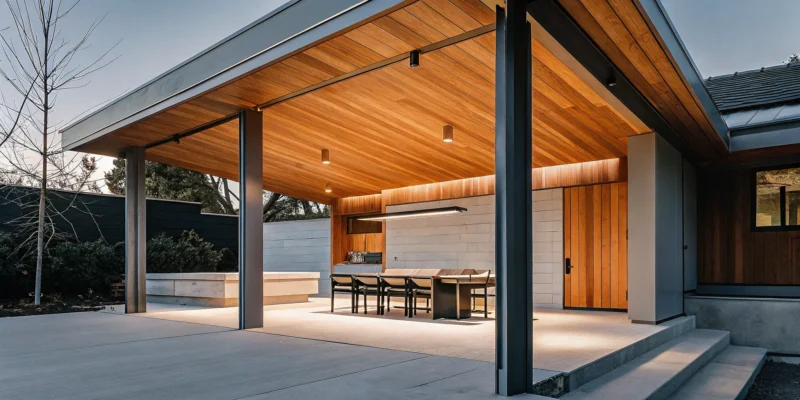
How many times has a perfect backyard plan been ruined by a sudden downpour or the blazing afternoon sun? Long Island weather can be unpredictable, often limiting how much you can truly enjoy your outdoor space. A wood pavilion provides a simple, elegant solution. It offers reliable shelter from the elements, creating a comfortable and protected area for dining, lounging, or entertaining, no matter the forecast. This allows you to get so much more use out of your patio, pool, or outdoor kitchen. To ensure your structure can handle our coastal climate, you need a professional wood pavilion builder on Long Island who engineers every project for local conditions.
Key Takeaways
- Think Beyond Shade: A wood pavilion is a smart investment that adds significant property value and creates a functional outdoor living room, extending your home’s usable space for relaxation and entertainment.
- Match Your Pavilion to Your Lifestyle: Customization is crucial, so consider how you will use the space, then choose materials, styles, and features that align with your home’s architecture and your family’s needs.
- Hire a Local Expert for a Lasting Build: Building on Long Island has unique challenges, and partnering with an experienced local builder ensures your pavilion is properly designed for the climate, correctly permitted, and built to last.
Is a Wood Pavilion a Smart Investment for Your Long Island Home?
Thinking about adding a structure to your backyard? A wood pavilion is more than just a shaded spot; it’s a versatile extension of your home that offers a fantastic return on enjoyment and value. For Long Island homeowners, a well-designed wood pavilion creates a perfect setting for everything from quiet morning coffees to lively family gatherings. It’s a functional and beautiful addition that can completely transform your outdoor living experience. Let’s explore why a wood pavilion is a smart choice for your property.
Enhance Your Landscape with Natural Beauty
There’s a reason wood is a classic choice for outdoor structures. Its natural warmth and timeless charm blend beautifully with any backyard setting, from lush gardens to stone patios. Unlike synthetic materials, wood offers an organic texture and character that complements the natural environment. A thoughtfully designed wood pavilion becomes a stunning focal point in your yard, creating an inviting atmosphere for relaxation and entertainment. Whether you prefer a rustic timber frame or a sleek, modern design, a wood structure can be customized to perfectly match your home’s style and enhance your overall landscape design. It’s an authentic way to add elegance and function to your outdoor space.
Built to Last in Long Island’s Climate
Living on Long Island means your outdoor structures need to withstand a bit of everything, from hot, humid summers to cold, snowy winters. A common question is whether wood can handle such diverse weather. The answer is a resounding yes, provided it’s built correctly with the right materials. High-quality wood species, proper construction techniques, and professional finishing treatments ensure your pavilion remains durable and beautiful for years. A well-built structure is designed to manage the elements, giving you a reliable and comfortable outdoor retreat no matter the season. Our custom pavilions and pergolas are engineered to provide lasting performance in our local climate.
Increase Your Property Value
A wood pavilion is an investment that pays off in more ways than one. Beyond the immediate lifestyle benefits, a high-quality outdoor structure significantly increases your property value. Potential buyers see a pavilion as a major bonus, a ready-made space for outdoor living and entertaining. Features like timber frame construction are especially valued for their craftsmanship, longevity, and aesthetic appeal. A pavilion adds value not just to your property but to your everyday life, creating a destination just steps from your door. When integrated with other features like a pool or an outdoor kitchen, it creates a cohesive and luxurious backyard that is highly desirable in the Long Island real estate market.
Wood vs. Other Materials: A Quick Comparison
Choosing the right material for your pavilion is a big decision, and it’s one of the first you’ll make. While wood offers a classic, natural beauty that many Long Island homeowners love, it’s not your only option. Materials like vinyl and aluminum bring their own unique advantages to the table, offering different looks and levels of care. Your final choice will likely come down to three things: the aesthetic you want to achieve, the amount of maintenance you’re willing to perform, and your overall budget.
Think of it as choosing between the timeless warmth of a wooden structure and the sleek, modern convenience of a composite one. Each material can create a stunning outdoor living space, but they get you there in different ways. Gappsi offers a range of pavilions and pergolas to suit any style, and our team can walk you through the benefits of each material to help you find the perfect fit for your backyard and lifestyle. Let’s look at how wood stacks up against some popular alternatives so you can feel confident in your decision.
Wood vs. Vinyl
If you love the look of a traditional pavilion but want to minimize upkeep, vinyl is an excellent material to consider. Vinyl pavilions provide a clean, polished look that holds up well against the elements with very little maintenance; no staining or sealing required. Many vinyl pavilions are constructed with a solid wood core that is wrapped in a durable vinyl sleeve, giving you structural integrity with a low-maintenance finish. The primary trade-off is aesthetics. While vinyl is crisp and modern, it doesn’t offer the same natural grain and warm texture as real wood. The choice comes down to whether you prefer the authentic charm of wood or the easy-care convenience of vinyl.
Wood vs. Aluminum
For a truly modern and minimalist feel, aluminum is a fantastic choice. Aluminum pavilions offer sharp, clean lines and a sleek profile that complements contemporary home architecture. This material is lightweight yet strong, and it’s naturally resistant to rust, corrosion, and pests, making it incredibly durable and long-lasting. Unlike the warm, rustic, or traditional feel of wood, aluminum creates a sophisticated, industrial-chic vibe. If your home has a modern design or you’re looking to create a distinct contrast in your landscape, an aluminum pavilion can make a powerful statement. Our team can help you select materials that perfectly complement your home and landscape design.
Pressure-Treated Pine vs. Cedar
Even within the wood category, you have important choices to make. The two most popular options for wood pavilions are pressure-treated pine and cedar. Pressure-treated pine is a budget-friendly and highly durable choice. The wood is chemically treated to resist rot, fungus, and insects, ensuring it stands up to Long Island’s humid summers. Cedar, on the other hand, is a more premium option known for its stunning natural beauty, rich color, and pleasant aroma. It contains natural oils that make it inherently resistant to decay and insects without chemical treatments. While pine is a practical workhorse, many people choose cedar for its high-end look and feel.
Explore Custom Wood Pavilion Designs
A wood pavilion is so much more than just a roof in your backyard. It’s a blank canvas for creating the outdoor space you’ve always wanted. Whether you envision a quiet reading nook, a bustling entertainment hub, or a seamless extension of your home, there’s a custom design that fits your vision perfectly. The key is to think about how you want to live in your outdoor space. From there, we can explore designs that bring that lifestyle to life, making your pavilion the true heart of your yard.
Freestanding Open-Air Pavilions
A freestanding pavilion acts as a destination in your yard, creating a distinct zone for relaxation or entertainment. Think of it as an outdoor living room, completely separate from the house. This design offers incredible flexibility because it isn’t tied to your home’s existing structure. It can be placed poolside, nestled in a garden, or positioned to capture the best view. A freestanding pavilion beautifully connects different parts of your landscape, serving as a central point that ties together your swimming pool, patio, and garden beds into one cohesive and inviting environment. It’s your personal backyard retreat.
Attached Home Pavilions
If you love the idea of seamless indoor-outdoor living, an attached pavilion is a fantastic choice. This style connects directly to your house, acting as a covered extension of your indoor living space. It’s perfect for creating a sheltered patio right off your kitchen or living room, making it easy to step outside for morning coffee or alfresco dinners. An attached pavilion essentially blurs the line between your home and your garden. We can design it to perfectly match your home’s architectural style, ensuring the addition looks like it was always meant to be there while expanding your options for home remodeling.
Poolside Pavilions
Transform your pool area into a five-star resort with a dedicated poolside pavilion. This structure provides a much-needed escape from the sun, giving you a comfortable, shaded spot to lounge, read, or watch the kids splash around. It’s the perfect place for storing towels, setting up a drink station, or creating a private changing area for guests. A poolside pavilion adds a touch of luxury and sophistication, making your swimming pool feel more like a complete outdoor oasis. It’s not just about function; it’s about creating an experience that makes every day feel like a vacation.
Pavilions for Outdoor Kitchens and Entertainment
A pavilion is the ultimate upgrade for any outdoor entertainer. By providing shelter from the sun and light rain, it allows you to get so much more use out of your outdoor kitchen and dining area. Imagine hosting a barbecue without worrying about a passing shower or having a shaded, comfortable space for guests to gather. We can design a pavilion with your specific needs in mind, incorporating features like built-in lighting, ceiling fans, and space for a full dining set. It’s the perfect way to protect your investment in an outdoor kitchen built with our expert masonry services and create a reliable, inviting hub for every gathering.
Popular Pavilion Styles for Long Island Homes
Choosing a pavilion style is one of the most exciting parts of the design process. The right design will feel like a natural extension of your home and reflect your personal taste. On Long Island, we see a wonderful mix of architectural styles, from historic colonials on the North Shore to modern beach houses in the Hamptons. This diversity means there isn’t a single “best” style, but rather a perfect style for your home. The goal is to create a structure that looks like it has always been there, enhancing your property’s character and functionality. Think about how you want to use the space. Will it be a lively hub for summer barbecues, a serene poolside retreat, or a cozy spot to enjoy a cool evening?
At Gappsi, we specialize in creating custom pavilions and pergolas that are tailored to your home’s architecture and your family’s lifestyle. Whether you envision a grand space for entertaining large groups or a quiet corner for relaxation, the style you choose sets the tone. It’s about blending aesthetics with practicality to build an outdoor room you’ll love for years. We consider everything from the materials and roofline to the surrounding landscape to ensure a harmonious result. Let’s explore some of the most popular styles we help homeowners bring to life across Nassau and Suffolk counties.
Traditional Gable and Hip Roof Designs
Traditional pavilions are timeless for a reason. With classic rooflines like a gable (a triangular shape) and a hip roof (slopes on all four sides), these structures blend beautifully with many Long Island homes. These designs are not just about looks; they are incredibly practical for our local climate. The pitched roofs allow snow to slide off easily in the winter and provide excellent shade and ventilation during hot summer months. A traditional wood pavilion creates a stately, elegant focal point for your backyard, pairing perfectly with classic masonry patios and lush garden landscapes. It’s a sophisticated choice that never goes out of style.
Modern and Minimalist Designs
If your home has a more contemporary feel, a modern pavilion with clean lines and a minimalist aesthetic might be the perfect fit. These designs often feature materials like vinyl-wrapped wood posts or sleek aluminum frames for a polished, low-maintenance finish. The focus is on simple geometry and an uncluttered look, creating a chic and sophisticated outdoor lounge. A modern pavilion can define a space for poolside relaxation or an alfresco dining area. We can help you design a structure that integrates seamlessly with your modern swimming pool and hardscaping, creating a cohesive and resort-like atmosphere right in your own backyard.
Rustic Timber Frame Styles
For those who love a warm, natural look, a rustic timber frame pavilion is an excellent choice. Often built from beautiful woods like cedar or pine, these structures showcase the artistry of woodworking with their exposed beams and sturdy posts. You can leave the wood in its natural state to weather gracefully over time or choose a stain that enhances its color and grain. A timber frame pavilion brings a cozy, lodge-like feel to your property, making it the ideal spot for an outdoor kitchen or a comfortable gathering area with a fireplace. It’s a style that harmonizes beautifully with naturalistic landscape design and wooded properties.
Customize Your Pavilion from Top to Bottom
A wood pavilion is much more than just a roof in your backyard; it’s a chance to create a space that is uniquely yours. The beauty of a custom-built pavilion is that you get to make all the decisions, ensuring the final structure perfectly matches your home’s architecture, your landscape, and your personal style. From the type of wood and the color of the stain to the shape of the roof and the features underneath it, every detail can be tailored to your vision. This level of personalization is what transforms a simple outdoor structure into the true heart of your backyard.
Think of your pavilion as a blank canvas. Do you envision a rustic retreat with heavy timber and warm lighting, or a sleek, modern space for entertaining? Maybe you need a functional hub next to your pool with a ceiling fan and built-in speakers. With a custom design, you are not limited to a kit or a one-size-fits-all solution. Instead, you can work with a designer to craft a pavilion that fits the exact dimensions of your space and includes all the amenities you need to enjoy your outdoor living area to the fullest. This is your opportunity to build the backyard you have always dreamed of, one detail at a time.
Select Your Wood, Stain, and Finish
The material you choose is the foundation of your pavilion’s character. Wood, like cedar or pressure-treated pine, offers a classic, organic warmth that blends beautifully with any landscape. You can let the wood age naturally to a silvery gray or protect it with a specific stain. A custom stain allows you to match your pavilion to your home’s trim, your deck, or other outdoor elements for a cohesive look. The finish you select not only defines the color but also provides a crucial layer of protection against Long Island’s weather, ensuring your investment remains beautiful for years.
Define the Size, Shape, and Layout
No two backyards are the same, so your pavilion shouldn’t be either. The first step in the design process is to determine the ideal size and shape for your property. The dimensions will depend on how you plan to use the space, whether for intimate family dinners or large gatherings. The layout is also critical. An open-air design feels spacious and breezy, while a more defined layout can create distinct zones for cooking, dining, and lounging. Our team designs custom pavilions and pergolas that fit your yard and lifestyle perfectly, making the most of your available space.
Add Features: Lighting, Fans, and Sound Systems
Thoughtful features are what turn your pavilion from a structure into a destination. Integrating lighting, for example, extends your enjoyment well into the evening, creating a warm and inviting ambiance. Ceiling fans are a must for humid Long Island summers, providing a comfortable breeze that keeps the air circulating. You can also incorporate a sound system for entertaining or simply relaxing with your favorite music. Other popular additions include retractable screens for bug protection, built-in seating for convenience, and outlets for charging devices or plugging in appliances. These amenities make your pavilion a truly functional outdoor room.
Integrate Your Pavilion with Pools, Masonry, and Landscaping
A pavilion should feel like a natural extension of your entire backyard, not an isolated element. We specialize in creating a unified design where your pavilion connects seamlessly with its surroundings. Imagine stone columns that match your patio, or a wood finish that complements your garden’s landscaping. By tying the pavilion visually to other elements on your property, like a custom masonry fireplace or the coping around your swimming pool, you create a harmonious and high-end outdoor living environment. This integrated approach ensures every part of your backyard works together beautifully.
What’s the Cost of a Wood Pavilion on Long Island?
Figuring out the budget for a wood pavilion is one of the first steps in bringing your vision to life. The final price tag can vary quite a bit because every project is unique. The cost depends on a mix of factors, from the pavilion’s size and the materials you choose to the complexity of the design and the specific conditions of your property. Let’s break down the main components that will influence your total investment.
How Size and Materials Affect Price
The size of your pavilion is one of the biggest factors driving the final cost. A larger structure naturally requires more materials and more hours for both fabrication and on-site assembly. While a simple 10×10 wood pavilion might be a modest investment, a sprawling 24×36 pavilion designed for large gatherings will command a significantly higher budget. The type of wood you select also plays a key role. Different woods come at different price points, so your choice will directly impact the material costs for your custom wood pavilion. It’s a balance between achieving the look you want and fitting within your desired budget.
Factoring in Design Complexity
Beyond size, the complexity of your pavilion’s design is a primary cost driver. An intricate frame with heavy timbers and sophisticated engineering will be more expensive than a straightforward, simple design. This price difference isn’t just about using more lumber; it reflects a higher level of craftsmanship, precision joinery, and the advanced planning needed to ensure its structural integrity. A more complex design requires more skilled labor and time to execute perfectly. When you invest in a detailed and robust design, you’re paying for a structure that is not only beautiful but also built to last for decades.
Site Prep and Foundation Costs
Preparing your yard for a pavilion is a critical step, especially on Long Island. Our local soil conditions, which often include glacial till, high water tables, and pockets of clay, can make excavation and foundation work more complex than in other regions. Proper site preparation is essential to create a stable, level base for your pavilion, ensuring it remains secure for years to come. This might involve grading the land, pouring a concrete slab, or installing paver footings. These foundational elements are a necessary part of the budget and protect the long-term value of your investment.
Local Permits and Regulations
Many homeowners are surprised to learn that building a pavilion often requires permits. Nassau and Suffolk counties, as well as local villages, have specific building codes and regulations that must be followed. These rules are in place to ensure safety and structural soundness. If your home is part of a homeowners’ association (HOA), you will also need to comply with its specific guidelines. The process of securing permits and navigating inspections can add to the project’s timeline and overall cost. Working with an experienced builder who understands these local requirements is key to a smooth and stress-free project from start to finish.
How Does Long Island Weather Impact Pavilion Design?
Long Island’s weather is a beautiful mix of four distinct seasons, but it can also be tough on outdoor structures. From heavy winter snows and coastal winds to humid summer days, the climate presents unique challenges. A well-built wood pavilion isn’t just about looking good; it needs to be engineered to withstand these elements year after year. The right design choices ensure your investment remains a safe, beautiful, and functional part of your backyard for decades.
Thinking about the weather from the very beginning of the design process is crucial. It influences everything from the slope of the roof and the type of wood we use to the finish we apply. A pavilion designed for a dry, mild climate simply won’t last here. That’s why local expertise matters so much. We understand how to build structures that are not only tailored to your aesthetic but are also perfectly suited for the specific demands of Long Island’s environment. This thoughtful approach means you get to spend more time enjoying your pavilion and less time worrying about its upkeep.
Designing for Wind and Snow
Heavy snow and strong winds are a reality on Long Island, so your pavilion’s structure needs to be up to the task. The roof design is your first line of defense. Styles like gable or hip roofs are excellent choices because their steep pitch helps heavy snow slide right off, preventing dangerous build-up and strain on the frame. We also engineer our pavilions and pergolas to handle the wind loads common in our coastal area, ensuring your structure is securely anchored and stable during nor’easters and summer storms. It’s all about building a beautiful shelter that you know is safe and sound, no matter the weather.
Preventing Rot from Rain and Humidity
Consistent rain and sticky summer humidity create the perfect conditions for wood rot and decay. Choosing the right materials is essential to combat this. Woods like cedar are fantastic options because they have natural oils that make them resistant to moisture and insects. However, material choice is only part of the solution. Proper design is just as important. We ensure your pavilion has adequate ventilation to prevent trapped moisture. We also often build on a solid masonry base, which keeps the wooden posts from having direct contact with the damp ground, extending the life of the entire structure.
Choosing Year-Round Wood Treatments
Even the most durable wood needs a protective layer to stand up to the sun and moisture. Think of it like sunscreen for your pavilion. A high-quality stain and sealant are non-negotiable for protecting the wood from UV damage, which can cause fading and cracking, and for repelling water to prevent rot. This finish is what keeps your pavilion looking rich and new. While the initial treatment is critical, ongoing maintenance is what preserves that look for the long haul. Our restoration and sealing services can help keep your pavilion in top condition for years, ensuring it remains a stunning centerpiece of your yard.
How to Choose a Pavilion Builder on Long Island
Finding the right builder is the most important step in bringing your wood pavilion vision to life. This is a significant addition to your home, and you want a partner who understands your goals, respects your property, and has the skill to deliver a beautiful, lasting structure. A great builder acts as your guide, handling the complexities of the project so you can focus on the exciting parts. When you start meeting with potential builders, focus on a few key areas: their track record, design flexibility, and knowledge of local rules. This will help you find a team you can trust to create the perfect outdoor retreat for your Long Island home.
Review Their Experience and Portfolio
When you’re investing in a permanent structure for your backyard, experience is everything. A builder with a long history on Long Island brings a deep understanding of local architecture, climate, and building practices. They’ve seen what works and what doesn’t. Ask them how long they’ve been in business and look for a portfolio that showcases a wide range of completed projects. A quality builder will have an extensive gallery of their pavilions and pergolas for you to review. As you look through their work, notice the details in the craftsmanship and the variety of styles they’ve executed. This will give you confidence in their ability to handle your unique project.
Confirm Their Custom Design Capabilities
Your pavilion shouldn’t be a cookie-cutter kit. It should feel like a natural extension of your home and personal style. That’s why it’s so important to work with a builder who offers true custom design. You should be able to tailor everything from the materials and shape to features like built-in lighting, fans, or even a full outdoor kitchen. A great builder will listen to your ideas and collaborate with you, offering expert guidance to create a functional and beautiful space. They should act as your design and build partner, ensuring the final structure is exactly what you dreamed of, not just what was easiest to build.
Verify Knowledge of Local Codes and Permits
Navigating building codes and permits can be one of the most confusing parts of any home improvement project. Many homeowners assume a pavilion is a simple structure, but most towns on Long Island have specific requirements based on its size and location. An experienced local builder will be an expert on these regulations. They will know the specific codes for your town and can manage the entire permit process for you. This expertise is invaluable, as it prevents costly delays and ensures your project is completed safely and legally. Hiring a professional who understands local masonry and construction codes saves you from major headaches.
Ask About HOA Compliance
If you live in a community with a homeowners’ association (HOA), you have an extra layer of rules to follow. HOAs often have strict guidelines for outdoor structures, dictating everything from size and placement to materials and colors. Before you get too far into the design process, make sure your builder is aware of these regulations. A thorough contractor will ask about your HOA upfront and can help you design a pavilion that meets all requirements. They can even assist in preparing design submissions for your HOA board’s approval. This proactive approach ensures a smooth process and keeps you in good standing with your community.
Why Choose Gappsi for Your Wood Pavilion?
Choosing the right builder is the most important step in bringing your vision for a wood pavilion to life. You need a partner who understands your goals, knows the local landscape, and has the expertise to deliver a beautiful, lasting structure. At Gappsi, we combine decades of experience with a passion for craftsmanship to create outdoor spaces that truly feel like an extension of your home. From the initial design sketch to the final construction, our team is dedicated to making the entire process smooth and rewarding for you.
Decades of Local Experience
With roots in Long Island since 1987, we have a deep understanding of the area’s unique character and climate. This local expertise allows us to design and build wood pavilions that not only look stunning but are also built to withstand coastal weather. We know what it takes to create a structure that complements your home’s architecture and thrives in its environment. Whether you’re interested in a classic, standard model or a completely custom design, our team has the experience to guide you. We’ve spent years perfecting our craft, building beautiful pavilions and pergolas that have become beloved features of homes across Suffolk and Nassau County.
Comprehensive Design and Build Services
Bringing a new structure to your property can feel like a huge undertaking, but it doesn’t have to be. Gappsi offers a complete design and build service, which means we manage every detail from start to finish. Our process begins with a collaborative design phase where we help you create the perfect pavilion for your needs. From there, we handle all aspects of the project, including securing permits and managing construction. We can also integrate features like outdoor kitchens, lighting, and sound systems to create a fully functional entertainment space. Our goal is to provide a seamless experience, allowing you to enjoy the excitement of your home remodeling project without the stress.
A Commitment to Quality Materials
The longevity and beauty of your wood pavilion depend entirely on the quality of the materials used. We believe in giving our clients the best options available. We work with a wide range of materials, including beautiful woods, durable composites, and elegant stone for columns and accents. You can choose from various roofing materials like cedar shake, architectural shingles, or metal to achieve the perfect look. We’ll walk you through the benefits of different wood types, from affordable softwoods to premium hardwoods that offer superior strength and character. Our expertise with high-quality porcelain and natural stone also allows us to create stunning, integrated designs that connect your pavilion to the surrounding landscape.
Prepare for Your Design Consultation
Walking into your first design meeting feeling prepared is the best way to kick off your project. A little homework can help you and your builder get on the same page quickly, ensuring your vision for a beautiful wood pavilion comes to life exactly as you imagined. It’s all about knowing what to ask, what to bring, and what to expect from the process. This preparation helps streamline the project and makes sure there are no surprises along the way.
Questions to Ask Your Builder
Your initial conversation is the perfect time to get clear on the important details. Start by asking about local permits. Many Long Island jurisdictions have their own specific code and permit requirements, so your builder should have experience handling the paperwork for your town. Next, ask about the materials and construction methods. The price of a pavilion often reflects the level of craftsmanship and structural integrity, not just the type of wood used. A reputable builder will be happy to explain what goes into their work, giving you confidence in the quality and durability of your investment.
What to Bring to Your First Meeting
To help your builder truly understand your vision, bring along some inspiration. This could be a Pinterest board, photos you’ve saved, or even simple sketches of what you have in mind. Don’t be afraid to think about custom features like built-in seating, lighting, or retractable curtains. Also, bring photos or a simple survey of your property. This helps your builder see how the pavilion will fit with your home’s style and existing landscape. The goal is to create a structure that feels like a natural extension of your outdoor living space, complementing everything from your garden to your swimming pool.
Understanding the Design and Build Process
Knowing what to expect can make the entire project feel more manageable. The process typically starts with a design phase where you’ll finalize the details. Remember that the pavilion’s size and the complexity of its design are the primary drivers of its cost. After the design is approved, the build begins. A great pavilion does not exist in isolation; it should harmonize with your patio, outdoor kitchen, and overall landscape. At Gappsi, we consider how every element works together, from the masonry foundation to the surrounding plantings, to create a cohesive and beautiful backyard retreat.
Related Articles
- Gazebo | Pavilion | Pergola Archives – Gappsi Group
- Modern Amish Backyard Pavilion – Wooden Archives – Gappsi Group
- Amish Pavilion Designs & Ideas for Backyards | Gappsi Inc
- Modern Amish Backyard Pavilion & Porcelain Tile | Islip NY | Gappsi Inc
- pavilions Archives – Gappsi Group
Frequently Asked Questions
How long will a wood pavilion really last with Long Island’s weather? A well-built wood pavilion can last for decades, even with our coastal weather. The key is using the right materials and construction techniques from the start. Choosing rot-resistant wood like cedar, ensuring the design allows for snow and rain to run off properly, and applying a high-quality protective stain are all part of building a structure that endures. With proper, but minimal, periodic maintenance, your pavilion will remain a beautiful and sturdy feature of your backyard for many years.
Do I need a permit to build a pavilion in my yard? Most of the time, yes. The specific requirements depend on the size of the pavilion and the rules in your particular town or village in Nassau or Suffolk County. Navigating the permit process can seem complicated, but it is a standard part of the building process. An experienced local builder will be familiar with these regulations and can manage the entire permitting process for you, ensuring your new structure is safe, legal, and up to code.
I love the look of wood, but how much maintenance is involved? Wood pavilions do require some upkeep to stay looking their best, but it is very manageable. The most important step is the initial finish, which should be a high-quality stain and sealant that protects the wood from sun and moisture. After that, you will need to reapply the sealant every few years. This simple task prevents the wood from weathering too quickly and keeps it protected from rot, ensuring its beauty and structural integrity for the long term.
Can a pavilion be designed to fit my small or unusually shaped yard? Absolutely. One of the biggest advantages of a custom-built pavilion is that it can be designed to fit your property perfectly. You are not limited to standard sizes or shapes. We can design a structure that works with your yard’s specific dimensions and layout, whether you have a compact space, a narrow side yard, or want to fit it around an existing patio or pool. The goal is to create a pavilion that feels like it was always meant to be there.
What is the most important factor that affects the final cost of a pavilion? While materials play a role, the two biggest factors that influence the cost are size and design complexity. A larger pavilion naturally requires more materials and labor, which increases the price. Similarly, a more intricate design with features like heavy timber framing, complex joinery, or a unique roofline will cost more than a simple, straightforward structure. These elements require more skilled craftsmanship and time to build correctly.