


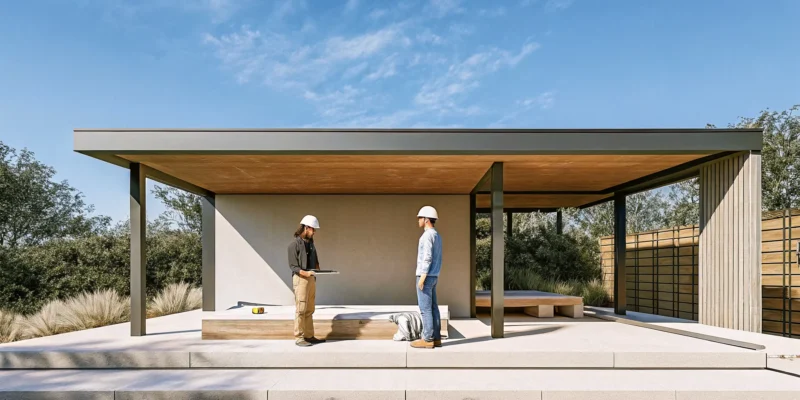
Building on Long Island comes with its own set of rules. From coastal weather considerations to complex town-specific permit processes, the details can be overwhelming. That’s why your choice of pavilion builder in Long Island is so crucial. You need more than just a contractor; you need a local expert who knows the area, understands the regulations, and has a portfolio of successful projects nearby. This local knowledge saves you time, money, and countless headaches. In this guide, we’ll break down how to identify a builder with the right experience to ensure your project is seamless and compliant.
Key Takeaways
- Create a functional outdoor room: A pavilion provides reliable shelter from sun and rain, extending your home’s living area for year-round enjoyment and adding significant value to your property.
- Choose your builder wisely: Prioritize a builder with proven local experience, proper licensing, and a portfolio that matches your vision, as this is the most critical step for a successful project.
- Design for longevity and style: Thoughtfully plan every detail from the start, including the right materials for your lifestyle, a size that fits your needs, and integrated features like electricity to ensure your pavilion is both beautiful and functional.
Why Add a Pavilion to Your Long Island Property?
A pavilion is more than just a roof in your backyard; it’s a statement. It creates a destination, a focal point that anchors your outdoor living space and turns a simple patio or lawn into a sophisticated retreat. For Long Island homeowners, adding a pavilion is a practical way to extend your living area and get more enjoyment from your property. It provides a perfect blend of shelter and open-air freedom, making your backyard the go-to spot for relaxation and entertainment.
Enjoy Your Outdoor Space All Year
One of the biggest benefits of a pavilion is its ability to make your backyard usable in almost any weather. Long Island summers can be intensely sunny, and a pavilion’s solid roof offers complete shade and a cool place to relax. Unlike a pergola with a slatted roof, a pavilion also provides reliable protection from passing rain showers, so you don’t have to rush inside during a summer drizzle. This means more time for outdoor dining, reading, or simply enjoying the fresh air. With the right pavilions and pergolas, you can comfortably host gatherings from spring through fall without constantly checking the weather forecast.
Create a Versatile Spot for Entertaining
A pavilion instantly becomes the heart of your outdoor entertaining space. It’s the perfect structure to place next to your swimming pool, giving guests a shaded spot to dry off and lounge between dips. You can design it as an outdoor living room with comfortable seating, a dining area for family barbecues, or even a sheltered spot for an outdoor kitchen. Because it’s a defined space, it naturally draws people together. A pavilion provides a versatile foundation for any activity, whether you’re hosting a large party or enjoying a quiet evening with family. It’s a simple addition that makes your backyard feel more functional and inviting.
Pavilion, Pergola, or Gazebo: What’s the Difference?
It’s easy to get these terms mixed up, but each structure serves a different purpose. A pavilion is an open-sided structure with a solid, continuous roof, offering full protection from sun and rain. Think of it as an outdoor room without walls. A pergola, on the other hand, has a slatted or lattice-style roof that provides partial shade but won’t keep you dry in a storm. Gazebos are typically smaller, often octagonal, and have a solid roof and partially enclosed sides. For maximum protection and versatility, a pavilion is usually the best choice. Gappsi offers a range of pavilions, pergolas, and gazebos to suit any style.
Increase Your Property Value
A well-designed pavilion is a smart investment that can increase your home’s market value. It’s a permanent feature that adds functional living space and significant visual appeal to your property. Potential buyers see a pavilion as a major upgrade, envisioning themselves enjoying a ready-made outdoor oasis. It signals that the home is well-cared-for and designed for a comfortable lifestyle. By creating a seamless transition between indoor and outdoor living, a pavilion makes your entire property more desirable. It’s a key part of a comprehensive home remodeling project that pays off in both enjoyment and equity.
What to Look for in a Long Island Pavilion Builder
Finding the right builder is the most important step in bringing your dream pavilion to life. You’re not just hiring someone to build a structure; you’re trusting them with your home, your budget, and your vision. A great partnership with your builder leads to a smooth process and a beautiful result you’ll love for years. To make sure you find the best fit, it’s helpful to focus on a few key areas: their experience, their credentials, their local knowledge, and how they communicate with clients.
Verify Their Experience and Portfolio
Before you commit to a builder, you need to see their work. A portfolio is more than just a collection of pretty pictures; it’s proof of their craftsmanship, style, and ability to deliver on their promises. When you review their past projects, look for quality and attention to detail. Do the structures look solid and well-built? Do they have experience with different materials and designs? A strong portfolio will showcase a diverse range of pavilions and pergolas, giving you confidence that they can handle the specifics of your project. This is your chance to see if their aesthetic matches your vision for your backyard.
Confirm They’re Licensed and Insured
This step is non-negotiable. A professional builder must be fully licensed and insured in New York, and you should ask for proof. Licensing confirms that they meet state and local standards, while insurance protects you, your property, and the construction crew from liability in case of an accident. Hiring an uninsured contractor might seem cheaper at first, but it puts you at significant financial and legal risk. A reputable builder will have no problem providing their documentation. You can also verify a contractor’s license through the state for added peace of mind. Think of it as the essential foundation for a safe and successful project.
Ask About Local Permits and Regulations
Long Island is known for its complex web of local building codes, with rules that can vary from one town to the next. A builder who primarily works in this area will understand these specific requirements and know how to manage the permitting process efficiently. This local expertise is invaluable. It prevents delays, ensures your pavilion is compliant with all regulations, and saves you from the headache of dealing with paperwork and inspections. When you interview potential builders, ask them about their experience with your town’s building department. Their answer will tell you a lot about their professionalism and local knowledge.
Read Customer Reviews and Gauge Communication
A beautiful portfolio is important, but so is a track record of happy clients. Look for reviews and testimonials on the builder’s website, social media, and third-party platforms. Pay attention to comments about their communication style, timeliness, and problem-solving skills. Did they keep the client informed? Did they stick to the schedule and budget? Beyond reading reviews, trust your gut during your initial conversations. A good builder will listen to your ideas, answer your questions clearly, and make you feel comfortable. This initial rapport is often a strong indicator of what the working relationship will be like throughout the entire project.
Designing Your Pavilion: Materials and Custom Features
This is where your vision really starts to take shape. Designing your pavilion is about more than just picking a style you like; it’s about making thoughtful choices that will turn your backyard into a true outdoor living room. From the materials underfoot to the lighting overhead, every detail contributes to the final look, feel, and function of your space. A well-designed pavilion should feel like it has always been a part of your home. Let’s walk through the key elements you’ll want to consider with your builder to create a structure that’s both beautiful and built to last.
Choose the Right Material: Wood, Vinyl, or Composite
The material you choose sets the tone for your entire pavilion and determines its maintenance needs. Wood, like cedar or pine, offers a classic, natural beauty that blends seamlessly into a garden environment. It’s strong and durable, but it does require regular sealing or staining to protect it from the elements.
For a low-maintenance alternative, vinyl is an excellent choice. It resists moisture, won’t rot or warp, and never needs painting. You can simply wash it down to keep it looking new. Gappsi offers a variety of high-quality pavilions and pergolas in different materials, allowing you to find the perfect match for your lifestyle and aesthetic preferences. Discussing the pros and cons of each with your builder will help you select a material that you’ll love for years.
Match Your Pavilion to Your Home’s Style
Your new pavilion shouldn’t look like it was just dropped into your yard. It should complement your home’s architecture and feel like a natural extension of your living space. Consider details like the roofline, column style, and color palette. A good builder will help you echo design elements from your house to create a cohesive and intentional look.
The goal is to have the structure blend with its surroundings, not overwhelm them. This is where professional landscape design becomes so valuable. By thoughtfully integrating the pavilion with existing patios, walkways, and gardens, you create a harmonious outdoor environment that feels both elegant and inviting.
Plan the Size, Layout, and Roof
Before breaking ground, think carefully about how you plan to use your pavilion. Will it be a cozy spot for morning coffee, a large area for dining and entertaining, or a poolside lounge? The function will determine the ideal size and layout. You need enough space to comfortably fit your desired furniture and allow for easy movement.
The location is just as important. It should be easily accessible from your house but also positioned to take advantage of views and provide privacy. Your choice of roofing also plays a big role, affecting both the style and its ability to provide shelter from sun and rain. A solid roof offers complete protection, while a slatted or pergola-style roof provides partial shade.
Incorporate Lighting and Electrical Features
To make your pavilion truly functional, plan for electricity from the start. This is a detail that’s much harder and more expensive to add later. Integrating electrical features allows you to extend your enjoyment of the space well into the evening. Think about including outlets for charging devices or plugging in speakers.
You can also install a ceiling fan for a cool breeze on warm summer days or an infrared heater for chilly autumn nights. Thoughtful lighting, from overhead fixtures for general illumination to subtle accent lights, creates a warm and inviting ambiance. Gappsi’s expertise in home remodeling ensures that all electrical work is handled safely and seamlessly during construction.
Consider the Foundation and Structure
A pavilion is only as strong as its foundation. This is one area where you absolutely cannot cut corners. A proper foundation ensures your structure is stable, safe, and able to withstand Long Island’s diverse weather, from heavy snow to strong winds. Your builder should be an expert in local soil conditions and building codes to design a foundation that lasts.
The structure must also be anchored correctly to prevent shifting or lifting. Many common DIY mistakes come from poor planning around the foundation, anchoring, and drainage. Hiring a professional builder like Gappsi guarantees that these critical structural elements are engineered correctly, giving you peace of mind that your investment is secure and built to code.
How to Hire the Best Pavilion Builder in Long Island
Finding the right builder is the most important step in bringing your pavilion vision to life. You need a partner who understands your goals, respects your budget, and has the expertise to deliver a beautiful, lasting structure. This process involves more than just collecting quotes; it’s about finding a team you can trust. From initial design talks to the final cleanup, a great builder will guide you through every phase with clear communication and professional skill. Let’s walk through how to identify and hire the best pavilion builder for your Long Island home.
Why Gappsi Is a Top Choice for Long Island Pavilions
When you’re investing in a permanent outdoor structure, local experience matters. With over three decades of serving Long Island homeowners, we’ve developed a deep understanding of the area’s specific architectural styles and environmental demands. We know how to build pavilions and pergolas that not only look stunning but also withstand coastal weather. Our process is built on collaboration, ensuring your new pavilion perfectly complements your home and lifestyle. We handle everything from design to construction, creating a seamless experience and a single point of contact for your entire project. Our long history is a testament to our commitment to quality craftsmanship and happy clients.
What to Expect During the Building Process
A well-managed construction project should feel exciting, not stressful. Pavilion construction mistakes can turn your dream outdoor retreat into a costly problem, but they are almost always preventable with the right partner and clear communication. Our process begins with a detailed consultation to understand your vision. From there, we move to the design phase, where we create plans and help you select materials. Once the design is approved, our skilled team handles the site preparation, foundation work, and construction. We maintain an open line of communication throughout the build, providing regular updates so you’re always informed. A final walkthrough ensures every detail meets your expectations.
What Determines the Cost of a Pavilion?
The final cost of your pavilion depends on several key factors. The appearance, strength, and durability of your new structure will depend on the materials used to build it. Wood offers a classic, natural look, while vinyl and composite materials provide low-maintenance durability. Size is another major consideration, as a larger footprint requires more materials and labor. The complexity of the design, including the roof style and any custom architectural details, will also influence the price. Finally, features like integrated lighting, electrical outlets, ceiling fans, or a foundation made from beautiful porcelain and natural stone pavers will add to the total investment.
How to Budget for Your Pavilion Project
Creating a realistic budget is key to a successful project. A great plan starts with thorough planning, selecting high-quality materials, and choosing the right build method. When you request a quote, make sure it’s detailed and itemized so you know exactly what you’re paying for. It’s also wise to set aside a contingency fund, typically 10% to 15% of the total cost, to cover any unexpected changes or additions you might want to make along the way. While it can be tempting to go with the lowest price, remember to consider the long-term value. Investing in quality materials and expert masonry will save you money on repairs and maintenance down the road.
Mistakes to Avoid When Hiring a Builder
Choosing a builder based only on cost can lead to long-term problems. A surprisingly low bid may indicate compromises in materials, craftsmanship, or project management that can cost you more later. Instead, look for a builder who offers a fair price for excellent value. Another common mistake is failing to establish clear communication from the start. A reliable builder will maintain transparency, provide consistent updates, and welcome your feedback throughout the process. Before signing a contract, make sure you feel comfortable with their communication style and trust their expertise. You can often get a good sense of a company’s professionalism by viewing their past work on platforms like their YouTube channel.
Related Articles
- Custom Pavilions, Pergolas & Gazebos in Long Island, NY
- Gazebo | Pavilion | Pergola Archives – Gappsi Group
- Gazebo vs Pergola vs Pavilion: Which Is Right For You?
- Long Island outdoor design Archives – Gappsi Group
Frequently Asked Questions
How long does it typically take to build a pavilion? The construction timeline really depends on the project’s specifics, such as the design complexity, material availability, and the local permitting process. A straightforward pavilion might be completed in a few weeks, while a larger, more customized structure with features like masonry or extensive electrical work will take longer. A professional builder will provide a clear and detailed schedule after the design is finalized, so you know exactly what to expect.
Will I need a permit for my pavilion? On Long Island, it is very likely that you will need a permit to build a pavilion. These permanent structures are subject to local building codes, which can vary significantly from one town to another. This is a key reason to work with an experienced local builder who understands the specific requirements in your area and can handle the entire permitting process for you, ensuring your project is built to code from the start.
What kind of maintenance is involved with a pavilion? The level of maintenance depends almost entirely on the material you choose. A wood pavilion is beautiful but will need periodic sealing or staining to protect it from the weather. If you prefer a lower-maintenance option, materials like vinyl or composite are great choices because they only require occasional cleaning with soap and water to stay looking their best.
Can I add features like an outdoor kitchen or a fireplace to my pavilion? Absolutely. A pavilion is the perfect structure to house custom features that make your outdoor space more functional. Many homeowners choose to incorporate outdoor kitchens, bars, integrated lighting, ceiling fans, and even fireplaces or media walls. Planning for these elements during the initial design phase is the most efficient way to ensure all plumbing, gas, and electrical lines are handled correctly.
How do I know what size pavilion is right for my yard? The right size depends on two things: how you plan to use the space and the scale of your property. Think about whether you want a cozy seating area for two or a large space for dining and entertaining. A good designer will help you map out furniture placement to ensure comfortable traffic flow and help you choose a size that complements your home and landscape rather than overwhelming them.