


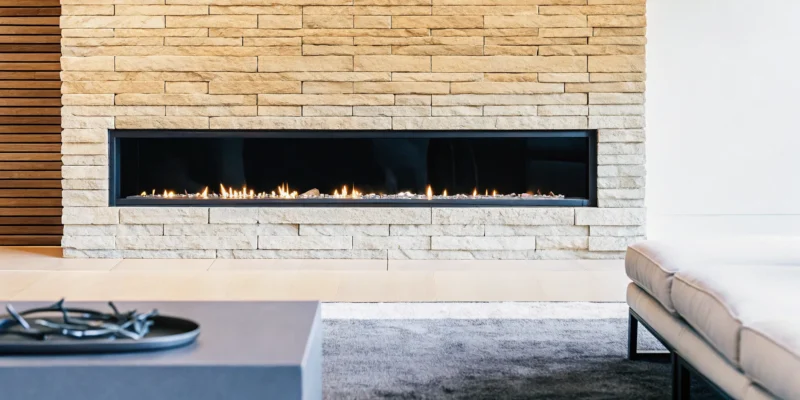
A new fireplace is a significant investment in your home’s comfort, beauty, and overall value. When you decide to build or remodel one, you’re creating a permanent feature that will be enjoyed for generations. The choice of material is central to this investment, and a high-quality natural stone for a fireplace wall adds a level of sophistication and durability that other materials cannot match. It’s a choice that pays dividends in both daily enjoyment and long-term home equity. This guide will help you understand the different costs, durability factors, and design impacts of various stones, ensuring you make a smart, informed decision that enhances your home’s character and value for decades.
Key Takeaways
- Balance style with safety: Select your stone based on both its appearance and its ability to handle heat. Stones like granite and soapstone are great for high-heat areas, while others like marble are best used for the decorative surround.
- Consider the big picture in your design: Your fireplace should complement your home’s style and be proportional to the room. It is also critical to have a professional confirm your home can support the stone’s weight before installation begins.
- Protect your investment with professional work: A proper installation by an expert mason is essential for safety and longevity. Once installed, simple maintenance, including gentle cleaning and periodic sealing, will keep your stone fireplace looking its best for decades.
What Are the Top Natural Stones for a Fireplace Wall?
Choosing the right natural stone for your fireplace wall is one of the most exciting parts of a home remodel. It’s the material that will define the room’s atmosphere, turning a simple wall into a stunning focal point. The great news is that you have so many beautiful options to work with. From the polished elegance of marble to the rustic charm of stacked fieldstone, each type of stone brings its own unique character, texture, and color palette to your space.
Your final decision will come down to a mix of personal style, your home’s existing architecture, and how much maintenance you’re comfortable with. Some stones are incredibly durable and easy to care for, while others might need a bit more attention to keep them looking their best. We work with a wide selection of porcelain and natural stone pavers and can help you find the perfect fit. Let’s walk through some of the most popular choices to help you picture what’s possible for your own home.
Granite
If you’re looking for a material that is both beautiful and incredibly practical, granite is an excellent choice. It’s one of the toughest natural stones available, making it a popular option for busy areas of the home, including fireplace surrounds. Granite is highly resistant to heat and won’t easily crack or fade from the fire’s warmth. It’s also simple to clean and maintain, so you can spend more time enjoying your fireplace and less time worrying about upkeep. With a huge range of colors and patterns, from deep, uniform blacks to intricate waves of gold and gray, you can find a granite slab that perfectly matches your design vision.
Marble
For a touch of pure elegance, nothing compares to marble. Its distinctive, soft veining and luminous surface create a feeling of luxury and timelessness that can make any fireplace the undisputed centerpiece of a room. Marble is perfect for creating a sophisticated and formal look, whether you prefer classic white Carrara or a more dramatic, darker stone. While it’s a durable material, it is softer and more porous than granite. It’s best used for the surround and mantel rather than inside the firebox, as intense, direct heat can cause discoloration. With the right placement, a marble fireplace offers a beautiful and fancy look that lasts.
Quartzite
Do you love the look of marble but need something a bit more rugged? Quartzite might be your perfect match. This natural stone beautifully combines the delicate, sweeping veins of marble with the strength and durability of granite. It’s an incredibly hard, dense stone that stands up well to heat, making it a fantastic and reliable choice for a fireplace wall. Quartzite often comes in light, airy shades of white and gray, offering a sophisticated aesthetic without the maintenance concerns associated with marble. It’s a wonderful way to get a high-end, elegant look that is built to last for years to come.
Slate
Slate offers a unique, organic texture that can lean either modern or rustic depending on how it’s used. Known for its fine grain and rich, deep colors like charcoal, green, and blue, slate brings a natural, earthy feel to a room. Its signature cleft surface adds a layer of textural interest that feels both authentic and stylish. Slate is also a very durable stone that can withstand high temperatures, making it a safe and practical option for a fireplace surround. Whether you choose large, smooth tiles for a sleek look or rougher cuts for a more rustic design, slate provides a bold and beautiful backdrop for your fire.
Limestone
Limestone is a classic choice that brings a warm, inviting feel to any space. Its soft, muted tones and subtle textures create a look of understated elegance that complements a wide range of home styles, from traditional to contemporary. As a fireplace material, limestone is heat-resistant and durable, though it is a softer, more porous stone. This means it can be more susceptible to scratches and stains, so it requires regular cleaning and sealing to keep it looking pristine. For many homeowners, the timeless beauty of limestone is well worth the extra care, and our restoration and sealing services can help keep it protected.
Soapstone
Soapstone is a fantastic material for a fireplace, and not just for its looks. This dense, non-porous stone is exceptional at absorbing and radiating heat. This means that long after your fire has died down, the soapstone surround will continue to gently warm the room, creating a cozy and efficient heat source. Its surface is smooth to the touch and typically comes in shades of gray that can darken over time to a rich, deep black. Because it’s non-porous, soapstone is naturally resistant to stains and incredibly easy to clean, often requiring just a simple wipe-down with soap and water.
Fieldstone and Stacked Stone
For a truly rustic and cozy atmosphere, nothing beats the charm of a fieldstone or stacked stone fireplace. This style uses stones of various sizes, shapes, and textures to create a look that feels like it was pulled directly from nature. This approach is less about a single type of stone and more about the artful arrangement, which is where expert masonry design comes in. You can use real stones or a high-quality field stone veneer to achieve this look, which is perfect for creating a lodge-like feel, a charming farmhouse accent, or a dramatic floor-to-ceiling feature wall.
Why Choose Natural Stone for Your Fireplace?
A fireplace is more than just a source of heat; it’s the heart of the room, a natural gathering spot for family and friends. Choosing the right material for your fireplace surround is a decision that impacts your home’s style, safety, and long-term value. While many options exist, natural stone remains a top choice for homeowners, and for good reason. It offers an unmatched combination of strength, elegance, and timeless appeal that synthetic materials simply can’t replicate.
From the rugged charm of fieldstone to the polished sophistication of marble, each type of stone brings its own unique story and character into your home. When you choose natural stone, you’re not just building a fireplace. You’re making a lasting investment in your home’s beauty and function. The benefits go far beyond aesthetics, providing practical advantages that make it a smart and beautiful addition to any living space. It’s a choice that connects your interior design to the natural world, creating a sense of grounding and authenticity. This connection is what transforms a simple fireplace into a true architectural feature, a centerpiece that defines the entire room and reflects your personal style.
Lasting Heat Resistance
A fireplace is designed to contain a fire, so the materials surrounding it must be able to handle high temperatures safely. Natural stone is an excellent choice because it is inherently heat-resistant. Stones like granite and soapstone are formed under immense heat and pressure, making them exceptionally durable and unlikely to crack or discolor when exposed to the warmth of a fire. This quality ensures your fireplace remains a safe and beautiful focal point for years to come. Unlike some manufactured materials that can degrade over time, a well-chosen natural stone provides peace of mind, allowing you to enjoy cozy evenings without worrying about material failure.
Timeless Durability
Investing in a natural stone fireplace is a decision that pays off for decades. Stone is one of the most durable building materials available, capable of withstanding the daily wear and tear of a busy household. It resists scratches, dents, and chipping far better than drywall or wood, making it a practical choice for a high-traffic area like the living room. This timeless durability means your fireplace will look just as stunning in twenty years as it does the day it’s installed. With proper masonry construction, a stone fireplace becomes a permanent, valuable feature of your home, adding to its character and resale value without needing frequent repairs or replacement.
One-of-a-Kind Natural Beauty
Perhaps the most compelling reason to choose natural stone is its unique beauty. Since it’s quarried directly from the earth, no two pieces are exactly alike. The subtle variations in color, veining, and texture ensure your fireplace is a true one-of-a-kind masterpiece. Whether you prefer the dramatic, sweeping veins of marble or the earthy, layered look of slate, there is a stone to match any design vision. This natural artistry adds a layer of depth and sophistication that manufactured products can’t imitate. You can see how different stones create stunningly unique looks in various Gappsi projects, each one tailored to the home’s specific style.
An Eco-Friendly Choice
For homeowners looking to make sustainable choices, natural stone is an excellent option. It is a natural, non-toxic material that doesn’t release harmful pollutants or chemicals into your home when heated. Because it is an abundant resource, it has a lower environmental impact compared to many synthetic materials that require intensive manufacturing processes. By choosing a stone that is sourced responsibly, you can create a beautiful fireplace while being mindful of the environment. This makes natural stone a choice you can feel good about, as it adds warmth and beauty to your home in a way that is harmonious with nature.
Is All Natural Stone Safe for Fireplaces?
When you’re designing a fireplace, it’s easy to get swept up in the beauty of different stones. But not every natural stone can handle the intense heat of a fire. Choosing the wrong material isn’t just a design mistake; it can be a safety hazard and lead to costly repairs down the road. Some stones can crack, discolor, or even break apart when exposed to high temperatures. That’s why understanding which stones are suitable for fireplace applications is so important. It’s about finding that perfect balance between the look you want and the performance you need. The right natural stone will not only look stunning for years to come but will also safely radiate warmth into your home.
Which Stones Handle Heat Best?
Certain stones are naturally built to withstand high temperatures, making them ideal for fireplace surrounds and hearths. Granite is a fantastic choice because it’s incredibly dense and heat-resistant, so it won’t easily crack or degrade from the fire’s heat. It’s also a durable natural stone that’s simple to clean. Soapstone is another top performer. It excels at absorbing and radiating heat, meaning it continues to warm your room long after the flames have died down. This unique quality, combined with its resistance to heat and stains, makes it a practical and popular option for cozy living spaces.
Thermal Expansion: What It Is and Why It Matters
Have you ever heard of thermal expansion? It’s a simple concept that’s very important for fireplace construction. It refers to how materials naturally change in size and shape when their temperature changes. When a stone gets hot, it expands; when it cools, it contracts. For a fireplace, this matters a great deal. A stone that expands too much or unevenly can put stress on the surrounding structure and itself, leading to cracks. This is why working with an expert masonry team is crucial. Professionals understand how to select and install stone to properly account for thermal expansion, ensuring your fireplace is both beautiful and structurally sound.
Which Stones to Avoid Near Direct Flame
Just as some stones are perfect for fireplaces, others should be avoided, especially near the direct flame of the firebox. Marble, while beautiful, doesn’t handle heat as well as granite or soapstone. It’s best used for the surround, away from the intense heat, as it can discolor or break down. Marbles with a lot of veining are particularly vulnerable, as those lines can be weak points that crack under heat stress. Another material to steer clear of is engineered quartz. While it’s a great countertop material, the resins and polymers used to bind it together cannot withstand high temperatures, making it unsuitable and unsafe for any fireplace application.
Inspiring Natural Stone Fireplace Designs
A natural stone fireplace is more than just a heat source; it’s the heart of the room. It can set the entire tone for your space, acting as a stunning focal point that gathers everyone together. The design you choose can transform a simple living room into a grand statement hall or a cozy, rustic retreat. Whether your style is sleek and modern or warm and traditional, there’s a natural stone design that will feel like it was made just for your home. Let’s look at a few popular approaches to get your creative ideas flowing.
Dramatic Floor-to-Ceiling Statements
For a truly showstopping feature, consider taking the stonework from floor to ceiling. This design draws the eye upward, creating a sense of height and grandeur that works beautifully in great rooms or spaces with vaulted ceilings. A floor-to-ceiling fireplace becomes an undeniable architectural element in your home. You can use large, dramatic slabs of marble for a bold look or intricate, smaller stones for a more detailed texture. This approach turns your fireplace wall into a work of art, anchoring the room with its impressive scale and beauty. Our expert masonry team can craft a custom design that perfectly fits your vision.
Sleek, Modern Stone Slabs
If your home leans contemporary, a fireplace designed with large, sleek stone slabs can create a clean and sophisticated look. Using a single slab of quartzite or marble minimizes grout lines and puts the focus squarely on the stone’s inherent beauty, like its dramatic veining or subtle coloring. This minimalist approach feels both luxurious and understated. A polished finish can enhance the stone’s reflective quality, adding light and elegance to the room. This style pairs exceptionally well with simple mantels or a no-mantel design for an uncluttered, modern aesthetic. You can explore a wide variety of porcelain and natural stone options to find the perfect slab for your project.
Cozy, Rustic Stacked Stone
To create a warm, inviting atmosphere, nothing beats the charm of a rustic stacked stone fireplace. This style often uses fieldstone or other stones with varied shapes and textures, evoking the feeling of a cozy mountain lodge or a classic country home. The dry-stack technique, where stones are fitted tightly together without visible mortar, adds to the authentic, organic feel. The natural, rugged appearance of stacked stone provides a comforting and timeless appeal, making the fireplace a natural gathering spot for family and friends. It’s a design that feels grounded, welcoming, and full of character.
Creative Mixes of Texture and Finish
Your fireplace design is a chance to show off your personal style, and mixing materials is a fantastic way to do it. Imagine pairing the cool, smooth surface of a limestone surround with a warm, reclaimed wood mantel. Or, you could create visual interest by contrasting rough, split-face stone with sleek, polished tiles on the hearth. Combining different textures, colors, and finishes adds depth and a custom feel to your fireplace. This approach allows you to create a truly one-of-a-kind feature that complements your home’s unique decor. Our home remodeling experts can help you balance different elements for a cohesive and beautiful result.
Seamless Indoor-Outdoor Flow
Extend your living space by creating a seamless connection between your indoor and outdoor areas. Using the same natural stone for your living room fireplace as you do for an outdoor patio wall or kitchen can beautifully blur the lines between inside and out. This is especially effective when your living room opens up to a patio or deck. A continuous stone feature creates a cohesive, expansive feel, making both spaces feel larger and more connected. It’s a sophisticated design choice that enhances your home’s flow and is perfect for entertaining. Imagine enjoying a fire inside while guests gather around a matching fireplace under a custom pergola just steps away.
How to Choose the Right Stone for Your Fireplace
Picking the perfect natural stone for your fireplace wall is an exciting part of your home renovation. It’s the step where your vision really starts to take shape. But with so many beautiful options, how do you land on the right one? It’s about more than just picking a pretty stone. You’ll want to think about your home’s personality, the mood you want to create, the size of your space, and the practical details of installation. Let’s walk through the key things to consider so you can choose your stone with confidence.
Complement Your Home’s Style
The best place to start is with the style of your home. Is your space modern and minimalist, cozy and rustic, or classic and traditional? The stone you choose should feel like a natural extension of your existing decor. For example, a sleek, large-format marble slab can look stunning in a contemporary living room, while stacked fieldstone is a perfect fit for a rustic den. Natural stone remains a popular choice for fireplaces because it’s elegant, handles heat beautifully, and every piece is unique. Your fireplace is a focal point, so selecting a stone that harmonizes with your home’s character will create a cohesive and inviting atmosphere. A professional can help you see how different types of custom masonry can fit your vision.
Select Your Texture, Color, and Finish
Once you have a style in mind, you can get into the fun details of texture, color, and finish. Different stones have varied colors and textures, which can significantly affect the overall aesthetic of your fireplace. A polished finish creates a smooth, reflective surface that feels formal and refined. A honed finish is matte and less flashy, while a rough or split-face texture adds depth and a rustic, organic feel. Color also plays a huge role. Light-colored stones like limestone or white marble can make a room feel brighter and more open. Darker stones like slate or soapstone create a dramatic, cozy, and sophisticated mood. Think about the feeling you want to create in the room and choose a stone that helps you achieve it.
Factor in Room Size and Scale
Proportion is everything in design. Choosing a stone style that’s the wrong scale for your room can throw off the entire space. A massive, heavy-looking stone surround might overwhelm a small, intimate room, making it feel cramped. On the other hand, a small, delicate fireplace design can get lost in a large room with high ceilings. Consider the scale of the fireplace in relation to the room’s dimensions, ceiling height, and other furniture. A floor-to-ceiling stone wall can be a breathtaking statement piece in a room with vaulted ceilings, but a more modest design might be better for a standard-sized living room. Thinking about the fireplace as part of the overall room design ensures a balanced and harmonious result.
Address Weight and Structural Needs
This is a crucial, practical step you can’t skip. Natural stone is heavy, and your home needs to be able to support it safely. Before you fall in love with a specific stone, it’s essential to have a professional assess your home’s framing and foundation. Some installations, especially those involving large, heavy slabs or floor-to-ceiling designs, may require additional structural support to be installed safely. Improper installation can pose serious risks, so it’s vital to ensure the wall’s structural integrity is sound. This is not a DIY-friendly assessment. Working with an experienced team like Gappsi ensures that all the necessary structural checks and reinforcements are handled correctly, giving you peace of mind that your beautiful new fireplace is also safe and secure.
Your Fireplace Installation: What to Expect
Once you’ve chosen the perfect stone, it’s time to think about the installation. Bringing your vision to life is an exciting process, and knowing what’s involved can help ensure everything goes smoothly. From hiring the right team to planning for the unique qualities of natural stone, a little preparation goes a long way.
Why You Should Hire a Professional
While DIY projects can be rewarding, a fireplace installation isn’t the place to cut corners. Working with heavy stone and near a heat source requires specific expertise. A professional installer ensures your fireplace is not only beautiful but also safe and built to last. Experts handle the structural assessments, use the correct mortars and adhesives for heat exposure, and guarantee the final result is up to code. For a project that will be a central feature of your home for years, trusting a professional masonry team is the best way to protect your investment and your peace of mind. As experts advise, you should always have a professional install the stone for your firebox to ensure safety and longevity.
Plan for Natural Color and Texture Variations
The beauty of natural stone is that no two pieces are exactly alike. This means you should expect and embrace variations in color, veining, and texture. These unique characteristics are what give your fireplace its one-of-a-kind personality. Before installation, it’s a great idea to look at several samples or even a full slab of your chosen stone. A good installer will often lay out the stones before permanently setting them, allowing you to approve the pattern and flow. This step ensures the final composition highlights the stone’s best features and matches your vision. The unique colors and textures of different stones can greatly influence your fireplace’s final look.
How Much Extra Stone Should You Order?
Here’s a pro tip: always order more stone than you think you’ll need. A general rule of thumb is to order about 10% to 15% extra. This overage accounts for pieces that may be cut during fitting, accidentally broken during transport, or discarded due to imperfections. Having extra material on hand prevents costly delays if you run short mid-project. It also gives you a small stash of matching stone for any potential future repairs, which is crucial since stone from a different batch may not match perfectly. It’s always wise to order a little extra stone to prepare for cuts and waste.
Prepare for Common Installation Hurdles
A smooth installation process begins with a solid plan. The most common hurdles often come from skipping the planning phase or choosing the wrong materials for the job. Before work begins, confirm with your installer that your home’s structure can support the weight of the stone you’ve selected. Double-check that the stone is appropriate for use around a fireplace, especially regarding heat resistance. Clear communication with your home remodeling team about the design, layout, and timeline will help you sidestep many common renovation mistakes. A well-thought-out project is a successful project.
What Does a Natural Stone Fireplace Wall Cost?
Thinking about a natural stone fireplace is exciting, but it’s smart to have a clear idea of the budget. The total cost of a natural stone fireplace wall is an investment in your home, and it can vary quite a bit. The final price tag depends on three main things: the type of stone you fall in love with, the size and complexity of your design, and the labor required for a perfect installation. For example, a dramatic, floor-to-ceiling wall made of a rare marble will have a different price point than a cozy, rustic surround using locally sourced fieldstone. The intricacy of the design, like whether you want a simple slab or a complex mosaic pattern, also affects the hours of skilled labor needed. By understanding these components, you can create a realistic budget and choose a beautiful fireplace that fits your financial plans and adds lasting value to your home. Let’s break down what goes into the cost so you can plan your project with confidence.
Comparing Costs by Stone Type
The type of stone you choose is one of the biggest factors in your project’s budget. Some stones are more accessible and affordable, while others are priced as premium materials due to their rarity and appearance. For example, granite is a popular mid-range choice because it’s incredibly durable and highly resistant to heat. On the higher end, certain types of marble offer unmatched elegance, and quartzite provides a beautiful, durable surface. Gappsi offers a wide selection of porcelain and natural stone pavers to fit different styles and budgets. Visiting a showroom can help you see the materials firsthand and get a better sense of their respective costs.
Factors That Influence the Final Cost
Beyond the stone itself, several other elements will shape your final budget. The sheer size of your project is a major driver; a floor-to-ceiling accent wall will naturally cost more than a simple fireplace surround. The complexity of the installation also plays a huge role. Intricate patterns, custom cuts, and detailed designs require more time and skill from your mason, which increases labor costs. Finally, don’t forget about finishing touches. Most natural stone needs to be sealed to protect it from stains and moisture. This initial sealing is a crucial step that adds to the upfront cost but protects your investment for years to come.
Balance Upfront Cost with Long-Term Value
When you’re looking at prices, it’s helpful to think about the long-term value, not just the initial expense. A stone with a lower upfront cost might require more frequent maintenance. For instance, some types of marble and limestone may need to be resealed annually, while durable granite and quartzite can often go three to five years between treatments. Natural stone is a top choice for fireplaces because of its timeless beauty and durability. A professionally installed stone fireplace is more than just a design feature; it’s a durable, valuable addition that can enhance your home’s appeal for decades. Partnering with an expert masonry designer ensures your fireplace is not only beautiful but also a sound investment.
How to Maintain Your Natural Stone Fireplace Wall
A natural stone fireplace is a stunning, durable feature in any home, but a little care goes a long way in keeping it pristine. Think of maintenance as protecting your investment. With the right approach, your stone will continue to be a beautiful centerpiece for decades. Regular cleaning, periodic sealing, and knowing how to handle tougher stains are the three key pillars of stone care. It’s less about hard work and more about using the right techniques and products to preserve the stone’s natural character. Don’t worry, it’s simpler than it sounds. Whether you have rugged fieldstone or polished marble, a consistent routine will prevent buildup and keep your fireplace looking as good as the day it was installed. This proactive care ensures that soot, dust, and everyday life don’t diminish the unique color and texture you fell in love with. It also prevents small issues from becoming bigger, more expensive problems down the road. If you ever run into a problem you can’t solve, our professional restoration and sealing services are always here to help restore your stone’s original beauty.
Simple Cleaning Tips for Each Stone Type
When it comes to cleaning your stone fireplace, gentle is the way to go. You can handle most light dust and buildup with a simple mixture of warm water and a few drops of dish soap. Use a soft cloth or sponge to wipe down the surface. The most important rule is to only use pH-neutral cleaners specifically made for stone. Avoid any commercial fireplace cleaners or household products that contain acids, bleach, or strong alkalis. These harsh chemicals can etch, dull, or discolor the surface of your beautiful stone. A little routine cleaning prevents soot and grime from setting in, making your job much easier in the long run and preserving the integrity of your natural stone.
Know When and How to Reseal Your Stone
Sealing is your stone’s best defense against stains. Most natural stone is porous to some degree, meaning it can absorb liquids like spilled wine or soot from the fire. A quality penetrating sealer soaks into the stone to fill these pores, which stops stains before they can set in. Your fireplace should be sealed right after installation and then periodically after that. The frequency depends on the stone type. For example, dense stones like granite and quartzite may only need resealing every three to five years, while more porous stones like marble and limestone benefit from an annual application. If you’re not sure if your stone needs sealing, you can always contact our team for advice.
How to Restore Damaged Stone
Sometimes, a deep stain happens despite your best efforts. For heavy soot or smoke stains that have penetrated the stone, a standard cleaning won’t be enough. In these cases, you may need a stone-specific poultice. A poultice is a paste-like substance that you apply to the stain, and as it dries, it pulls the stain out of the stone. You can find poultices designed specifically for carbon and smoke stains at specialty suppliers. However, for stubborn issues or if you’re hesitant to try it yourself, calling a professional is the safest option. A specialist can restore your stone without risking damage to the surface, ensuring your fireplace looks flawless once again.
Find High-Quality Natural Stone on Long Island
Finding the right stone for your fireplace is just as important as the design itself. You need a supplier who not only has beautiful materials but also understands the technical demands of a fireplace. On Long Island, you have options, but the key is to partner with an expert who can guide you from selection to installation, ensuring your new fireplace is both stunning and safe for years to come. A great supplier will have a deep knowledge of their inventory and can help you find the perfect match for your home’s style and your project’s budget.
How to Choose a Stone Supplier
When you start looking for a stone supplier, it’s about more than just finding the right color. You’ll want to find a partner with a deep understanding of their materials. Ask them about each stone’s durability, heat resistance, and required maintenance. A knowledgeable supplier can explain why one stone might be better for a modern, high-use fireplace while another suits a more decorative purpose. Look for a company that offers a wide selection of porcelain and natural stone and encourages you to see and feel the materials in person. This hands-on experience is invaluable for appreciating the stone’s true texture and color variations.
Partner with Gappsi for Your Fireplace Project
Working with Gappsi means you get more than just a stone supplier; you get a dedicated partner for your entire fireplace project. We are committed to providing authentic, beautiful, and long-lasting natural stone, but our service doesn’t stop there. Our team handles everything from initial design to final installation, making the process seamless and stress-free. We help you select the perfect stone from our extensive collection and then our expert masonry craftsmen bring your vision to life with precision and care. With Gappsi, you can feel confident that your new fireplace will be a safe, durable, and beautiful centerpiece in your home for many years.
Related Articles
Frequently Asked Questions
I’m still not sure which stone is best. Is there one top choice for a fireplace? I wish it were that simple! The truth is, the “best” stone really depends on your personal style and what you value most. If you want something incredibly durable that requires very little upkeep, granite is a fantastic, reliable option. If you love the idea of your fireplace warming the room even after the fire is out, soapstone is an amazing choice for its heat-radiating properties. Think about what’s most important for your home: the look, the maintenance, or the performance, and that will lead you to your perfect stone.
I love the elegant look of marble, but you mentioned it’s not great with heat. Does that mean I can’t use it? Not at all, you can absolutely incorporate marble into your design. You just have to be strategic about its placement. Marble is perfect for creating a beautiful, luxurious fireplace surround, mantel, and hearth. The key is to use a more heat-tolerant stone, like firebrick or soapstone, for the area immediately around the firebox opening where the heat is most intense. This way, you get that gorgeous marble look you love without risking any damage or discoloration from direct heat.
How can I tell if my wall is strong enough for a heavy stone fireplace? That is an excellent and very important question. The weight of natural stone is a serious consideration, and figuring out if your home can support it is a job for a professional. An experienced mason or structural engineer will need to assess your home’s framing and foundation to make sure everything is sound. This is not something you should try to guess. They can determine if any extra support is needed to ensure your beautiful new fireplace is installed safely and securely for the long term.
You mentioned stone veneer. Is that a good option, or is it better to use full-sized stones? Stone veneer is a wonderful option for many projects. It provides the same beautiful, authentic look as full-sized stones because it is often made from real, thinly cut stone. The main difference is that it’s much lighter and generally less expensive to install. This makes it a great choice for floor-to-ceiling designs where weight is a concern or for projects with a tighter budget. A full stone installation offers a more traditional, massive feel, so the choice often comes down to your design goals, structural limits, and budget.
Realistically, how much maintenance does a stone fireplace need? You’ll be happy to hear that it’s probably less work than you think. For most stones, routine care involves a simple wipe-down with a soft cloth and a pH-neutral cleaner to prevent soot from building up. The bigger task is resealing, which protects the stone from stains. How often you do this depends on the stone’s porosity. A dense stone like granite might only need it every few years, while a softer stone like limestone may need it annually. A little bit of consistent care is all it takes to keep your fireplace looking beautiful.