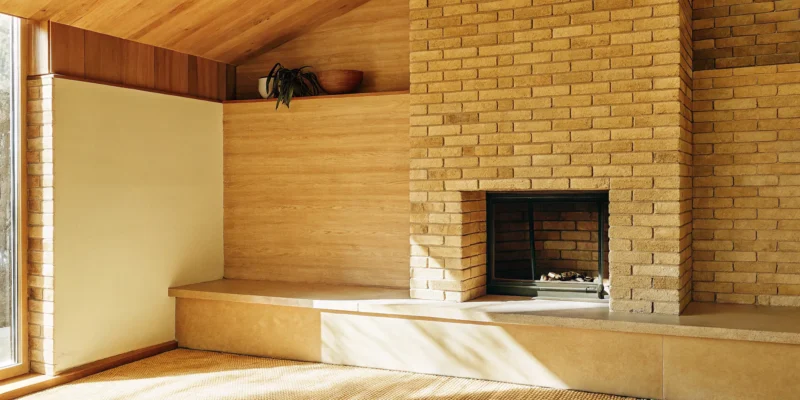
Modern brick corner fireplace design with light earthy tones and a built-in shelf.

17 Brick Corner Fireplace Design Ideas to Inspire

Many homes have that one awkward, empty corner that feels impossible to decorate. Instead of letting it go to waste, you can transform it into the most captivating feature in the room with a beautifully designed fireplace. A corner placement turns a design challenge into a design opportunity, creating a cozy and dynamic focal point that anchors your space. From selecting the right brick finish to arranging furniture around the new hearth, every choice helps integrate it seamlessly. Let’s look at some stunning brick corner fireplace design ideas that prove an underutilized corner can become the highlight of your home.

Key Takeaways

  • Make the Most of Your Space: A corner fireplace cleverly uses an underutilized area, giving you more layout flexibility while also serving as a valuable, long-term home improvement.
  • Define Your Style with Custom Details: Your fireplace can reflect your personal taste through choices in brick color, pattern, and finish; custom elements like a unique mantel or built-in shelving make the feature truly your own.
  • Integrate with Thoughtful Decor: To make your fireplace feel like a natural part of the room, arrange furniture around it to create a cozy gathering spot and style the mantel with decor that complements your home’s aesthetic.

Why Invest in a Brick Corner Fireplace?

A brick corner fireplace is more than just a source of heat; it’s a statement piece that brings warmth, character, and value to your home. By tucking it into a corner, you get the classic charm of exposed brick without sacrificing precious floor space. It’s a smart design choice that creates a natural focal point, drawing people in and making any room feel cozier and more inviting. Whether you’re renovating your living room or planning a new home addition, a corner fireplace is a feature that delivers on both function and style.

Investing in a feature like this means thinking about craftsmanship. A well-built brick fireplace becomes a permanent part of your home’s architecture, so getting the details right is key. With expert masonry design and construction, you can create a fireplace that not only complements your decor but also stands the test of time. From the choice of brick to the design of the mantel, every element contributes to a final look that feels both personal and timeless. It’s an investment in comfort, ambiance, and the long-term appeal of your property.

Save Space Without Sacrificing Style

One of the biggest advantages of a corner fireplace is its clever use of space. Placing the fireplace in a corner frees up your main walls for furniture, artwork, or a media center, giving you more flexibility in your room layout. This makes it an ideal solution for smaller living rooms or open-concept areas where you want to define a cozy zone without closing off the space. Modern designs allow you to create new looks that are both efficient and visually striking. A corner placement turns an often-underused part of the room into its most captivating feature, proving you don’t need a large footprint to make a big impact.

Enjoy Efficient Heat and Year-Round Ambiance

A brick corner fireplace offers the best of both worlds: practical warmth and beautiful ambiance. On a cold Long Island night, it becomes a powerful and efficient heat source, creating a comfortable spot for your family to gather. The radiant heat from the brick helps warm the room evenly, making your entire space feel more inviting. But its appeal doesn’t fade when the weather warms up. Throughout the year, the fireplace serves as a stunning architectural element. You can style the mantel with seasonal decor or simply let the texture of the brick add visual interest, providing a beautiful backdrop for daily life and making it a central part of your home remodeling project.

Increase Home Value with Timeless, Durable Design

A brick fireplace is a feature that consistently adds value to a home. Its timeless appeal resonates with many potential buyers, making it a smart long-term investment. Brick is an incredibly durable material that stands up to heat and wear, requiring very little maintenance over the years. This combination of classic style and robust construction ensures your fireplace will remain a beloved feature for decades. Adding a beautiful brick fireplace can completely change the look of your living space, making it feel more comfortable and finished. It’s a permanent upgrade that enhances not just your home’s aesthetic but also its overall marketability and worth.

Find Your Perfect Fireplace Style

A brick corner fireplace does more than just heat a room; it creates a focal point and sets the entire mood. It’s where you’ll gather with family on chilly evenings and what will draw your guests’ eyes as soon as they walk in. The style you choose can transform your space, so it’s worth taking the time to find the perfect fit for your home’s personality and your own. From sleek, modern designs to cozy, rustic hearths, the possibilities are nearly endless.

The beauty of a custom fireplace is that you can tailor every detail to your vision. With expert masonry design, you can select the perfect brick, stone, and finish to create a truly one-of-a-kind feature. Think about the overall feeling you want to create. Are you aiming for a warm and inviting atmosphere, a clean and sophisticated look, or something with a bit of raw, industrial edge? Let’s explore some popular styles to help you find the one that speaks to you.

Modern and Minimalist

If you love clean lines and uncluttered spaces, a modern corner fireplace is a perfect choice. This style is all about simplicity, focusing on form and function without extra fuss. Modern designs often feature sleek materials like smooth plaster, metal, or large-format tiles instead of traditional brick. The corner placement itself is a modern approach, as it saves valuable floor space and creates an interesting, asymmetrical focal point. You can explore different shapes and styles, like a compact Firedrum, to add a unique sculptural element. A minimalist design lets the beauty of the flame take center stage, creating a sophisticated and calming ambiance.

Traditional and Classic

You can never go wrong with a traditional brick fireplace. This timeless style brings a sense of history and warmth to any room, making it feel instantly welcoming. Think classic red brick paired with an elegant white mantel, creating a beautiful contrast that feels both stately and cozy. Architectural details like a high arch or built-in shelving for displaying family photos and keepsakes add to the classic charm. A traditional corner fireplace becomes the heart of the home, a perfect backdrop for holiday celebrations and quiet nights in. Our masonry experts can help you design a classic fireplace that looks like it has always been a part of your home.

Rustic and Farmhouse

To create a cozy, lived-in atmosphere, look no further than a rustic or farmhouse-style fireplace. This look is all about texture and natural materials that feel warm and authentic. Consider using whitewashed brick to brighten the space while maintaining a charming, weathered feel. Pairing it with a chunky, dark wood mantel adds a beautiful contrast and a touch of nature. For a truly functional and charming feature, you could even incorporate a built-in wood-fired oven. This style is perfect for creating a comfortable and inviting space where everyone feels at home, and it pairs beautifully with our home remodeling services to complete the look.

Industrial and Raw

For a bolder, more urban aesthetic, an industrial-style fireplace makes a strong statement. This design celebrates raw materials and structural elements, drawing inspiration from old warehouses and lofts. You can achieve this look with lightly distressed brick in shades of gray or brown, giving it a weathered, authentic appearance. Pairing the brick with a simple floating wood mantel keeps the focus on the materials themselves. While brick is a great choice, you can also explore other materials like concrete, stone, or tile to enhance the industrial vibe. The key is to keep the decor minimal and let the raw beauty of your natural stone fireplace stand out.

Choosing the Right Color and Finish

The color and finish of your brick are what give your corner fireplace its personality. This single choice can transform it from a subtle architectural feature into a stunning focal point that commands attention. While you might picture one specific look when you think of brick, the options are surprisingly diverse, allowing you to achieve anything from a warm, traditional vibe to a sleek, contemporary statement. The right finish can even influence the perception of space, making a small room feel larger or a spacious room feel cozier. It’s about finding the perfect balance between the material’s character and your home’s existing aesthetic.

Exploring different colors and textures is a key part of the design process. Think about the overall mood you want to create. Do you want bright and airy, or dark and intimate? Do you prefer a uniform look or something with rustic character? Our masonry design experts can walk you through a wide selection of brick and stone options to find the perfect match for your home’s style. From classic reds to modern grays, the right material will tie your entire room together, ensuring your new fireplace feels like it has always belonged.

Classic Red and Earthy Tones

You can never go wrong with the timeless appeal of classic red brick. It brings an immediate sense of warmth and history to a room, creating a cozy and inviting atmosphere that feels instantly like home. This versatile choice works beautifully in traditional, rustic, and even industrial-inspired spaces. For a slightly softer but equally warm effect, consider earthy tones like rich browns, tans, and terracotta. These colors connect your indoor space to the natural world and pair wonderfully with wood accents and neutral decor. A fireplace built with vintage-looking reclaimed brick can also add a layer of authentic character that new materials simply can’t replicate.

Whitewashed and Limewashed Finishes

If you love the texture of brick but want a brighter, more modern feel, a whitewashed or limewashed finish is a fantastic option. These techniques involve applying a semi-transparent coating that lightens the brick’s color without completely hiding its natural texture and imperfections. The result is a soft, rustic look that reflects light, making any room feel more open and airy. This style is a perfect fit for coastal, farmhouse, or Scandinavian designs. For a striking contrast, you can pair a whitewashed brick fireplace with a bold, black metal frame or a dark wood mantel. Our home remodeling team can help you achieve the perfect custom finish.

Lightly Distressed Gray and Brown Brick

For a look that feels both modern and grounded, consider a lightly distressed brick in shades of gray or brown. This sophisticated palette offers a neutral backdrop that complements contemporary decor while still providing the texture and character that makes brick so appealing. The subtle distressing adds a touch of rustic charm, preventing the fireplace from feeling too stark or cold. This style pairs beautifully with a simple floating wood mantel and minimalist decor, allowing the brick’s texture to be the main feature. It also coordinates well with other natural materials, like a sleek natural stone hearth or polished concrete floors.

Dark and Moody Palettes

To make a truly dramatic statement, embrace a dark and moody color palette for your corner fireplace. Bricks in deep charcoal, rich burgundy, or even near-black can create a powerful and sophisticated focal point. This bold choice adds depth and a sense of intimacy, making it ideal for a cozy den, a formal living room, or a bedroom. A dark brick fireplace anchors the space and provides a stunning contrast to lighter walls and furnishings. You can enhance the dramatic effect by designing a curved structure or pairing the deep-colored brick with a substantial stone hearth, creating a look that feels both grand and inviting.

Customize Your Brick Corner Fireplace

A brick corner fireplace is more than just a heat source; it’s a canvas for your personal style. The beauty of brick is its versatility. You can make it feel classic, modern, rustic, or anything in between with a few thoughtful customizations. From the way the bricks are laid to the mantel you choose, every detail contributes to the final look. Making these choices allows you to create a truly unique focal point that not only complements your home but also reflects your personality. Let’s explore some ways you can customize your fireplace to make it your own.

Experiment with Brick Patterns

The pattern of your brickwork, known as its “bond,” has a huge impact on the overall feel of your fireplace. You can go with a traditional running bond for a timeless look, or you can get creative. Consider a herringbone pattern above the mantel with a simple horizontal stack below to create a subtle, sophisticated contrast. Other options like a basketweave or stacked bond can bring a more modern or geometric feel to the design. Our expert masonry team can help you explore different patterns and combinations to find the perfect arrangement that highlights your fireplace and suits your home’s architecture.

Add Built-In Shelving and Storage

Make your corner fireplace even more functional by incorporating built-in shelving or cabinets. This is a fantastic way to add practical storage while creating a seamless, integrated look. You can design open shelves to display books, family photos, and favorite decor items, or add closed cabinets to neatly store firewood, games, or electronics. When designed correctly, these built-ins will look like they’ve always been a part of the room. This approach transforms the entire corner into a cohesive and highly functional feature wall, blending storage and style perfectly with our home remodeling expertise.

Select a Mantel and Mix Materials

The mantel is the centerpiece of your fireplace, so give it the attention it deserves. A thick, reclaimed wood beam can add rustic charm, while a sleek, carved stone mantel offers a more formal and elegant touch. You don’t have to stick to just one material. Pairing classic red brick with a crisp white painted mantel creates a beautiful, high-contrast look. You can also mix materials in the hearth or surround. Consider using a slab of slate, granite, or one of our beautiful porcelain and natural stones to add another layer of texture and color, making your fireplace truly stand out.

Use Lighting to Highlight the Brick

Proper lighting can completely transform your fireplace, turning it from a simple structure into a dramatic focal point. Install a pair of elegant sconces on either side of the fireplace to cast a warm, inviting glow. You could also use recessed spotlights in the ceiling angled to graze the brick, which beautifully highlights its texture and color variations. For a simpler touch, place a stylish lamp on a nearby side table or even add a picture light above the mantel to illuminate a piece of art. Thoughtful lighting draws the eye, creates ambiance, and showcases the craftsmanship of your brickwork.

How to Blend Your Fireplace with Your Home’s Decor

A brick corner fireplace is a beautiful architectural feature, but making it feel like a seamless part of your home requires a thoughtful approach to design. The goal is to create a space that feels intentional and harmonious, where the fireplace is a natural focal point rather than an awkward addition. By paying attention to scale, color, furniture placement, and personal touches, you can integrate your fireplace perfectly. These tips will help you style the surrounding area to complement your fireplace and reflect your personal taste.

Get the Proportions and Scale Right

This one is about visual balance. A common mistake is using decor that’s too small for the mantel, which can make the entire setup feel underwhelming. Instead, think about varying the height and size of your items. A corner fireplace is a great opportunity to draw the eye upward, making the room feel taller. You can achieve this by leaning a large piece of artwork or hanging a tall, elegant mirror above the mantel. This creates a strong vertical line that balances the horizontal plane of the mantel itself.

Coordinate with Wall Colors and Flooring

Your fireplace should feel connected to the rest of the room, and color is the easiest way to build that bridge. If you’re choosing new brick, consider how different tones will interact with your existing walls and floors. For example, a classic red brick adds warmth to a neutral room, while a whitewashed finish can reflect light and make a smaller space feel more open and airy. Our expert masonry designers can help you select materials that complement your home’s unique color palette and style.

Arrange Furniture Around Your Fireplace

Strategic furniture placement can transform your corner fireplace from a design challenge into a stunning focal point. Instead of pushing furniture against the walls, pull it in to create a cozy and inviting conversation area centered around the hearth. You could arrange a sofa and two chairs in a U-shape facing the fireplace, or place a pair of comfortable armchairs with a small table in between for a more intimate reading nook. The key is to orient the room’s flow and function toward the warmth and ambiance of the fire.

Mix Materials for a Cohesive Look

A beautifully styled space often includes a rich mix of textures, and your fireplace area is no exception. Combining different materials adds depth and visual interest. For instance, you can pair the rustic texture of brick with a smooth, polished natural stone mantel. Then, layer in other elements on the mantel itself, like wooden picture frames, sleek metal candlesticks, and ceramic vases. This interplay of textures creates a sophisticated, layered look that feels professionally designed yet deeply personal. It’s a technique we use often in our home remodeling projects.

Personalize with Decor and Seasonal Items

Your mantel is the perfect stage to showcase your personality. Don’t be afraid to fill the space, as an under-decorated mantel can feel forgotten. Display items that tell your story, like family photos, treasured heirlooms, or art you’ve collected over time. It’s also a wonderful spot to introduce seasonal decor. Think fresh greenery and twinkling lights during the winter, or bright florals and lighter colors in the spring. Swapping out these small touches keeps the space feeling dynamic and alive throughout the year.

Bring Your Brick Corner Fireplace Vision to Life With Gappsi

Turning your idea for a brick corner fireplace into a reality is an exciting project that can completely redefine your living space. A well-designed fireplace becomes an instant focal point, adding warmth, character, and a cozy atmosphere. The beauty of brick is its versatility; whether you envision a rustic farmhouse hearth or a sleek, modern design, the right brick can make your living room feel more comfortable and stylish.

Modern fireplace technology gives you incredible design freedom. You are no longer limited to a central wall placement, as new heating options let you tuck a fireplace into a corner to save space and create a unique look. This flexibility allows you to think beyond the traditional and explore different materials and styles. You can pair classic brick with a custom mantel, sleek tile, or natural stone to create a look that perfectly complements your home’s existing decor. Our expert masonry team can help you select the perfect materials and craft a design that feels both timeless and personal.

While the materials are important, the final look comes down to the details. Getting the proportions right for your mantel and surrounding decor is key to a balanced and polished result. Mixing textures and layering decorative items can add depth and personality, turning your fireplace into a true reflection of your style. With our comprehensive home remodeling expertise, we manage every detail, from the structural build to the finishing touches, ensuring your new brick corner fireplace is everything you dreamed it would be.

Related Articles

Frequently Asked Questions

I have a smaller living room. Is a corner fireplace a good choice for my space? Absolutely. A corner fireplace is one of the smartest design choices for a smaller room. By placing it in an often-underused corner, you free up your main walls for furniture, art, or a media center. This gives you much more flexibility with your layout and can actually make the room feel more spacious and intentionally designed, all while creating that cozy focal point you want.

I like the idea of brick, but I’m worried it will look too traditional for my modern home. What are my options? That’s a common concern, but brick is incredibly versatile. For a modern look, you can move beyond classic red brick and explore options like a whitewashed finish for a bright, textured feel, or choose bricks in sophisticated shades of gray or charcoal. The pattern you choose also makes a big difference; a simple stacked bond, for instance, creates clean lines that feel very contemporary.

How can I make my new fireplace more functional for my family’s needs? A great way to add function is by incorporating built-in elements. You can design open shelving on either side to display books and family photos, or add closed cabinets below to create discreet storage for things like firewood, board games, or electronics. This turns the entire corner into a beautiful and practical feature wall that serves your family’s daily life.

What’s more important: the brick color or the pattern it’s laid in? Both are key ingredients that work together to create the final look. The color of the brick sets the overall mood, whether it’s warm and earthy or cool and modern. The pattern, or bond, adds another layer of style and texture, influencing whether the design feels classic, like a running bond, or more graphic, like a herringbone. The best designs consider how these two elements complement each other.

I’m ready to start planning. What’s the first step in designing a custom brick corner fireplace? The best first step is to think about the feeling you want to create in the room. Gather inspiration for styles and colors that you love. Once you have a general vision, the next step is to consult with a design and masonry expert. We can help you refine your ideas, select the perfect materials for your home’s aesthetic, and ensure the final design is both beautiful and expertly built.

Share this page:
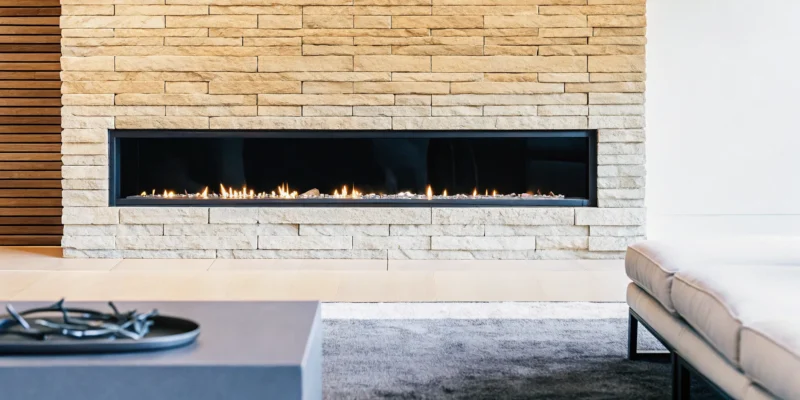
Modern natural stone fireplace wall with a sleek linear gas fire.

How to Pick Natural Stone for a Fireplace Wall

A new fireplace is a significant investment in your home’s comfort, beauty, and overall value. When you decide to build or remodel one, you’re creating a permanent feature that will be enjoyed for generations. The choice of material is central to this investment, and a high-quality natural stone for a fireplace wall adds a level of sophistication and durability that other materials cannot match. It’s a choice that pays dividends in both daily enjoyment and long-term home equity. This guide will help you understand the different costs, durability factors, and design impacts of various stones, ensuring you make a smart, informed decision that enhances your home’s character and value for decades.

Key Takeaways

  • Balance style with safety: Select your stone based on both its appearance and its ability to handle heat. Stones like granite and soapstone are great for high-heat areas, while others like marble are best used for the decorative surround.
  • Consider the big picture in your design: Your fireplace should complement your home’s style and be proportional to the room. It is also critical to have a professional confirm your home can support the stone’s weight before installation begins.
  • Protect your investment with professional work: A proper installation by an expert mason is essential for safety and longevity. Once installed, simple maintenance, including gentle cleaning and periodic sealing, will keep your stone fireplace looking its best for decades.

What Are the Top Natural Stones for a Fireplace Wall?

Choosing the right natural stone for your fireplace wall is one of the most exciting parts of a home remodel. It’s the material that will define the room’s atmosphere, turning a simple wall into a stunning focal point. The great news is that you have so many beautiful options to work with. From the polished elegance of marble to the rustic charm of stacked fieldstone, each type of stone brings its own unique character, texture, and color palette to your space.

Your final decision will come down to a mix of personal style, your home’s existing architecture, and how much maintenance you’re comfortable with. Some stones are incredibly durable and easy to care for, while others might need a bit more attention to keep them looking their best. We work with a wide selection of porcelain and natural stone pavers and can help you find the perfect fit. Let’s walk through some of the most popular choices to help you picture what’s possible for your own home.

Granite

If you’re looking for a material that is both beautiful and incredibly practical, granite is an excellent choice. It’s one of the toughest natural stones available, making it a popular option for busy areas of the home, including fireplace surrounds. Granite is highly resistant to heat and won’t easily crack or fade from the fire’s warmth. It’s also simple to clean and maintain, so you can spend more time enjoying your fireplace and less time worrying about upkeep. With a huge range of colors and patterns, from deep, uniform blacks to intricate waves of gold and gray, you can find a granite slab that perfectly matches your design vision.

Marble

For a touch of pure elegance, nothing compares to marble. Its distinctive, soft veining and luminous surface create a feeling of luxury and timelessness that can make any fireplace the undisputed centerpiece of a room. Marble is perfect for creating a sophisticated and formal look, whether you prefer classic white Carrara or a more dramatic, darker stone. While it’s a durable material, it is softer and more porous than granite. It’s best used for the surround and mantel rather than inside the firebox, as intense, direct heat can cause discoloration. With the right placement, a marble fireplace offers a beautiful and fancy look that lasts.

Quartzite

Do you love the look of marble but need something a bit more rugged? Quartzite might be your perfect match. This natural stone beautifully combines the delicate, sweeping veins of marble with the strength and durability of granite. It’s an incredibly hard, dense stone that stands up well to heat, making it a fantastic and reliable choice for a fireplace wall. Quartzite often comes in light, airy shades of white and gray, offering a sophisticated aesthetic without the maintenance concerns associated with marble. It’s a wonderful way to get a high-end, elegant look that is built to last for years to come.

Slate

Slate offers a unique, organic texture that can lean either modern or rustic depending on how it’s used. Known for its fine grain and rich, deep colors like charcoal, green, and blue, slate brings a natural, earthy feel to a room. Its signature cleft surface adds a layer of textural interest that feels both authentic and stylish. Slate is also a very durable stone that can withstand high temperatures, making it a safe and practical option for a fireplace surround. Whether you choose large, smooth tiles for a sleek look or rougher cuts for a more rustic design, slate provides a bold and beautiful backdrop for your fire.

Limestone

Limestone is a classic choice that brings a warm, inviting feel to any space. Its soft, muted tones and subtle textures create a look of understated elegance that complements a wide range of home styles, from traditional to contemporary. As a fireplace material, limestone is heat-resistant and durable, though it is a softer, more porous stone. This means it can be more susceptible to scratches and stains, so it requires regular cleaning and sealing to keep it looking pristine. For many homeowners, the timeless beauty of limestone is well worth the extra care, and our restoration and sealing services can help keep it protected.

Soapstone

Soapstone is a fantastic material for a fireplace, and not just for its looks. This dense, non-porous stone is exceptional at absorbing and radiating heat. This means that long after your fire has died down, the soapstone surround will continue to gently warm the room, creating a cozy and efficient heat source. Its surface is smooth to the touch and typically comes in shades of gray that can darken over time to a rich, deep black. Because it’s non-porous, soapstone is naturally resistant to stains and incredibly easy to clean, often requiring just a simple wipe-down with soap and water.

Fieldstone and Stacked Stone

For a truly rustic and cozy atmosphere, nothing beats the charm of a fieldstone or stacked stone fireplace. This style uses stones of various sizes, shapes, and textures to create a look that feels like it was pulled directly from nature. This approach is less about a single type of stone and more about the artful arrangement, which is where expert masonry design comes in. You can use real stones or a high-quality field stone veneer to achieve this look, which is perfect for creating a lodge-like feel, a charming farmhouse accent, or a dramatic floor-to-ceiling feature wall.

Why Choose Natural Stone for Your Fireplace?

A fireplace is more than just a source of heat; it’s the heart of the room, a natural gathering spot for family and friends. Choosing the right material for your fireplace surround is a decision that impacts your home’s style, safety, and long-term value. While many options exist, natural stone remains a top choice for homeowners, and for good reason. It offers an unmatched combination of strength, elegance, and timeless appeal that synthetic materials simply can’t replicate.

From the rugged charm of fieldstone to the polished sophistication of marble, each type of stone brings its own unique story and character into your home. When you choose natural stone, you’re not just building a fireplace. You’re making a lasting investment in your home’s beauty and function. The benefits go far beyond aesthetics, providing practical advantages that make it a smart and beautiful addition to any living space. It’s a choice that connects your interior design to the natural world, creating a sense of grounding and authenticity. This connection is what transforms a simple fireplace into a true architectural feature, a centerpiece that defines the entire room and reflects your personal style.

Lasting Heat Resistance

A fireplace is designed to contain a fire, so the materials surrounding it must be able to handle high temperatures safely. Natural stone is an excellent choice because it is inherently heat-resistant. Stones like granite and soapstone are formed under immense heat and pressure, making them exceptionally durable and unlikely to crack or discolor when exposed to the warmth of a fire. This quality ensures your fireplace remains a safe and beautiful focal point for years to come. Unlike some manufactured materials that can degrade over time, a well-chosen natural stone provides peace of mind, allowing you to enjoy cozy evenings without worrying about material failure.

Timeless Durability

Investing in a natural stone fireplace is a decision that pays off for decades. Stone is one of the most durable building materials available, capable of withstanding the daily wear and tear of a busy household. It resists scratches, dents, and chipping far better than drywall or wood, making it a practical choice for a high-traffic area like the living room. This timeless durability means your fireplace will look just as stunning in twenty years as it does the day it’s installed. With proper masonry construction, a stone fireplace becomes a permanent, valuable feature of your home, adding to its character and resale value without needing frequent repairs or replacement.

One-of-a-Kind Natural Beauty

Perhaps the most compelling reason to choose natural stone is its unique beauty. Since it’s quarried directly from the earth, no two pieces are exactly alike. The subtle variations in color, veining, and texture ensure your fireplace is a true one-of-a-kind masterpiece. Whether you prefer the dramatic, sweeping veins of marble or the earthy, layered look of slate, there is a stone to match any design vision. This natural artistry adds a layer of depth and sophistication that manufactured products can’t imitate. You can see how different stones create stunningly unique looks in various Gappsi projects, each one tailored to the home’s specific style.

An Eco-Friendly Choice

For homeowners looking to make sustainable choices, natural stone is an excellent option. It is a natural, non-toxic material that doesn’t release harmful pollutants or chemicals into your home when heated. Because it is an abundant resource, it has a lower environmental impact compared to many synthetic materials that require intensive manufacturing processes. By choosing a stone that is sourced responsibly, you can create a beautiful fireplace while being mindful of the environment. This makes natural stone a choice you can feel good about, as it adds warmth and beauty to your home in a way that is harmonious with nature.

Is All Natural Stone Safe for Fireplaces?

When you’re designing a fireplace, it’s easy to get swept up in the beauty of different stones. But not every natural stone can handle the intense heat of a fire. Choosing the wrong material isn’t just a design mistake; it can be a safety hazard and lead to costly repairs down the road. Some stones can crack, discolor, or even break apart when exposed to high temperatures. That’s why understanding which stones are suitable for fireplace applications is so important. It’s about finding that perfect balance between the look you want and the performance you need. The right natural stone will not only look stunning for years to come but will also safely radiate warmth into your home.

Which Stones Handle Heat Best?

Certain stones are naturally built to withstand high temperatures, making them ideal for fireplace surrounds and hearths. Granite is a fantastic choice because it’s incredibly dense and heat-resistant, so it won’t easily crack or degrade from the fire’s heat. It’s also a durable natural stone that’s simple to clean. Soapstone is another top performer. It excels at absorbing and radiating heat, meaning it continues to warm your room long after the flames have died down. This unique quality, combined with its resistance to heat and stains, makes it a practical and popular option for cozy living spaces.

Thermal Expansion: What It Is and Why It Matters

Have you ever heard of thermal expansion? It’s a simple concept that’s very important for fireplace construction. It refers to how materials naturally change in size and shape when their temperature changes. When a stone gets hot, it expands; when it cools, it contracts. For a fireplace, this matters a great deal. A stone that expands too much or unevenly can put stress on the surrounding structure and itself, leading to cracks. This is why working with an expert masonry team is crucial. Professionals understand how to select and install stone to properly account for thermal expansion, ensuring your fireplace is both beautiful and structurally sound.

Which Stones to Avoid Near Direct Flame

Just as some stones are perfect for fireplaces, others should be avoided, especially near the direct flame of the firebox. Marble, while beautiful, doesn’t handle heat as well as granite or soapstone. It’s best used for the surround, away from the intense heat, as it can discolor or break down. Marbles with a lot of veining are particularly vulnerable, as those lines can be weak points that crack under heat stress. Another material to steer clear of is engineered quartz. While it’s a great countertop material, the resins and polymers used to bind it together cannot withstand high temperatures, making it unsuitable and unsafe for any fireplace application.

Inspiring Natural Stone Fireplace Designs

A natural stone fireplace is more than just a heat source; it’s the heart of the room. It can set the entire tone for your space, acting as a stunning focal point that gathers everyone together. The design you choose can transform a simple living room into a grand statement hall or a cozy, rustic retreat. Whether your style is sleek and modern or warm and traditional, there’s a natural stone design that will feel like it was made just for your home. Let’s look at a few popular approaches to get your creative ideas flowing.

Dramatic Floor-to-Ceiling Statements

For a truly showstopping feature, consider taking the stonework from floor to ceiling. This design draws the eye upward, creating a sense of height and grandeur that works beautifully in great rooms or spaces with vaulted ceilings. A floor-to-ceiling fireplace becomes an undeniable architectural element in your home. You can use large, dramatic slabs of marble for a bold look or intricate, smaller stones for a more detailed texture. This approach turns your fireplace wall into a work of art, anchoring the room with its impressive scale and beauty. Our expert masonry team can craft a custom design that perfectly fits your vision.

Sleek, Modern Stone Slabs

If your home leans contemporary, a fireplace designed with large, sleek stone slabs can create a clean and sophisticated look. Using a single slab of quartzite or marble minimizes grout lines and puts the focus squarely on the stone’s inherent beauty, like its dramatic veining or subtle coloring. This minimalist approach feels both luxurious and understated. A polished finish can enhance the stone’s reflective quality, adding light and elegance to the room. This style pairs exceptionally well with simple mantels or a no-mantel design for an uncluttered, modern aesthetic. You can explore a wide variety of porcelain and natural stone options to find the perfect slab for your project.

Cozy, Rustic Stacked Stone

To create a warm, inviting atmosphere, nothing beats the charm of a rustic stacked stone fireplace. This style often uses fieldstone or other stones with varied shapes and textures, evoking the feeling of a cozy mountain lodge or a classic country home. The dry-stack technique, where stones are fitted tightly together without visible mortar, adds to the authentic, organic feel. The natural, rugged appearance of stacked stone provides a comforting and timeless appeal, making the fireplace a natural gathering spot for family and friends. It’s a design that feels grounded, welcoming, and full of character.

Creative Mixes of Texture and Finish

Your fireplace design is a chance to show off your personal style, and mixing materials is a fantastic way to do it. Imagine pairing the cool, smooth surface of a limestone surround with a warm, reclaimed wood mantel. Or, you could create visual interest by contrasting rough, split-face stone with sleek, polished tiles on the hearth. Combining different textures, colors, and finishes adds depth and a custom feel to your fireplace. This approach allows you to create a truly one-of-a-kind feature that complements your home’s unique decor. Our home remodeling experts can help you balance different elements for a cohesive and beautiful result.

Seamless Indoor-Outdoor Flow

Extend your living space by creating a seamless connection between your indoor and outdoor areas. Using the same natural stone for your living room fireplace as you do for an outdoor patio wall or kitchen can beautifully blur the lines between inside and out. This is especially effective when your living room opens up to a patio or deck. A continuous stone feature creates a cohesive, expansive feel, making both spaces feel larger and more connected. It’s a sophisticated design choice that enhances your home’s flow and is perfect for entertaining. Imagine enjoying a fire inside while guests gather around a matching fireplace under a custom pergola just steps away.

How to Choose the Right Stone for Your Fireplace

Picking the perfect natural stone for your fireplace wall is an exciting part of your home renovation. It’s the step where your vision really starts to take shape. But with so many beautiful options, how do you land on the right one? It’s about more than just picking a pretty stone. You’ll want to think about your home’s personality, the mood you want to create, the size of your space, and the practical details of installation. Let’s walk through the key things to consider so you can choose your stone with confidence.

Complement Your Home’s Style

The best place to start is with the style of your home. Is your space modern and minimalist, cozy and rustic, or classic and traditional? The stone you choose should feel like a natural extension of your existing decor. For example, a sleek, large-format marble slab can look stunning in a contemporary living room, while stacked fieldstone is a perfect fit for a rustic den. Natural stone remains a popular choice for fireplaces because it’s elegant, handles heat beautifully, and every piece is unique. Your fireplace is a focal point, so selecting a stone that harmonizes with your home’s character will create a cohesive and inviting atmosphere. A professional can help you see how different types of custom masonry can fit your vision.

Select Your Texture, Color, and Finish

Once you have a style in mind, you can get into the fun details of texture, color, and finish. Different stones have varied colors and textures, which can significantly affect the overall aesthetic of your fireplace. A polished finish creates a smooth, reflective surface that feels formal and refined. A honed finish is matte and less flashy, while a rough or split-face texture adds depth and a rustic, organic feel. Color also plays a huge role. Light-colored stones like limestone or white marble can make a room feel brighter and more open. Darker stones like slate or soapstone create a dramatic, cozy, and sophisticated mood. Think about the feeling you want to create in the room and choose a stone that helps you achieve it.

Factor in Room Size and Scale

Proportion is everything in design. Choosing a stone style that’s the wrong scale for your room can throw off the entire space. A massive, heavy-looking stone surround might overwhelm a small, intimate room, making it feel cramped. On the other hand, a small, delicate fireplace design can get lost in a large room with high ceilings. Consider the scale of the fireplace in relation to the room’s dimensions, ceiling height, and other furniture. A floor-to-ceiling stone wall can be a breathtaking statement piece in a room with vaulted ceilings, but a more modest design might be better for a standard-sized living room. Thinking about the fireplace as part of the overall room design ensures a balanced and harmonious result.

Address Weight and Structural Needs

This is a crucial, practical step you can’t skip. Natural stone is heavy, and your home needs to be able to support it safely. Before you fall in love with a specific stone, it’s essential to have a professional assess your home’s framing and foundation. Some installations, especially those involving large, heavy slabs or floor-to-ceiling designs, may require additional structural support to be installed safely. Improper installation can pose serious risks, so it’s vital to ensure the wall’s structural integrity is sound. This is not a DIY-friendly assessment. Working with an experienced team like Gappsi ensures that all the necessary structural checks and reinforcements are handled correctly, giving you peace of mind that your beautiful new fireplace is also safe and secure.

Your Fireplace Installation: What to Expect

Once you’ve chosen the perfect stone, it’s time to think about the installation. Bringing your vision to life is an exciting process, and knowing what’s involved can help ensure everything goes smoothly. From hiring the right team to planning for the unique qualities of natural stone, a little preparation goes a long way.

Why You Should Hire a Professional

While DIY projects can be rewarding, a fireplace installation isn’t the place to cut corners. Working with heavy stone and near a heat source requires specific expertise. A professional installer ensures your fireplace is not only beautiful but also safe and built to last. Experts handle the structural assessments, use the correct mortars and adhesives for heat exposure, and guarantee the final result is up to code. For a project that will be a central feature of your home for years, trusting a professional masonry team is the best way to protect your investment and your peace of mind. As experts advise, you should always have a professional install the stone for your firebox to ensure safety and longevity.

Plan for Natural Color and Texture Variations

The beauty of natural stone is that no two pieces are exactly alike. This means you should expect and embrace variations in color, veining, and texture. These unique characteristics are what give your fireplace its one-of-a-kind personality. Before installation, it’s a great idea to look at several samples or even a full slab of your chosen stone. A good installer will often lay out the stones before permanently setting them, allowing you to approve the pattern and flow. This step ensures the final composition highlights the stone’s best features and matches your vision. The unique colors and textures of different stones can greatly influence your fireplace’s final look.

How Much Extra Stone Should You Order?

Here’s a pro tip: always order more stone than you think you’ll need. A general rule of thumb is to order about 10% to 15% extra. This overage accounts for pieces that may be cut during fitting, accidentally broken during transport, or discarded due to imperfections. Having extra material on hand prevents costly delays if you run short mid-project. It also gives you a small stash of matching stone for any potential future repairs, which is crucial since stone from a different batch may not match perfectly. It’s always wise to order a little extra stone to prepare for cuts and waste.

Prepare for Common Installation Hurdles

A smooth installation process begins with a solid plan. The most common hurdles often come from skipping the planning phase or choosing the wrong materials for the job. Before work begins, confirm with your installer that your home’s structure can support the weight of the stone you’ve selected. Double-check that the stone is appropriate for use around a fireplace, especially regarding heat resistance. Clear communication with your home remodeling team about the design, layout, and timeline will help you sidestep many common renovation mistakes. A well-thought-out project is a successful project.

What Does a Natural Stone Fireplace Wall Cost?

Thinking about a natural stone fireplace is exciting, but it’s smart to have a clear idea of the budget. The total cost of a natural stone fireplace wall is an investment in your home, and it can vary quite a bit. The final price tag depends on three main things: the type of stone you fall in love with, the size and complexity of your design, and the labor required for a perfect installation. For example, a dramatic, floor-to-ceiling wall made of a rare marble will have a different price point than a cozy, rustic surround using locally sourced fieldstone. The intricacy of the design, like whether you want a simple slab or a complex mosaic pattern, also affects the hours of skilled labor needed. By understanding these components, you can create a realistic budget and choose a beautiful fireplace that fits your financial plans and adds lasting value to your home. Let’s break down what goes into the cost so you can plan your project with confidence.

Comparing Costs by Stone Type

The type of stone you choose is one of the biggest factors in your project’s budget. Some stones are more accessible and affordable, while others are priced as premium materials due to their rarity and appearance. For example, granite is a popular mid-range choice because it’s incredibly durable and highly resistant to heat. On the higher end, certain types of marble offer unmatched elegance, and quartzite provides a beautiful, durable surface. Gappsi offers a wide selection of porcelain and natural stone pavers to fit different styles and budgets. Visiting a showroom can help you see the materials firsthand and get a better sense of their respective costs.

Factors That Influence the Final Cost

Beyond the stone itself, several other elements will shape your final budget. The sheer size of your project is a major driver; a floor-to-ceiling accent wall will naturally cost more than a simple fireplace surround. The complexity of the installation also plays a huge role. Intricate patterns, custom cuts, and detailed designs require more time and skill from your mason, which increases labor costs. Finally, don’t forget about finishing touches. Most natural stone needs to be sealed to protect it from stains and moisture. This initial sealing is a crucial step that adds to the upfront cost but protects your investment for years to come.

Balance Upfront Cost with Long-Term Value

When you’re looking at prices, it’s helpful to think about the long-term value, not just the initial expense. A stone with a lower upfront cost might require more frequent maintenance. For instance, some types of marble and limestone may need to be resealed annually, while durable granite and quartzite can often go three to five years between treatments. Natural stone is a top choice for fireplaces because of its timeless beauty and durability. A professionally installed stone fireplace is more than just a design feature; it’s a durable, valuable addition that can enhance your home’s appeal for decades. Partnering with an expert masonry designer ensures your fireplace is not only beautiful but also a sound investment.

How to Maintain Your Natural Stone Fireplace Wall

A natural stone fireplace is a stunning, durable feature in any home, but a little care goes a long way in keeping it pristine. Think of maintenance as protecting your investment. With the right approach, your stone will continue to be a beautiful centerpiece for decades. Regular cleaning, periodic sealing, and knowing how to handle tougher stains are the three key pillars of stone care. It’s less about hard work and more about using the right techniques and products to preserve the stone’s natural character. Don’t worry, it’s simpler than it sounds. Whether you have rugged fieldstone or polished marble, a consistent routine will prevent buildup and keep your fireplace looking as good as the day it was installed. This proactive care ensures that soot, dust, and everyday life don’t diminish the unique color and texture you fell in love with. It also prevents small issues from becoming bigger, more expensive problems down the road. If you ever run into a problem you can’t solve, our professional restoration and sealing services are always here to help restore your stone’s original beauty.

Simple Cleaning Tips for Each Stone Type

When it comes to cleaning your stone fireplace, gentle is the way to go. You can handle most light dust and buildup with a simple mixture of warm water and a few drops of dish soap. Use a soft cloth or sponge to wipe down the surface. The most important rule is to only use pH-neutral cleaners specifically made for stone. Avoid any commercial fireplace cleaners or household products that contain acids, bleach, or strong alkalis. These harsh chemicals can etch, dull, or discolor the surface of your beautiful stone. A little routine cleaning prevents soot and grime from setting in, making your job much easier in the long run and preserving the integrity of your natural stone.

Know When and How to Reseal Your Stone

Sealing is your stone’s best defense against stains. Most natural stone is porous to some degree, meaning it can absorb liquids like spilled wine or soot from the fire. A quality penetrating sealer soaks into the stone to fill these pores, which stops stains before they can set in. Your fireplace should be sealed right after installation and then periodically after that. The frequency depends on the stone type. For example, dense stones like granite and quartzite may only need resealing every three to five years, while more porous stones like marble and limestone benefit from an annual application. If you’re not sure if your stone needs sealing, you can always contact our team for advice.

How to Restore Damaged Stone

Sometimes, a deep stain happens despite your best efforts. For heavy soot or smoke stains that have penetrated the stone, a standard cleaning won’t be enough. In these cases, you may need a stone-specific poultice. A poultice is a paste-like substance that you apply to the stain, and as it dries, it pulls the stain out of the stone. You can find poultices designed specifically for carbon and smoke stains at specialty suppliers. However, for stubborn issues or if you’re hesitant to try it yourself, calling a professional is the safest option. A specialist can restore your stone without risking damage to the surface, ensuring your fireplace looks flawless once again.

Find High-Quality Natural Stone on Long Island

Finding the right stone for your fireplace is just as important as the design itself. You need a supplier who not only has beautiful materials but also understands the technical demands of a fireplace. On Long Island, you have options, but the key is to partner with an expert who can guide you from selection to installation, ensuring your new fireplace is both stunning and safe for years to come. A great supplier will have a deep knowledge of their inventory and can help you find the perfect match for your home’s style and your project’s budget.

How to Choose a Stone Supplier

When you start looking for a stone supplier, it’s about more than just finding the right color. You’ll want to find a partner with a deep understanding of their materials. Ask them about each stone’s durability, heat resistance, and required maintenance. A knowledgeable supplier can explain why one stone might be better for a modern, high-use fireplace while another suits a more decorative purpose. Look for a company that offers a wide selection of porcelain and natural stone and encourages you to see and feel the materials in person. This hands-on experience is invaluable for appreciating the stone’s true texture and color variations.

Partner with Gappsi for Your Fireplace Project

Working with Gappsi means you get more than just a stone supplier; you get a dedicated partner for your entire fireplace project. We are committed to providing authentic, beautiful, and long-lasting natural stone, but our service doesn’t stop there. Our team handles everything from initial design to final installation, making the process seamless and stress-free. We help you select the perfect stone from our extensive collection and then our expert masonry craftsmen bring your vision to life with precision and care. With Gappsi, you can feel confident that your new fireplace will be a safe, durable, and beautiful centerpiece in your home for many years.

Related Articles

Frequently Asked Questions

I’m still not sure which stone is best. Is there one top choice for a fireplace? I wish it were that simple! The truth is, the “best” stone really depends on your personal style and what you value most. If you want something incredibly durable that requires very little upkeep, granite is a fantastic, reliable option. If you love the idea of your fireplace warming the room even after the fire is out, soapstone is an amazing choice for its heat-radiating properties. Think about what’s most important for your home: the look, the maintenance, or the performance, and that will lead you to your perfect stone.

I love the elegant look of marble, but you mentioned it’s not great with heat. Does that mean I can’t use it? Not at all, you can absolutely incorporate marble into your design. You just have to be strategic about its placement. Marble is perfect for creating a beautiful, luxurious fireplace surround, mantel, and hearth. The key is to use a more heat-tolerant stone, like firebrick or soapstone, for the area immediately around the firebox opening where the heat is most intense. This way, you get that gorgeous marble look you love without risking any damage or discoloration from direct heat.

How can I tell if my wall is strong enough for a heavy stone fireplace? That is an excellent and very important question. The weight of natural stone is a serious consideration, and figuring out if your home can support it is a job for a professional. An experienced mason or structural engineer will need to assess your home’s framing and foundation to make sure everything is sound. This is not something you should try to guess. They can determine if any extra support is needed to ensure your beautiful new fireplace is installed safely and securely for the long term.

You mentioned stone veneer. Is that a good option, or is it better to use full-sized stones? Stone veneer is a wonderful option for many projects. It provides the same beautiful, authentic look as full-sized stones because it is often made from real, thinly cut stone. The main difference is that it’s much lighter and generally less expensive to install. This makes it a great choice for floor-to-ceiling designs where weight is a concern or for projects with a tighter budget. A full stone installation offers a more traditional, massive feel, so the choice often comes down to your design goals, structural limits, and budget.

Realistically, how much maintenance does a stone fireplace need? You’ll be happy to hear that it’s probably less work than you think. For most stones, routine care involves a simple wipe-down with a soft cloth and a pH-neutral cleaner to prevent soot from building up. The bigger task is resealing, which protects the stone from stains. How often you do this depends on the stone’s porosity. A dense stone like granite might only need it every few years, while a softer stone like limestone may need it annually. A little bit of consistent care is all it takes to keep your fireplace looking beautiful.

Share this page:
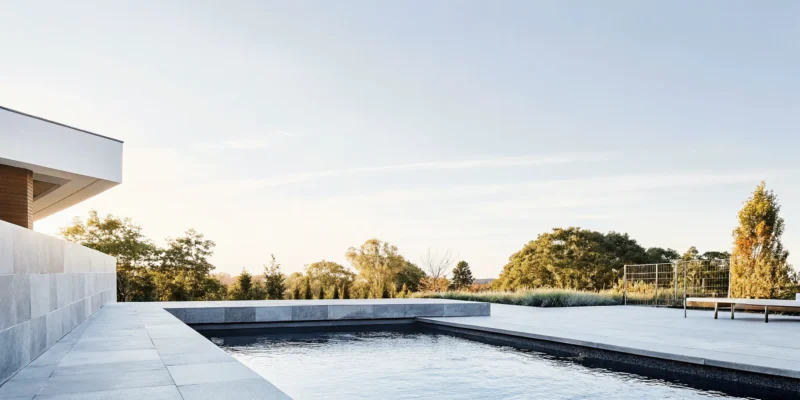
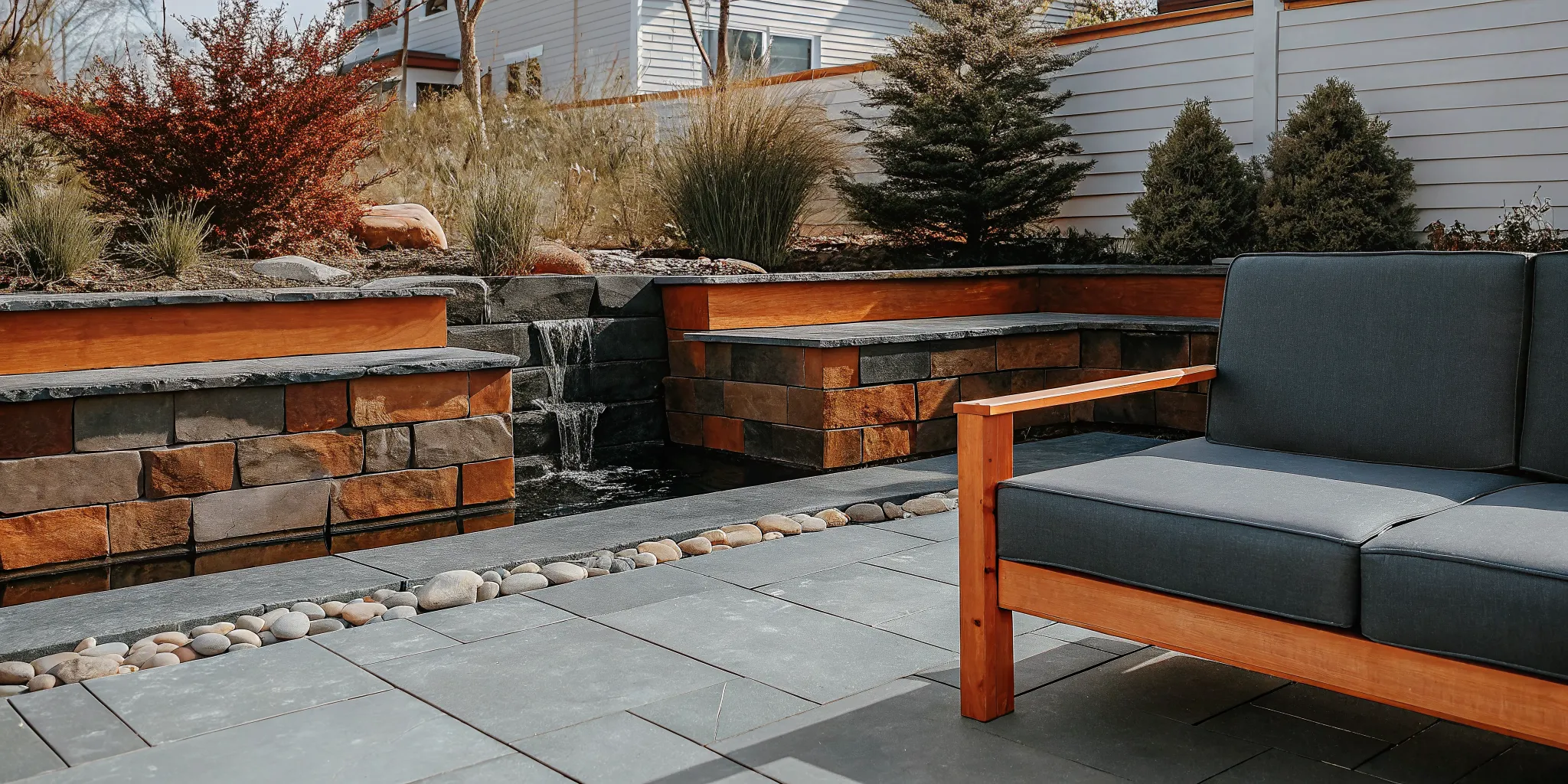
Natural stone waterfall and koi pond surrounded by bluestone patio and landscape in a Long Island backyard

Long Island Water Features: Fountains, Ponds, and Waterfalls

A Long Island backyard can feel entirely different when moving water becomes part of the landscape. The sound of a bubbling fountain near a patio, a pondless waterfall beside natural stone. Or a pool spillway framed by plantings can add movement and a stronger connection between the home and its outdoor spaces.

Long Island water features can include masonry fountains, ponds, waterfalls, reflecting pools, and pool-integrated elements such as bubblers or deck jets. The right choice depends on the property’s layout, the desired sound and visual effect, available maintenance time, and how the feature connects with patios, masonry, pools, and plantings.

Gappsi Group approaches these projects through an integrated design-build process, considering the structure, circulation, materials, plumbing, and surrounding landscape together. That planning helps each feature feel intentional rather than added as an afterthought. Start by comparing the forms, scale, and atmosphere created by the most popular water feature options.

Ready to explore water feature options for your property? Call Gappsi Group at 631-831-3177 for a consultation.

What Types of Water Features Enhance Long Island Landscapes?

The right water feature should fit the property’s architecture, available space, and the way the family uses the backyard. Gappsi Group designs and installs several options across Nassau and Suffolk Counties, from compact masonry fountains to natural-looking waterfalls and pool details. Together, fountains, ponds, and waterfalls can become an integral part of a custom outdoor living plan rather than an isolated decoration.

Custom masonry fountains for patios and entertaining areas

A fountain works well when a homeowner wants sound and movement without dedicating a large portion of the yard to a pond. Wall fountains can anchor a patio or frame an outdoor kitchen, while urn fountains suit an entry garden, courtyard, or smaller terrace. Tiered fountains create a stronger vertical focal point for a broad patio or formal landscape. Gappsi’s masonry work can coordinate the fountain with bluestone, travertine, or other natural stone already used around the home. Fountains are also practical masonry elements for outdoor kitchens and patios, and bubbling fountains can provide a calm focal point near a seating area.

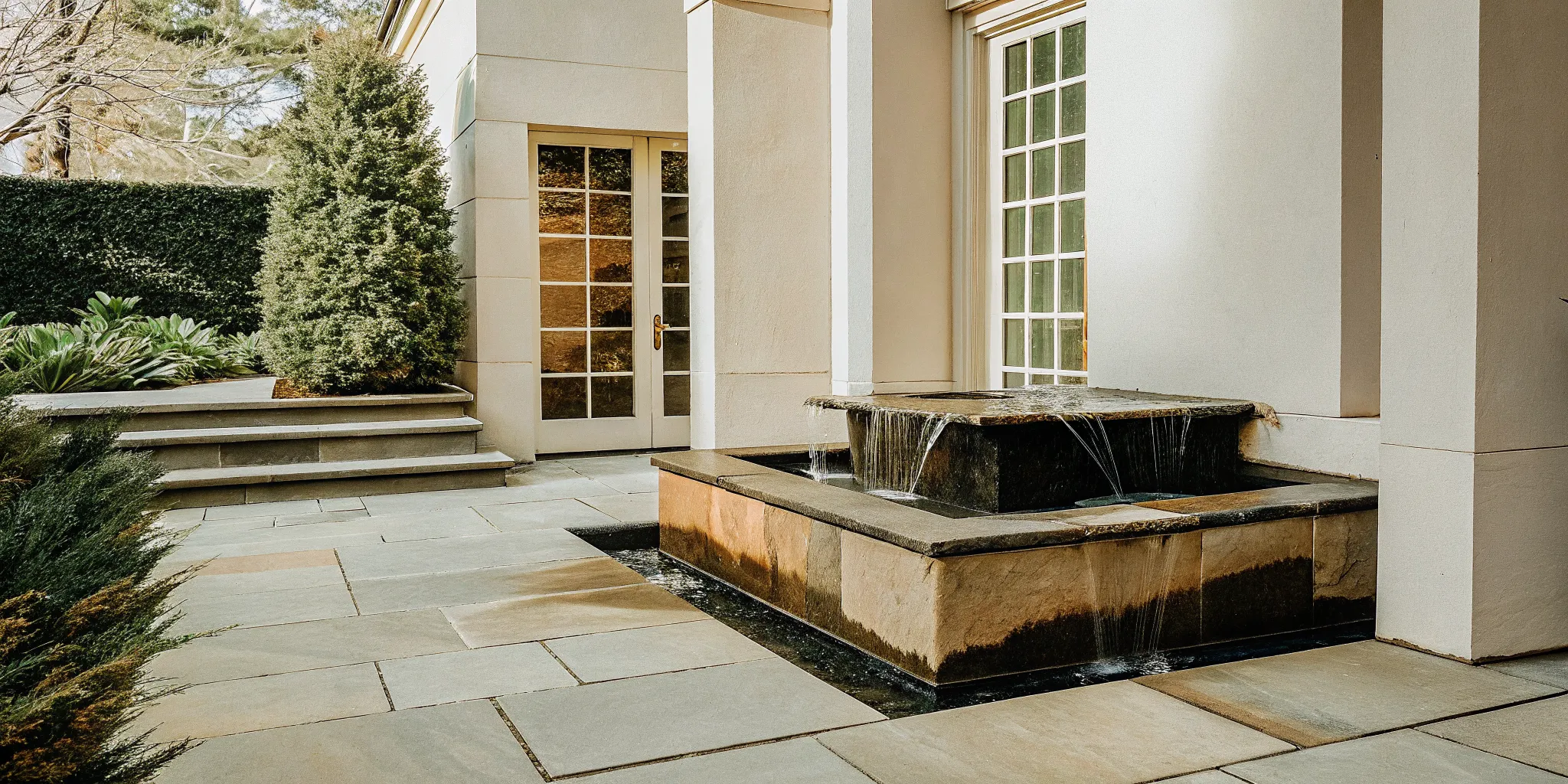
Custom masonry bluestone fountain on a Long Island patio

Natural stone waterfalls and ponds

For a property with a slope, garden transition, or larger natural area, a waterfall can make changes in elevation feel intentional. A pondless waterfall recirculates water through a concealed basin, making it a useful choice for a suburban yard where homeowners want the sound of moving water without an open pond. See Gappsi’s work with pond-less waterfall designers for a related Long Island project. A pond-based waterfall is better suited to a larger landscape where the pond itself can support aquatic planting and become a destination. Natural Long Island boulders can help the installation transition into surrounding plantings.

Natural stone waterfall and koi pond surrounded by a bluestone patio in a Long Island backyard

Koi ponds and reflecting pools

A koi pond gives a dedicated garden space a living focal point and can be paired with bridges, stepping stones, or a quiet seating area. It requires thoughtful placement for access and long-term care. A reflecting pool takes a more formal approach, using a clean water surface to mirror trees, masonry, or the lines of the house. It can suit an estate-style property, a straight architectural garden, or a courtyard where visual simplicity matters more than a natural pond edge.

Pool-integrated water features

Homeowners planning a pool can incorporate water into the structure itself. Deck jets arc into the pool from the surrounding deck, bubblers add movement to a shallow tanning ledge, and sheer descents create a smooth sheet from a raised wall. These features add visual and auditory interest to poolscapes, particularly when coordinated with coping, steps, and nearby planting beds. Browse the Landscape Design & Water Features Gallery to compare approaches for different Long Island properties.

Comparison of Water Feature Types for Long Island Properties
Type Best Location Space Needed Maintenance Materials Used
Masonry Fountain Patios, outdoor kitchens, entry gardens Small to medium Low Bluestone, travertine, concrete pavers
Pondless Waterfall Suburban yards, garden transitions Small to medium Low to medium Natural boulders, bluestone
Koi Pond Dedicated garden spaces Medium to large Medium to high Natural stone, liner, gravel
Reflecting Pool Formal landscapes, courtyards Medium to large Medium Concrete, stone coping
Pool Waterfall Gunite pool raised walls Integrated with pool Low Bluestone, natural stone
Deck Jets Pool deck perimeters Integrated with pool Low Stainless steel

How Does Gappsi Integrate Water Features with Pool and Patio Designs?

A water feature works best when it is planned with the spaces around it, not added after the pool, patio, or planting plan is complete. Gappsi Group approaches each project as a connected outdoor living design, coordinating structure, circulation, plumbing, lighting, and planting from the beginning. This design-build approach helps ensure that a waterfall, fountain, or bubbling element feels intentional and supports how your family uses the yard.

Pool features designed into the structure

Gappsi installs custom Gunite, Vinyl Liner, and Fiberglass pools, with Gunite offering particular flexibility for built-in water features. A Gunite pool can incorporate an integrated waterfall along a raised wall, bubblers on a shallow sun shelf. Deck jets that arc into the basin, or a sheer descent set into masonry. These details can become both a visual focal point and a source of movement and sound within the poolscape. Waterfalls, in particular, add an auditory and visual element to the pool area.

Feature placement also affects daily operation. The design should account for splash, circulation, access to pumps and controls, and the relationship between the water feature and surrounding paving. Where appropriate, a gutter or grate system can capture splashed water and return it to the pool or feature, supporting more efficient water use. Explore Gappsi’s custom swimming pool installation services to see how the pool and its surrounding elements can be planned together.

Patios, outdoor kitchens, and fire-water balance

Water features can extend the experience beyond the pool. Within a masonry patio or outdoor kitchen, a wall fountain, basin fountain. Or compact bubbling feature can establish a focal point without taking over the dining and cooking areas. Gappsi’s masonry scope includes outdoor kitchens, fireplaces, fire pits, and fountains, making it possible to coordinate materials, proportions, and sightlines across the entire entertaining space.

A fireplace or fire pit next to a fountain creates a deliberate fire-and-water combination. The contrast can define separate zones while keeping the patio visually connected. Stone selection, coping details, drainage, and specialized water plumbing should be resolved as one plan. Learn more about Gappsi’s masonry design and construction services.

Plantings that frame the feature

Landscape planting completes the transition between hardscape and water. Gappsi can position plants to frame a view, soften a raised wall, or create separation from a seating area while preserving access for maintenance. On Long Island, regionally appropriate plant choices, healthy soil, and careful grading help the surrounding landscape thrive with less intervention. Plants that shed excessive leaves or debris directly into the water should be avoided, since thoughtful selection can reduce cleaning demands.

With one team guiding the project from concept through completion, Gappsi Group can coordinate the pool, masonry, plumbing, and landscape details. That is how Long Island water features feel like part of the property rather than an isolated installation.

What Materials Work Best for Long Island Water Features?

Material selection affects how a water feature looks, drains, and holds up through Long Island’s changing seasons. Gappsi plans the visible finish together with the masonry base and water plumbing, since professional fountain installation requires both structural masonry and specialized plumbing for reliable operation.

Bluestone for Spillways and Waterfall Coping

Bluestone creates a clean, substantial edge for a spillway or waterfall coping. Its blue-gray color works with pool coping, patios, and planting beds. A properly installed, sloped piece directs water where it belongs instead of allowing it to collect behind the feature. The joints, substrate, and drainage details matter as much as the stone itself. Those details help limit damage when wet surfaces freeze and thaw.

Natural Boulders for Rock Waterfalls

For a more natural composition, Gappsi can use Long Island fieldstone boulders to build a rock waterfall. Large stones establish the structure, while smaller stones and planting soften the transitions into the surrounding landscape. Natural stone is well suited to Long Island weather when it is selected, set, and drained correctly. This approach also gives each waterfall an irregular profile, so the water moves over ledges rather than appearing as a manufactured sheet.

Travertine, Concrete Pavers, and Stainless Steel

Travertine veneers are useful around fountain surrounds because their warm color and textured surface connect the water feature to nearby masonry. For adjoining patios and walkways, concrete pavers provide a coordinated, serviceable surface with replaceable units if access to plumbing is ever needed. Homeowners comparing patio finishes can review Gappsi’s natural stone pavers options as part of the planning process.

For contemporary designs, stainless steel works well for sheer descents, narrow spillways, and modern fountain elements. It provides a crisp visual line against stone or concrete and can be detailed to keep water flowing evenly. Across all material choices, freeze-thaw performance depends on proper bases, positive drainage, durable joints, and plumbing that can be winterized. Gappsi’s design-build process coordinates those elements so the finish supports the feature rather than becoming an isolated decorative layer.

How to Maintain Water Features Through Long Island’s Seasons

A seasonal checklist keeps fountains and ponds reliable without turning them into a constant chore. Properly designed water features can remain manageable when planting, circulation, access points, and drainage are considered from the beginning. EPA guidance also supports water-efficient design choices that reduce maintenance demands over time.

  1. Restart the system in spring. Once freezing weather has passed, remove winter covers, clear leaves and sediment, and inspect the basin for cracks or shifting. Check pump housings, intake screens, plumbing connections, and electrical components before restarting circulation. For a fountain, confirm that the pump delivers an even flow and that splash stays within the basin. A professional installation must coordinate the masonry foundation with specialized water plumbing, so any leak or movement deserves prompt attention. See this luxury custom outdoor water fountain for an example of how the feature can be integrated into an outdoor design.
  2. Keep summer operation balanced. Monitor water levels during hot, windy periods and add water when necessary to protect the pump from running dry. Choose plants around the feature carefully. EPA guidance recommends selecting vegetation that does not contribute excess debris, which helps reduce cleaning and filtration work. Strategic planting and physical barriers can also reduce wind exposure and evaporation. If splashing is a concern, a gutter or grate system can catch water and return it to the pool or feature. These details support efficient operation while helping prevent algae-promoting buildup from excessive debris and stagnant water.
  3. Prepare for fall debris. Skim leaves regularly before they sink and decompose. Install netting or a fitted cover over pond-based systems when leaf drop increases, and remove accumulated debris from basins, skimmers, filters, and pump intakes. Pondless waterfalls generally require less seasonal work because they do not have an open pond surface, but their reservoirs and pump vaults still need inspection and cleaning.
  4. Winterize before sustained freezing. Follow the equipment manufacturer’s instructions for draining and protecting fountain pumps. Disconnect, clean, and store removable pumps where appropriate. For pond systems, remove vulnerable equipment, clear plumbing where required, and protect exposed components from ice damage. Do not assume a pondless system is maintenance-free. Its pump, reservoir, and circulation lines still need winter protection suited to the installation.

With the right plant selection, splash control, and seasonal inspections, Long Island water features can stay attractive and functional through changing weather. The goal is not to eliminate maintenance, but to design a system where each task is predictable and proportionate to the feature.

Designing a Water-Efficient Landscape with Fountains and Ponds

Water efficiency should be part of the landscape plan before excavation begins. For Long Island water features, the goal is not simply to use less water. It is to direct water where it can do the most work, limit avoidable loss, and select plantings that can thrive in Nassau and Suffolk County conditions.

Group plants by water needs

Hydrozoning groups plants with similar water requirements, so irrigation is not applied uniformly to a landscape with different needs. Place moisture-tolerant plants closer to a pond or recirculating basin. Drier areas can use plants such as inkberry holly, switchgrass, eastern red cedar, or beach grass where the site allows. Flowering perennials such as black-eyed Susan and bee balm can add seasonal color without turning every planting bed into a high-demand zone. Regionally appropriate plant choices and properly sized turf areas are recognized components of a water-efficient landscape by the U.S. Environmental Protection Agency.

EPA landscape guidance also emphasizes healthy soil, appropriate grading, mulch, and hydrozones. Healthy soil supports infiltration and root development. Grading should direct runoff away from structures while keeping useful water in planted areas. Rather than allowing it to collect against masonry or wash out soil around the feature.

Reduce evaporation and recapture splash

A properly selected layer of organic mulch helps retain soil moisture and reduces how often surrounding beds need irrigation. Low, carefully placed planting and masonry barriers can also reduce wind exposure and evaporation. Around fountains and pond edges, a gutter or grate system can capture splash and drag-out, returning that water to the feature instead of sending it into adjacent paving or turf. This is especially important where a fountain has a strong jet or a waterfall crosses a busy patio edge.

Gappsi Group’s design-build approach coordinates grading, drainage, masonry, plumbing, irrigation, soil preparation, and planting from the beginning. That integration makes efficiency part of the construction plan, not a retrofit after runoff, splash, or excessive irrigation has already become a problem. The result is a water feature that works with the landscape around it and remains practical to maintain.

Frequently Asked Questions

What types of water features are best for Long Island landscapes?

The best choice depends on the yard, architecture, and maintenance goals. Custom masonry fountains suit patios and outdoor kitchens, while pondless waterfalls provide movement and sound without a large open basin. Ponds, reflecting pools, pool waterfalls, bubblers, and sheer descents can also be planned as part of a cohesive landscape design.

Can I install solar-powered water features on Long Island?

Solar operation can be considered for a small or remote feature when the location receives enough direct sunlight. A designer should evaluate the feature’s pump requirements, daily operating schedule, and placement before selecting the system. Wired recirculating equipment may be more practical for larger fountains, ponds, or pool-integrated elements.

What maintenance is required for ponds in Long Island’s climate?

Ponds generally need seasonal attention, including debris removal, pump inspection, water-level checks, and winter preparation. Thoughtful plant selection can reduce leaves and other debris entering the water. Pondless waterfalls typically have less open water to manage, but their basin, pump, and filtration components still require regular inspection.

Do I need a permit for a pond or fountain on Long Island?

Permit requirements can vary by municipality and by the feature’s size, depth, plumbing, electrical work, and relationship to a pool or property improvements. Before construction, confirm requirements with the local building department and have the design-build team coordinate any necessary applications. This review helps identify site and utility requirements early.

Ready to Plan Your Long Island Water Feature?

A thoughtful water feature can give your landscape a defined focal point and connect patios, planting areas, and outdoor living spaces. Gappsi Group can help you evaluate the right direction for your property, whether you are considering a fountain, pond, or waterfall.

Contact Gappsi Group for a water feature consultation: Call 631-831-3177.

Share this page:

Colorado Wood-Burning Fire Pit BBQ | Italian-Made Outdoor Cooking & Patio Fire Feature

View Gappsi’s YouTube Channel to view Colorado Wood-Burning Fire Pit BBQ | Italian-Made Outdoor Cooking & Patio Fire Feature

Discover the Colorado Wood-Burning Fire Pit BBQ: A Stunning Fusion of Style, Warmth, and Outdoor Cooking

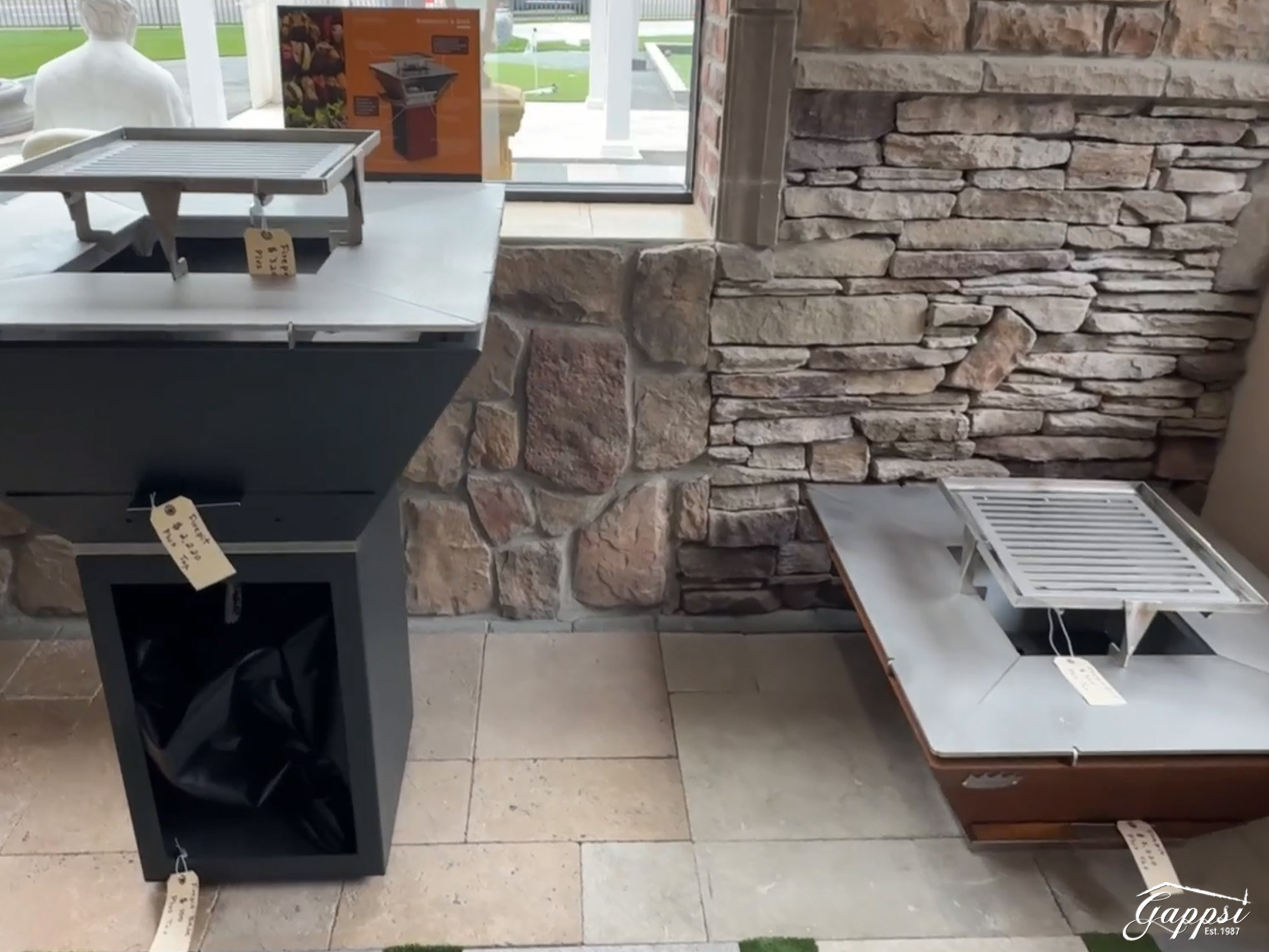
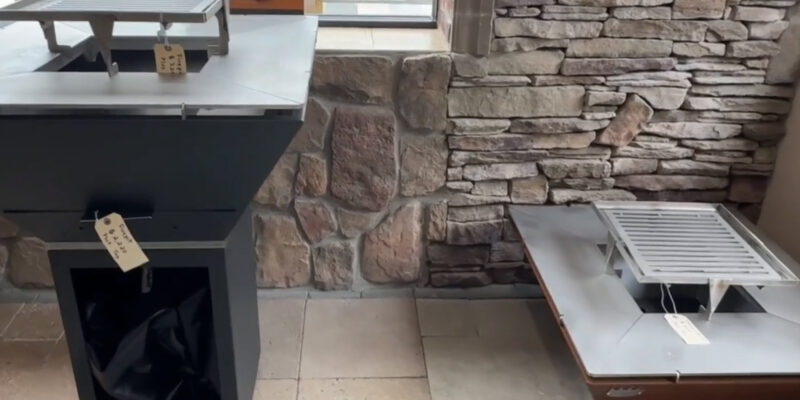
There’s something truly timeless about gathering around an open flame and the Colorado Wood-Burning Fire Pit BBQ. Whether it’s the soft crackle of burning wood or the rich aroma of food cooking over the fire, it draws people together in a way that’s both comforting and captivating. Introducing the Colorado Wood-Burning Fire Pit BBQ.  The newest addition to our collection of luxury outdoor living products. Manufactured in Italy, this stunning piece of craftsmanship combines elegant European design with exceptional functionality, giving you both a beautiful fire feature and a fully functional outdoor cooking station.

Italian Craftsmanship Meets Outdoor Luxury

The Colorado Fire Pit stands out for its superior quality and aesthetic appeal. Built with precision and care in Italy, it’s not just a fire pit; it’s a statement piece. Available in two distinct finishes, this fire pit can perfectly complement your outdoor space, no matter your style preference.

  • Powder-Coated Black Finish: For those who prefer a sleek, modern aesthetic, the powder-coated black version offers a refined and elegant look that blends seamlessly into contemporary patios, decks, and backyard settings.
  • Bare Metal Finish (Corten Steel Look): For a more rustic and natural vibe, the bare metal option is designed to weather beautifully over time. As it’s exposed to the elements, it develops a warm, rust-like patina.  A distinctive look that tells a story of outdoor life and natural aging.

Both finishes have been built to withstand outdoor conditions.  This ensures your investment remains durable and visually appealing year after year.

Functionality Meets Versatility

The Colorado Fire Pit BBQ isn’t just for show.  It’s a fully functional outdoor cooking system. Designed with both relaxation and performance in mind. This fire pit offers multiple cooking and heating options that make it ideal for year-round use.

italian-made-outdoor-cooking--patio-fire-featureA Fire Pit That Transforms into a BBQ

At its core, the Colorado Fire Pit functions as a traditional wood-burning fire pit.  Perfect for cozy evenings on the patio. Place it on your deck or backyard entertainment area, surround it with a few comfortable chairs, and enjoy the ambiance of a natural flame.

But where this model truly shines is in its versatility as a wood-cooking BBQ. With the included accessories, it easily transforms into a culinary centerpiece. The fire pit comes equipped with four sear plates positioned around the top, allowing you to cook directly over the heat. The center area is designed for the wood fire.  The surrounding sear plates distribute heat evenly, perfect for searing meats, vegetables, or even grilling artisan flatbreads.

Grill and Tray System

For even more cooking flexibility, the Colorado Fire Pit includes a grill tray and rack that can be placed on top. This allows you to grill your favorite foods just like a traditional barbecue. Whether you’re cooking steaks, burgers, seafood, or roasted vegetables, the open flame enhances the flavor and gives your dishes that unmistakable wood-fired aroma.

When you’re done cooking, you can easily remove the grill and enjoy the warmth of the fire for the rest of the evening, a seamless transition from chef mode to relaxation mode.

Designed for Convenience

Every detail of the Colorado Fire Pit has been thoughtfully engineered for ease of use and maintenance. The unit sits on a sturdy stand that raises it to a comfortable height for both cooking and socializing. This ergonomic design ensures you won’t have to bend or strain while grilling or tending the fire.

Beneath the main body of the fire pit is a removable ash tray, designed to catch ashes and embers as they fall. When the fire has burned out and cooled, slide out the tray, dump the ashes, and your fire pit is ready for its subsequent use.

This combination of form and function makes the Colorado Fire Pit one of the most user-friendly outdoor products available, easy to clean, easy to use, and built to last.

Shape and Style Options

The Colorado Fire Pit is available in two distinct shapes to fit your outdoor design preferences:

  • Rectangular Model: Sleek, spacious, and modern. The rectangular version is our most popular option. It offers a generous cooking surface and a bold visual presence, making it ideal for larger patios or entertainment areas.
  • Round Model (Special Order): For those who prefer a softer, more traditional look, the round version can be special-ordered upon request. Its circular design is great for intimate gatherings and smaller spaces.

No matter which shape you choose, you’ll enjoy the same Italian craftsmanship, durable materials, and multifunctional design that make the Colorado Fire Pit such a standout addition to any home.

The Perfect Gathering Spot

Imagine hosting friends and family for a relaxed evening outdoors.  The fire flickers softly as you cook dinner, the smell of wood smoke mixes with the savory scent of grilled food, and the warm glow illuminates everyone’s faces. The Colorado Fire Pit BBQ transforms your backyard into a destination, a place where memories are made, meals are shared, and moments are savored.

Unlike gas fire pits, which often lack character, a wood-burning fire pit provides an authentic, sensory experience. The crackling of the logs, the glowing embers, and the natural heat all come together to create a cozy, rustic charm that’s impossible to replicate with artificial flames.

Visit Our Showroom in Smithtown, NY

Curious to see the Colorado Fire Pit BBQ in action? We invite you to visit our showroom at 1015 West Jericho Turnpike in Smithtown, NY. Our knowledgeable team will be happy to demonstrate how the fire pit works, showcase its unique cooking features, and answer any questions you may have.

Seeing the Colorado Fire Pit in person allows you to appreciate the quality craftsmanship and elegant design that photos can’t capture. Whether you’re planning to upgrade your outdoor entertaining area or looking for a statement piece that combines beauty and function, this fire pit is the perfect choice.

italian-made-outdoor-cooking--patio-fire-feature1Why Choose the Colorado Wood-Burning Fire Pit BBQ?

  • Manufactured in Italy with premium materials
  • Dual-purpose design: fire pit and wood-cooking BBQ
  • Available in black powder-coated or natural bare metal finishes
  • Includes four sear plates, grill tray, and removable ash tray
  • Functional, durable, and beautifully designed
  • Optional shapes: rectangular (in stock) or round (special order)

Experience Fire, Flavor, and Function

The Colorado Fire Pit BBQ isn’t just another outdoor accessory.  It’s an experience. From cozy evenings by the fire to lively cookouts with friends, it elevates your outdoor living space and turns every gathering into something memorable.

If you’re ready to experience the warmth, craftsmanship, and versatility of the Colorado Fire Pit, stop by our Smithtown showroom today. Let us help you bring the beauty of Italian design and the joy of wood-fired cooking into your home.

Thank you for following us. We can’t wait to show you the Colorado Fire Pit BBQ in person.

SCHEDULE A MEETING TODAY WITH GAPPSI

Share this page:

Marble Pavers for Pool Patio and Synthetic Turf in Syosset NY

marble-pavers-for-pool-patio-and-synthetic-turf syosset-ny2Marble pavers for pool patio and synthetic turf can transform your space.  The addition of marble pavers to your pool deck and lanai areas adds style and elegance.  You can easily transform your outdoor space with the beauty of pavers, marble, or travertine. At Gappsi, we can help you choose the product that will blend seamlessly with your style.

Why Choose Marble Pavers?

Marble Pavers are high quality, durable, and resistant to heat and pressure. Marble is a type of limestone that is formed after it is exposed to extreme pressure and temperatures. The stone’s texture is sandblasted and provides a non-slippery finish.

Marble pavers are an excellent choice for pool decks in Long Island NY as they offer several benefits, such as durability, aesthetic appeal, and slip resistance. Moreover, marble pavers are available in a wide range of colors, patterns, and textures, making it easy to find a design that complements your pool and outdoor living space.

Enhancing Your Long Island Outdoor Space with Marble Pavers

Discover the beauty and functionality of marble pavers for outdoor projects. Marble offers various design options, durability, and ease of maintenance.

  • Highly durable and long-lasting material
  • Resistant to weathering, staining, and scratching
  • Boosts property value
  • Durability
  • Withstands heavy foot traffic
  • Easy to clean
  • Sealing is recommended to enhance stain resistance
  • A variety of colors, patterns, and finishes are available
  • Marble pavers are great for walkways, patios, and pool decks

Sheer Descent Waterfalls & Pool Features

This backyard was designed and installed in Syosset NY. The patio has marble pavers with two inches of coping for the pool edges and the pool has a vinyl liner.  We installed sheer-descent waterfalls behind the pool.  There is something very special about falling water. The sound soothes us. From shimmering sheets to tumbling cascades, a sheer-descent waterfall will bring your pool to life.  

Transform your pool into a backyard oasis with sheer descent waterfalls and other stunning pool features from Gappsi. We offer a wide variety of options to suit every taste and style, from elegant cascading waterfalls to mesmerizing laminar jets and fountains.

Our sheer descent waterfalls create a beautiful, clear arc of water that adds a touch of luxury and serenity to your pool. Choose from various lengths, styles, and finishes to create the perfect look for your outdoor space. We also offer a range of other pool features, including bubblers, deck jets, and LED lighting options, to enhance your pool experience.

marble-pavers-for-pool-patio-and-synthetic-turf-syosset-ny1Synthetic Turf – Artificial Grass

The entire backyard is completed using synthetic turf.  Synthetic turf, which is also known as artificial grass, can be a low-maintenance alternative to natural grass for backyards. It can last 8–10 years, but with regular upkeep like raking and rinsing, it can last 15–20 years. Synthetic turf can also be durable and can withstand heavy use and extreme weather conditions.

Here are some other benefits of synthetic turf:

  • Water savings: Synthetic turf does not require watering, making it a good choice for areas prone to drought.
  • Low maintenance: Synthetic turf doesn’t need to be mowed, fertilized, aerated, or weeded. It’s easy to clean too.
  • Consistent look: Synthetic turf can provide a lush, green appearance all year

Does synthetic grass add value to your home?

A well-maintained green lawn is an important feature of a home’s curb appeal. Realtors and estate agents agree that adding artificial grass can provide a good return on investment and increase the value of your home, making it a smart choice for any homeowner looking to boost their property value.

Breeo Wood Burning Fire Pit

We installed a Breeo Wood Burning Fire Pit.  Breeo invented the first smokeless wood fire pit and remains committed to building the best fire pits.  

The Breeo Fire Pit uses double-combustion technology to burn smoke before it leaves the pit, stopping any soot or irritants from entering the air and your eyes.

marble-pavers-for-pool-patio-and-synthetic-turf-syosset-nyBreeo has 3 types of fire pits:

The Breeo X Series: It’s the company’s base model and can be purchased in four different sizes (19 inches in diameter to 42 inches) and two finishes (corten and stainless steel). These fire pits are smokeless and can be used with multiple attachments for cooking and grilling.

The Breeo Y Series: This is Breeo’s portable fire pit for campers or those on the go. It can be collapsed and stored in a bag, has adjustable legs and a handle, and weighs 31 pounds.

The Breeo Luxeve: The Luxeve is Breeo’s luxury line. It’s a 33-inch fire pit available in multiple colors and comes with a free lid, though it can’t be used with Breeo cooking attachments.

It’s not just a fire pit! Impress all of your guests with your epic wood-fired cooking skills!  At Breeo, they think it’s time to enjoy the warmth and aroma of real, wood-burning fire unhindered by smoke.

The backyard consists of marble pavers and synthetic turf throughout, making this a maintenance-free backyard except for planting beds for flowers against the back fence. This is the latest Gappsi marble pavers and synthetic turf for a complete backyard installation. 

If your backyard makes you want to shut the door and stay inside instead of enjoying your outdoor space, it’s time for a backyard transformation. No matter the square footage, a backyard remodel can add value to your home and become your favorite place to be. Whether you’re looking to create a place to entertain or a retreat that’s just for you, give Gappsi a call today.

SCHEDULE A MEETING TODAY WITH GAPPSI

View Gappsi’s YouTube Channel for Videos of Marble Pavers for Pool Patio and Synthetic Turf Syosset NY

Share this page: