


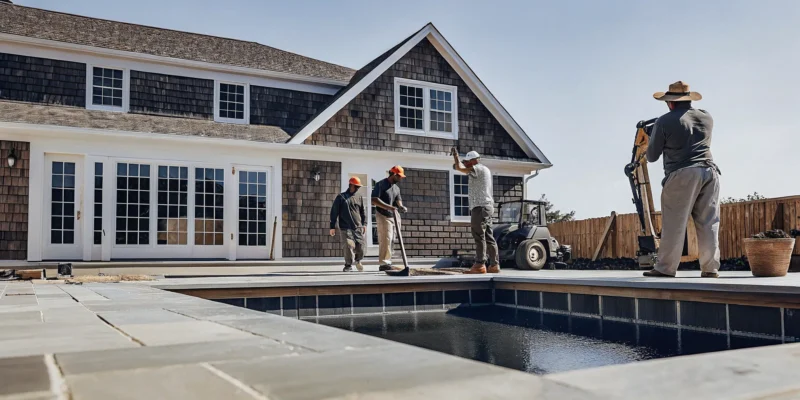
You can already picture it: sunny afternoons spent by the water, kids splashing, and evenings with friends on the patio. A new swimming pool is the heart of a perfect backyard, but it’s only one piece of the puzzle. A truly stunning outdoor space is created when the pool, the masonry, and the landscaping all work together in harmony. This requires a builder with a comprehensive vision. So, when you start asking which contractor installs inground pools in Suffolk County, what you’re really looking for is a partner who can design and build a complete outdoor living environment. We’ll show you how to identify a team that can deliver that cohesive, beautiful result.
Key Takeaways
- Choose Your Partner Wisely: Your contractor is your most important asset, so look for a licensed and insured professional with extensive local experience, a strong portfolio, and clear communication skills to ensure your project is managed correctly.
- Match Your Pool to Your Lifestyle: The choice between vinyl, fiberglass, and concrete affects more than the initial price; consider the long-term maintenance, customization options, and overall cost to find the perfect fit for your family’s budget.
- Lay the Groundwork Before You Dig: A smooth installation starts long before excavation, so secure a detailed written estimate, understand the permit process, and book your contractor well in advance to avoid seasonal rushes and potential delays.
Finding the Best Inground Pool Contractor in Suffolk County
Choosing the right contractor for your inground pool is one of the most important decisions you’ll make for your home. You aren’t just hiring someone to dig a hole; you’re partnering with a team to create your dream backyard. The best contractors in Suffolk County understand that a pool is the centerpiece of a larger outdoor living space. You’ll want to find a company with proven experience not just in pool installation, but also in creating a complete backyard transformation.
Look for a contractor who can seamlessly integrate your new pool with other features like patios, walkways, and landscaping. A team with expertise in masonry and landscape design can ensure the final result is cohesive and beautiful. Always verify that any contractor you consider is fully licensed and insured. This is a basic but critical step that protects you and guarantees they meet local professional standards.
Beyond credentials, pay attention to their portfolio and what past clients have to say. A reputable contractor will be proud to show you their previous work and provide references. Finally, trust your gut. The right partner will communicate clearly, answer your questions patiently, and be transparent about the process and costs from the very beginning. Taking the time to find a contractor who checks all these boxes will help ensure your swimming pool project is a smooth and exciting experience.
What Are Your Inground Pool Options?
Choosing the right material for your inground pool is one of the first big decisions you’ll make. The three main types are vinyl liner, fiberglass, and concrete (or gunite). Each one comes with its own set of benefits related to cost, appearance, and long-term upkeep. Thinking about your budget and how you envision using your pool will help you find the perfect fit for your Long Island home. Let’s look at what makes each option unique.
Vinyl Liner Pools
Vinyl liner pools are often the most budget-friendly choice, making them a popular starting point for many homeowners. These pools are constructed with a custom-made sheet of vinyl placed over a steel or polymer frame. While the initial cost is lower, keep in mind that adding custom features like built-in steps, tanning ledges, or unique seating areas will increase the price. The liner itself is smooth to the touch but will need to be replaced every several years. This option gives you a great balance of affordability and the flexibility to create a beautiful backyard oasis without a massive upfront investment.
Fiberglass Pools
If you’re looking for a low-maintenance option, a fiberglass pool is an excellent choice. These pools are pre-molded in a factory and delivered to your home as a single shell, which means they install fast and with less disruption to your yard. The surface is a smooth, non-porous gel coat that feels great on your feet and naturally resists algae growth. This means you’ll spend less time and money on chemicals and cleaning. The main trade-off is that you can’t customize the shape or size, as you’re choosing from existing factory designs. However, their durability and ease of care make them a fantastic long-term value.
Concrete and Gunite Pools
For complete creative freedom, nothing beats a concrete or gunite pool. Gunite is a method of applying concrete that allows for unlimited custom shapes, sizes, and depths. If you can dream it, you can build it, from freeform lagoons to sharp, modern geometric designs. This flexibility comes with a higher initial cost and requires more intensive long-term maintenance, including regular brushing to prevent algae and potential resurfacing down the road. Despite the upkeep, a concrete pool is incredibly durable and offers a chance to create a truly one-of-a-kind centerpiece for your outdoor living space that can last for decades.
How Much Will an Inground Pool Cost in Suffolk County?
Figuring out the budget for a new backyard pool is one of the first, and biggest, steps in the process. The final price tag for an inground pool in Suffolk County can vary quite a bit, depending on the materials you choose, the size of the pool, and the features you add. It’s helpful to think about the cost in two parts: the initial installation price and the long-term maintenance expenses. Understanding both will help you plan your finances and choose the best swimming pool for your family and home.
The three main types of inground pools are vinyl liner, fiberglass, and concrete (also known as gunite). Each comes with its own price point and maintenance needs. Whether you prioritize a lower upfront cost, minimal long-term upkeep, or complete design freedom will guide you toward the right choice. Let’s break down what you can expect to invest in each type of pool.
Vinyl Liner Pool Costs
Vinyl liner pools typically have the lowest initial installation cost, making them a popular entry point for many homeowners. The structure of the pool is built first, and then a custom-fitted vinyl liner is dropped in to create a waterproof surface. While the base price is attractive, keep in mind that the cost can increase with more complex shapes, sizes, or custom features.
The main long-term cost to consider is the liner itself, which usually needs to be replaced every five to nine years. This is an important factor for your long-term budget. However, for many families in Suffolk County, the lower upfront investment makes a vinyl liner pool the perfect way to start enjoying their backyard oasis sooner.
Fiberglass Pool Costs
A fiberglass pool generally has a higher upfront cost than a vinyl liner one, with prices often starting around $85,000. These pools are manufactured off-site as a single, large shell that is then delivered and set into the excavated hole in your yard. This process can often lead to a quicker installation time.
The major benefit of fiberglass is its lower long-term cost. The smooth, non-porous surface is highly durable, resistant to algae growth, and never needs a liner replacement. This means you’ll likely spend less time and money on chemicals and maintenance over the life of the pool. The beautiful porcelain and natural stone pavers you choose for the patio will remain the main event for years to come.
Concrete Pool Costs
If you can dream it, you can build it with concrete. Concrete, or gunite, pools offer nearly limitless customization options for shape, size, depth, and integrated features like tanning ledges or built-in bar stools. This design flexibility makes them the top choice for one-of-a-kind backyard designs. However, this level of customization comes with the highest initial price tag.
Concrete pools also require the most intensive and costly long-term maintenance. The porous surface needs more chemicals to prevent algae and will require acid washing every few years and complete resurfacing about once a decade. A concrete pool is a fantastic investment for those who prioritize a unique design as part of a larger landscape design project and are prepared for the ongoing upkeep.
Key Factors That Affect the Final Price
The type of pool you choose is just one piece of the puzzle. Several other elements will influence the total cost of your project. When you’re planning your budget, be sure to account for factors like excavation and site preparation, especially if your yard has challenging slopes or soil conditions. The size and depth of the pool will also directly impact material and labor costs.
Don’t forget to factor in the surrounding elements that complete your pool area. This includes your choice of patio material, safety fences and netting to meet local codes, and any special additions like waterfalls, slides, or lighting. Upgrades such as a pool heater or an automatic cover will also add to the final price but can greatly extend your swimming season and simplify maintenance.
How to Choose the Right Pool Contractor
Choosing an inground pool contractor is a major decision. You’re not just hiring someone to dig a hole in your backyard; you’re selecting a partner who will bring your vision to life. This relationship will last for months, and the results will last for decades. Finding the right team involves more than comparing quotes. It’s about finding skilled professionals you can trust to manage one of your home’s biggest investments. Taking the time to vet your options thoroughly will ensure a smoother process and a beautiful outcome you’ll enjoy for years. A great contractor will guide you through every step, from initial design concepts to the first time you dip your toes in the water, making sure the final product is exactly what you dreamed of.
Verify Their Licensing and Insurance
Before you get swept away by beautiful design photos, let’s cover the most important step: confirming credentials. A reputable pool contractor must have proper licensing and insurance. This isn’t just a formality; it’s your primary protection. Licensing proves they meet local and state standards for construction, while insurance (including liability and workers’ compensation) protects you from financial risk if an accident happens on your property. Any professional company will be upfront with this information and provide documentation upon request. If a contractor is hesitant or can’t produce these credentials, consider it a major red flag and walk away. It’s a simple check that can save you from huge headaches down the road.
Review Their Local Experience and Portfolio
Once you’ve confirmed a contractor is properly licensed and insured, it’s time for the fun part: seeing their work. Ask to see a portfolio of their completed projects, paying close attention to pools that match the style and complexity you have in mind. A contractor with extensive local experience in Suffolk County is a huge asset. They will be familiar with the area’s specific building codes, soil conditions, and permitting processes. Reviewing a contractor’s swimming pool gallery gives you a clear idea of their craftsmanship, design aesthetic, and the quality you can expect for your own backyard oasis. This visual evidence is often the best indicator of whether their style aligns with your vision.
Check Customer Reviews and Reputation
A contractor’s reputation is built one project at a time, and past customer experiences can tell you a lot. Look for reviews on platforms like Google and Yelp to get a sense of their track record. Pay attention to how they handle both praise and criticism. Are there consistent themes in the feedback? While a few negative comments are not unusual for any business, a pattern of issues with communication, timelines, or quality is a warning sign. You can also see their work and get a feel for their company culture on platforms like their YouTube channel. Don’t be shy about asking a potential contractor for a list of references you can speak with directly.
Ensure Clear Communication and Transparency
From your very first conversation, pay attention to how the contractor communicates. Do they listen to your ideas and answer your questions patiently and clearly? Or do they rush you and use confusing industry jargon? The best contractors act as partners, guiding you through the process with transparency. They should be able to explain their methods, provide a detailed breakdown of costs, and set realistic expectations for the project timeline. A strong line of communication is the foundation of a successful project, ensuring you feel confident and informed from the initial design to the final walkthrough. Trust your gut; if communication feels off from the start, it likely won’t improve.
Ask About Warranties and Aftercare
A great pool installation should be built to last, and a contractor who is confident in their work will stand behind it with strong warranties. Before signing a contract, make sure you understand what is covered, for how long, and by whom. This includes warranties on the pool structure, the equipment (like pumps and filters), and the workmanship itself. It’s also wise to ask about their aftercare support. Knowing you have a reliable partner for future maintenance, questions, or even restoration services provides invaluable peace of mind long after your pool is complete. This commitment shows they care about the long-term quality of their work.
What to Know Before Your Pool Installation
You’ve chosen a pool design and are already picturing those perfect summer afternoons spent lounging by the water. It’s an exciting moment. Before the construction crew arrives, however, there are a few important steps to work through. The installation phase is where your vision starts to take shape, and being prepared can ensure the entire process goes smoothly, on time, and within budget. A successful project isn’t just about the final product; it’s also about a stress-free experience getting there.
Understanding the pre-installation checklist helps you partner effectively with your contractor. From the initial paperwork to the final price, knowing what to expect empowers you to ask the right questions and make confident decisions. Think of it as creating a solid foundation for your project before the first shovel of dirt is even moved. We’ll walk through the four key areas you need to consider: handling local permits, assessing your property, planning your timeline, and getting a clear estimate. With these details sorted, you’ll be well on your way to creating the backyard oasis you’ve always wanted with a trusted swimming pool company.
Handling Permits and Local Regulations
Getting the right permits is a non-negotiable first step, and it’s one of the best ways to know you’re working with a true professional. In Suffolk County, for example, contractors must have a specific home improvement license and prove they have the proper certifications to install a pool. This process can feel complicated, but you shouldn’t have to handle it alone. Your contractor should manage all the necessary paperwork and inspections. This protects you from potential fines or legal issues down the road. Ensuring compliance with local regulations from day one is a hallmark of a reputable builder and gives you peace of mind that your project is being done correctly.
Preparing for a Site and Soil Assessment
Your backyard’s specific conditions play a huge role in how your pool is installed. Before any work begins, your contractor should perform a thorough site and soil assessment. They will evaluate your property’s grading, soil composition, and access points for construction equipment. On Long Island, the unique soil and terrain can present challenges, so it’s vital to hire a contractor with deep local experience. An expert who understands the area can anticipate potential issues, like drainage or ground stability, and plan for them accordingly. This foresight saves you from costly surprises and delays, ensuring your pool installation is built on a solid foundation from the start.
The Importance of Seasonal Timing and Booking Early
Everyone wants their new pool ready for the first heatwave, which means that good contractors are in high demand as summer approaches. Weather on Long Island can also be unpredictable, potentially causing delays in excavation and construction. To avoid the rush and secure a spot with your preferred builder, it’s smart to start planning and booking well in advance. Beginning the process in the fall or winter is a great strategy for a spring or early summer completion. This gives you and your contractor plenty of time to finalize designs, secure permits, and schedule the work without feeling rushed. Thinking ahead about your entire outdoor living space will help you create a cohesive and beautiful backyard.
Securing a Detailed, Written Estimate
A professional estimate is much more than just a final number. It’s a detailed roadmap for your entire project that builds trust and sets clear expectations. Before signing any contract, make sure you receive a comprehensive, written estimate that breaks down all the costs involved. This should include materials, labor, excavation, plumbing, electrical work, and any optional features. A transparent estimate prevents misunderstandings and surprise fees later on. Don’t hesitate to ask questions if something is unclear. A contractor who is willing to walk you through each line item is one who values professionalism and is committed to a positive client relationship, whether for a pool or a masonry project.
Related Articles
- 6 Best Pool Companies on Long Island (2026 Guide)
- Inground Pool Installation Long Island: A 2026 Guide
- suffolk county gunite pool contractors – Gappsi Group
- Swimming Pool & Backyard Designers for Nassau & Suffolk County on Long Island, NY – Gappsi Group
- Long Island Swimming Pool Design & Construction NY | Gappsi
Frequently Asked Questions
How long does it actually take to build an inground pool? The entire process, from the first design meeting to your first swim, typically takes a few months. The construction itself might only be several weeks, but the planning phase is just as important. This initial stage includes finalizing your design, securing permits, and ordering materials, all of which require time. Factors like weather and the complexity of your project can also influence the schedule, which is why starting the conversation with your contractor in the fall or winter is a great strategy for a summer-ready pool.
Can I build a patio or add landscaping at the same time as my pool? Absolutely, and it’s actually the ideal way to approach your project. Designing your pool as part of a complete outdoor living space ensures the final result is cohesive and functional. A contractor with expertise in both pool installation and masonry can create a seamless flow between your pool, patio, and walkways. Planning everything at once prevents issues like having to bring heavy equipment back across a newly finished lawn and allows for a more unified design from the start.
Which type of pool is the easiest to take care of? If low maintenance is your top priority, a fiberglass pool is your best bet. Its smooth, non-porous gel coat surface naturally resists algae growth, which means you’ll spend less time cleaning and less money on chemicals. While vinyl liner pools are affordable upfront, the liner will need replacement every several years. Concrete pools, though incredibly durable and customizable, require the most upkeep, including regular brushing and eventual resurfacing to keep them in top condition.
Do I need to worry about getting permits for my new pool? You shouldn’t have to worry about it at all. A qualified and professional pool contractor will handle the entire permitting process for you. They will know the specific codes and regulations for Suffolk County, prepare all the necessary documents, and manage submissions and inspections. This service is a key part of their job and a major indicator that you’re working with a reputable company that takes responsibility for doing the job correctly and legally.
How much can I really customize my pool design? Your ability to customize depends almost entirely on the material you choose. For ultimate creative freedom, a concrete (or gunite) pool is unmatched; you can create any shape, size, or depth and add unique features like tanning ledges or built-in seating. Vinyl liner pools offer good flexibility with shape and size, but you are working within the capabilities of the liner material. Fiberglass pools are the least customizable, as you are choosing from a selection of pre-made factory molds.