


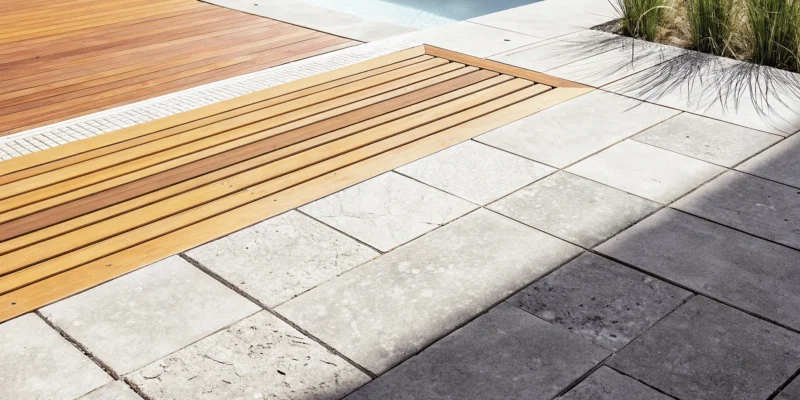
You may have heard that travertine is too porous or delicate for a pool deck in New York, but that’s a common misconception. The truth is, the thick, high-grade travertine pavers used for outdoor projects are incredibly durable and specifically chosen for their strength. Unlike thinner tiles used indoors, these pavers are built to handle foot traffic, patio furniture, and our challenging weather. The key is knowing how to distinguish high-quality stone from lower-grade options that won’t last. This guide will bust the common myths and give you the essential information you need to confidently select the best travertine for your pool deck, avoiding common mistakes and ensuring a successful, long-lasting installation.
Key Takeaways
- Choose Travertine for Comfort and Safety: This natural stone stays cool underfoot on hot days and provides excellent slip resistance around the pool, making it a smart and comfortable choice for families.
- Balance Style with Quality: While finishes like tumbled or honed define your deck’s aesthetic, always choose a high-grade travertine; its density is essential for durability and resisting Long Island’s freeze-thaw cycles.
- Protect Your Investment with Proper Care: Professional installation is non-negotiable for a lasting deck, and you can maintain its beauty for years with a simple routine of regular cleaning and periodic sealing.
Why Choose Travertine for Your Pool Deck?
When you picture a luxurious, resort-style pool, you’re likely imagining a travertine deck. This beautiful natural stone has become a top choice for Long Island homeowners, and for good reason. It strikes the perfect balance between elegance and practicality, creating a stunning foundation for your entire outdoor living space. Unlike other materials that can feel generic or become scorching hot under the summer sun, travertine offers a unique, timeless look that feels comfortable and safe underfoot.
Choosing the right material for your pool deck is a big decision. It needs to withstand everything from cannonballs and pool parties to Long Island’s changing seasons. Travertine is not just a pretty face; it’s a durable and resilient option that holds up beautifully over time. Its natural characteristics make it uniquely suited for poolside environments, providing a safe, cool, and sophisticated surface for relaxing, entertaining, and making memories. We work with a wide range of porcelain and natural stone pavers, and travertine consistently remains a favorite for its blend of function and high-end appeal. It transforms a simple backyard into a personal oasis.
What makes travertine special?
Travertine is a type of natural limestone formed by mineral deposits from natural springs. This formation process gives the stone its signature porous texture and unique, swirling patterns. No two travertine pavers are exactly alike, which means your pool deck will have a one-of-a-kind character that can’t be replicated. It delivers a timeless, resort-like look that feels both organic and incredibly sophisticated. For centuries, this stone has been used to build iconic structures, a testament to its enduring beauty and strength. Choosing travertine connects your modern backyard to a long history of classic design, ensuring your investment never goes out of style.
The benefits of travertine around pools
Beyond its stunning appearance, travertine offers several practical benefits that make it ideal for poolside applications. Travertine pavers are known for making a pool deck look great and last a long time. Their durability means they can handle the constant exposure to water, sun, and foot traffic that comes with a busy pool area. When properly installed by professionals, travertine can also withstand the freeze-thaw cycles we experience on Long Island. This longevity, combined with its high-end aesthetic, can add significant value to your home. It’s a key element in creating the luxurious swimming pools that become the centerpiece of a backyard retreat.
Stay cool and safe: Heat and slip resistance
Two of the biggest concerns for any pool deck are safety and comfort. Travertine excels in both areas. One of its most celebrated features is that it stays cool to the touch, even when the sun is very hot. Its natural porosity allows it to dissipate heat instead of absorbing it like concrete or darker pavers do. This means you and your family can walk around barefoot without worrying about burning your feet. Additionally, travertine’s surface helps prevent slips because it’s naturally a bit rough. This texture provides excellent traction, which is especially important around a wet pool where slips and falls are a risk. This makes it a smart and safe choice for families with children.
Find Your Travertine Style: Common Types
Once you decide on travertine for your pool deck, the next step is choosing a style. Travertine comes in several distinct finishes, and each one offers a unique look and feel. The finish you select will influence everything from the texture under your feet to the overall aesthetic of your backyard oasis. Think about the vibe you want to create. Are you aiming for something sleek and modern, or do you prefer a more rustic, old-world charm? Understanding these common types will help you find the perfect match for your Long Island home and create a space you’ll love for years.
Honed travertine
Think of honed travertine as the effortlessly chic option for your pool deck. This style has a smooth, matte finish that feels wonderful on bare feet. It’s created by grinding the stone to a flat, consistent surface without bringing it to a high polish. This process gives it a soft, elegant look that’s both modern and timeless. One of the biggest perks for a pool area is that honed travertine provides good slip resistance while staying cooler to the touch than darker materials. It’s a practical and beautiful choice that offers a clean, sophisticated backdrop for your swimming pool.
Tumbled travertine
If you love a rustic, weathered look that feels like it has a story to tell, tumbled travertine is for you. This finish is achieved by tumbling cut tiles in a drum with gravel and water, which softens the edges and creates a textured, aged appearance. The result is a surface full of character that looks incredibly natural in an outdoor setting. Tumbled travertine offers excellent slip resistance, making it one of the safest options around a pool. Its textured surface is also great at hiding minor dirt and wear, making it a forgiving choice for a busy backyard.
Filled travertine
Filled travertine offers a more uniform and refined look. In its natural state, travertine has small pits and holes. With this finish, those voids are filled with a durable grout or resin that matches the stone’s color, creating a solid, smooth surface. After being filled, the stone is typically honed. This makes it much easier to clean since there are no crevices for dirt to get trapped in. Filled travertine gives you the beautiful patterns of the stone without the natural texture, making it a great choice if you want a sleeker, more polished appearance for your outdoor space.
Brushed travertine
Brushed travertine strikes a lovely balance between the rustic feel of tumbled stone and the smoothness of honed stone. The finish is created by treating the surface with wire brushes, which wears away the softer parts of the stone and leaves a textured, matte finish. This process enhances the natural colors and gives the stone a unique, tactile quality that’s very appealing. It provides good traction for wet feet, making it another fantastic, slip-resistant option for pool decks. The subtle texture adds visual interest and a touch of antique charm without being overly rustic, complementing a wide range of natural stone designs.
Choosing the Right Travertine Color
Picking the right color for your travertine pool deck is one of the most exciting parts of the design process. The shade you choose sets the entire mood for your outdoor space, from classic and serene to warm and rustic. Beyond aesthetics, color also plays a practical role in how comfortable your deck is on a hot summer day. Let’s look at some popular color families to help you find the perfect match for your Long Island home.
Ivory and cream tones
Ivory and cream are timeless choices for a reason. These light, airy tones give your pool deck a clean, luxurious feel that feels both classic and fresh. Think of soft beiges and creamy whites that create a serene, spa-like atmosphere. One of the biggest advantages of light-colored travertine is its ability to reflect sunlight. This means the surface stays cooler underfoot, making it much more comfortable for bare feet during those hot July afternoons. It’s a practical and beautiful option for any poolside retreat.
Walnut and noce shades
If you’re drawn to warmer, earthier aesthetics, walnut and noce travertine might be perfect for you. These varieties feature rich tans, deep beiges, and even hints of chocolate brown. They create a cozy, inviting look that can feel rustic or Mediterranean, depending on your home’s style. What’s really special about these shades is their natural variation; the color can seem to shift with the sunlight, adding depth and character to your deck. These warmer tones are excellent for grounding your outdoor space and complementing lush landscape designs.
Silver and gold varieties
For a look that’s a bit more distinctive, consider silver or gold travertine. Silver travertine offers cool, elegant gray tones that are perfect for a modern or contemporary home. It provides a sophisticated backdrop that pairs beautifully with sleek patio furniture and minimalist designs. On the other hand, gold travertine brings a sunny, luxurious warmth to your pool area. With beautiful honey and golden hues, it creates an inviting, high-end feel. Both options offer a unique twist on traditional travertine, allowing you to make a personalized statement with your masonry choices.
How color choice impacts surface temperature
The color of your travertine has a direct effect on how hot it gets. As a rule, lighter colors like ivory, cream, and light silver will reflect more sunlight and stay significantly cooler to the touch. This is a huge plus for a pool deck where you and your family will be walking around barefoot. Darker shades, such as deep walnut or noce, absorb more of the sun’s heat and can become quite hot. While beautiful, it’s an important comfort factor to consider for your family’s enjoyment on sunny days. Proper sealing and care will protect any color you choose.
Selecting the Best Finish and Size for Your Pool Deck
Once you have a travertine color in mind, the next step is to think about the finish and tile size. These details might seem small, but they have a huge impact on your pool deck’s safety, style, and maintenance needs. The right combination will pull your entire outdoor space together, creating a cohesive look that is both beautiful and functional for your family and guests. Let’s walk through how to make the best choices for your Long Island home.
How finishes affect grip and style
The finish of your travertine is all about texture, which directly affects how slip-resistant the surface is. For a pool deck, safety is just as important as style. A tumbled finish is a popular choice because its textured, rustic surface provides excellent grip, even when wet. If you prefer a smoother feel, a honed finish offers a matte, modern look with moderate slip resistance. Another great option is a brushed finish, which has a soft, worn texture that adds traction while still feeling comfortable underfoot. Each finish contributes to the unique character of your natural stone pavers, so you can find the perfect balance of safety and design.
Choosing the right tile size
The size of your travertine tiles can dramatically change the look of your pool deck. Large-format tiles are fantastic for creating a clean, contemporary feel that makes your space seem bigger and more open. A major benefit of larger tiles is that you’ll have fewer grout lines, which simplifies cleaning and creates a more seamless look. On the other hand, smaller tiles or a pattern combining multiple sizes can lend a more traditional, classic charm to your pool area. When making your decision, consider the scale of your swimming pool and the overall aesthetic you want to achieve.
Why the grade of your travertine matters
When you’re investing in a new pool deck, you want it to last. That’s why the grade of the travertine is so important. Higher-grade travertine has fewer natural pits and imperfections, more consistent color, and a denser structure. This makes it much more durable and resistant to the wear and tear of foot traffic and weather. While lower-grade stone might seem like a good way to save money upfront, it can be more prone to cracking and fading over time. Opting for a premium-grade stone from a trusted source like the Gappsi Store ensures your pool deck will maintain its beauty and integrity for many years to come.
Pros and Cons of a Travertine Pool Deck
Deciding on the right material for your pool deck is a big step, and travertine is a popular choice for good reason. Like any material, it has its strengths and weaknesses. Understanding both sides will help you feel confident in your decision and ensure you create a poolside space you’ll love for years. Let’s walk through the key points to consider.
The advantages
One of the biggest draws of travertine is how comfortable it is. The stone is a natural insulator, which means it stays cool underfoot even on the hottest Long Island summer days. No more hopping from foot to foot on scorching surfaces. Safety is another major plus. Travertine is naturally porous, so its surface absorbs water quickly. This creates excellent slip resistance, reducing the risk of falls around the wet pool area and preventing puddles from forming. Beyond its practical benefits, travertine offers a timeless, resort-like look that can transform your backyard into a personal oasis. Its natural patterns and warm tones add a touch of elegance that is hard to match.
The disadvantages
While travertine is beautiful, it does require some care. Because the stone is porous, it can absorb spills, which can lead to stains if not addressed. To protect it, your deck will need to be sealed after installation and then resealed every few years. This is a straightforward process that our restoration and sealing team can handle for you. The porous nature can also mean that dirt and debris get trapped in the tiny surface holes. Regular sweeping and rinsing will keep it looking fresh. Finally, in a climate like New York’s, the freeze-thaw cycle can be a concern. Water that gets into unsealed stone can freeze, expand, and potentially cause cracks over time, which is why professional installation and proper sealing are so important.
Busting common travertine myths
You may have heard that travertine is fragile, but that’s simply not true for the kind used in landscaping. The material selected for pool decks is a thick, durable variety known as travertine pavers. These are specifically cut to a thickness that ensures they can handle foot traffic and patio furniture with ease. Another common concern is ending up with a mismatched look. This can happen if you buy from separate batches, as the color and pattern can vary from one stone to the next. When you work with a comprehensive supplier like Gappsi, we source all your material from the same lot, guaranteeing a beautiful, cohesive look for your entire project.
Travertine vs. Other Pool Deck Materials
Choosing your pool deck material is a big decision, and it’s helpful to see how travertine stacks up against other popular options. Each material has its own look and set of benefits, so the best choice for your Long Island home depends on your style, budget, and maintenance preferences. Let’s compare travertine to concrete, porcelain, other natural stones, and brick to help you find the perfect fit for your backyard oasis.
Travertine vs. concrete
Concrete is a common choice for pool decks, but it offers a very different experience than travertine. While stamped concrete can mimic the look of stone, it doesn’t quite capture the unique, natural beauty and luxurious feel of genuine travertine. Travertine’s durability is also a major advantage, as it resists the cracking that can happen with concrete, especially during Long Island’s freeze-thaw cycles. Perhaps the biggest difference you’ll feel on a hot summer day is the temperature. Travertine naturally stays much cooler to the touch, making it a more comfortable surface for bare feet around the pool.
Travertine vs. porcelain pavers
This comparison is all about natural versus manufactured. Travertine is a natural stone quarried from the earth, giving each piece a one-of-a-kind character. Porcelain pavers, on the other hand, are crafted from high-density clay and fired in a kiln. This process makes them incredibly dense and non-porous, so they are highly resistant to stains and don’t require sealing. While travertine offers authentic, earthy beauty, porcelain and natural stone pavers provide endless design flexibility with a vast range of colors, patterns, and finishes that can even look like wood or other stones. The choice often comes down to whether you prefer the authenticity of natural stone or the low-maintenance consistency of a manufactured product.
Travertine vs. natural stone
Since travertine is a type of limestone, you might wonder how it compares to other natural stones like bluestone, granite, or slate. Each stone has a distinct personality. Travertine is loved for its soft, earthy tones and characteristic pitting, which creates a warm, Mediterranean vibe. Other stones offer different aesthetics; for example, bluestone provides a classic, cool-toned look popular in the Northeast. While all are durable, travertine has a distinct advantage around pools because it doesn’t absorb as much heat as darker stones like slate or some granites. Its naturally porous texture also provides excellent slip resistance, making it a top contender for any pool project.
Travertine vs. brick pavers
Brick pavers create a timeless, traditional look that is charming and rustic. However, when placed next to travertine, the aesthetic difference is clear. Travertine provides a more elegant and high-end feel, elevating the entire pool area into a sophisticated retreat. In terms of comfort, travertine generally stays cooler underfoot than dense brick. Maintenance is another factor. The smooth surface of travertine is typically easier to sweep and keep clean, while the texture and numerous grout lines of brick can sometimes trap dirt or encourage moss growth in damp areas. For a truly custom look, our masonry designers can help you weigh the visual and practical aspects of each material for your home.
What to Expect During a Travertine Installation
Okay, you’ve chosen your gorgeous travertine, and you’re ready to see it transform your poolside. It’s exciting, but it can also feel a little overwhelming. Understanding the installation process step by step can make all the difference. Knowing what’s happening and why will give you peace of mind and help you appreciate the craftsmanship that goes into creating a durable, stunning pool deck. Let’s walk through what a professional installation looks like from start to finish.
Preparing the foundation and ensuring drainage
A beautiful travertine deck is only as good as the foundation beneath it. This is probably the most critical step for ensuring your pool deck lasts for decades. Our team starts by excavating the area and compacting the soil to create a stable base. Then, we add a layer of gravel. This isn’t just for support; it’s essential for proper drainage. Good drainage prevents water from pooling under the pavers, which can cause shifting, cracking, or frost heave during those Long Island winters. A solid masonry foundation is the secret to a long-lasting, low-maintenance patio.
Setting the stone and grouting
Once the foundation is perfectly prepared, the real artistry begins. Our installers will carefully lay each travertine tile, ensuring precise spacing and alignment for a seamless, professional look. We use a high-quality mortar to securely bond each stone to the base. After the tiles are set, we fill the joints with grout. We choose a grout that’s specifically designed for outdoor use, so it can withstand everything from intense sun to rain and snow. This meticulous process of working with natural stone is what brings the final design to life, creating a smooth and visually stunning surface for your poolside retreat.
Finishing touches: Coping and edges
The details are what truly define a great project. For a pool deck, the most important finishing touch is the coping. This is the material that caps the edge of the pool, creating a smooth, rounded border. Travertine coping not only provides a beautiful, cohesive look but also serves a practical purpose by offering a non-slip, safe edge for getting in and out of the water. Our team custom cuts the coping to fit the unique curves and lines of your swimming pool, ensuring a perfect, bespoke finish that ties the entire space together.
The importance of professional installation
While a DIY project can be tempting, installing a travertine pool deck is a job best left to the pros. There are so many variables, from ensuring the ground is properly graded for drainage to getting the cuts and layout just right. A professional team has the experience, tools, and knowledge to handle any challenges that arise. When you work with experts, you get the assurance that your investment is protected and your pool deck is built to last. Our home remodeling experts can also offer advice on long-term care, ensuring your travertine stays beautiful for years of poolside enjoyment.
How to Care for Your Travertine Pool Deck
A travertine pool deck is a beautiful investment, and with the right care, it will stay that way for years. Thankfully, maintaining travertine isn’t complicated. It just requires a consistent routine to protect the stone from the elements and everyday use. Following a few simple steps for sealing, cleaning, and making timely repairs will keep your poolside oasis looking pristine season after season.
Sealing your travertine: When and how
Think of sealant as sunscreen for your stone. Travertine is naturally porous, and sealing it helps prevent dirt, spills, and pool chemicals from seeping into the stone and causing stains. A quality sealant creates a protective barrier that keeps your deck looking clean and vibrant. We recommend you seal your travertine pavers every one to two years, depending on how much foot traffic and direct sunlight the area gets. If you notice water is soaking into the stone instead of beading on the surface, it’s time to reseal. For a professional application that ensures complete protection, our team offers expert restoration and sealing services.
Simple tips for routine cleaning
Keeping your travertine deck clean is easier than you might think. The most important step is to regularly sweep away leaves, dirt, and other debris before they have a chance to settle into the stone’s surface. For a deeper clean, you can wash the deck with water and a gentle, pH-neutral stone cleaner. Avoid using acidic or abrasive cleaners, like vinegar or harsh chemicals, as they can damage the stone over time. A simple wash-down every few weeks is usually enough to maintain its appearance. This small amount of effort will go a long way in preventing buildup and keeping your travertine looking its best.
Repairing stains, chips, and cracks
Accidents happen, but addressing them quickly is key to preserving your travertine. Because travertine is a porous stone, dirt and spills can get trapped in its tiny holes, especially if it’s near loose soil or garden beds. If you notice a stain, try to clean it as soon as possible. For minor chips or cracks, it’s wise to get them repaired promptly to prevent them from getting worse. Timely repairs not only maintain the beauty of your pool deck but also ensure its structural integrity and safety. If you encounter damage that seems beyond a simple fix, our masonry experts can help restore your travertine to its original condition.
Travertine Mistakes to Avoid for Your Pool Deck
Travertine is a fantastic choice for a pool deck, but a few common missteps can keep you from getting the beautiful, long-lasting result you want. Knowing what to watch for ahead of time is the best way to protect your investment and ensure your project is a success from day one.
One of the biggest mistakes is choosing a stone that isn’t suited for Long Island’s weather. Our freeze-thaw cycles can be tough on natural stone. Lower-grade travertine is more porous, meaning it absorbs more water. When that water freezes, expands, and thaws, it can cause the stone to crack and flake. Selecting a high-quality, dense travertine from a trusted supplier of porcelain and natural stone is essential for durability. Another visual pitfall is mixing tiles from different batches. Natural stone has variations, so buying all your material at once from the same lot ensures a consistent color and pattern across your entire pool deck.
It’s also important to have realistic expectations about upkeep. While travertine is durable, it’s not maintenance-free. To keep it looking its best and protect it from stains and weathering, it needs to be cleaned regularly and sealed periodically. Understanding this commitment upfront helps you plan for the long-term care of your beautiful new deck. We offer professional restoration and sealing services to make this part easy.
Finally, the quality of the installation is just as important as the quality of the stone itself. An improper base, poor drainage, or incorrect setting techniques can lead to shifting, cracking, and water issues down the road. Working with an experienced masonry and construction company ensures every step, from the foundation to the final seal, is handled correctly. This expertise is what turns a good material into a great, enduring outdoor space.
Is a Travertine Pool Deck Right for Your Long Island Home?
Deciding on the perfect material for your pool deck is a big decision, especially here on Long Island where we experience all four seasons. Travertine is a popular choice for its undeniable beauty, but you need to know if it can handle our specific climate. The short answer is yes, it absolutely can, but only if you choose the right kind and have it installed correctly.
There’s no denying the appeal of travertine. It offers a luxurious, resort-style feel that can transform a simple backyard into a stunning retreat. The stone naturally stays cooler underfoot than many other materials, which is a huge plus during those hot July and August days. Plus, its porous texture provides natural slip resistance, making it a safer choice for areas around your swimming pool. It delivers a timeless look that complements almost any home style.
The big question for any Long Island homeowner is how it holds up to our winters. It’s a valid concern. The freeze-thaw cycle, where water seeps into the stone, freezes, expands, and then thaws, can cause some natural stones to crack over time. This is where the quality of the travertine becomes incredibly important. For a pool deck that lasts, you need to invest in a high-grade, “premium select” travertine. This type of stone is denser and has fewer holes, making it far more resilient to water absorption and freezing temperatures. Choosing the right porcelain and natural stone is the key to ensuring your deck withstands the test of time.
Proper installation and maintenance also play a huge role. When you periodically restore and seal your deck correctly, you protect it from stains and moisture. Ultimately, a travertine pool deck can be a fantastic, long-lasting choice for your Long Island home, provided you select a high-quality stone and work with an installer who understands the specific demands of our local environment. It’s about making a smart investment in both the material and the craftsmanship.
Related Articles
- Travertine Patios And Pools On Long Island – Gappsi Group
- Best Pool Deck Stone by a Long Island Patio Contractor
- g035 travertine Archives – Gappsi Group
Frequently Asked Questions
Will a travertine pool deck crack during a Long Island winter? This is a great question and a valid concern for our climate. A high-quality travertine deck installed by professionals is designed to handle our freeze-thaw cycles. The key is using a dense, premium-grade stone that absorbs very little water. When combined with a properly prepared foundation that allows for drainage, the risk of cracking is minimized. Problems typically arise from lower-grade, more porous stone or an improper installation, which is why choosing the right material and installer is so important.
Is travertine a good choice for a family with young kids? Absolutely. In fact, it’s one of the most family-friendly options available. Two of its biggest benefits are safety and comfort. The natural texture of the stone provides excellent traction, which helps prevent slips and falls on wet surfaces around the pool. Plus, travertine stays remarkably cool to the touch, even on hot, sunny days. This means little feet can run around comfortably without the risk of getting burned.
How often do I really need to seal my travertine deck? We generally recommend sealing your travertine every one to two years, but the best way to know for sure is to watch how water behaves on the surface. If water beads up nicely, your sealant is still working. If it starts to soak into the stone, it’s time to reseal. Sealing is a simple but crucial step that protects your investment from stains, dirt, and moisture damage, keeping it beautiful for years.
With so many options, what’s the main difference between a tumbled and a honed finish? Think of it as a choice between a rustic feel and a refined one. Tumbled travertine has a textured, weathered appearance with softened edges, giving it an old-world charm and excellent slip resistance. Honed travertine is sanded to a smooth, matte finish that feels soft underfoot and looks very clean and elegant. Both are great for pool decks, so the decision really comes down to the personal style you want for your outdoor space.
What’s the best way to clean my travertine deck without damaging it? The best practice is to be gentle. For routine cleaning, simply sweeping away debris and rinsing with a garden hose is often enough. When you need a deeper clean, use a pH-neutral cleaner specifically made for natural stone and a soft-bristle brush. You should always avoid acidic cleaners, like vinegar, or harsh chemicals because they can etch and damage the stone’s surface over time.