


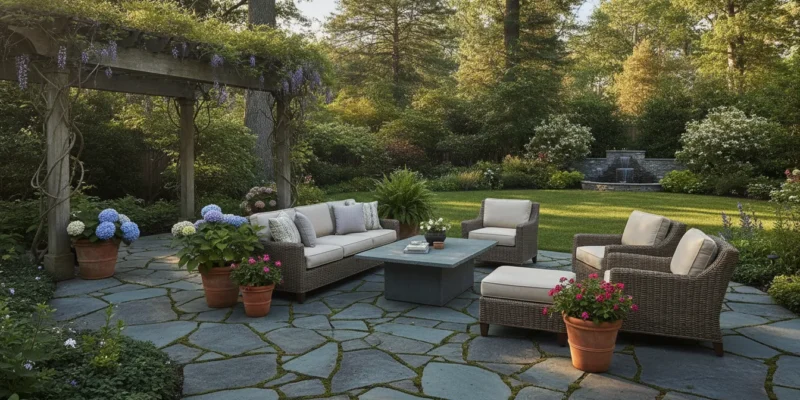
Long Island winters will crack and shift cheap concrete pavers within a few short seasons. Natural stone offers a stronger way to build a backyard living space that lasts for decades.
Before building your dream backyard, you should understand the budget needs and design choices of this natural stone. You might ask yourself: How much does a bluestone patio cost on Long Island? Finding the right answers and planning properly helps you avoid surprises, and here is how. Contact Gappsi through our contact page today to talk with a Gappsi masonry expert about planning your own natural bluestone patio on Long Island.
How much does a bluestone patio cost on Long Island?
Key cost drivers for a bluestone patio
A new bluestone patio is a great way to add outdoor living space to your home. But how much you pay depends on a few factors. First, the size of your patio will change your price. Some homeowners start small and later grow their patio to 400 square feet to wrap around the home. Second, the type of stone you buy will change the cost. Bluestone is a natural sandstone from quarries in New York and Pennsylvania. Because it is very strong, bluestone often costs less than other imported stone options over time. This makes it a great pick among the best patio materials for Long Island.
Material finish and cut
The finish of your stone also drives the bluestone patio cost. Natural cleft bluestone has a textured surface with minor changes in thickness. It has a rustic look that fits nicely in many gardens. Thermal finish bluestone is heated to create a smooth, flat surface, which costs more because of the extra quarry work. The shape of the stone matters too. Uneven flagstone shapes can take longer to fit together, which adds to your total labor bill. Patterned, pre-cut blocks are faster to set up but have a higher stone cost, while thicker slabs cost more to ship.
Site preparation and base materials
Long Island has a tough freeze-thaw climate. This weather causes the ground to move during the winter. To prevent your patio from cracking or shifting, you must prepare the site well. Masonry teams dig out the soil first, and then they lay down a strong base before setting the stone. According to Iowa State paving design standards, you need a stable base of compacted stone to prevent settling and movement. Proper drainage is also key. The Environmental Protection Agency notes that aggregate bases help manage water flow and protect your patio from runoff. Site prep, base stone, and labor are major parts of your total cost. A skilled team has the right tools to grade the land and pack the stone. While doing the work yourself might seem cheap, poor base prep can lead to high repair bills later. If you want a lasting backyard space, hiring an expert is your best path.
Natural cleft or thermal finish: which bluestone is right for you?
When you plan a bluestone patio, you must choose the texture of the stone. Natural bluestone comes in two main finishes. These finishes are natural cleft and thermal finish. Your choice affects the look, feel, safety, and cost of your outdoor space on Long Island.
Texture and look of natural cleft
A natural cleft finish comes from the natural splitting of the stone along its seam during quarrying. This process gives each stone a unique, rugged face. Since bluestone is a natural sandstone, no two pieces are the same. According to Archatrak, bluestone is quarried as a natural cleft stone, which gives each piece a unique texture not found in uniform manufactured pavers. This finish offers a rustic, organic look with varying depths. You can see and feel the natural ridges of the earth. But this texture can cause slight unevenness underfoot. For some families, this rugged look is what makes it one of the best patio materials for Long Island.
Benefits of a thermal finish
A thermal finish bluestone offers a flat, clean surface. To create this finish, workers wet the stone and pass a hot flame over the face. The heat causes the stone to flake. This flame process creates a smooth, flat face. It has a slight texture but lacks deep ridges, making a thermal finish bluestone patio look neat and modern. This flat surface is great for placing patio tables, so chairs and dining sets sit level without shaking. The flat stones are also easy for bare feet.
Selecting for safety and cost
Your choice between these finishes also depends on slip safety and cost. The rough face of a natural cleft stone provides excellent traction. This makes it a safe choice near pools where water can make stone slick. But the flat face of thermal finish bluestone is also slip resistant because of its sand texture. In terms of price, thermal stone costs more because it needs extra labor to heat and cut. Cleft stone is often cheaper since it is split naturally at the quarry. A study by Archatrak shows that cleft bluestone has a rough, split texture. In contrast, thermal bluestone is heat-finished to a smooth, flat face. Both finishes need a strong base to last in the Long Island freeze-thaw climate. According to design standards from Iowa State University, bluestone paving needs durable bedding and base layers. This stable base of compacted stone prevents settling and movement over time. A skilled mason will make sure your patio has the proper slope and drainage.
Bluestone patio vs concrete pavers: which should you choose?
Choosing the right surface for your yard is a big choice. On Long Island, homeowners often weigh a natural bluestone patio against manufactured concrete pavers. Both options have benefits, but they differ in look, feel, and long term value. Knowing how they perform helps you find the best patio materials for Long Island backyards.
Material aesthetics and cleft texture
We must look at how each stone is made. Concrete pavers are manufactured units with uniform shapes and colors, while bluestone is a natural quarried stone with unique colors and textures. Natural cleft bluestone offers a rustic, split surface with unique ridges. This cleft texture feels solid and earthy underfoot. Pavers, by contrast, are cast in molds and offer a more even, flat look.
Long Island climate durability
Long Island winters bring severe freeze-thaw cycles. These rapid temperature changes shift the ground and can crack thin or poorly laid materials. To prevent this movement, both choices need excellent site prep. A stable patio relies on a compacted stone base to handle drainage and support the surface. This engineered stone base manages stormwater and reduces runoff to keep the stones flat. Natural bluestone holds up well to these climate forces when installed correctly.
Project costs and maintenance
Cost is another key factor for homeowners. Natural stone often costs more upfront than concrete. This is due to quarrying and hard labor to cut the stone. However, natural stone offers a timeless appeal that can increase your home value. Upkeep is simple for both options. Pavers can be swept and washed easily, but they may need joint sand refills. A bluestone patio requires regular sealing to prevent stains and moisture damage. Once sealed, it can last for decades in your backyard.
| Feature | Natural Bluestone | Concrete Pavers |
|---|---|---|
| Durability | Lasts for decades; highly resistant to freeze-thaw cycles. | Strong and durable, but colors can fade over time. |
| Appearance | Unique cleft texture; rich natural blue-grey shades. | Uniform shapes; wide range of artificial colors. |
| Heat reflection | Stays cooler underfoot in hot summer sun. | Absorbs more heat; can become hot to touch. |
| Slip resistance | Excellent grip due to natural cleft surface. | Varies by texture; can be smooth or textured. |
| Upkeep | Needs periodic sealing to prevent stains and weathering. | Low maintenance; may need joint sand refills. |
| Project cost | Higher upfront cost due to natural stone quarrying. | More budget-friendly; lower material and labor costs. |
Ready to move forward? Contact Gappsi through our contact page and request a bluestone patio quote from the Gappsi team.
How is a bluestone patio installed over compacted stone?
On Long Island, winters bring hard freeze-thaw cycles that can ruin outdoor stone. These quick weather shifts are a leading cause of stress on local masonry, and they create a big need for a stable, well-drained base. Using the best patio materials for Long Island is only half the job. Your project must start with a proper base to keep the stones from shifting or cracking over time.
The need for a stable foundation
To keep the heavy stone from shifting or sinking, you must build a strong, tight layer of crushed rock below. Indeed, a proper bluestone paving design needs a stable base of compacted stone to support heavy loads. You can see detailed design criteria for these layers in the Iowa State paving design standards. This careful site work is the true base of a strong bluestone or paver patio. Proper site work stops water from pooling under the stones, which prevents the ground from shifting when it freezes.
The five steps of patio construction
Building a dry-laid stone patio is a clear, step-by-step job that needs time and skill. Each step must be done with care to ensure the final surface is flat, safe, and built to last for decades. Here is how our team builds a strong patio on Long Island.
- Excavation. First, crew members dig the patio site down six to eight inches. This depth leaves enough room for the base stone and the bluestone itself. We make sure the ground slopes away from your home to prevent water from pooling.
- Compaction. Next, the team packs the soil flat and adds a layer of crushed gravel. A heavy power machine packs this stone tight to make a hard bed that will not sink over time. This layer is the core of your base prep.
- Bedding. The crew spreads a thin, even layer of coarse sand or stone dust over the gravel base. This bedding layer lets the builders set each stone at the right height and level.
- Laying bluestone. Craftsmen place the heavy natural stones one by one on the sand bed. They tap each piece with a rubber mallet to make sure it sits flat and stays tight.
- Joint filling. Finally, the team sweeps fine sand or joint dust into the gaps. This locks the stones in place and helps stop weeds from growing between them.
Why professional masonry matters
While the work sounds simple, laying a flat stone patio needs true hand skills. Natural stone has small shifts in thickness that a mason must fix by hand. Expert builders know how to slope the surface to shed water away from your home. This expert touch ensures your patio remains clean, safe, and stable through every change of the season.
How do you maintain a bluestone patio on Long Island?
A bluestone patio adds classic charm to any backyard. When looking at the best patio materials for Long Island, this stone stands out for its strength. Proper care keeps this natural stone in top shape for decades. Long Island weather brings temperature shifts that can stress the stone, but simple steps will keep it beautiful.
Sealing the stone
Sealing a bluestone patio protects the natural stone from stains and moisture, helping it last longer. The stone is porous, so it drinks in liquids fast. Spilled food, grease, and wet leaves can leave dark marks. A good sealer forms a barrier that keeps stains on the surface. You should seal your stone soon after you lay it. It is best to add more sealer every three to five years. Before you seal the patio, make sure the surface is dry and clean. Sealing also helps the stone resist winter stress, which can lead to fine cracks.
Power washing and stain care
A well-kept bluestone patio can last for many decades when you seal and clean it. To care for it, you can sweep away dirt and leaves with a stiff broom. You can also wash the stone with a garden hose and mild dish soap. If you need extra help, you can hire local bluestone restoration services to deep clean the stone. A light power washing every few years is great for deep cleaning. But you must use the right pressure, as too much force can carve paths in the sandstone or wash away joint sand. Keep the nozzle at least twelve inches from the stone. Move the spray in steady, sweeping strokes to avoid damage.
Protecting joints and managing moss
Moss and weeds often grow in the joints between the stones. This is common in damp or shady areas. You can pull weeds by hand or use a safe weed killer. A mix of water and vinegar works well to clear moss without harm. Keeping the joints full of sand or gravel prevents weeds from taking root while blocking water from pooling under the stones. To avoid movement, a bluestone patio requires a stable base of compacted stone. Without this base, winter weather can shift the stones. Proper joint care protects the base and ensures your patio stays flat and level.
Bluestone patio design ideas for your Long Island backyard
Planning a bluestone patio is a great way to improve your yard. This natural stone is a top pick for Long Island homes because of its strong wear and classic look. Our stone team creates classic outdoor living spaces using these stones. We have built custom stone yards across Long Island for many years.
Popular stone layout patterns
You can lay your stone tiles in many ways to fit your style. A running bond pattern uses offset rows of same-sized stones. This simple look makes small yards feel much larger. For a rustic feel, an ashlar pattern uses squares and rectangles of different sizes. This mix creates a unique look that feels relaxed and custom. Natural bluestone is one of the best patio materials for Long Island homes because of these choices. Our mason team helps you pick the layout that matches the scale of your house. 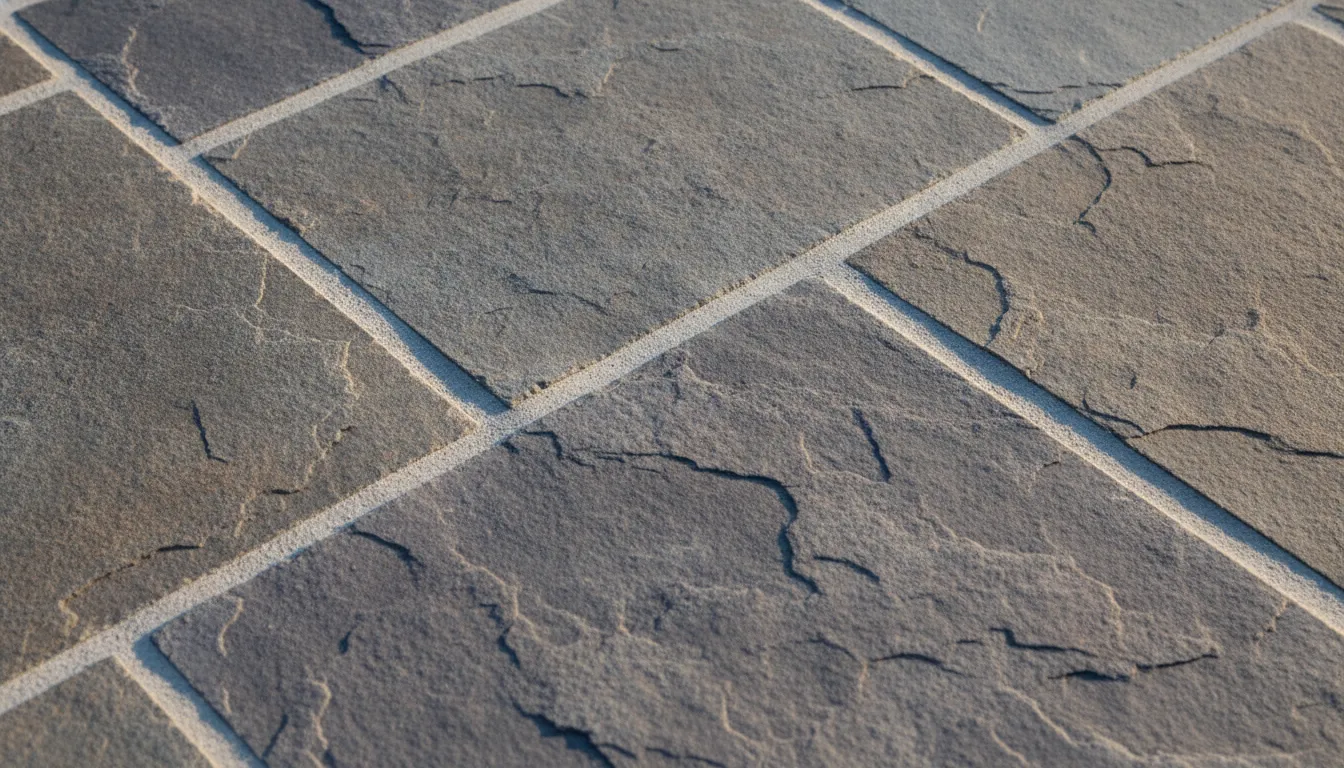
Custom borders and backyard features
Our stone team plans every detail to blend the paved area with your lawn. These patios blend well with the surrounding land and can include borders, patterns, and inset features. A border frames your paved area and keeps the edge clean. You can use a dark stone border to outline the space. A raised border also works as a seating wall to host more guests. Our stone plans follow strict Iowa State paving design standards to support foot traffic. Raised seating walls are also great to put around custom fire pits. They give you extra room to sit without adding bulky chairs.
Complementing pools and outdoor kitchens
Our custom stone designs blend natural stone with your pool area. You can blend your paved yard with pools and outdoor kitchens. A bluestone patio looks great next to water or a grill station. When planning your yard, you can pick from several stone patio materials for your project. You must also pick the right stone finish for your project. Natural cleft bluestone has a rough, split face with natural depth. Thermal bluestone is heat treated to have a flat, smooth surface. A smooth surface is the best choice near swimming pools where kids often run barefoot. Each type of finish has its own good points that you should think about. A natural cleft face gives a rustic look that hides dirt and wear. A thermal face gives a clean, flat surface that is easy to sweep. Choosing the right finish ensures your family enjoys the patio for decades. Have questions about your own yard? Contact Gappsi through our contact page to speak with Gappsi about bluestone patio options for your home.
Frequently Asked Questions
Is bluestone good for a patio?
Yes. Natural bluestone is very strong and lasts a long time. It works well on Long Island because it can handle cold winters and hot summers. It has a pretty blue-grey color that looks great in any backyard. The stone has a natural texture that helps keep people from slipping when it is wet.
Is bluestone cheaper than pavers?
The team at Gappsi notes that natural bluestone often costs more than concrete pavers. Pavers are made in a factory, but natural stone must be dug from the ground. This work makes the stone cost more. Still, natural stone lasts much longer and adds real value to your home.
What are the disadvantages of using bluestone?
One big issue is that bluestone can get very hot in the summer sun. It can also crack if water gets under it and freezes during cold winters. To stop stains and water damage, you must seal the stone. A report on Chrissy Marie Blog notes that sealing is key to help it last.
How long will a bluestone patio last?
A bluestone patio can last for many decades when it is put in the right way. You must place the stone on a strong, packed gravel base. This base stops the stone from shifting when the ground freezes. Sealing the patio and keeping it clean will also help it last a lifetime.
Ready to schedule your bluestone patio consultation?
Delaying your custom backyard masonry project means you will miss the warm outdoor season and face rising local material and labor costs next year. Waiting to schedule also delays the custom design phase, which must begin months in advance to beat the busy spring and summer construction rush. Starting your design-build process now ensures Gappsi can apply authentic Italian craftsmanship to finish your natural bluestone patio before the warm weather arrives. Ready to get started on your backyard design? Contact Gappsi through our contact page to contact Gappsi today. We will schedule a bluestone patio consultation with our expert team to plan your dream outdoor space. Our builders are ready to help you create a custom masonry feature that enhances your home.