


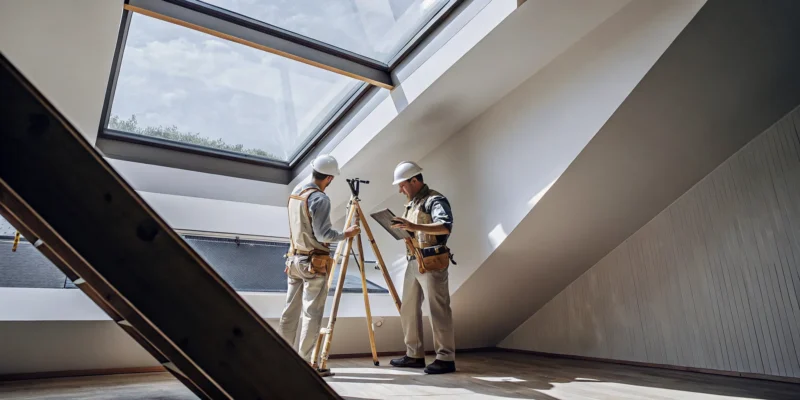
Light is a powerful design element. It can make a small room feel spacious, highlight architectural details, and create a warm, inviting atmosphere. While windows connect us to the world outside, a skylight offers a direct connection to the sky, bringing a dynamic quality of light that changes throughout the day. This simple addition can serve as a stunning focal point in any room, from a living area with vaulted ceilings to a primary bathroom. Achieving this seamless integration of light and architecture requires a high level of skill. Expert skylight installation contractors do more than just install a window; they ensure it becomes a flawless part of your home’s design.
Key Takeaways
- Your Contractor Is Key: A successful, leak-free skylight installation requires a true professional. Always choose a contractor with proven experience and be sure to verify their license, insurance, and references before signing a contract.
- Choose the Right Type for Your Space: Consider your room’s function to select the best skylight. Fixed models are great for pure light, ventilated ones add fresh air to kitchens or bathrooms, and tubular skylights are a clever solution for small, dark areas like hallways.
- Understand the Full Value and Cost: Skylights do more than just brighten a room; they can improve energy efficiency and increase your home’s value. To ensure a smooth project, always request a detailed, itemized estimate that breaks down all material and labor costs.
What Does a Skylight Contractor Do?
A skylight contractor is a specialist who handles the entire process of installing, repairing, or replacing skylights. Think of them as a roofer, carpenter, and waterproofing expert all in one. Their job starts long before they get on your roof. A great contractor will first help you decide on the best placement and type of skylight for your space, considering factors like the sun’s path, your room’s layout, and your home’s architecture.
The installation itself is a precise task. It involves carefully cutting an opening in your roof, building a supportive curb, and fitting the skylight securely. The most critical part of their job is ensuring everything is perfectly sealed and flashed. This detailed waterproofing prevents leaks and protects your home from water damage, drafts, and other issues down the road. After the skylight is in, they also handle the interior finishing, like drywall and painting, to make it look like it was always part of your home. Because it’s such a specialized project, hiring a dedicated skylight contractor is a key part of any home remodeling plan that includes adding natural light from above.
Common Types of Skylights
Once you decide to add a skylight, you’ll discover there are several different types to choose from. A good contractor will walk you through the options to find the perfect fit for your home’s needs and your budget. The main differences come down to whether they open for ventilation or are purely for light. Some models even have smart features, like solar power and rain sensors.
The right choice depends on the room and your goals. Do you want to brighten a dark hallway, or do you need to air out a steamy bathroom? Are you looking for a simple solution or a high-tech, energy-efficient upgrade? Understanding the common types, from fixed and ventilated to tubular and custom, will help you make an informed decision. Just as you might choose between pavilions and pergolas to manage sunlight outdoors, selecting the right skylight helps you control it indoors.
Fixed Skylights
Fixed skylights are the most straightforward and popular option. As the name suggests, they don’t open or close. Their sole purpose is to let natural light pour into a room, making them a fantastic choice for areas where extra ventilation isn’t a priority. Think of living rooms with vaulted ceilings, stairwells, or any space that feels a bit dark and closed off.
Because they have no moving parts, fixed skylights are often the most affordable and have a very low risk of leaks when installed correctly. They are essentially a window for your roof, designed to brighten your home and create a more open, airy atmosphere. The natural light they provide can completely transform a room, highlighting your decor and even making the space feel larger. This effect is especially beautiful when light shines on quality materials like porcelain and natural stone.
Ventilated Skylights
Ventilated skylights, also known as venting skylights, offer the best of both worlds: natural light and fresh air. These units can be opened to allow air to circulate, which makes them ideal for rooms that collect moisture, heat, or odors, like kitchens, bathrooms, and laundry rooms. By opening them, you can let hot air escape in the summer or clear out steam after a shower, improving your home’s air quality.
These skylights can be operated in a few different ways. Manual models open with a hand crank, which works well for skylights within reach. For higher ceilings, electric or solar-powered models that open with a remote control or wall switch are much more convenient. Adding a ventilated skylight is a functional upgrade that adds comfort and value, making it a smart addition to any home remodeling project.
Solar-Powered Skylights
Solar-powered skylights are a smart, energy-efficient version of ventilated skylights. They use a small, built-in solar panel to capture the sun’s energy, which then powers a battery used to open and close the unit. This means they operate without needing any wiring, making installation simpler and cleaner. Plus, because they run on renewable energy, they won’t add a cent to your electricity bill.
One of the best features of many solar-powered models is the integrated rain sensor. This sensor automatically closes the skylight at the first sign of rain, so you never have to worry about forgetting to close it. They offer total convenience and peace of mind. Just like a beautiful swimming pool makes the most of sunny days, a solar-powered skylight harnesses that same sunlight to improve your home’s comfort and efficiency.
Tubular Skylights
If you have a small, windowless space that could use a splash of sunlight, a tubular skylight is an amazing solution. These are perfect for areas where a traditional skylight won’t fit, such as hallways, closets, pantries, and small bathrooms. Instead of a large glass pane, a tubular skylight uses a small dome on the roof to capture light.
That light is then channeled down a highly reflective tube that runs through your attic space to a diffuser lens mounted on your ceiling. The diffuser spreads the light evenly, looking much like a standard ceiling light fixture but powered entirely by the sun. They are less invasive to install than full-sized skylights and are a cost-effective way to brighten up the darkest corners of your home. You can find all sorts of innovative products like these at the Gappsi Store to brighten your home.
Custom Skylights and Roof Windows
For homes with unique architectural features or specific needs, custom skylights and roof windows offer tailored solutions. If you have a vision for a one-of-a-kind design, a contractor can create custom skylights in special shapes and sizes, like pyramids, domes, or extended polygons. This allows you to make a dramatic architectural statement while bringing in light. It’s a similar principle to creating custom masonry work, where design is tailored to the home’s character.
Roof windows are another specialized option. They are essentially skylights designed for in-reach applications, like a finished attic or a room with a vaulted ceiling. Because they are installed lower on the roof, they are easy to open and close, functioning much like a regular window. They provide both light and an excellent source of ventilation, and some can even serve as an emergency exit.
Why Add a Skylight to Your Home?
Thinking about a skylight is about more than just adding a window to your ceiling; it’s about completely transforming a room. If you have a space in your home that feels a bit dark, closed-off, or uninspired, a skylight can be the perfect solution. It’s a design feature that works hard, bringing in beautiful, natural light while also offering practical perks that can make your home more comfortable and efficient. Unlike a standard window, a skylight provides a direct connection to the sky, letting you watch the clouds drift by or see the stars at night from the comfort of your living room.
This simple addition can make a cramped hallway feel open, turn a dim kitchen into a bright and cheerful workspace, or add a touch of luxury to a primary bathroom. It’s a popular feature in many home remodeling projects because the impact is immediate and impressive. Beyond the visual appeal, skylights can help you save on energy costs, improve your home’s ventilation, and even add to its overall market value. It’s an investment that pays you back in daily enjoyment and long-term benefits. Let’s look at exactly why adding a skylight might be one of the best decisions you make for your home.
Brighten Your Home with Natural Light
There’s just no substitute for natural light. It makes colors appear more vibrant, makes spaces feel larger, and can even have a positive effect on your mood. Skylights are masters at flooding a room with sunlight, reaching areas that traditional windows can’t. Think about interior bathrooms, hallways, or walk-in closets that often rely entirely on artificial light. A skylight can turn these functional but often gloomy spaces into bright, welcoming parts of your home. The light from above creates a soft, diffused glow that reduces harsh shadows and makes every corner feel more inviting. This is especially true when sunlight reflects off beautiful surfaces, like our high-quality porcelain and natural stone options for floors or walls.
Improve Energy Efficiency
A brighter home can also be a more energy-efficient one. When your rooms are filled with natural light during the day, you’ll find yourself reaching for the light switch far less often. This simple change can lead to noticeable savings on your electricity bills over time. Modern skylights are designed with energy performance in mind. Many feature double-paned glass and special low-emissivity (Low-E) coatings that act as insulators. These technologies help keep your home warm in the winter by preventing heat from escaping and cool in the summer by blocking solar heat from entering. For maximum efficiency, you can look for products that meet ENERGY STAR guidelines, ensuring you get a skylight that helps maintain a comfortable temperature year-round.
Get Better Airflow and Ventilation
Some rooms, like kitchens and bathrooms, can trap heat, humidity, and odors. A ventilating skylight is an excellent way to let fresh air in and stale air out. Since hot air naturally rises, an open skylight creates a chimney effect, pulling warm air up and out of your home while drawing cooler, fresh air in through your windows. This natural circulation improves your home’s air quality and can reduce your reliance on air conditioning during warmer months. It’s a bit like having a gentle breeze on demand. This ability to open up a space to the elements is similar to the open, airy feeling you get with our custom pavilions and pergolas, bringing that sense of outdoor freedom inside.
Increase Your Home’s Value
A skylight is a feature that adds a “wow” factor to your home, and that can translate directly into higher property value. It’s considered a premium upgrade that signals a well-maintained and thoughtfully designed home. Potential buyers often see skylights as a luxurious touch that makes a property stand out from the rest. The abundance of natural light and the feeling of spaciousness they create are highly desirable qualities in any home. By choosing a high-quality skylight and ensuring it’s installed by experienced professionals, you’re not just making your home more enjoyable for yourself; you’re making a smart financial investment that can pay off when it’s time to sell. It’s one of the many ways Gappsi helps you build lasting value into your property.
How to Choose the Right Skylight Contractor
Finding the right contractor is just as important as choosing the perfect skylight. You’re trusting someone to cut a hole in your roof, so you want to be sure they know exactly what they’re doing. A great contractor not only ensures a leak-free installation but also helps you get the most out of your investment. Taking the time to vet your options will give you peace of mind and a beautiful, functional result that lasts for years. Here are the key things to look for when making your decision.
Look for Experience and Credentials
A skylight installation is more than just placing a window on the roof; it requires solid carpentry and roofing skills. You want a contractor who understands how your roof is constructed and how to properly integrate the skylight without compromising its integrity. Look for a company with a proven track record in comprehensive home remodeling and construction. A team with broad expertise, from masonry to framing, will have the well-rounded knowledge needed to handle any structural challenges that may arise during the installation, ensuring a seamless and secure fit for your new skylight.
Verify Their License and Insurance
This step is non-negotiable. Before you hire anyone, ask to see their state and local licenses and proof of insurance. A professional contractor’s license shows they meet industry standards, while their insurance protects you from any liability if an accident happens on your property. If a contractor hesitates to provide these documents or lacks comprehensive coverage, consider it a major red flag. A reputable company will always have this information ready and will be happy to share it with you. This simple check is one of the most important things you can do to protect yourself and your home.
Read Reviews and Check References
What past clients say about a contractor can tell you a lot. Start by reading online reviews, but don’t stop there. Ask the contractor for a list of references you can contact directly. Speaking with a few past customers gives you a chance to ask specific questions about their experience, the quality of the work, and the professionalism of the crew. You can also check out a company’s project portfolio. Viewing a contractor’s past work on the Gappsi YouTube channel, for example, can give you a real feel for their craftsmanship and the scope of projects they handle.
Discuss Materials and Warranties
A quality installation depends on quality materials. Talk to your contractor about the specific skylight brands they use and why. A knowledgeable professional will be able to explain the differences in glass, framing, and flashing. It’s also crucial to understand the warranties. You should receive a warranty for the skylight itself from the manufacturer and a separate workmanship warranty from the installer that covers any potential leaks or issues. A trustworthy contractor will be transparent about these details and provide all the necessary paperwork without you having to press them for it.
Ensure They Know Local Building Codes
Building codes can vary between towns, even within Long Island. A qualified contractor will be familiar with the specific requirements in your area for everything from structural support to energy efficiency. This local knowledge is essential for ensuring your project is completed correctly and passes any required inspections without delays or extra costs. Hiring a contractor who understands local regulations prevents future headaches and guarantees your skylight is installed safely and to code. It’s one of the key benefits of working with an established, local company that has been serving your community for years.
Understanding Skylight Installation Costs
Figuring out the budget for a new skylight involves more than just the price of the unit itself. Several key factors influence the final cost, from the type of skylight you choose to the unique characteristics of your roof. Understanding these elements ahead of time will help you plan your project, ask the right questions, and get a clear, accurate estimate from your contractor. Let’s walk through the main components that will shape your skylight installation costs.
Skylight Type and Size
The skylight model you select is one of the biggest factors in the overall price. A simple, fixed skylight will cost less than a ventilated one that opens to let in fresh air. Solar-powered models with automated blinds or rain sensors are at the higher end of the price spectrum. Tubular skylights, which are great for smaller spaces like hallways or closets, are often the most budget-friendly option. As you might expect, size also matters. A larger skylight requires more materials and labor, increasing the cost. When planning your home remodeling project, consider how much light you want to bring in and what features are most important to you.
Your Roof’s Condition and Pitch
Your roof plays a huge role in the complexity of the installation. A professional contractor needs to cut an opening, install the skylight, and add flashing, which is a special material that makes the area completely waterproof. If your roof has a very steep pitch or is made of a material like tile or slate, the installation process becomes more challenging and time-consuming, which can increase labor costs. Additionally, if your roofer discovers any existing damage, like soft spots or old shingles that need replacing, those repairs will need to be addressed first. A thorough inspection is a crucial first step before any work begins, ensuring your home is properly protected.
Labor and Local Rates
Professional installation is not something to cut corners on, as improper work can lead to leaks and costly water damage. The cost of labor covers the specialized skills needed to cut into your roof, frame the opening, build an interior light shaft if needed, and perfectly seal the skylight against the elements. Labor rates can vary based on your location and the complexity of the job. While it might be tempting to go with the lowest bidder, remember that you are paying for expertise and peace of mind. An experienced team with a history of quality design and construction ensures the job is done right the first time, protecting your investment for years to come.
How to Get a Clear Estimate
To avoid surprises, always ask for a detailed, itemized estimate in writing. A trustworthy contractor will be transparent about all the costs involved in your project. The quote should clearly break down the price of the skylight unit, all necessary materials like flashing and sealants, and the total for labor. This document helps you understand exactly what you are paying for and provides a clear scope of work. Don’t hesitate to ask questions if something is unclear. A reputable company will gladly walk you through the estimate to ensure you feel confident moving forward with your home improvement project.
Contractor Red Flags to Avoid
Choosing the right contractor is the most important step in your skylight project. While most professionals are honest and skilled, a few bad apples can cause major headaches. Knowing the warning signs will help you steer clear of trouble and find a partner you can trust. When you’re investing in a significant home upgrade, you deserve a smooth process and a beautiful result. Pay close attention during your initial conversations and consultations. If something feels off, it probably is. Trust your gut and look for these specific red flags before you sign any contracts.
No Proof of License or Insurance
A reputable contractor will always be ready to show you their credentials. If you ask for proof of licensing and insurance and the contractor hesitates, gets defensive, or can’t provide the documents, consider it a major warning sign. In New York, specific licenses are often required to perform home improvement work, and these credentials show a contractor has met professional standards. More importantly, comprehensive insurance protects you from liability if an accident happens on your property. Without it, you could be financially responsible for injuries or damages. A professional company understands this and will have its paperwork in order, no questions asked.
Demands for Large Upfront Payments
Be cautious of any contractor who asks for a large sum of money before the work even begins. While a reasonable deposit is standard practice to cover initial material costs, it shouldn’t be an excessive amount. A contractor demanding 50% or more upfront, or even the full project cost, might be financially unstable or, in the worst-case scenario, planning to disappear with your money. A trustworthy contractor will have a clear, fair payment schedule that ties payments to specific project milestones. This ensures they get paid for their progress and you only pay for work as it’s completed, creating a transparent and secure arrangement for everyone involved.
High-Pressure Tactics or Vague Estimates
Your contractor should be a partner, not a pushy salesperson. If a contractor uses high-pressure tactics, like claiming a special price is “only good for today” or rushing you to sign a contract on the spot, it’s a red flag. This behavior is unprofessional and often used to prevent you from getting other quotes or thinking through the decision. Similarly, a vague estimate that lacks detail is a cause for concern. A proper quote should be itemized, clearly outlining the costs for labor, materials, and other expenses. A fuzzy estimate leaves the door open for unexpected charges and price increases down the road.
No Portfolio or Verifiable Reviews
A contractor’s past work is the best predictor of their future performance. An experienced and proud professional will be excited to show you a portfolio of their completed projects. If a contractor can’t provide photos of their work or direct you to verifiable reviews from past clients, they may not have the experience needed for your skylight installation. You can often find examples of a company’s craftsmanship on their website or social media channels, like Gappsi’s YouTube channel, which showcases a wide range of completed projects. A lack of a portfolio, combined with poor communication like unreturned calls, often signals that you’ll face issues throughout the project.
Dodging Key Questions
Clear communication is the foundation of a successful home improvement project. During your initial meetings, you should feel comfortable asking any questions you have about the process, materials, timeline, or team. If a contractor seems evasive, brushes off your questions, or gives you vague answers, it’s a significant red flag. A professional will be happy to explain the details of your project and provide clear, confident answers. Dodging questions suggests they either don’t know the answer or are hiding something you wouldn’t like. You need a partner who is transparent and knowledgeable about every aspect of the job, including the specific porcelain and natural stone options they might use around your new skylight.
Related Articles
- Home Remodeling & Renovation Services in Lindenhurst | Gappsi Inc
- Latest News – Gappsi Group
- Backyards Archives – Gappsi Group
Frequently Asked Questions
Will my new skylight leak? This is the most common concern, and it’s a valid one. The truth is, a modern, high-quality skylight is engineered to be completely watertight. Leaks are almost always the result of improper installation, not a faulty product. This is why choosing an experienced contractor is so critical. A professional will use proper flashing techniques and high-grade sealants to create a durable, weatherproof barrier around the skylight, ensuring it integrates seamlessly with your roof and protects your home for years to come.
How long does a typical skylight installation take? The timeline for installing a skylight can vary, but a straightforward installation often takes between one and three days. The process involves cutting the opening, framing the structure, installing the unit, and completing the detailed flashing and sealing on the roof. The interior work, such as drywall and painting the light shaft, adds to the timeline. Factors like your roof’s pitch, the roofing material, and the complexity of the interior finish will influence the final schedule.
Will a skylight make my room too hot in the summer or cold in the winter? Not at all. Modern skylights are designed with impressive energy efficiency. Most feature double-paned glass with an inert gas filling and special Low-E (low-emissivity) coatings. These technologies work year-round to reflect heat away from your home in the summer and prevent warmth from escaping during the winter. By choosing an ENERGY STAR rated model, you can ensure your skylight helps maintain a comfortable indoor temperature without driving up your energy bills.
Can a skylight be installed on any roof? In most cases, yes, a skylight can be installed on nearly any type of roof, whether it’s sloped or flat. However, the complexity and cost of the installation can be affected by your roof’s pitch and material. For example, installing a skylight on a very steep roof or one made of slate or tile requires more specialized labor and techniques than on a standard asphalt shingle roof. A thorough assessment by a qualified contractor will determine the best approach for your specific home.
What kind of maintenance does a skylight require? A properly installed skylight is a very low-maintenance feature. The main task is simply keeping the glass clean, just as you would with any other window in your home, to ensure you’re getting the maximum amount of beautiful natural light. It’s also a good practice to have the seals and flashing inspected periodically as part of your regular roof maintenance routine to catch any potential issues before they become problems.