


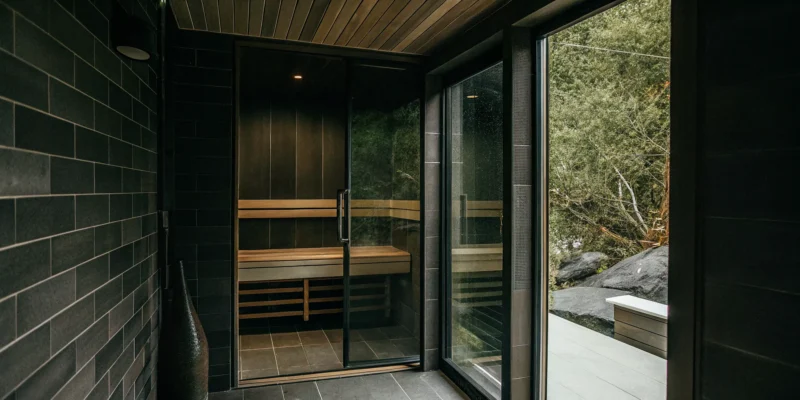
When you’re considering a major home upgrade, you want to know it’s a sound investment. A home sauna is a unique addition that offers immense value for your well-being and can even enhance your property’s appeal. But what does the process actually look like? From choosing between an indoor or outdoor model to understanding the long-term running costs, there are important factors to consider. This article breaks down the entire journey. We will explore the key decisions, outline the budget, and explain what a professional electric sauna installation Long Island entails, so you can be sure your investment is built safely and correctly from day one.
Key Takeaways
- Choose the Right Sauna Type: Decide between an infrared sauna for gentle, direct heat and simple installation, or a traditional sauna for an intense, classic steam experience. Your preference for heat style and your home’s setup are the most important factors.
- Handle the Logistics Upfront: A smooth installation requires planning. Confirm you have a level foundation, proper ventilation, and access for a dedicated electrical circuit. Checking local permit requirements early on will also prevent delays.
- Partner with a Professional: A sauna installation involves skilled electrical work and knowledge of local building codes. Working with a design and build expert ensures your project is safe, compliant, and seamlessly managed from start to finish, protecting your investment.
Infrared vs. Traditional: Which Sauna Is Right for You?
When you decide to bring a sauna into your home, one of the first choices you’ll make is between an infrared and a traditional model. While both offer incredible relaxation and health benefits, they work quite differently. The right one for you depends on the type of heat you prefer, your home’s setup, and your installation timeline. Let’s break down how each one functions so you can make a confident decision for your Long Island home.
How Infrared Saunas Work
Infrared saunas use special heaters that emit infrared light, which your body absorbs directly. Instead of heating the air around you, this technology warms you from the inside out. This results in a gentler experience, with operating temperatures typically between 120°F and 140°F. Because they don’t need to heat an entire room, they warm up quickly and are very energy-efficient. For many homeowners, the biggest advantage is the simple installation. Most infrared saunas just need a standard electrical outlet, making them a convenient addition to almost any room.
How Traditional Electric Saunas Work
A traditional electric sauna creates the classic experience you might be familiar with. It uses an electric stove to heat a compartment of rocks. These super-hot rocks then radiate heat, warming the air inside the sauna to temperatures as high as 195°F. This creates an intense, enveloping dry heat. You also have the option to pour water over the rocks to generate a burst of steam, which adds humidity to the air. This type of sauna requires more planning for installation, often involving specialized electrical wiring and proper ventilation to handle the high heat and potential moisture.
A Quick Comparison
So, which one should you choose? If you prefer a gentler, radiant heat and want a quick, energy-efficient setup, an infrared sauna is an excellent choice. If you love intense, ambient heat and the classic ritual of creating steam, a traditional sauna will deliver that authentic experience. The installation for a traditional model is more involved, but the result is a powerful wellness tool. At Gappsi, we can help you find the perfect fit, as we offer a variety of both infrared and traditional models to suit your preferences and your home’s layout.
What Are the Health Benefits of a Home Sauna?
A home sauna is more than just a luxurious addition to your home; it’s a dedicated space for health and wellness. Think of it as your personal retreat, a place to disconnect and recharge your body and mind. The benefits go far beyond simple relaxation. Regular sauna use can become a cornerstone of a healthy lifestyle, contributing to everything from better heart health and improved circulation to faster muscle recovery and reduced stress. For homeowners in Long Island, installing one of Gappsi’s custom saunas creates a year-round escape. It offers a warm sanctuary during our chilly winters and a perfect way to unwind after a long summer day spent outdoors. Let’s explore the specific health advantages that make a home sauna such a valuable investment in your well-being.
Unwind and Reduce Stress
Imagine stepping into the gentle, enveloping heat of your own sauna at the end of a long day. The warmth helps your body release endorphins, which are natural mood lifters, while also lowering cortisol levels, the primary stress hormone. This process creates a profound sense of calm and relaxation. Having this private escape allows you to build a consistent routine for stress management, without ever needing to leave your house. It’s your personal space to decompress, meditate, or simply sit in quiet warmth. This daily ritual can significantly improve your overall mood and resilience to stress, making it a powerful tool for mental well-being.
Support Circulation and Heart Health
Regular sauna sessions can be a great partner for your cardiovascular health. When you’re in a sauna, the heat causes your heart rate to increase and your blood vessels to widen, a process that improves circulation throughout your body. This effect is similar to what you experience during light to moderate exercise. In fact, some studies suggest that using a sauna a few times a week can support long-term heart health. By making a sauna part of your routine, you are actively taking a step to care for your heart, complementing other healthy habits like a balanced diet and regular physical activity.
Soothe Aching Muscles and Relieve Pain
Whether you’re sore from a workout, a day of yard work, or just the general aches of daily life, a sauna can provide incredible relief. The heat penetrates deep into your muscle tissues, increasing blood flow and helping to flush out lactic acid buildup. This process helps relax tight muscles, ease joint stiffness, and speed up your body’s natural recovery time. It’s an ideal addition for anyone with an active lifestyle, especially if you have one of our Sports Games Courts at home. A quick session after a game can make a world of difference for post-activity soreness.
Improve Mental Clarity and Wellness
The benefits of a sauna extend beyond physical relaxation; they also offer a mental reset. Taking time in the sauna encourages you to disconnect from phones, screens, and the constant noise of daily life. This quiet, meditative time can help clear your mind, improve focus, and foster a sense of peace. Many people find that this regular practice of “unplugging” leads to better sleep quality and enhanced mental clarity throughout the day. Integrating a sauna into your home is a way to create a holistic wellness experience, turning a part of your property into a sanctuary for both body and mind.
Planning Your Long Island Sauna Installation: 5 Key Steps
Bringing a sauna into your home is an exciting project, but a little planning is essential to make sure everything goes smoothly. Before you start dreaming of your first relaxing session, it’s important to think through the logistics. From picking the perfect spot to handling the paperwork, each step ensures your new wellness retreat is safe, functional, and built to last. A thoughtful approach at the beginning prevents headaches later on, so you can focus on the rewarding experience ahead.
Working with a design and build expert can make this process feel effortless. At Gappsi, we guide homeowners through every detail, from initial design to final installation. We handle the technical requirements and paperwork so you don’t have to. Let’s walk through the five key steps to plan your home sauna installation on Long Island. By considering these factors upfront, you’ll be well on your way to creating a beautiful and restorative space that you can enjoy for years to come.
Choose Your Location: Indoor or Outdoor?
The first big decision is where to put your sauna. An indoor sauna offers ultimate convenience and privacy, turning a spare room, basement, or large bathroom into a personal spa. An outdoor sauna, on the other hand, can transform your backyard into a true wellness escape. Imagine stepping out into the fresh air after a hot session, creating a beautiful centerpiece for your outdoor living space. Keep in mind that most municipalities require building permits for permanent outdoor structures, so it’s important to factor that into your decision. We can help you explore the best options for your property and lifestyle.
Confirm Space, Flooring, and Ceiling Requirements
Once you have a location in mind, it’s time to check the specific requirements. For an indoor sauna, you’ll need a perfectly level floor. The best surfaces are concrete, tile, or vinyl, as carpet and some types of wood are not suitable. You also need to ensure you have enough ceiling height for the unit you choose. For an outdoor sauna, you’ll need a level spot with good drainage, often a concrete pad or a reinforced deck. It’s also wise to place it a few feet from property lines to comply with local setback rules. Our home remodeling team can prepare any indoor or outdoor space to ensure it’s ready for installation.
Plan for Ventilation and Electrical Needs
Proper ventilation and electrical work are critical for a safe and effective sauna. All saunas need a way to circulate fresh air, which is something a professional installer will incorporate into the design. The most important technical aspect is the power supply. Most traditional and infrared saunas require a dedicated 240-volt circuit with a GFCI breaker for safety. This is not a DIY project and must be completed by a licensed electrician to meet local codes. We coordinate all the electrical work to ensure your sauna heater is installed correctly and safely, giving you complete peace of mind.
Check Local Permits and Zoning Rules
Navigating local regulations is a crucial part of any home improvement project on Long Island. Before installing a sauna, you need to check your local building codes. Most towns in Nassau and Suffolk County require a building permit for an outdoor sauna and an electrical permit for the new wiring. This permit process ensures your sauna meets all safety standards and is compliant with local laws. While this might sound complicated, it doesn’t have to be. When you partner with an experienced company like Gappsi, we handle the entire permit application process for you, making sure everything is filed correctly and approved without delay.
Review Your Homeowner’s Insurance Policy
Here’s a final planning step that’s easy to overlook: giving your homeowner’s insurance agent a quick call. Adding a structure like a sauna to your property may impact your policy, so it’s always a good idea to let them know about the project. Your provider will want to know that the installation, especially the electrical components, was handled by a licensed professional and is fully up to code. Being proactive ensures you have the proper coverage for your new investment. It also gives you another layer of confidence knowing that your beautiful new sauna is protected.
How Much Does an Electric Sauna Cost in Long Island?
Figuring out the budget for a home sauna is one of the most important first steps. While the final price tag can vary, most Long Island homeowners can expect to invest between $5,000 and $15,000 for a complete, professionally installed electric sauna. This range covers the unit itself, the labor for installation, and the necessary electrical work. Of course, the total cost depends on your vision. A compact indoor sauna might be on the lower end of that spectrum, while a large, custom-built outdoor oasis with premium features will naturally be a more significant investment.
Think of it less as a simple purchase and more as a permanent upgrade to your home and lifestyle. The right sauna becomes a personal retreat for relaxation and wellness. At Gappsi, we help you find the perfect fit for your space and budget, offering a wide selection of high-quality saunas and providing clear, upfront pricing. We believe in transparency, so you’ll understand every aspect of the cost before we begin. The following sections break down the key expenses, so you can plan your project with confidence and avoid any surprises along the way.
Breaking Down Sauna Unit Prices
The sauna unit itself is the core of your investment. For a smaller, pre-fabricated indoor model, prices can start around $3,000. These are often great options for a master bathroom or basement. If you’re dreaming of a larger, more luxurious experience, such as a custom outdoor sauna designed to complement your landscape, the unit cost can reach $14,000 or more. This price reflects higher-grade materials, a more powerful heater, and premium features like custom benches or lighting. The unit price typically includes the wood panels, door, heater, stones (for traditional models), and basic controls. We can walk you through the options to find a model that delivers the experience you want within your budget.
Estimating Installation and Electrical Fees
Proper installation is critical for safety and performance, and it’s a key part of your overall budget. A significant component of this is the electrical work. Sauna heaters are powerful and require a dedicated 220-volt or 240-volt circuit to operate safely. Hiring a licensed electrician to run this circuit typically costs between $250 and $900. The price can increase if the wiring needs to travel a long distance from your electrical panel, especially for an outdoor sauna. Professional assembly ensures everything is built to last and meets local codes. Our home remodeling experts handle all these details seamlessly.
Hidden Costs to Keep in Mind
No one likes unexpected expenses, so it’s smart to be aware of potential costs that might not be immediately obvious. The most common “hidden” cost is the electrical work, which is why it’s so important to get a comprehensive quote that includes it. Another factor to consider is site preparation. Your chosen location needs a solid, level foundation, which might require some work before installation. Additionally, many towns in Long Island require a building permit for sauna installations to ensure they meet safety standards. These permits come with a fee. Discussing these items with your installer upfront will help you create an accurate, all-inclusive budget for your project.
What Influences the Final Price?
Several key factors will shape the final cost of your home sauna project. Understanding them will help you make informed decisions as you plan.
- Type of Sauna: Traditional saunas that heat the air and infrared saunas that heat your body directly can have different price points for both the unit and installation.
- Location: Indoor saunas are generally less expensive to install than outdoor models, which require weatherproofing, a solid foundation, and more extensive electrical work.
- Size: Simply put, a larger sauna requires more materials, a bigger heater, and more labor, all of which increase the cost.
- Site Preparation: The condition of your chosen spot matters. If the area needs leveling or a new foundation using materials like porcelain and natural stone, this will add to the project cost.
What to Expect During the Installation Process
Bringing a sauna into your home is an exciting project. While it might seem complex, a professional installation process is actually quite straightforward. When you work with an experienced team, every stage is carefully managed, from the initial site check to the final flip of the switch. Understanding the workflow helps you know what’s happening at each step, making the entire experience feel much more manageable and taking the guesswork out of the equation. Here’s a look at the key phases of a typical sauna installation.
Step 1: Site Assessment and Planning
This initial phase is all about laying the proper groundwork. Before any work begins, a thorough site assessment ensures your chosen location is perfect for your new sauna. Our team will confirm the space meets all requirements for foundation, clearance, and ventilation. We also handle the crucial step of checking local building codes. Most Long Island municipalities require building permits for permanent outdoor structures, and we manage that process for you. This planning stage guarantees your sauna installation is not only beautiful but also fully compliant and safe from day one.
Step 2: Delivery and Assembly
Once the planning is complete and any necessary permits are secured, it’s time for the sauna to arrive. A well-planned installation follows a predictable workflow, and this is where you see your vision start to take shape. The components of your sauna will be delivered directly to your home. Our skilled construction team then begins the assembly, carefully putting together each piece according to precise specifications. We handle all the heavy lifting and technical work, ensuring a perfect fit and a sturdy, durable structure. This professional assembly is key to the longevity and performance of your sauna.
Step 3: Electrical Hookup and Final Review
The final and most critical step is connecting the power. Sauna heaters require a dedicated 240V circuit, often with a GFCI breaker for safety, which is why this job must be handled by a licensed electrician. We coordinate this part of the process to ensure all electrical work is done correctly and meets all local codes, including securing any required electrical permits. After the hookup, we conduct a final review of the entire setup. We test the heater, check all functions, and walk you through how to operate your new home spa. Our goal is to leave you with a perfectly installed sauna that is ready for you to enjoy immediately.
Finding a Trusted Sauna Installer in Long Island
Once you’ve chosen the perfect sauna, the next crucial step is finding the right team to install it. This isn’t a task you want to leave to just anyone. A proper sauna installation involves more than just assembling a kit. It requires careful planning for ventilation, a solid and level foundation, and, most importantly, safe and compliant electrical work. The last thing you want is to invest in a beautiful new sauna only to have it installed incorrectly, leading to performance issues or safety hazards.
On Long Island, installers must be familiar with the specific building codes and permit requirements for both Nassau and Suffolk counties. A trusted professional will handle this process for you, ensuring everything is done by the book. When vetting potential installers, look for a company with a proven track record, a portfolio of completed projects, and positive client reviews. A great installer provides not only technical expertise but also peace of mind. They ensure your sauna is a safe, relaxing, and long-lasting addition to your home. At Gappsi, our team of experts manages every detail, from initial site assessment to the final electrical hookup for our high-quality saunas.
Why Partner With a Design and Build Expert?
Working with a design and build expert simplifies the entire installation process. Instead of you having to coordinate between a designer, a carpenter, and an electrician, a design and build firm acts as your single point of contact from start to finish. This integrated approach ensures a seamless workflow and a cohesive final look that complements your existing home and landscape. An expert team can help you visualize the perfect spot for your sauna and handle all the technical details.
A design and build partner like Gappsi provides comprehensive home remodeling services, which means we see the bigger picture. We ensure that all electrical work is handled safely by licensed professionals and that the finished project fits perfectly within your overall vision for your home, saving you time and eliminating stress.
Is a Home Sauna a Worthwhile Investment?
A home sauna is more than just a luxury; it’s an investment in your well-being and your property. But like any significant home improvement, it’s smart to consider the long-term picture. Beyond the initial price, you’re likely wondering about ongoing expenses, maintenance, and whether it truly adds value to your home. Let’s break down what you can expect after your sauna is installed, so you can feel confident in your decision.
Understanding Energy Use and Running Costs
Many people assume a home sauna will cause a huge spike in their electricity bill, but you might be pleasantly surprised. Modern saunas are designed to be very energy-efficient. For most households, using a new sauna three or four times a week will likely add less than $100 to your monthly utility costs. When you think about it, that’s often less than a daily trip to the coffee shop. Choosing an updated model from a trusted provider ensures you get the latest in heating technology, which helps keep these running costs predictable and manageable over the long term. This makes it easier to enjoy all the wellness benefits without worrying about your budget.
A Look at Long-Term Maintenance
The good news is that maintaining a home sauna is surprisingly straightforward. It doesn’t require a lot of time or specialized skills. The most important habit is to wipe down the interior surfaces with a clean towel after each session to manage moisture. Once a month, it’s a good idea to do a quick visual check of the components, like the heater and benches, to make sure everything looks solid. Depending on how often you use it, the heating elements may need to be replaced every five to seven years. Overall, a little bit of routine care is all it takes to keep your personal wellness retreat in perfect condition for years of enjoyment.
How a Sauna Adds Value to Your Home
A beautifully installed sauna can be a powerful selling point, setting your home apart in the market. It signals luxury, wellness, and a commitment to quality living that many buyers find appealing. However, the key to adding real value lies in proper, professional installation. Home saunas must meet specific safety standards, and most towns in Long Island require a building permit for this type of project. Partnering with an experienced home remodeling team ensures that all local codes are met. This guarantees your sauna is not only safe but also a legitimate asset that increases your property’s appeal and overall worth.
Related Articles
- Long Island Sauna Installation: A Complete Guide
- The Ultimate Long Island Sauna Installation Guide
- Outdoor Cabin Sauna Long Island: A Buyer’s Guide
- Swim Spas Saunas Nassau & Suffolk County Long Island – Gappsi Group
Frequently Asked Questions
What’s the main difference in how an infrared and a traditional sauna feel? Think of it this way: an infrared sauna feels like sitting in the warm sun, where the heat penetrates your body directly for a deep, gentle warmth. A traditional sauna feels like being in a hot, dry room, where the air itself is heated to high temperatures, creating an intense, enveloping heat. If you prefer a milder experience and quicker warm-up times, infrared is a great fit. If you love intense heat and the option to create steam, a traditional sauna will give you that classic experience.
How much space do I really need to install a home sauna? You might be surprised by how little space you need. Compact, two-person models can fit comfortably in an area as small as four by four feet, making them a perfect addition to a master bathroom, a corner of your basement, or even a large walk-in closet. For larger or custom outdoor models, the footprint will be bigger. The best first step is to have a professional assess your desired location to confirm it meets the requirements for flooring, ceiling height, and proper clearance.
Do I really need a permit to install a sauna on Long Island? In most cases, yes. An outdoor sauna is considered a permanent structure, so most towns in Nassau and Suffolk County will require a building permit. For any sauna, traditional or infrared, the new electrical wiring requires a separate electrical permit to ensure it’s installed safely and up to code. While it might sound like a hassle, this process protects your investment and your home. An experienced installer will handle all the paperwork for you.
How long does the entire installation process usually take? The timeline can vary, but it’s often faster than people expect. The initial planning and permit approval phase can take a few weeks, depending on your local town. Once that’s settled, the on-site work is quite efficient. A professional team can typically assemble the sauna and coordinate the electrical hookup in just a few days. Working with a single design and build company helps streamline this process, as everything is managed under one roof.
Are home saunas difficult or expensive to maintain? Not at all. Long-term maintenance is surprisingly simple and affordable. The most important task is wiping down the benches and interior after use to keep it clean. Running costs are also manageable, as modern saunas are very energy-efficient and typically add less than a hundred dollars to your monthly utility bill with regular use. With just a little routine care, your sauna will remain a beautiful and functional wellness retreat for many years.