


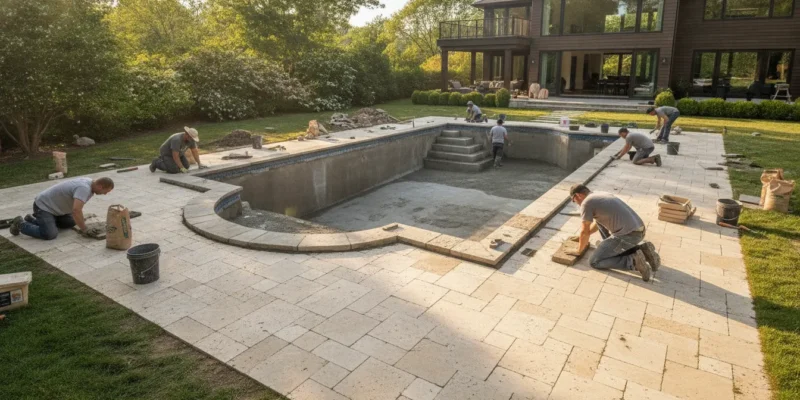
An aging Long Island pool does not automatically need to be demolished. Cracked finishes, outdated equipment, leaking plumbing, and a dated deck can point to different levels of work. The first decision is whether the pool needs structural repair, a cosmetic remodel, or a broader renovation plan.
Contact Gappsi through our contact page
A pool renovation restores an existing swimming pool while upgrading selected features such as the finish, tile, coping, equipment, deck, lighting, or layout, without automatically replacing the entire shell. The right scope begins with evaluating the shell, bond beam, plumbing, and surrounding surfaces.
That distinction matters on Long Island, where repeated repairs may justify a coordinated project, while a sound shell may make targeted improvements the more practical choice. Start by defining what renovation includes, then match the scope to the pool’s condition and your long-term plans.
What Counts as a Pool Renovation?
A full pool renovation is more than applying a new finish. It is a coordinated update to the surfaces, systems, and surrounding features that determine how the pool looks, performs, and fits the backyard. The work may remain largely cosmetic, or it may include structural repairs and infrastructure upgrades after an inspection identifies underlying problems.
For a gunite pool in Nassau or Suffolk County, the scope should be defined before demolition begins. A contractor should evaluate the shell, waterline, equipment pad, plumbing, coping, and deck as connected parts of one system. If cracks or other structural problems are present, they need to be addressed before resurfacing. Covering a shell issue with a new finish can leave the cause unresolved and lead to another repair cycle.
The main components of a full renovation
- Interior finish: The existing surface may be replaced with plaster, a pebble-based finish, or quartz. The material affects the pool’s appearance, texture, maintenance needs, and the time between major refinishing projects.
- Waterline tile: New ceramic, porcelain, glass, or stone tile can refresh the waterline and create a more deliberate connection between the pool, coping, and deck. Tile selection also affects long-term cleaning and maintenance.
- Coping: Replacing the edge material updates the pool’s profile and provides a clean transition to the surrounding hardscape. Coping can be coordinated with natural stone, travertine, or concrete pavers used elsewhere in the yard.
- Equipment and plumbing: A renovation may include pumps, filters, heaters, automated controls, lighting, skimmers, main drains, or aging plumbing lines. Replacing inefficient equipment can reduce operating demands, while updating old underground lines may help prevent future leaks and disruptive excavation.
- Deck and surrounding hardscape: Worn or cracked decking can be removed and replaced as part of the project. Addressing the deck at the same time as the pool helps manage elevations, drainage, access, and the visual relationship between the pool and outdoor living areas.
Not every project needs every component. Replacing tile and coping can modernize an older pool without changing its structural shell, while a broader renovation may combine resurfacing, equipment updates, and deck replacement. Gappsi can also coordinate design decisions so the renovated pool works with the larger backyard rather than appearing like an isolated upgrade.
For a closer look at finish work, review Gappsi’s guide to gunite pool resurfacing and refinishing. The right scope depends on the pool’s condition, the homeowner’s goals, and whether the existing shell and supporting systems can continue serving the property.
Remodel vs Repair: How to Tell the Difference
The most important distinction in an aging pool is whether the problem is structural or primarily cosmetic. A cosmetic remodel can change the appearance and usability of a sound pool. Structural repair addresses the parts that hold, contain, and circulate the water. At Gappsi, that decision should begin with an assessment of the existing gunite shell, not with a finish sample.
What belongs in a structural repair?
Structural work comes first when the pool is showing signs of movement, water loss, or deterioration behind the visible finish. Cracks in the gunite shell can allow seepage and worsen over time. The bond beam, which supports the waterline tile and coping, also needs to be sound before resurfacing or replacing those finishes. If it is compromised, installing new tile over it only conceals the problem temporarily.
Older underground plumbing is another key consideration. Aging lines can develop leaks that are difficult to locate and expensive to reach after a new surface or deck has been installed. Replacing vulnerable plumbing during a planned project may prevent future excavation. Visible seepage, unexplained water loss, shifting around the pool, recurring leaks, or repeated repairs all warrant a professional shell and systems assessment before cosmetic decisions are made.
Some warning signs are easier to see at the waterline. Loose coping, cracked tile, rough plaster, flaking finishes, and worn decking may indicate that the pool is ready for renovation, but they do not prove that the shell needs rebuilding. The same visible symptom can have different causes. For example, a damaged tile line may reflect ordinary age, movement in the bond beam, or water intrusion behind the finish. A site inspection helps separate a surface replacement from a repair that must happen below it.
- Structural repair tasks: repairing gunite shell cracks, evaluating seepage or shifting, verifying bond beam integrity, and addressing aging underground plumbing.
- Systems-related repairs: investigating circulation problems, plumbing leaks, and equipment issues that affect how the pool operates.
What can a cosmetic remodel change?
When the shell and supporting structure are stable, a cosmetic remodel can produce a substantial change without rebuilding the pool. Resurfacing can replace a worn interior finish with plaster, pebble-based material, or quartz. New waterline tile and coping can update the edge, improve the transition around the pool, and change the overall character of the backyard. Tile material choices, including ceramic, porcelain, or stone, also affect long-term maintenance at the waterline.
- Cosmetic remodel tasks: resurfacing the interior, replacing waterline tile, updating coping, and refreshing the pool’s visible finishes.
- Broader upgrades: replacing outdated equipment, improving lighting, or changing surrounding elements when they can be completed without correcting a shell defect.
A major remodel can cross both categories. Adding a tanning ledge, waterfall, or different pool shape may require significant structural modification, even when the original shell is mostly sound. That is why Gappsi evaluates the structure, plumbing, intended design, and surrounding site as one project. The right pool renovation does not simply cover old surfaces. It resolves underlying defects first, then applies cosmetic finishes.
What Are the Biggest Cost Drivers in a Pool Renovation?
How much does a pool renovation cost on Long Island? There is no responsible one-size-fits-all answer. A limited cosmetic remodel may begin in the lower thousands, while a larger renovation involving structural work, new decking, plumbing, and equipment can reach $30,000 or more. The pool’s size, age, shell condition, finish selections, and access to the property all affect the estimate. For perspective, Gappsi’s published baseline for a new gunite swimming pool on Long Island is $90,000 to $140,000. A renovation that preserves a sound shell is therefore evaluated differently from a full replacement.
The first major cost driver is the interior finish. Standard plaster, pebble-based finishes, and quartz each have different material, installation, and service-life considerations. Waterline tile and coping also affect the budget. Ceramic, porcelain, and stone tile vary in both appearance and maintenance needs. You can review a detailed guide to inground pool remodel cost before comparing finish packages.
Shell condition comes before appearance. Cracks, seepage, shifting, or a compromised bond beam must be assessed before resurfacing or replacing coping. Aging underground plumbing can add excavation and repair work, but replacing problematic lines during the project may help prevent future leaks. The scope may also expand when an older pool has outdated electrical components, filtration, or circulation equipment.
Equipment upgrades are another important variable. Replacing an inefficient pump with a variable-speed model can reduce electricity use, particularly in New York’s high-energy-cost environment. A heat pump, updated filter, automation, LED lighting, or saltwater conversion adds an upfront cost while changing how the pool operates and is maintained. Deck and coping work can become a substantial portion of the project when concrete, pavers, travertine, or other surrounding materials must be removed and rebuilt.
| Scope | Typical work | General cost range | Typical timeline |
|---|---|---|---|
| Cosmetic remodel | Resurfacing, selected tile, coping, or equipment updates on a sound shell. | Often lower thousands to tens of thousands, depending on materials. | Several weeks |
| Full renovation | Finish, tile, coping, plumbing or structural repairs, equipment, and portions of the deck. | Often $30,000 or more when multiple systems are involved. | Several weeks to a few months |
| Full replacement | Demolition, excavation, new shell, new systems, finishes, and surrounding work. | New gunite construction commonly falls near the $90,000-$140,000 Long Island baseline. | Multiple months, subject to permits and weather |
For additional context, see Gappsi’s guide to gunite swimming pool cost on Long Island. An on-site assessment is the only reliable way to separate a manageable remodel from a project that approaches replacement scope.
When Should You Renovate Your Pool Instead of Replacing It?
For many Long Island homeowners, the choice between remodeling a pool and building a new one is clear: renovating is more affordable when the existing shell remains structurally sound. Keeping that foundation avoids demolition, excavation, and the cost of constructing an entirely new pool. The right choice, however, depends on more than the age or appearance of the pool.
A gunite pool often gives homeowners a strong starting point for a redesign. Its concrete shell can support changes to the layout, finishes, and features, allowing a renovation to solve functional problems while updating the backyard’s appearance. Gappsi can help homeowners evaluate the existing pool alongside the surrounding patio, landscaping, and outdoor living areas through Long Island swimming pool design and construction.
Renovation is often the better economic decision when:
- The shell is stable, with no unresolved cracking, shifting, or persistent seepage.
- The pool’s shape and location still work for the backyard and how your household uses it.
- Recurring repairs, aging finishes, or outdated equipment are creating a pattern of expense.
- You want meaningful improvements without paying to remove and rebuild the entire structure.
Frequent repairs deserve special attention. Fixing one leak, finish failure, or equipment problem at a time may appear less expensive initially. Repeated service costs can add up without improving the pool as a whole. When repairs become frequent, a coordinated pool renovation may be more economical over the long term. A single project can address the finish, coping, tile, circulation system, and other related issues according to one plan.
Renovation does not necessarily mean preserving every dimension. A major rehabilitation can incorporate a tanning ledge, water feature, or revised pool shape, although these changes require substantial structural work. That flexibility can make an existing gunite shell worth renovating, especially when its placement fits the property’s grading, access, and outdoor circulation better than a new excavation would.
The deciding input should be a professional shell assessment. Gappsi should inspect for visible seepage or shifting, confirm the condition of the bond beam that supports the tile and coping, and check whether old plumbing could lead to underground leaks. Cosmetic work should not cover an unresolved structural problem. Conversely, replacing a sound shell simply because the tile, coping, surface, or equipment is dated can create unnecessary construction costs.
Contact Gappsi through our contact page
Replacement becomes more reasonable when the shell has extensive structural failure. The pool’s location no longer suits the property, or the desired redesign would require rebuilding nearly every component. An on-site evaluation can compare those costs with a renovation plan and give you a practical basis for deciding rather than relying on appearance alone.
Pool Renovation Upgrades That Add the Most Value
The most useful upgrades do more than change the appearance of an older pool. They can simplify routine care, improve how the space is used, and connect the pool to the rest of the backyard. During a renovation, Gappsi evaluates the existing shell, equipment, deck, and surrounding landscape together so each improvement supports the overall design.
- Saltwater conversion: A saltwater system can make pool care more convenient and provide a softer water feel. It is not maintenance-free, but it can reduce the need to handle and add certain chemicals manually. Gappsi can assess whether the existing equipment and plumbing are suitable for the conversion.
- LED pool lighting: Replacing older lights with LED fixtures improves evening visibility while using an efficient lighting format. Homeowners can also choose adjustable color settings to create a more flexible atmosphere for swimming, entertaining, or quiet evenings outdoors. Older underwater lights and wiring should be inspected as part of the renovation.
- Automation and control systems: A centralized control system can bring filtration, heating, and lighting into one interface. Remote controls make it easier to adjust settings before using the pool, monitor routine operation, and avoid unnecessary equipment run time. This is especially useful when several systems were installed at different times.
- Tanning ledges and in-pool seating: A shallow ledge creates a place to sit, cool off, or supervise children without using the deeper swimming area. Built-in seating can make the pool more comfortable for conversation. These additions may require substantial structural modification, so they belong in the design phase rather than as an afterthought.
- Pool deck and landscape integration: A renovated pool can look disconnected if the surrounding paving, planting, drainage, and outdoor living areas remain unchanged. Coordinating the pool edge with travertine, natural stone, or concrete pavers creates a clearer transition from water to patio. Homeowners planning new or restored pavers can also review Gappsi’s guide to sealing pool deck pavers.
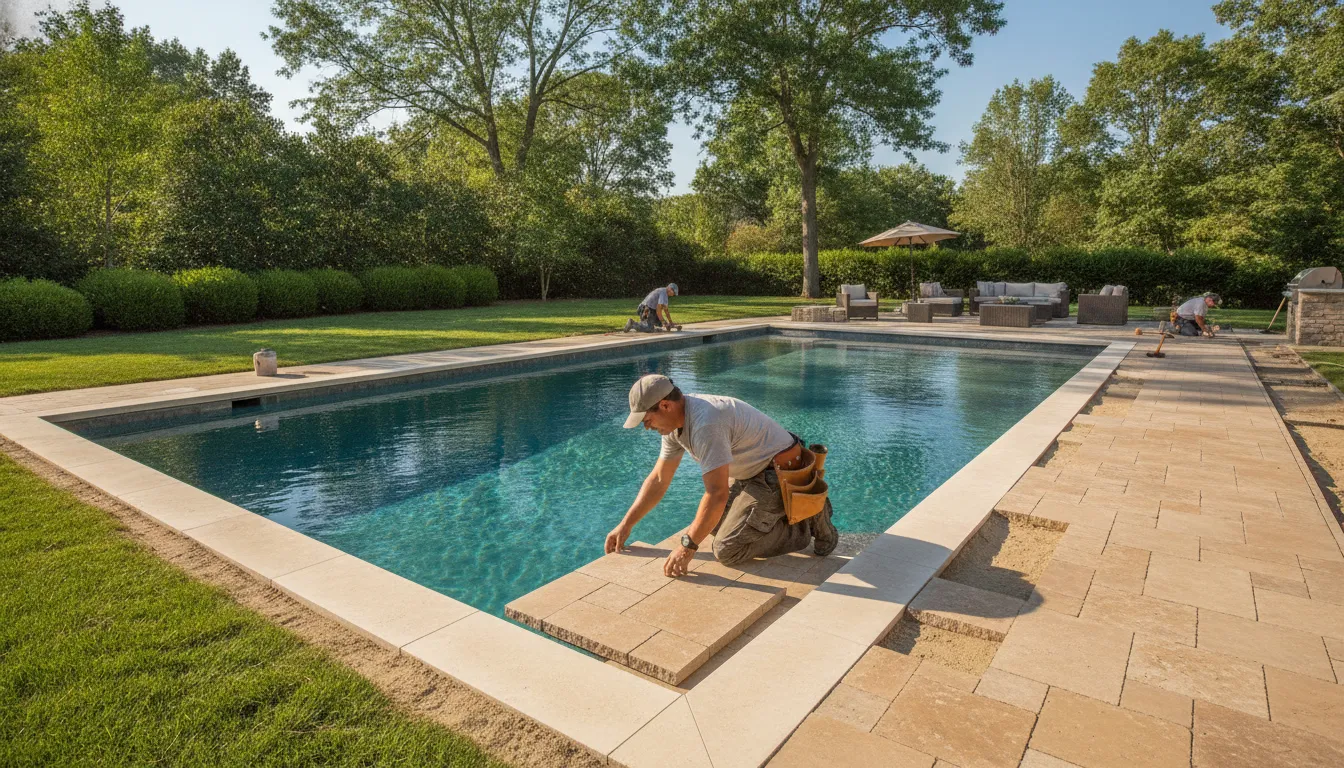
Landscape integration can include planting beds, shade, walkways, an outdoor kitchen, or a seating area that follows the pool’s geometry. Gappsi’s design-build approach helps coordinate those decisions with the pool renovation instead of forcing separate contractors to work around completed surfaces. The result is a backyard that functions as one outdoor living space, with materials and elevations selected for practical use as well as visual continuity.
Prioritize upgrades according to the condition of the pool and the way your household uses it. A failing system or unsafe light circuit deserves attention before decorative features. Once the essential work is planned, design additions such as a ledge, lighting, and coordinated paving can make the renovated pool more useful for years to come.
How Long Does a Pool Renovation Take on Long Island?
There is no single schedule for every pool renovation. A simple finish replacement may move faster than a project that includes shell repairs, new plumbing, a redesigned deck, and updated landscaping. On Long Island, the most reliable timeline comes from evaluating the pool first, confirming the scope, and planning around permits and seasonal conditions. Gappsi maps those dependencies before construction begins so homeowners know what happens next.
- Site assessment and design: Gappsi inspects the existing pool, surrounding deck, equipment, drainage, and visible finishes. The design phase establishes whether the project is a focused update or a broader remodel, including decisions about tile, coping, surface materials, lighting, and usable backyard space.
- Permitting and planning: Permit requirements and review times can affect the start date. Long Island weather also matters, because cold temperatures, rain, and seasonal work limitations can change the construction sequence. The schedule should allow time for approvals, material selections, deliveries, and coordination with any masonry or landscape work.
- Demolition and structural repair: Existing finishes, damaged tile, coping, or sections of deck are removed as needed. Before cosmetic work proceeds, the pool shell and bond beam should be assessed. Cracks, shifting, seepage, or other structural concerns need attention first, rather than being covered by a new finish.
- Resurfacing, tile, and coping: Once the base is ready, the crew installs the selected interior finish and replaces waterline tile or coping where included. Material choices such as plaster, pebble, quartz, ceramic, porcelain, or stone affect both the appearance and the installation sequence.
- Equipment upgrades: Pumps, filters, heaters, plumbing, lighting, and controls are updated according to the approved plan. Replacing aging equipment or underground lines may add work to the schedule, but it can reduce the risk of future leaks and avoid reopening finished areas later.
- Deck and landscaping: Deck removal, new pavers or stone, drainage adjustments, planting, and other outdoor improvements follow the pool work when the design includes them. Coordinating these elements with Gappsi helps create a connected backyard instead of treating the pool as an isolated feature.
- Fill, finish, and startup: The pool is filled, systems are started, water chemistry is balanced, and the completed work is inspected. Proper balancing protects new surfaces and equipment. For Long Island homeowners, winterization and freeze-thaw protection should also be part of the care plan, especially if the project is completed near the end of the season.
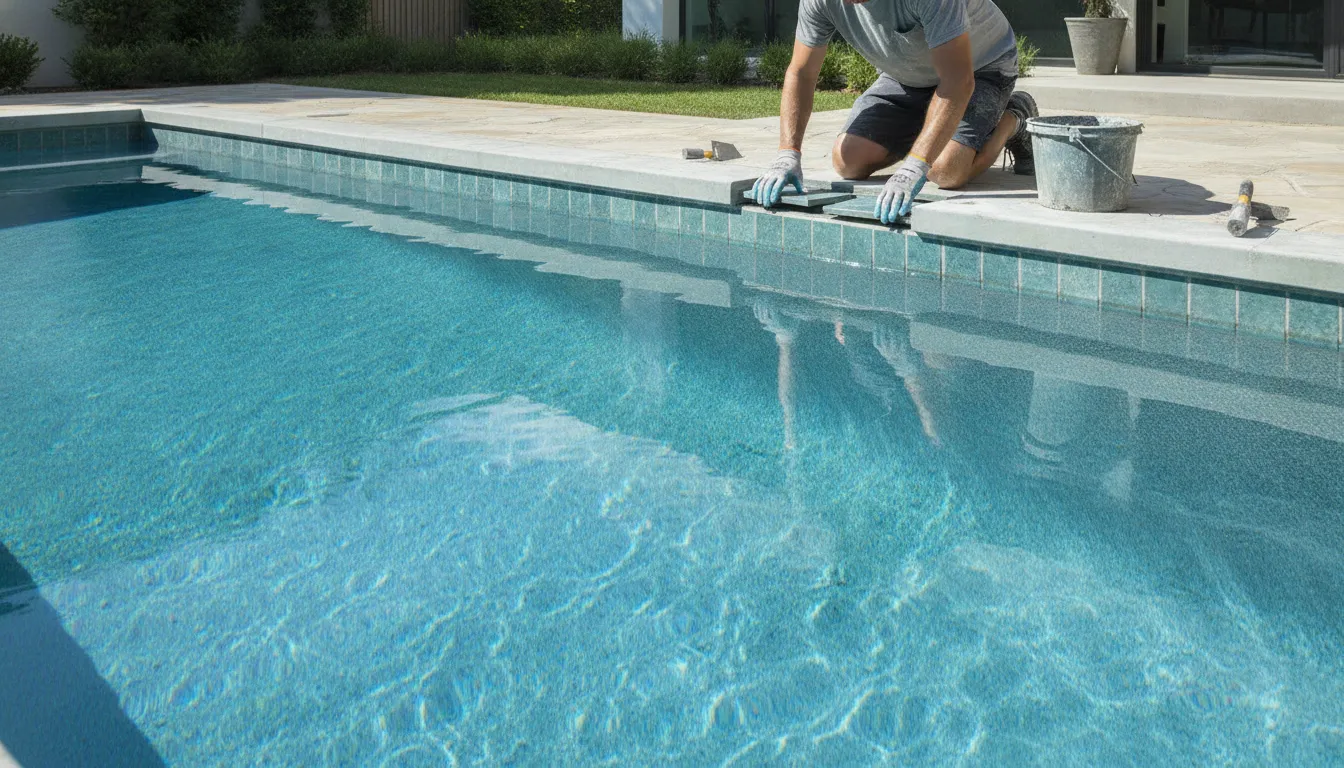
In practical terms, a limited update may take less time than a complete renovation, while structural repairs and full backyard changes extend the schedule. The right answer to how long a pool renovation takes comes after an on-site assessment, not from a fixed promise. Gappsi can separate permitting, construction, and finishing milestones so the plan reflects the actual condition of your Long Island pool.
Contact Gappsi through our contact page
Frequently Asked Questions
Can you remodel an existing pool without rebuilding it?
In many cases, yes. A renovation can preserve the existing shell while updating the finish, tile, coping, decking, plumbing, lighting, and equipment. A professional shell assessment should come first if you see seepage, shifting, or recurring leaks.
How do I know whether my pool needs repair or a full renovation?
Cracks in the gunite shell, bond beam concerns, underground plumbing leaks, or movement call for structural evaluation before cosmetic work. If the shell is sound but the surface, coping, tile, deck, or equipment is worn, a focused remodel may address the problem without replacing the structure.
What typically affects the cost of a pool renovation?
The main variables are pool size, age, shell condition, finish materials, deck work, plumbing access, equipment selection, and design changes. Replacing a variable-speed pump, heater, or controls adds a different cost than resurfacing alone, so an on-site assessment is more useful than a broad online estimate.
Is renovating usually less expensive than building a new pool?
Often, renovation costs less because the project can retain the existing shell and avoid full demolition, excavation, and new construction. Replacement may deserve consideration when structural problems are extensive or the existing layout cannot support the way your family wants to use the backyard.
How long does a pool renovation take on Long Island?
There is no single timeline. Resurfacing or an equipment swap is generally simpler than a project involving structural repairs, new decking, or a changed pool shape. Permitting and seasonal weather can also affect scheduling, so your contractor should provide a phase-by-phase timeline after inspecting the pool.
Ready to Plan Your Pool Renovation?
A clear evaluation can help you separate structural repairs from cosmetic improvements and choose a renovation scope that fits your existing pool. Gappsi can help you review the pool’s condition, discuss design options, and map the next practical steps for your Long Island backyard.