


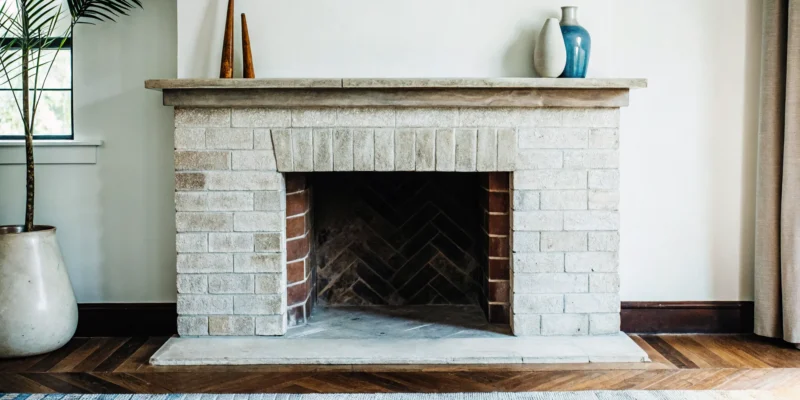
When you hear “antique brick fireplace,” you might picture a dark, rustic cabin. But what if I told you this classic feature is one of the most versatile elements you can add to your home? From sleek, modern spaces to cozy, traditional living rooms, an antique brick fireplace adds a layer of texture and soul that new materials just can’t replicate. The key is knowing how to style it to fit your vision. This guide is packed with antique brick fireplace ideas that break the mold, showing you how to mix old-world charm with contemporary design. We’ll cover everything from whitewashing techniques to pairing brick with unexpected materials, helping you create a stunning focal point that feels both timeless and perfectly you.
Key Takeaways
- Embrace Versatility in Your Design: An antique brick fireplace works with nearly any style, from rustic farmhouse to modern minimalist. Create a striking contrast by pairing it with clean white walls, or lean into its warmth by adding a reclaimed wood mantel for a cozier feel.
- Update Your Fireplace with Simple Techniques: You can give your fireplace a fresh look without a major renovation. Try DIY methods like whitewashing for a soft, airy finish or a German schmear for rich, old-world texture, but remember to call a professional for structural repairs like repointing.
- Preserve and Personalize with the Right Details: Protect your fireplace’s historic character with routine cleaning and sealing to prevent stains and damage. Personalize the look by pairing the brick with complementary materials like natural stone, wood, and metal for the mantel and hearth.
What Is an Antique Brick Fireplace?
An antique brick fireplace is more than just an old hearth; it’s a piece of history that brings incredible warmth and character into your home. Before central heating, these fireplaces were the functional and social center of the house, providing essential heat and a place for cooking. Today, we cherish them for their timeless appeal and the story they tell through their unique materials and dedicated craftsmanship. The term “antique” can mean a few things. It might refer to a fireplace built with reclaimed, centuries-old bricks, or it could describe a design style that reflects a specific historical period, like the grand designs of the Georgian era or the simpler forms of Colonial times.
Whether you’re lucky enough to have an original fireplace in your Long Island home or you’re looking to build a new one with an old-world feel, understanding what makes these structures special is key. It’s all about capturing a sense of authenticity. This comes from the unique texture of each brick, the subtle variations in color, and the classic design of the mantel and surround. An antique brick fireplace serves as a stunning focal point, grounding your living space with a connection to the past while offering a cozy spot for family to gather.
Key Characteristics to Look For
What sets an antique brick fireplace apart is its beautifully weathered appearance. Unlike the uniform look of modern bricks, antique ones often have rounded edges, surface imperfections, and a rich patina developed over decades or even centuries. You’ll notice variations in color and texture that reflect the materials and firing techniques of the past. Early designs from the Georgian and Regency periods often featured grand, ornate details, while later styles became more classic and understated. This history of the fireplace shows a clear evolution in design, but the common thread is the unique character that simply can’t be replicated with new materials. Look for these signs of age and craftsmanship to identify a truly special piece.
Common Historical and Architectural Styles
Historically, the fireplace was the heart of the home out of pure necessity. Early American homes were built around a central hearth that provided all the warmth and served as the kitchen’s primary cooking station. As architectural styles evolved, so did the fireplace. The lavish, highly decorated fireplaces of the Georgian period, for example, were status symbols. Later, designs became more streamlined, often featuring classic elements like Greek columns and reeding. Understanding these different styles helps you choose a design that feels authentic to your home’s architecture. You can gather inspiration from historic fireplaces to see how they served as the hub of the house for centuries.
Unique Materials and Craftsmanship
The beauty of an antique brick fireplace often lies in the details beyond the brick itself. Many historic fireplaces were trimmed with other natural materials, like blocky ashlar stones, which created a handsome and sturdy frame. It was also common to see handmade inserts made of beaten copper or cast iron, showcasing the incredible skill of the artisans. This level of detail highlights a commitment to quality and artistry that stands in contrast to some modern, minimalist designs. The combination of brick, stone, and metal tells a story of true craftsmanship. Gappsi’s masonry services honor this tradition by using high-quality materials to create lasting, beautiful fireplace structures.
Popular Design Styles for Antique Brick Fireplaces
An antique brick fireplace is a fantastic architectural feature because it’s so versatile. It can be the star of the show in a cozy farmhouse living room or a subtle, textural element in a modern space. The key is to choose a design style that complements your home’s overall aesthetic while letting the character of the brick shine through. Whether you’re restoring an existing fireplace or building a new one with reclaimed materials, understanding these popular styles can help you create a look you’ll love for years.
Our team of masonry experts can help you bring any of these visions to life, ensuring the final result is both beautiful and structurally sound. Let’s explore some of the most beloved design approaches for antique brick fireplaces.
Rustic and Farmhouse
The rustic and farmhouse styles are all about creating a warm, inviting, and unpretentious atmosphere. An antique brick fireplace is a natural fit here, providing a sense of history and comfort. For a classic farmhouse look, you can pair the warm red tones of the brick with a chunky, reclaimed wood mantel. To give it a more modern farmhouse twist, consider surrounding the brick with clean, white shiplap walls and adding sleek black metal accents. This combination feels fresh and current while still honoring the cozy, rustic charm that makes this style so popular.
Traditional and Colonial
Traditional and Colonial designs draw inspiration from historical periods, and the fireplace is often the centerpiece of the room. Depending on the era you want to channel, your antique brick fireplace can be grand or understated. Early Colonial and Georgian styles often featured large, ornate fireplaces with detailed mantels and surrounds. Later periods, like the Regency era, favored more subtle and classic designs. An experienced home remodeling team can help you integrate these historical details authentically, making the fireplace feel like an original part of your home’s architecture.
Cottage and Arts and Crafts
The Arts and Crafts movement celebrated craftsmanship, natural materials, and simplicity, making it a perfect match for the humble brick. In a cottage or Arts and Crafts style home, the fireplace is truly the heart of the house. It’s a gathering spot that radiates warmth and character. The focus here is on the beauty of the materials themselves. An antique brick fireplace in this setting should feel sturdy and authentic, often featuring a simple wood mantel or built-in shelving that highlights the craftsmanship. This style embraces the textures of natural materials to create a space that feels handmade and deeply personal.
Modern and Transitional
You might not immediately think of antique brick for a modern home, but it can provide a stunning textural contrast to clean lines and minimalist decor. A floor-to-ceiling brick fireplace can become a dramatic focal point in an otherwise simple room. For a more industrial vibe, you could mix different brick colors or even paint the brick a bold, unexpected color like charcoal gray or deep navy. In a transitional space, which blends modern and traditional elements, an antique brick fireplace acts as a bridge between old and new. A professional restoration can refresh the brick and mortar, making it feel intentional within your modern design.
DIY Makeover Ideas for Your Brick Fireplace
If your brick fireplace feels more like a relic than a feature, you don’t have to start from scratch. A simple DIY makeover can completely change its personality and refresh your entire room. These projects are a fantastic way to put your personal stamp on your home’s centerpiece. Whether you want a subtle change or a dramatic transformation, there’s a technique that fits your style and skill level. From a simple coat of paint to a more involved veneer application, you have plenty of options for updating your brick fireplace and making it a focal point you truly love.
Whitewash for a Soft, Airy Finish
Whitewashing is a go-to technique for a reason. It instantly brightens a dark, heavy-looking brick fireplace, giving it a soft and airy feel. The process involves applying a watered-down paint mixture, which allows some of the brick’s natural color and texture to show through. This creates a charming, rustic look that’s less opaque than a solid coat of paint. It’s a forgiving project for DIY beginners and works beautifully in homes with farmhouse, coastal, or shabby-chic decor. With just a little bit of effort, you can learn how to whitewash brick and give your living room a fresh, clean focal point over a single weekend.
Use German Schmear for an Old-World Texture
If you love the look of historic, old-world masonry, the German schmear technique might be perfect for you. This method involves applying wet mortar over the face of the brick and then removing some of it, creating an irregular, textured finish. Unlike whitewashing, which just colors the brick, a German schmear adds dimension and a storybook feel. It’s inspired by the centuries-old cottages and castles of Germany, giving your fireplace an authentic, rustic character. This technique is ideal for anyone wanting to make a bold statement and add a touch of European charm to their space. It’s a bit more involved than painting, but the stunning, one-of-a-kind result is well worth the effort.
Try Limewashing for a Weathered Look
For a soft, matte finish that looks like it has been there for generations, consider limewashing. Limewash is a unique, breathable coating made from limestone that has been crushed, burned, and mixed with water. When applied to brick, it creates a beautiful, chalky patina that gets better with age. Because limewash soaks into the brick instead of sitting on top like paint, it won’t peel or chip. It also allows the natural texture of the brick to remain visible, resulting in a soft, organic look. This technique is perfect for achieving a weathered, antique appearance that feels both timeless and elegant.
Apply a Thin Brick Veneer for a Classic Refresh
If you want to completely change the style of your brick without tearing out the fireplace, applying a thin brick veneer is an excellent solution. These are real bricks that have been sliced thin, so you get the authentic look and feel of a classic brick fireplace. This method allows you to cover up old, damaged, or simply outdated brick with a fresh new face. You can choose from a wide range of colors and styles to perfectly match your vision, from traditional red brick to a more modern white.
While it’s a more intensive DIY project, adding an antique brick veneer can dramatically transform your fireplace into a stunning architectural feature. For a flawless installation, our masonry experts can ensure a professional result.
How to Mix Antique Brick With Modern Decor
An antique brick fireplace is a beautiful, character-rich feature, but it doesn’t mean you’re stuck with a strictly traditional design. In fact, the opposite is true. Mixing antique brick with modern decor creates a layered, personal, and incredibly stylish space. The key is to create a thoughtful balance where the old and new elements complement each other instead of competing. Think of your fireplace as the soulful anchor of the room, a piece of history that adds warmth and texture to a contemporary setting. It’s a look that feels collected over time, not decorated in a day.
Achieving this look is all about making deliberate choices with your color scheme, furniture, and lighting. When done right, the rustic charm of the brick enhances the clean lines of modern pieces, and the modern elements make the brick feel fresh and relevant. It’s a design strategy that celebrates contrast, bringing together the best of both worlds. If you’re planning a larger renovation, our team has years of experience with home remodeling projects and can help you seamlessly integrate your fireplace into an updated living space. Let’s walk through a few simple ways you can make this timeless combination work in your home.
Choose the Right Color Palette
The colors you put on the walls surrounding your fireplace will have a huge impact on the room’s overall feel. To lean into the brick’s inherent warmth, consider earthy tones like harvest gold, rust, or a soft burnt orange. These colors create a cozy, inviting atmosphere. For a more modern and dramatic contrast, pair red brick with cool grays or crisp, clean whites. A white wall can make the brick’s texture and color variations pop, turning your fireplace into a true focal point. Don’t be afraid to experiment with a few paint samples to see how they look next to your brick throughout the day as the light changes.
Pair Furniture and Materials
Creating a bridge between antique and modern styles is easy when you mix materials and furniture. For a modern farmhouse look, you could pair your red brick fireplace with a clean-lined mantel and white shiplap walls. Introducing sleek metal accents through light fixtures or decor also adds a contemporary touch. When choosing furniture, look for modern silhouettes that won’t feel too heavy. For example, a pair of streamlined accent chairs in a bold color can look stunning against the rustic brick. The goal is to create a visual conversation between the different elements in the room. Our masonry design experts can even help you craft a custom mantel that perfectly suits your vision.
Highlight Brick Texture With Lighting
Proper lighting is one of the most effective ways to showcase the unique texture of your antique brick. Instead of relying solely on overhead lighting, which can cast shadows, use multiple light sources to create ambiance. Wall sconces placed on either side of the fireplace can cast a warm, inviting glow. Another great technique is uplighting, where a light is placed on the floor and aimed up at the brick. This method, known as grazing, beautifully highlights every crack and crevice, adding depth and drama. You can find plenty of visual inspiration for how lighting transforms a space on the Gappsi YouTube channel.
Accessorize Your Antique Brick Fireplace
An antique brick fireplace is already a stunning focal point, but the right accessories can truly make it the heart of your home. Think of the brick as your canvas and the mantel, hearth, and surrounding area as your opportunity to add personality and function. From the mantel you choose to the way you display your favorite art, every detail contributes to the final picture. These finishing touches are what transform a simple fireplace into a curated and inviting centerpiece for your living space.
Select Mantels, Surrounds, and Trim
The mantel is your fireplace’s crown, and it sets the tone for the entire wall. A thick, reclaimed wood beam can add a rustic, earthy feel, while a sleek, custom-milled piece of natural stone offers a more polished and modern contrast to the rough brick. Your surround can be just as impactful. You might extend the brick for a classic, uniform look or frame it with custom trim that matches your home’s architectural style. Our expert masonry services can help you design and install a mantel or surround that perfectly suits your vision, ensuring it’s both beautiful and structurally sound.
Place Artwork, Mirrors, and Lighting
What you place above the mantel is just as important as the mantel itself. A large, ornate mirror is a classic choice that can make your room feel brighter and more spacious by reflecting light. Alternatively, you can use this space to display a favorite piece of art that complements the warm tones of the antique brick. Don’t forget about lighting. A pair of elegant sconces flanking the fireplace or a picture light focused on your artwork can add a layer of warmth and sophistication. Integrating these elements thoughtfully is a key part of any successful home remodeling project, creating ambiance and drawing attention to your beautiful fireplace.
Decorate Your Hearth and Layer Textures
The hearth is the foundation of your fireplace, so give it the attention it deserves. You can keep it simple with a set of stylish fireplace tools and a basket of logs, or you can use it to display large floor vases or a collection of plants. Consider the material of the hearth itself. A beautiful slab of slate or another natural stone can create a durable and elegant base. To add coziness, layer textures around the area with a plush rug, a soft throw blanket draped over a nearby chair, and a mix of decorative objects on the mantel.
Add Built-In Shelving for Function and Style
If you have space on either side of your fireplace, built-in shelving is a fantastic addition. It’s a practical solution for storage and a beautiful way to frame your fireplace, making it feel more integrated into the room. You can use the shelves to create a mini library, display family photos, or showcase a collection of decorative objects. Custom built-ins can be designed to match your home’s style, providing a seamless look that adds both character and value. This type of custom woodwork is a perfect way to complete a major home remodeling project and create a truly personalized living space.
What Materials Complement Antique Brick?
Choosing the right materials to pair with your antique brick fireplace is all about creating balance. You want to highlight the brick’s unique character, texture, and history, not compete with it. The best combinations create a thoughtful contrast, adding layers of texture and style that make your fireplace the true heart of the room. By mixing different elements, you can craft a look that feels both timeless and personal.
Pair Brick With White Molding and Trim
One of the most classic and effective ways to make antique brick stand out is by framing it with crisp, white molding. This combination creates a beautiful contrast between the rustic, textured brick and the clean, smooth lines of the trim. Think of it as putting a perfect frame around a piece of art. The white brightens the space and adds a touch of elegance, preventing the brick from feeling too heavy or dark. This approach works wonderfully for creating a traditional or modern farmhouse look. Our expertise in home remodeling can help you design and install custom molding and built-in shelving that seamlessly integrates with your fireplace.
Combine Brick With Wood, Stone, and Metal
Don’t be afraid to mix materials to create a rich, layered design. Combining antique brick with elements like wood, stone, and metal adds depth and personality to your fireplace. A chunky, reclaimed wood mantel introduces natural warmth and a rustic touch that beautifully complements the brick. For the hearth, consider a solid slab of slate or bluestone to ground the design. You can also introduce metal accents, like a wrought-iron screen or a copper insert, to nod to historical craftsmanship. Our expert masonry services can help you source and install the perfect combination of materials to achieve a cohesive and interesting look.
Know When to Use Porcelain or Natural Stone
The materials you choose for the hearth and surround can either echo the brick’s history or provide a modern counterpoint. Natural stone, like limestone or fieldstone, enhances the old-world feel of an antique brick fireplace, creating a look rooted in tradition. On the other hand, large-format porcelain tiles can offer a sleek, contemporary contrast that makes the brick’s texture pop. Porcelain is also incredibly durable and easy to clean, making it a practical choice for a high-use area. Gappsi offers a wide selection of high-quality porcelain and natural stone, and we can help you select the perfect material that fits your home’s style and functional needs.
Should You Restore or Replace Your Fireplace?
Deciding what to do with an old brick fireplace can feel like a huge undertaking. Do you embrace its history and restore it, or is it time for a complete replacement? The answer really depends on the fireplace’s current condition, its historical value, and your vision for the space. An antique fireplace is often the heart of a room, holding decades of stories within its bricks. Before you make any decisions, it’s important to assess the structure for safety and stability. This will help you figure out if a simple repair will do the trick or if a more involved project is needed.
Signs You Need a Professional
Your fireplace might be telling you it needs help. If you spot large cracks in the brick or mortar, crumbling brick faces (a condition called spalling), or a white, powdery substance on the surface, it’s time to pay attention. These are more than just cosmetic flaws; they can point to underlying moisture problems or structural issues. Another major red flag is poor ventilation. If smoke billows into your room instead of going up the chimney, your flue could be blocked or damaged. A professional masonry assessment is essential to diagnose these problems correctly and ensure your fireplace is safe to use. Ignoring these signs can lead to bigger, more expensive repairs down the road.
Repoint and Repair Damaged Mortar
If your fireplace’s mortar is crumbling but the bricks are mostly intact, repointing might be the perfect solution. Repointing is the process of carefully removing the damaged mortar from between the bricks and replacing it with fresh mortar. This isn’t just a cosmetic fix. It restores the fireplace’s structural integrity, prevents water and pests from getting into the gaps, and dramatically improves its appearance. Using the correct type of mortar is crucial, as modern mortars can be too hard for older, softer bricks and can cause them to crack. This delicate restoration technique is often the key to preserving the authentic character of your antique fireplace for many more years.
How Gappsi’s Masonry Services Can Help
Navigating a fireplace project can be complex, but you don’t have to do it alone. Our team specializes in high-quality masonry services and understands the unique challenges of working with antique brick. We can provide a thorough inspection to help you decide if restoration or replacement is the right choice for your home and budget. From careful repointing that matches the original character to a complete, structurally sound rebuild, we handle every aspect of the project. We ensure your fireplace is not only a stunning focal point but also a safe and functional part of your home for years to come.
How to Maintain Your Antique Brick Fireplace
An antique brick fireplace is a stunning focal point, but it needs a little care to keep it looking its best. Proper maintenance not only preserves the beautiful, historic character of the brick but also ensures your fireplace remains safe and functional for years to come. With a few simple routines and an understanding of when to call for backup, you can easily protect your investment.
Follow Routine Cleaning Best Practices
Regular cleaning is the first step to maintaining your fireplace’s charm. Before you start, lay down drop cloths to protect your floors and furniture. You can begin by using a vacuum with a brush attachment to gently remove surface dust and loose debris from the bricks and mortar. For a deeper clean, especially to tackle soot, a simple mixture of dish soap and water with a nylon scrub brush can work wonders. Avoid wire brushes, as they can damage the surface of older, softer bricks. A quick wipe-down keeps your fireplace fresh between more thorough cleanings.
Seal and Protect the Brick Surface
To give your antique brick extra protection, consider applying a sealant. Brick is porous, meaning it can absorb moisture and stains over time. A good quality, vapor-permeable sealant creates a protective barrier that repels water and grime without trapping moisture inside the brick, which is key to preventing long-term damage. This simple step can help preserve the color and integrity of the brick, making future cleanings much easier. Our team can help you with professional cleaning and sealing services to ensure the job is done right.
Know When to Call a Pro for Maintenance
While routine cleaning is manageable, some issues require an expert eye. If you notice the mortar between the bricks is crumbling, or if there are deep, persistent stains that your cleaning efforts can’t remove, it’s time to call a professional. These can be signs of underlying moisture problems or structural wear that need to be addressed to ensure your fireplace is safe and stable. A specialist can assess the condition of your fireplace and perform necessary repairs. Gappsi’s expert masonry services can restore your fireplace’s beauty and structural integrity.
Related Articles
- How to Refinish an Interior Brick Wall: A DIY Guide
- Masonry Solutions & Inspiration for Homes in NY
- Masonry Archives – Gappsi Group
Frequently Asked Questions
How can I tell if my old brick fireplace needs professional repair? You should definitely call a professional if you notice significant issues beyond a little soot. Look for large cracks in the bricks or mortar, crumbling brick faces, or a persistent white, powdery film, as these can indicate moisture or structural problems. Another major red flag is if smoke regularly escapes into your room instead of going up the chimney. These signs suggest it’s time for an expert assessment to ensure your fireplace is safe.
My home has modern decor. Will an antique brick fireplace look out of place? Not at all, in fact, this combination can be incredibly stylish. The key is to create a deliberate contrast. The rustic texture of antique brick looks fantastic next to the clean lines of modern furniture and decor. You can make the fireplace a stunning focal point by painting the surrounding walls a crisp white or a cool gray, which makes the brick’s warm color and texture pop. It’s all about creating a balance where the old and new elements complement each other.
What’s the difference between whitewashing, limewashing, and German schmear? These are three distinct techniques for changing the look of your brick. Whitewashing uses a thinned paint to give the brick a lighter, semi-transparent finish that softens its color. Limewashing involves a special limestone-based coating that soaks into the brick, creating a soft, chalky, and naturally weathered patina. German schmear is a more textured technique where you apply wet mortar to the brick face to achieve a rustic, old-world look inspired by historic European cottages.
What’s the best way to clean my antique brick fireplace without damaging it? The gentlest approach is always best for older brick. Start by vacuuming the surface with a soft brush attachment to remove loose dust and debris. For soot and grime, use a nylon scrub brush (never a wire one) with a simple solution of warm water and mild dish soap. Work in small sections and rinse with a clean, damp cloth. Avoid using harsh, acidic cleaners, as they can damage the surface of the brick and mortar.
My fireplace’s mortar is crumbling. Does that mean I need to replace the whole thing? Not necessarily. If the bricks themselves are still in good shape, crumbling mortar can often be fixed through a process called repointing. This involves carefully removing the old, damaged mortar and replacing it with a new mixture that’s appropriate for the age of your bricks. Repointing restores the fireplace’s structural stability and appearance without requiring a complete and costly replacement, preserving its original character.