


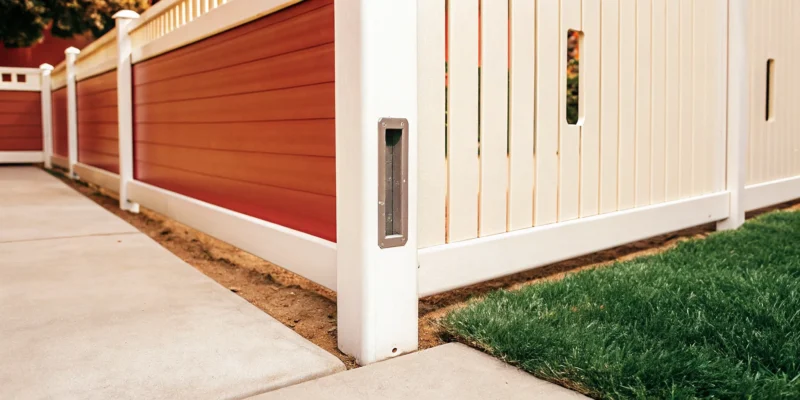
When you look at a perfectly installed vinyl fence, you see clean lines and a flawless white finish. What you don’t see is the most critical component for its long-term stability. Inside the key posts, there should be a hidden source of strength. Think of it as the skeleton that supports the entire structure. Without this internal framework, a fence can’t stand up to strong winds or the constant stress of a gate opening and closing. This unseen hero is the vinyl fence post stiffener, a metal support that provides the rigidity vinyl can’t offer on its own, ensuring your fence looks just as good in ten years as it does today.
Key Takeaways
- Reinforce key posts for stability: A metal stiffener acts as a skeleton inside your hollow vinyl posts, preventing them from bending or sagging. Always use them in high-stress points like gates, corners, and end posts to ensure your fence stays straight and strong.
- Choose compatible, rust-proof materials: Select a galvanized steel stiffener that is made to fit your specific post profile perfectly. A snug fit provides maximum strength, and the galvanized coating prevents rust from weakening the support and staining your vinyl.
- Secure your posts for local conditions: A stiffener only works if the post is installed correctly. This means digging deep enough (at least one-third of the post’s height) and setting it in a concrete footing with proper drainage to handle Long Island’s soil and weather.
What Is a Vinyl Fence Post Stiffener?
Think of a vinyl fence post stiffener as the backbone for your fence. It’s a metal support, usually made of steel or aluminum, that slides inside a hollow vinyl post. Its job is to provide the rigidity and strength that vinyl alone can’t offer. Without this internal support, posts can wobble, bend under pressure, or sag over time, especially at key points like gates or corners. A stiffener ensures your beautiful vinyl fence stands tall and straight for years, resisting wind and daily wear.
Why Your Vinyl Posts Need Support
Vinyl is a fantastic material for fences and netting because it’s low-maintenance and resists rot and weather. However, it’s also more flexible than traditional materials like wood or metal. This flexibility means it needs some help to maintain its structure and strength over the long haul. Post stiffeners provide that crucial internal support, preventing the posts from bowing or leaning. This is especially important for posts that bear extra weight, like those holding a gate. Proper installation depth is also key; a post that isn’t buried deep enough can shift, compromising the entire fence line, no matter how well it’s reinforced.
Steel vs. Aluminum: What’s the Difference?
When choosing a stiffener, you’ll typically decide between steel and aluminum. Both add significant strength, but they have their differences. Steel is incredibly strong and often less expensive, but it must be galvanized (coated in zinc) to prevent rust. Aluminum is lighter and naturally resistant to corrosion, which is a great advantage in Long Island’s coastal climate. While steel offers maximum rigidity, many find that aluminum inserts are excellent for reinforcing gate posts and fences in high-wind areas. The right choice depends on your specific needs, budget, and the environmental conditions your fence will face. Ultimately, either option helps create a stronger, more durable fence.
Key Features of a Quality Stiffener
A quality stiffener is more than just a piece of metal; it’s part of a complete system. One of the most important features is a proper fit. The stiffener should slide snugly into the post, preventing any rattling or movement. It’s crucial to use components from the same manufacturer, as mixing and matching brands can lead to gaps and weak connections. Additionally, if you choose steel, ensure it is galvanized to protect against rust. A quality stiffener is only effective when installed correctly, which includes setting the post in a solid masonry foundation to the proper depth.
Why Post Stiffeners Are Essential for Your Vinyl Fence
Think of post stiffeners as the skeleton for your vinyl fence. While the vinyl provides the clean, polished look, the stiffeners inside provide the strength and structure to keep it standing straight and strong for years. Skipping them, especially in key areas, is like building a house without a proper frame. It might look fine at first, but it won’t have the integrity to withstand daily use and Long Island’s weather. Investing in stiffeners is one of the smartest ways to protect your new fence and ensure it remains a beautiful, functional part of your property. They are a small component that makes a huge difference in performance and longevity.
Supporting High-Stress Gate Posts
Your gate is the one part of your fence that’s designed to move. All that opening and closing, combined with the gate’s own weight, puts a constant strain on the posts it’s attached to. Without reinforcement, these gate posts will eventually sag, causing the gate to drag on the ground, stick, or refuse to latch properly. Post stiffeners provide the internal rigidity needed to handle this load. They create a solid, unbending core within the hollow vinyl post, ensuring your gate continues to swing smoothly and align perfectly every time you use it. This is a critical spot where extra strength is not just a good idea, it’s a necessity.
Securing Corner and End Posts
Corner and end posts are the anchors of your entire fence line. They bear the tension from two directions and hold everything taut and in place. Because these posts are under more stress than the posts in the middle of a run, they are far more likely to lean, wobble, or twist over time if left unsupported. A post stiffener acts as a rigid backbone, preventing this from happening. By sliding a metal support inside these crucial posts, you ensure they remain perfectly upright and secure. This maintains the structural integrity of the whole fence, preventing a domino effect of sagging panels and an uneven appearance down the line.
Protecting Your Fence from Wind and Weather
Here on Long Island, we get our fair share of strong winds and seasonal temperature swings. A hollow vinyl fence can act like a sail in a heavy gust, and without internal support, the posts can bend or even break under the pressure. Stiffeners give your fence the strength to stand firm against the wind. Furthermore, vinyl naturally expands in the summer heat and contracts in the cold. This movement can cause posts to warp or buckle if they don’t have a rigid core to maintain their shape. Proper fence installation with stiffeners helps your fence accommodate these changes without compromising its structure or look.
How to Choose the Right Post Stiffener
Selecting the right post stiffener is just as important as choosing your fence style. The wrong choice can undermine the entire structure, leading to leaning posts and a shorter lifespan for your beautiful new fence. Think of it as the backbone of your fence post; it needs to be strong, compatible, and suited for its environment. When you’re ready to make a selection, there are three key things to consider: the fit with your posts, the material of the stiffener itself, and the type of soil in your yard. Getting these details right from the start will save you from headaches and costly repairs later on.
Matching the Stiffener to Your Posts
It’s a common misconception that all vinyl fence parts are interchangeable. In reality, components from different manufacturers often have slight variations in size and shape. Using a stiffener that doesn’t match your post profile can create a loose fit, which prevents it from providing the rigid support your fence needs. A wobbly stiffener inside a post is almost as ineffective as having no stiffener at all.
To ensure a perfect fit, it’s best to source your stiffeners from the same manufacturer as your vinyl posts. If that isn’t possible, you’ll need to measure the interior dimensions of your posts carefully to find a compatible product. At Gappsi, we help homeowners select the right components for a strong, cohesive fencing system that stands the test of time.
Galvanized vs. Non-Galvanized: Which Lasts Longer?
When choosing between stiffener materials, galvanized steel is the clear winner for durability. Galvanization is a process that coats steel with a layer of zinc, creating a powerful barrier against rust and corrosion. While a non-galvanized stiffener might save you a little money upfront, it’s a risky choice. Moisture can and does find its way inside vinyl posts, and once a plain steel stiffener starts to rust, it loses its strength and can even stain your white vinyl from the inside out.
Given Long Island’s humid climate and salt-filled air, corrosion is a constant threat. Investing in galvanized stiffeners is essential for protecting your fence and ensuring it remains strong for years. It’s a simple step that provides long-term peace of mind.
Does Your Soil Type Matter?
Yes, your soil type absolutely matters when it comes to fence stability. The stiffener’s primary job is to anchor the post firmly in the ground, and your soil’s composition determines how challenging that job will be. Long Island is known for its sandy, loose soil, which provides far less natural resistance than dense clay. In sandy conditions, fence posts are more susceptible to shifting, especially when facing strong winds or the weight of a gate.
Because of this, a robust post stiffener is non-negotiable. It provides the rigidity needed to keep the post straight, while a concrete footing creates a solid base. Our expertise in masonry and site preparation ensures that every post is set correctly for your specific soil conditions, creating a foundation that will keep your fence secure.
How to Install a Vinyl Fence Post Stiffener
Installing a vinyl fence post stiffener is a straightforward project, but it requires precision and patience. Taking the time to do it right ensures your fence remains strong and stable for years. While we always recommend professional fences and netting installation for a flawless finish, here’s a guide if you’re tackling this yourself.
Tools and Materials for the Job
Before you begin, gather all your tools and materials. Having everything on hand makes the process much smoother. You’ll need a post hole digger, a level, a power drill, measuring tape, concrete mix, and gravel for drainage. Of course, you’ll also need your vinyl posts and the correct stiffeners. It’s wise to invest in quality tools for the job, as they make a real difference in the final outcome. Make sure the stiffeners you choose are designed for your specific post size and type. Double-checking your materials list before you start can save you a trip to the store later.
Step-by-Step Installation
The key to a successful installation is to work methodically and avoid rushing. Most mistakes happen when you skip critical steps. First, slide the stiffener into the vinyl post, ensuring it fits snugly. Next, secure the stiffener to the post using screws, typically near the top and bottom. Once the stiffener is secure, you can place the post into the prepared hole. Use your level to make sure the post is perfectly plumb before pouring concrete. Following the manufacturer’s guidelines for your specific fence system is the best way to ensure a secure and lasting installation.
How Deep to Set Your Posts
Proper post depth is non-negotiable for a stable fence, especially with Long Island’s variable weather. A good rule of thumb is to bury at least one-third of the post underground. For an eight-foot post, that means digging a hole about three feet deep. This depth provides the necessary leverage to resist wind and ground movement. Failing to set posts deep enough can lead to an unstable installation that leans or shifts over time. Adding a few inches of gravel at the bottom of the hole for drainage before adding concrete is also a great practice.
Accounting for Expansion and Contraction
Vinyl is a durable material, but it does expand and contract with temperature changes. This is a crucial factor to consider during installation. To prevent your fence from buckling or warping, you need to leave space for this movement. A common guideline is to leave a quarter-inch gap between the fence rails and the posts. This small gap allows the material to shift naturally as the seasons change without putting stress on the structure. It’s a simple step that protects the integrity and appearance of your fence for the long haul.
Common Mistakes to Avoid
A vinyl fence is a fantastic, low-maintenance choice for your property, but its durability truly depends on a flawless installation. Many of the biggest problems we see come from skipping important steps or trying to cut corners during the setup process. Getting it right the first time saves you from future headaches, repairs, and the frustration of a fence that doesn’t look or perform its best. By avoiding a few common pitfalls, you can ensure your fence remains a beautiful and sturdy boundary for years to come.
Skipping Stiffeners on Key Posts
One of the most significant mistakes is failing to use post stiffeners where they matter most: on gate posts, corner posts, and end posts. These areas handle the most stress on your entire fence line. Gates, in particular, bear constant weight and motion, which can cause an unsupported post to sag, lean, or twist over time. The truth is, vinyl fencing is one of the most durable and beautiful options available, but only when installed correctly. Professional fencing services always include stiffeners in these critical locations to provide the necessary structural backbone for long-term stability.
Using the Wrong Size or Material
Not all vinyl fence parts are created equal, and they certainly aren’t interchangeable. Mixing components from different brands or using a stiffener that is the wrong size for your post can create a weak and unstable fence. These mismatches can lead to gaps, poor connections, and a structure that won’t stand up to strong winds or daily wear and tear. It’s essential to use high-quality, compatible materials for every part of your installation. At the Gappsi Store, we source components that are designed to work together perfectly, ensuring a secure fit and lasting durability for your project.
Overlooking Proper Drainage
Properly setting your fence posts in concrete is about more than just stability; it’s also about managing water. A common mistake is failing to slope the concrete footing away from the post. Without a slight slope, water can pool around the base of the vinyl. In Long Island’s climate, this trapped moisture can freeze and expand during the winter, leading to frost heave that can shift or even lift your posts out of the ground. Our expertise in masonry ensures that every post is set with proper drainage in mind, protecting your investment from the ground up.
Rushing the Installation
Patience is a virtue, especially when it comes to fence installation. Most mistakes happen when the process is rushed. Taking the time to double-check measurements, ensure posts are perfectly plumb, and allow the concrete to cure completely before hanging the fence panels is absolutely critical. Skipping these steps might save a few hours, but it often leads to a crooked fence or structural weaknesses that require costly fixes down the road. A professional home improvement team understands that a meticulous process is the key to a successful outcome, saving you time, money, and frustration in the long run.
Is a Vinyl Fence Right for Your Long Island Home?
If you’re thinking about a new fence for your Long Island property, you’ve probably considered vinyl. And for good reason. Vinyl fencing offers a clean, modern look that is incredibly durable and low maintenance, which is a huge advantage for any homeowner. It won’t rot or splinter, and you’ll never have to spend a weekend staining or painting it. This makes it a fantastic, long-lasting option that can handle the salty air and seasonal weather we experience here.
However, the success of a vinyl fence depends entirely on its installation. Long Island’s climate brings hot, humid summers and cold, icy winters, causing vinyl to expand and contract with temperature changes. This is perfectly normal for the material, but it must be accounted for during installation to prevent warping or buckling down the road. A professional installer understands how to give the fence panels enough room to move without compromising the structure. This is just one reason why expert fencing installation is so important.
The stability of your fence relies on getting the foundation right. This means setting the posts to the proper depth and using the correct concrete mixture to secure them, especially in our local soil conditions. Many common installation mistakes, like not digging deep enough or setting posts incorrectly, can compromise the entire fence’s strength and longevity. While vinyl is a forgiving material in many ways, a poor installation can lead to leaning posts and sagging sections, especially after a strong storm. Ultimately, a vinyl fence is an excellent choice for a Long Island home, but only when it’s installed correctly by a team that knows how to build for our specific environment.
Related Articles
- Aluminum Fence vs. Vinyl & Wood: A Comparison
- Fencing Archives – Gappsi Group
- Aluminum vs. Vinyl Fence Archives – Gappsi Group
Frequently Asked Questions
Do I need a stiffener in every single vinyl fence post? Not necessarily. While adding one to every post would create an incredibly strong fence, it’s most critical to use them in high-stress locations. You absolutely need stiffeners for all gate posts, corner posts, and end posts. These are the anchor points that bear the most weight and tension, so they require that extra internal support to prevent leaning and sagging over the entire life of your fence.
What’s the worst that can happen if I skip the stiffener on my gate post? Skipping a stiffener on a gate post is setting yourself up for future frustration. The constant weight and movement of the gate will cause the unsupported vinyl post to sag over time. This leads to a gate that drags on the ground, won’t latch correctly, or becomes difficult to open and close. Essentially, the one moving part of your fence will stop working properly, which often requires a difficult and costly repair.
Is a galvanized steel stiffener really necessary on Long Island? Yes, it’s a very smart choice for our local climate. The galvanization process coats the steel in zinc, which protects it from rust and corrosion. Given Long Island’s humidity and salty air, an unprotected steel stiffener will eventually rust inside the post. This not only weakens the support but can also cause ugly rust-colored stains to bleed through and ruin the look of your white vinyl fence.
Can I mix and match posts and stiffeners from different brands to save money? I would strongly advise against it. Vinyl fence components are not universally sized, and even small differences between brands can result in a poor fit. A stiffener that is loose inside the post will rattle and won’t provide the rigid support it’s supposed to. For a strong, stable fence, it’s always best to use a complete system where all the parts are designed to work together perfectly.
Besides the stiffener, what’s the most important part of setting a strong fence post? The foundation is everything. You must dig the post hole to the proper depth, which is typically at least one-third of the post’s total height. Setting the post in a solid concrete footing is also non-negotiable, especially in Long Island’s often sandy soil. This combination of depth and a solid concrete base is what truly anchors your fence against wind and prevents it from shifting over time.