


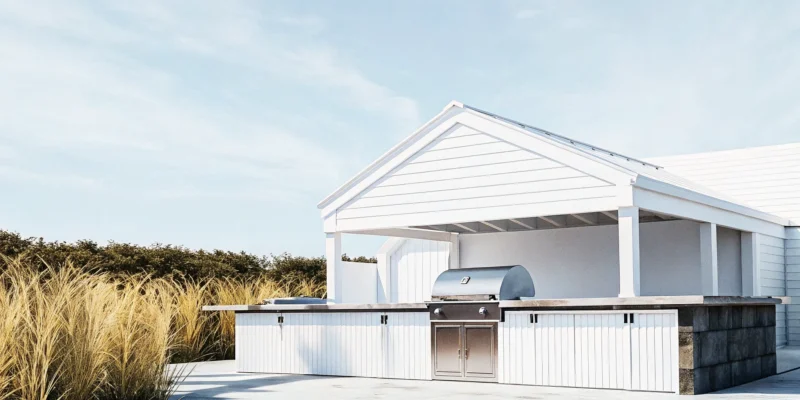
Think about your last backyard barbecue. You probably spent a lot of time running between the grill outside and the kitchen inside, trying to keep food warm and guests happy. An outdoor kitchen pavilion solves this problem by bringing everything you need into one cohesive, beautiful space. It provides shelter from the sun and rain, a dedicated area for cooking and prep, and a comfortable spot for everyone to gather. This isn’t just about convenience; it’s about creating a seamless outdoor living experience. Let’s explore the features and design ideas that make an outdoor kitchen pavilion on Long Island the ultimate upgrade for your home.
Key Takeaways
- Invest in Your Lifestyle and Home Value: An outdoor kitchen pavilion does more than just look good; it extends your outdoor season for year-round enjoyment and adds significant, sought-after value to your property.
- Plan for Function and Durability: Create a space that lasts by carefully choosing a layout that fits your needs, selecting weather-resistant materials for the Long Island climate, and planning for utilities like lighting and heating from the start.
- Budget Smartly and Maintain Simply: Understand that costs depend on size, materials, and appliances, and remember to account for site prep and permits. Investing in quality construction upfront makes seasonal maintenance easier and protects your pavilion for years.
Is an Outdoor Kitchen Pavilion a Worthwhile Investment?
Adding an outdoor kitchen pavilion is a big decision, and it’s natural to wonder if it’s the right move for your home. Beyond the initial cost, it’s an investment in your lifestyle, your property’s value, and the way you enjoy your home. A well-designed pavilion isn’t just an add-on; it transforms your backyard into a functional and beautiful extension of your living space. It creates a central point for gathering, cooking, and relaxing, making every day feel a little more like a vacation. Let’s look at the key reasons why a pavilion is one of the most rewarding home improvements you can make.
Extend Your Outdoor Living Season
One of the biggest benefits of a pavilion is its ability to make your backyard usable for more than just a few months a year. Unlike a simple patio umbrella, a pavilion is a permanent structure with a solid roof designed to handle Long Island’s unpredictable weather. It provides reliable shade from the summer sun and shelter from rain, allowing you to keep your plans without worrying about the forecast. With a sturdy, engineered structure, you can comfortably host a barbecue on a drizzly spring day or enjoy a quiet morning coffee outdoors in the fall. This makes your outdoor kitchen a true year-round asset, not just a seasonal novelty.
Increase Your Home’s Value and Curb Appeal
An outdoor kitchen is one of the most impactful upgrades you can make to a Long Island home, and adding a pavilion takes it to the next level. This feature is highly sought after by homebuyers, who see it as a premium addition that offers a sophisticated lifestyle. A beautifully constructed pavilion significantly enhances your home’s curb appeal and can provide a strong return on investment. When you invest in home remodeling, you want projects that add both personal enjoyment and long-term financial value. An outdoor kitchen pavilion checks both boxes, making your property stand out in the market while giving you a stunning space to enjoy for years.
Create the Ultimate Entertainment Space
A pavilion turns your outdoor kitchen into the social hub of your home. The best designs are integrated into the overall landscape, creating a seamless flow from your house to your yard. You can design your pavilion to include distinct zones for different activities, like a cooking area with a grill and pizza oven, a bar with casual seating, and a separate lounge or dining space. This thoughtful layout makes it the perfect spot for hosting everything from intimate family dinners to large gatherings with friends. With the right pavilions and pergolas, your backyard becomes the go-to destination for making memories.
What Are the Must-Have Features for a Pavilion?
Once you decide to build an outdoor kitchen pavilion, the fun part begins: choosing the features that will make it your family’s favorite spot. A truly great pavilion is more than just a structure; it’s a seamless blend of durability, function, and comfort. Thinking through these key elements from the start ensures your new space will meet your needs for years to come. From the materials that will stand up to Long Island weather to the appliances that will make you feel like a professional chef, every choice helps create your perfect outdoor retreat.
Choose Durable Materials for Long Island’s Climate
Living on Long Island means dealing with a unique climate, from humid, salty summer air to cold, snowy winters. The materials you choose for your pavilion need to be tough enough to handle it all without warping, rotting, or corroding. That’s why we often recommend materials like stainless steel for appliances and fixtures, along with beautiful and resilient porcelain and natural stone for countertops and flooring. These options not only look stunning but also provide the long-lasting durability you need, ensuring your investment remains beautiful and functional season after season.
Select Your Appliances, Countertops, and Storage
Your outdoor kitchen can be just as capable as your indoor one. Think beyond a simple grill and consider what would make your outdoor cooking experience truly special. Many modern designs include built-in refrigerators for cold drinks, pizza ovens for fun family nights, and even sinks for easy cleanup. When you build a custom pavilion, you can integrate high-end appliances and create plenty of counter space for food prep and serving. Don’t forget to include smart storage solutions, like cabinets and drawers, to keep your cooking tools organized and protected from the elements.
Plan for Lighting, Heating, and Utilities
To get the most out of your pavilion, you’ll want to use it in the evening and during cooler weather. Thoughtful lighting, like built-in LEDs or elegant string lights, creates a warm and inviting atmosphere for nighttime gatherings. For chilly nights, you can incorporate overhead heaters or a nearby fire pit to keep everyone comfortable. It’s also critical to plan for utilities early in the design process. Running gas, water, and electrical lines requires careful coordination, which is why our home remodeling expertise is so valuable. Proper planning ensures everything is conveniently and safely installed.
How Can You Customize Your Outdoor Kitchen Pavilion?
Creating a pavilion that feels like a true extension of your home is all about personalization. This is your chance to design a space that perfectly fits your lifestyle, whether you envision quiet family dinners or lively backyard parties. From the foundational structure to the finishing touches, every choice you make contributes to the final look and feel. Customization ensures your new outdoor kitchen pavilion is not just beautiful but also incredibly functional for your specific needs. Let’s walk through the key areas where you can put your personal stamp on the design.
Define Your Pavilion’s Layout, Size, and Roof Style
First, think about how you’ll use the space. The layout and size of your pavilion should be directly influenced by its purpose. A larger footprint can accommodate distinct zones for cooking, dining, and lounging, while a more compact design might focus on an efficient kitchen and seating area. The right roof design is also critical for year-round comfort. On Long Island, where we get our fair share of snow and need plenty of summer shade, styles like gable or hip roofs are excellent choices. These designs effectively manage snowfall and provide ample coverage, making your outdoor pavilion a comfortable retreat in any season.
Explore Materials Like Wood, Vinyl, and Stone
When you’re selecting materials for your pavilion, durability is a top priority. Long Island’s coastal air and winter weather demand materials that can stand up to the elements without warping, rotting, or corroding. Wood offers a timeless, rustic appeal, while modern vinyl provides a low-maintenance alternative that holds up well over time. For a truly luxurious and enduring structure, incorporating natural stone or porcelain adds unmatched elegance and strength. Combining materials, such as stone bases for wooden posts, can create a beautiful look while also protecting the structure from ground moisture and wear.
Find a Design Style That Complements Your Home
Your pavilion shouldn’t look like it was dropped into your backyard from somewhere else. The best designs feel like a natural extension of your house. Take cues from your home’s existing architecture, materials, and color scheme. For instance, matching the pavilion’s roof style and shingles to your house creates a seamless and intentional connection. Our approach to home remodeling and design is rooted in this same principle of cohesion. By echoing the lines, textures, and overall character of your home, your new pavilion will enhance your property’s aesthetic and feel like it was always meant to be there.
Consider Add-Ons to Enhance Functionality
This is where you can really tailor the space to your lifestyle. Think beyond just a grill and a counter. A full outdoor kitchen can include a sink, refrigerator, pizza oven, and plenty of storage. Built-in seating is a great space-saver, while a fireplace or fire pit adds warmth and a cozy focal point for cooler evenings. Don’t forget practical elements like lighting, ceiling fans, and electrical outlets for music or a TV. You can even integrate custom fencing or netting to create a bug-free zone, ensuring you can enjoy your outdoor oasis in complete comfort.
How Much Does an Outdoor Kitchen Pavilion Cost on Long Island?
Figuring out the budget for your dream outdoor kitchen pavilion is one of the most important steps in the planning process. The total cost can vary quite a bit, because every project is unique. The final price tag depends on the size of your pavilion, the materials you choose, the appliances you install, and the complexity of the build.
Think of it less as a single purchase and more as a custom project tailored to your home and lifestyle. To give you a clear picture of what to expect, let’s break down the key elements that will shape your budget. By understanding these factors, you can plan effectively and make informed decisions that align with your vision and financial goals.
Understand the Factors That Influence Price
The price of an outdoor kitchen pavilion is a sum of its parts, and some parts have a bigger impact on the budget than others. The most significant factors are size, materials, and appliances. A larger pavilion that can accommodate more guests will naturally cost more than a smaller, more intimate structure. The materials you select for the pavilion frame, roofing, and kitchen finishes also play a huge role. For example, custom masonry work and high-end natural stone countertops will be more of an investment than simpler options.
Beyond the structure itself, the appliances you choose are a major cost driver. A basic grill and sink setup will be more budget-friendly than a full suite with a pizza oven, refrigerator, and warming drawers. Finally, consider the logistics. Depending on how far the outdoor kitchen is from your house, running electrical and gas service to it could increase costs.
Plan Ahead for Potential Hidden Costs
Planning an outdoor kitchen involves more than choosing a grill. To create a realistic budget, you need to account for costs that might not be obvious at first glance. Site preparation is a big one. Your yard may need to be graded, or you might need a new patio or foundation poured before construction can even begin. These foundational steps are critical for a lasting structure but are often overlooked in initial estimates.
Another consideration is permits. Most municipalities on Long Island require building permits for new structures, which come with their own fees and processes. You also need to think about the cost of running utility lines for water, gas, and electricity. This can involve trenching and professional installation, adding to the overall project expense. Finally, remember to budget for finishing touches like landscaping to seamlessly blend your new pavilion into your existing yard.
How to Budget for a Long-Term Investment
While the initial cost is a key consideration, it’s helpful to view your project as a long-term investment. An outdoor kitchen is one of the most impactful upgrades you can make to a Long Island home. It not only adds significant resale value but also transforms how you experience your property. A pavilion is the single addition that extends the return on everything else already built into your yard, from the pool to the patio.
When you budget, think about the value it brings to your daily life. A beautiful and functional outdoor kitchen pavilion becomes the heart of your home for months out of the year, creating a perfect setting for family dinners and entertaining friends. By investing in quality materials and a thoughtful design, you are creating a space that will deliver enjoyment and value for many years to come.
How to Keep Your Outdoor Kitchen Pavilion in Great Condition
Your outdoor kitchen pavilion is the heart of your backyard, a place for making memories and enjoying beautiful Long Island weather. To keep it looking and functioning its best for years to come, a little regular maintenance goes a long way. Think of it not as a chore, but as a way to protect your investment and ensure your space is always ready for an impromptu family barbecue or a quiet evening outdoors. Sticking to a simple routine will prevent small issues from becoming big problems, saving you time and money down the road.
Your Guide to Seasonal Maintenance and Winterizing
As the seasons change on Long Island, so do your pavilion’s needs. Before winter arrives, it’s essential to prepare your outdoor kitchen for the cold. Start by giving everything a thorough cleaning, especially the grill grates and burners. Shut off the water lines to your sink and ice maker to prevent pipes from freezing and bursting. It’s also a good idea to cover your appliances, countertops, and furniture to protect them from snow and ice. When spring returns, you can reverse the process: uncover everything, reconnect your utilities, and inspect for any wear from the winter months. This seasonal checklist ensures your pavilion is always protected and ready for enjoyment.
Tips for Cleaning Appliances, Surfaces, and Structures
A consistent cleaning schedule is the key to keeping your outdoor kitchen looking brand new. For appliances like grills and pizza ovens, make a habit of wiping down stainless steel exteriors and cleaning cooking surfaces after use. For your pavilion’s structure and surfaces, a gentle wash every few months can remove pollen, dirt, and other buildups. The right cleaning method depends on your materials. For instance, porcelain and natural stone pavers have different needs than a wooden deck. Taking the time to deep clean your cooking appliances and restock drawers with utensils will make your next gathering feel effortless and organized.
Know When to Call a Professional for Repairs
While regular cleaning and minor upkeep are manageable, some issues require an expert touch. If you notice problems like cracks in your stone countertops, loose pavers in your patio, or issues with gas and electrical lines, it’s best to call for help. Structural problems with the pavilion itself, such as significant wood rot or instability, also demand professional attention to ensure safety. Trying to fix these complex issues yourself can often lead to bigger, more expensive problems. A professional can diagnose the root cause and provide a lasting solution, giving you peace of mind. Gappsi’s restoration and sealing services can address wear and tear to keep your patio and stonework in top shape.
Choose the Right Long Island Pavilion Builder
The easiest way to ensure a low-maintenance outdoor kitchen is to build it right from the start. A builder with deep experience constructing pavilions and pergolas on Long Island will understand how to work with our specific climate. They will recommend durable materials that can withstand humid summers, freezing winters, and coastal air without constant upkeep. Investing in quality craftsmanship and weather-resistant materials from the beginning means you’ll spend less time on maintenance and more time enjoying your beautiful outdoor space. Choosing the right partner ensures your pavilion is not only stunning but also built to last for decades.
Related Articles
- Amazing Outdoor Kitchens Long Island – Gappsi Group
- Your Guide to Outdoor Kitchen Designers on Long Island
- Pavilion Outdoor Kitchen with a Pizza Oven
- Luxury Outdoor Kitchen on Long Island: A Case Study
- Hiring an Outdoor Kitchen Contractor on Long Island
Frequently Asked Questions
How long does the entire process take, from design to completion? The timeline for building an outdoor kitchen pavilion can vary quite a bit. The design phase, where we map out your vision, can take a few weeks. After that, securing permits and ordering materials adds to the schedule. The construction itself depends on the project’s complexity, but a good builder will give you a clear and realistic timeline from the start so you know exactly what to expect.
What’s the real difference between a pavilion and a pergola? That’s a great question. The main difference is the roof. A pavilion has a solid, continuous roof that provides complete protection from sun and rain, making it a true outdoor room. A pergola has a slatted or open-beam roof structure, which offers partial shade and is often used to support climbing plants. Your choice depends on how much protection from the elements you want for your space.
Can a pavilion be added to my existing patio or pool area? Yes, in many cases, a pavilion can be beautifully integrated with your existing outdoor spaces. The most important step is to have a professional assess your current patio or deck to ensure its foundation is strong enough to support the weight of a new pavilion structure. This ensures the new addition is both safe and built to last.
Do I really need a permit for an outdoor pavilion on Long Island? Generally, yes. Most towns and villages on Long Island require building permits for permanent structures like pavilions. While it might seem like an extra step, the permit process is there to protect you. It ensures your pavilion is built safely and meets all local building codes. A reputable builder will handle the entire permitting process for you.
How do I get started with designing my own pavilion? The best way to start is by thinking about how you want to use the space. Do you envision large parties or quiet family dinners? Look for inspiration online and in magazines to get a feel for the styles you like. Once you have a few ideas, the next step is to talk with a design professional who can help you refine your vision and create a functional plan that fits your home and your lifestyle.