


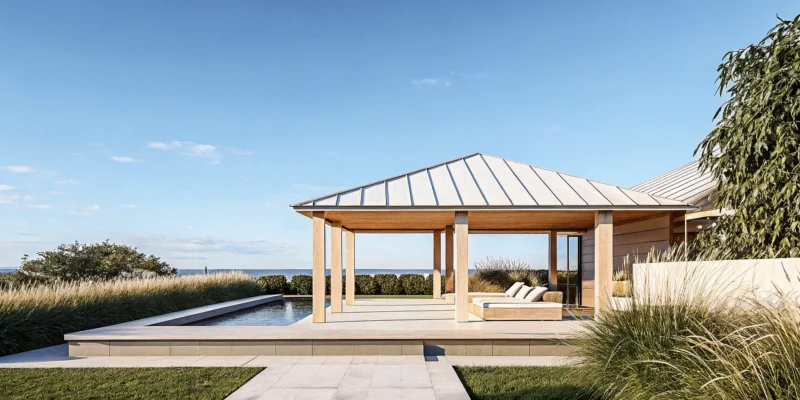
Your backyard should be a reflection of your personal style. A custom pavilion gives you a blank canvas to create an outdoor space that is uniquely yours, moving far beyond a simple patio or deck. You can design a rustic retreat with a stone fireplace, a sleek modern lounge for entertaining, or a poolside cabana for ultimate relaxation. The possibilities are defined by your vision and the details you choose to include. From integrated lighting and ceiling fans to full outdoor kitchens, the right features turn a simple structure into a luxurious escape. Finding a skilled pavilion builder Long Island is the key to bringing these custom ideas to life.
Key Takeaways
- A pavilion is a lifestyle investment: It creates a dedicated space for entertaining, extends your outdoor season by providing reliable shelter, and increases your home’s overall value.
- Customize your design for your needs: Define your space by choosing the right structure, selecting durable materials like wood or vinyl, and incorporating custom features such as an outdoor kitchen or built-in lighting.
- Partner with a trusted local builder: Select a contractor with local Long Island experience, a strong portfolio, and a transparent process that includes handling permits and providing clear contracts.
How Can a Pavilion Transform Your Long Island Home?
Adding a pavilion to your backyard is about more than just creating shade; it’s about fundamentally changing how you experience your outdoor space. A well-designed pavilion acts as an anchor for your landscape, creating a seamless transition between your home and your yard. It offers a sense of permanence and sophistication, turning an open lawn into a functional and inviting extension of your living area. For Long Island homeowners, this means more opportunities to enjoy our beautiful seasons, entertain guests, and make lasting memories right at home.
Create a Dedicated Space for Entertaining
Imagine having a designated spot for every outdoor occasion, from lively summer barbecues to quiet morning coffees. A pavilion carves out a dedicated area for entertainment, turning a simple yard into a personal retreat. It provides a comfortable, sheltered setting that invites guests to relax and stay awhile. Whether you envision a rustic structure for family dinners or an elegant space for hosting parties, custom pavilions and pergolas provide the perfect framework. This defined zone makes your outdoor gatherings feel more organized and special, giving you a go-to spot for making memories.
Enjoy Your Yard Year-Round
One of the biggest advantages of a pavilion is its ability to extend your outdoor season. Unlike a simple patio umbrella, a pavilion is a permanent structure with a solid roof designed to handle Long Island’s diverse weather. It offers reliable protection from the intense summer sun, unexpected rain showers, and even light snow. This means you can plan outdoor events with confidence, knowing you have a dependable shelter. By adding features like an outdoor fireplace or heaters, you can create a cozy atmosphere that allows you to enjoy your backyard well into the cooler months, making it a true year-round destination.
Add Value to Your Property
A beautiful, functional pavilion is not just an investment in your lifestyle; it’s an investment in your home’s value. For potential buyers, a high-quality outdoor living structure is a major selling point that sets your property apart. It signals a well-maintained and thoughtfully upgraded home, increasing its overall appeal and market price. When integrated into a cohesive landscape design, a pavilion completes your backyard vision and adds significant curb appeal. It’s a smart addition that provides years of enjoyment while also offering a tangible return on your investment.
Find Your Pavilion Style: Materials and Custom Options
Choosing a pavilion is an exciting process, and it’s much more than just picking a structure. It’s about designing a space that fits your lifestyle. The right combination of style, materials, and custom features will create an outdoor retreat you’ll love for years. Whether you envision a simple, shady spot for reading or a fully equipped hub for entertaining, your choices will define how you live in your backyard. Think of it as a blank canvas. You can create a rustic wooden escape, a sleek modern lounge, or anything in between.
At Gappsi, we specialize in building custom pavilions and pergolas that are tailored to your home and your vision. From the initial design to the final construction, we help you select the perfect elements. Let’s walk through the key decisions you’ll make to bring your ideal pavilion to life, starting with the overall structure and the materials that will stand up to Long Island’s weather.
Open-Air Pavilions
An open-air pavilion is the classic choice for creating a defined outdoor room without closing it off from nature. With a solid roof and sturdy support posts but no walls, it offers the perfect balance of shelter and connection to your surroundings. This style is incredibly versatile. You can place one by the pool to create a shady lounge area, set it on a patio for an alfresco dining spot, or position it in your garden as a peaceful retreat. It provides protection from the hot sun and light rain, extending the time you can comfortably spend enjoying your yard.
Enclosed Pavilions
If you’re looking for a true four-season outdoor room, an enclosed pavilion is an excellent option. These structures are built more like a small house, often featuring full or partial walls, windows, and even doors. An enclosed design gives you a protected space that feels like a natural extension of your home, safe from insects, wind, and unpredictable weather. This makes it the perfect spot for a cozy outdoor living room with comfortable furniture, a TV, or a dining area you can use year-round. It’s a significant project that adds functional square footage to your property, blending the lines between indoor comfort and outdoor living.
Attached vs. Freestanding Pavilions
Deciding where to place your pavilion is just as important as its style. An attached pavilion connects directly to your house, creating a seamless transition from your indoor living space to your outdoor patio or deck. This is a great choice if you want a covered area for grilling or dining just steps from your kitchen. A freestanding pavilion, on the other hand, can be placed anywhere in your yard. This allows you to create a destination, like a quiet hideaway in a garden corner or a lively hub next to your swimming pool. The right choice depends entirely on your property’s layout and how you imagine using the space.
Choose Materials Built for Long Island Weather
Your pavilion needs to withstand everything Long Island’s climate throws at it, from humid summers and salty air to cold, snowy winters. Selecting the right materials is key to ensuring your structure looks great and lasts for decades with minimal fuss. Gappsi offers a range of high-quality options designed for durability and style.
Pressure-Treated Wood
Pressure-treated pine is a popular and budget-friendly option that gives your pavilion a classic, natural look. The wood is infused with preservatives to resist rot and insects. While it’s a strong choice, it does require some maintenance, like periodic staining or sealing, to protect it from the elements and prevent warping over time.
Vinyl
For a low-maintenance solution, vinyl is tough to beat. Vinyl pavilions are wrapped in a durable layer that resists moisture, fading, and pests, so you’ll never need to paint or stain them. They come in a variety of clean, classic colors and are easy to clean with just soap and water, making them a practical choice for busy homeowners.
Aluminum
If you prefer a modern aesthetic, an aluminum pavilion is an excellent choice. Aluminum is lightweight yet incredibly strong and completely resistant to rust and corrosion, which is a huge plus in Long Island’s coastal environment. It offers clean lines and a sleek profile that complements contemporary home styles.
Customize with Built-In Features
The real magic happens when you start adding custom features that transform your pavilion from a simple shelter into a fully functional outdoor living space. These details are what make the structure uniquely yours and tailored to how you want to entertain, relax, and live. You can see how these elements come together in our Gappsi YouTube channel project showcases.
Outdoor Kitchens and Fire Features
Integrating an outdoor kitchen with a grill, sink, and countertops turns your pavilion into the ultimate spot for hosting. You can also add a fireplace or fire pit to create a warm, inviting atmosphere for cool evenings. Our masonry experts can build stunning stone and brick features that become the focal point of your space.
Lighting and Ceiling Fans
Don’t let the sunset end your time outdoors. Built-in lighting, from recessed fixtures to elegant chandeliers, allows you to enjoy your pavilion well into the evening. A ceiling fan is another must-have feature, providing a gentle breeze that keeps the space comfortable and cool on hot summer days.
Screens, Privacy Curtains, and Electrical Outlets
Simple additions can make a big difference in comfort and usability. Retractable screens can keep insects out without obstructing your view, while outdoor curtains can provide privacy and shade. We also recommend installing electrical outlets for ultimate convenience, so you can plug in speakers, charge your phone, or hang string lights.
What Does It Cost to Build a Pavilion in Long Island?
Let’s talk about one of the biggest questions on every homeowner’s mind: the budget. The cost of building a pavilion in Long Island can vary quite a bit, and there isn’t a single price tag that fits every project. Think of it like designing a custom piece of furniture. The final price depends on the size, the materials you choose, and any special features you add.
A simple, smaller pavilion will naturally cost less than a large, elaborate structure with all the bells and whistles. The key is to understand what drives the cost so you can make informed decisions that align with your vision and your budget. We’ll walk through the main factors that determine the final price of your outdoor oasis, helping you plan your project with confidence.
What Determines the Final Price?
The final cost of your pavilion comes down to three main things: its size and design, the materials you select, and any custom features you decide to include. Each choice you make will influence the overall investment.
Size and Layout
First, consider how you want to use the space. A pavilion is a functional extension of your home, so its size and layout are the biggest factors in its cost. A larger footprint requires more materials and labor, which increases the price. A simple square or rectangular design is generally more cost-effective than a complex, multi-level structure with intricate details. Think about whether you need space for a small seating area or a full dining set for entertaining large groups.
Materials and Finishes
The materials you choose for your pavilion set the tone for its style and durability, and they also play a major role in the budget. Pressure-treated wood is a classic and often affordable choice, while premium hardwoods, vinyl, or aluminum will have different price points. The same goes for finishes. The type of roofing you select and the materials for the flooring, like beautiful porcelain and natural stone pavers, will also affect the final cost. Your choices allow you to create a look that perfectly complements your home.
Custom Features and Add-Ons
This is where you can truly personalize your pavilion. Adding features like a built-in outdoor kitchen, a cozy fireplace, or integrated lighting and ceiling fans will make the space more functional and enjoyable, but they will also add to the cost. Other popular add-ons include electrical outlets for charging devices, privacy screens, or even pre-wiring for an outdoor sound system. These custom touches transform a simple structure into one of Gappsi’s signature pavilions and pergolas.
Do You Need a Permit for a Pavilion in Long Island?
Yes, in most cases, you will need a permit to build a pavilion in Long Island. Most towns and villages have specific regulations regarding the size and placement of outdoor structures. Failing to get the proper permits can lead to fines or even an order to remove the structure, which is a headache no one wants. It’s always best to check with your local building department before you start construction.
Working with an experienced builder who understands local codes is a huge advantage. A full-service company can handle the paperwork and ensure your project meets all requirements, giving you peace of mind. This is a standard part of any major home remodeling project, and it ensures your new pavilion is safe, compliant, and built to last.
How to Choose the Right Pavilion Builder in Long Island
Selecting a builder is the most important decision you’ll make for your pavilion project. A great pavilion is more than just a structure; it’s a long-term investment in your home and lifestyle. The right partner will guide you through every step, from initial design to final installation, ensuring the result is beautiful, functional, and built to last. A poor choice can lead to planning mistakes, budget overruns, and a final product that doesn’t quite match your vision.
To find a contractor you can trust, you need to do a little homework. Look for a team that not only has the right technical skills but also understands your goals for the space. You want a partner who listens, provides clear communication, and has a proven track record of success right here in Long Island. Taking the time to vet your options will give you peace of mind and help you create the backyard oasis you’ve always wanted.
Review Their Experience, Portfolio, and Local Knowledge
Your first step is to look at a builder’s history. How long have they been constructing outdoor structures in Long Island? An experienced builder will have a deep portfolio of completed projects you can review. Ask to see examples of their pavilions and pergolas to get a feel for their style and craftsmanship. This is your chance to see if their work aligns with your vision.
Beyond a pretty portfolio, local knowledge is key. A builder familiar with Nassau and Suffolk counties will understand the specific weather challenges and building codes. They can recommend materials that stand up to coastal air and heavy snow, ensuring your pavilion remains a beautiful feature for years to come.
Ask for Clear Contracts, Timelines, and Costs
A professional builder will always provide a detailed, written contract. This document should clearly outline the project scope, a complete cost breakdown, and an estimated timeline. Vague agreements are a red flag. Your contract is your protection, so make sure everything from material choices to payment schedules is included before you sign.
It’s also important to discuss permits. Most towns in Long Island require a permit for a structure of a pavilion’s size, and a reputable builder will handle this process for you. Failing to secure the right permits can result in fines or even a removal order. A trustworthy home improvement company will manage these details, so you can focus on the exciting parts of the project.
Find a Full-Service Design and Build Partner
Working with a full-service company that offers both design and construction services can make the entire process much smoother. When your designer and builder are on the same team, communication is streamlined and there’s less room for error. Your vision is carried through from the initial sketch to the final build without getting lost in translation between separate contractors.
This integrated approach means one point of contact and one team responsible for the entire project. Gappsi, for example, can help you custom design a structure that perfectly fits your space and needs. This ensures a cohesive workflow and a final result that is exactly what you imagined, from the foundation to the finishing touches.
Why Choose Gappsi for Your Pavilion Project
When you put all the pieces together, Gappsi stands out as a premier choice for Long Island homeowners. With decades of experience serving Nassau and Suffolk counties, we have an unmatched understanding of local architecture and environmental conditions. Our team handles everything in-house, from custom design and permit applications to construction and final landscaping, providing a seamless and stress-free experience.
We don’t just build pavilions; we create complete outdoor living environments. Whether you want to add an outdoor kitchen, a cozy fireplace, or integrate your new pavilion with a pool or patio, our experts can bring it all together. You can see the quality and scope of our work for yourself by exploring the projects on our Gappsi YouTube channel.
Related Articles
Frequently Asked Questions
What’s the real difference between a pavilion and a pergola? That’s a great question, as the terms are often used together. The main difference is the roof. A pavilion has a solid, continuous roof that provides full protection from sun and rain, creating a true outdoor room. A pergola, on the other hand, has a slatted or open-rafter roof designed to offer partial shade and support climbing plants, giving it a more open and airy feel.
How much maintenance should I expect with my new pavilion? The level of maintenance really depends on the material you choose. Vinyl and aluminum are fantastic low-maintenance options that just need occasional cleaning with soap and water to look fresh. Pressure-treated wood has a beautiful, classic look but will require a bit more care. You’ll want to plan on periodically staining or sealing it to protect the wood from moisture and sun, ensuring it stays strong and beautiful for years.
Can you build a pavilion on my existing patio? In many cases, yes, a pavilion can be built on an existing patio or foundation. However, the most important step is for our team to inspect the current slab or footings. We need to ensure the foundation is strong enough to support the weight of the new structure. We will assess its condition and thickness to confirm it’s a safe and suitable base for your new pavilion.
How long does the entire process take, from design to completion? The timeline for a pavilion project can vary depending on a few factors. A simple, straightforward design might be completed in several weeks, while a more complex, custom structure with features like an outdoor kitchen could take a few months. The permitting process with your local town, material availability, and weather can also influence the schedule. We provide a clear, estimated timeline in our contract once the design is finalized.
I love these ideas. What’s the first step to start planning a pavilion project? The best way to begin is by scheduling a consultation with our design team. This gives us a chance to talk about your vision, see your space, and understand how you want to use your new outdoor area. We can discuss different styles, materials, and custom features that fit your home and your budget. From there, we can start creating a design that brings your dream backyard to life.