


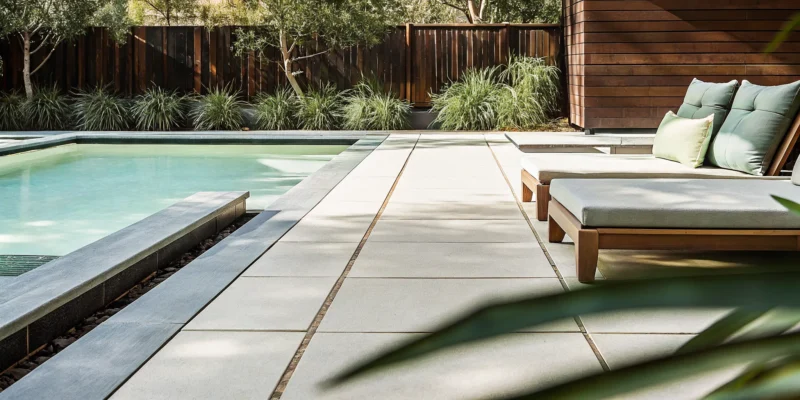
A new patio is more than just an addition to your home; it’s an investment in your lifestyle. When you’re planning your budget, it’s easy to focus on the initial price tag. However, the true cost of a patio includes the time, money, and effort you’ll spend on it over the years. Cheaper materials often lead to expensive repairs and constant maintenance, from sealing surfaces to fixing shifted stones. By choosing quality from the beginning, you protect your investment and ensure your outdoor space remains a source of enjoyment, not stress. This guide will help you understand the long-term value of selecting the best low maintenance patio pavers Long Island has to offer, creating a beautiful, durable patio that pays for itself in peace of mind.
Key Takeaways
- Prioritize long-term value over initial price: Investing in high-quality materials like porcelain or granite saves you from future costs and constant upkeep, giving you a patio you can actually relax on instead of work on.
- Choose materials built for our climate: Pavers with low water absorption, such as porcelain or dense natural stone, are crucial for resisting damage from Long Island’s freeze-thaw cycles and salty coastal air.
- A professional installation is non-negotiable: The success of your patio depends on the work underneath; a compacted base, correct slope for drainage, and polymeric sand in the joints are what prevent sinking, shifting, and weed growth.
Why Choose Low-Maintenance Pavers for Your Long Island Patio?
Your patio should be a place for relaxation and making memories, not a source of constant work. Choosing the right materials is the first step toward creating an outdoor space you can simply enjoy. Low-maintenance pavers are designed to give you that freedom. They are incredibly strong, maintain a clean look, and don’t require a lot of upkeep. Because they are dense and durable, they naturally resist stains, handle harsh weather, and need very little cleaning or sealing over their lifespan.
Think of it as an investment in your time. Instead of spending sunny weekends scrubbing away mildew or pulling weeds from between cracked stones, you could be hosting a barbecue or reading a book. For Long Island homeowners, this is especially important. Our climate demands materials that can stand up to the elements without demanding your constant attention. By selecting high-quality, low-maintenance pavers from the start, you ensure your patio remains a beautiful and functional extension of your home for years to come. At Gappsi, we specialize in sourcing and installing a wide variety of beautiful and durable porcelain and natural stone pavers perfect for any style.
How Long Island Weather Impacts Your Patio
Long Island’s weather, with its freezing winters and humid summers, can be tough on outdoor materials. The constant freeze-thaw cycles are particularly challenging, causing moisture to seep into porous stones, freeze, expand, and eventually lead to cracks and shifting. This is why material selection is so critical for a lasting patio. You need pavers that are strong enough to endure these demanding conditions without breaking down.
Materials like porcelain and granite are excellent choices for our climate because they have very low porosity. This means they absorb minimal water, making them highly resistant to the damage caused by freezing and thawing. Choosing a durable material ensures your patio won’t just survive the winter, it will look just as good when the snow melts in the spring.
The Hidden Costs of Traditional Pavers
Opting for cheaper, lower-quality pavers might seem like a good way to save money upfront, but it often leads to expensive problems down the road. Homeowners who choose the wrong materials or attempt a DIY installation often face issues like sinking pavers, shifting borders, and uneven surfaces that become tripping hazards. These problems are more than just an eyesore; they can compromise the safety and structure of your entire patio.
One of the biggest culprits is poor drainage. When water doesn’t have a clear path to run off, it pools beneath the pavers, weakening the foundation and causing them to sink and move over time. Correcting these common paver installation mistakes can be costly and time-consuming. Investing in quality materials and professional masonry installation from the beginning protects you from these hidden costs and ensures your patio is built to last.
Top Low-Maintenance Pavers for Long Island Homes
Choosing the right material for your patio is a big decision, but it doesn’t have to be a complicated one. The key is finding a paver that matches your home’s style and can stand up to Long Island’s weather without demanding constant attention. Here are four of the most popular and reliable low-maintenance paver options we recommend to our clients. Each one offers a unique blend of durability and design, ensuring your outdoor space looks great for years to come.
Porcelain Pavers
If you love a clean, contemporary look, porcelain pavers are an excellent choice. They are incredibly dense and non-porous, which means they resist stains, mold, and moisture without needing a sealer. This makes them perfect for poolside patios or outdoor dining areas where spills are common. Because they don’t absorb water, they hold up exceptionally well during our freeze-thaw cycles. A simple wash with soap and water is usually all it takes to keep porcelain pavers looking brand new, giving you a truly low-effort, high-reward patio surface.
Granite Pavers
For a patio that is as tough as it is beautiful, granite is hard to beat. This natural stone is known for its incredible strength and durability, easily resisting scratches, chipping, and heavy foot traffic. Granite pavers have a very low absorption rate, so they won’t easily stain from things like spilled drinks or fallen leaves. They stand up to harsh weather, from intense summer sun to icy winters, without fading or degrading. Granite offers a timeless, high-end look that adds significant value and character to any outdoor living space.
Natural Bluestone Pavers
Natural bluestone offers a classic and elegant look that complements many Long Island homes. Its signature blue-gray tones create a beautiful, organic surface that feels both sophisticated and welcoming. As a dense natural stone, bluestone is inherently durable and can withstand our region’s changing weather with ease. While it requires minimal upkeep, its natural texture provides good slip resistance, making it a safe and practical choice for walkways and patios. With its enduring appeal, a natural stone patio made of bluestone is a long-term investment in your home’s beauty.
Concrete Pavers
Concrete pavers are a versatile and budget-friendly option that comes in a huge range of shapes, colors, and textures. You can find styles that mimic natural stone, brick, or cobblestone, allowing for complete design flexibility. When installed correctly and sealed, concrete pavers are incredibly durable. A quality sealer helps them shed stains and makes cleaning as simple as a quick rinse with a hose. This protective layer is key to their low-maintenance profile, and periodic cleaning and sealing will keep them looking their best through every season.
Comparing the Cost: Low-Maintenance vs. Traditional Pavers
Let’s talk about the numbers. When you’re planning a new patio, the budget is always a top consideration. It’s tempting to look at the initial price tag of traditional pavers and see a clear winner. But the true cost of a patio isn’t just what you pay on day one. It’s about the total investment over the life of your outdoor space. A beautiful patio should be an asset, not a constant drain on your time and wallet.
Choosing between low-maintenance and traditional pavers is a classic case of upfront cost versus long-term value. While some materials may require a larger initial investment, they can save you a significant amount of money and effort down the road. We work with a wide variety of high-quality porcelain and natural stone pavers that offer incredible durability and style, giving you a space you can enjoy for years without constant upkeep. Let’s break down how to think about the costs so you can make the best decision for your home.
Understanding Upfront Cost vs. Long-Term Value
Traditional pavers, like basic concrete, often have a lower purchase price. This can make them seem like the most budget-friendly option at first glance. However, they come with ongoing maintenance costs. You’ll need to factor in the expense of regular power washing to remove stains, as well as periodic sealing to protect them from moisture and wear. Over time, these costs add up. If a sealant fails, you might even need professional restoration and sealing services to bring your patio back to life.
In contrast, low-maintenance materials like porcelain pavers may have a higher upfront cost, but their long-term value is unmatched. Porcelain is non-porous, so it naturally resists stains, mold, and moisture without ever needing to be sealed. This means you’ll spend less time and money on cleaning and upkeep, giving you a patio that stays beautiful with minimal effort.
What Factors Influence Paver Pricing in Long Island?
The final price of your patio project is influenced by more than just the paver material itself. Here on Long Island, several factors come into play. The specific brand and quality of the paver make a difference; for example, premium pavers often include special finishes for enhanced slip resistance and a more refined appearance. The complexity of the design also affects the cost, as intricate patterns require more labor and precision from our masonry team.
Additionally, the condition of your property determines the amount of site preparation needed, including excavation and building a solid base. The size and thickness of the pavers can also impact the price. We help you consider all these variables to find a solution that aligns with your vision and provides lasting value for your home.
Your Checklist for Choosing the Right Pavers
Choosing the right pavers for your patio, walkway, or driveway is a big decision. It’s not just about picking a color you like. The materials you select will define the look of your outdoor space and determine how much time you spend maintaining it for years to come. With so many options out there, it’s easy to feel overwhelmed. But don’t worry, I’m here to help you make a choice you’ll be happy with. Think of this as your personal checklist for finding the perfect pavers for your Long Island home.
We’ll walk through the most important factors to consider, from durability against our specific weather patterns to finding a style that complements your home’s architecture. Your patio is an investment in your home and your lifestyle, so it’s worth taking the time to get it right. By focusing on quality materials and expert installation, you can create a beautiful, long-lasting outdoor area that becomes your favorite spot to relax and entertain. Gappsi offers a wide selection of high-quality porcelain and natural stone pavers to fit any design vision. Let’s get started on finding the best fit for you.
Durability Against Freeze-Thaw Cycles
Here on Long Island, our weather can be tough on outdoor materials. The constant cycle of freezing and thawing during the winter months is a major challenge for pavers. Water seeps into porous stones, and when it freezes, it expands, causing pressure that can lead to cracks, chips, and spalling. That’s why selecting pavers that are strong and can last a long time is non-negotiable. Materials with low water absorption rates, like porcelain and high-density concrete pavers, are excellent choices because they prevent water from penetrating the surface in the first place. This inherent durability ensures your patio will withstand our harsh winters and look great for many seasons.
Resistance to Salt Air and Coastal Weather
If you live near the coast, you know that the salty air is part of the Long Island charm. Unfortunately, that same salt can be corrosive to certain building materials. Salt air can cause pitting and accelerate the breakdown of weaker pavers over time, leaving them looking worn and faded. When making your selection, it’s important to choose materials that can handle Long Island’s changing weather and salt air. Non-porous options like porcelain are naturally resistant to salt. For natural stone, applying a high-quality sealant can provide a protective barrier. Our restoration and sealing services can help protect your investment from the effects of coastal weather.
Proper Drainage and Weed Prevention
The pavers themselves are only one part of a successful patio project. Proper installation is just as critical for longevity and low maintenance. A well-built patio starts with a solid foundation. Good excavation and a compacted base create strong ground support and ensure water drains away from the surface, preventing pooling and shifting. To keep your patio looking pristine, we finish the installation by filling the joints with polymeric sand. This special sand hardens to lock the pavers in place, creating a flexible yet durable surface that effectively prevents weeds from growing through the cracks. This professional masonry technique is key to a lasting, beautiful result.
A Safe, Slip-Resistant Surface
Safety should always be a top priority, especially for surfaces around a swimming pool or high-traffic walkways. The last thing you want is a patio that becomes dangerously slick when wet. Fortunately, you don’t have to choose between safety and style. Many modern pavers are designed with textured surfaces that provide excellent grip without feeling rough underfoot. For example, certain paving stones offer great slip resistance with a surprisingly smooth appearance. When planning your swimming pool deck, be sure to ask about the slip-resistance rating of any paver you’re considering to ensure a safe environment for your family and guests.
Finding the Perfect Style for Your Home
Finally, your pavers should be a beautiful extension of your home. The right material will complement your home’s architectural style and your personal taste. For a sleek, contemporary look, porcelain pavers offer clean lines and consistent color with minimal maintenance. If you prefer a more classic or rustic feel, natural stone like bluestone or granite provides timeless beauty with unique variations in every piece. Think about the overall atmosphere you want to create. Do you envision a modern outdoor lounge or a charming, traditional garden patio? You can even visit the Gappsi Store to see samples and find the perfect match for your vision.
A Look at the Paver Installation Process
Choosing the perfect pavers is exciting, but the real magic happens during installation. A beautiful, durable patio that stands the test of time is built on a foundation of expert craftsmanship. Think of it like baking a cake: you can have the best ingredients in the world, but if you don’t follow the recipe, you won’t get the result you want. The same is true for your patio. Each step, from preparing the ground to the final finishing touches, plays a vital role in creating a stable and stunning outdoor space.
At Gappsi, our masonry construction process is meticulous because we know that what’s underneath your pavers is just as important as the pavers themselves. A proper installation prevents common issues like sinking, shifting, and drainage problems that can turn a dream patio into a headache. Understanding these key steps will help you appreciate the skill involved and ensure you know what to look for in a quality installation. Let’s walk through the essential stages that transform a patch of your yard into a beautiful, functional extension of your home.
Preparing the Ground and Compacting the Base
The success of any paver project starts from the ground up. Before a single paver is laid, the site needs to be properly prepared. This is where the heavy lifting happens, and it’s a step that absolutely cannot be rushed. The process begins with excavation, where we dig out the area to create enough depth for a stable foundation. A deeper dig allows for the necessary layers of material that will support the entire patio structure for years to come.
Once excavated, we build a multi-layered base, typically using a specific grade of crushed stone aggregate. Each layer is carefully compacted to create a solid, interlocking foundation that won’t shift or settle over time. Neglecting proper site preparation is one of the most common installation mistakes, as a weak base will eventually lead to an uneven surface and wobbly pavers.
Laying Pavers with the Correct Slope
Water is a patio’s biggest enemy if not managed correctly. That’s why creating the right slope is a non-negotiable part of the installation process. While it might sound strange to install a patio that isn’t perfectly level, a very slight, almost imperceptible grade is essential for proper drainage. This gentle slope directs rainwater and melting snow away from your home’s foundation and prevents it from pooling on the paver surface.
Ignoring drainage can weaken the foundation of your patio, leading to erosion, sinking pavers, and tripping hazards. It’s especially critical for poolside patios, where managing water is a top priority for safety and longevity. Our team uses precision tools to engineer the correct slope, ensuring your patio not only looks great but also effectively handles Long Island’s weather.
Finishing with Polymeric Sand and Sealing
The final steps of the installation process are what lock everything together and give your patio a polished look. After the pavers are laid in their pattern, the joints between them must be filled. We use a special material called polymeric sand, which is a fine sand blended with a polymer that hardens when activated with water. This is a critical step because it locks the pavers firmly in place, preventing them from shifting.
Using the correct jointing sand also helps prevent weeds from growing up between the pavers and deters ants from making a home in your patio. Once the sand is swept into the joints and set, your patio is nearly complete. For added protection and to enhance the color of your pavers, we can also apply a professional-grade sealant. This final touch helps your patio resist stains and makes future cleaning even easier.
Common Paver Installation Mistakes to Avoid
Choosing the perfect pavers for your patio is exciting, but the long-term success of your project truly depends on the quality of the installation. Even the most beautiful porcelain and natural stone pavers can fail if they aren’t installed correctly. A flawless installation ensures your patio, walkway, or driveway not only looks stunning but also withstands Long Island’s weather for decades. Unfortunately, a few common missteps can lead to shifting, sinking, and drainage problems down the road, turning your dream patio into a source of frustration. These issues are not just cosmetic; they can create unsafe surfaces and lead to more costly repairs in the future.
Knowing what these mistakes are can help you understand the importance of a professional process. From preparing the ground beneath the pavers to the final finishing touches, every step is critical for creating a stable and durable surface that you can enjoy for years. When you partner with an experienced team, you can rest assured that your investment is protected from these preventable issues. Our masonry design and construction experts at Gappsi have seen it all, and we make sure every project is built to last by avoiding these common pitfalls from the very start.
Failing to Prepare the Site and Soil
You cannot build a strong house on a weak foundation, and the same is true for a paver patio. One of the most frequent installation mistakes is neglecting proper site preparation. This involves more than just clearing the area. A professional installation requires excavating the soil to the correct depth and building a solid base of compacted aggregate. This base is what provides stability and prevents the pavers from shifting or sinking over time. Without a properly compacted and level foundation, your beautiful paver pattern can quickly become uneven, creating an unattractive and unsafe surface.
Creating Poor Drainage
Water is a patio’s biggest enemy if it has nowhere to go. Ignoring proper drainage can cause serious headaches, as it weakens the foundation and leads to major issues. In Long Island, our freeze-thaw cycles make this even more critical. Trapped water can freeze and expand, pushing pavers upward and creating tripping hazards. A correctly installed patio will always include a slight, almost imperceptible slope that directs water away from your home’s foundation and off the paver surface. This simple but essential step is key to preventing erosion, sinking, and long-term water damage to your outdoor living space.
Using Incorrect Joint Filling Techniques
Filling the joints between pavers might seem like a minor detail, but it is a critical step that locks the entire system together. The material used to fill these gaps, typically polymeric sand, hardens to create a firm bond that prevents pavers from shifting. It also acts as a powerful barrier against weeds and insects. A common mistake is using regular sand, which can easily wash out, or applying polymeric sand improperly, which can leave a permanent haze on your pavers. When done correctly, this final touch ensures your patio remains stable, secure, and easy to maintain for years to come.
What “Low-Maintenance” Really Means for Your Patio
When you hear “low-maintenance,” it’s easy to think “no-maintenance,” but that’s not quite the case. A low-maintenance patio simply means you get to spend more time enjoying it and less time working on it. These patios are built with strong, resilient materials that resist stains, handle Long Island’s weather with ease, and don’t require constant cleaning or sealing. The key is choosing the right porcelain and natural stone pavers and ensuring they are installed correctly from the start. This combination gives you a beautiful outdoor space that asks for very little in return.
Your Year-Round Paver Care Routine
Keeping your low-maintenance patio looking its best is straightforward and doesn’t require a whole weekend. Your main tasks are to sweep away leaves and debris regularly to prevent staining and rinse the surface with a hose a few times a year. It’s also a good idea to inspect the sand-filled joints annually to ensure they are intact. For most pavers, applying a quality sealant every three to five years will protect them from the elements and keep their color vibrant. If you prefer a hands-off approach, our professional restoration and sealing services can handle this for you, ensuring your patio stays in top condition.
To Seal or Not to Seal: When and Why
The question of sealing depends entirely on the paver material you choose. Porcelain pavers are the clear winner for minimal upkeep because their non-porous surface requires no sealing at all. They naturally resist moisture, stains, and fading. For other materials like natural stone or concrete pavers, sealing is a highly recommended step. A good sealant acts as a protective barrier, preventing water penetration, warding off oil and food stains, and making everyday cleanup much easier. It also helps protect the pavers from salt damage during our coastal winters and can enhance their natural color.
How to Keep Joints Clean and Weed-Free
Weeds sprouting between pavers are a common frustration, but this problem is easily solved with proper installation. The secret lies in the joints. Filling the spaces between pavers is a critical step that is often overlooked. Instead of using basic sand that can wash away and invite weeds, we use a special polymeric sand. This advanced filler hardens after it’s activated with water, locking the pavers firmly in place and creating a durable barrier that stops weeds from growing through. This is a standard part of a professional masonry installation and is essential for creating a truly low-maintenance surface.
Common Myths About Low-Maintenance Pavers
When you hear “low-maintenance,” it’s easy to imagine a patio that takes care of itself. While these modern pavers are designed to make your life easier, there are a few common misconceptions floating around. Let’s clear up what “low-maintenance” really means so you can choose your materials with confidence.
Myth: “Low-Maintenance Means No Maintenance”
This is probably the most common myth we hear. While low-maintenance pavers are incredibly resilient and don’t require constant upkeep, they aren’t completely self-sufficient. Think of it like a car that runs great, it still needs an occasional wash to look its best. A simple sweep to clear leaves and debris or a quick rinse with a hose is often all you need to keep your patio looking fresh. For deeper cleans or addressing stubborn stains down the road, professional restoration and sealing services can keep your investment pristine for years. The goal is less work for you, not zero work forever.
Myth: “All Durable Pavers Look the Same”
It’s a common misconception that choosing a durable paver means you have to settle for a plain, industrial look. Thankfully, that couldn’t be further from the truth. Today’s pavers come in a stunning variety of styles, colors, and textures that can match any home aesthetic, from classic and rustic to sleek and modern. You can find materials that mimic natural stone or offer a clean, contemporary finish. You don’t have to sacrifice beauty for strength. Our extensive selection of porcelain and natural stone proves that you can have a patio that is both incredibly tough and uniquely stylish.
Myth: “Sealing Is Always Necessary”
Many homeowners believe that sealing pavers is a mandatory step, but this really depends on the material you choose. For example, porcelain pavers are a top choice for minimal upkeep because their non-porous surface resists moisture, stains, and mildew without any sealant. Other materials, like certain types of natural stone or concrete pavers, can benefit from sealing to enhance their color and add a layer of protection against stains and weathering. The decision to seal is a choice, not a requirement for every patio. Our masonry experts can walk you through the pros and cons for your specific paver selection.
Design Inspiration for Your Paver Patio
Choosing the right low-maintenance pavers is the foundation of a great patio, but the design is what truly brings your outdoor space to life. With a little creativity, your patio can become a seamless extension of your home, reflecting your personal style and how you love to live. It’s not just about laying down stones; it’s about creating an atmosphere. Think about how you want to use the space, whether for quiet morning coffees, lively family barbecues, or peaceful evenings under the stars. The right design elements can define different areas, add visual interest, and make your patio feel like a custom-designed outdoor room. Here are a few ideas to get you started.
Create a Complete Outdoor Room with a Pergola
A pergola is one of the best ways to transform a simple patio into a true outdoor living space. It adds a vertical dimension and a sense of enclosure, creating a cozy and defined area for dining or lounging without completely blocking the beautiful Long Island sky. Pergolas provide welcome shade on sunny days and serve as a stylish focal point for your backyard. You can hang string lights for ambiance, grow climbing plants for a touch of green, or even install an outdoor fan for extra comfort. Adding one of Gappsi’s custom pavilions and pergolas can instantly make your patio feel more intentional and inviting, turning it into your family’s favorite gathering spot.
Select the Best Pavers for Your Poolside Deck
When your patio surrounds a swimming pool, your paver choice is about both style and safety. You need a surface that is slip-resistant, stays relatively cool underfoot, and can handle splashes from chlorine or saltwater. For a sleek, modern look with minimal upkeep, porcelain pavers are an excellent choice. They are incredibly durable, non-porous, and resistant to stains and fading, making them perfect for a high-traffic pool area. Their consistent color and texture provide a clean, sophisticated backdrop for your swimming pool. By selecting pavers specifically designed for poolside use, you get peace of mind knowing your deck is as functional as it is beautiful.
Mix in Natural Stone for a Custom Look
To give your patio a truly unique and high-end feel, consider mixing materials. Combining manufactured pavers with natural stone creates a custom look full of texture and character. You can use a contrasting stone, like bluestone or granite, to create an elegant border around your patio or to design an intricate inlay pattern in the center. This technique can also help define different zones, for instance, using natural stone for a walkway that leads to a paver dining area. Our masonry experts can help you pair different materials to complement your home’s architecture and create a one-of-a-kind outdoor space that feels both timeless and personal.
Related Articles
- Top 5 Porcelain Paver Installers on Long Island
- Best Pool Deck Stone by a Long Island Patio Contractor
- Natural Stone Pavers Long Island Outdoor Living
Frequently Asked Questions
Which paver material requires the least amount of work? If your goal is the absolute minimum upkeep, porcelain pavers are the clear winner. Because they are non-porous, they don’t need to be sealed to resist stains, mold, or moisture from Long Island’s humid summers. A simple rinse with soap and water is typically all that’s needed to keep them looking brand new. While other materials like granite and bluestone are also very durable, porcelain is in a class of its own for effortless maintenance.
What’s more important for a lasting patio: the paver material or the installation? This is a great question, and the honest answer is that they are equally important. Think of it this way: even the strongest, most expensive paver will fail if it’s placed on a weak or poorly prepared foundation. A proper installation, which includes deep excavation, a compacted base, and correct drainage, is what prevents sinking and shifting. The paver material determines the look and surface durability, but the installation determines the structural integrity of your entire patio for years to come.
How do you stop weeds from growing between pavers? Weed prevention is all about the installation technique. The key is to use polymeric sand to fill the joints between the pavers. Unlike regular sand that can wash away, polymeric sand contains a special additive that hardens when wet. This process locks the pavers together and creates a solid, flexible barrier that makes it very difficult for weeds to sprout through the cracks. It’s a critical finishing step for a truly low-maintenance patio.
My home is near the coast. Are there specific pavers I should consider? Yes, living near the water means you should pay extra attention to your material choice. The salt in the air can be corrosive and cause some materials to pit or degrade over time. Porcelain pavers are an excellent choice for coastal homes because their non-porous surface is naturally resistant to salt. Dense natural stones like granite also hold up very well. If you choose a more porous stone, applying a high-quality sealant is a great way to add a protective layer against the coastal elements.
How much more expensive are low-maintenance pavers compared to traditional ones? While materials like porcelain or natural stone can have a higher upfront purchase price than basic concrete pavers, it’s important to look at the total cost over time. Traditional pavers often require regular professional cleaning and sealing to keep them from staining and deteriorating, and those maintenance costs add up. With a low-maintenance paver, you save significant money and time on upkeep over the life of your patio, making it a better long-term investment in your home.