


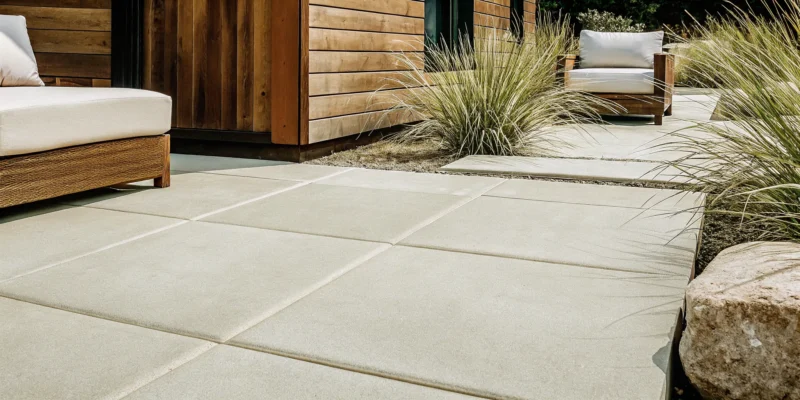
Your patio is the heart of your outdoor living space, the stage for everything from kids’ birthday parties to quiet evenings with friends. The experience should be about enjoyment, not anxiety. You shouldn’t have to worry about someone slipping near the pool or taking a fall on a dewy morning. Building a truly functional and relaxing backyard starts from the ground up with a safe foundation. By prioritizing safety in your material selection, you ensure your outdoor oasis is a source of joy for years to come. Let’s explore the top slip resistant patio pavers Long Island families are using to create beautiful, worry-free spaces.
Key Takeaways
- Focus on Function for a Safer Patio: Your paver’s safety performance in wet or icy conditions is critical. Prioritize materials with low water absorption rates and textured surfaces, like porcelain, to prevent slips and resist damage from Long Island’s freeze-thaw cycles.
- Factor in Maintenance When Budgeting: The initial price is only part of the story. While porcelain may cost more upfront, it saves you money and effort in the long run by not requiring the regular sealing and intensive cleaning that materials like concrete need.
- Protect Your Investment with Proper Installation: Even the best pavers will fail on a poor foundation. Professional installation guarantees a stable base and correct drainage, which is essential for preventing shifting, cracking, and dangerous tripping hazards down the road.
Why Slip Resistance Is a Must for Your Patio
Your patio should be a place for relaxation and making memories, not a space where you have to worry about every step. When you’re hosting a summer barbecue or just enjoying a quiet morning coffee, the last thing you want on your mind is the risk of a slip or fall. That’s why choosing a slip-resistant paver isn’t just a design choice; it’s a fundamental part of creating a safe and functional outdoor living area for your family and guests.
On Long Island, we see it all: summer rain showers, humid mornings with heavy dew, and icy winter days. These conditions can make any outdoor surface slick and hazardous. The right patio material provides the traction you need to feel secure, no matter the weather. By prioritizing safety from the start, you ensure your beautiful new patio is a source of enjoyment for years to come. Gappsi’s expertise in masonry and patio design focuses on combining stunning aesthetics with practical, safe materials that stand up to the local climate, giving you total peace of mind. We believe a great design is one that looks incredible and keeps everyone safe, blending form and function seamlessly into your backyard.
How Long Island Weather Affects Patio Safety
Long Island’s weather patterns present a unique challenge for outdoor materials. We experience frequent freeze-thaw cycles, where moisture seeps into surfaces, freezes, expands, and then thaws. This process can wreak havoc on porous pavers, causing them to crack, spall, and create uneven, dangerous surfaces over time. A compromised paver isn’t just an eyesore; it’s a tripping hazard waiting to happen.
This is where material selection becomes critical. For example, porcelain pavers are exceptionally well-suited for our climate because they absorb less than 0.5% of water. With almost no water getting into the material, there’s virtually no risk of it freezing, expanding, and causing damage. This inherent durability ensures your patio remains smooth, stable, and safe through countless winters.
Where You Need Slip Resistance Most
While patios are a top priority, they aren’t the only area where slip resistance is crucial. Think about all the high-traffic zones around your home that are exposed to the elements. Pool decks are the most obvious example, as they are constantly wet and see a lot of barefoot traffic. A slip-resistant surface around your swimming pool is non-negotiable for safety.
Walkways and entryways also need secure footing, especially since they can become slick with morning dew, rain, or frost. Even your driveway can benefit from slip-resistant pavers, providing better traction for both people and vehicles. Modern materials like outdoor porcelain pavers are designed with textured surfaces that provide excellent grip, giving you confidence with every step, even when the ground is wet.
What Makes a Paver Slip-Resistant?
A paver’s ability to prevent slips isn’t based on just one feature. It’s a combination of material science, texture, and how the paver handles moisture. Understanding these three elements will help you choose a surface that is both beautiful and safe for your family. When you’re selecting materials for your new patio, pool deck, or walkway, paying attention to these details makes all the difference, especially during a wet Long Island spring or an icy winter.
What Is a COF Rating?
The Coefficient of Friction, or COF, is a technical term for a very simple concept: how much grip a surface has. It’s a rating that measures the resistance between two objects, in this case, your shoe and the paver. A higher COF rating means more friction and better slip resistance. This is especially important for outdoor surfaces that are frequently exposed to rain, pool splashes, or morning dew. Materials like porcelain pavers are engineered with textured surfaces that earn high COF ratings, making them a reliable choice for keeping your footing secure, even when the pavers are wet.
How Texture and Finish Impact Safety
Beyond technical ratings, the physical texture of a paver plays a huge role in its safety. A smooth, glossy surface might look sleek, but it can become incredibly slippery when wet. For outdoor spaces, you should always look for pavers with a textured finish. Options like brushed, tumbled, or naturally cleft stone provide an uneven surface that gives your feet more to grip onto. This texture creates tiny ridges and valleys that channel water away and increase the surface area for contact, which is essential for stability. The right masonry design incorporates both beauty and practical safety, ensuring your patio is as functional as it is stunning.
Why Water Absorption and Freeze-Thaw Cycles Matter
On Long Island, we know our weather can be tough on outdoor materials. The freeze-thaw cycle, where water seeps into pavers, freezes, expands, and then thaws, can cause significant damage. Pavers with high water absorption rates are prone to cracking and spalling from this cycle, creating uneven and unsafe surfaces. That’s why a paver’s absorption rate is a critical safety factor. Materials like porcelain are ideal because they absorb almost no water, less than 0.5%. This means there’s no water to freeze, expand, and cause damage, ensuring your patio remains intact and safe for years. Proper restoration and sealing can also protect more porous stones from moisture.
Best Slip-Resistant Pavers for Long Island Patios
When you’re ready to choose the perfect material for your patio, safety should be at the top of your list, right alongside style and durability. For Long Island homeowners, this means selecting pavers that can handle everything from summer rainstorms to icy winter mornings without turning your beautiful outdoor space into a slip-and-slide. The good news is that you don’t have to sacrifice aesthetics for function. The best slip-resistant pavers combine texture, low water absorption, and high-quality materials to give you a secure and stunning surface that provides peace of mind for your family and guests.
Three standout options consistently perform well in our climate: porcelain, textured concrete, and natural stone. Each one offers a unique blend of benefits, and the right choice for you will depend on your home’s style, your maintenance preferences, and how you plan to use the space. Whether you’re designing a serene poolside lounge, a bustling entertainment area, or a simple, elegant walkway, there’s a slip-resistant paver that fits your vision. We’ll explore the specific advantages of porcelain and natural stone as well as textured concrete to help you make a confident decision for your home.
Porcelain Pavers
Porcelain pavers are a fantastic choice for outdoor patios, especially in areas that see a lot of moisture. Because they are non-porous, they absorb very little water, which helps prevent the slick, icy buildup that can occur during Long Island’s freeze-thaw cycles. Their textured surfaces are specifically engineered for grip and are rated to be highly slip-resistant even when wet. This makes them an ideal material for pool surrounds and uncovered patios. Beyond safety, porcelain pavers are incredibly low-maintenance. They resist stains, scratches, and fading, so your patio will continue to look great for years with minimal effort.
Textured Concrete Pavers
Concrete pavers offer a world of design versatility, but it’s important to choose the right finish for safety. A smooth, sealed concrete surface can become quite slippery, particularly after a rain shower or when sealed with a high-gloss finish. To get the best of both worlds, opt for textured concrete pavers. The texture provides the necessary grip underfoot to reduce the risk of slips and falls. This makes them a much safer choice for any outdoor space. With a wide range of colors, shapes, and patterns available, textured concrete is a reliable and customizable masonry solution for creating a safe and stylish patio.
Natural Stone (Bluestone and Granite)
There’s a timeless beauty to natural stone that’s hard to replicate, and options like bluestone and granite are excellent for slip-resistant patios. These stones are known for their incredible strength and durability, easily handling harsh weather without cracking or fading. Their naturally varied and textured surfaces provide excellent traction, making them a safe choice for walkways and patios. Natural stone pavers require very little upkeep and age gracefully, developing a rich patina over time. If you’re looking for a material that combines classic elegance with rugged performance, bluestone and granite are dependable options that stand up to Long Island’s demanding climate.
Porcelain vs. Concrete: Which Is Best for Long Island?
Choosing between porcelain and concrete pavers is one of the biggest decisions you’ll make for your patio, walkway, or pool deck. Both materials can create a beautiful outdoor space, but they perform very differently, especially with Long Island’s dramatic weather shifts. While concrete has been a traditional choice for years, porcelain has become incredibly popular for its strength and low-maintenance appeal. Understanding the key differences in how they handle weather, how much upkeep they need, and their overall durability will help you decide which material is the right long-term investment for your home.
The best choice depends on your priorities. Are you looking for a material that will look brand new for decades with minimal effort, or is budget your primary concern? We’ll break down the performance of both porcelain and natural stone pavers compared to traditional concrete options. As experts in all types of masonry construction, we can help you weigh the pros and cons to find the perfect fit for your lifestyle and outdoor vision. Let’s look at how these two materials stack up in the areas that matter most to Long Island homeowners.
Freeze-Thaw Performance
Here on Long Island, we’re no strangers to the freeze-thaw cycle, where temperatures drop below freezing at night and rise during the day. This cycle can be brutal on outdoor materials. When water seeps into pavers, freezes, and expands, it creates internal pressure that leads to cracks and surface damage. This is where porcelain truly shines. Because it’s non-porous and absorbs less than 0.5% of water, there’s almost no moisture inside to freeze. Concrete, on the other hand, is more porous and can absorb between 5% and 8% of water, making it much more vulnerable to cracking and spalling over many winters.
Water Absorption Rates
A paver’s water absorption rate tells you a lot about its long-term durability. Porcelain’s incredibly low absorption rate (under 0.5%) means it’s highly resistant to more than just freezing. It naturally repels water, which helps prevent stains from spills, mold, and mildew growth. You won’t have to worry about a spilled glass of wine or moss taking root. Concrete’s higher absorption rate means it’s more susceptible to these issues. Without proper sealing, moisture can penetrate the surface, leading to discoloration and the need for more frequent, intensive cleaning to keep it looking its best.
Maintenance Needs
If you’re looking for a low-maintenance patio, porcelain is the clear winner. Its dense, non-porous surface resists stains and grime, so a simple wash with soap and water once a year is usually all it takes to keep it looking pristine. You can spend more time enjoying your patio and less time scrubbing it. Concrete pavers require more hands-on care. To protect them from stains, fading, and water damage, it’s recommended to have them professionally cleaned and sealed every two to three years. This ongoing maintenance adds to the lifetime cost and effort of owning a concrete patio.
Long-Term Durability and Value
When you think about the value of your investment, it’s important to look beyond the initial price tag. Porcelain pavers are built to last. They are exceptionally hard and resistant to scratches, fading from UV rays, and wear and tear from foot traffic. Your porcelain patio will look just as good in twenty years as it does on day one. While some high-quality concrete pavers are durable, lower-quality options can start to show their age within 10 to 15 years, fading or cracking under Long Island’s tough conditions. Investing in porcelain often means you avoid the future costs and headaches of repairs and replacements.
Comparing Pavers on Price and Maintenance
Choosing the right paver involves balancing your budget with how much time you want to spend on upkeep. Some materials have a higher initial cost but save you money and effort down the road, while others are more affordable upfront but require consistent care. Thinking about both the initial price and the long-term commitment will help you find the perfect fit for your lifestyle and your wallet. Let’s break down what you can expect from different paver options when it comes to cost and maintenance.
Upfront Cost vs. Long-Term Value
When you first look at pricing, concrete pavers seem like the more budget-friendly choice. However, the story doesn’t end there. While porcelain has a higher initial investment, its long-term value is impressive because it requires almost no maintenance. You won’t need to factor in the recurring cost of sealing it every few years. Concrete, on the other hand, needs that regular sealing to protect it from stains and weather damage. Over the life of your patio, those maintenance costs add up, making the total cost of ownership for both materials more comparable than you might think. We can help you explore all the beautiful and durable porcelain and natural stone pavers available.
Cleaning and Sealing Needs
This is where porcelain truly shines. Its non-porous surface is a game-changer for maintenance. Spills like wine, oil, or grill grease sit on the surface instead of soaking in, so you can usually wipe them away with just soap and water. Concrete is more porous and will absorb stains if it isn’t sealed properly. To keep a concrete paver patio looking its best, you’ll need to commit to a routine of cleaning and sealing every few years. If a low-maintenance lifestyle is your goal, porcelain is hard to beat.
What to Know About Repairs and Replacements
No matter which paver you choose, the quality of the installation is what guarantees its longevity. Even the most expensive, durable material will fail if it’s not installed on a proper base with adequate drainage. A well-built patio can last for decades with minimal issues. If a paver does crack or get damaged, it’s much easier to replace a single unit than to repair a large concrete slab. Working with an experienced masonry construction company ensures your foundation is solid and your pavers are set to last, preventing future headaches and costly repairs.
Common Myths About Slip-Resistant Pavers
When it comes to choosing patio materials, a lot of misinformation can steer you in the wrong direction. Let’s clear up some of the most common myths about slip-resistant pavers so you can make a confident and safe choice for your home.
Myth: “Any Textured Surface Is Fine”
It’s easy to assume that any paver with a bit of texture will prevent slips, but that’s not always the case. The type of texture and the material itself are what truly count. Some surfaces may feel rough when dry but become surprisingly slick with a little water. On the other hand, materials like porcelain pavers are specifically engineered with textured surfaces that are rated for high slip resistance, even around a wet pool deck. The right texture is designed to channel water away and provide a secure grip, something not all textured materials can promise.
Myth: “Smooth Concrete Is Safe Enough”
A simple, smooth concrete slab is a common sight for patios, but it can be a hidden hazard. Poured concrete, especially if it has been sealed with a glossy finish, becomes extremely slippery when wet. This creates a significant risk for slips and falls, particularly for kids running around or for guests during a summer barbecue. While concrete can be stamped or brushed to add texture, a standard smooth finish is not a reliable option for areas that will see rain, splashes from a pool, or morning dew. Choosing a paver with a built-in, non-slip surface from the start is a much safer approach for your family.
Myth: “Porcelain Can’t Handle the Cold”
Some homeowners worry that a beautiful material like porcelain might be too delicate for Long Island’s harsh winters. This is simply not true. In fact, porcelain is one of the best-performing materials in cold climates. Because it absorbs almost no water (less than 0.5%), there is no moisture trapped inside to freeze, expand, and cause cracks or chipping. Unlike more porous materials that can be damaged by the freeze-thaw cycle, high-quality porcelain and natural stone will maintain its integrity and appearance year after year, making it a durable and smart investment.
Myth: “Slip Resistance Only Matters When It Rains”
Thinking you only need to worry about a slippery patio on rainy days is a major oversight. Your outdoor surfaces can get wet for all sorts of reasons. Consider the area around your swimming pool, morning dew on your walkway, runoff from sprinklers, or even a spilled drink during a party. Slip-resistant surfaces are essential for any high-traffic outdoor area, including patios, pool decks, and walkways, to ensure safety in all conditions. Choosing a non-slip paver gives you peace of mind, knowing your outdoor space is safer for your family and guests every single day, rain or shine.
Are Porcelain Pavers a Smart Investment for Your Patio?
Porcelain pavers have quickly become a top choice for homeowners, and for good reason. They offer a fantastic combination of beauty, strength, and low-maintenance living that’s hard to beat. When you’re thinking about a long-term addition to your home, you want something that not only looks great on day one but also holds up for years to come. Porcelain checks all those boxes, making it a truly smart investment for any patio project. From its incredible design versatility to its impressive performance in our tricky Long Island weather, this material delivers on all fronts. Let’s look at exactly why porcelain is such a standout option for your outdoor space.
Design Flexibility and Style
One of the best things about porcelain is that you don’t have to compromise on style. Whatever vision you have for your patio, there’s a porcelain paver to match. They come in a huge range of styles, colors, and textures, allowing you to create a look that’s uniquely yours. Whether you want the clean, sleek lines of a modern patio or the rustic charm of natural stone, you can find it in porcelain. These pavers can even mimic the appearance of wood without the risk of rot or fading. This design freedom means your new patio will perfectly complement your home’s existing architecture and your personal taste.
How They Perform in Rain and Ice
Porcelain is a champion in cold and wet weather. Because it absorbs very little water (less than 0.5%), there’s almost no risk of it cracking during Long Island’s freeze-thaw cycles. When water can’t seep into the paver, it can’t freeze, expand, and cause damage from within. This makes it an incredibly durable choice for our climate. Plus, outdoor porcelain pavers are manufactured with textured surfaces that provide excellent slip resistance, even when they’re wet. This is a huge safety benefit for any patio, especially around swimming pools or in areas that see a lot of rain.
Adding Value to Your Home
Investing in a porcelain paver patio is a decision that pays off in the long run. Their exceptional durability means your patio will withstand Long Island’s changing weather and continue to look beautiful for years with very little upkeep. This lasting quality is a major selling point for any potential homebuyer. For those of us living near the coast, porcelain offers another key advantage: it’s immune to salt damage. You won’t have to worry about salty air or de-icing products degrading your patio’s surface. A stunning, low-maintenance outdoor space created with expert masonry significantly enhances your home’s curb appeal and overall value.
Choose the Right Paver for Each Outdoor Area
Not every part of your yard has the same job, so why should you use the same paver everywhere? Thinking about how you use each space is the key to creating a landscape that is both beautiful and functional. The pavers that work perfectly for a sun-drenched patio might not be the best fit for a pool deck or a high-traffic driveway. By matching the paver to the purpose, you ensure your outdoor areas are safe, durable, and look great for years to come. Let’s break down the best choices for the most common outdoor spaces.
Pool Decks and Wet Areas
When you’re choosing pavers for the area around your swimming pool, safety has to be your number one priority. These surfaces are constantly wet, making slip resistance non-negotiable. Outdoor porcelain pavers are an excellent choice here because they are designed with textured surfaces that provide a secure grip underfoot, even when splashed with water. Beyond safety, they are also incredibly low-maintenance and resistant to pool chemicals and fading from the sun. This means your pool deck will stay safe and stylish with minimal effort, letting you focus more on enjoying the water.
Patios and Entertainment Spaces
Your patio is the heart of your outdoor living area, a place for everything from quiet morning coffees to lively evening gatherings. For these versatile spaces, you need pavers that offer a blend of durability, slip resistance, and style. Both porcelain and natural stone pavers are fantastic options. They are strong enough to handle heavy foot traffic and patio furniture while providing a safe surface for you and your guests. With a wide variety of colors and textures available, you can find the perfect look to complement your home and create a welcoming atmosphere for any outdoor entertainment space.
Walkways and Driveways
Walkways and driveways demand the toughest pavers of all. These areas face constant foot traffic, the weight of vehicles, and the full force of Long Island’s weather. Natural stone is a classic choice, known for its incredible longevity and minimal upkeep. Similarly, high-strength porcelain and natural stone pavers are an outstanding solution for driveways. Their low water absorption rate is a major advantage, as it helps prevent cracking and damage during our harsh freeze-thaw cycles. Choosing a robust paver ensures your home’s entrance remains safe and impressive through every season.
Maintain Your Slip-Resistant Pavers All Year
Choosing the right pavers is the first step, but keeping them safe and beautiful requires a little upkeep. A great patio is an investment in your home, and with a simple maintenance routine, you can protect that investment for years to come. These steps will help you preserve the texture that provides slip resistance and keep your outdoor space looking as good as the day it was installed. Following a straightforward plan ensures your patio remains a safe, inviting extension of your home through every season.
Keep Them Clean
Think of regular cleaning as the easiest way to maintain your patio’s safety and appearance. Sweeping away leaves, dirt, and other debris is crucial because this buildup can cover the paver’s texture and become slippery when wet. For a deeper clean, a simple rinse with a garden hose can wash away grime. Be sure to tackle spills like grease from the grill or a dropped glass of wine right away to prevent staining. A little proactive cleaning goes a long way in keeping your patio ready for family and friends at a moment’s notice.
Seal for Weather Protection
To protect your pavers from Long Island’s varied weather, it’s a good idea to seal them every few years. Sealing creates a protective barrier that helps prevent stains from setting in and reduces fading from the sun. More importantly, it limits water absorption, which is key to preventing cracks during our freeze-thaw cycles. Gappsi offers professional cleaning and sealing services that restore your pavers’ look while adding a durable layer of protection. This simple step ensures your patio remains functional and beautiful for years.
Care for Grout and Joints
The joints between your pavers are just as important as the pavers themselves. Regularly inspect the sand or grout lines for any cracks, erosion, or weeds. Damaged joints can allow water to get underneath the pavers, leading to shifting and creating uneven surfaces that become tripping hazards. If you notice the joint sand is low, you can sweep new polymeric sand into the gaps to stabilize them. For any significant damage, it’s best to consult a masonry professional to maintain the structural integrity of your patio.
Does Professional Installation Really Matter?
You’ve spent hours picking the perfect slip-resistant pavers, but your work isn’t done yet. The truth is, even the best materials will fail if they are not installed correctly. A beautiful, high-quality paver on an unstable base is like a luxury car with flat tires; it simply won’t perform as it should. Professional installation isn’t just about making your patio look good on day one. It’s about ensuring it remains safe, stable, and beautiful for years to come. Think of it as the most important insurance policy for your investment, protecting your family and your home’s value.
How Proper Installation Impacts Safety
A poorly installed patio is a collection of tripping and slipping hazards waiting to happen. When pavers are laid on an uneven or improperly prepared base, they can quickly shift, sink, or heave, creating a dangerously irregular surface. This is especially risky around a pool or on a patio where you, your family, and your guests are walking, often with bare feet. Proper installation by a masonry construction expert ensures every paver is secure, level, and graded correctly to prevent these issues. It transforms a simple collection of stones into a solid, unified surface that you can enjoy with peace of mind.
The Importance of Drainage and a Solid Base
What happens underneath your pavers is just as important as what you see on top. A professional installation starts with proper excavation, digging deep enough to create a solid foundation. A thick, compacted layer of gravel is then added to form a stable base. This crucial step prevents pavers from shifting underfoot and protects against the freeze-thaw cycles we experience on Long Island. It also allows for proper drainage, so water does not pool on the surface or get trapped underneath, which could lead to slippery spots and long-term damage. A solid base is the unsung hero of a durable and safe patio.
Why Partner with a Long Island Pro
A properly installed patio using quality materials can last for decades, but the key is choosing the right contractor. Their work is just as important as the materials you pick. A professional team with experience in Long Island knows our specific soil conditions and weather patterns. They understand how to build a patio that can withstand hot summers, icy winters, and everything in between. Partnering with an expert landscape designer and construction company means you’re not just getting pavers laid; you’re getting a structurally sound outdoor living space built to last. It’s an investment in your home’s safety, function, and value.
Related Articles
- Guide to Rooftop Porcelain Pavers in Long Island
- Limestone Patio Pavers and Pool Copings in Long Island
- Best Pool Deck Stone by a Long Island Patio Contractor
- Patio paver Long Island – Gappsi Group
- Polymeric Paver Sealing & Cleaning Services | Gappsi Inc
Frequently Asked Questions
What’s the most important factor when choosing a slip-resistant paver? Instead of focusing on just one thing, think about three key elements working together: a high COF rating which measures grip, a textured surface, and low water absorption. A paver that excels in all three areas, like porcelain, will give you the most reliable safety in wet or icy conditions. It’s this combination that truly makes a surface secure.
Is porcelain really worth the higher upfront cost compared to concrete? It’s helpful to think about the total cost over the life of your patio. While porcelain may have a higher initial price, it often saves you money and time in the long run. You will not have the recurring expense of professional sealing every few years, which is necessary for concrete. Plus, porcelain’s incredible durability means you are less likely to face repair or replacement costs down the road, making it a great long-term value.
Do I need to use the same type of paver for my pool deck and my front walkway? Not at all, and it is often better if you do not. The best approach is to choose the right paver for the job. For a pool deck, maximum slip resistance and resistance to pool chemicals are your top priorities, making textured porcelain an ideal choice. For a front walkway, you might prioritize durability against heavy foot traffic and a classic look, where natural stone could be a perfect fit. Matching the material to the specific area ensures both safety and longevity.
How much work is it to maintain a slip-resistant patio? The maintenance really depends on the material you choose. With a porcelain paver patio, you are looking at very minimal work, usually just sweeping it clean and occasionally washing it with soap and water. For materials like concrete or some natural stones, you will need to be more proactive. This includes regular cleaning and having them professionally sealed every few years to protect them from weather and stains.
Can I save money by installing slip-resistant pavers myself? While DIY projects can be tempting, paver installation is a job where professional expertise truly matters for safety. An installer ensures the ground is properly excavated and a solid base is built for drainage and stability. Without this foundation, pavers can shift, sink, or create uneven spots, turning your new patio into a tripping hazard. Proper installation is the best way to protect your investment and ensure your patio is safe for decades.