


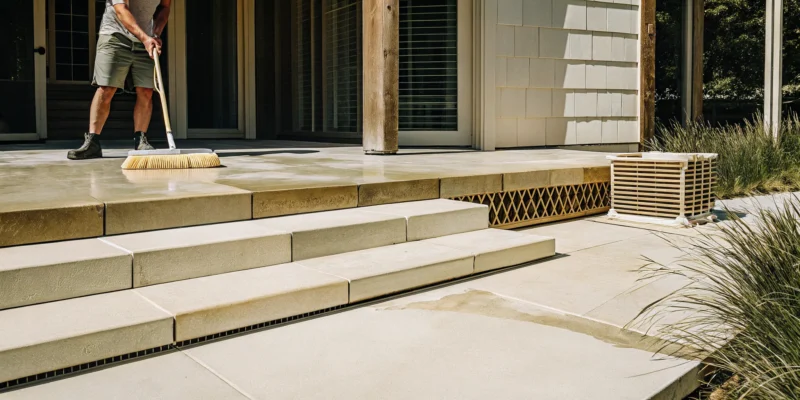
Long Island weather is tough on outdoor surfaces. Between the humid, sun-drenched summers and the freezing, icy winters, patio materials take a serious beating. That’s why choosing a durable material like travertine is such a smart move. This natural stone is incredibly resilient, capable of withstanding our dramatic seasons while retaining its classic beauty. However, its longevity depends entirely on a proper installation. An experienced travertine patio installer Long Island knows the specific techniques required, from creating a stable base to ensuring proper drainage, to build a patio that won’t shift, crack, or settle, giving you a beautiful and worry-free space.
## Key Takeaways
* **[Choose Travertine for Style and Comfort](https://gappsi.com/tag/fiorito-travertine-pavers/)**: This natural stone offers a sophisticated look that complements any home, plus it stays cool underfoot on hot days and is durable enough to last for decades.
* **Prioritize Professional Installation for Longevity**: A lasting travertine patio requires more than just pretty stone; proper site excavation, a compacted base, and correct joint filling are essential steps that an experienced mason will provide.
* **Protect Your Patio with Simple Care**: Keep your travertine looking beautiful with easy maintenance, which includes regular sweeping, washing with a pH-neutral cleaner, and resealing every one to two years to guard against stains and weather.
## Why Choose Travertine for Your Long Island Patio?
Choosing the right material for your patio is one of the biggest decisions you’ll make for your outdoor space. You want something that looks beautiful, holds up to Long Island’s weather, and fits your lifestyle. Travertine pavers have become a favorite for good reason. This natural stone offers a unique combination of elegance, durability, and practical benefits that make it an ideal choice for creating a stunning and functional patio. From its classic appearance to its surprisingly cool surface, travertine provides a solid foundation for your dream backyard.
### Achieve Timeless, Natural Beauty
Travertine brings a warm, sophisticated look that other materials struggle to replicate. Formed in limestone caves and hot springs, its surface is filled with natural character, featuring subtle color variations and textures that give each patio a one-of-a-kind feel. Whether your home is a classic colonial or a modern new build, travertine’s earthy tones of cream, beige, and tan complement any architectural style. Its appearance is both high-end and inviting, creating an outdoor living area that feels like a true extension of your home. You can explore a wide variety of [natural stone pavers](https://gappsi.com/porcelain-and-natural-stone-pavers/) to find the perfect shade and style that matches your vision.
### Enjoy Durability Through Every Season
A patio is an investment, and you want it to last. With our dramatic seasons, from hot, humid summers to icy winters, materials need to be tough. When installed correctly by a professional, a travertine patio can last for decades. This stone is incredibly resilient and can handle heavy foot traffic and patio furniture without a problem. Because it’s a natural product, some pieces may have slight imperfections, but a skilled [masonry team](https://gappsi.com/masonry-designer-and-construction-company-long-island-ny/) knows how to select and place each paver to create a seamless, beautiful surface. This durability ensures your outdoor oasis will remain a centerpiece for family gatherings for years to come.
### Stay Cool on Hot Summer Days
One of travertine’s most celebrated features is its ability to stay cool to the touch. On a sweltering August afternoon, many paving surfaces can become uncomfortably hot. Travertine, however, naturally reflects heat from the sun, keeping its surface significantly cooler than concrete or bluestone. This makes it the perfect material for areas where you and your family will be walking barefoot, especially around [swimming pools](https://gappsi.com/swimming-pools-company/). You can step out of the water and walk across your patio without worrying about scorching your feet, making your entire pool area safer and more comfortable for everyone.
## Explore Travertine Styles, Finishes, and Patterns
One of the best parts of designing with travertine is how much you can personalize it. This is not a one-look-fits-all material. The finish you choose and the pattern you lay the stones in are what will make your patio feel uniquely yours. These details work together to create a specific mood, whether you’re dreaming of a rustic Italian villa or a sleek, modern retreat. Thinking through these options is a fun and creative part of the process, and it ensures the final result is a perfect reflection of your home and style. It’s where you get to put your personal stamp on your outdoor space, moving from a simple patio to a true outdoor living area.
### Choose Your Finish: Tumbled, Brushed, or Honed
The finish of your [travertine pavers](https://gappsi.com/porcelain-and-natural-stone-pavers/) does more than just contribute to the look; it also affects the feel and safety of your patio. Tumbled travertine is a popular choice for its soft, weathered edges and rustic charm, giving your space an established, timeless feel. Its textured surface also provides natural slip resistance, which is a huge plus for pool surrounds and family patios. Brushed travertine offers a similar non-slip texture but with a more refined, less rustic appearance. If you prefer a smoother, more contemporary vibe, honed travertine has a beautiful matte finish that feels sleek underfoot. It creates an elegant and sophisticated look for any outdoor living area.
### Select a Classic Laying Pattern
Once you’ve picked a finish, the next step is deciding how to arrange the pavers. The laying pattern has a major impact on your patio’s final look and feel. For a grand, old-world aesthetic, the French pattern is a stunning choice. It uses a mix of different-sized stones to create an intricate, interlocking design that feels both random and intentional. This pattern is fantastic for adding character to larger spaces. If you prefer something more clean and uniform, a running bond pattern is a classic for a reason. It creates simple, linear lines that work beautifully in almost any setting, from cozy nooks to expansive patios. Our [masonry design experts](https://gappsi.com/masonry-designer-and-construction-company-long-island-ny/) can help you visualize how each pattern will complement your home’s architecture.
## How Travertine Compares to Other Patio Materials
Choosing the right material for your patio is a big decision. You want something that not only looks beautiful but also fits your lifestyle and stands up to Long Island’s weather. While travertine is a fantastic choice, it’s helpful to see how it stacks up against other popular options. Each material has its own unique benefits, whether you prioritize a specific look, maintenance level, or feel underfoot. Understanding these differences will help you feel confident in your final selection.
We’ll compare travertine to three common patio materials: porcelain pavers, bluestone, and concrete. By looking at their aesthetics, durability, and comfort, you can get a clearer picture of what will work best for your backyard oasis. This comparison will guide you toward creating a space that you and your family will love for years to come, and our expert [masonry team](https://gappsi.com/masonry-designer-and-construction-company-long-island-ny/) can help bring that vision to life.
### Travertine vs. Porcelain Pavers
When you’re deciding between travertine and porcelain, you’re essentially choosing between natural stone and a high-tech manufactured product. Travertine is a natural stone that offers a unique aesthetic appeal and is often cooler underfoot compared to porcelain, making it a popular choice for outdoor patios. Its subtle, earthy tones and one-of-a-kind patterns bring an organic warmth to any space. Porcelain pavers, on the other hand, are engineered for consistency and durability. They are non-porous, which makes them highly resistant to stains and water without needing to be sealed. While porcelain can mimic the look of stone, it can’t fully replicate the authentic character you get from Gappsi’s selection of [porcelain and natural stone](https://gappsi.com/porcelain-and-natural-stone-pavers/).
### Travertine vs. Bluestone
Bluestone is another beautiful natural stone, beloved for its classic, deep blue-gray color and incredible toughness. It creates a very traditional and stately look that works well with many Long Island homes. While bluestone is known for its durability and rich color, travertine provides a more varied texture and is often considered more visually appealing due to its natural patterns. Travertine’s warm, swirling designs can create a softer, more resort-like feel. A key difference for poolside patios is heat absorption. Dark bluestone can get quite hot in the summer sun, while lighter shades of [Fiorito travertine](https://gappsi.com/2022/12/24/fiorito-travertine-patios-and-pool-coping) stay comfortably cool on bare feet.
### Travertine vs. Concrete
Concrete pavers are a practical and budget-friendly option for many homeowners. Concrete patios are generally more affordable and easier to install, but they lack the natural beauty and unique character of travertine, which can elevate the overall aesthetic of an outdoor space. While stamped concrete can imitate the look of stone, it often falls short of the real thing and can show wear over time. Travertine offers a sense of luxury and permanence that manufactured materials simply can’t match. Investing in high-quality natural stones not only gives you a beautiful surface but also adds lasting value to your home.
## What to Expect During Your Travertine Patio Installation
Watching your dream patio come to life is an exciting process. While every project is unique, a professional travertine installation follows a series of key steps to ensure your new outdoor space is beautiful, stable, and built to last. Knowing what to expect can make the experience smooth and stress-free. From the initial groundwork to the final polish, here’s a look at how a professional team transforms your yard.
### Preparing and Excavating the Site
The first step is creating a solid foundation. Your installation team will start by marking the exact footprint of your new patio with stakes and string. Then, the excavation begins. This is more than just clearing a patch of grass; the crew will dig down several inches to remove all topsoil, roots, and rocks. This step is critical because it prevents shifting or settling later on. A proper excavation ensures the base of your patio is built on stable, compacted ground, setting the stage for a durable and long-lasting surface for all your outdoor activities.
### Installing and Leveling the Base
Once the site is excavated, your team will build the base. This usually involves spreading a thick layer of crushed gravel, which is then tightly compacted with a plate compactor to create a firm, interlocking foundation that allows for drainage. On top of the gravel, a layer of bedding sand is added and carefully leveled. This creates a perfectly smooth, flat surface for the travertine pavers. This meticulous [masonry work](https://gappsi.com/masonry-designer-and-construction-company-long-island-ny/) is essential, as an unlevel base can lead to wobbly pavers and drainage problems down the road.
### Laying the Pavers and Filling Joints
This is where you really see your vision take shape. Starting from a straight edge, installers will carefully lay each travertine paver onto the sand bed, gently tapping them with a rubber mallet to set them in place. They will maintain small, consistent gaps between each stone to create a clean, professional look. Once all the pavers are laid, polymeric sand is swept across the surface to fill the joints. This special sand contains a binding agent that, when activated with a light mist of water, hardens to lock the pavers together, prevent weed growth, and resist erosion.
### Final Walk-Through and Cleanup
A professional installation isn’t complete without a thorough cleanup and final inspection. Your installation team will clear away all equipment and leftover materials, leaving your property looking pristine. Then, they will walk you through the finished patio to ensure every detail meets your expectations. This is your opportunity to admire the craftsmanship and ask any questions about caring for your new space. A quality installer will also provide guidance on long-term maintenance, including [cleaning and sealing services](https://gappsi.com/long-island-ny-stone-patios-driveways-cleaning-sealing/) to keep your travertine looking beautiful for years to come.
## Understanding Travertine Patio Costs on Long Island
A beautiful travertine patio is an investment in your home, and it’s smart to understand what goes into the final cost. While travertine is a premium material, the price can be flexible depending on your specific project. A properly installed travertine patio can last for decades, making it a durable and valuable addition to your Long Island property. Let’s break down the key elements that shape your budget and why a clear, [detailed estimate](https://gappsi.com/2011/10/20/free-estimate-for-masonry-travertine-patio-long-island/) is so important for a successful project.
### What Factors Influence the Final Price?
Many homeowners assume travertine is out of reach financially, but the final price tag isn’t one-size-fits-all. Several key factors will influence your total investment. The quality and grade of the travertine you select play a significant role, as does the overall size of your patio. More intricate designs, like complex patterns or custom inlays, will require more labor and material, affecting the cost. The condition of your property, including how much site preparation and grading is needed, also contributes to the final price. While travertine is naturally porous, expert [masonry](https://gappsi.com/masonry-designer-and-construction-company-long-island-ny/) installation and sealing techniques ensure its longevity, which is factored into a professional quote.
### Why a Detailed Estimate Matters
Receiving a detailed estimate is one of the most critical steps in your patio project. This document should do more than just give you a final number; it should break down the costs for materials, labor, and any other features. This transparency is a hallmark of a professional contractor and helps you understand exactly where your money is going. A clear estimate prevents surprise charges down the road and allows you to compare quotes from different installers effectively. By reviewing a comprehensive breakdown, you can make an informed decision that aligns with your budget and vision. It ensures everyone is on the same page before the first [natural stone](https://gappsi.com/porcelain-and-natural-stone-pavers/) is even laid.
## How to Find the Right Travertine Installer on Long Island
Finding the right team to bring your travertine patio vision to life is just as important as choosing the stone itself. The quality of the installation determines not only how your patio looks but also how it holds up through Long Island’s changing seasons. A great installer combines technical skill with an artistic eye, ensuring every stone is perfectly placed for a flawless finish. Your goal is to find a contractor you can trust to build a beautiful, long-lasting outdoor space for your home. Taking the time to vet your options will pay off for decades to come, so it’s worth doing a little homework upfront.
### Verify Licensing, Insurance, and Credentials
Before you start discussing designs, make sure any potential contractor is properly licensed and insured for work in Nassau and Suffolk Counties. This is a non-negotiable first step. A valid license shows they meet local requirements and are a legitimate business. More importantly, proper insurance protects you and your property from liability in case of accidents during the project. A professional company will be upfront with this information and should provide it without hesitation. Think of it as your first quality check; if a contractor can’t provide these basic credentials, it’s a clear sign to walk away and continue your search.
### Key Questions to Ask Before You Hire
Once you’ve confirmed the basics, it’s time to dig a little deeper. Your initial conversations will tell you a lot about a contractor’s experience and process. Come prepared with a list of questions to help you compare your options. Ask about their specific experience with travertine and request to see a portfolio of their completed [travertine patios and pools](https://gappsi.com/2022/07/24/travertine-patios-and-pools-on-long-island/). Inquire about the materials they use for the base, how they ensure proper drainage, and what their project timeline looks like. You should also ask how they handle communication and any unexpected issues that might arise. A confident, transparent installer will have clear answers that give you confidence in their abilities.
### The Value of Local Long Island Experience
Choosing an installer with deep roots in Long Island offers a distinct advantage. A local expert understands the specific challenges of our environment, from the soil composition to the freeze-thaw cycles that can impact patios over time. This knowledge informs every step of their installation process, ensuring your patio is built to last. A correctly installed paver patio on Long Island can last for decades, making it a fantastic investment in your home. A local [masonry designer](https://gappsi.com/masonry-designer-and-construction-company-long-island-ny/) will also be familiar with town-specific regulations, ensuring your project goes smoothly from start to finish without any compliance headaches.
## Keep Your Travertine Patio Looking New
A travertine patio is an investment in timeless elegance, and with a little routine care, it will look stunning for decades. One of the best qualities of travertine is its durability, but like any natural stone, it needs some attention to protect it from the elements and everyday use. The good news is that maintenance is surprisingly simple. You don’t need a complicated regimen or expensive specialty products to keep your patio looking its best. By following a few basic steps for cleaning, sealing, and making minor repairs, you can ensure your outdoor space remains a beautiful and inviting retreat for your family and friends. Think of it as a simple partnership with your patio, one that preserves its natural character and protects your investment through every Long Island season.
### Caring for Travertine’s Natural Pores
A common question we hear is, “Will the natural holes in travertine trap dirt and be difficult to keep clean?” It’s a valid concern, but these pores are part of the stone’s unique character and are very manageable. These small surface pits and pockets give travertine its distinctive, earthy texture. When your patio is properly sealed, these pores are protected from absorbing spills or trapping dirt. Instead of being a chore, they remain a beautiful feature of the [natural stone](https://gappsi.com/porcelain-and-natural-stone-pavers/) that adds depth and authenticity to your outdoor living space. Regular sweeping and rinsing are usually all it takes to keep the surface clear and beautiful.
### Simple Cleaning and Sweeping Routines
Keeping your travertine patio clean is easier than you might think. The most important step is to sweep it regularly with a soft-bristle broom. This simple action prevents loose dirt and debris from being ground into the surface, which can cause fine scratches over time. For a more thorough cleaning, just hose it down with clean water to wash away dust and pollen. If you encounter a tougher spot, use a pH-neutral stone cleaner and a soft cloth or brush. Avoid using acidic or abrasive cleaners, like vinegar or lemon juice, as they can etch and damage the stone’s surface. For a professional deep clean, our [restoration services](https://gappsi.com/long-island-ny-stone-patios-driveways-cleaning-sealing/) can bring back its original luster.
### Seal Your Patio Every 1-2 Years
Sealing is the single most effective thing you can do to protect your travertine patio. We recommend using a high-quality impregnating sealer that soaks into the stone to guard it against water damage, stains, and scratches. For an outdoor patio on Long Island, you should plan to reseal it every one to two years. If your patio sees a lot of foot traffic or is frequently used for entertaining, you might consider sealing it annually. A proper seal makes cleaning much easier and prevents spills from becoming permanent stains. Gappsi offers professional [cleaning and sealing services](https://gappsi.com/long-island-ny-stone-patios-driveways-cleaning-sealing/) to ensure your patio gets the best protection possible.
### Repair Cracks and Chips Promptly
Travertine is a natural stone, so minor imperfections and variations are part of its charm. However, if you notice a small chip or crack developing, it’s best to address it quickly. Prompt repairs prevent minor issues from expanding, especially with Long Island’s freeze-thaw cycles, which can force water into cracks and cause further damage. While DIY kits are available, achieving a seamless look that matches your stone’s color and texture can be tricky. For a professional and lasting fix, it’s always best to talk to your installer. Our [masonry experts](https://gappsi.com/masonry-designer-and-construction-company-long-island-ny/) can repair any damage, ensuring your patio remains structurally sound and visually flawless.
## Complete Your Outdoor Oasis
Your new travertine patio is the perfect foundation for a stunning backyard, but it’s just the beginning. Think of it as the beautiful, durable stage for your ideal outdoor lifestyle. By adding thoughtful features and functional zones, you can transform a simple patio into a complete oasis for relaxing, dining, and entertaining. From a seamless transition to your pool to a fully equipped kitchen under a shaded pavilion, the right elements will make your backyard the most popular “room” in your house. Let’s look at a few ways you can build upon your travertine patio to create a truly special outdoor living space.
### Create a Seamless Pool Surround
Travertine is a top choice for high-end pool patios across Long Island for good reason. Its naturally porous surface stays cooler underfoot than many other materials, a huge plus on hot summer days. A tumbled finish also provides excellent slip resistance, making it a safer choice for wet areas around your pool. Using the same travertine for your patio and pool coping creates a seamless, resort-like feel that makes your entire backyard look more cohesive and expansive. A properly installed travertine surround not only looks incredible but is also built to last, giving you a beautiful and durable frame for your [swimming pool](https://gappsi.com/swimming-pools-company/) for decades to come.
### Add a Pergola or Pavilion for Shade
While we love the Long Island sun, having a shady retreat is essential for enjoying your patio comfortably. A pergola or pavilion can provide that relief while also adding a beautiful architectural element to your backyard. A pergola, with its slatted roof, offers dappled sunlight and a perfect structure for growing climbing plants like wisteria or clematis. For more complete protection from sun and rain, a pavilion with a solid roof is an excellent option. It creates a true outdoor room, perfect for sheltering a dining table or an outdoor living room set. Both options help define your space and make your patio more usable throughout the day. You can explore many [pavilions and pergolas](https://gappsi.com/pavilions-pergolas-and-gazebos-long-island-ny/) to find the right style for your home.
### Design an Outdoor Kitchen and Entertainment Space
Take your backyard gatherings to the next level by incorporating an outdoor kitchen and entertainment area. Imagine grilling for friends and family without having to run back and forth to the house. A custom outdoor kitchen can include everything from a built-in grill and refrigerator to a sink and durable countertops for food prep. Our [masonry experts](https://gappsi.com/masonry-designer-and-construction-company-long-island-ny/) can build a beautiful and functional kitchen that complements your travertine patio perfectly. You can also add a fire pit for cozy evenings, a seating wall for extra guest space, or even dedicated areas for fun, like a bocce ball lane or one of our custom sports games courts.
## Why Long Island Homeowners Trust Gappsi for Travertine Patios
Choosing the right installer for your travertine patio is just as important as selecting the stone itself. You need a team with a deep understanding of Long Island’s unique environment, a commitment to quality, and the vision to bring your dream outdoor space to life. For years, homeowners across Suffolk and Nassau counties have turned to Gappsi for their patio projects. It comes down to a combination of proven experience, an eye for design, and a promise to see every project through from the first sketch to the final sealing. We don’t just build patios; we create lasting outdoor living areas for your family to enjoy.
### 35+ Years of Masonry and Design Experience
With over 35 years of hands-on experience, our team has a level of expertise you can count on. This history isn’t just a number; it represents decades of perfecting our craft on Long Island. We’ve worked with every type of property and design challenge imaginable. Our deep [masonry and design expertise](https://gappsi.com/masonry-designer-and-construction-company-long-island-ny/) means we know exactly how to prepare the foundation, handle grading, and ensure proper drainage for a travertine patio that will stand the test of time. We anticipate challenges before they become problems, ensuring your installation process is smooth and the final result is flawless. This long-standing presence in the community is your assurance of our stability and commitment.
### A Commitment to Premium Materials and Custom Design
A beautiful patio begins with beautiful materials. We are dedicated to sourcing and installing only [premium natural stone](https://gappsi.com/porcelain-and-natural-stone-pavers/), including the highest quality travertine. This commitment ensures your patio not only looks stunning on day one but also maintains its integrity and color for years to come. But great materials are only half the story. We work closely with you to create a custom design that reflects your personal style and complements your home’s architecture. Whether you envision a sprawling, multi-level entertainment area or a quiet, intimate retreat, our design team will help you select the perfect stone, pattern, and finish to create a truly one-of-a-kind outdoor space.
### Full-Service Care, from Installation to Restoration
Gappsi is more than just a patio installer; we are a full-service home improvement company. This means we can manage your entire backyard transformation. Imagine your new travertine patio seamlessly connecting to a beautiful swimming pool, a shaded pergola, or a fully equipped outdoor kitchen. We handle it all in-house, ensuring a cohesive design and a streamlined process. Our relationship with you doesn’t end when the project is complete. We also provide expert [restoration and sealing services](https://gappsi.com/long-island-ny-stone-patios-driveways-cleaning-sealing/) to keep your travertine looking as pristine as the day it was installed, protecting your investment for the long haul.
### Hear From Our Happy Clients
We believe our work speaks for itself, but our clients’ words speak even louder. Our focus on professionalism, quality, and customer satisfaction is reflected in the feedback we receive. One homeowner recently shared, “The Travertine patio is large and expansive. After the patio was all cleaned, the crew is professional and knowledgeable, they left my yard spotless.” This is the standard we set for every job. We treat your property with respect, maintain a clean and organized worksite, and ensure you are completely satisfied with the outcome. You can [see our work for yourself](https://www.youtube.com/@gappsigroup) and understand why so many Long Island families trust us to build their outdoor dreams.
## Related Articles
* [Travertine pool coping and patio – Gappsi Group](https://gappsi.com/2020/12/22/travertine-pool-coping-and-patio-long-island-ny/)
* [travertine pavers swimming pool patio coping our contact page long island – Gappsi Group](https://gappsi.com/2011/10/03/travertine-pavers-swimming-pool-patio-coping-our contact page-long-island/)
* [Travertine swimming pool patio installed long island – Gappsi Group](https://gappsi.com/2011/11/07/travertine-swimming-pool-patio-installed-long-island/)
* [Travertine Pavers and Veneer Suppliers on Long Island – Gappsi Group](https://gappsi.com/2015/08/11/travertine-pavers-and-veneer-suppliers-on-long-island/)
* [travatine back yards long island – Gappsi Group](https://gappsi.com/2011/11/15/travatine-back-yards-long-island/)
## Frequently Asked Questions
**Is travertine slippery, especially around a pool?** This is a great question, as safety is always a top priority. The finish you choose makes a big difference. Tumbled travertine, with its textured surface and rustic edges, offers excellent natural slip resistance, which is why it’s such a popular choice for pool surrounds. When properly sealed, the stone gets an added layer of protection without becoming slick. While any surface can be slippery when wet, travertine is considered one of the safer natural stone options for patios and pool areas.
**How does travertine hold up to Long Island’s freeze-thaw cycles in winter?** Travertine is surprisingly tough and handles our winters very well, but only if it’s installed correctly. The key is the foundation beneath the pavers. A professional installation includes a deep, compacted base that allows water to drain away freely. This prevents water from getting trapped, freezing, and expanding, which is what causes pavers to shift and crack. With a solid base and proper jointing, your travertine patio is built to withstand the seasonal weather changes for decades.
**Will things like spilled wine or grill grease stain a travertine patio?** Because travertine is a natural and porous stone, it can absorb liquids if left unsealed. This is why sealing your patio is so important. A high-quality sealer penetrates the stone and acts as a protective barrier, causing spills to bead up on the surface instead of soaking in. This gives you plenty of time to clean up messes from a barbecue or outdoor dinner party. With routine sealing every one to two years, you can entertain without worrying about permanent stains.
**What’s the real difference in feel between tumbled and honed travertine?** The finish dramatically changes the stone’s personality. Tumbled travertine feels soft and textured underfoot, with rounded edges that give it a comfortable, rustic character, almost like stone that has been naturally weathered for centuries. Honed travertine is completely different; it’s sanded to a smooth, flat, matte surface. It feels sleek and uniform, creating a more polished and contemporary look that is very elegant.
**Why is professional installation so important for a travertine patio?** A professional installation is the difference between a patio that lasts five years and one that lasts for decades. It’s about more than just laying stones in a pattern. An expert team handles the critical groundwork, like excavating the site correctly, ensuring proper slope for drainage, and building a compacted base that won’t settle or shift. They know how to select and place each unique stone for a beautiful result and use the right materials, like polymeric sand, to lock the pavers in place and prevent weeds. This craftsmanship ensures your investment is stable, beautiful, and durable.