


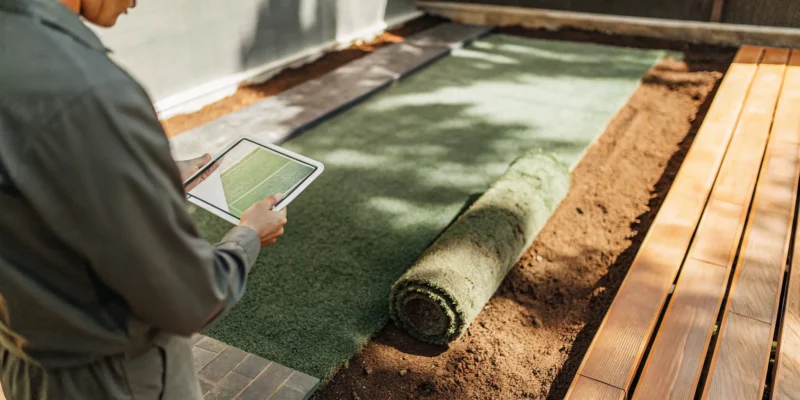
Your lawn shouldn’t be an isolated patch of green. It should be a seamless part of your entire outdoor living space, connecting your patio, swimming pool, and gardens into a cohesive retreat. A high-effort lawn can disrupt that flow, demanding work in the very place you’re meant to relax. A low maintenance lawn, however, serves as the perfect, easy-care foundation for your outdoor lifestyle. It provides a beautiful and functional surface that complements your home’s design and requires minimal attention. The right low maintenance lawn installer Long Island doesn’t just think about the grass; they consider how it integrates with your entire outdoor living area for a truly unified design.
Key Takeaways
- Rethink what a lawn can be: A low maintenance yard doesn’t have to be traditional grass; options like hardy fescues, clover, native ground covers, or synthetic turf can drastically reduce your weekend chores while fitting Long Island’s environment.
- Plan for your real life: The best lawn is one that fits how you actually use your yard, so consider your property’s sun, shade, and soil, along with your family’s activities, to select a solution that is both beautiful and practical.
- Choose your installer wisely: Your choice of a professional is critical for success, so vet potential installers by checking their local experience, reviewing past projects, and asking detailed questions to ensure they can deliver a high-quality, lasting result.
What Is a Low Maintenance Lawn?
A low maintenance lawn is a yard designed to thrive with minimal effort on your part. It’s a shift away from the traditional, high-input grass monoculture toward a more sustainable and practical landscape. Instead of spending every weekend mowing, watering, and weeding, you get to simply enjoy your outdoor space. This approach isn’t about letting your yard go wild; it’s about making strategic choices. By selecting the right plants, grasses, and materials for Long Island’s climate, you can create a beautiful, resilient, and eco-friendly environment. A low maintenance lawn gives you back your time and reduces your home’s environmental footprint, all while adding beauty and value to your property.
Low Maintenance vs. Traditional Lawns
Traditional lawns can be resource-heavy. They often demand a lot of water, fertilizer, and pesticides to stay green, which isn’t great for the environment or your wallet. A low maintenance lawn, on the other hand, is designed to be more self-sufficient. You can have a beautiful yard that helps the planet by using plants and materials that are naturally suited to our local conditions. A thoughtful landscape design can incorporate hardy native plants, durable ground covers, and stylish hardscaping to create a stunning outdoor area without the constant upkeep. It’s about working with nature, not against it.
Common Misconceptions for Long Island Homeowners
One of the most common mistakes homeowners make is trying to maximize lawn space at the expense of everything else. A yard with nothing but turf can look flat and often requires more maintenance, not less. A great design balances green areas with other elements like patios and walkways. Another frequent oversight is ignoring how plants will grow over time. Choosing plants without considering their mature size leads to overcrowding and a constant need for pruning. A well-developed plan considers plant spacing, sun exposure, and soil health from the start, ensuring your yard matures beautifully.
Your Best Low Maintenance Lawn Options in Long Island
Dreaming of a beautiful yard without the constant weekend work? You’re not alone. A low maintenance lawn is all about choosing the right plants and materials that thrive in Long Island’s environment with less effort from you. This doesn’t mean a hands-off, wild-looking space, unless that’s what you want. It’s about making smart, sustainable choices that reduce your time spent mowing, watering, and fertilizing. The goal is to get back your weekends while still having a yard you’re proud of.
The key is to find the perfect match for your property and lifestyle. For some, that might be a hardy grass that looks traditional but asks for very little. For others, it could mean swapping out some turf for charming ground covers or even installing a pristine synthetic lawn. A thoughtful landscape design considers your home’s style, how you use your yard, and the local climate to create a space that is both beautiful and easy to manage. It’s a holistic approach that looks at the entire picture, from soil health to sun exposure, ensuring your new lawn is set up for success from day one. Let’s look at some of the best options available for your Long Island home.
Fine and Tall Fescue Grasses
If you love the look of a classic green lawn, fescue grasses are your best friend. As cool-season grasses, they are perfectly suited for Long Island’s climate. Fine fescues are a top choice because they grow slowly, which means you won’t be stuck behind the mower every Saturday. They also require very little fertilizer to stay healthy.
Tall fescue is another excellent option, known for its incredible toughness. Its deep root system makes it resilient against heat and drought, so it stays greener longer during dry summer spells. This makes it a great pick for areas that get a lot of foot traffic from kids or pets. Choosing a fescue blend gives you a lush, durable lawn that looks great without demanding all your free time.
Clover Lawns
Clover is making a huge comeback, and for good reason. This gentle, low-growing plant is a fantastic, eco-friendly alternative to a traditional grass lawn. One of its biggest perks is that it naturally fertilizes the soil by pulling nitrogen from the air, which means you can say goodbye to chemical fertilizers. Clover is also very drought-tolerant, staying green and vibrant even when summer gets hot and dry.
Beyond being practical, a clover lawn has a soft, lush feel underfoot and produces small white or purple flowers that support local pollinators like bees and butterflies. It requires much less mowing than grass and easily outcompetes weeds. It’s a wonderful way to create a healthy, green space that’s good for your family and the environment.
Native Plants, Perennials, and Ground Covers
One of the easiest ways to lower your yard work is to reduce the size of your lawn. Replacing sections of grass with native plants, perennials, and ground covers creates visual interest while cutting down on maintenance. Native plants are already adapted to Long Island’s soil and weather, so they thrive with minimal watering or fuss once established. This approach to landscaping can also attract beautiful local birds and butterflies.
Ground covers like pachysandra or creeping thyme are excellent for filling in shady spots or areas where grass struggles to grow. They form a dense mat that suppresses weeds and requires no mowing. By thoughtfully incorporating these plants, you can design a diverse, beautiful yard that works with nature, not against it.
Ornamental Grasses and Sedum
For a modern and striking landscape, consider using ornamental grasses and sedum. These plants are champions of low maintenance design, offering texture, color, and movement with very little effort. Ornamental grasses, like fountain grass or switchgrass, create a soft, dynamic effect as they sway in the breeze and remain attractive through multiple seasons. They are perfect for creating borders or adding height to garden beds.
Sedum, a type of succulent, is incredibly drought-tolerant and thrives in sunny, dry spots where other plants might fail. It comes in a wide variety of colors and forms, from low-growing ground covers to taller, upright varieties. These plants pair beautifully with hardscaping elements like natural stone patios and walkways, adding softness and color to the design.
Synthetic Turf
If your goal is a perfectly green lawn with almost zero maintenance, synthetic turf is the ultimate solution. Imagine a yard that never needs mowing, watering, or fertilizing, yet looks pristine all year long. Modern artificial grass is incredibly realistic, with a soft feel and a natural look that can fool almost anyone. It’s an ideal choice for busy homeowners who want a beautiful outdoor space without the constant upkeep.
Synthetic turf is also extremely durable, making it perfect for high-traffic areas, play spaces for kids, or even backyard sports games courts. It’s also a great option for tricky spots where real grass won’t grow, like heavily shaded areas or around swimming pools where you want to avoid grass clippings in the water.
How Long Island’s Climate Affects Your Lawn Choice
Long Island’s unique environment, with its sandy soil, salt-tinged air, and full four seasons, has a big say in what will grow in your yard. Choosing a lawn that can handle hot, humid summers and chilly winters is the first step to creating a space that looks great without demanding all your free time. Instead of fighting against nature, the goal is to select grasses, plants, or turf that are already a good fit for our local conditions. A thoughtful landscape design considers these factors from the very beginning.
Understanding your property’s specific characteristics, like its soil type, how much sun it gets, and how you plan to use the space, will guide you toward the best solution. Whether you need a durable surface for family fun or a serene green view, matching the lawn to the local climate and your lifestyle is the secret to long-term success. This approach saves you effort and resources, giving you a beautiful yard you can actually enjoy.
What Grows Best in Sandy and Loamy Soils
Much of Long Island has sandy or loamy soil, which affects how water and nutrients are retained. The key is to choose a grass that thrives in these conditions. Cool-season grasses are generally the best fit, with Tall Fescue being a standout choice. Its deep roots make it great for our coastal areas, as it can handle sandy soil and periods of heat and drought.
For shadier spots or if you want a truly hands-off lawn, Fine Fescue is an excellent option. It grows slowly, so you’ll mow less often, and it doesn’t require much fertilizer to look good. If you have a particularly sunny and dry area, Zoysiagrass, a warm-season grass, can also work well. It creates a soft, dense carpet that naturally resists weeds and stands up to summer heat.
Planning for Sun, Shade, and Seasonal Changes
Before you decide on a lawn, take some time to observe your yard. Notice which areas get drenched in sunlight all day and which ones are covered in shade by your house or trees. This simple step is crucial because different grasses have different needs. A sun-loving grass will struggle in the shade, while a shade-tolerant variety might get scorched in direct sun.
Long Island’s seasonal shifts also play a role. A lawn must be able to withstand both summer humidity and winter frost. For those tricky areas where grass refuses to cooperate, or if you want a perfect green look year-round, synthetic turf is a fantastic alternative. It looks vibrant in any season and isn’t affected by sun or shade, making it a reliable solution for a consistently beautiful yard.
High-Traffic vs. Decorative Spaces
Think about how you and your family will use your lawn. Will it be a play area for kids and pets, the site of backyard barbecues, or more of a decorative space to be admired from the patio? The answer will help determine how durable your lawn needs to be. For areas with heavy foot traffic, you’ll want a resilient grass like Perennial Ryegrass, which establishes quickly and holds up well to activity.
If you want a pristine, beautiful lawn that can handle some wear, Kentucky Bluegrass is another strong contender because it can repair itself. For the most demanding activities, however, nothing beats the durability of synthetic turf. It’s an ideal surface for play areas and even backyard Sports Games Courts, providing a safe and consistent surface that won’t turn into a mud pit after a little rain or a lot of fun.
What Does a Lawn Installer Actually Do?
Hiring a professional lawn installer is about more than just getting grass on the ground. It’s about investing in a process that sets your yard up for long-term success. A true expert doesn’t just show up with sod. They bring a deep understanding of local conditions, soil science, and plant life to create a landscape that thrives. From the initial soil test to the final watering plan, their work is a blend of science and skill.
Think of your installer as the project manager for your new lawn. They handle the complex, labor-intensive steps that are often overlooked in DIY projects but are critical for a healthy, resilient yard. This includes preparing the site, selecting the right materials for your specific needs, and ensuring everything is installed correctly for optimal growth and easy care. Whether you’re dreaming of a lush green carpet of grass or a modern yard with synthetic turf, a professional installer orchestrates the entire transformation. They ensure every detail is managed, so all you have to do is enjoy the beautiful result.
Site Assessment and Soil Prep
The first thing a professional installer does is a thorough site assessment. They don’t just glance at your yard; they evaluate the soil quality, drainage, and existing conditions to understand what they’re working with. Proper soil preparation is the foundation of a healthy lawn. Your installer will amend the soil as needed, adding nutrients and improving its structure to create an ideal environment for roots to grow deep and strong. This crucial first step, part of a comprehensive landscape design, prevents many common lawn problems before they can even start, ensuring your new grass or plants have the best possible chance to flourish.
Installing Grass, Plants, or Turf
Once the groundwork is laid, your installer will begin the installation. Based on your yard’s conditions and your maintenance preferences, they will install the best option for you. For Long Island, this often means cool-season grasses like tall fescue and fine fescues, which are well-suited to our climate. An experienced installer ensures the grass, plants, or turf is placed correctly to encourage healthy growth and a uniform appearance. They handle everything with precision, whether it’s laying sod without leaving gaps, planting ground covers at the right density, or installing turf for a perfect, evergreen finish.
Setting Up Water-Efficient Irrigation
A truly low-maintenance lawn needs a smart watering strategy, and a great installer will help you set one up. Instead of leaving you with a sprinkler and a guess, they can design and install a water-efficient irrigation system. Techniques like drip irrigation deliver water directly to the roots, which significantly reduces waste and prevents overwatering. This not only helps conserve water but also promotes deeper root growth, making your lawn more resilient to drought. By integrating an effective irrigation plan into your landscape construction, your installer ensures your new lawn stays healthy with minimal effort from you.
How Much Does a Low Maintenance Lawn Cost in Long Island?
Let’s talk about one of the biggest questions on every homeowner’s mind: the budget. The cost of installing a low maintenance lawn in Long Island isn’t a one-size-fits-all number. It’s an investment that varies based on the size of your yard, the materials you choose, and the complexity of your design. While some low maintenance options have a higher upfront cost than traditional sod, they offer significant long-term savings on water, fertilizer, and weekly upkeep.
Think of it this way: a traditional lawn comes with recurring expenses. Professional lawn mowing services in Long Island average between $35 and $50 per cut. When you add in the costs of seasonal fertilizing, watering, and pest control, the numbers add up quickly. A low maintenance lawn, on the other hand, shifts that spending from perpetual maintenance to a one-time installation cost that pays for itself over time. To understand what you might spend, it helps to break down the costs by the type of lawn you’re considering and the factors that shape the final price tag for your home improvement project.
A Look at Pricing by Lawn Type
The type of low maintenance lawn you choose is the biggest driver of your initial cost. If you opt for a lawn seeded with hardy fine or tall fescues, your primary expenses will be soil preparation, seed, and labor. For a more modern and hands-off approach, synthetic turf is an excellent choice. While the material and professional installation represent a larger upfront investment, it completely eliminates the need for mowing, watering, and fertilizing, offering a pristine look year-round. Lawns using clover or native ground covers fall somewhere in between, with costs depending on whether you start from seed or use more mature plants for faster coverage.
What Influences Your Final Cost
Beyond the material itself, several key factors will influence your total project cost. The size of your property is the most obvious one, as more square footage requires more material and labor. Site preparation is another major component. If your existing lawn needs to be removed, the soil needs significant grading, or drainage issues must be addressed, these tasks will add to the final bill. The complexity of your vision also plays a role. A simple, uniform lawn will cost less than an intricate landscape design that incorporates garden beds, walkways, or decorative grasses. Finally, the expertise of your installer is factored into the price, ensuring the job is done right for lasting results.
The Benefits of a Low Maintenance Lawn
A lush, green lawn is a classic part of the Long Island home, but the constant upkeep can feel like a second job. Between watering, mowing, and fertilizing, a traditional lawn demands a lot of time, money, and resources. A low maintenance lawn offers a smarter alternative. It gives you a beautiful outdoor space without the endless weekend chores. By choosing the right plants and materials, you can create a yard that is not only easier to care for but also better for your wallet and the local environment.
Use Less Water on Your Property
Did you know that outdoor watering can account for 30% of a home’s water use? In drier seasons, that number can jump even higher. A low maintenance lawn is designed to thrive with less water. By selecting drought-resistant grasses and native plants that are naturally suited to Long Island’s climate, you can significantly cut down on irrigation. This not only helps conserve our local water supply but also lowers your monthly water bill. A professional landscape design can incorporate these water-wise plants, creating a beautiful yard that stays green with minimal effort from you.
Cut Back on Fertilizers and Pesticides
Traditional lawns often depend on a cycle of chemical fertilizers and pesticides to stay green and weed-free. These chemicals can run off into our waterways and create a space that isn’t ideal for kids and pets to play on. A low maintenance lawn breaks this cycle. Options like clover lawns naturally add nitrogen to the soil, while native ground covers are more resistant to local pests and diseases. For a truly chemical-free solution, synthetic turf eliminates the need for any fertilizers or pesticides, giving you a perfect-looking lawn year-round with peace of mind.
Enjoy Long-Term Savings
While installing a new lawn is an investment, a low maintenance approach pays you back over time. Think about the recurring costs of a traditional lawn: high water bills, bags of fertilizer, pest control treatments, and gasoline for the mower. These expenses add up season after season. A well-planned low maintenance lawn reduces or even eliminates these costs. A thoughtful landscape plan helps align your design and outdoor living spaces from the start, ensuring you get the most value. You’ll save money on supplies and maintenance, and you’ll also get back your valuable weekend time.
How to Choose the Right Lawn Installer in Long Island
Finding the right installer is just as important as choosing the right type of lawn. You’re not just hiring someone to lay down sod or turf; you’re partnering with a team to bring your outdoor vision to life. A great installer will guide you through the process, ensuring the final result is beautiful, functional, and built to last. Taking the time to vet your options will save you from headaches and costly fixes down the road.
Check for Credentials and Local Experience
First things first, make sure any installer you consider is licensed and insured in New York. This is non-negotiable, as it protects you from liability. Beyond the basics, look for a company with deep roots in Long Island. An installer with local experience will understand our specific soil conditions, microclimates, and which low maintenance options thrive in Nassau and Suffolk counties. They should also demonstrate effective client communication, listening to your needs and setting clear expectations from the start. A true professional knows that a successful project is built on a strong client relationship.
Review Their Portfolio and References
A picture is worth a thousand words, so dive into a potential installer’s portfolio. Look for high-quality images and videos of completed projects. Pay close attention to the details. Do the edges look clean? Do the installations look seamless and professional? More importantly, look for projects that reflect the style and scope of what you want. A strong portfolio, like the projects featured on the Gappsi YouTube channel, showcases versatility and a consistent standard of excellence. Don’t be shy about asking for references from past clients. A confident installer will be happy to connect you with homeowners who can speak to their experience.
Key Questions to Ask Before You Hire
Before you sign a contract, it’s time to ask some direct questions to understand an installer’s process and professionalism. This helps you gauge their expertise and ensure they can meet your specific needs.
Start with these questions:
- Can you provide a detailed, itemized quote for the entire project?
- What is your process for site assessment and soil preparation?
- Who will be the main point of contact and supervisor on-site?
- What warranties or guarantees do you offer on materials and labor?
- How do you handle potential issues like drainage or unexpected site conditions?
Their answers will reveal a lot about their experience and commitment to quality, especially when it comes to specialized installations like synthetic turf and sports games courts.
Common Mistakes to Avoid When Hiring
One of the biggest mistakes homeowners make is choosing an installer based on the lowest bid alone. A suspiciously low price can be a red flag for subpar materials, inexperienced labor, or hidden costs that appear later. Another common pitfall is moving forward without a comprehensive plan. A great lawn is part of a larger outdoor ecosystem. Your installer should work from a cohesive master plan that integrates your lawn with patios, walkways, and garden beds. Finally, always get everything in writing. A detailed contract that outlines the full scope of work, materials, timeline, and payment schedule protects both you and the installer.
How to Prepare for Your New Lawn Installation
A successful lawn installation starts long before the first patch of sod is laid. Taking the time to plan and communicate clearly ensures the final result matches your vision and fits your lifestyle. When you and your installer are on the same page from day one, you create a partnership that leads to a beautiful, functional outdoor space you’ll love for years. Think of it as creating a blueprint for your dream yard. These simple preparation steps will help you get organized and feel confident as you begin your project.
Create a Vision and Gather Inspiration
Before you can create your perfect lawn, you need to define what “perfect” means to you. Start by thinking about how you plan to use the space. Will it be a lush, green carpet for your kids to play on, a durable surface for backyard Sports Games Courts, or a quiet, decorative area to complement your garden? Once you have a purpose in mind, start gathering ideas. Create a Pinterest board, flip through magazines, or take photos of local yards you admire. Having a visual collection helps you articulate your style and makes it easier for your landscape designer to see your vision. This initial step is all about dreaming and discovering what you truly want.
Set a Clear Budget and Timeline
Talking about money can feel awkward, but setting a clear budget is one of the most important steps in any home improvement project. Knowing your spending limit helps your installer recommend the best materials and solutions for your price range. Whether you’re considering natural grass or low maintenance synthetic turf, having a number in mind prevents surprises and keeps the project on track. You should also think about your ideal timeline. Do you have a family event or a specific season you want the lawn ready by? Sharing these details upfront allows your installer to create a realistic schedule that works for everyone.
Communicate Your Yard’s Unique Needs
Every property has its own quirks. To get the best results, you need to share the specific details of your yard with your installer. Walk them through the space and point out areas that get a lot of sun or are always in the shade. Mention any spots with poor drainage, where water tends to pool after it rains. It’s also helpful to identify high-traffic zones, like the path from the patio to the pool. Effective client communication is the foundation of a successful project. By providing a clear outline of your yard’s conditions and your expectations, you empower your installer to create a customized plan that addresses your property’s unique challenges and opportunities.
Gappsi’s Approach to Low Maintenance Landscaping
At Gappsi, we see a low maintenance lawn as more than just grass; it’s a core component of your outdoor lifestyle. Our process is built on creating a beautiful, functional, and sustainable space that fits your specific needs, ensuring you spend more time enjoying your yard and less time working on it. It all begins with a conversation. We prioritize effective client communication to understand how you live and what you envision for your property. This allows us to set clear expectations and design a landscape that truly works for you.
A thriving, easy-care yard is the result of thoughtful preparation. That’s why we create a comprehensive master plan for every project, which prevents common design mistakes and ensures every element works together. This plan considers your property’s unique conditions, from soil type and sun exposure to how your lawn will connect with patios, walkways, and gardens. By planning holistically, we design a cohesive environment that minimizes future problems and reduces long-term upkeep.
Our expertise extends to every part of your outdoor space. We might pair a hardy, drought-tolerant grass with a water-efficient irrigation system or frame a lawn with durable porcelain pavers that require minimal cleaning. For high-traffic areas or a perfect play space, we can seamlessly integrate high-quality synthetic turf. Our goal is to deliver a complete solution that is beautiful on day one and provides lasting value for years to come, building a relationship with you through a landscape that endures.
Frequently Asked Questions
Is a low-maintenance lawn really “no maintenance”? That’s a great question. While no living landscape is completely hands-off, a low-maintenance lawn is designed to drastically reduce the time and effort you spend on it. Instead of a weekly routine of mowing, watering, and weeding, you might only have a few small tasks each season. Think of it as trading constant chores for occasional care, giving you back your weekends to actually enjoy your yard instead of just working in it.
How do I choose the best low-maintenance option for my specific yard? The best choice really depends on your property and your lifestyle. A yard that gets full sun all day has different needs than one with lots of shade from mature trees. You should also consider how you use the space, whether it’s for kids playing, dogs running, or quiet relaxation. The most effective way to decide is to have a professional assess your soil, sun exposure, and drainage to recommend a solution, like fescue grass or synthetic turf, that is perfectly tailored to you.
Is synthetic turf a good choice for families with kids and pets? Absolutely. Modern synthetic turf is designed with families in mind and is a fantastic option for play areas. High-quality turf is non-toxic, lead-free, and provides a soft, cushioned surface that can help reduce injuries from falls. It also eliminates the need for chemical fertilizers or pesticides, creating a worry-free space for everyone. Plus, it’s durable enough to handle constant foot traffic and easy to clean, so you don’t have to worry about muddy paws or grass stains.
Can I combine different low-maintenance ideas in my yard? Yes, and that’s often the key to a truly stunning and practical landscape design. You don’t have to choose just one option. A beautiful yard might feature a central area of hardy fescue grass, bordered by beds of colorful native plants and ornamental grasses. You could also integrate a synthetic turf area for a backyard sports games court or a play set, ensuring that part of your yard is always ready for fun. Mixing materials creates visual interest and allows you to match the right solution to each part of your yard.
What’s the long-term value of investing in a professional installation? Hiring a professional is about ensuring the job is done right from the very beginning. A skilled installer does more than just lay down grass or turf; they prepare the site, amend the soil, and address drainage to prevent future problems. This initial investment saves you from costly repairs and reseeding down the road. It ensures your lawn will be healthy, beautiful, and truly low-maintenance for years to come, giving you the best possible return in both property value and personal enjoyment.