


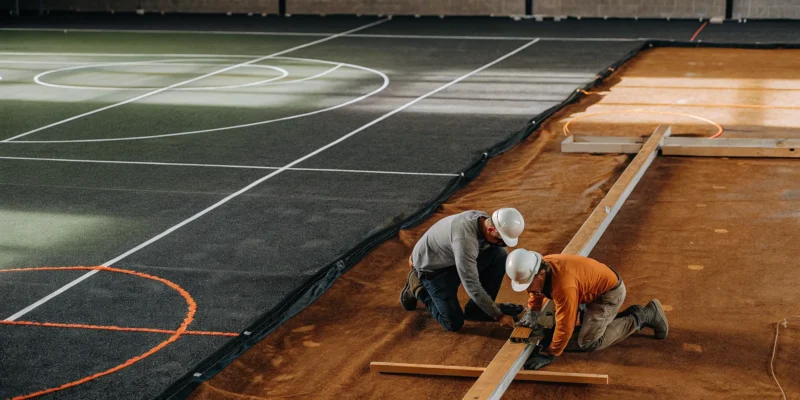
A backyard sports field is more than just a play area; it’s a long-term investment in your home and your family’s lifestyle. It means less time spent on lawn care and more time making memories. To ensure you get the best return on this investment, the quality of the installation is everything. The right materials and expert craftsmanship guarantee a surface that will last for decades, add value to your property, and perform beautifully. This article breaks down the essential factors to consider, helping you make informed decisions and find a trusted ‘turf sports field installer Long Island’ who can turn your vision into a lasting reality.
Key Takeaways
- Get a Field That’s Always Ready for Play: Artificial turf gives you a durable, all-weather surface that drains quickly and stays consistent, so you can spend more time enjoying your yard and less time on upkeep like mowing or watering.
- Choose Your Installer as Carefully as Your Turf: The quality of your installation directly impacts your field’s safety, appearance, and lifespan. Partner with an experienced professional who offers comprehensive services from design and base preparation to long-term support.
- Look Beyond the Initial Price Tag: Think of artificial turf as a long-term investment that pays for itself by eliminating recurring costs for water, fertilizer, and lawn care. The upfront expense leads to years of savings and a valuable, always-usable addition to your home.
Why Choose an Artificial Turf Sports Field?
Thinking about adding a sports field to your backyard is exciting. It’s a space for family fun, serious training, and making memories. But the thought of maintaining a pristine grass field can be daunting, especially with Long Island’s unpredictable weather. That’s where artificial turf comes in. It offers the look and feel of lush grass without the constant upkeep. Choosing a synthetic turf field means you get a durable, beautiful, and ready-to-use surface year-round. Let’s look at some of the biggest reasons why homeowners are making the switch.
All-Weather Durability and Playability
One of the best things about an artificial turf field is that it’s always ready for a game, no matter what the weather throws at you. Rain or shine, the surface remains stable and playable. Unlike natural grass, which can turn into a muddy, slippery mess after a downpour, synthetic turf drains quickly and stays in perfect condition. This means more time for practice and play, without worrying about damaging the field or dealing with soggy patches. Your kids can head outside for a soccer match right after a storm, and you won’t have to cancel that weekend family tournament. Gappsi’s synthetic turf and sports game courts are designed to handle it all.
Lower Maintenance Requirements
Imagine having a beautiful, green sports field without ever having to mow, water, or fertilize it. That’s the reality with artificial turf. Natural grass fields demand constant attention, from weekly mowing to seasonal aeration and seeding. All that work costs time and money. With a synthetic field, you can say goodbye to your lawnmower and expensive fertilizers. The maintenance is minimal, usually just involving occasional rinsing and brushing to keep the fibers upright and clear of debris. This gives you more free time to actually enjoy your investment with family and friends, rather than spending your weekends working on it. It’s a smart part of a low-maintenance landscape design.
A Consistent and Safe Playing Surface
For any athlete, young or old, safety is a top priority. Natural grass fields can be unpredictable, with hidden divots, holes, or uneven patches that can easily lead to a twisted ankle. Artificial turf provides a perfectly uniform and consistent playing surface every single time. Modern turf systems are also engineered with infill materials that help absorb impact when players run, jump, or fall, which can reduce the risk of injuries. This level of consistency gives players the confidence to perform at their best without second-guessing the ground beneath them. You can see the quality of these surfaces by viewing our past projects and how they hold up to active use.
Key Environmental Advantages
It might seem surprising, but choosing artificial turf can be a great decision for the environment. A natural grass lawn, especially one the size of a sports field, requires a tremendous amount of water to stay green and healthy. Synthetic turf eliminates the need for constant watering, conserving a significant amount of this precious resource. Furthermore, you can forget about using chemical fertilizers and pesticides. These substances can run off into local waterways and harm the environment. By opting for turf, you’re creating a beautiful and functional space for your family while also making a more eco-friendly choice for your property. This aligns with other sustainable options like our porcelain and natural stone pavers.
How to Choose the Right Turf Sports Field Installer
Picking the right artificial turf for your home is only half the equation. The installer you choose is just as critical to the success of your project. A great installation ensures your field will be safe, durable, and beautiful for years to come, while a poor one can lead to problems down the road. To make sure you get the best possible result, it’s important to vet potential installers carefully. Think of it as hiring a partner for your project. You want someone with the right skills, materials, and commitment to quality. Here are the key areas to focus on when making your decision.
Look for Experience and Industry Certifications
When you’re investing in a turf sports field, you want a team that knows exactly what they’re doing. Look for a company with a proven track record and years of experience specifically in designing and building sports games courts. An established installer will have a portfolio of completed projects you can review and can provide professional advice tailored to your needs. Don’t hesitate to ask for references from past clients. A company with deep roots in the community, like Gappsi, brings decades of expertise to every project, ensuring your synthetic turf and sports games courts are built to last. Certifications from turf manufacturers or industry associations are another great sign of a professional and knowledgeable team.
Assess Turf Quality and Customization Options
The quality of the turf itself will define your playing surface, so it’s essential to choose an installer who offers high-grade materials. Top-quality turf is not only more durable and resilient but also looks and feels more like natural grass. Your installer should be able to provide samples and explain the differences between various turf options, including blade shape, density, and backing. Beyond quality, look for customization. A great installer will work with you to select the perfect texture, color, and design to fit your specific sport and aesthetic goals. They should offer a wide selection of materials, much like the diverse options available for porcelain and natural stone patios, to create a truly personalized space.
Review Installation Techniques and Safety Standards
A beautiful turf field is worthless if it’s not installed correctly. The installation process is highly technical and has a huge impact on the field’s safety, drainage, and longevity. Ask potential installers to walk you through their process from start to finish. A professional crew will have a clear plan for base preparation, which is critical for creating a stable and level surface. They should also be experts in proper seaming techniques to ensure your field looks flawless and performs well. Most importantly, a reputable installer will always prioritize safety, making sure the finished surface provides adequate shock absorption to help protect players from injury.
Understand Warranties and After-Sale Support
A turf sports field is a significant home improvement, and you want to be sure your investment is protected. Before signing any contracts, make sure you have a clear understanding of the warranties offered on both the turf material and the installation workmanship. A trustworthy company will stand behind its products and services with a comprehensive warranty. It’s also wise to ask about their after-sale support. What happens if a small issue arises a few years down the line? Choosing a company that offers ongoing support and restoration services shows they are committed to your long-term satisfaction, not just the initial sale.
What Services Should a Turf Installer Offer?
A top-notch turf installer does much more than just roll out a green carpet. They should be a partner in your project, guiding you from the initial idea to long after the installation is complete. Think of them as your project manager, designer, and long-term support system all in one. When you’re vetting companies, look for one that offers a comprehensive suite of services. This ensures every detail is handled professionally, giving you a high-performing, beautiful sports field that lasts for years. A company that only focuses on the installation itself might miss crucial steps in planning or fail to provide support down the road. A true expert covers all the bases, making the entire process smooth and ensuring you get the best possible return on your investment. From initial design consultations to future maintenance plans, a full-service approach is the hallmark of a quality installer you can trust with your home.
Professional Field Design and Planning
The process should always begin with a detailed conversation about your vision. A great installer won’t just give you a quote; they’ll provide a full design and planning service. They should listen to what you want to achieve, whether it’s a backyard soccer pitch for the kids or a professional-grade multi-sport surface. Expect them to offer valuable suggestions and create a custom plan tailored to your property and needs. This is especially critical for creating custom sports games courts, where layout, line markings, and equipment integration are key. A professional design ensures your new field is not only functional but also integrates beautifully with your existing landscape.
Turf and Infill Selection Guidance
With so many turf products on the market, choosing the right one can feel overwhelming. This is where an experienced installer’s guidance is invaluable. They should walk you through a variety of premium turf options, explaining the differences in blade shape, pile height, density, and color. A good installer will help you select a turf that mimics the look and feel of natural grass while standing up to your intended use. They will also advise you on the best infill material, which is crucial for player safety, performance, and the longevity of your synthetic turf. This guidance ensures you get a surface that looks amazing and performs perfectly for your specific activities.
Proper Drainage and Base Preparation
The success of any turf installation lies in the work done before the turf is even unrolled. A qualified installer will emphasize the importance of proper base preparation. This is a non-negotiable step that involves excavating the area, establishing the correct grade for drainage, and installing a compacted aggregate base. This foundational work prevents water from pooling on the surface and ensures your field remains smooth and stable for years. Without a solid base, your turf can develop wrinkles, dips, and drainage issues. An expert in site preparation will guarantee your field is built on a foundation that’s made to last, protecting your investment from the ground up.
Options for Ongoing Maintenance and Repairs
While artificial turf is famously low-maintenance, it isn’t completely maintenance-free. A reputable installer stands behind their work by offering services to keep your field in peak condition. This demonstrates a commitment to the long-term performance of your field and your satisfaction as a client. Ask if they provide options for routine brushing to keep the fibers upright, infill replenishment, and deep cleaning. It’s also wise to choose a company that can handle future repairs, like fixing a loose seam or a small tear. Having a plan for long-term care ensures your sports field will continue to look and play its best for many seasons to come.
Common Myths About Artificial Turf
Artificial turf has come a long way from the bright, plastic-looking fields of the past. Yet, several misconceptions still linger, causing some homeowners to hesitate. Modern synthetic turf is a sophisticated product designed for performance, aesthetics, and longevity. If you’re considering it for your Long Island home, it’s important to separate fact from fiction. Understanding the truth about today’s turf can help you see why it’s such a popular choice for everything from backyard putting greens to full-size sports fields.
Let’s clear up some of the most common myths. We’ll look at what modern turf really looks and feels like, what kind of upkeep is actually required, how it handles the summer sun, and how to think about the long-term value of your investment.
Myth: It Looks Fake and Unnatural
One of the biggest hesitations people have about artificial turf is the fear that it will look obviously fake. This might have been true decades ago, but today’s technology has completely changed the game. High-quality synthetic turf is crafted with multiple colors, thatch layers, and varied blade heights to perfectly mimic the look and feel of a lush, natural lawn. The goal is to create a surface that looks so realistic your neighbors will have to touch it to believe it’s not real. At Gappsi, we help you select from a range of synthetic turf options that blend seamlessly with your landscape, ensuring a vibrant, green look all year long.
Myth: It’s Completely Maintenance-Free
While artificial turf is incredibly low-maintenance, it’s not entirely no-maintenance. The good news is that the upkeep is minimal and straightforward compared to a natural lawn. You can put away the lawnmower, fertilizer, and sprinkler for good. Instead, your maintenance routine will involve rinsing the turf occasionally to wash away dust and pollen, and using a stiff brush to fluff up the fibers in high-traffic areas. You’ll also want to remove leaves and other debris, just as you would with any outdoor surface. This small amount of care ensures your field remains pristine and ready for play, without the constant work a natural grass field demands.
Myth: It Gets Too Hot in the Sun
It’s true that synthetic materials can retain more heat than natural grass. However, the turf industry has developed innovative solutions to address this. Modern turf systems often include cooling infills, which are designed to absorb less solar energy and keep the surface temperature lower. Proper installation and base preparation also play a key role in heat dissipation. On the hottest summer days, a quick rinse with a hose can cool the surface down in minutes, making it comfortable for play. When designing your Sports Games Courts, we can discuss the best turf and infill options to keep your field comfortable even during Long Island summers.
Myth: The Upfront Cost Is Prohibitive
The initial installation cost of artificial turf is higher than laying down natural sod, and this can seem daunting. However, it’s more accurate to view it as a long-term investment in your property. Think about the recurring costs of maintaining a natural grass lawn: water bills, fertilizer, pesticides, aeration, and lawn equipment. These expenses add up significantly over the years. With artificial turf, you eliminate those costs entirely. When you factor in the savings and the value of having a perfect, usable surface for years to come, the upfront expense becomes a smart financial decision that adds lasting value to your home.
Artificial Turf vs. Natural Grass for Sports Fields
Deciding between a traditional grass field and a modern artificial turf surface is a major choice for any backyard sports enthusiast. Both have their place, but when you compare them side-by-side on key factors like playability, upkeep, and environmental impact, the differences become clear. A natural grass field has a classic appeal, but it also comes with a lot of work and unpredictability, especially with Long Island’s changing seasons. Think of the muddy patches in spring, the dry spots in summer, and the constant battle to keep it looking lush and green. An artificial turf field, on the other hand, offers a high-performance, low-maintenance alternative that’s perfect for busy families who want to spend more time playing and less time working on their yard. It provides a consistently beautiful and functional space for everything from a spontaneous soccer game to a planned family gathering. Before you commit to one or the other, it’s helpful to look beyond the initial appearance and consider how each option will perform over the years. We’ll break down the real-world differences in how they play, what they cost to maintain, and their overall effect on your property and the environment.
Comparing Performance and Playability
When it comes to performance, artificial turf offers a level of consistency that natural grass just can’t match. Imagine a surface where the ball always rolls smoothly and predictably, without the surprise bumps or muddy patches that can ruin a perfect play. That’s the advantage of a synthetic turf field. After a rainstorm, a grass field can be out of commission for days, but a properly installed turf field drains quickly, letting you get back to the game almost immediately. This all-weather reliability means more playing time for your family and a safer, more consistent surface for athletes of all ages.
Breaking Down Maintenance and Long-Term Costs
While the initial investment for artificial turf is higher, the long-term savings are substantial. Natural grass is a constant chore, requiring endless cycles of mowing, watering, fertilizing, and weeding. These costs and the time spent on them add up quickly. In contrast, artificial turf eliminates those tasks. While it’s not completely maintenance-free, the upkeep is minimal. Regular rinsing and brushing are all it takes to keep your field looking great for its entire lifespan, which can be 15 to 25 years. Learning how to maintain artificial grass is simple and ensures you get the most out of your investment with far less effort.
Weighing the Environmental Considerations
Choosing artificial turf for your Long Island home also comes with significant environmental benefits. First and foremost, you’ll drastically reduce your water consumption by eliminating the need for sprinklers. This is not only good for the planet but also for your water bill. Furthermore, you can say goodbye to the chemical fertilizers and pesticides required to keep a natural lawn green and pest-free. This means no harmful runoff affecting local groundwater. By choosing turf, you get a beautiful, green playing surface that is also an eco-friendly choice for your property and the surrounding community.
Find the Right Artificial Turf for Your Sport
Not all artificial turf is created equal, and that’s a good thing. The best turf for a backyard putting green isn’t the same as what you’d want for a high-impact football field. The specific sport you plan to play is the most important factor in choosing the right surface. Different activities demand different characteristics, from pile height and blade shape to the type of infill used. For example, sports with a lot of running and quick pivots, like soccer, need a surface that offers excellent traction and shock absorption to protect players’ joints. Meanwhile, a sport like tennis requires a firm, fast surface for consistent ball bounce.
Choosing the right system ensures optimal performance, safety, and longevity for your field. A professional installer can guide you through the options, explaining how different turf systems are engineered to mimic the specific playability of natural grass for each sport. They will help you find a solution that not only meets the demands of your chosen activity but also fits your space and budget. With the right guidance, you can create a professional-grade playing surface right in your own backyard or community space. Gappsi provides expert design and construction for synthetic turf and sports game courts, ensuring your project is tailored perfectly to your needs.
Turf Options for Soccer and Football Fields
Soccer and football are high-contact sports that require a turf system built for resilience and player safety. The ideal surface needs to withstand constant running, sliding, and tackling while providing a consistent ball roll. Modern artificial turf for these sports is designed with longer, softer fibers and a cushioned infill system, often using a mix of sand and rubber, to absorb impact and reduce the risk of injury. This construction mimics the feel of a pristine natural grass field, giving players the confidence to perform at their best. We can help you select a turf that provides the right balance of durability and playability for your field.
Turf Designed for Baseball and Softball Fields
Baseball and softball fields have unique needs. You often see different turf styles used for the infield, outfield, and baselines to create a true-to-play experience. The infield requires a shorter, denser turf that allows for a predictable and fast ball roll, while the outfield can have a slightly longer pile for better cushioning during dives and catches. The affordability of artificial turf has also improved, making it a practical choice for schools and sports complexes looking to reduce maintenance and increase game time. A well-designed turf field eliminates bad hops and rainouts, providing a consistent and reliable surface all season long.
Turf for Multi-Sport Game Fields
If your family enjoys a variety of sports, a multi-sport game field is a fantastic investment. These versatile spaces are designed to accommodate everything from basketball and tennis to pickleball and volleyball. The key is choosing a durable, shorter-pile turf that provides a firm and consistent surface for good ball bounce across different activities. As a leading designer of Sports Games Courts on Long Island, Gappsi offers professional advice to help you create a functional and fun space. We can help you select the right turf and even incorporate custom lines and logos for a truly personalized court that your family will enjoy for years.
Understanding Artificial Turf Installation Costs in Long Island
When you decide to install an artificial turf field, you’re not just buying a product; you’re investing in a long-term solution for your property. The final price tag can vary quite a bit because every project is unique. Think of it like a custom-tailored suit versus one off the rack. The cost depends on several key factors that work together to create the perfect result for your home. From the size of your yard to the specific materials you choose, each decision plays a role in the total investment.
Understanding these components will help you set a realistic budget and make informed choices. The main elements that influence the cost are the project’s size, the type of turf and infill you select, the necessary groundwork for drainage and base preparation, and any special features you want to add. We can help you explore all the options for your synthetic turf and sports games courts to find a solution that fits your vision and your budget. By breaking down the costs, you can see exactly where your money is going and appreciate the value of a professional installation.
How the Size and Scope of the Field Affect Price
It makes sense that the bigger the area you want to cover, the more it will cost. A larger field requires more turf, more infill, and more labor to install correctly. Whether you’re dreaming of a small putting green in the backyard or a full-size field for soccer practice, the square footage is the primary driver of your base cost. However, thanks to modern installation techniques and materials, even larger projects have become more accessible for homeowners and community centers. The key is to get a precise measurement of your space so you can get an accurate estimate from the start.
The Role of Turf and Infill Material
Not all artificial turf is created equal. Today’s synthetic turf is a highly engineered product, far from the plastic-looking grass of the past. The quality of the turf fibers and the type of infill you choose will significantly impact both the price and the performance of your field. Higher-end turf offers better durability, a more realistic appearance, and enhanced safety features. Similarly, different infill materials, like sand or specialized rubber, provide varying levels of cushioning and support. We can guide you through our wide selection of high-quality materials, similar to how we help clients choose the perfect porcelain and natural stone for their patios.
Factoring in Drainage and Base Preparation
What lies beneath your turf is just as important as the turf itself. Proper base preparation is critical for ensuring your field lasts for years without issues like sinking, pooling water, or uneven surfaces. This process involves excavating the area, grading it for proper slope, and installing a layered base of materials that allows for excellent drainage. Skipping this step can lead to costly repairs down the road. A professional installation guarantees that your field can handle heavy rain and frequent use, protecting your investment long-term. This focus on durability is central to all our work, including our restoration and sealing services.
Budgeting for Additional Features and Customizations
This is where you can truly make the space your own. Do you want permanent lines for a specific sport, like pickleball or soccer? How about adding a custom logo or your family’s initials in the center of the field? These customizations add personality and functionality to your sports games court but will also factor into the final cost. Planning for these features from the beginning helps create a cohesive design. You can see examples of our custom work on the Gappsi YouTube channel, where we showcase a variety of personalized projects that bring our clients’ visions to life.
Are There Financing Options for Your Turf Installation?
A new artificial turf field is an exciting upgrade, but it’s also a significant investment for your home. The good news is you don’t always have to cover the entire cost upfront. Many installers understand this and offer solutions to make the project more financially manageable. By exploring flexible payment plans and keeping an eye out for special promotions, you can get the high-quality field you want on a budget that works for you. Let’s look at how you can approach this.
Asking About Flexible Payment Plans
Don’t let the initial price tag keep you from your dream backyard. Many installers partner with financial institutions to offer flexible payment plans. This allows you to break down the total cost of your project into smaller, more manageable monthly payments. It’s a great way to get the installation done now without draining your savings. When you start getting quotes, make it a point to ask each company what financing options they provide. A reputable installer will be transparent about their partners and help you understand the terms, so you can find a payment structure that fits your family’s budget.
Inquiring About Seasonal Promotions
Timing your project strategically can lead to significant savings. Companies often run seasonal promotions or special deals on materials and installation, especially during off-peak times of the year. Before you commit to an installer, always ask if they have any current or upcoming offers. Here at Gappsi, we frequently provide special deals on our synthetic turf and sports games courts to help Long Island homeowners build their ideal outdoor space. Taking advantage of a promotion can reduce the overall cost, allowing you to invest in high-quality materials and professional installation while staying within your budget.
How to Keep Your Artificial Turf in Top Shape
One of the best things about an artificial turf sports field is how little maintenance it needs compared to natural grass. But low maintenance doesn’t mean no maintenance. A little bit of care will protect your investment and keep your field looking and performing its best for years to come. With a simple routine, you can easily extend the life of your turf, ensuring it lasts for its full 15 to 25 year lifespan. Taking these small steps helps maintain the safety, appearance, and playability that make synthetic turf and sports games courts such a great choice for Long Island homes.
Schedule Regular Debris Removal and Rinsing
Think of this as light housekeeping for your sports field. On a monthly basis, you’ll want to clear away any leaves, twigs, and other organic debris. If left to sit, this material can break down and clog the turf’s drainage system or encourage weed growth. A leaf blower or a stiff, non-metal brush works perfectly for this. After clearing the debris, a quick rinse with a garden hose will wash away any dust, pollen, or finer particles. This simple routine is often all you need to keep the surface clean and vibrant, preserving its fresh look and feel for every season.
Maintain Your Infill with Proper Brushing
The infill, which is the material spread between the grass blades, is crucial for keeping the turf fibers standing tall and providing a cushioned, stable surface. Over time, high-traffic areas can cause the fibers to flatten and the infill to become compacted. To fix this, you should brush the turf about once a month using a stiff, synthetic-bristle broom. Brushing against the grain helps lift the fibers and redistribute the infill evenly across the field. This process, sometimes called blooming, is essential for maintaining a consistent and safe playing surface for every game.
Plan for Routine Inspections and Repairs
While regular cleaning is something you can easily handle, it’s a good idea to plan for occasional professional inspections. A trained technician can spot issues you might miss, like separating seams, compromised drainage, or uneven infill levels. Catching these problems early prevents them from turning into larger, more costly repairs down the road. Having the team that installed your field, who understands its specific construction, perform these checks is ideal. Gappsi offers ongoing support to ensure your field remains in top condition, protecting its beauty and function for the long haul.
Related Articles
- Synthetic Turf Long Island: 10 Key Benefits for Your Lawn
- Expert Synthetic Turf Installation in Old Westbury, NY
Frequently Asked Questions
How long will my new turf field actually last? A professionally installed artificial turf field is a long-term investment in your home. With proper care, you can expect your field to last anywhere from 15 to 25 years. The lifespan depends on the quality of the turf you choose and how heavily it’s used. Following a simple maintenance routine, like regular brushing and rinsing, will ensure you get the maximum life out of your surface and keep it looking great for many seasons of play.
Is artificial turf a safe surface for my kids to play on? Absolutely. Safety is a huge advantage of modern artificial turf. Unlike natural grass, which can have hidden holes or uneven spots, a synthetic field provides a perfectly uniform surface that can help reduce trips and twisted ankles. The systems we install also include a cushioned infill layer that is specifically designed to absorb impact from falls, jumps, and tumbles, making it a safer choice for active kids.
What does the installation process involve and how long will it take? The installation is a multi-step process that starts with preparing the ground. We excavate the area, create a proper grade for drainage, and build a compacted base of aggregate materials. This foundation is key to the field’s longevity. Once the base is perfect, we roll out the turf, seam it together, and add the infill. The timeline can vary depending on the size of the project and the weather, but most residential fields are completed within a week.
How much maintenance does a turf field really need? While it’s not completely hands-off, the upkeep is very minimal compared to a natural lawn. You can forget about mowing, watering, and fertilizing. Your main tasks will be to periodically rinse the surface with a hose to clear away dust and pollen, and to use a stiff brush to fluff up the fibers in high-traffic areas. You’ll also want to remove any leaves or debris, which is simple to do with a leaf blower.
Can I get a turf field that works for different sports, like soccer and basketball? Yes, creating versatile multi-sport Sports Games Courts is one of our specialties. We can help you choose a durable, shorter-pile turf that provides the consistent ball bounce needed for sports like basketball or pickleball, while still being comfortable for soccer or general play. We can also integrate permanent, painted lines for different sports, creating a functional and fun space that your whole family can enjoy for a variety of activities.