


The beauty of brick isn’t just for exteriors anymore. While it’s a fantastic way to enhance curb appeal, the versatility of a brick veneer wall allows you to bring that same warmth and texture inside your home. A rustic backdrop in your kitchen, a sophisticated accent wall in your living room, or a beautifully updated fireplace surround are all within reach. Because thin brick veneer is so lightweight, it can be installed almost anywhere without requiring major structural changes. This guide explores the endless design possibilities, from transforming your home’s facade to creating stunning interior focal points that reflect your personal style.
Key Takeaways
- Achieve the Classic Brick Look, Minus the Bulk: Brick veneer gives you the authentic appearance of a solid brick wall but functions as a lightweight decorative siding. This makes it a versatile and cost-effective choice for adding character to almost any interior or exterior surface without needing heavy structural support.
- Prioritize Professional Installation for Moisture Control: The performance of your brick veneer wall depends entirely on proper installation. A professional ensures a complete moisture management system, including a water-resistant barrier and an air gap, is used to prevent water damage and protect your home.
- Invest in Lasting Beauty with Minimal Upkeep: While the upfront cost may be higher than some siding options, brick veneer is an incredibly durable material that resists fading and chipping. It requires very little maintenance, saving you time and money on future repairs and painting.
What Is a Brick Veneer Wall?
If you love the timeless, classic look of brick but are looking for a more modern and versatile application, a brick veneer wall might be the perfect solution for your home. Simply put, brick veneer is a single, non-structural layer of brick used as a decorative finish. Think of it as siding, but made from thin bricks. These bricks are typically about a half-inch to an inch thick and are crafted from the same clay or concrete as traditional bricks, giving you that authentic look and texture without the immense weight.
Unlike solid brick walls that are built to support the weight of a structure, a veneer’s job is purely aesthetic. It’s installed over an existing structural wall, whether on your home’s exterior or as an interior accent wall. This makes it an incredibly flexible choice for home improvement projects. You can add the warmth and character of brick to almost any surface, from a fireplace surround to an entire exterior facade, without needing to build a massive, load-bearing wall from the ground up. This approach is a key part of modern masonry design, blending classic materials with contemporary building methods to create stunning and durable results for your property.
Brick Veneer vs. Full Brick
It’s easy to confuse brick veneer with a full, or solid, brick wall, but they serve very different functions. A full brick wall is structural; its thick, multi-layered construction is designed to support the building’s weight. This requires a substantial foundation and makes it heavier, more expensive, and more time-consuming to install. In contrast, brick veneer is a lightweight decorative covering. Since it doesn’t support any weight, it can be applied to a standard wood or steel-framed wall. This difference makes veneer a more affordable and faster option for achieving that beautiful brick finish. It delivers amazing curb appeal and can significantly improve your home’s appearance.
How a Brick Veneer Wall Is Built
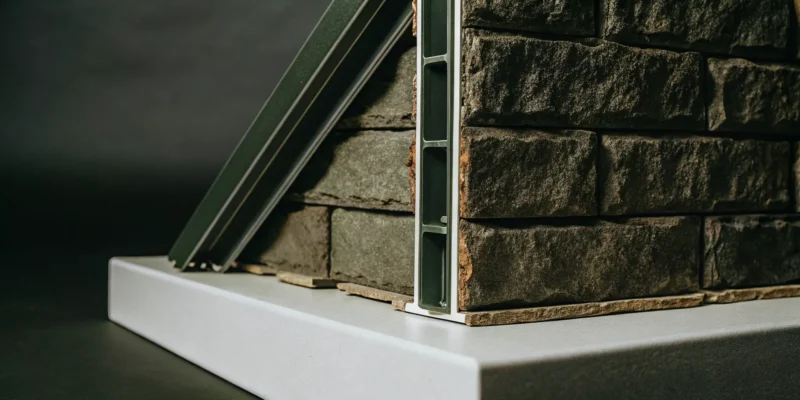
Proper installation is everything when it comes to a brick veneer wall’s longevity and performance. The process begins by attaching the thin bricks to a structural backing wall, like your home’s existing wood or steel frame. First, a waterproof barrier is applied to the wall to protect it from moisture. Then, the thin bricks are attached to the wall using a special mortar adhesive. A crucial part of the design is a small air gap, usually about an inch wide, left between the brick veneer and the waterproofed wall. This space allows air to circulate and any moisture that gets behind the bricks to drain away, preventing potential water damage. Metal ties are used to anchor the veneer securely to the main wall, ensuring it remains stable. This detailed assembly, as outlined by the Brick Industry Association, is what makes a veneer wall both beautiful and durable.
Exploring Brick Veneer Types
Brick veneer gives you the classic, high-end look of brick without the structural weight and expense of a full brick wall. It’s a fantastic way to add character to your home, whether you’re updating your exterior or creating a stunning interior accent wall. The material itself is a thin slice of brick, but it comes in a few different types. Understanding your options will help you choose the perfect fit for your project’s style and needs. Let’s walk through the most common types so you can feel confident in your decision.
Clay Brick
When you picture a timeless, traditional brick home, you’re likely thinking of clay brick. This type of veneer is made from fired clay, just like conventional bricks, giving it that authentic, rich color and texture that has been loved for centuries. Clay brick veneer offers a warm, classic aesthetic that can significantly enhance your home’s curb appeal. It’s incredibly durable and stands up well to the elements, making it a reliable choice for exterior siding. Because it’s a tried-and-true material, you can trust it to provide lasting beauty and character. Our masonry services often incorporate clay brick for its enduring appeal.
Concrete Brick
While clay offers a traditional look, concrete brick veneer opens up a world of design possibilities. Made from a mixture of cement, sand, and other aggregates, this veneer is known for its strength and versatility. It can be manufactured in a huge range of colors, shapes, and textures, allowing it to mimic everything from aged, rustic brick to sleek, modern blocks. This makes concrete brick an excellent choice if you have a specific color palette in mind or want to create a more contemporary look. Its durability is comparable to clay, ensuring your home’s exterior remains beautiful for years. The versatility is similar to what you find with our porcelain and natural stone options.
Thin Brick
The name says it all. Thin brick is a lightweight champion in the veneer world, typically measuring only about half an inch thick. These veneers are cut from the face of full-sized bricks or are formed and fired as thin units. Because they are so light, they are incredibly versatile and can be installed on almost any interior or exterior wall without needing extra structural support. This makes them a perfect solution for creating a beautiful brick accent wall in your living room, a rustic kitchen backsplash, or updating a fireplace surround. Thin brick is a popular choice for home remodeling projects where you want big impact without major structural changes.
Eco-Friendly Options
Choosing a beautiful finish for your home that’s also kind to the planet is a huge win. Many modern brick veneers are designed with sustainability in mind. Some are made from less absorbent materials or come with protective coatings that prevent staining and discoloration. This means you’ll spend less time and money on maintenance over the years and use fewer harsh chemicals to keep your walls clean. Plus, the lighter weight of thin brick veneer reduces transportation emissions. Investing in a low-maintenance material not only saves you effort but also aligns with a more eco-conscious lifestyle, similar to the benefits of our restoration and sealing services that protect and extend the life of your surfaces.
Why Choose a Brick Veneer Wall?
Deciding on the right exterior for your home is a big deal. You want something that looks fantastic, protects your home from the elements, and fits your budget. Brick veneer has become a go-to choice for many Long Island homeowners because it checks all those boxes and more. It delivers the timeless, elegant look of solid brick without the same structural requirements or high price tag. This makes it a practical and beautiful option for both new construction and home remodels.
From a design perspective, brick veneer offers incredible flexibility. Whether you’re updating a classic colonial or adding a rustic accent wall to your living room, there’s a style to match your vision. Beyond its good looks, brick veneer provides tangible benefits like improved insulation and impressive durability. When you work with experienced masonry professionals, you get a wall system that is not only stunning but also built to last. Let’s walk through the key advantages that make brick veneer such a compelling choice for your next project.
Versatile Style and Curb Appeal
Brick veneer gives your home an instant upgrade in the looks department. It provides that sought-after, traditional brick appearance that feels both classic and high-end. Because it comes in a wide variety of colors, textures, and sizes, you can achieve almost any aesthetic, from a warm, rustic farmhouse look to a sleek, modern facade. This versatility isn’t just for exteriors, either. It’s perfect for creating stunning interior accent walls, fireplace surrounds, or kitchen backsplashes. Brick veneer blends classic curb appeal with practical performance, making it a smart investment that enhances the beauty and value of your property for years to come.
Lightweight and Flexible
One of the biggest practical advantages of brick veneer, especially thin brick, is its weight. Because thin bricks are lighter and more slender than full-sized bricks, they don’t require the same heavy-duty structural support. This is a huge plus for remodeling projects, as you can often install brick veneer over existing walls without needing to add a new foundation or reinforced footing. This flexibility saves time, reduces complexity, and can lower the overall cost of your project. It opens up possibilities for adding the character of brick to areas of your home where it might not have been structurally feasible before.
Energy Efficient
A brick veneer wall can also contribute to a more comfortable and energy-efficient home. When installed correctly as part of a complete wall system with proper insulation and an air gap, it adds another layer of thermal mass. This helps your home stay warmer in the winter and cooler in the summer by slowing the transfer of heat. Published studies confirm there are measurable thermal benefits when brick veneer is used in a well-designed wall. Over time, this improved insulation can lead to noticeable savings on your heating and cooling bills, making it a smart and sustainable choice.
Fire Resistant
Safety is always a top priority for any homeowner, and brick veneer offers excellent protection against fire. Brick is a non-combustible material, meaning it won’t burn when exposed to flames. This inherent fire resistance can help slow the spread of a fire, giving your family more time to get to safety and potentially reducing the amount of damage to your home. In fact, tests have shown that certain thin brick veneer wall assemblies can provide a one-hour fire resistance rating. This added layer of protection provides invaluable peace of mind for you and your loved ones.
Low Maintenance
If you’re looking for a siding material that looks great without demanding a lot of your time, brick veneer is an excellent option. It’s an incredibly durable material that stands up well to Long Island’s weather, from hot summers to freezing winters. Thin brick veneer is specifically engineered to resist common issues like chipping, cracking, and fading. Unlike wood siding that needs regular painting or staining, brick veneer just requires occasional cleaning to keep it looking its best. This durability translates into measurable cost savings over the life of your home, since you won’t be spending money on frequent repairs or replacements.
Potential Downsides of Brick Veneer
Brick veneer is a fantastic choice for many homes, but it’s smart to look at the full picture before you commit. Like any building material, it comes with a few considerations that are important to understand. Thinking through these points ensures you’re making a well-informed decision that you’ll be happy with for years to come. The main factors to keep in mind are the initial installation cost, the critical need for proper moisture management, and the fact that it serves as a facade rather than a structural element.
These aren’t necessarily deal-breakers, but they are key details that highlight the importance of professional design and installation. When you know what to expect, you can plan accordingly and ensure your project is a success from start to finish. A quality masonry team will address these points proactively, turning potential issues into non-starters. By working with experts, you can feel confident that your brick veneer wall will be both beautiful and built to last, giving you peace of mind alongside stunning curb appeal.
Upfront Installation Cost
While brick veneer is more budget-friendly than a solid brick wall, it often has a higher upfront cost compared to other siding materials like vinyl. It’s helpful to view this as an investment rather than just an expense. The durability and timeless appeal of brick veneer can add significant value to your home, and its longevity means you won’t be paying for frequent replacements or repairs down the line. When installed correctly, brick veneer offers a great return through its performance and classic look. A professional installation is key to unlocking this long-term value, ensuring every dollar you spend contributes to a lasting, beautiful finish.
Moisture Management Needs
Because brick veneer is installed with a small air gap between the brick and your home’s structural wall, managing moisture is essential. If water finds its way into this gap and can’t escape, it can lead to problems like mold or efflorescence, which is that chalky white residue you sometimes see on brick. A professional installation prevents this by including a complete moisture management system with a water-resistant barrier, flashing, and weep holes that allow drainage. When designed and built correctly, a brick veneer wall effectively resists water penetration. Proper restoration and sealing can also help maintain its integrity over time.
Not a Structural Support
It’s important to know that a brick veneer wall is a siding, not a structural component. Unlike a traditional solid brick home where the masonry supports the building’s weight, a veneer wall is a facade attached to the home’s wood or steel frame. All the structural load is carried by the interior framing. This isn’t a flaw, just a key difference in construction. While it doesn’t provide structural support, brick veneer is still a durable and protective cladding that adds insulation and a degree of fire resistance. Understanding this distinction helps set clear expectations for what the material can and cannot do for your home remodeling project.
How Much Does Brick Veneer Cost?
Figuring out the budget for a brick veneer project is a common question, and the answer depends on a few key variables. The total cost is a combination of materials, professional labor, and any necessary prep work for your home. While it requires an upfront investment, a well-installed brick veneer wall adds significant curb appeal and lasting value. Thinking of it less as a simple expense and more as an upgrade to your home’s character and durability can help frame the decision. Let’s break down the main components that contribute to the final price tag.
Material Costs per Square Foot
The star of the show, the brick veneer itself, is priced by the square foot. The cost can vary quite a bit depending on the style, color, and brand you choose. Generally, you can expect thin brick veneers to range from about $4 to $15 per square foot. This range covers everything from classic red bricks to more unique, modern textures. At the Gappsi Store, we can help you explore a wide variety of high-quality options to find the perfect match for your home’s aesthetic and your budget.
Labor Costs and Key Factors
Professional installation is essential for ensuring your brick veneer wall looks great and performs well for years to come. Labor costs are influenced by the complexity of your project, the condition of the existing surface, and the specific design you have in mind. A straightforward accent wall will naturally have a different labor cost than a full exterior with intricate patterns and corners. When designed and installed correctly, a brick veneer wall is a durable feature that pays for itself over time. Our expert masonry team has the experience to handle any project, ensuring a flawless finish.
Factoring in Additional Materials
Beyond the bricks, a proper installation requires several other materials to create a durable and water-resistant system. A complete wall assembly often includes cement board, a specialized mortar to adhere the bricks, a drainage mat, insulation, and a water-resistive barrier. These components work together to protect your home from moisture and improve energy efficiency. While they add to the overall material cost, they are critical for the longevity and performance of your brick veneer wall. You can learn more about the technical side of these systems through industry case studies and testing.
What Affects the Total Price
To summarize, several factors will shape your final project cost. The type of brick you select, whether it’s a manufactured or natural thin brick, is a primary driver. The complexity of the design, such as herringbone or basketweave patterns, will require more time and skill, affecting labor costs. Finally, the amount of wall preparation needed, like repairing drywall or installing a new substrate, will also play a role. The best way to get a clear picture of the cost for your specific project is to schedule a consultation where we can assess your space and discuss your vision.
Brick Veneer vs. Other Siding
Choosing the right siding for your home is a big decision that impacts curb appeal, maintenance, and your budget. Brick veneer offers a fantastic middle ground between solid brick and other siding options, but it’s helpful to see how it stacks up against the competition. Understanding these differences will help you pick the perfect material for your home’s exterior and your lifestyle. Let’s compare it to a few popular choices so you can feel confident in your decision.
vs. Full Brick
The main difference between brick veneer and full brick comes down to one thing: structural support. Full or solid brick walls are structural, meaning they help hold up the weight of the building. They are thick, heavy, require a substantial foundation, and are more costly and time-consuming to install. Brick veneer, on the other hand, is a decorative siding. It’s made of thin slices of real brick that are applied over your home’s existing structure. Because it doesn’t bear any weight, it’s much lighter, less expensive, and faster to install, giving you that timeless brick look without the intensive masonry work of a full brick build.
vs. Vinyl Siding
When you compare brick veneer to vinyl siding, you’re often weighing classic aesthetics against initial cost. Vinyl is typically one of the most budget-friendly siding options available. While modern vinyl can mimic the look of brick, it simply can’t replicate the authentic texture, depth, and character of real brick veneer. Brick veneer provides a sense of permanence and high-end quality that significantly enhances your home’s curb appeal. It’s also more durable in many situations. If you want a timeless, sophisticated look that stands out, brick veneer is a clear winner over vinyl for your home remodeling project.
vs. Fiber Cement Siding
Fiber cement is another popular siding known for its durability and resistance to pests, fire, and rot. The choice between it and brick veneer often comes down to your aesthetic goals and thoughts on long-term maintenance. While fiber cement is a strong performer, it doesn’t offer the same classic, upscale appearance as brick veneer. It can be painted to match any style, but it may need repainting over the years to keep it looking fresh. Brick veneer, by contrast, provides a timeless look with minimal upkeep. It doesn’t require painting and maintains its color for decades, making it a great low-maintenance choice among other porcelain and natural stone options.
What Does Installation Involve?
Installing a brick veneer wall is a meticulous process that transforms a plain surface into a statement piece. While the steps might seem straightforward, each one requires precision to ensure your wall is not only beautiful but also durable and protected from the elements. It’s a project where craftsmanship truly matters, especially when it comes to details like waterproofing and creating a flawless finish. For a job this important, relying on experienced masonry professionals is always the best path. They have the tools and expertise to handle every stage of the installation, guaranteeing a result that lasts for decades. Let’s walk through the key steps involved in bringing a brick veneer wall to life.
Prepare and Waterproof the Surface
The foundation of a great brick veneer wall is a properly prepared surface. The process starts by attaching the veneer to a structural wall, which is typically made of wood or steel framing. Before any bricks go up, a waterproof barrier is applied directly to the wall. This is one of the most critical steps, as it acts as your home’s shield against moisture intrusion. Once the waterproofing is in place, a system of metal ties or anchors is installed. These anchors securely fasten the brick veneer to the structural frame, providing the necessary support to hold the bricks in place for years to come.
Plan the Layout and Apply Adhesive
With the surface prepped, the next step is all about artistry and precision. A professional installer will carefully plan the layout of the bricks to create a balanced and visually appealing pattern. This often involves snapping level chalk lines on the wall to serve as a guide. These lines account for the height of the bricks plus the standard 3/8-inch mortar joints, ensuring a consistent, classic look. Next, a high-quality adhesive, like a polymer-modified thin-set mortar, is applied to the wall. Each brick is then carefully pressed into the adhesive, following the planned layout to build the wall piece by piece.
Create an Air Gap for Drainage
For exterior brick veneer walls, creating an air gap is an essential step for long-term durability. This involves leaving a small, intentional space (usually about one inch) between the brick veneer and the waterproofed structural wall. This gap isn’t empty space; it’s a crucial component of a drainage system. It allows air to circulate and any water that might get behind the bricks to drain away harmlessly. Without this gap, moisture could become trapped, leading to potential issues down the road. This detail is a hallmark of a professional installation and key to protecting your home.
Grout and Finish the Joints
Once all the bricks are set and the adhesive has cured, it’s time to fill the joints. This is the step that gives the wall its final, polished appearance. Mortar is carefully piped into the gaps between each brick, a process that requires a steady hand to avoid smearing the brick faces. Before the mortar fully hardens, the joints are “struck,” or smoothed, with a special tool. This compacts the mortar, ensuring a tight seal, and creates a clean, concave line that defines the shape of each brick. The style of the joint can dramatically change the overall look, from rustic to modern.
Interior vs. Exterior Installation
While the basic process is similar, there are key differences between installing brick veneer inside and outside your home. For exterior projects, the focus on moisture management is absolute. The waterproof barrier and air gap are non-negotiable to protect your home’s structure from rain and humidity. For an interior accent wall or fireplace surround, the risk of water exposure is much lower, so the air gap is typically not needed. However, proper surface preparation and using the right adhesive are still vital for a secure, lasting installation that enhances your indoor living space as part of a home remodeling project.
Top Brick Veneer Brands to Know
When you’re ready to invest in a brick veneer wall, the quality of the material is just as important as the skill of the installer. Choosing a reputable brand ensures your new wall will be durable, beautiful, and exactly what you envisioned. At Gappsi, we partner with the best manufacturers in the business because we believe every project deserves a foundation of excellence. While there are many great options out there, a few names consistently stand out for their innovation, quality, and style. Getting to know these brands can help you feel more confident in your choices. Here are a few industry leaders we trust.
Brick It®
Brick It® is a fantastic brand, especially if you love the classic look of brick but want a more modern application. They specialize in thin brick veneer systems that are cleverly designed for easy installation. This means you get the authentic texture and charm of traditional brick without the structural weight or extended construction time. Their approach makes it possible to add beautiful brick accents to almost any interior or exterior wall. We appreciate their focus on creating high-quality, sustainable products that give homeowners a flexible and beautiful way to incorporate brick into their home’s design. It’s a smart solution for achieving a timeless look with modern efficiency.
Glen-Gery
As one of North America’s largest brick manufacturers, Glen-Gery is a powerhouse of quality and selection. With hundreds of premium brick products, they offer an incredible range of colors, textures, and styles to choose from. Whether you’re dreaming of a rustic accent wall for your kitchen or a sleek, modern exterior, they likely have the perfect thin brick to match. Their products, like the popular Tru-Brix line, are known for their versatility and can be used for all kinds of projects. Glen-Gery’s long-standing commitment to craftsmanship means you’re getting a product that is not only beautiful but also built to last, allowing you to create a truly unique design.
Oldcastle
Oldcastle is another leading name in the building materials industry, and for good reason. They are known for producing brick veneer products that perfectly balance durability with high-end aesthetics. Their veneers come in a wide array of colors and textures, making it simple to find an option that complements your home’s existing architectural style, from traditional to contemporary. Oldcastle is focused on providing top-quality products that are straightforward to install while also prioritizing sustainable manufacturing. This commitment ensures you can feel good about the materials used in your home, knowing they are both beautiful and responsibly made.
How to Maintain Your Brick Veneer Wall
One of the best things about brick veneer is that it’s incredibly low maintenance. But low maintenance doesn’t mean no maintenance. A little proactive care will keep your walls looking beautiful and protect your investment for decades. Think of it like a seasonal checkup for your home’s exterior. By staying on top of small cleaning and repair tasks, you can prevent minor issues from turning into major headaches. These simple steps will help you preserve the character and integrity of your brick veneer, ensuring it continues to add value and curb appeal to your Long Island home.
Inspect and Clean Regularly
A quick inspection each season is the best way to stay ahead of potential problems. Walk around your home and look for any changes, especially in damp or shady areas that get little sun. These spots can be prone to moss, mold, or mildew growth. If you find any, you can usually scrub it away with a simple solution of one part household bleach to ten parts water and a soft-bristle brush. Also, keep an eye out for any previous repairs made with the wrong type of mortar, as this can trap moisture and cause damage over time. For a professional deep clean, our teams provide expert restoration and sealing services to bring your masonry back to life.
Seal for Moisture Protection
Applying a sealer is a great way to give your brick veneer an extra layer of defense against the elements. A quality breathable, silane-siloxane sealer will block water from getting into the brick while still allowing any trapped moisture to escape. This is especially important for exterior walls that face harsh weather. However, you should be careful not to seal interior brick veneer, like a feature wall or fireplace surround, as these are designed to be left natural. If you’re unsure whether your brick needs sealing, it’s always best to consult with a professional who can assess its condition and recommend the right product for your specific type of brick.
Fix Cracks and Stains Early
Over time, you might notice small hairline cracks or stains from dirt and organic growth. It’s important to address these issues as soon as you spot them. Stains can often be cleaned with the right solution, while small cracks can be filled with a matching mortar or caulk. Catching these early prevents water from seeping behind the veneer and causing more significant damage to the wall structure. While some minor fixes are DIY-friendly, larger cracks could signal a problem with the foundation or wall ties. In those cases, it’s best to have an expert take a look. Our masonry professionals can diagnose the issue and ensure the repair is done correctly.
Your Long Island Brick Veneer and Masonry Experts
Choosing brick veneer is an excellent way to get the classic, textured look of brick for your home’s interior or exterior. It offers incredible design flexibility, adds significant curb appeal, and even provides a one-hour fire resistance rating when installed correctly. However, the success of any brick veneer project hinges on expert installation. Proper moisture management and meticulous attention to detail are not just nice to have; they are essential for a beautiful, long-lasting finish. This is where having a trusted local partner makes all the difference.
At Gappsi, we’ve been serving homeowners across Long Island since 1987. Our deep experience in masonry means we understand the unique challenges and opportunities of building in this area. We don’t just install brick veneer; we design and construct complete masonry solutions that stand the test of time. From selecting the perfect thin brick that matches your home’s style to ensuring every layer is properly waterproofed and supported, our team handles every step with precision. We combine time-honored techniques with modern materials to create stunning results.
We see brick veneer as one element in a larger design story. Imagine a beautiful brick veneer accent wall as the backdrop for your new outdoor kitchen, or a classic herringbone pattern warming up a fireplace during a home remodeling project. Because we offer a full suite of services, from landscaping to pavilions, we can seamlessly integrate your masonry work into a cohesive vision for your entire property. You can explore a wide selection of high-quality materials, including our exclusive porcelain and natural stone options, at the Gappsi Store. Seeing the textures and colors in person can spark inspiration and help you feel confident in your choices. Let our team of designers and craftsmen help you create a space that is both functional and uniquely yours.
Related Articles
Frequently Asked Questions
Is brick veneer just fake brick? That’s a common question, but the answer is usually no. Most high-quality brick veneer, especially thin brick, is actually made from real clay or concrete brick. It’s either sliced from the face of a full-sized brick or formed and fired as a thin unit from the start. This is why it has the same authentic texture, color variations, and timeless character as a traditional brick wall. You get the genuine look and feel because the material itself is genuine.
How long can I expect a brick veneer wall to last? When installed correctly by a professional, a brick veneer wall is incredibly durable and can easily last for 50 years or more, often for the entire life of the house. Its longevity really comes down to the quality of the installation. A system that includes proper waterproofing, an air gap for drainage, and secure anchoring to the home’s structure will stand up beautifully to weather and time with very little maintenance required.
Can I use brick veneer inside my house? Absolutely. Brick veneer is a fantastic choice for interior projects and a popular way to add warmth and texture to a room. It’s perfect for creating a stunning accent wall in a living room or bedroom, a rustic kitchen backsplash, or for remodeling a fireplace surround. Because moisture isn’t a concern indoors, the installation is often more straightforward, making it a high-impact design choice without the complexity of an exterior project.
Is water damage a big risk with brick veneer? Water can be a risk for any home exterior if it’s not installed properly, but a professional brick veneer installation is specifically designed to prevent this. The system includes multiple layers of protection, including a water-resistant barrier on the wall and a small air gap behind the bricks. This gap allows any moisture that gets past the brick to drain away harmlessly through small openings called weep holes. When built correctly, it’s a very effective and water-resistant siding.
Does brick veneer add value to my home? Yes, it certainly can. Brick has a classic, high-end appeal that boosts curb appeal significantly, which is a major factor in a home’s value. Because brick veneer is also durable, fire-resistant, and low-maintenance, it’s a feature that is very attractive to potential buyers. It’s seen as a premium upgrade over other siding materials like vinyl, so it often provides a strong return on your investment when it comes time to sell.