


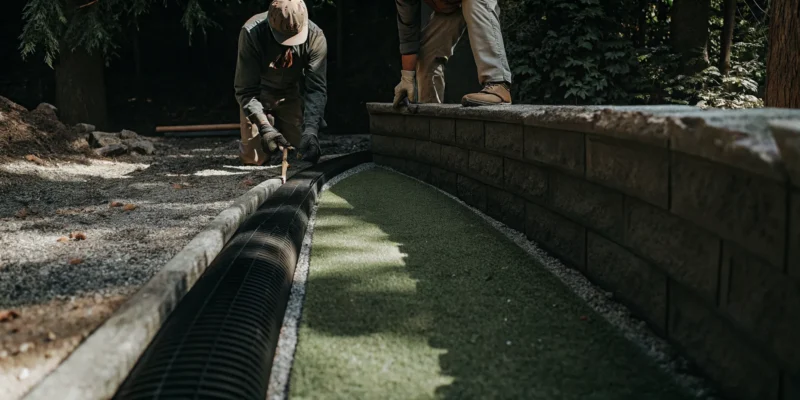
A retaining wall does two important jobs at once. On one hand, it’s a heavy-duty structural feature, engineered to hold back tons of soil and water. On the other, it’s a key design element that can define your outdoor style. Getting both parts right is the secret to a successful project. You need a wall that won’t fail and that also complements your home’s aesthetic perfectly. This is why the choice of a builder is so critical. If you’re asking which contractor installs retaining walls in Suffolk County, you’re already on the right track to finding a partner who values both form and function.
Key Takeaways
- Build for Strength, Not Just Looks: A retaining wall’s most important job is structural. Success depends on a solid foundation and a well-planned drainage system to manage water pressure, which are essential for preventing future failure.
- Understand Your Total Investment: Your final cost is determined by the wall’s size, your property’s unique conditions, and the materials you select. Professional labor is a critical part of the budget that ensures your wall is built safely and correctly.
- Vet Your Professional Partner: Choosing the right contractor is the most crucial step. Take time to review their past projects, verify they are fully licensed and insured, and make sure they offer design guidance to create a wall that truly fits your home.
Building a Retaining Wall in Suffolk County: A Homeowner’s Guide
A retaining wall is more than just a stack of stones. It’s a structural solution that can prevent soil erosion, reclaim sloped land to create more usable space, and add significant visual appeal to your property. If you’re dealing with a hilly yard in Suffolk County, a well-built retaining wall can completely transform your landscape. But building one that lasts requires careful planning and professional expertise. Let’s walk through what you need to know before you start.
What Does a Retaining Wall Contractor Do?
A retaining wall contractor is a specialist who manages the entire process of designing and building a wall that is both beautiful and structurally sound. Their job starts with a thorough site assessment to understand your property’s unique slope, soil type, and drainage needs. From there, they help you choose the right materials and create a design that complements your home. A professional ensures your wall is built to code and engineered to withstand the immense pressure from soil and water. Gappsi’s masonry design and construction teams have been serving Long Island for decades, so we know exactly what it takes to build a wall that stands strong against our local weather patterns.
Choosing the Right Materials for Your Wall
The material you choose has a huge impact on your wall’s durability, look, and cost. While wood might seem like a simple option, it’s prone to rot and insect damage, making it a poor long-term investment. For a wall that will last for generations, you’ll want to consider natural stone or high-quality concrete blocks. Natural stone offers a timeless, organic look, with each piece having a unique character. Concrete blocks provide a more uniform appearance and can be engineered for incredible strength. At Gappsi, we offer a premier selection of porcelain and natural stone pavers, giving you the freedom to find the perfect match for your home’s style and your project’s structural requirements.
Key Installation Steps for a Wall That Lasts
Proper installation is what separates a temporary fix from a permanent landscape feature. The process begins with excavation and the creation of a solid foundation. For most walls, this involves digging a trench and pouring deep concrete footings to create a stable base that won’t shift under pressure. The first course of blocks or stones is the most critical, as it must be perfectly level to ensure the rest of the wall is straight and strong. As the wall is built up, the area behind it is carefully backfilled with gravel to promote drainage. This is a labor-intensive job that requires precision and the right equipment, which is why it’s best left to our expert construction teams.
Prepping for Success: Drainage, Permits, and Site Work
A few key preparations are essential for a successful retaining wall project. First and foremost is drainage. Without a proper system to channel water away, hydrostatic pressure can build up behind the wall and cause it to bulge, crack, or even collapse. A professional contractor will install a drainage system using perforated pipes, gravel, and filter fabric. You also need to consider local building codes, as walls over a certain height often require a permit and an engineer’s approval. A full-service company can handle the permitting process for you. Finally, think about how the wall fits into your overall landscape design, as it can be a great opportunity to create new garden beds or a level patio area.
How Much Does a Retaining Wall Cost in Suffolk County?
Budgeting for a retaining wall can feel like a moving target, but it doesn’t have to be. While every project is unique, understanding the key cost factors will help you plan effectively. The final price tag for your Suffolk County retaining wall comes down to three main things: the wall’s size, your property’s conditions, and the materials you choose. A well-built wall not only solves landscape challenges but also adds significant value and beauty to your home. Let’s break down what you can expect so you can approach your project with confidence.
How Sizing and Site Conditions Affect Price
As you might guess, the bigger the wall, the higher the cost. To give you a general idea, a small garden wall might run from $1,200 to $5,300. For a medium-sized wall, perhaps between three and six feet high, you could be looking at a range of $3,000 to $10,600. Larger, more complex walls that require significant engineering can range from $6,000 to over $18,500. Beyond the dimensions, your property itself is a major factor. A steep slope can increase labor costs by 50% or more, and tricky site access or challenging soil conditions can also add to the budget. These are all things an experienced masonry designer accounts for when planning your project.
How Material Choice Impacts Your Budget
This is where your personal style really comes into play, and it’s also a key part of your budget. On the more economical side, you have options like interlocking concrete blocks, which typically cost between $15 and $40 per square foot. Poured concrete is another durable choice, usually falling between $20 and $45 per square foot. If you love a classic look, brick is a beautiful option, costing around $25 to $60 per square foot. For a truly stunning and high-end finish, many homeowners choose natural stone, which can range from $15 to $90 per square foot depending on the type of stone. The wide range in stone pricing reflects the vast differences between common fieldstone and premium imported varieties.
Understanding Your Project Quote
When you get a quote, it’s more than just a single number. Labor is a huge piece of the puzzle, usually making up 40% to 50% of the total cost. This is not the place to cut corners; professional installation is what ensures your wall will stand strong for years. Your quote may also include line items for permits, which are often required for walls over three or four feet tall and can cost between $40 and $450. For taller walls or those supporting heavy loads, a structural engineer’s plan might be necessary, adding $350 to $750 or more. A comprehensive home remodeling contractor will manage these details for you, ensuring everything is built to code.
How to Choose a Retaining Wall Contractor
Finding the right contractor is the most important step in your retaining wall project. This isn’t just about hiring someone to stack stones; it’s about finding a true partner who understands your vision, respects your property, and has the technical skill to build a structure that is both beautiful and durable. A great contractor brings expertise in local soil conditions, drainage requirements, and building codes, ensuring your wall stands strong for years to come. They should listen to your ideas and provide professional guidance to make them a reality.
When you start your search, you’re looking for a company with a proven track record, proper credentials, and a collaborative design process. Think of it like an interview. You want to see their past work, verify their qualifications, and feel confident in their ability to manage your project from start to finish. Taking the time to vet your options thoroughly will save you from potential headaches and costly repairs down the road. A well-chosen contractor will deliver a finished product that not only solves your landscaping challenges but also adds significant value and beauty to your home.
Review Their Portfolio and Past Projects
Before you even pick up the phone, spend some time looking through a contractor’s portfolio. A gallery of past projects is more than just a collection of photos; it’s a direct reflection of their craftsmanship, style, and experience. Look for examples of retaining walls that are similar in scope and material to what you have in mind. Do their projects look professionally finished? Do they showcase a range of styles, from modern to rustic? A robust portfolio, like the project videos on the Gappsi YouTube channel, demonstrates a history of successful installations and helps you visualize what’s possible for your own yard. It builds trust and gives you a reason to believe they can deliver on their promises.
Confirm They Are Licensed and Insured
This step is non-negotiable. Always confirm that any contractor you consider is fully licensed to work in Suffolk County and carries comprehensive liability insurance. A license proves they have met local and state requirements, while insurance protects you, your property, and the work crew in case of an accident. For a structural project like a retaining wall, proper engineering and drainage are critical. An uninsured or unlicensed worker might offer a lower price, but you risk costly failures and legal issues. You can verify a contractor’s license through the New York State Division of Consumer Protection to ensure you’re hiring a legitimate professional who is accountable for their work.
Ask About Custom Designs and Material Quality
Your retaining wall should be a seamless extension of your home’s aesthetic, not an afterthought. A top-tier contractor will offer comprehensive masonry design services, not just installation. During your consultation, ask about their design process. Do they help you choose the right materials to complement your landscape? A great partner will guide you through the vast selection of options, explaining the benefits of different types of porcelain and natural stone. They should be just as concerned with how the wall looks as they are with how strong it is, ensuring the final result is a perfect blend of form and function that suits your personal style.
Your Retaining Wall Project with Gappsi
Expert Design and Installation
A successful retaining wall project starts with a solid plan. You need a team that can manage the entire process, from the first sketch to the last stone set in place. We provide comprehensive services that cover both design and installation, so you have one expert partner guiding you from start to finish. Our integrated approach ensures that the design is perfectly buildable and that the final construction truly reflects the initial vision. With Gappsi’s masonry experts, you can rest assured that your project is in capable hands, eliminating the stress of coordinating multiple contractors.
A Premier Selection of Stone and Masonry
The materials you choose for your retaining wall determine its strength and lifespan. While options like wood might seem appealing at first, they often rot and weaken over time. We recommend durable masonry wall stones because they offer superior strength and longevity, ensuring your investment stands strong for years to come. Our extensive selection of high-quality porcelain and natural stone gives you the freedom to find the perfect look for your home. We believe in using only the best materials, so your retaining wall is not just a temporary fix but a permanent, valuable addition to your property.
Integrating Your Wall with Your Landscape
A retaining wall should do more than just hold back soil; it should enhance the beauty of your yard. We believe that function and aesthetics go hand in hand. Our team cares just as much about how your wall looks as we do about its structural integrity. We design retaining walls that seamlessly integrate with your property’s existing features, turning a practical necessity into a stunning design element. Whether it’s creating elegant tiers for a garden or defining a cozy patio space, we ensure your new wall complements your overall landscape design and adds to your home’s curb appeal.
Get Your Complimentary Estimate
Thinking about adding a retaining wall to your property? Taking the first step is easier than you might think. We believe in making the process as straightforward as possible, which is why we offer a complimentary estimate for your project. This allows you to understand the potential costs and explore your options without any pressure. Getting a clear idea of the budget helps you plan effectively and move forward with confidence. When you’re ready to explore what’s possible for your outdoor space, you can contact us to get your project started and receive a personalized quote from our team.
Next Steps for Your Retaining Wall Project
Once you have a good grasp of the materials, costs, and contractors involved, you can start putting a plan into action. Thinking through the next steps helps you move forward with confidence, ensuring your project starts on the right foot and that your finished wall serves you well for years to come. From identifying the clear signs that your property would benefit from a wall to understanding basic upkeep, a little preparation goes a long way.
The goal is to transform your landscape effectively, whether that means creating more usable space or simply adding a beautiful structural element. A well-built wall is a significant investment in your home’s value and functionality. That’s why partnering with an experienced masonry designer is so important. They can guide you through these final planning stages and turn your vision into a durable, stunning reality. Let’s walk through what you should consider as you prepare to break ground.
Signs You Might Need a Retaining Wall
The most obvious sign you might need a retaining wall is a noticeable slope in your yard. If you’re dealing with soil erosion, where dirt washes away during heavy rain, a wall can hold it back. It also makes sloped or uneven land flat and usable. This is perfect if you want to create a level area for a patio, garden, or play space for your kids. Beyond pure function, a retaining wall can also solve aesthetic problems. It can define different areas of your landscape, add visual interest, and create beautiful terraced gardens that make your yard look much more polished and intentional.
Simple Maintenance for a Long-Lasting Wall
A great retaining wall is built to last, but a few simple habits will keep it in top shape. The most important thing is to ensure proper drainage. Regularly check that weep holes and drainage pipes are clear of debris so water can escape freely. Water pressure is a wall’s biggest threat, so good drainage is key. It’s also smart to walk the length of your wall after big storms to look for any new cracks or shifts. Catching and repairing small issues early prevents them from becoming big problems. You can also request professional cleaning and sealing to protect the stone from weathering and stains.
How to Get Started on Your Project
Ready to take the first step? It all begins with a conversation. Before you do anything else, reach out to a professional contractor for a consultation. This is your chance to discuss your goals, your property’s specific challenges, and your design ideas in detail. A good contractor will listen to your needs, inspect the site, and provide a clear, comprehensive estimate for the project. This initial meeting is the best way to get an accurate picture of the scope and cost, allowing you to move forward with a solid plan and a team you trust.
Related Articles
- Learn About Quality Retaining Walls for Your Long Island Backyard – Gappsi Group
- Three level retaining wall long island – Gappsi Group
- Estimate for reinforced poured concrete footer for retaining walls long island – Gappsi Group
- Top Concrete Block Retaining Wall Contractors Long Island
- CST Retaining Walls Nassau & Suffolk County long island NY – Gappsi Group
Frequently Asked Questions
How long does it take to build a retaining wall? The timeline for building a retaining wall really depends on the project’s size and complexity. A simple, small garden wall might only take a few days, while a large, engineered wall on a steep slope could take a week or more. Factors like weather and site accessibility also play a role. A significant portion of the time is spent on preparation, such as excavation and building a proper foundation, which is the most important step for ensuring the wall lasts.
Do I really need a permit for my retaining wall? In most cases, yes, especially if the wall is over a certain height. Many towns in Suffolk County require a permit for any retaining wall taller than three or four feet. This rule is in place for safety, as taller walls must be properly engineered to handle immense soil pressure. A professional contractor will know the specific codes for your area and can manage the entire permitting process for you, so you don’t have to worry about the paperwork.
How long will my new retaining wall last? A professionally installed retaining wall built with high-quality materials like natural stone or concrete blocks is designed to last for decades. Its longevity comes down to two key factors: the materials used and the quality of the installation. The most critical part is what you can’t see, specifically a solid, deep foundation and a well-designed drainage system. These elements prevent shifting and water pressure buildup, which are the main reasons a wall might fail.
Can I just build a small retaining wall myself? While it can be tempting to tackle a project yourself, building a retaining wall is more complex than it looks. For a very short, decorative border around a flower bed, a DIY approach might be fine. However, for any wall that needs to hold back soil, even on a small slope, we strongly recommend hiring a professional. The risks of improper drainage or a weak foundation are high, and a failed wall can be a costly and dangerous problem to fix later on.
Can a retaining wall be part of a bigger backyard project? Absolutely, and that’s often the best way to approach it. A retaining wall can be the foundational piece that makes other projects possible. For instance, it can create a level surface needed for a new patio, form a secure edge for a swimming pool deck, or establish beautiful tiers for a new landscape design. Planning these elements together ensures your entire outdoor space has a cohesive, integrated look.