


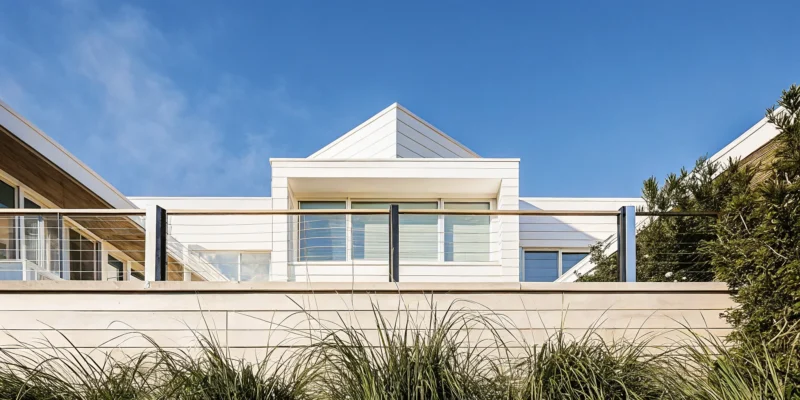
When you hear “modern fence,” you might picture it paired only with a brand-new contemporary house. But one of the best things about this style is its surprising versatility. The diverse architecture across Long Island, from classic Colonials in Garden City to waterfront ranches in the Hamptons, provides the perfect canvas for this design. By carefully selecting the right material, color, and board spacing, a horizontal fence can add a touch of contemporary flair to a traditional home or seamlessly complete a modern one. It’s a design choice that feels both fresh and timeless. A thoughtfully designed modern horizontal fence Long Island homeowners are discovering can complement any architectural style beautifully.
Key Takeaways
- Update Your Home’s Exterior: A horizontal fence provides a clean, modern look that can significantly improve your property’s curb appeal. Its versatile style complements both new and traditional homes, creating a sophisticated and intentional design.
- Select the Right Material for Your Needs: Your choice of material, from natural wood to low-maintenance aluminum or composite, directly affects your fence’s durability and upkeep. Consider your budget, desired aesthetic, and how much time you want to spend on maintenance.
- Ensure a Successful Installation: Proper preparation is key to a long-lasting fence. Before building, verify your property lines, check local town regulations for height and permits, and partner with an experienced installer to avoid common mistakes.
Why Horizontal Fences Are Taking Over Long Island Yards
Walk through any Long Island neighborhood, and you’ll notice a change happening in backyards and front lawns. The classic white picket fence still has its charm, but a new style is quickly becoming the go-to for homeowners looking to update their property. Horizontal fences, with their clean lines and contemporary feel, are transforming outdoor spaces from simple yards into sophisticated extensions of the home. This isn’t just about marking property lines anymore; it’s about making a design statement that reflects modern tastes while adding privacy and value.
The Shift to Modern Fencing
The move toward horizontal fencing is all about embracing a fresh, modern aesthetic. Unlike traditional vertical fences, which can sometimes feel imposing, horizontal planks create a sleek, streamlined look. Their clean lines draw the eye outward, making spaces feel wider and more open. This style offers incredible versatility, allowing for a high degree of customization in materials, colors, and board spacing. Whether you want complete privacy with no gaps or a semi-private design that lets light and air flow through, a horizontal fence can be tailored to your exact needs. It’s a sophisticated choice that provides security without sacrificing style, which is why so many homeowners are choosing these modern fencing options.
How Horizontal Fences Complement Local Home Styles
One of the best things about horizontal fences is how well they pair with Long Island’s diverse architecture. For modern new builds, a black or gray aluminum horizontal fence creates a seamless, high-end look. For classic ranches or Colonial homes, a warm wood fence can add a touch of contemporary flair without clashing with the home’s traditional character. The style instantly updates the appearance of a property, making it feel more current and thoughtfully designed. By integrating your fence into a cohesive landscape design, you can create a private outdoor oasis that feels both stylish and secluded. It’s a simple update that makes a huge impact.
Why Choose a Modern Horizontal Fence?
If you’re looking for a fence that does more than just mark a property line, a modern horizontal design is an excellent choice. This style has become a favorite for its clean lines and sophisticated look, offering a fresh alternative to traditional vertical fences. It’s a versatile option that works with many different home styles, from classic colonials to new contemporary builds. A horizontal fence is a statement piece that combines form and function, transforming your yard into a stylish and private extension of your home. It’s about creating a boundary that feels intentional and beautiful, not just necessary.
Increase Curb Appeal and Property Value
Your fence is one of the first things people see, so it plays a huge role in your home’s overall curb appeal. A modern horizontal fence makes a powerful first impression with its clean, architectural lines. This simple upgrade can make your entire property feel more current and thoughtfully designed. Potential buyers notice these details, too. A stylish, well-built fence can even increase your property value by signaling that the home is well-maintained and up to date. Investing in a quality fencing solution is a smart way to enhance your home’s beauty and its long-term worth.
Get Privacy Without Sacrificing Style
Privacy is a top priority for most homeowners, but you shouldn’t have to sacrifice style to get it. Horizontal fences offer the perfect solution. The long, unbroken lines of the slats create a visual barrier that feels both elegant and secure. You can customize the spacing between the boards to achieve your desired level of seclusion, from a solid wall for maximum privacy to small gaps that let in light and air. This allows you to create a secluded backyard oasis for your family, perfect for enjoying your swimming pool or patio in peace.
Enjoy Durability Built for Long Island Weather
A fence on Long Island needs to be tough enough to handle everything from summer sun to coastal storms. Horizontal fences are not just about looks; they are also built for enhanced strength and longevity. When you choose durable materials like aluminum or composite, you get a fence that is strong and built to last. These materials are a fantastic choice because they require very little upkeep and resist common issues like rot, rust, and insect damage. This means you can spend less time on maintenance and more time enjoying your beautiful yard. A well-constructed horizontal fence gives you peace of mind, knowing it will stand strong and look great for years to come.
What Are the Best Materials for a Horizontal Fence?
Choosing the right material for your horizontal fence is about finding the perfect balance between the look you want, the durability you need, and the amount of maintenance you’re willing to do. Your fence is a long-term investment, so it’s important to pick a material that can handle Long Island’s weather while complementing your home’s style. From the classic warmth of wood to the modern appeal of metal and composites, each option offers a unique set of benefits. Let’s walk through the most popular choices to help you decide which one is the best fit for your yard.
Wood for Natural Warmth and Character
There’s a reason wood remains a timeless favorite for fencing. It offers a natural warmth and character that other materials can’t quite replicate. A horizontal wood fence can feel both modern and classic, creating a welcoming and organic look for your property. Stained or painted wood, whether in a bold black or a soft natural tone, can beautifully enhance your outdoor space. While wood does require some upkeep to stay looking its best, a quality installation and regular sealing will protect it from the elements. Gappsi offers a variety of wood fencing options and can help you choose a species that provides the beauty and durability you’re looking for.
Aluminum for a Sleek, Weather-Resistant Look
If you want a sharp, modern look with minimal upkeep, aluminum is an excellent choice. Aluminum fencing provides impressive strength and a sleek profile that perfectly suits contemporary home styles. It’s a fantastic low-maintenance alternative to other materials because it can withstand harsh weather without rusting, corroding, or fading over time. This makes it an ideal solution for Long Island’s coastal climate. An aluminum horizontal fence gives you clean lines and lasting performance, so you can enjoy your beautiful fence without worrying about constant maintenance. It’s a durable, stylish, and practical investment for any modern home.
Composite for a Low-Maintenance Solution
Composite fencing gives you the best of both worlds: the beautiful appearance of wood without the demanding maintenance. This engineered material is designed to mimic the rich look and texture of natural wood while offering superior durability. Composite boards resist fading, staining, and warping, so your fence will look great for years with very little effort. This makes it a perfect choice for busy homeowners who love the aesthetic of a wood fence but don’t have the time for regular staining or sealing. With composite fencing, you get a long-lasting, beautiful barrier that stands up to the elements and keeps its color year after year.
Vinyl for an Affordable and Versatile Option
For a practical and budget-friendly fencing solution, vinyl is hard to beat. Modern vinyl fences are known for their affordability and incredible versatility. They come in a wide range of styles and colors, making it easy to find a look that complements your home’s exterior and your personal taste. Vinyl requires almost no maintenance, you’ll never have to paint or stain it, and it cleans up easily with just soap and water. It’s also highly resistant to weathering, so it won’t rot, peel, or blister. This makes vinyl a smart and attractive choice for Long Island homeowners seeking a durable, stylish, and cost-effective horizontal fence.
Is a Horizontal Fence Right for Your Home?
A horizontal fence makes a definite style statement, so it’s worth thinking about how it will pair with your home’s existing architecture and meet your family’s needs. While these fences are celebrated for their modern look, their versatility might surprise you. The key is to match the material, color, and design to your property’s character and your goals for the space. Whether you want to create a private backyard retreat, complement a traditional home with a modern touch, or go all-in on a contemporary design, a horizontal fence can be the perfect fit. It all comes down to thoughtful planning and execution.
Pairing with Ranch and Colonial-Style Homes
If you live in a classic Long Island ranch or colonial, you might think a horizontal fence is off the table. But a modern fence can create a beautiful, intentional contrast that updates your home’s entire look. For these more traditional styles, the goal is often to define the property line without making the yard feel boxed in. A horizontal fence made from natural wood can add warmth that complements traditional architecture, while a sleek aluminum fence in black or white offers a nod to classic wrought iron with a contemporary twist. You can even integrate the fence with classic masonry pillars to seamlessly blend old and new.
Complementing Modern and Contemporary Builds
For modern and contemporary homes, a horizontal fence is a natural extension of the architectural style. These homes are defined by clean lines, geometric forms, and a minimalist sensibility, and a horizontal fence echoes those principles perfectly. The long, linear boards draw the eye along the property, creating a look that is sleek, sophisticated, and cohesive. This style has become incredibly popular because it feels both stylish and functional, instantly giving a property a polished, high-end appearance. With materials like dark aluminum or smooth composite, a horizontal fence can complete your modern home’s exterior design.
Solving for Privacy or Noise Concerns
While style is important, a fence also has to be functional. If privacy is your main goal, a horizontal fence is an excellent option. Unlike traditional vertical fences that can sometimes feel imposing, a horizontal privacy fence provides seclusion with a lighter, more modern feel. The level of privacy is completely customizable based on the spacing between the boards. You can choose a design with no gaps for total privacy, which also helps to dampen ambient noise. Alternatively, you can opt for thin gaps that allow light and air to pass through while still screening your yard from view. It’s a great way to create a secluded outdoor living space without building a fortress.
How Can You Customize Your Horizontal Fence?
A modern horizontal fence is far from a one-size-fits-all solution. This is where you can get creative and design a fence that truly reflects your home’s personality and meets your functional needs. From the spacing of the boards to the color and even integrated lighting, customization allows you to create a unique feature for your property. Think of your fence not just as a boundary, but as a backdrop for your entire outdoor living space. The right combination of details can transform a simple fence into a stunning architectural element.
Whether you want to create a private, serene escape or an open, welcoming yard, the choices you make here will define the final look and feel. A well-designed fence can frame your garden, provide a secure area for kids and pets, or add a layer of sophisticated privacy. At Gappsi, we specialize in creating custom fences and netting that blend beauty with durability, ensuring your vision comes to life exactly as you imagined. Let’s explore some of the most popular ways you can personalize your horizontal fence to make it uniquely yours.
Board Spacing and Layouts
The spacing between the horizontal boards is one of the most impactful design choices you’ll make. For maximum privacy, you can opt for a gapless design where the boards fit snugly together. This creates a solid, modern wall that’s perfect for backyards and pool areas. If you prefer a bit of light and air to pass through, a semi-private design with small, consistent gaps between the boards offers a contemporary look without feeling completely closed off. You can even play with alternating wide and narrow boards to create a unique rhythm and texture.
Height and Panel Configurations
The height of your fence directly influences its function and presence in your yard. A standard six-foot-tall fence is ideal for creating a private sanctuary, enclosing a swimming pool, or keeping pets safely contained. For front yards or decorative garden partitions, a shorter fence of three or four feet can define the space beautifully without obstructing views. The horizontal slats themselves contribute to a sleek, contemporary aesthetic that makes any yard feel more modern, regardless of the height you choose.
Colors, Finishes, and Textures
Color is a powerful tool for setting the mood of your outdoor space. Lately, dark and dramatic finishes like black, charcoal gray, and deep brown have become very popular, creating a sophisticated backdrop that makes landscaping and greenery pop. Of course, classic choices like a warm wood stain or a crisp white paint remain timeless options that suit many Long Island homes. The key is to select a finish that complements your home’s exterior, whether it’s siding, brick, or natural porcelain and stone.
Mixed Materials and Integrated Lighting
Why stop at just a fence? You can turn your horizontal fence into a multifunctional feature by incorporating other materials and elements. Combining wood or composite slats with sleek aluminum posts creates a stylish mixed-material look. You can also integrate features directly into the fence design, such as built-in planters for a touch of green, bench seating for extra gathering space, or subtle LED lighting for ambiance and security. These thoughtful additions can make your fence a central part of your outdoor living design, much like a custom pavilion or pergola.
What to Know Before You Install
Before the first post goes into the ground, a little planning goes a long way. Taking the time to sort out a few key details ensures your fence installation is smooth and successful, saving you from potential headaches down the road. Think of it as the foundation for your project. You’ll want to confirm your property boundaries, understand local rules, decide on the perfect height for your needs, and choose materials that will stand the test of time.
Getting these elements right from the start is the secret to a fence that not only looks fantastic but also functions perfectly for your family. A professional installer can handle the heavy lifting, but knowing what to expect helps you make informed decisions. From navigating permits to selecting sustainable materials, here’s what you should have on your checklist before breaking ground. This preparation ensures your new horizontal fence is a source of pride for years to come.
Check Property Lines and Local Permits
One of the most critical first steps is to know exactly where your property begins and ends. Installing a fence even a few inches onto your neighbor’s land can lead to disputes and costly corrections. If you’re not completely sure about your property lines, it’s wise to get a professional land survey. This document provides a clear map of your boundaries.
Beyond your property lines, you also need to consider local zoning laws. Many towns on Long Island have specific regulations about fence height, materials, and how far a fence must be set back from sidewalks or property lines. You may even need a permit before starting construction. Working with an experienced team like Gappsi helps you manage these requirements, ensuring your project is fully compliant from day one.
Choose the Right Height for Your Yard
The ideal height for your horizontal fence depends entirely on its purpose. Are you looking for complete privacy for your backyard oasis, or do you simply want to define your property’s edge? For privacy, a six-foot fence is a popular choice. If your goal is more decorative or to keep a small pet safely contained, a shorter four-foot fence might be all you need.
Keep in mind that local ordinances can also dictate maximum fence height, so it’s important to check those rules. The height can also influence the overall look and feel of your space. A taller fence offers a strong, secure presence, while a shorter one feels more open and inviting. We can help you find the perfect balance between your functional needs, aesthetic goals, and local regulations for any masonry or fencing project.
Avoid Common Installation Mistakes
A beautiful fence is only as good as its installation. Even with the best materials, common mistakes can compromise your fence’s strength and lifespan. One frequent error is setting posts in an improper concrete mixture, which can lead to instability. Another is not allowing the concrete to cure fully before attaching the fence panels, which can cause posts to shift.
Proper water drainage is also essential. The concrete base around each post should be sloped slightly away from the wood or metal to prevent water from pooling and causing rot or rust over time. When you partner with a professional, you’re trusting their expertise to avoid these pitfalls. At Gappsi, we pride ourselves on meticulous craftsmanship, and you can see our team’s attention to detail on our YouTube channel.
Consider Sustainable Material Options
As more homeowners look for environmentally conscious building solutions, sustainable fencing materials have become a popular choice. Opting for materials that are both long-lasting and responsibly sourced is a great way to create a beautiful fence you can feel good about. Wood, for example, can be a sustainable option when it comes from properly managed forests.
Metals like aluminum are not only durable and weather-resistant but also highly recyclable, making them another excellent green choice. A fence built with high-quality, durable materials will last longer, reducing the need for replacements and minimizing its environmental impact over time. This focus on longevity and quality is the same principle we apply to our natural stone patios and walkways.
How to Maintain Your Horizontal Fence
A modern horizontal fence is a fantastic investment in your home’s curb appeal and privacy, and with a little care, it will look great for years to come. The right maintenance routine depends on the material you choose, but the basic principles are the same: keep it clean, inspect it regularly, and address small issues before they become big problems. Following a simple schedule will protect your fence from Long Island’s weather and keep it looking as sharp as the day it was installed.
Simple Cleaning and Inspection Tips
The best way to keep your fence in top shape is to catch potential problems early. At least twice a year, maybe once in the spring and again in the fall, take a walk along your fence line. Look for any loose boards, wobbly posts, or signs of wear and tear. Regular inspections help you spot minor issues that are easy to fix.
When it comes to cleaning, a gentle approach is always best. For most fences, a simple wash with mild soap and water using a soft-bristled brush will remove dirt, pollen, and grime. Pay extra attention to the bottom of the fence, where moisture and debris tend to gather. It’s important to avoid using a high-pressure washer, as it can strip protective coatings and damage the fence material itself. If you notice stubborn stains or mildew, our professional restoration and sealing services can bring your fence back to life.
How to Seal and Stain Wood Fences
Wood fences offer a beautiful, natural look, but they need protection to stand up to the elements. Sealing or staining your horizontal wood fence is the key to preventing moisture damage, rot, and fading from the sun. Before you begin, make sure the fence is completely clean and dry. Take a moment to tighten any loose screws and replace any boards that show signs of significant wear.
Once your fence is prepped, apply a high-quality waterproof sealant or stain, following the manufacturer’s directions carefully. This simple step creates a barrier against rain and humidity. How often you’ll need to reapply depends on your fence’s exposure to sun and rain, but a good rule of thumb is every two to three years. Consistent care ensures your wood fencing retains its rich color and character.
Keep Composite and Aluminum Fences in Top Shape
One of the biggest draws of composite and aluminum fences is that they are incredibly low maintenance. However, “low maintenance” doesn’t mean “no maintenance.” For composite fences, an occasional cleaning with a soft brush and a manufacturer-approved cleanser will keep mildew and grime at bay. A thorough rinse with a garden hose is usually all it takes to finish the job.
Aluminum fences are even simpler to care for since they don’t rust. A quick spray with a hose will typically wash away any dirt or pollen. While you’re cleaning, it’s a good idea to check the gates and hardware to make sure everything is moving smoothly. With just a little attention, your composite or aluminum fence will maintain its sleek, modern appearance for decades.
How Much Does a Horizontal Fence Cost on Long Island?
Let’s talk budget. Understanding the cost of a new fence helps you plan your project with confidence. On Long Island, the price for a horizontal fence can vary, but a good starting point is to expect a range of about $50 to $70 per linear foot for professional installation. This price covers both the materials and the labor involved. Of course, this is just an estimate. The final number on your quote will depend on a few key details about your specific project, which we will get into next.
What Factors Influence the Price?
The biggest driver of your fence’s cost is the material you choose. Classic wood offers a warm, natural look, while sleek aluminum and low-maintenance composite or vinyl have their own price points and benefits. Your project’s size also plays a major role; a long fence to enclose a large backyard will require more materials and labor than a short one for a small patio. Finally, we consider your property’s unique landscape. A flat, clear yard is straightforward to work with, but sloped ground, rocky soil, or limited access for our equipment can add to the installation time and overall cost. Exploring different fences and netting options will help you find the right fit for your budget and style.
Ask About Financing and Promotions
A beautiful, durable fence is a significant investment in your home’s value and your family’s enjoyment. Don’t hesitate to ask your installation partner about ways to make the project more manageable for your budget. Many professional companies understand that homeowners appreciate flexible options. When you get a quote, it’s always a good idea to inquire about financing plans or any seasonal promotions that might be available. A transparent contractor will be happy to discuss all the possibilities with you, ensuring you can get the fence you want without financial stress. A quality installation is a long-term improvement, and having clear payment options makes the process much smoother.
How to Find the Right Fence Installer on Long Island
Finding the right installer is just as important as picking the perfect fence design. A professional installation ensures your fence not only looks great on day one but also stands strong for years to come. When you start your search for a fencing company on Long Island, it helps to know what separates the good from the great. The right partner will guide you through the process, from selecting materials to the final walkthrough, making the entire experience feel seamless.
What to Look for in a Fencing Company
A great fence begins with high-quality materials. Look for a company that is transparent about where they source their wood, aluminum, or composite materials. Top-tier installers build fences and netting designed to handle Long Island’s weather, so you won’t have to worry about premature warping, fading, or rust. This commitment to quality is a clear sign that they stand behind their work.
Beyond materials, take a moment to read through customer reviews. Look past the star ratings and see what people are saying about their actual experience. Did the team show up on time? Was the communication clear and helpful? A company with a history of smooth installations and happy clients is exactly what you want for a stress-free project.
Partner with Gappsi for Your Fencing Project
If you have your heart set on a modern horizontal fence, partnering with a team that specializes in them is a smart move. Gappsi focuses on creating clean, contemporary outdoor spaces, and our fencing solutions are no exception. We are the exclusive Long Island dealer for SLEEKFENCE™, a premium product known for its minimalist aesthetic and incredible durability. These modern powder-coated aluminum fences are designed to give you privacy without compromising on style.
Choosing Gappsi means you’re investing in a sophisticated, long-lasting solution that truly enhances your property. We combine top-of-the-line materials with expert craftsmanship to deliver a fence that looks intentional and beautiful. You can see examples of our fence installations and other projects on the Gappsi YouTube channel to get a feel for the quality we bring to every home.
Related Articles
- Aluminum Composite Vinyl and Wood Fencing on Long Island NY – Gappsi Group
- Fencing Archives – Gappsi Group
- Modern Aluminum & Composite Fencing on Long Island | Gappsi Inc
Frequently Asked Questions
Will a horizontal fence be strong enough to handle Long Island’s coastal weather? Absolutely. While the sleek design looks light, these fences are built for durability. When you choose materials like aluminum or composite, you get a structure that is engineered to resist rust, rot, and warping. The installation method, especially setting the posts correctly, is key to ensuring the fence can stand up to strong winds and seasonal storms, giving you a secure and long-lasting boundary.
I have a traditional home, like a Colonial or a ranch. Will a modern horizontal fence look out of place? Not at all, it’s all about creating a thoughtful contrast. A horizontal fence can actually give a classic home a fresh, updated feel without clashing with its character. For example, a warm wood fence can complement traditional architecture beautifully, while a black aluminum fence can offer a modern nod to classic wrought iron. It’s a great way to blend timeless style with a contemporary touch.
How much maintenance is really involved with the different fence materials? It really depends on the look you want and the time you have. A wood fence requires the most care; you’ll want to seal or stain it every couple of years to protect it from moisture and sun. Composite fencing is much easier, as it gives you a wood-like appearance but only needs an occasional cleaning with soap and water. Aluminum is the simplest of all, requiring just a quick rinse with a hose to wash away dirt and pollen.
Can I get complete privacy with a horizontal fence? Yes, you have complete control over the level of privacy. If you want to create a secluded backyard retreat, you can choose a design with no gaps between the boards. This creates a solid screen that is perfect for areas around a swimming pool or patio. If you prefer a lighter feel, you can opt for a semi-private style with thin, consistent gaps that let in air and light while still blocking the view from a distance.
What are the biggest mistakes to avoid when installing a new fence? The most common issues come from improper installation. One major mistake is not setting the posts deep enough or using the wrong concrete mix, which leads to an unstable fence. Another is failing to account for water drainage around the base of the posts, which can cause rot or rust over time. Getting the property lines wrong is also a costly error. This is why professional installation is so important; it ensures all these critical details are handled correctly from the start.