


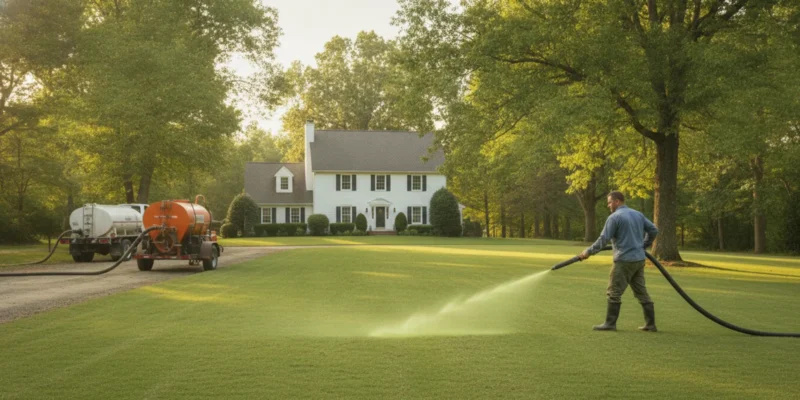
Hydroseeding cost depends on more than the size of the lawn. For Long Island property owners, the amount of ground to cover, soil condition, access, grading, seed blend, and follow-up care all affect the scope. This guide explains how to compare estimates and plan the work without relying on a one-size-fits-all price.
Contact Gappsi through our contact page to discuss your landscape project
Hydroseeding applies a water-based mixture of seed, mulch, and other specified materials to prepared ground. It can be considered for a new lawn or for selected bare areas, but it is not a universal fix for poor drainage, compacted soil, or an unstable slope. The estimate should explain what will happen before, during, and after application.
What does hydroseeding cost include?
A useful quote separates the application from the work required to make the site ready. A contractor may price the project as a complete scope or list individual tasks. Ask which approach is being used and whether the stated amount covers only spraying or the full lawn-establishment process.
- Site assessment: Reviewing the area, existing vegetation, grade, drainage, access, and soil condition.
- Preparation: Removing unwanted growth or debris, loosening or amending soil when specified, and shaping the surface.
- Seed mixture: Selecting seed and mulch suited to the intended use and site conditions, with product details written into the proposal.
- Application: Mobilizing equipment and applying the mixture at a stated coverage rate or over a clearly measured area.
- Protection and follow-up: Instructions for watering, limiting traffic, addressing runoff, and evaluating establishment.
Each item can change the total. A small, clear, nearly level area may require less preparation than a larger site with construction debris, compacted ground, tight equipment access, or uneven grades. Two estimates that use the same word, “hydroseeding,” may therefore describe different jobs.
Ask for the scope to distinguish what is included, what is excluded, and what depends on site conditions. For example, “prepare the lawn” is too broad to compare unless the proposal says whether that means removing debris, loosening the soil, correcting grade, or adding topsoil. If a task is not described, ask whether the homeowner or another contractor must complete it before application. This simple clarification can prevent a low initial estimate from becoming a larger project once the crew arrives.
Which site conditions have the biggest effect on hydroseeding cost?
Area and shape matter, but measuring square footage is only a starting point. A broad, open rectangle can be easier to reach and treat than a narrow strip divided by planting beds, fences, trees, or other obstacles. Ask whether the quote reflects the actual seedable area rather than the entire property.
Existing ground conditions determine how much preparation is needed. Construction work can leave compacted soil, stones, leftover materials, or abrupt grade changes. Bare soil can also be too loose, too hard, or uneven for uniform coverage. The estimate should identify what the crew will remove, reshape, loosen, or leave as-is.
Before the estimate, walk the area and note visible differences instead of describing the entire yard as one uniform surface. A newly disturbed section, an older lawn with bare spots, and a shaded side yard may each need a different scope. Take clear photos of low areas, exposed roots, steep transitions, and debris, then discuss them during the site review. Photos do not replace a site assessment, but they help make sure the conversation covers conditions that may otherwise be overlooked.
Drainage and slope deserve a close look. Water that runs across a newly seeded area can move seed and mulch before the lawn establishes. A slope may need a different preparation or protection plan from a flat area. Hydroseeding alone should not be presented as a cure for a drainage problem. Ask how surface water moves now and what, if anything, the proposed scope does about it.
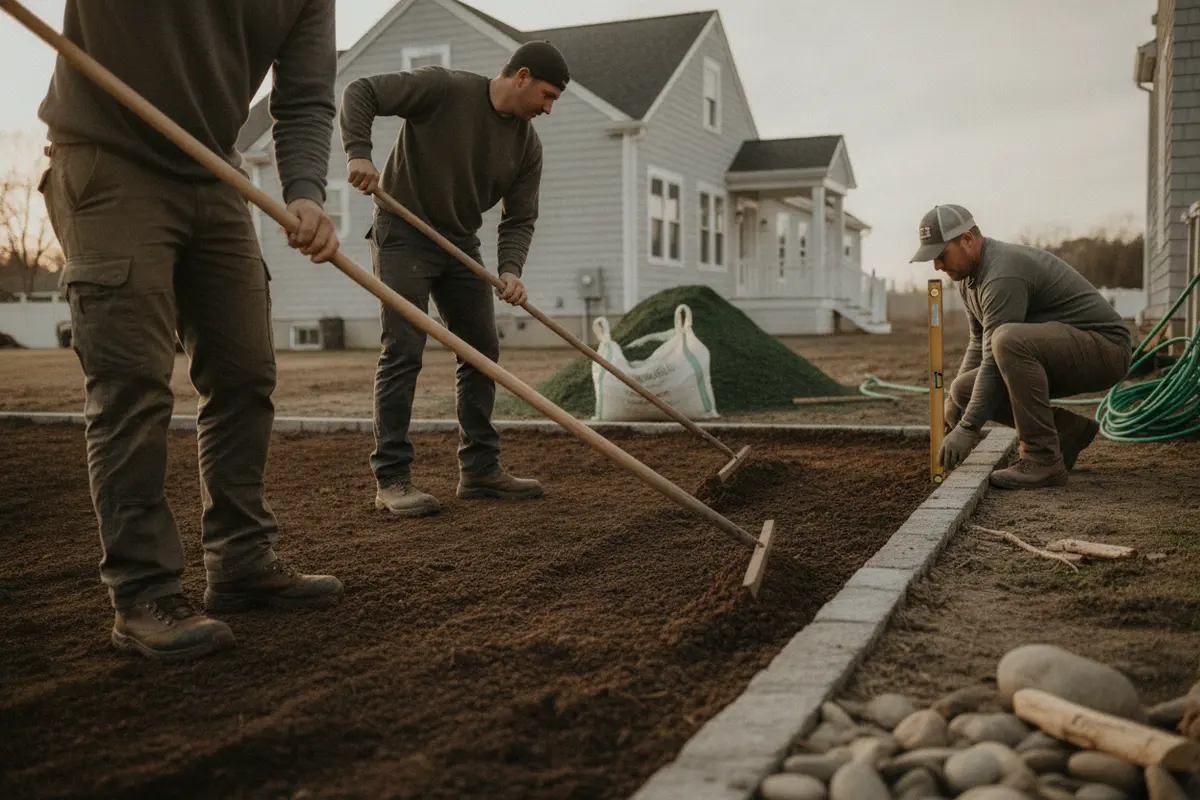
Access and distance from equipment can also affect labor and setup. A gate, long narrow passage, steep side yard, or limited staging area may change how a crew reaches the work area. Walk the route with the estimator and point out any obstacles that might not be obvious from a property photo.
Seed and mulch choices should reflect the site and the owner’s expectations. A sunny front lawn, shaded area, and frequently used backyard may call for different choices. Do not assume that every seed blend is interchangeable. Ask for the seed type or blend, mulch product, and any included soil additives in writing, along with the reason for those selections.
Use the intended use of each area to make that conversation specific. A lawn mainly viewed from a patio may have different priorities from a play area that receives regular foot traffic. Likewise, a patch beneath mature trees may have different light and moisture conditions from an open front yard. Share how you use the space, whether pets or routine access will cross it, and what nearby construction or planting is planned. The provider can then explain whether the proposed materials and preparation are suitable for those conditions or whether another approach should be discussed.
How can you compare hydroseeding cost estimates?
Compare scope before comparing totals. Use a simple table or checklist to see whether each proposal covers the same area, preparation, materials, application, and aftercare. The example below is a comparison framework, not a price list. Have each provider fill in the details for the actual property.
| Estimate item | What to confirm | Why it matters |
|---|---|---|
| Measured area | Square footage and boundaries included | Clarifies what is being treated and what is excluded |
| Preparation | Debris removal, grading, soil work, and who performs each task | Preparation often explains why totals differ |
| Materials | Seed blend, mulch, additives, and application amount | Lets you compare material scope rather than a generic label |
| Access and setup | Equipment route, staging, and any access limitations | Identifies labor or setup needs before work begins |
| Watering and care | Written watering guidance, traffic limits, and follow-up responsibilities | Establishment depends on care after application |
| Exclusions and changes | Unincluded tasks, disposal, site repairs, and change-order terms | Reduces surprises if conditions differ from the initial review |
For instance, one proposal might include rough grading and debris removal while another starts with finished, prepared soil. The lower total is not necessarily the lower-cost solution if you still need to arrange and pay for those omitted tasks. Ask each estimator to state the assumptions behind the scope and to flag items that may be added after work starts.
A practical way to compare offers is to make a side-by-side worksheet. Copy each contractor’s exact description for area, site preparation, material, application, and care into separate columns. Mark any blank cell as a question rather than treating it as included. Then ask for an updated written answer. If one estimate includes soil work and another excludes it, request a comparison based on the same starting condition. You can also separate essential work from optional work, such as additional shaping beyond the agreed lawn area, so each proposal remains understandable.
Consider a hypothetical new-build yard with rough soil and construction residue. A quote that covers only application may look simpler, but it does not tell you who will remove debris or make the surface ready. In contrast, for an already prepared, accessible patch, a broader site-preparation allowance might not be needed. The point is not to select the longest or shortest proposal. It is to confirm that the included tasks match the property and your desired finished area.
Gappsi’s landscaping project information can help you explore related outdoor work. If a lawn is one piece of a larger backyard plan, consider the relationship between the lawn area, planting beds, paths, and the rest of the layout. A backyard project overview offers another route for thinking about how these parts fit together.
Ask Gappsi about the right next step for your property
What should Long Island homeowners plan for before application?
Start by clarifying the goal. Are you establishing a lawn after construction, repairing a bare patch, or improving a larger landscape area? A clearly defined goal helps an estimator determine which parts of the site belong in the scope. It also helps you avoid paying for treatment in places that will later be excavated for a walkway, planting bed, utility work, or another project.
- Mark the work area. Identify the exact boundaries and note sections that should remain untouched.
- Discuss existing conditions. Point out low spots, recurring puddles, runoff, compacted soil, buried or exposed utilities, and areas where vegetation has struggled.
- Coordinate the sequence. Complete major grading, construction, and access work before establishing the lawn whenever practical. Confirm that other trades will not need to cross newly seeded ground.
- Plan for water. Ask what watering method and schedule the selected seed mixture requires. Confirm that the water source reaches the entire area and that you can maintain the schedule.
- Protect the new surface. Decide how foot traffic, pets, deliveries, and maintenance equipment will be kept off the area while it establishes.
- Get the scope in writing. Keep the measured area, materials, preparation, exclusions, and care responsibilities with the proposal.
Long Island sites vary from open, sunny yards to shaded lots with mature trees, compacted areas, and tight access. Local weather and the season also influence scheduling and watering. Ask the provider which conditions should be present on the installation date and what happens if rain, heat, or another site issue makes the planned date unsuitable. The point is to understand the decision process, not to assume one calendar date works for every property.
Sequencing matters when the lawn is part of a larger outdoor project. Before approving an application date, list the remaining work: delivery access, grading, patio or path construction, planting, irrigation adjustments, and any work that could disturb the treated ground. Put these tasks in order with the people responsible for them. For example, if a path still needs excavation, identify its route and finish that work before seeding wherever possible. If access must cross the proposed lawn, ask whether a temporary route or a different sequence is practical. A short coordination conversation can avoid having to repair a surface that was disturbed by a later trade.
Also prepare a straightforward site brief for the estimate visit. Include the approximate lawn boundaries, the reason the area needs seeding, known water-flow concerns, access restrictions, and your preferred timing. Note whether the project is a single defined area or several separated sections. When the estimator can see the same information you are using to compare quotes, it is easier to identify scope differences and ask focused questions. Keep a copy of the brief with proposals so your decisions are based on consistent information.
What happens after hydroseeding?
Application is only one step. The new surface needs the aftercare specified for its materials and site. Request written instructions instead of relying on a quick verbal summary. They should explain how to water, what to avoid, and whom to contact if runoff, bare areas, or other concerns appear.
Watering needs can change with weather, sun exposure, soil, and the selected seed. Do not assume that a fixed schedule is right for every lawn. Ask how to keep the surface appropriately moist without washing material away or creating standing water. If you cannot water consistently, raise that concern before selecting an approach.
Make the instructions useful for the people who will care for the lawn. Write down the watering guidance, any limits on traffic, and the point at which the provider recommends checking progress. If you will be away, arrange who will handle the routine. If a hose or sprinkler does not reach a corner, identify that before application rather than discovering it afterward. These practical details do not replace the contractor’s site-specific directions; they help you follow them consistently.
Limit foot and vehicle traffic while the area establishes. Plan a route for people, pets, and service access that avoids the treated ground. Ask when mowing can begin and what height or equipment practices are appropriate for the chosen seed. If the area includes a slope or a place that receives concentrated runoff, ask how to monitor it after rain.
Establishment is affected by factors beyond the application itself. If the result is uneven, document the locations and conditions, then compare them with the original scope and care instructions. Before work begins, ask whether follow-up visits or any corrective work are included, and what conditions could make them a separate charge. Avoid assuming that every quote includes a guarantee or a return visit.
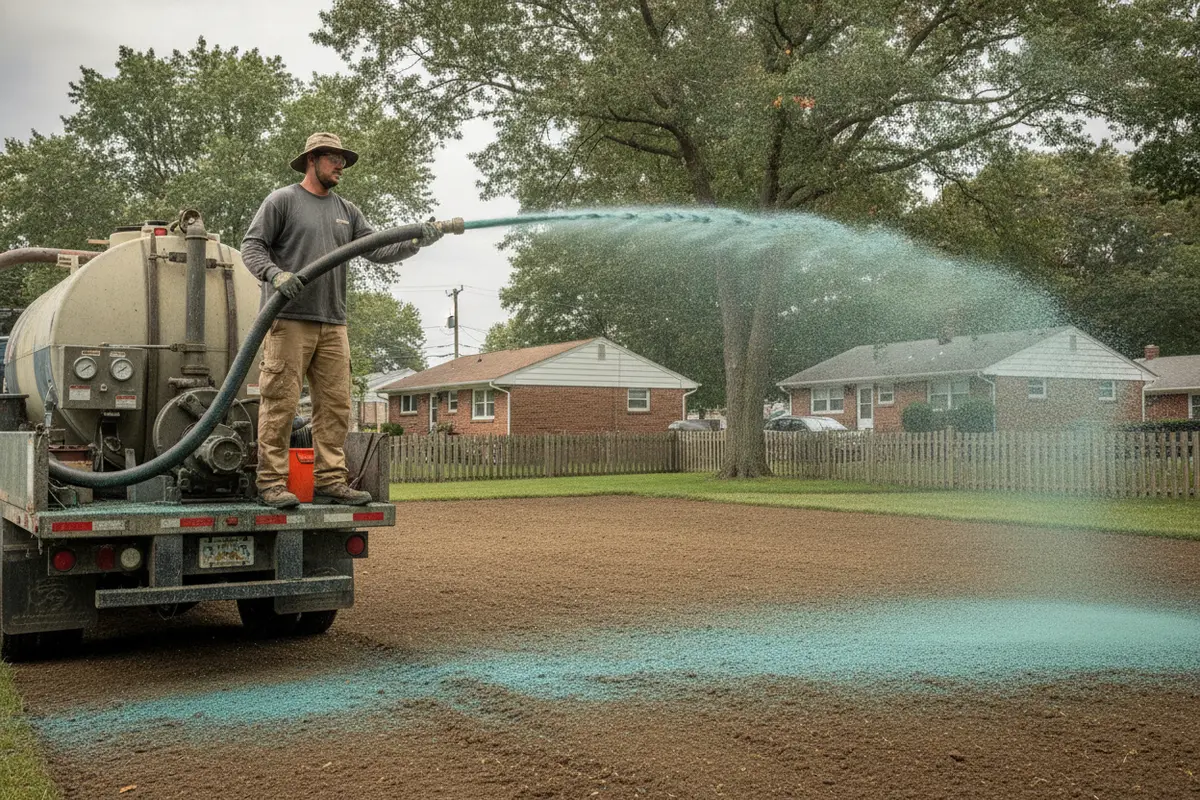
Keep a simple record during the early care period. Note when watering was done, any unusual weather, and whether water pooled or ran across the surface. If you see a concern, take a dated photo from a consistent viewpoint and contact the provider with the relevant details. This gives both sides a clearer basis for discussing what happened than a general report that the lawn “did not take.” Follow the written care plan, and ask before making changes such as applying additional materials or driving equipment over the area.
When might another lawn approach be worth discussing?
Hydroseeding is one way to establish vegetation, but the right method depends on timing, site preparation, access, use, and the owner’s willingness to manage aftercare. Ask the estimator to explain why the recommended method fits the property and whether another approach should be considered. A comparison is most useful when it includes the same finished area and similar preparation requirements.
If you are planning a broader property update, think about the order of work. Drainage corrections, grading, walls, paving, planting, and lawn establishment may affect one another. Work that disturbs the soil after seeding can undo part of the effort, while treating the lawn too early can complicate access for later construction. The relevant landscaping service category and the wider Gappsi home improvement overview are useful starting points for exploring related project needs.
For general soil and conservation information, the USDA Natural Resources Conservation Service provides resources about land and soil stewardship. Use site-specific professional advice for decisions about grading, drainage, and materials on your property.
What questions should you ask before choosing a proposal?
- What area will be treated, and how was it measured?
- What preparation is included, and what condition must the site be in before application?
- Which seed and mulch products are proposed, and why do they suit this location?
- How will access, slope, drainage, and runoff be addressed in the work plan?
- What watering and traffic instructions will I receive?
- Which tasks, materials, disposal, or follow-up work are excluded from the total?
- How are weather delays or unexpected ground conditions handled?
- Who should I contact if I have a concern after application?
Clear answers make it easier to judge whether a quote is complete. They also set expectations for your role after the crew leaves. If an estimate is brief, ask for a written scope before comparing it with another provider’s proposal.
Before you decide, check that the proposal identifies the person responsible for each stage. One party may prepare the area while another applies the mixture, or the homeowner may be expected to finish preparation. Confirm how the work area will be measured, how any change in conditions will be communicated, and whether approval is needed before additional work begins. Save the proposal, care instructions, and any revised scope together. A clear record helps you compare what was offered with what was completed, and it gives you a useful reference if a question arises later.
Contact Gappsi through our contact page to discuss your project questions
Frequently Asked Questions
Is hydroseeding cost based only on lawn size?
No. Area is one factor, but preparation, access, slope, soil condition, seed and mulch choices, and aftercare requirements can also affect the scope and total. Compare the written work included rather than relying on an area figure alone.
Does hydroseeding include soil preparation?
Not automatically. Each proposal should state whether it includes debris removal, grading, soil loosening or amendments, and other preparation. Ask what site condition is assumed and which tasks are excluded.
Can hydroseeding solve a drainage problem?
Hydroseeding establishes vegetation; it should not be treated as a substitute for diagnosing and correcting a drainage issue. Discuss where water flows and ask whether the site needs separate grading or drainage work before lawn establishment.
What should I compare in two hydroseeding quotes?
Compare the measured area, preparation, seed and mulch, access assumptions, application, watering guidance, exclusions, and follow-up terms. A lower total may omit work that another proposal includes.
How do I get a project-specific estimate?
Share the area, current ground conditions, access limitations, project timing, and any drainage concerns with the provider. Ask for a written scope that lists included work, materials, exclusions, and aftercare responsibilities.
Ready to plan your landscape project?
Contact Gappsi through our contact page to discuss your landscape plans
A site-specific discussion can help clarify the work, materials, and preparation your property may need before you compare estimates.
Posted by Gappsi Group, sharing practical planning guidance for Long Island property owners.