



What is hydroseeding, and when might it make sense for a Long Island property? Hydroseeding is a way to apply grass seed in a water-based mixture across prepared soil. The slurry can also contain mulch and other additives selected for the job. It spreads seed over a lawn area in one application, but it does not replace sound grading, soil preparation, or follow-up care.
Contact Gappsi through our contact page to discuss your landscape project
Posted by Gappsi Group
For homeowners, the practical question is not simply whether a machine can spray seed. It is whether the site, access, timing, and maintenance plan suit this approach. This guide explains the process and helps you compare it with broadcasting seed or installing sod before you plan a lawn project.
What is hydroseeding, and what is in the slurry?
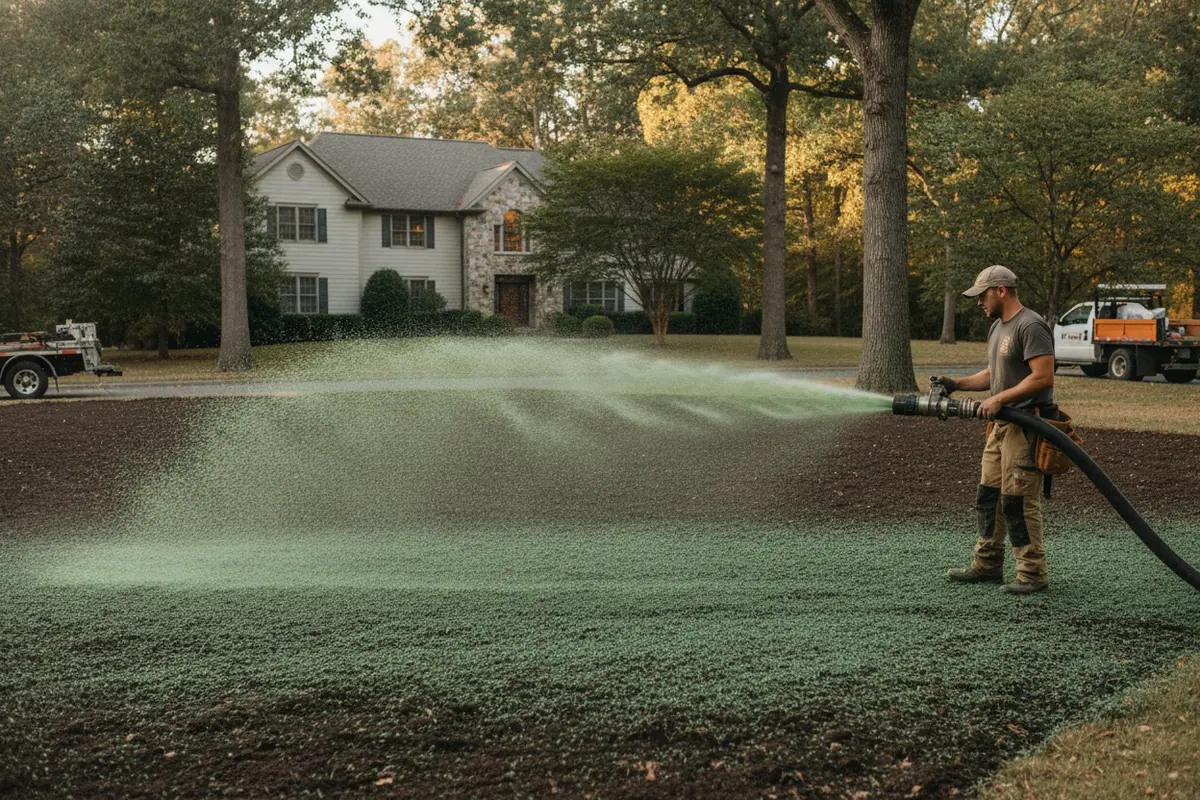
Hydroseeding combines grass seed with water and typically a fibrous mulch in a tank. The mixture is agitated and sprayed onto prepared ground. Depending on the product and project plan, the slurry may also include a tackifier to help the mulch adhere, fertilizer, or other amendments. The exact mix should be identified by the installer rather than assumed to be the same for every lawn.
The mulch helps cover the seed and retain moisture near the soil surface. The application can create an even coating over broad or irregular areas, including slopes and spaces where moving rolls of sod would be difficult. The seed still needs suitable soil contact, moisture, and conditions for germination. A green-colored surface immediately after installation is not the same as an established lawn.
Hydroseeding is one method of establishing grass, not a grass variety. Ask what seed blend is proposed and why it fits the amount of sun, shade, intended use, and maintenance you expect. A mix for a sunny open yard may not be appropriate beneath trees or beside a shaded house wall.
How does hydroseeding work from site preparation to new growth?
The visible spraying is only one part of the work. A sound plan starts with the ground. Existing weeds, debris, construction residue, compacted soil, drainage patterns, and the final grade can affect the result. If those conditions are ignored, the seed may emerge unevenly or wash away, even when the slurry was applied neatly.
- Review the site. Identify the areas to seed, slope and drainage concerns, shade, access for equipment, and any existing plants or hardscape that need protection.
- Prepare the soil. Clear debris and unwanted growth, address compaction where needed, and provide a suitable, relatively fine seedbed. Soil improvements should respond to actual site conditions rather than a one-size-fits-all recipe.
- Set grade and manage runoff. Confirm where water should flow and whether exposed soil needs temporary erosion protection. Coordinate the lawn edge with patios, paths, beds, and other site features.
- Apply the mix. The operator sprays the slurry across the prepared surface, aiming for consistent coverage without leaving bare strips or overly heavy piles.
- Follow an establishment plan. Watering, foot traffic, mowing, and any follow-up applications depend on the seed mix, weather, and the site’s response.
Pay attention to the work that happens before the tank arrives. Soil that is too rough can leave seed unevenly distributed, while hard, compacted ground can make it difficult for roots to establish. The installer should explain whether the soil needs loosening, amendments, or a layer of suitable topsoil, and how the finished surface will be checked. If old lawn or weeds are present, agree on how they will be removed and whether any preparation product needs time before seeding. Clarifying these details helps you compare proposals on the work actually included, rather than judging only by the application method.
Hydroseeding can work alongside broader outdoor improvements. If the lawn meets a paved area, consider how the finished edges will meet the patio layout and other hardscaping elements. For a full yard plan, review the ideas in Gappsi’s backyard project gallery and discuss how planting and lawn areas relate to the rest of the property.
What is hydroseeding suited for on a Long Island property?
Hydroseeding may suit a homeowner who needs to establish grass over a larger area, an irregular shape, or a section where carrying and placing sod would be awkward. Applying the slurry can cover ground efficiently, though actual time and access depend on the site and equipment. It can also be considered for sloped ground, but a spray application alone does not solve runoff. Grade, soil stability, drainage, and the right mulch or erosion measures remain important.
It is worth comparing approaches when the lawn is small, access is restricted, or the area must be usable quickly. Sod arrives as living turf and gives an immediate surface, while hydroseeded areas need time to germinate and fill in. Conventional seeding may be a reasonable option for some small, accessible areas. The best choice depends on the scope and the homeowner’s ability to protect and care for the new lawn.
For example, a broad open area with room for equipment may make a spray application practical. A narrow strip between a home and a fence could be difficult to reach, and a small patch may not justify specialized application. Where a lawn borders a pool patio, the plan should also account for runoff, foot traffic, and a clear transition between grass and paving.
Hydroseeding is not a shortcut around soil work. If construction has left compacted subsoil, buried debris, or an uneven grade, spraying a mix over the surface may not produce the intended result. Ask what will be removed, what soil will remain, and whether the finished grade will direct water away from the home and neighboring hardscape. It helps to identify edges before work begins: lawn meeting a walkway may need a different detail from lawn meeting a planting bed or retaining wall.
Talk with Gappsi about planning your outdoor space
How does hydroseeding compare with seed and sod?
These methods have different tradeoffs. The table is a starting point for a conversation, not a promise about how quickly a particular lawn will establish. Site conditions, season, seed selection, and maintenance can change the result.
| Option | How it is installed | What to weigh | Best question to ask |
|---|---|---|---|
| Hydroseeding | Seed and usually mulch are sprayed as a water-based slurry onto prepared soil. | Can cover broad or irregular ground; needs careful watering and protection while seed establishes. | What is in the mix, and what care schedule does this site need? |
| Conventional seeding | Seed is spread by hand or equipment over prepared ground, often with a separate mulch layer. | May be straightforward for accessible areas; coverage and seed-to-soil contact need attention. | How will the seed be covered and kept from moving? |
| Sod | Pre-grown turf rolls or pieces are placed over prepared soil. | Provides an immediate green surface, but requires close placement, watering, and establishment care. | Can the site be prepared and watered consistently after installation? |
There is no universal winner. Compare the full scope, including clearing, soil work, grading, materials, delivery or equipment access, protection measures, and aftercare. A quote that lists only the application method can leave important work unclear.
Think about the tradeoff between an immediate appearance and the time needed for establishment. Sod can change how the yard looks as soon as it is placed, but that does not mean the lawn is ready for heavy use; it still needs to root and receive proper care. With hydroseeding or conventional seed, expect a period when the soil and seedbed need protection and the finished coverage is still developing. If you are planning a gathering or other outdoor work, discuss timing early and avoid scheduling around an assumed establishment date. Ask the installer what milestones they use to judge progress and what follow-up is included if weather or site conditions affect the result.
What should Long Island homeowners consider before choosing hydroseeding?
Start with the specific property, not a generic promise about a particular month or number of days to a finished lawn. Long Island weather changes through the year, and the timing of installation should reflect temperature, rainfall, soil condition, and the seed selected. Ask the contractor to explain the seasonal window for the proposed mix and what happens if weather interrupts the schedule.
Next, look at water movement. A newly prepared area may be exposed to heavy rain before grass has rooted. Slopes, downspout outlets, and bare soil beside a drive or patio can all influence where water travels. The USDA Natural Resources Conservation Service offers resources on soil and conservation practices; for a particular property, ask a qualified site professional to assess grading and erosion controls.
Also consider equipment access and boundaries. A hydroseeding tank and hose require a workable route to the area. Identify gates, narrow side yards, planted beds, outdoor equipment, and finished surfaces that may need protection. If a project includes gravel or drainage features, clarify how the lawn edge will meet them. Explore related gravel surface considerations and retaining wall work as part of the overall site plan, rather than treating the seeded area in isolation.
Finally, be realistic about use. A newly seeded lawn needs to be protected from routine traffic until it is established. Plan routes for people, pets, deliveries, and maintenance equipment. If the lawn is part of a larger outdoor project, coordinate its installation with seating areas and paths, so the finished space is practical rather than a collection of disconnected surfaces.
What care does a hydroseeded lawn need?
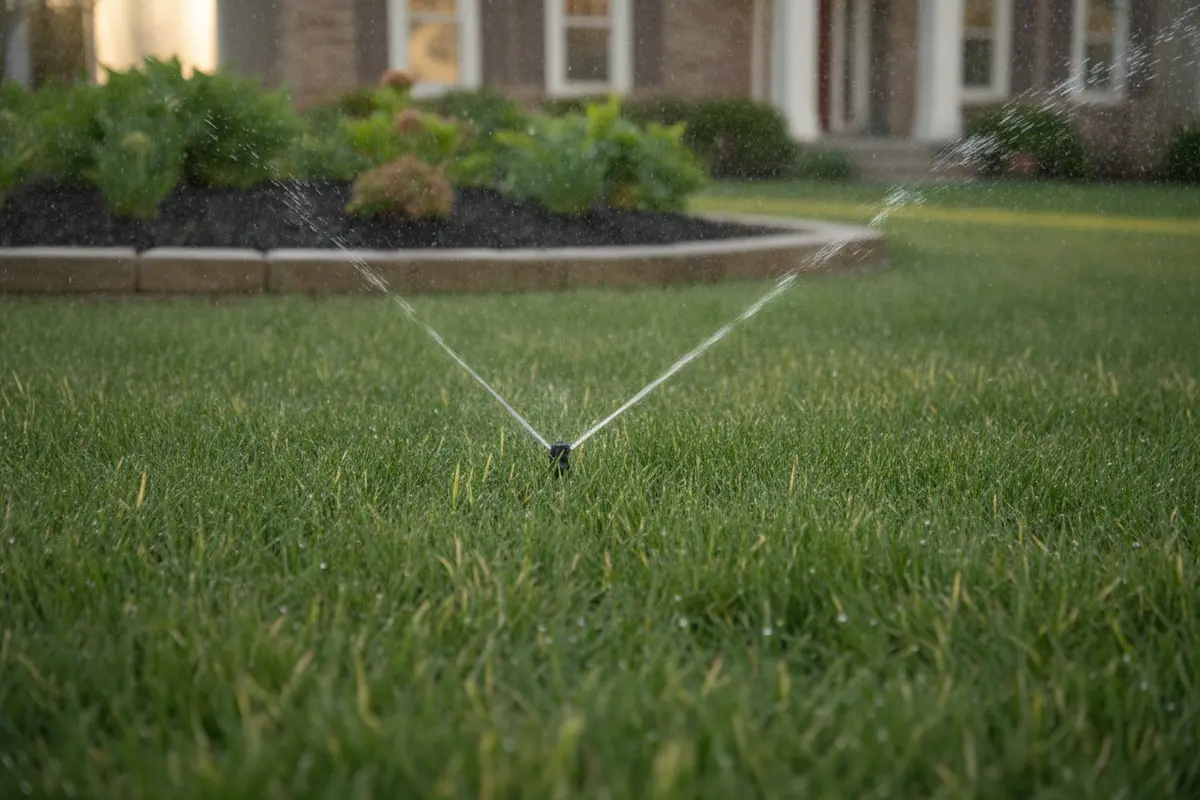
Water is central during establishment, but the exact schedule should come from the installer and reflect local conditions. The aim is to keep the seedbed appropriately moist without washing seed or creating standing water. Short, regular checks are more useful than assuming rainfall has reached every part of the site. Slopes, sunny areas, and sheltered spots can dry at different rates.
Keep people and pets off the area as directed. Avoid raking, dragging hoses carelessly, or placing equipment on the slurry while it is settling. When growth is ready for its first mow, follow guidance on mower height and ground firmness; cutting too early or when soil is soft can damage new growth. Ask whether the proposed plan includes inspection and what to do if bare patches appear.
Watering is not simply a matter of running a sprinkler for a fixed number of minutes. The objective is to maintain the conditions recommended for the seedbed, while avoiding puddles, runoff, and dry gaps. Check coverage in areas sheltered by shrubs or fences as well as at the lawn’s exposed edges. If rain is forecast or has just passed, ask how to adjust the routine instead of assuming the whole site received an even amount. Keep the written care instructions where everyone in the household can see them, particularly if pets need a temporary route that avoids the new lawn.
A useful care handoff is written and specific. It should state how to water, when to limit traffic, what signs to watch for, and whom to contact with questions. If the property also includes established lawn or planted areas, keep those needs distinct from the new seedbed. A note about protecting the surrounding pet-use areas can help household members follow the temporary access plan.
What should a hydroseeding proposal include?
Ask for a scope that describes the actual work rather than relying on the word “hydroseeding” alone. The proposal should identify which areas are included, the proposed seed blend and slurry components, soil preparation, grade corrections, access assumptions, and any erosion-control measures. It should also explain what is excluded, such as major drainage changes or extensive removal of existing material.
- Which site preparation tasks are included, and who handles them?
- What grass seed blend will be used, and how does it fit sun and shade conditions?
- What mulch or other slurry components are planned?
- How will slopes, runoff, and nearby finished surfaces be managed?
- What watering and access restrictions should the household follow?
- What conditions could require additional work or a return visit?
If the lawn is one part of a wider backyard transformation, make sure responsibilities and sequencing are clear. A site planning discussion can help connect lawn work to other improvements; ask how the work will coordinate with paving, planting, and access. For general project questions, use the Gappsi contact page to start a conversation.
Contact Gappsi through our contact page to discuss your project questions
Frequently Asked Questions
Is hydroseeding the same as hydro-mulching?
The terms are sometimes used for related spray applications, but the materials and purpose can differ. Ask whether the proposed slurry contains grass seed and what other components are included.
How long does hydroseeding take to produce a lawn?
There is no single timetable for every site. Germination and coverage depend on the seed blend, weather, soil, watering, and care. Ask for a realistic range for the specific plan, and avoid treating the initial green mulch color as grass growth.
Can hydroseeding be used on a slope?
It can be applied to sloped areas, but slope stability and runoff need separate attention. Ask how the ground will be prepared and protected before roots establish, especially where water could carry soil toward a path or paved area.
Can I walk on a newly hydroseeded lawn?
Limit traffic until the installer says the new grass and soil can tolerate it. Walking on a damp or freshly treated area can disturb seed and compact soft ground. Get clear guidance for pets, children, mowing, and routine access.
Plan the next step
Contact Gappsi through our contact page to discuss your outdoor project
Hydroseeding is one possible way to establish a lawn, but preparation, site conditions, and consistent aftercare determine whether it suits the property. Compare the full scope and coordinate the lawn with the rest of your outdoor space before choosing an approach.