


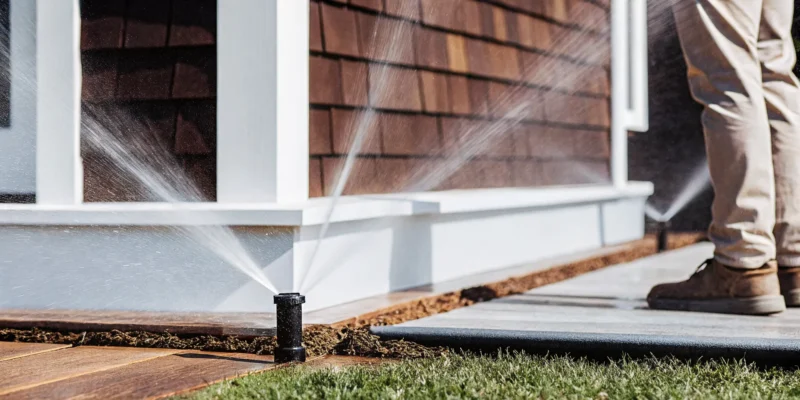
Watering a lawn on Long Island isn’t the same as watering one anywhere else. Our unique combination of sandy soil, coastal weather patterns, and local water conservation rules presents a specific set of challenges. A generic, one-size-fits-all sprinkler system often leads to water waste and an unhealthy landscape. To get it right, you need local knowledge. An experienced irrigation system installer on Long Island understands our environment and can design a custom solution tailored to your property. They will select the right components and create a watering schedule that promotes deep root growth, making your lawn more resilient and saving you money on your water bill.
Key Takeaways
- Hire a Licensed Professional: An expert does more than just install parts; they create a custom plan for your property’s unique layout and soil. This ensures your system meets local codes and helps you avoid the costly mistakes and water waste that often come with DIY projects.
- Combine Systems for the Best Results: The most effective irrigation plan often uses a hybrid approach. Use traditional sprinklers for large lawn areas and targeted drip irrigation for garden beds and shrubs to deliver water efficiently right where it’s needed.
- Follow a Seasonal Maintenance Schedule: To protect your investment, your system needs consistent care. This includes a spring startup to check for damage, regular summer inspections for leaks and clogs, and a professional fall winterization to prevent pipes from freezing.
What Does an Irrigation Installer Do?
An irrigation installer does more than just put sprinklers in the ground. Think of them as a water management specialist for your property. Their main goal is to ensure your lawn, gardens, and plants get the right amount of water at the right time, without waste. A great installer handles everything from the initial design and trenching to the final programming and seasonal maintenance. Understanding their full scope of work helps you find a true professional who will make your landscape thrive.
System Design and Installation
A professionally designed irrigation system is one of the best investments you can make for your landscape. A skilled installer doesn’t just show up and start digging. First, they create a custom plan based on your property’s unique needs. This involves mapping out different zones, considering sun exposure, soil type, and the specific water requirements of your grass versus your garden beds. They will select the right sprinkler heads and drip lines to deliver water efficiently. The installation itself involves carefully placing pipes and connecting everything to a central controller, ensuring your entire landscape design receives perfect, even coverage.
Maintenance, Repairs, and Winterization
An irrigation installer’s job isn’t over once the system is in the ground. Proper maintenance is key to keeping it running efficiently. This includes seasonal adjustments, routine inspections for leaks, and cleaning clogged sprinkler heads. One of the most critical services for Long Island homeowners is winterization. Before the first freeze, an installer will use an air compressor to blow all the water out of the pipes, preventing them from freezing, expanding, and bursting over the winter. In the spring, they perform a start-up service to safely turn the system back on and check that everything is working correctly after the long winter. This ongoing care protects your investment and keeps your property looking its best.
Residential vs. Commercial Systems
While the goal is the same, residential and commercial irrigation systems have different demands. A commercial property might need a robust system designed to handle large turf areas and heavy foot traffic. Residential systems are often more intricate, tailored to the specific needs of a home’s diverse landscape, from delicate flower beds to the lawn surrounding a swimming pool. A competent installer understands these differences and will guide you in selecting the right system for your property. They will design a high-quality system built for Long Island’s specific climate, soil, and seasonal watering needs, whether you have a small backyard or a large commercial space.
What Types of Irrigation Systems Are There?
Choosing the right irrigation system feels like a big decision, but it’s simpler when you understand the main options. Most properties benefit from a combination of systems designed to meet the unique needs of different areas in your yard. Let’s walk through the most common types you’ll encounter on Long Island.
Sprinkler Systems
Think of sprinkler systems as the classic choice for watering lawns and large garden areas. These systems use a network of pipes and sprinkler heads to distribute water evenly over a wide space. A professional installer can customize the layout to fit your landscape perfectly, ensuring every patch of grass gets the hydration it needs without overwatering other spots. Modern sprinkler heads are highly efficient and can be adjusted for spray pattern and distance. This makes them a reliable foundation for any comprehensive landscape design that includes a healthy, green lawn.
Drip Irrigation Systems
Drip irrigation is all about precision and efficiency. Instead of spraying water through the air, this system delivers it slowly and directly to the base of your plants, right where the roots are. This method is fantastic for garden beds, shrubs, trees, and container plants. Because the water goes straight to the soil, you lose very little to evaporation or wind. It also helps keep your walkways and patios dry, preventing water stains and slick surfaces. Drip systems are a great way to conserve water while giving your plants the consistent moisture they need to thrive.
Smart Irrigation Systems
Smart irrigation is the modern, tech-forward approach to watering your yard. These systems use controllers that connect to Wi-Fi to access local weather data. They automatically adjust your watering schedule based on real-time conditions like rainfall, temperature, and humidity. If a storm is coming, the system will skip the next watering cycle. If there’s a heatwave, it might add a little extra. This intelligent approach ensures your landscape gets the perfect amount of water, which can save you a significant amount of money on your water bill and makes your home more eco-friendly. It’s a true “set it and forget it” solution for a healthy landscape.
How to Choose the Right System for Your Property
The best irrigation system for your home depends entirely on your landscape. Take a walk around your property and consider its different zones. Do you have a large lawn that needs broad coverage? Are there delicate flower beds or a vegetable garden that would benefit from targeted watering? What about potted plants on your patio? Often, the ideal solution is a hybrid system, using sprinklers for the lawn and drip lines for gardens. A professional can help you evaluate your property’s needs and design a custom system that is both effective and efficient, giving you the best value for your investment.
Pro vs. DIY Installation: Which Is Better?
Deciding between a DIY project and hiring a professional is a classic homeowner dilemma. While tackling a project yourself can feel rewarding, an irrigation system is a complex network that becomes a permanent part of your property. A small mistake can lead to big problems, from a waterlogged lawn to a system that just doesn’t work. When you weigh the benefits of professional expertise against the potential pitfalls of a DIY attempt, you’ll see why working with an expert is often the smartest investment for your home and landscape. Let’s break down the key reasons why.
Benefit from Expert Design
A professionally designed irrigation system is one of the best things you can do for the health of your lawn and garden. Experts do more than just place sprinkler heads; they create a custom plan based on your property’s unique needs. They consider factors like water pressure, soil type, sun exposure, and the specific water requirements of different plants. This ensures every zone, from your sunny lawn to your shady flower beds, receives the perfect amount of water. This level of detailed landscape design prevents overwatering and underwatering, keeping your entire landscape vibrant and healthy.
Meet Local Codes and Regulations
Installing an irrigation system isn’t as simple as connecting pipes and sprinklers. Towns across Long Island have specific building codes and regulations, especially concerning backflow prevention to protect the public water supply. A licensed professional understands these local requirements and will secure the necessary permits for your project. Hiring an expert like Gappsi ensures your system is installed correctly and legally from the start. This saves you from the stress of navigating complex rules and protects you from potential fines or the need to redo work that isn’t up to code.
Save Water and Money in the Long Run
An expertly installed irrigation system is an investment that pays for itself over time. Professionals use high-quality, commercial-grade parts and precise installation techniques to create a highly efficient system. This means less water is wasted due to leaks, runoff, or evaporation. A well-designed system delivers water directly where it’s needed, leading to significantly lower water bills. When paired with smart controllers that adjust to weather conditions, the savings add up even faster. A professional installation not only keeps your landscape beautiful but also helps you conserve water and reduce your monthly expenses.
The Risks of a DIY Approach
The DIY route can be tempting, but it’s filled with potential mistakes that can be costly to fix. Choosing the right components is one of the biggest challenges. Many DIYers accidentally purchase low-quality parts, the wrong pipe sizes, or sprinkler heads that don’t match their water pressure, leading to poor performance. Common errors like improper head placement can create dry brown spots or swampy patches on your lawn. What starts as a weekend project can quickly become a long-term headache requiring expensive repairs. Trusting your home remodeling and outdoor projects to experts ensures the job is done right the first time.
How to Choose an Irrigation Installer on Long Island
Finding the right irrigation installer is one of the most important steps you can take for the health and beauty of your landscape. A great installer does more than just put pipes in the ground; they create a customized watering solution that keeps your lawn lush, your gardens vibrant, and your water bills in check. But with so many options on Long Island, how do you pick the best partner for your property?
It comes down to asking the right questions and knowing what to look for. A trustworthy professional will be transparent, experienced, and focused on the long-term success of your system. By focusing on a few key areas like credentials, local expertise, and customer feedback, you can confidently select a company that will protect your landscaping investment for years to come. The goal is to find a team that sees the big picture of your entire outdoor space, from the lawn to the flower beds and even around your masonry patios.
Check for Licenses and Insurance
Before you even discuss system design, your first question should always be about licensing and insurance. This is a non-negotiable first step that protects you, your property, and the workers on site. A licensed contractor has met local and state requirements, proving they have the knowledge to do the job correctly and safely. Proper insurance, including liability and worker’s compensation, means you will not be held responsible for any accidents or damage that might occur during the installation. A reputable company will have no problem providing you with proof of their credentials, so do not be shy about asking. It’s a simple check that provides complete peace of mind.
Look for Local Experience
An irrigation company that understands Long Island’s unique environment is invaluable. Our sandy soil, specific weather patterns, and local water regulations all affect how an irrigation system should be designed and installed. A contractor with years of experience working in Nassau and Suffolk counties will know exactly what your property needs to thrive. They can recommend the right type of sprinkler heads, design zones based on sun exposure, and ensure your system is efficient. Ask potential installers about their history in the area and look at their portfolio of local landscape projects to see their work firsthand. This local knowledge is the difference between a generic system and one truly tailored to your home.
Review Their Range of Services
Your relationship with an irrigation installer should not end once the system is in the ground. A top-tier company will offer a full suite of services to support you through every season. This includes routine maintenance, spring startups to get your system running after winter, and fall winterization to prevent frozen pipes and costly damage. Ask if they provide ongoing support and repair services. Choosing a company that can handle everything from the initial landscape design and installation to long-term maintenance ensures you have a reliable partner to call whenever you need help. This comprehensive approach keeps your system running efficiently year after year.
Read Customer Reviews
Customer reviews are one of the most honest sources of insight you can find. While a company’s website will highlight its successes, testimonials and online reviews give you a more complete picture of the customer experience. Look for feedback that speaks to the company’s professionalism, timeliness, and communication. Do they show up when they say they will? Are they respectful of the property? Most importantly, are past clients happy with the performance of their irrigation system months or even years after installation? A pattern of positive, detailed reviews is a strong indicator that you have found a trustworthy and skilled installer who truly cares about their work.
Mistakes to Avoid When Hiring an Installer
Choosing the right person to install your irrigation system is a big decision. A great installation can keep your landscape beautiful for years, while a poor one can lead to costly repairs and water waste. To make sure you find a reliable professional, it helps to know what common pitfalls to look out for. By sidestepping these frequent mistakes, you can hire with confidence and protect your investment in your home and garden. Let’s walk through the key things to keep in mind during your search.
Don’t Choose Based on Price Alone
It’s tempting to go with the lowest bid, but a cheap price can be a red flag. An unusually low quote might mean the contractor is cutting corners with lower-quality materials or using inexperienced labor, which can lead to leaks, uneven watering, and system failures down the road. Instead of focusing only on the price tag, think about overall value. A quality installation from a reputable company considers the right design for your specific landscape, uses durable parts, and is built to last. Paying a little more upfront for expertise and reliability often saves you money and stress in the long run.
Always Check Credentials
Before you hire anyone, do a little homework. A professional irrigation installer should be properly licensed to work in your town and carry full insurance, including liability and worker’s compensation. This protects you from any potential accidents or damage on your property. Ask how long they have been in business, especially on Long Island. An established local company will have a better understanding of regional soil types, weather patterns, and water regulations. A contractor with a long history of successful home improvement projects demonstrates stability and a commitment to their community.
Get Multiple Quotes
Don’t settle on the first contractor you speak with. It’s a good practice to get at least three detailed quotes from different installers. This allows you to compare not just the final price but also the specifics of what’s included. A thorough quote should outline the system design, the types of materials being used (like sprinkler heads and controllers), the project timeline, and the labor involved. Comparing several offers gives you a clear picture of the market rate for your project and helps you spot any bids that seem too high or too low. It also gives you a feel for each company’s professionalism and communication style.
Ask About Maintenance and Warranties
An irrigation system is not a “set it and forget it” feature. It requires regular upkeep to function efficiently. Before you commit, ask potential installers what kind of support they offer after the installation is complete. Do they provide a warranty for their workmanship and the parts they use? A strong warranty shows that the contractor stands behind their work. Also, inquire about their ongoing maintenance services, such as spring startups, seasonal adjustments, and winterization. A company that offers comprehensive restoration and care is invested in the long-term health of your system, not just the initial installation.
How Much Does Irrigation Installation Cost in Long Island?
Understanding the budget for a new irrigation system is one of the first steps in planning your project. While it’s tempting to look for a single number, the cost of a professional irrigation installation in Long Island can vary quite a bit. Think of it as an investment in your property’s health and your own free time. A well-designed system saves water, keeps your lawn and gardens beautiful, and frees you from the daily task of manual watering.
The final price tag depends on the unique layout of your property and the type of system you choose. A small, simple lawn will naturally cost less than a large, complex landscape with multiple garden beds and mature trees. The key is to focus on the long-term value. A professionally installed system from an experienced team ensures efficiency and reliability, preventing costly repairs and water waste down the road. At Gappsi, we design custom landscape solutions that integrate irrigation seamlessly, giving you a clear picture of the total investment in your outdoor space.
What Affects the Price?
Several key factors determine the final cost of your irrigation system. The most obvious is the size of your property; a larger area requires more pipes, sprinkler heads, and labor to install. The complexity of your landscape also plays a big role. A flat, open lawn is straightforward, but properties with slopes, established garden beds, and existing patios or walkways require more intricate planning and careful installation.
The type of system you select is another major variable. Drip irrigation for garden beds might have a different material cost than a full sprinkler system for a lawn. Finally, adding features like smart controllers that adjust based on weather or rain sensors that prevent watering when it’s not needed will also affect the price.
Average Residential Costs
While every project is unique, it helps to have a general idea of what to expect. For a typical residential property in the Long Island area, homeowners can often budget a few thousand dollars for a professionally installed irrigation system. This figure is just a starting point, of course. A very small yard with a simple layout might cost less, while a large estate with multiple zones and smart technology will require a larger investment.
Remember, this cost covers not just the materials but also the expert design, trenching, installation, and system setup. It’s an investment that pays off in water savings and a healthier landscape for years to come. The best way to understand the cost for your specific property is to get a detailed estimate from a professional.
How to Get an Accurate Quote
The only way to know the true cost for your home is to get a detailed, written quote from a qualified installer. When you request an estimate, a professional will visit your property to measure the area, assess the landscape, and discuss your specific needs. This consultation is essential for creating an accurate and comprehensive proposal. Don’t hesitate to ask for a breakdown of costs, including labor, materials, and any additional features.
Comparing quotes from different companies can be helpful, but make sure you’re comparing similar services and material quality. A trustworthy installer will provide a clear plan and answer all your questions. To start the process and get a clear vision for your project, you can schedule a consultation with our team to discuss your landscaping and irrigation needs.
How to Maintain Your Irrigation System Year-Round
Installing a great irrigation system is the first step, but year-round maintenance is what keeps your lawn lush and your water bills in check. A well-maintained system runs efficiently, prevents water waste, and lasts for years. Think of it as seasonal health care for your landscape. By following a simple maintenance calendar, you can protect your investment and ensure your yard gets the right amount of water exactly when it needs it, without any costly surprises.
Spring Startups and Seasonal Adjustments
As Long Island thaws out and your garden begins to wake up, it’s time to get your irrigation system ready for action. A proper spring startup is more than just flipping a switch. Before you run the sprinklers for the first time, you should carefully inspect the controller and program your watering schedule for the new season. Turn on each zone one by one to check for proper operation. Walk your property and look for any sprinkler heads that might have been damaged by snowplows or winter freezes. Adjusting the spray patterns ensures water lands on your lawn and garden beds, not your driveway. This initial check-up helps you start the season strong and supports a healthy landscape design.
Routine Inspections and Cleaning
Throughout the spring and summer, regular check-ins will keep your system running smoothly. Once a month, take a walk around your property while the system is running. Look for common issues like clogged sprinkler heads, leaks around the base of a valve, or heads that have been knocked out of alignment. A single clogged nozzle can create a dry, brown spot in an otherwise green lawn. It’s also a good habit to clean your system’s filters and flush the lines at least once a year to prevent buildup. These small, routine inspections are simple to do and can prevent minor issues from turning into major, expensive repairs down the road.
Winterize to Prevent Damage
When the temperatures start to drop, protecting your irrigation system from the cold is critical. Winterization is the process of removing all the water from your pipes, valves, and sprinkler heads to prevent them from freezing, expanding, and cracking over the winter. Forgetting this step can lead to significant damage and a very expensive headache in the spring. The process typically involves shutting off the main water supply to the system and using an air compressor to blow out any remaining water. While it might sound straightforward, it requires specific equipment and knowledge to do safely and effectively, which is why many homeowners trust a professional for the job.
Know When to Call a Pro for Repairs
While cleaning a sprinkler head or adjusting a spray nozzle are tasks most homeowners can handle, some problems require an expert touch. If you notice persistent wet spots, a sudden drop in water pressure, or a zone that won’t turn on or off, it’s probably time to call for help. Issues like underground pipe leaks, broken valves, or electrical problems with the controller are best left to a professional. Attempting a complex repair without the right tools or experience can often make the problem worse. If you encounter an issue that seems beyond a simple fix, reaching out to an experienced irrigation installer is your best bet for a quick and reliable solution.
Integrating Irrigation with Your Landscape Design
A beautiful landscape is more than just pretty plants and a lush lawn; it’s a complete system where every element works together. Your irrigation system is a critical piece of that puzzle. Integrating it thoughtfully with your overall landscape design from the start ensures your outdoor space is not only stunning but also sustainable and easy to maintain. A well-planned system delivers the right amount of water exactly where it’s needed, protecting your investment in plants, patios, and other outdoor features. This holistic approach means we’re not just installing sprinklers; we’re creating a smart watering strategy tailored to your specific yard.
Thinking about irrigation as part of the bigger picture prevents common problems like waterlogged flower beds, dry patches in the lawn, or water damage to your hardscapes. It’s about creating a balanced environment where your lawn, gardens, and patios can coexist beautifully. When your irrigation is designed in harmony with your plantings and hardscapes, you use less water, your plants are healthier, and you spend less time worrying about maintenance. By considering how water will be managed across your entire property, you create a healthier, more resilient, and water-efficient landscape that you can enjoy for years to come. It’s the secret to that effortlessly gorgeous yard that looks great all season long.
Smart Pairings for Lawns and Gardens
The key to a healthy lawn and vibrant garden is watering with purpose. An effective irrigation system is designed to deliver water directly to the root zone of your plants, which is exactly where they need it most. This targeted approach minimizes water waste from evaporation or runoff, a core principle of sustainable landscape management. It also means your plants develop deeper, stronger roots, making them more resilient to heat and drought.
A professional installer will often group plants with similar water needs into different zones. For example, a sunny bed of drought-tolerant perennials won’t need as much water as a patch of thirsty annuals in a shadier spot. By customizing the watering schedule for each zone, your system ensures every plant gets the precise hydration it needs to thrive without overwatering its neighbors. This smart pairing results in a healthier, more beautiful garden and a greener lawn.
Protect Your Patios and Hardscapes
Your patios, walkways, and driveway are significant investments, and your irrigation system should be designed to protect them. Water constantly spraying on pavers or stone can lead to staining, erosion of the joint sand, and even moss or algae growth that creates a slippery, unsafe surface. A poorly planned system can also cause water to pool near foundations or retaining walls, leading to costly damage over time.
Proper irrigation design involves careful placement of sprinkler heads to ensure water goes on your lawn and garden beds, not your hardscapes. An experienced installer will use specific nozzles that create precise spray patterns and may recommend drip irrigation for garden beds that are adjacent to your patios and walkways. This thoughtful planning keeps your hardscaped areas dry, clean, and safe while ensuring nearby plants still get the water they need.
Irrigation for Synthetic Turf and Garden Beds
Even landscapes with modern features like synthetic turf require smart water management. While synthetic turf doesn’t need watering to grow, a sprinkler system can be useful for rinsing it clean or quickly cooling the surface on a hot summer day before the kids run out to play. The most important consideration for turf is proper drainage, which a landscape professional will incorporate into the overall design.
For garden beds, you can take watering precision to the next level with smart technology. Modern irrigation design often includes soil moisture sensors that communicate with your irrigation controller. These sensors detect when the soil is dry and tell the system to run, then shut it off once the optimal moisture level is reached. This prevents needless watering after a rainstorm and ensures your plants get a drink only when they’re actually thirsty, promoting healthier growth and conserving water.
Your Partner for Long Island Landscaping
Choosing the right team for your irrigation system is about more than just pipes and sprinkler heads. It’s about finding a partner who understands your entire vision for your outdoor space. A professionally designed irrigation system is a key investment in the health and beauty of your lawn, but it needs to work in harmony with everything else, from your garden beds to your stone patio. An expert installer will guide you in selecting the right system for your property, ensuring every drop of water is used effectively.
At Gappsi, we see the bigger picture. We’ve been designing and building complete outdoor living environments on Long Island since 1987. Our expertise isn’t limited to one area; we create stunning landscapes that integrate seamlessly with custom swimming pools, masonry, and outdoor entertainment areas. This comprehensive approach means we design irrigation systems that are perfectly tailored to your property’s unique needs, preventing common issues like overwatering near hardscapes or creating dry spots in your lawn.
We consider how your irrigation will support everything from a lush lawn to specialized garden beds and even synthetic turf installations. By handling all aspects of your outdoor project, we ensure every element works together flawlessly. You get a beautiful, functional, and sustainable landscape without the headache of coordinating multiple contractors. Think of us as your single source for creating the backyard you’ve always wanted, with an irrigation system designed to protect and sustain your investment for years to come.
Related Articles
- HydroSeeding Services Company Long Island NY – Gappsi Group
- Complete Backyard Design & Installation on Long Island, NY by Gappsi – Gappsi Group
- Pool Equipment Installation Long Island: A Step-by-Step Guide
- Playground Installation Long Island | Parks, Schools & More | Gappsi Inc
Frequently Asked Questions
My water bill is already high. Won’t an irrigation system make it worse? This is a common concern, but a professionally designed irrigation system is actually one of the best ways to reduce water waste. Unlike watering by hand with a hose, a custom system delivers the precise amount of water your landscape needs, right at the root zone. This prevents runoff and evaporation. When combined with features like drip lines for gardens and smart controllers that adjust for rainfall, you often end up using significantly less water than you would with manual methods, leading to a lower bill over time.
Is a smart irrigation controller really worth the extra cost? In my experience, absolutely. A smart controller is an investment that pays for itself. It connects to local weather data and automatically adjusts your watering schedule based on rain, temperature, and humidity. This means your system won’t run during a downpour or will add a little extra water during a heatwave. This intelligent approach not only saves you a surprising amount of money on your water bill but also keeps your plants healthier by preventing overwatering and underwatering.
Can you install an irrigation system in an existing, mature landscape without destroying it? Yes, and it’s a very common project. A skilled installation team knows how to work carefully within an established landscape. They use techniques and equipment that minimize disruption to your lawn and garden beds. While there will be some temporary signs of work, a professional crew is meticulous about preserving your existing plants and hardscapes. The goal is to make the system look like it has always been there, and the recovery time for your lawn is typically very quick.
What is the single most important maintenance task for a Long Island homeowner? Without a doubt, it’s winterization. Before the first freeze, all the water must be blown out of the pipes, valves, and sprinkler heads using an air compressor. If water is left in the system, it will freeze, expand, and can cause pipes to burst and components to crack. This leads to very expensive and disruptive repairs in the spring. Skipping this step is one of the costliest mistakes a homeowner can make.
How do I know how often and for how long to run my irrigation system? The ideal watering schedule depends on several factors, including the season, your soil type, sun exposure, and the specific needs of your plants. A professional installer doesn’t just set a generic schedule; they program each zone based on these unique conditions. For example, a sunny lawn will have a different schedule than a shady garden bed. They will give you a great starting point, and you can make small adjustments as the seasons change to keep your landscape looking its best.