


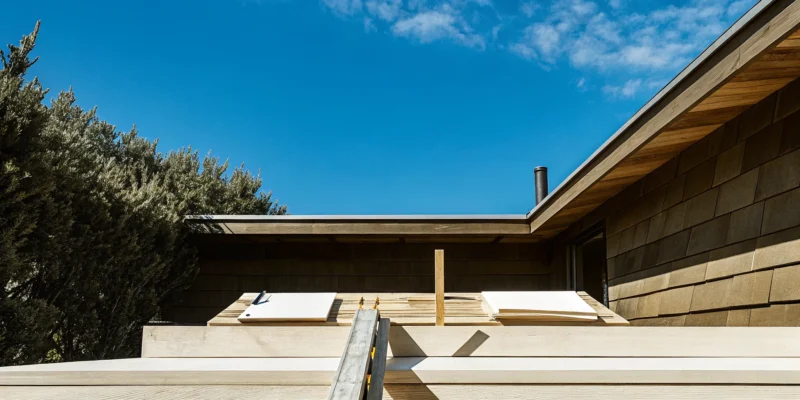
Over the years, your home can become a collection of separate updates that don’t quite work together. The kitchen was redone five years ago, the patio was added last summer, but the spaces still feel disconnected. A whole property renovation Long Island project is the solution for creating a unified home with a seamless flow from the inside out. It’s an opportunity to establish a consistent design, improve functionality, and ensure every element of your property works in harmony. This guide will show you how to plan a cohesive transformation that turns your house into a beautifully integrated home.
Key Takeaways
- Create a clear plan before you begin: A successful renovation starts with knowing what you want and what you can spend. Define your must-haves, set a realistic budget that includes a 10-20% contingency fund, and research your material options to make informed decisions.
- A whole property renovation transforms your lifestyle: This is more than just a cosmetic update; it’s an opportunity to increase your home’s value, improve energy efficiency, and create a cohesive flow between your indoor and outdoor spaces, making your entire property work better for you.
- Your contractor choice is critical for success: The right partner makes all the difference in a large-scale project. Look for a licensed and insured team with extensive local Long Island experience, a strong portfolio, and the ability to manage your entire project from design to construction.
What Is a Whole Property Renovation?
A whole property renovation is a project that transforms your entire home, both inside and out. Think of it as a comprehensive overhaul rather than a simple, one-room update. It’s about creating a cohesive, functional, and beautiful living space that truly reflects your lifestyle and needs. This type of project involves making significant changes to almost every area of your property, from the kitchen to the backyard, ensuring every element works together in harmony.
For Long Island homeowners, this often means not just updating the interior but also creating an outdoor oasis for relaxation and entertainment. The goal is to reimagine your entire property to better suit your family. Whether you’re looking to modernize an older home or customize a new one, a whole property renovation allows you to create the home you’ve always envisioned. It’s a chance to improve flow, add functionality, and build a space that feels completely new.
Defining Your Scope: Indoors and Out
When you start planning, the first step is to define the scope of your project. This means deciding exactly what you want to change. A whole property renovation can include a wide range of updates. Indoors, this often involves a complete home remodeling effort, focusing on key areas like kitchens and bathrooms, which can dramatically change your daily life. You might also consider new flooring, fresh paint, updated trim, and even changing the layout of rooms to create a more open and inviting atmosphere.
Don’t forget to think about the exterior. Your outdoor space is an extension of your home, and a full renovation can connect the two seamlessly. This could mean designing a new landscape, adding beautiful masonry for patios and walkways, or installing a new fence for privacy.
What a Full Property Overhaul Includes
A full property overhaul delivers more than just a new look; it enhances your entire living experience. One of the biggest benefits is creating a highly functional space tailored to your lifestyle. You can reconfigure layouts for better flow, add rooms for a growing family, or design dedicated areas for work and play. These changes can significantly increase your property’s value, making it a smart long-term investment.
This is also the perfect opportunity to incorporate modern, energy-efficient upgrades. New windows, insulation, and updated systems can lower your utility bills and make your home more comfortable year-round. An overhaul can also include exciting additions that transform how you use your property, like installing a custom swimming pool or building a beautiful pergola for outdoor dining. It’s about creating a home that works for you in every way.
Why Renovate Your Entire Long Island Property?
Deciding to renovate your entire property is a major step, but it’s also one of the most rewarding investments you can make in your home. A whole-property renovation goes beyond simple updates; it’s a complete overhaul that reimagines your living space, both inside and out. This process allows you to create a cohesive environment that perfectly suits your family’s lifestyle, fixes long-standing issues, and prepares your home for the future.
While the thought of coordinating a large-scale project can feel overwhelming, the benefits are substantial. A comprehensive renovation allows you to address everything at once, ensuring that all elements, from your kitchen layout to your backyard patio, work together seamlessly. It’s an opportunity to not only increase your home’s financial worth but also to significantly improve your quality of life. By transforming your property into a space that is more functional, efficient, and beautiful, you’re creating a home that you’ll love for years to come.
Increase Your Property Value
One of the most compelling reasons to undertake a whole-property renovation is the significant return on investment. A thoughtfully planned renovation can dramatically increase your home’s market value and appeal. Buyers on Long Island are looking for modern, move-in-ready homes, and a property with a cohesive design, updated systems, and functional living spaces stands out. Projects like a full home remodeling effort that includes a new kitchen or luxurious bathrooms often provide a high return. Similarly, enhancing your home’s exterior with beautiful masonry and professional landscaping creates lasting curb appeal. A properly planned renovation enhances both your lifestyle and your long-term equity.
Improve Energy Efficiency
An older home often comes with outdated windows, poor insulation, and inefficient appliances, all of which lead to high utility bills. A complete home alteration is the perfect opportunity to introduce energy-efficient upgrades that save you money month after month. By replacing drafty windows and doors, adding modern insulation, and installing energy-saving appliances, you can create a more comfortable and sustainable living environment. These improvements not only lower your carbon footprint but also make your home more attractive to future buyers who value sustainability and lower running costs. It’s a smart investment that pays for itself over time through reduced energy consumption.
Enhance Functionality and Modernize Your Home
Your home should adapt to your life, not the other way around. A whole-property renovation allows you to redesign your space to fit your current needs and lifestyle. You can create an open-concept floor plan for better flow, add a dedicated home office, or build the ultimate outdoor entertainment area. Imagine hosting summer parties around a new swimming pool or enjoying quiet evenings under a custom-built pergola. By updating the layout and features, you can modernize your home and make daily life more enjoyable. This is your chance to transform a house that works into a home you truly love living in.
How Much Does a Whole Property Renovation Cost in Long Island?
Figuring out the cost of a whole property renovation is often the first, and biggest, question on a homeowner’s mind. The truth is, the final price tag can vary widely. It all depends on the size of your property, the scope of your vision, and the materials you choose. To give you a clearer picture, we can break down renovation costs into three general tiers. Think of these as starting points to help you align your budget with your goals. Whether you’re looking for a simple cosmetic update or a complete structural overhaul, understanding these budget ranges will help you plan your project with confidence.
The Basic Refresh: Budgets Under $100,000
If your budget is under $100,000, you can give your home a significant facelift. This tier is perfect for making an older house feel fresh and modern without tearing down walls. A basic refresh typically includes a fresh coat of paint throughout the home, new flooring, updated light fixtures, and simple upgrades to your kitchen and bathroom faucets and hardware. It’s about enhancing what’s already there to create a more personal and inviting space. This budget is ideal for homeowners who want to update the look and feel of their property and can be a great first step in a larger home remodeling plan.
The Mid-Range Renovation: $100,000–$175,000
With a budget between $100,000 and $175,000, you can start making more substantial changes to your home’s layout and functionality. This is where you can tackle a full kitchen or bathroom remodel, perhaps removing a non-load-bearing wall to create the open-concept living area you’ve always wanted. This level of investment often includes necessary upgrades to plumbing and electrical systems to support your new design. You can also select more premium materials, like beautiful porcelain and natural stone for countertops and floors, to truly transform your space. This tier focuses on improving your home’s flow and making it work better for your lifestyle.
The Full-Scale Transformation: $175,000+
For budgets of $175,000 and beyond, you’re entering the realm of a full-scale transformation. This is a gut renovation, where rooms are taken down to the studs and completely reimagined. You can make significant changes to your home’s footprint, add new rooms like a home office or gym, and integrate high-end materials and smart home technology. This is your opportunity to build your dream home from the inside out, creating luxurious spa-like bathrooms and a chef’s kitchen. A project of this scale can also extend outdoors, seamlessly connecting your interior with stunning pavilions and pergolas for the ultimate living experience.
What Factors Influence Your Renovation Cost?
Figuring out a renovation budget can feel like trying to hit a moving target. While every project is unique, several key factors consistently shape the final cost. Understanding these variables from the start helps you create a more accurate budget and set realistic expectations for your Long Island home transformation. Let’s walk through the main elements that will influence your total investment.
Property Size and Condition
It’s a straightforward rule: the larger your property, the more it will cost to renovate. More square footage means more materials and more labor hours. Beyond size, the current condition of your home plays a huge role. An older Long Island house might have charming character, but it can also hide outdated plumbing, old wiring, or structural issues that need to be brought up to code. Addressing these underlying problems is essential for a safe and lasting home remodeling project, but it will add to your overall expenses. A thorough initial inspection can help uncover these potential costs before work begins, preventing surprises down the road.
Project Scope and Material Choices
The scale of your vision is one of the biggest cost drivers. A simple cosmetic update is very different from a full gut renovation. On Long Island, a whole home remodel can range from $50,000 to over $250,000, depending on how extensive the changes are. Projects like kitchens and bathrooms are typically the most expensive due to the complex plumbing, electrical work, and cabinetry involved. Your choice of materials also makes a significant impact. Opting for high-end finishes, custom features, or premium porcelain and natural stone will naturally increase the budget compared to standard options. It’s all about balancing your dream aesthetic with your financial plan.
Labor, Permits, and Local Regulations
Labor costs are a major component of any renovation budget, but there are other administrative expenses to consider, especially on Long Island. Each town in Nassau and Suffolk County has its own specific zoning rules, permit requirements, and inspection processes. Major changes, particularly structural ones, often require architectural plans and engineering validation before you can even break ground. Working with a contractor who has deep local knowledge is key. They can manage the permit application process efficiently, helping you avoid costly delays and ensuring your project complies with all local regulations from start to finish. This expertise is invaluable for a smooth renovation experience.
Breaking Down the Costs by Project Type
To give you a clearer picture of where your budget will go, let’s look at some common renovation projects on Long Island. Costs can shift based on the size of your space, the quality of materials you choose, and the complexity of the work. Think of these numbers as a starting point to help you plan. A full-service team can provide a detailed estimate tailored to your specific vision, from initial design to the final build.
Kitchen and Bathroom Remodeling
Kitchens and bathrooms are the heart of the home, and they are often the first places homeowners look to update. For a smaller kitchen under 100 square feet, a budget-friendly refresh might cost between $20,000 and $30,000. A mid-range remodel for a 200-square-foot kitchen typically starts around $30,000, while a high-end, custom renovation can easily reach $75,000 or more. Similarly, a basic bathroom update can range from $15,000 to $20,000. If you’re planning a more extensive home remodeling project with premium materials, expect costs to be between $21,000 and $40,000, with luxury projects starting at $40,000.
Structural and Interior Renovations
When you’re looking at a full-home renovation, costs are often calculated per square foot. For projects using standard, quality materials, you can expect to start around $100 per square foot. For high-end properties with luxury finishes and custom details, that starting point is closer to $250 per square foot. It’s also wise to remember that whole-home projects can sometimes uncover unexpected issues. Building a contingency fund into your budget is a smart way to prepare for any surprises, ensuring your renovation stays on track without compromising your vision.
Outdoor Living Spaces: Pools, Masonry, and Landscaping
Creating a beautiful outdoor oasis is one of the best ways to enhance your Long Island property. The cost for these projects varies widely depending on your design and material choices. Installing a custom swimming pool is a significant investment that adds incredible value and enjoyment. High-quality masonry for patios, walkways, and retaining walls provides structure and elegance to your yard. A professional landscape design ties everything together, creating a cohesive and inviting space for you and your family to enjoy for years to come.
Specialty Additions: Pavilions, Pergolas, and Game Courts
Specialty additions are all about tailoring your home to your lifestyle. Adding a custom structure like a pavilion or pergola can create a perfect spot for outdoor dining or relaxation, extending your living space into the backyard. For active families, installing custom sports games courts for basketball, tennis, or pickleball can provide endless entertainment. These projects are designed to integrate seamlessly with your home’s existing style while adding unique functionality that makes your property stand out.
How to Plan and Budget for Your Long Island Renovation
A whole property renovation is an exciting prospect, but it’s also a major undertaking. The key to a successful project that you’ll love for years to come is a solid plan. Thinking through your goals, budget, and timeline before any walls come down will help the entire process run more smoothly and prevent stressful surprises along the way. While it might seem like a lot to organize, breaking it down into manageable steps makes it much easier.
A thoughtful plan acts as your roadmap, guiding every decision from the big picture down to the smallest details. It ensures that you, your designer, and your contractor are all on the same page. This alignment is crucial for transforming your vision into a reality without unnecessary delays or budget overruns. By following a structured approach, you can confidently begin your home remodeling journey, knowing you’ve set your project up for success from the very start. These six steps will help you create a clear and effective plan for your Long Island renovation.
Step 1: Define Your Goals and Priorities
Before you start looking at paint colors or tile samples, take some time to think about what you truly want to achieve with your renovation. What are the main reasons you’re remodeling? Are you looking to create a more open and inviting kitchen for entertaining, add a functional home office, or build an outdoor oasis with a new swimming pool? Make a list of your must-haves and your nice-to-haves. This simple exercise will help you clarify your vision and establish clear priorities, which is essential for allocating your budget effectively and making smart decisions when it matters most.
Step 2: Set a Realistic Budget with a Contingency Fund
Once you know what you want, it’s time to figure out what you can spend. Setting a realistic budget is one of the most important steps in the planning process. Be honest about your finances and what you’re comfortable investing in your home. After you arrive at a total number, plan to set aside an extra 10% to 20% as a contingency fund. Renovations, especially in older homes, can sometimes reveal unexpected issues. Having this financial cushion will give you peace of mind and prevent a small surprise from derailing your entire project.
Step 3: Research Materials and Get Multiple Quotes
With your goals and budget in hand, you can start exploring the fun stuff: materials, fixtures, and finishes. Thorough research is the foundation of a well-executed renovation. Visit showrooms, browse online galleries, and gather inspiration to find the styles you love. This is also the time to start talking to contractors. Getting detailed quotes from a few reputable companies will help you understand the potential costs and find a team that fits your project. You can explore a wide range of high-quality materials, from natural stone to modern porcelain, at the Gappsi Store to see what’s possible.
Step 4: Choose the Right Contractor
Your contractor is your partner in bringing your vision to life, so choosing the right one is critical. Look for a team with a proven track record, a strong portfolio of work similar to your project, and positive client reviews. A great contractor does more than just build; they communicate clearly, provide detailed estimates, and help you solve problems. A full-service design and build firm like Gappsi can streamline the process by managing everything from initial design to final construction, ensuring a cohesive and well-managed project. You can see our team in action on the Gappsi YouTube channel.
Step 5: Secure Permits and Approvals
Nearly every significant home renovation on Long Island requires permits. This process ensures that all work is done safely and up to local building codes. While it might seem like a bureaucratic hassle, it’s a crucial step that protects you and your investment. An experienced local contractor will be well-versed in the specific requirements for your town or village and can manage the entire permitting process for you. This includes preparing the necessary architectural plans and ensuring all structural changes are properly engineered and approved, taking a significant weight off your shoulders.
Step 6: Track Expenses and Manage the Timeline
Once construction begins, staying organized is key to keeping your project on track and on budget. Create a simple spreadsheet to track all expenses and keep copies of every invoice and receipt. This not only helps you monitor your spending but also provides a valuable record for tax purposes or future reference. Work with your contractor to establish a clear project timeline with key milestones. Regular check-ins will help you stay informed about progress and address any potential delays quickly, ensuring a smooth and efficient renovation from start to finish.
How to Choose a Long Island Renovation Contractor
Choosing a contractor is one of the most important decisions you’ll make for your whole property renovation. This isn’t just about hiring someone to do a job; it’s about finding a partner who will guide you through a complex, and sometimes stressful, process. The right team will not only deliver beautiful results but also make the entire experience smoother from start to finish. For a project of this scale, you need a contractor with a proven track record, excellent communication skills, and deep knowledge of Long Island’s specific building requirements. Taking the time to thoroughly vet your options will save you from headaches, budget overruns, and disappointment down the road. Think of it as building the foundation for a successful project before the first wall ever comes down.
Review Their Experience, Portfolio, and Reputation
When you start looking at contractors, their experience should be at the top of your checklist. You want a team that has a long history of successful projects similar to yours. Ask to see a portfolio of their work; a picture is worth a thousand words, and a video is even better. A contractor’s YouTube channel can give you a real feel for their craftsmanship and the scope of their projects. As one expert notes, homeowners on Long Island face unique challenges like “town permits, zoning rules, inspections, and structural considerations.” A contractor with years of local experience will know how to handle these complexities, ensuring your project stays on track. Don’t forget to read client testimonials and online reviews to get a sense of their reputation in the community.
Look for Clear Communication and Detailed Estimates
A great renovation experience depends on clear and consistent communication. From your very first conversation, pay attention to how a contractor listens to your ideas and answers your questions. You should feel heard and respected. When you receive an estimate, it should be detailed and transparent, breaking down the costs for labor, materials, and permits. A vague quote is often a red flag. It’s also important to “discuss the renovation timeline upfront and make temporary adjustments to your living situation.” A proactive contractor will help you prepare for the construction phase, minimizing disruption to your daily life. This level of planning is essential for complex home remodeling projects and shows a commitment to a positive client experience.
Verify Licensing, Insurance, and Local Knowledge
Before you sign any contracts, it’s crucial to do your due diligence. Always verify that your contractor holds the proper licenses for Nassau or Suffolk County and carries comprehensive liability and workers’ compensation insurance. This protects you from financial risk in case of accidents or property damage. Beyond the paperwork, look for a contractor with extensive local knowledge. A team that is deeply familiar with the area will understand the specific building codes and permit processes for your town. As local experts point out, a contractor who knows “a lot about local building rules and permits on Long Island” can streamline the entire process. This expertise is invaluable for projects like swimming pools, which have strict safety and zoning regulations, helping you avoid costly delays and ensuring everything is built to code.
How to Finance Your Long Island Renovation
Once you have a vision for your renovation, the next big question is how to pay for it. Funding a large-scale project can feel like a huge task, but many financing options are available to help you turn your dream home into a reality. From using your home’s existing value to leveraging state-specific programs, Long Island homeowners have several excellent paths to secure the funds for their whole property renovation. Understanding these options will help you choose the best financial strategy for your project’s scope and your personal budget.
Home Equity Loans and HELOCs
One of the most popular ways to finance a renovation is by using the equity you have already built in your home. You can do this through a home equity loan or a Home Equity Line of Credit (HELOC). A home equity loan gives you a lump sum of cash upfront with a fixed interest rate, which is great if you have a clear budget and a single large payment to make. A HELOC, on the other hand, works more like a credit card. It gives you a revolving line of credit that you can draw from as needed during your project, which offers flexibility for ongoing or unexpected costs. Both options often have lower interest rates than other types of loans.
SONYMA RemodelNY and CDLI Home Improvement Loans
Living in New York gives you access to some unique financing programs. The RemodelNY program from SONYMA is a fantastic option if you are buying a home that needs significant work. It allows you to combine the purchase price and the cost of renovations into a single mortgage, simplifying the process. For current homeowners, the Community Development Long Island (CDLI) offers a Home Improvement Program. This resource provides assistance to income-eligible households that need to make essential repairs to their property, helping to correct structural issues or update basic building systems. These local programs are worth looking into as you plan your renovation.
FHA 203(k) Loans and Personal Loans
FHA 203(k) loans are another excellent tool for financing a home and the cost of its rehabilitation through one mortgage. This federal program is designed for buyers who want to purchase a fixer-upper and roll the renovation expenses into their home loan from the start. If you prefer not to borrow against your home, a personal loan is another route. These loans are unsecured, meaning your home isn’t used as collateral. They are typically faster to secure but often come with higher interest rates. A personal loan can be a good fit for smaller projects or for homeowners who may not have enough equity for a home equity loan.
Top Renovation Trends on Long Island
When you’re planning a major renovation, it’s helpful to know what trends are shaping modern homes on Long Island. This isn’t about chasing fads. It’s about making smart, forward-thinking choices that will bring you joy for years to come while also adding significant value to your property. The most impactful trends focus on creating homes that are more efficient, more connected, and more in tune with our desire for flexible living spaces.
From embracing sustainable materials that are kind to the environment and your wallet, to integrating technology that simplifies daily life, today’s renovations are all about thoughtful improvements. We’re also seeing a major shift toward erasing the boundaries between inside and out, creating expansive, beautiful areas for relaxing and entertaining. Thinking about these trends can help you refine your vision and ensure your investment pays off in both lifestyle and equity. Let’s look at the top three trends guiding Long Island home renovations.
Sustainable Materials and Energy-Efficient Design
Homeowners are increasingly looking for ways to make their properties more environmentally friendly and cost-effective. This trend is about choosing materials and systems that reduce your home’s energy consumption and long-term maintenance. Think energy-efficient windows and doors, high-performance insulation, and modern HVAC systems that lower your utility bills. When it comes to materials, selecting durable and responsibly sourced options like natural stone for patios and walkways means you get a beautiful finish that lasts for decades without needing frequent replacement. These upgrades are not just good for the planet; they are a major selling point for future buyers who prioritize sustainability and lower living costs.
Smart Home Technology Integration
Integrating smart technology is no longer a futuristic concept; it’s a practical upgrade that adds convenience, security, and value to your home. During a renovation is the perfect time to wire your property for these modern enhancements. Imagine automated lighting for your new outdoor kitchen, a smart irrigation system that keeps your landscaping lush without wasting water, or integrated speakers in your pavilion for seamless entertaining. You can also add smart controls for your swimming pool’s temperature and lighting right from your phone. These features make your home more enjoyable and intuitive to live in, and they are highly attractive to tech-savvy buyers.
Open Floor Plans and Expanded Outdoor Living
The desire for spacious, connected living areas continues to drive renovation decisions. Inside, homeowners are knocking down walls to create open-concept kitchens that flow into dining and living rooms, making the space feel larger and more social. This trend extends directly into the backyard, where the goal is to create a true outdoor extension of the home. A seamless transition from your great room to a stunning patio becomes an entertainer’s dream. By incorporating features like an outdoor kitchen, a cozy fire pit, or a beautifully designed swimming pool, you create a functional and inviting environment for family gatherings and quiet relaxation alike.
Why Choose Gappsi for Your Whole Property Renovation?
Choosing the right partner for your renovation is the most important decision you will make. When you are transforming your entire property, you need a team that can handle every detail with skill and a deep understanding of Long Island homes. A whole property renovation requires a unified vision, from the front curb to the back fence, and inside every room. Gappsi stands apart by offering a truly integrated approach, ensuring your project is seamless, cohesive, and beautifully executed from start to finish. We combine design, material supply, and construction under one roof, simplifying the process for you.
Comprehensive Indoor and Outdoor Services
Managing a whole property renovation can feel like conducting an orchestra, with different contractors for every part of the job. Gappsi simplifies this by serving as your single, expert partner for everything. Our expertise in home remodeling covers everything from stunning kitchen and bathroom updates to complete basement transformations. This skill extends seamlessly into your backyard, where we design and build everything from custom swimming pools and elegant patios to functional outdoor kitchens. Having one team oversee both your indoor and outdoor spaces ensures a harmonious design and a much smoother construction process, saving you the stress of coordinating multiple vendors.
Decades of Long Island Craftsmanship
We have been building and renovating homes on Long Island since 1987. That experience is more than just a number; it represents decades of understanding the unique character, climate, and building codes of our community. Our long history means we have a proven track record of quality and reliability. We know which materials stand up to coastal weather and what design styles complement local architecture. This deep-rooted knowledge allows us to provide practical, beautiful solutions that last. You can see the results of our dedicated craftsmanship on our YouTube channel, where our projects showcase the quality we bring to every home.
Related Articles
- How to Hire an Interior Renovation Contractor Long Island
- Bathroom vs Kitchen Remodeling ROI: LI Home Value Guide 2026
- Long Island bathroom remodel Archives – Gappsi Group
- free estimate for home remodeling long island – Gappsi Group
- Home Remodeling & Renovation Services in Lindenhurst | Gappsi Inc
Frequently Asked Questions
I’m interested in a whole property renovation, but where do I even begin? Starting a project this size can feel overwhelming, but the first step is simple: define your goals. Before thinking about contractors or materials, take some time to walk through your home and yard. Think about what works and what doesn’t. Make a list of your must-haves, like a more functional kitchen or a private backyard space. This initial list will become the foundation for your entire project and will help you communicate your vision clearly when you’re ready to talk to a professional.
How long will a whole property renovation take? The timeline for a whole property renovation depends heavily on the scope of your project. A cosmetic refresh might take a few months, while a full gut renovation with new additions could take a year or more. Factors like permit approvals, material availability, and unexpected structural issues can also affect the schedule. A good contractor will provide a detailed timeline with key milestones before work begins, so you have a clear understanding of the process from start to finish.
Can I live in my home during the renovation? This is a practical question that depends on the scale of the work. For smaller updates or projects contained to one area, you can often remain in your home. However, for a full-scale transformation that involves major systems like plumbing and electrical, or the entire interior, it is often safer and more efficient to arrange for temporary housing. This allows the construction crew to work more quickly and keeps your family away from the dust and disruption.
Why is having one company for both indoor and outdoor work a good idea? Using a single design and build firm for your entire property ensures a cohesive vision and a much smoother process. When one team handles everything from your kitchen remodel to your new swimming pool, the design elements can flow seamlessly from inside to out. It also simplifies communication, as you have one point of contact for the entire project. This integrated approach helps prevent the logistical headaches and design disconnects that can happen when you’re managing multiple separate contractors.
How do I make sure my renovation adds real value to my home? To ensure a strong return on your investment, focus on quality and function over passing fads. Choose timeless designs and durable materials that will stand the test of time, especially for big-ticket items like kitchens, bathrooms, and outdoor masonry. Improving your home’s energy efficiency and modernizing its layout to create better flow are also smart investments. A well-planned renovation that enhances how you live in the space will almost always appeal to future buyers and add lasting value.