


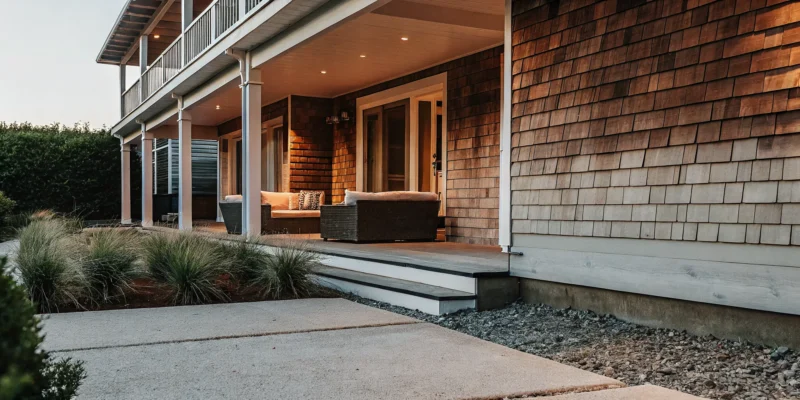
Long Island has a character all its own, from its sandy soil to its salty air. This unique environment means that what works for an outdoor project elsewhere might not work here. Choosing the right plants and materials is critical for creating a space that not only looks beautiful but also lasts. This is why local expertise matters so much. A landscape designer Long Island understands these specific challenges and opportunities. They know which materials resist coastal weathering and which native plants will thrive, ensuring your new outdoor area is perfectly adapted to its surroundings.
Key Takeaways
- A Designer is Your Project’s Architect: A landscape designer creates a unified plan for your entire outdoor space, integrating everything from hardscaping to planting. Opting for a design-build company ensures a seamless process by having one team manage both the design and construction.
- Do Your Homework to Find the Right Partner: The best designer for your Long Island home will have local expertise in our coastal climate and regulations. Vet them by reviewing their portfolio, reading customer reviews for details on communication, and always confirming they are licensed and insured.
- Preparation is Key for a Successful Project: Start the planning process early, ideally in the fall or winter for a spring project, to secure a top designer. Come to your first meeting prepared with a clear vision, a list of must-haves, and a realistic budget to get the most out of your consultation.
What Exactly Does a Landscape Designer Do?
Think of a landscape designer as the visionary and planner for your outdoor space. Their job is to transform a simple yard or patio into a functional and beautiful extension of your home. They help you plan and create outdoor spaces, taking your ideas, lifestyle, and personal taste and turning them into a concrete design. A great designer doesn’t just pick out plants; they create a cohesive plan that considers how you want to live outside. This includes everything from the layout of your patio and walkways to the selection of materials and the placement of gardens.
The goal is to create a space that is not only beautiful but also perfectly suited to your needs, whether you dream of a quiet garden retreat, a lively entertainment area with an outdoor kitchen, or a safe place for your kids to play. They are experts in combining elements like stone masonry, planting, and lighting to craft a complete outdoor environment.
Landscape Design vs. Architecture: What’s the Difference?
You might hear the terms “landscape designer” and “landscape architect” used interchangeably, but they often refer to different types of professionals. Landscape architects typically have a formal degree and a state license, which allows them to handle large, complex projects like public parks or commercial properties that require extensive grading and drainage plans.
Landscape designers, on the other hand, usually focus on residential projects. They are specialists in the art and horticulture of creating beautiful home landscapes. While their fees can vary, their expertise lies in layout, material selection, and planting design. Reviewing a professional’s portfolio is a great way to understand their design philosophy and see if their style aligns with your vision for your home.
Design-Build vs. Design-Only: Which Is for You?
When you hire a landscape professional, you’ll generally encounter two models: design-only or design-build. With a design-only firm, you pay for a landscape plan, which can cost anywhere from a couple of thousand dollars to much more for complex projects. You are then responsible for hiring separate contractors to build everything.
A design-build firm, like Gappsi, offers a more integrated approach by handling both the design and the entire construction process. This creates a seamless experience with one point of contact, which helps keep the project on budget and ensures the final result perfectly matches the original vision. Choosing a design-build company means your designer and construction team work together from day one, leading to smoother communication and a more cohesive outdoor living space.
Services to Expect from a Long Island Landscape Designer
When you think of a landscape designer, you might picture someone who just picks out plants and arranges flower beds. While that’s part of the job, a great designer does so much more. They are visionaries who see your backyard not just as a patch of grass, but as an extension of your home. Their goal is to create a cohesive, beautiful, and functional outdoor environment that reflects your lifestyle. This means they handle everything from the foundational hardscaping to the final decorative touches.
A full-service landscape designer on Long Island will offer a comprehensive suite of services to bring your dream yard to life. They combine artistry with technical skill to manage complex projects involving construction, planting, and installation. Think of them as the master planners for your entire outdoor world, ensuring every patio, pathway, pool, and plant works together in perfect harmony. From initial concept sketches to the final build, they orchestrate the entire transformation of your property.
Outdoor Living and Entertainment Spaces
Your backyard has the potential to be so much more than just a yard. A landscape designer can help you create true outdoor living areas, essentially adding rooms to your home without building walls. Imagine a fully equipped outdoor kitchen where you can host summer barbecues, or a cozy lounge area centered around a fire pit for cool evenings. These spaces are designed to fit your specific lifestyle, whether you love entertaining large groups or prefer quiet family dinners under the stars. A designer helps you plan these luxury patios and living areas to be both beautiful and practical, making your backyard the most popular spot in the house.
Hardscaping: Patios, Walkways, and Masonry
Hardscaping forms the backbone of any great landscape design. These are the non-living elements like patios, retaining walls, and walkways that give your outdoor space structure and definition. A designer will help you choose the right materials, from classic natural stone to modern porcelain pavers, to complement your home’s architecture. Proper masonry work ensures that these features are not only stunning but also durable enough to withstand Long Island’s weather. These foundational elements guide movement through your yard, create distinct zones for different activities, and provide the solid surfaces needed for your outdoor furniture and grills.
Pools, Pergolas, and Pavilions
For many homeowners, the ultimate backyard includes statement features like a swimming pool or a shaded pavilion. A landscape designer can integrate these major elements seamlessly into your overall plan. They’ll help with everything from the placement and shape of custom swimming pools to designing an elegant pergola that provides shade over a patio. These structures aren’t just add-ons; they are focal points that define the character of your outdoor space. Thoughtfully designed pavilions and pergolas can create a resort-like feel, offering a perfect retreat for relaxation or a beautiful backdrop for entertaining.
Synthetic Turf and Game Courts
If you want a yard that’s as fun as it is beautiful, consider adding recreational features. Modern landscape designers often incorporate low-maintenance synthetic turf, which gives you a perfect green lawn without the constant mowing and watering. For active families, custom sports games courts for basketball, pickleball, or bocce can turn your backyard into a personal sports complex. A designer can help you find the perfect spot for these features, ensuring they fit with the overall aesthetic of your landscape while providing endless hours of enjoyment for everyone in the family.
Garden and Planting Plans
Of course, no landscape is complete without the plants. A designer’s expertise in horticulture is key to creating lush, vibrant gardens that thrive. They go beyond just picking pretty flowers; they develop a strategic planting plan based on your property’s specific conditions, like sun exposure and soil type. Whether you dream of a classic English garden, a serene Japanese-inspired space, or a colorful butterfly garden, a professional can bring that vision to life. This “softscaping” is what breathes life into the design, adding color, texture, and seasonal interest that evolves throughout the year. A thoughtful landscape design ensures your garden is beautiful from spring through fall.
Lighting, Fencing, and Finishing Touches
The final details are what tie a landscape design together and make it truly special. Strategic outdoor lighting is crucial, as it not only enhances safety along walkways and steps but also creates a magical ambiance after sunset. Uplighting trees or highlighting architectural features can completely transform the look and feel of your property at night. Similarly, the right fencing provides privacy, defines boundaries, and contributes to the overall style. A designer ensures these finishing touches are thoughtfully integrated, creating a polished and complete outdoor environment that you can enjoy day and night.
Key Landscape Design Trends for Long Island Homes
Your backyard is an extension of your home, and just like interior design, landscape trends evolve. Staying current doesn’t mean redoing your yard every year. It means making smart, stylish choices that add long-term value and enjoyment. For Long Island homeowners, this often involves blending beauty with practicality to create a personal oasis that stands up to our unique coastal environment. These trends focus on creating beautiful, livable, and resilient outdoor spaces that feel both modern and timeless. From embracing local ecology to designing functional outdoor rooms, here are the key trends shaping landscape design right now.
Sustainable and Native Planting
Sustainable landscaping is about creating a beautiful yard that works with nature, not against it. For Long Island, this means choosing native plants that thrive in our local soil and climate. These plants are naturally more resistant to pests and require less water, which means less maintenance for you and a healthier local ecosystem. A designer can help you select a mix of native perennials, shrubs, and trees that offer color and texture throughout the seasons. This approach also involves using eco-friendly materials and smart irrigation systems to conserve resources. By focusing on sustainability, you create a gorgeous landscape that also supports local wildlife and reduces your environmental footprint.
Organic Styles and Pollinator Gardens
Gone are the days of rigid, perfectly manicured gardens. Today’s trend leans toward softer, more organic designs that feel natural and alive. Think flowing garden beds, curving pathways, and a mix of textures from grasses, flowers, and shrubs. This style is not only beautiful but also incredibly beneficial for the environment. By incorporating pollinator-loving flowers, you can create a vibrant habitat that attracts bees, butterflies, and hummingbirds. A well-designed pollinator garden connects your space to the wildness of nature while looking effortlessly chic. It’s a low-maintenance approach that delivers a huge visual and ecological payoff.
Climate-Resilient Designs
Living on Long Island means preparing for a range of weather conditions, from summer heatwaves to coastal storms. A climate-resilient landscape is designed to withstand these challenges. This involves choosing hardy, salt-tolerant plants that can handle our coastal air and selecting durable materials for your hardscapes. For example, using high-quality porcelain and natural stone pavers ensures your patios and walkways will last for years without fading or cracking. A thoughtful designer will also incorporate smart drainage solutions to manage heavy rainfall, protecting your home’s foundation and preventing soil erosion. This forward-thinking approach ensures your outdoor investment remains beautiful and functional, no matter the weather.
Functional, Multi-Purpose Outdoor Rooms
Homeowners are increasingly viewing their backyards as true extensions of their living space. This trend focuses on creating distinct “rooms” for different activities, maximizing every square foot of your property. Imagine a dedicated area for dining under a beautiful pergola, a cozy lounge space with a fire pit for evening conversations, and a play zone for the kids. You can define these spaces with thoughtful landscape design, hardscaping, and structures like pavilions. Adding features like an outdoor kitchen, a swimming pool, or even a personal putting green can transform your yard into the ultimate destination for relaxation and entertainment.
The Long Island Advantage: What Makes Local Designers Different?
Choosing a landscape designer isn’t just about finding someone with a good eye for design. It’s about finding a partner who truly understands the unique character of Long Island. A local professional brings more to the table than just pretty sketches. They offer specialized knowledge of our coastal environment, a deeper understanding of regional styles, and familiarity with local regulations that can make or break a project. This local advantage ensures your outdoor space is not only beautiful but also sustainable and built to last.
When you work with a designer who lives and breathes Long Island, you get insights that an outsider simply can’t provide. They know which nurseries have the healthiest native plants, which stone suppliers offer the most durable materials for our weather, and which town permits are required for a new patio or pool. This insider knowledge streamlines the entire process, saving you time, money, and potential headaches down the road. From navigating salty air to recommending the perfect materials for our climate, a Long Island designer is your best asset for creating a landscape that feels right at home.
Expertise in Coastal Climates
A designer who works on Long Island knows our environment is about more than just beautiful beaches. They understand the challenges of salt spray, sandy soil, and strong coastal winds. This expertise is critical when selecting plants, trees, and materials for your project. A local professional can guide you toward native plants that will thrive, not just survive, and recommend hardscaping materials that resist weathering from salt and moisture. This specialized knowledge helps you avoid costly mistakes and ensures your landscape design remains beautiful for years, transforming your yard into a functional and lush extension of your home.
Full-Service vs. Subcontracting Models
When you hire a landscape designer, you’ll encounter two main business models: full-service firms and those that rely on subcontractors. A full-service company, like Gappsi, handles every aspect of the project in-house, from the initial design to the final installation. This approach means you have one point of contact, ensuring clear communication and a cohesive process. As one local firm notes, this model means you “don’t have to deal with many different companies.” In contrast, a design-only firm or one that subcontracts labor can sometimes lead to communication gaps and inconsistencies. A full-service approach provides a seamless experience and a single source of accountability for the quality of the work.
Why Licensing and Insurance Matter
Verifying a designer’s credentials might seem like a tedious step, but it’s one of the most important. Licensing confirms that a professional has met specific educational and experience requirements, which is especially crucial for complex projects involving grading, drainage, or structural elements. Insurance is just as vital, as it protects you, the homeowner, from any liability if an accident occurs on your property during construction. While hiring a landscape architect or designer with the proper credentials may seem more expensive upfront, it provides peace of mind and financial protection that is well worth the investment. Always ask for proof of both before signing a contract.
Decoding the Cost of a Landscape Designer on Long Island
Thinking about your budget is one of the first, and sometimes most intimidating, steps in any home project. When it comes to creating your dream backyard, understanding the cost of a landscape designer is key to planning effectively and avoiding surprises. The price tag isn’t just an arbitrary number; it reflects the designer’s expertise, the complexity of your vision, and the overall scope of the work required to transform your property. Seeing it as an investment in your home’s value and your family’s enjoyment can help frame the conversation.
A professional design plan is the roadmap for your entire project, ensuring every element, from the patio to the plantings, works together beautifully. While a design-build firm like Gappsi integrates the design phase into the larger project, knowing the industry standards for design costs helps you set a realistic budget from the start. This knowledge empowers you to have more productive conversations with potential partners and make informed decisions that align with your financial comfort zone. Ultimately, a clear budget helps your designer create a plan that not only meets your aesthetic goals but also respects your bottom line.
Pricing Models: Flat Fee, Hourly, or Percentage?
When you begin your search for a landscape designer, you’ll notice that pricing isn’t one-size-fits-all. Most designers use one of three common models. A flat fee is often used for a complete design plan, giving you a single, predictable cost for the entire design phase. For more open-ended consultations or projects where the scope might evolve, an hourly rate is common. Finally, some designers charge a percentage of the total project installation cost. According to industry experts, you can expect a landscape design plan to cost between $2,500 and $25,000, while hourly rates often fall between $150 and $300.
What to Expect for Pricing
So, what can you realistically expect to invest in the design itself? While every project is unique, general pricing can give you a solid starting point. On average, homeowners on Long Island might spend anywhere from $2,200 to over $6,100 for a landscape design project, with many falling somewhere in the middle. If you’re working with a designer who charges by the hour, a typical rate is about $50 to $150 per hour. A simple planting plan for a small garden will naturally be on the lower end, while a comprehensive master plan for your entire property will command a higher fee.
What Factors Influence Your Project’s Cost?
Several key factors determine the final cost of your landscape design. The size of your property and the complexity of your vision are the two biggest drivers. A simple, elegant garden layout will cost less to design than a multi-level outdoor living area with intricate features. Elements like custom masonry, retaining walls, outdoor kitchens, fire pits, and lighting all require more detailed planning. Incorporating major structures like a swimming pool or a pergola also adds to the design complexity and, therefore, the cost. The types of materials you choose, from pavers to plant species, will also play a role in the overall design budget.
How to Set a Realistic Budget
Setting a realistic budget begins with understanding that landscape design is an investment that enhances your property’s value and your daily life. A good rule of thumb is to allocate between 5% and 15% of your home’s total value for a complete landscape overhaul. Start by making two lists: your “must-haves” and your “nice-to-haves.” This helps you prioritize what’s most important and gives your designer a clear framework. Remember that a well-crafted landscape plan not only creates a beautiful space but also ensures the project is built efficiently and correctly, saving you from costly mistakes down the road.
Finding the Right Landscape Design Partner in Long Island
The Gappsi Advantage: A Full-Service Approach
Choosing a partner for your landscape project can feel overwhelming, but it’s much simpler when one team handles everything. A full-service approach means your entire project, from the initial design sketch to the final installation, is managed by a single, cohesive group. This eliminates the stress of coordinating multiple contractors and ensures your vision remains consistent throughout the process. At Gappsi, we manage every detail, whether it’s crafting intricate masonry, installing a custom swimming pool, or building a backyard pavilion. You have one point of contact and a dedicated team committed to bringing your dream outdoor space to life, ensuring a smooth and seamless experience from start to finish.
What to Look for in Any Design Firm
Beyond the full-service model, there are a few key things to check for in any design firm you consider. First, always review their portfolio. A company’s past projects are the best indicator of their style, quality, and capabilities. Look for a variety of work that shows their range and see if their designs resonate with your personal taste. You can often find project galleries or videos on their website or social media. For example, checking out a company’s YouTube channel can give you a real feel for their work. Also, look for positive customer reviews and testimonials. A strong reputation built on happy clients is a great sign that you’re choosing a reliable and professional partner for your home.
How to Choose the Right Landscape Designer for You
Finding the right landscape designer is a lot like finding a great partner. You need someone who listens, understands your vision, and has the skills to make your dream yard a reality. This is a big decision, but you can simplify the process by focusing on a few key areas. When you know what to look for, you can confidently choose a professional who will transform your Long Island property into a space you love. Here’s how to find the perfect match for your project.
Verify Their Experience and Local Expertise
A designer’s experience on Long Island is incredibly valuable. They should have a deep understanding of our coastal climate, soil conditions, and which plants thrive here. A company with a long history in the area will know how to build structures that withstand salty air and seasonal weather changes. Look for a firm with positive customer reviews and testimonials. A strong local reputation built on satisfied clients is a great sign. You can also see their work firsthand on platforms like YouTube to get a feel for their project quality and the scale of their operations. An established presence in Nassau and Suffolk counties means they have a proven track record of success.
Review Their Portfolio for Quality and Variety
A portfolio is more than just a collection of pretty pictures; it’s a window into a designer’s style and capabilities. As you browse their past projects, see if their aesthetic aligns with your own. Are you drawn to their use of materials, their layouts, and their overall design philosophy? Look for variety in their work. A designer who has experience with everything from simple garden plans to complex outdoor living spaces is more likely to handle your unique needs. Pay close attention to projects that feature elements you want, whether it’s intricate masonry work, a modern swimming pool, or a custom pavilion. This will help you gauge if they have the specific skills your vision requires.
Assess Their Communication and Responsiveness
Great design is a partnership, and clear communication is the foundation of any successful project. From your very first interaction, pay attention to how the designer communicates. Do they listen carefully to your ideas and concerns? Do they ask thoughtful questions to better understand your lifestyle and how you plan to use the space? A good designer should make you feel heard and respected. Their responsiveness is also a key indicator of their professionalism. If they are prompt and clear in their replies during the initial stages, it’s a good sign they will maintain that level of communication throughout the entire project, keeping you informed every step of the way.
Confirm Their Knowledge of Local Regulations
This might not be the most exciting part of the process, but it’s one of the most important. A professional landscape designer should have a firm grasp of local regulations, including building codes, zoning laws, and permit requirements for your specific town on Long Island. This knowledge is crucial for ensuring your project is completed without any legal snags or costly delays. An experienced firm will handle the paperwork and ensure every aspect of the design complies with local rules. This expertise protects you and your investment, allowing you to enjoy a smooth and stress-free landscape construction process from start to finish.
How to Read Customer Reviews—The Right Way
Reading customer reviews is one of the best ways to get a feel for a company, but it’s a skill. It’s easy to get overwhelmed by a sea of star ratings and conflicting opinions. To make the right choice for your home, you need to know how to read between the lines. Let’s break down how to analyze reviews so you can find a landscape designer you can trust with your vision.
Look for Details Beyond the Star Rating
It’s tempting to just glance at the five-star average and move on, but the real story is always in the details. A high rating is great, but a review that says “They did a great job!” doesn’t tell you much. Instead, look for reviews that give you specifics. Do clients mention the beautiful masonry work on their new patio? Do they talk about how the team perfectly executed the garden design they had in mind? These details give you a much clearer picture of a company’s strengths and the kind of experience you can expect. Specific, positive feedback is a sign of a genuinely satisfied customer.
Scan for Mentions of Communication and Reliability
A stunning backyard is the goal, but the journey to get there matters just as much. A project can quickly become a headache if the team is unreliable or hard to reach. As you read reviews, actively look for comments about the company’s process. Do people mention that the team was responsive, showed up on time, and kept them in the loop? Keywords like “communication,” “schedule,” “on time,” and “responsive” are your best friends here. Positive mentions of these aspects are a huge green flag, indicating a professional and respectful team that values your time and peace of mind during a home remodeling project.
How to Spot Potential Red Flags
Just as you look for green flags, you need to keep an eye out for potential red flags. One negative review isn’t necessarily a dealbreaker; sometimes, it’s just a one-off situation. However, you should pay close attention to patterns. If you see multiple reviews that mention the same problem, like missed deadlines, surprise fees, or a messy work site, it could point to a larger, systemic issue. A company that consistently has the same complaints is unlikely to provide you with a different experience. Be wary of repeated negative themes, as they often tell a story about how the company handles challenges.
Where to Find Trustworthy Testimonials
To get a well-rounded view, you should look for reviews in a few different places. Start with the company’s website, but don’t stop there. Cross-reference what you find with third-party sites like Google and Houzz. A great company will also be proud to show you its work. Look for an extensive portfolio with high-quality photos and videos of completed projects. For example, checking out a company’s YouTube channel can give you a real, unfiltered look at their craftsmanship and the scale of their work. Seeing is believing, and a robust portfolio is one of the most trustworthy testimonials you can find.
Preparing for Your First Design Consultation
A little preparation goes a long way in making your first design meeting productive and exciting. Walking in with a clear idea of what you want helps your designer immediately grasp your vision and start creating a plan that truly fits your home and lifestyle. It also helps you evaluate whether they are the right partner for your project. Think of it as creating a roadmap for your dream backyard. This initial conversation sets the stage for the entire project, so let’s get you ready for it.
Define Your Vision and Must-Haves
Start by brainstorming how you want to use your new space. Is it for quiet morning coffees, big family barbecues, or active afternoons playing on a synthetic turf lawn? Create two lists: “must-haves” and “nice-to-haves.” Your must-haves are the non-negotiables, like a privacy fence or a specific type of patio stone. The nice-to-haves are things you’d love if the budget and space allow, like a fire pit or an outdoor kitchen. Before the meeting, it’s helpful to have a rough budget and timeline in mind. This gives your designer a realistic framework to work within. Having these details sorted out ensures you can communicate your goals clearly and get the most out of your consultation.
Questions You Should Ask a Potential Designer
Your first meeting is a two-way interview. While they’re learning about your project, you should be learning about them. Start by asking about their experience with projects similar to yours in Long Island. Inquire about their credentials and check their portfolio for past work. A company with a solid reputation built on satisfied clients is a great sign. Ask to see examples of their masonry work or pool installations to get a feel for their craftsmanship. Don’t forget to ask about their process. How do they handle communication? What’s the timeline for a design proposal? Understanding their workflow will help you know what to expect and ensure a smooth collaboration from start to finish.
How to Compare Design Proposals
When you receive design proposals, look beyond the price tag. A good proposal will detail the scope of work, materials, and a projected timeline. Pay close attention to the design itself. A designer’s portfolio can reveal their approach to layout and material selection, helping you find an aesthetic that matches your own. Does their style feel modern, traditional, or organic? Finally, consider the connection you felt with the designer. A successful project relies on strong communication and trust. Choose a partner who is passionate about their work and genuinely excited to bring your vision to life. A designer who values their reputation will be committed to your satisfaction throughout the entire process.
When Should You Hire a Landscape Designer on Long Island?
Timing is everything, especially when it comes to creating your dream backyard. Hiring a landscape designer isn’t something you do on a whim a few weeks before you want to start a project. The best results come from thoughtful planning, and that means getting a designer involved at the right time. Knowing when to start the conversation can make the difference between a stressful, rushed process and a smooth, enjoyable one that ends with the outdoor space you’ve always wanted.
The Best Seasons for Planning and Booking
If you’re dreaming of a new pool or patio by next summer, the time to start planning is now. The most sought-after landscape designers on Long Island have schedules that fill up quickly, sometimes more than a year in advance. For major projects, it’s wise to begin your search in the late summer or early fall for a project you want to start the following spring.
This timeline gives you and your designer the winter months, which is the off-season for construction, to work through the creative process. You’ll have plenty of time to discuss your vision, review designs, select materials for your patio or masonry, and secure any necessary permits without feeling rushed. Starting early ensures you get a spot on the construction schedule for spring, which is prime time for breaking ground.
Don’t Forget to Ask About Off-Season Rates
Here’s a tip that can help you manage your budget: ask about off-season rates for design work. While construction slows down in the winter, the design phase can happen anytime. Many designers are busiest meeting with new clients in the spring and summer. By approaching them in the late fall or winter, you might find they have more availability and potential flexibility on their design fees.
Understanding how landscape design costs are structured is key. The price for materials and labor for your project will likely remain the same, but the initial design fee can vary. Securing a designer during a quieter period not only gives you their undivided attention but could also present a smart financial advantage. It’s always worth asking if they offer a different rate for design services booked during the colder months.
Related Articles
- Benefits of Hiring a Long Island Landscape Design Company – Gappsi Group
- Landscape Designer and Construction Company Long Island NY – Gappsi Group
- Landscaper designers builders long island Hamptons – Gappsi Group
- Landscape Designer Long Island | 3D Designs & Custom Landscaping
- Landscape Designs–Pictures-Ideas-Photos-Gardens Long Island – Gappsi Group
Frequently Asked Questions
What’s the main benefit of a design-build firm over hiring a separate designer and contractor? The biggest advantage is simplicity and cohesion. With a design-build company, you have one team and one point of contact managing your entire project from the first sketch to the final installation. This integrated approach ensures the construction team perfectly understands the designer’s vision, which helps prevent communication gaps, keeps the project on budget, and makes the whole process much less stressful for you.
How long does a typical landscape design project take from start to finish? The timeline really depends on the scale of your project. A simple garden plan might take a few weeks, while a full backyard transformation with a pool and masonry could take several months. A good rule of thumb is to start the design process in the fall or winter. This gives you plenty of time for planning, material selection, and permits before construction begins in the spring, ensuring you don’t feel rushed.
Do I need a large property to benefit from a landscape designer? Not at all. In fact, a great designer can be even more valuable for a smaller space. They are experts at maximizing every square foot to make a compact yard feel more spacious, functional, and beautiful. Whether you have a small patio, a narrow side yard, or a simple courtyard, a professional can help you transform it into a personal oasis you’ll love to use.
Can I hire a designer to help with just one specific project, like a new patio or a swimming pool? Absolutely. While many people hire designers for a complete overhaul, you can certainly bring one in for a single, significant project. A designer will ensure that your new patio, pool, or garden bed is not only beautiful on its own but also integrates seamlessly with the existing style of your home and the rest of your landscape, creating a polished and intentional look.
What’s the most important thing to have ready before my first design consultation? The most helpful thing you can bring to your first meeting is a clear idea of how you want to use the space. Think about your lifestyle and create a simple list of “must-haves” and “nice-to-haves.” Having a general budget in mind is also incredibly useful, as it gives the designer a realistic framework to work within and helps them create a plan that aligns with your financial goals from the start.