


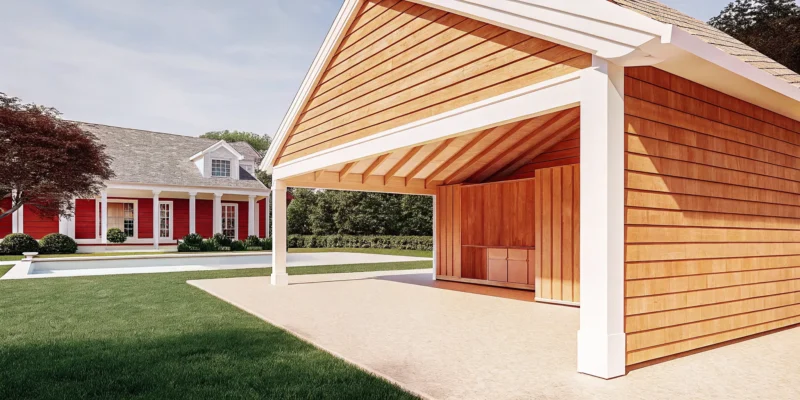
You have a vision for your backyard: a beautiful, shaded space for poolside lounging, a cozy spot for family dinners, or an elegant setting for entertaining friends. But how do you turn that idea into a solid, lasting structure? The bridge between your dream and a finished pavilion is craftsmanship. A builder does more than just construct; they interpret your vision, help you select the right materials, and apply their expertise to create a space that is both beautiful and structurally sound. They are the partner who ensures every detail, from the foundation to the roofline, contributes to a cohesive and stunning final product. Let’s explore how a skilled pavilion builder Long Island brings your unique vision to life.
Key Takeaways
- Your Builder is a Project Manager: A professional builder does more than just construct; they partner with you to manage the entire project, from initial design and material selection to handling the local permitting process.
- Plan for Your Lifestyle to Set the Budget: The final cost is directly tied to your choices in size, materials like wood or stone, and custom features. Deciding how you will use the space helps define the project’s scope and budget.
- Choose a Partner, Not Just a Builder: Protect your investment by carefully vetting your builder. Verify their license and insurance, look for deep local experience, and prioritize a team that can design a complete outdoor space, not just a single structure.
What Does a Pavilion Builder Do?
A professional pavilion builder does much more than just assemble a structure in your backyard. They are your partner through every phase of the project, from the first sketch to the final walkthrough. A great builder combines the skills of a designer, a project manager, and a master craftsperson to bring your vision for the perfect outdoor space to life. They ensure your new pavilion not only looks beautiful but is also built to last, meeting all local codes and integrating seamlessly with your home’s existing style.
The Custom Design and Planning Process
The journey begins with a conversation, not a hammer. A skilled builder will sit down with you to understand exactly what you want from your outdoor space. They help translate your ideas into a functional and beautiful design. At Gappsi, we often create a complete backyard master plan, which allows us to manage every detail under one roof. This approach creates a cohesive look for your entire property and prevents the headaches that come from coordinating multiple contractors. Your builder will help you think through placement, size, and flow, ensuring your new pavilion perfectly suits your lifestyle.
Exploring Materials and Style Options
With a plan in place, your builder guides you through the exciting process of choosing materials and styles. The material you select has a huge impact on your pavilion’s appearance, durability, and required maintenance. We build pavilions and pergolas using a variety of high-quality materials, including classic wood, low-maintenance composites, modern aluminum, and elegant masonry columns. Whether you envision a rustic wooden retreat or a sleek, contemporary structure, your builder will explain the pros and cons of each option. They help you find the right materials to match your home’s aesthetic and your family’s needs.
Handling Installation and Local Permits
One of the most valuable services a pavilion builder provides is managing the technical side of the project. On Long Island, most municipalities require a permit to build a pavilion, and the rules can vary by town and structure size. A full-service builder like Gappsi handles the entire permitting process for you. Thanks to our long-standing relationships with local building departments across Nassau and Suffolk County, we make sure all paperwork is filed correctly. This saves you time and stress, allowing you to focus on the fun parts while we handle the logistics and expert installation.
What Pavilion Styles and Materials Can You Choose?
One of the best parts of adding a pavilion to your backyard is the sheer number of design possibilities. This isn’t a one-size-fits-all project. Your pavilion should be a true reflection of your home’s character and how you want to live outdoors. The style and materials you select will define the space, creating everything from a rustic woodland retreat to a sleek, modern entertainment hub. Think about the overall vibe you want. Do you picture cozy family dinners, lively poolside parties, or quiet afternoons with a book?
Your choice will come down to a blend of personal taste, your home’s existing architecture, and your budget. A great builder will walk you through the options, helping you balance aesthetics with the practical demands of Long Island’s climate. Let’s look at some of the most popular styles and materials to get you started.
Classic Wood Pavilions
There’s a reason wood is a timeless choice for outdoor structures. A classic wood pavilion brings a natural warmth and beauty to your landscape that’s hard to replicate. Materials like Douglas Fir or cedar offer a rich, rustic appearance that can feel both grand and inviting. A wooden structure can be designed to look traditional and elegant, or it can be crafted with heavy timbers for a more rugged, lodge-like feel. While wood is incredibly durable, it does require some upkeep to stay beautiful. Regular staining or sealing is key to protecting it from moisture and sun, ensuring your pavilion remains a stunning backyard centerpiece for years.
Modern Stone and Porcelain Pavilions
If your style leans more contemporary, you can create a stunning pavilion using modern materials like stone and porcelain. Imagine clean lines, a sophisticated color palette, and a structure that feels seamlessly integrated with a modern home. Gappsi’s expertise with a wide range of porcelain and natural stone means you can achieve a sleek, durable finish. The support columns can be wrapped in beautiful stacked stone or smooth porcelain slabs to match your patio. These materials are exceptionally strong and low-maintenance, standing up to the elements with minimal effort while providing a chic, polished look for your outdoor living area.
Open-Air vs. Enclosed Designs
A key decision you’ll make is how open you want your pavilion to be. A traditional pavilion is a fully roofed structure that’s open on all sides. This design provides complete protection from direct sun and rain while still allowing for refreshing breezes and unobstructed views of your yard. It’s perfect for creating a defined space that still feels connected to the surrounding landscape. For more of an “outdoor room” feel, you might consider a partially enclosed design. Adding low masonry walls, privacy screens, or even retractable curtains can offer more protection from wind and create a cozier, more intimate setting.
Popular Features to Customize Your Space
The structure of your pavilion is just the beginning. The features you add are what will transform it from a simple shelter into a fully functional outdoor living space. These custom touches are what make the pavilion uniquely yours and allow you to use it in exactly the way you envision.
Outdoor Kitchens and Bars
Integrating an outdoor kitchen or bar is one of the most popular ways to customize a pavilion. It instantly becomes the heart of your backyard, perfect for entertaining. You can include everything from a built-in grill and refrigerator to a sink and extensive counter space for food prep. This feature expands your home’s usable square footage, creating a perfect setting for everything from casual family barbecues to sophisticated alfresco dinner parties.
Fireplaces and Fire Pits
Adding a fireplace or fire pit extends the use of your pavilion well into the cooler months. A stone fireplace can serve as a dramatic focal point, creating a cozy, lodge-like atmosphere for evening gatherings. A nearby fire pit offers a more casual spot for conversation and roasting marshmallows. This feature not only provides warmth but also creates an irresistible ambiance that will draw family and friends together.
Integrated Lighting and Fans
Thoughtful lighting and air circulation are essential for comfort and usability. Integrated lighting, from subtle recessed lights to elegant chandeliers, allows you to enjoy your pavilion long after the sun goes down. It also adds a layer of safety and ambiance to your entire backyard. Ceiling fans are a must-have for Long Island summers, creating a gentle breeze that keeps you cool and comfortable on hot, humid days. Don’t forget to include electrical outlets for charging devices or plugging in music.
Seamless Pool and Spa Integration
A pavilion is the perfect companion to a swimming pool or spa. Positioned poolside, it provides a convenient and comfortable shaded area for lounging and supervising swimmers. It can act as a beautiful transition between your home and the pool area, housing an outdoor shower, a changing space, or a bar for serving cool drinks. When designed together, the pool and pavilion create a cohesive, resort-like experience right in your own backyard.
How Much Does a Pavilion Cost on Long Island?
Figuring out the budget for a new pavilion is one of the first, and most important, steps in the process. The truth is, there’s no single price tag. The cost of building a pavilion on Long Island depends entirely on your vision, your property, and the materials you choose. Think of it less as an off-the-shelf purchase and more as a custom home addition for your backyard. The final price is a reflection of the unique design, size, and features that will make the space truly yours.
On Long Island, pavilion projects can range from the low teens for a simple, modest structure to over $40,000 for a large, elaborate build with all the bells and whistles. Factors like custom masonry, integrated lighting, and premium materials will influence the final cost. To get a clear picture, it’s best to think about your project in terms of a few key components: the overall design and footprint, the materials you want to use, the preparation your site requires, and the incredible long-term value a pavilion adds to your home and lifestyle. Understanding these elements will help you set a realistic budget and work with your builder to create the perfect outdoor retreat.
How Design and Size Impact Price
The biggest factors driving the cost of your pavilion are its size and complexity. A larger structure that covers more square footage will naturally require more materials and labor, increasing the price. Similarly, a more intricate design with unique architectural details will cost more than a straightforward, classic build. Features like built-in lighting, ceiling fans, or retractable canopies also add to the final investment. When you start planning, think about how you want to use the space. A simple shaded seating area will have a different budget than a grand pavilion designed to house a full outdoor kitchen and dining set.
The Role of Materials in Your Budget
The materials you select play a huge role in both the look and the cost of your pavilion. Each option offers a distinct aesthetic and level of durability. Classic wood pavilions provide a warm, traditional feel but may require more maintenance over time. For a more modern or low-maintenance approach, you might consider aluminum, composite materials, or even custom masonry columns. At Gappsi, we build with a wide range of materials to match your home’s style and your personal preference for upkeep. The choice between wood, composite, and stone will significantly influence your budget, so it’s an important decision to discuss with your builder early on.
Factoring in Site Prep and Timing
Beyond the structure itself, you need to account for the work required to prepare the site. This can include grading the land, pouring a concrete slab, or installing stone pavers for the foundation. Another critical step is securing the necessary permits. Most municipalities on Long Island require a permit to build a permanent structure like a pavilion. Handling local building codes and applications can be a stressful part of any home improvement project. A professional builder will manage this entire process for you, ensuring everything is done correctly and saving you from the headache of managing the paperwork and inspections.
The Long-Term Value of a Pavilion
While there is an upfront cost, a well-built pavilion is a smart investment in your property. It does more than just provide shade; it creates a dedicated, functional outdoor room that extends your living space and protects you from the elements. This addition significantly enhances your home’s curb appeal and usability. In fact, a beautiful and functional outdoor living area can increase your home’s value by an estimated 10% to 15%. By improving your overall landscape design, a pavilion adds lasting value that you can enjoy for years to come and see a return on when it’s time to sell.
How to Choose the Right Pavilion Builder
Choosing the right builder is the single most important decision you’ll make for your pavilion project. This is about more than just construction; it’s about finding a partner who understands your vision, respects your property, and has the expertise to bring your dream outdoor space to life. A great builder will guide you through every step, from initial design concepts and material selection to navigating local permits and final installation. They should be a trusted advisor who can see the big picture, ensuring your new pavilion not only looks beautiful but also functions perfectly within your overall landscape. Taking the time to vet your options thoroughly will save you from potential headaches and ensure the final result is a space you and your family will love for years to come. The right partner makes all the difference between a stressful construction project and a seamless, rewarding experience.
Review Their Experience and Portfolio
Before you even make a phone call, a builder’s portfolio will tell you a lot about their work. Look for a company that showcases a wide range of completed projects. This demonstrates their versatility and ability to handle different styles, materials, and site challenges. Pay attention to the details in their photos. Do the structures look well-built and thoughtfully designed? A strong portfolio should also show how a pavilion integrates with the rest of the property. A builder who can design and build your entire outdoor living space, from the pool to the patio and landscaping, offers a significant advantage. This whole-property approach ensures a cohesive and harmonious design, rather than a collection of disconnected elements.
Verify Licensing, Insurance, and Local Expertise
This step is non-negotiable. Any reputable builder you consider must be fully licensed and insured to work in your area. This protects you, your home, and the workers on your property from any potential accidents or issues. Beyond the basic credentials, look for a builder with deep local expertise. For example, most municipalities on Long Island require a permit to build a pavilion or pergola. An experienced local builder will be familiar with these regulations and can manage the entire permitting process for you, ensuring your project is fully compliant with town codes. This knowledge prevents costly delays and ensures your structure is built safely and legally.
Common Myths About Hiring a Builder
One of the biggest myths in construction is that the lowest bid is the best deal. While budget is always a consideration, an unusually low price can be a red flag for subpar materials, inexperienced labor, or a misunderstanding of the project’s scope. Some homeowners might even consider a DIY approach, but this often leads to critical mistakes. For instance, creating a proper foundation is one of the most important parts of a pavilion build, and an error here can compromise the entire structure. A professional builder isn’t just an installer; they are an expert who foresees challenges and prevents costly errors, ensuring your investment is built to last on a solid masonry foundation.
Why Partner with Gappsi for Your Pavilion Project
When you partner with a team that can see the entire vision, your project becomes more than just a single structure. At Gappsi, we specialize in creating a complete backyard master plan. This integrated approach ensures your new pavilion feels like a natural extension of your home and lifestyle, not just an isolated addition. We consider how it will connect to your pool, patio, outdoor kitchen, and landscaping to create a seamless flow throughout your property. By designing and building all elements of your outdoor living space, we deliver a cohesive, functional, and beautiful environment. This holistic process is what transforms a backyard into a true outdoor oasis for your family to enjoy.
Related Articles
- pavilions Archives – Gappsi Group
- Amish Pavilion Designs & Ideas for Backyards | Gappsi Inc
- Modern Amish Backyard Pavilion & Porcelain Tile | Islip NY | Gappsi Inc
- Gazebo | Pavilion | Pergola Archives – Gappsi Group
- Modern Amish Backyard Pavilion Archives – Gappsi Group
Frequently Asked Questions
What is the difference between a pavilion and a pergola? The key difference is the roof. A pavilion has a solid, continuous roof that offers complete protection from rain and direct sun, creating a true outdoor room. A pergola, on the other hand, has a slatted or open-beam roof structure. It provides partial shade and is often used to define a space or support climbing plants, but it won’t keep you dry in a storm.
Do I really need a permit to build a pavilion on Long Island? Yes, in almost all cases you will. Most towns and villages across Nassau and Suffolk County require a permit for a permanent backyard structure like a pavilion. The rules can be complex and vary by location, but a professional builder will know exactly what’s required. Part of our service is managing this entire permitting process for you, so you don’t have to worry about the paperwork.
How long does it take to build a pavilion? The timeline depends entirely on the scope of your project. A straightforward pavilion might be completed in a few weeks, while a more complex design with custom masonry, an outdoor kitchen, and extensive site work could take a couple of months from start to finish. The design phase, material selection, and local permit approval times all play a role in the final schedule.
Can I add an outdoor kitchen or fireplace to my pavilion later? While it’s sometimes possible to add features after the fact, it is always better, easier, and more cost-effective to include them in the initial plan. Integrating things like electrical wiring for lights, gas lines for a grill, or a proper foundation for a stone fireplace is much simpler during the main construction. Planning for these elements from the beginning ensures a seamless and fully functional design.
How much maintenance does a pavilion require? The amount of upkeep depends on the materials you choose. A classic wood pavilion will need to be stained or sealed every few years to protect it from the elements and maintain its beauty. Pavilions built with low-maintenance materials like aluminum, composites, or stone columns require very little care, typically just a simple cleaning to keep them looking fresh.