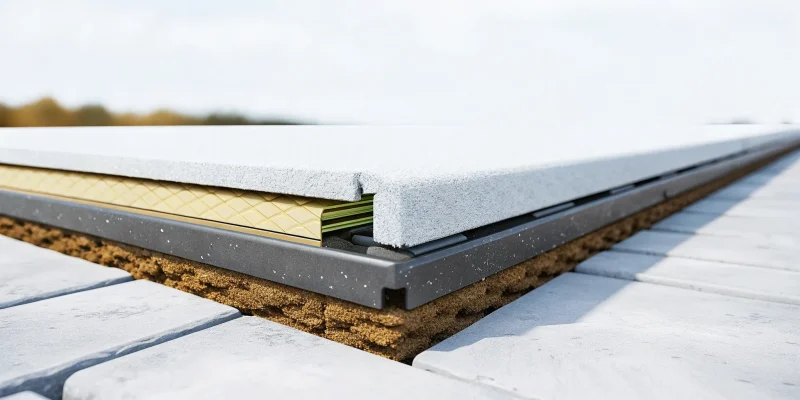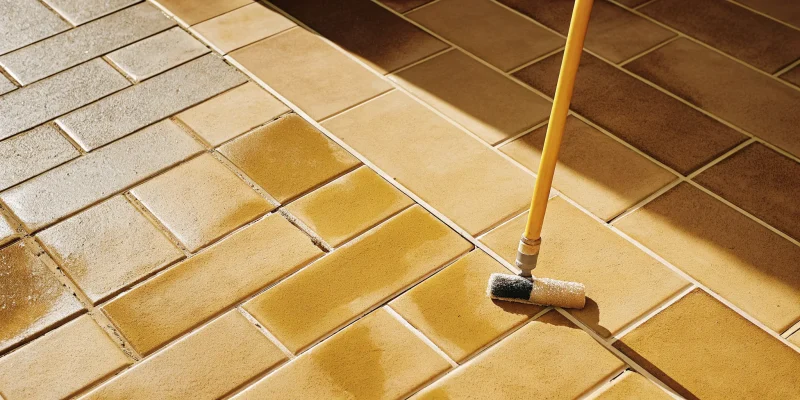
Choosing the finish for your pavers doesn’t end once the stones are laid. Just like picking a paint sheen for your walls, selecting a paver sealer is a design choice that can completely transform the look and feel of your outdoor space. Do you love the deep, vibrant colors of your pavers when they’re wet after it rains? A high-gloss sealer can give you that sleek, polished look permanently. Or do you prefer the natural, understated beauty of the stone? A matte-finish penetrating sealer can provide all the protection you need without changing the texture or adding any shine. This guide will help you understand your options so you can choose the perfect finish to complement your home’s style.
Key Takeaways
- Protect your pavers from the elements: Sealing acts as a crucial barrier against Long Island weather, everyday spills, and weed growth. This simple maintenance step preserves your paver’s color and makes cleanup much easier.
- Choose the right sealer for your style and stone: The best sealer depends on your paver material and the final look you want to achieve. Consider if you prefer a natural matte finish or a vibrant high-gloss look, and select a product designed for your specific type of stone.
- Proper application is non-negotiable: For a flawless finish, the surface must be completely clean and dry before you begin. Applying a thin, even coat during the right weather conditions is essential to prevent a cloudy or peeling result.
What is Paver Sealer and How Does It Work?
Think of paver sealer as a top coat for your patio, walkway, or driveway. It’s a liquid protectant that you apply over your stone or concrete pavers to shield them from the elements and everyday wear and tear. When you invest in beautiful pavers for your home, sealing is one of the best ways to keep them looking their best for years to come. A good quality sealer typically lasts between three to five years before you need to think about reapplying it, making it a low-maintenance way to protect your outdoor surfaces.
The main job of a paver sealer is to prevent stains from things like oil or fallen leaves, stop weeds from popping up in the joints, and keep the rich color of your pavers from fading under the sun. It also comes in a variety of finishes, so you can choose the exact look you want for your space. Whether you prefer a completely natural, matte appearance that’s barely noticeable or a vibrant, high-gloss shine that makes the colors pop, there’s a sealer that fits your style. Our restoration and sealing services are designed to protect your investment and enhance your outdoor living space, ensuring it stays beautiful through every Long Island season.
The Science Behind the Seal
So, what’s actually happening when you apply a sealer? It’s not just a simple coating; there’s some clever science at work. The sealer soaks into the porous surface of the pavers and the joint sand between them. It then hardens, acting as a powerful binding agent. This process stabilizes the joint sand, preventing it from washing away during heavy rain or power washing. By locking the sand in place, the sealer helps keep your pavers from shifting. A quality water-based paver sealer also creates a barrier that protects against UV rays, which are a major cause of color fading over time. This same barrier helps repel oil, mold, and mildew, keeping your patio looking clean and fresh.
How Sealers Form a Protective Shield
Beyond locking in sand, a sealer creates a durable, protective film over the entire paver surface. This transparent shield is your first line of defense against spills and stains. Think of it like waxing a car; liquids bead up on the surface instead of soaking in, giving you more time to clean up messes. This film not only improves durability but can also enhance the appearance of your pavers, deepening their colors and adding a subtle sheen. While sealing is an optional step, it’s a highly beneficial one for the longevity of your hardscape. For the sealer to work effectively, proper preparation is key. The surface must be perfectly clean and completely dry before application.
Choosing Your Paver Sealer: The Main Types
Walking into a store and seeing a wall of paver sealers can feel overwhelming. With terms like “solvent-based,” “penetrating,” and “high-gloss,” it’s easy to get confused. The right sealer for your patio or driveway depends on the protection you need and the final look you want. Think of it like picking a top coat for a manicure: do you want something shiny or matte? Understanding the main categories will help you choose a product that protects your investment and complements your home’s style. Let’s look at the key differences.
Water-Based vs. Solvent-Based
Your first choice is between a water-based and a solvent-based sealer. Water-based sealers are user-friendly, have a milder odor, and are easy to apply and clean up. On the other hand, solvent-based sealers provide a more durable finish and better resistance to tough stains like oil and grease. They also tend to enhance the color of your pavers more dramatically. The best option depends on your project needs, and our team can always help you decide during a professional restoration and sealing service.
Film-Forming vs. Penetrating
Next, decide if you want a sealer that sits on top of the paver or one that soaks into it. Film-forming sealers create a protective coating on the surface, which can give your pavers a satin or high-gloss sheen. This barrier is excellent for preventing stains. In contrast, penetrating sealers work by soaking deep into the pores of the porcelain and natural stone, providing protection from within. Because they don’t form a surface film, they won’t change the texture or appearance of your pavers, which is perfect if you love their natural look.
Matte vs. High-Gloss Finishes
Finally, let’s talk about the finish. This choice is all about aesthetics. If you love a shiny, “wet” look that makes the colors of your pavers pop, a high-gloss sealer is the way to go. This finish can give your patio a polished appearance. If you prefer a more natural and understated look, a matte paver sealer is an excellent choice. It provides all the protection without the shine, enhancing the stone’s inherent beauty. There are also semi-gloss options that offer a middle ground. The finish you choose can completely transform the vibe of your masonry work.
The Benefits of Sealing Your Pavers
Thinking about sealing your pavers is a smart move. It’s one of the best ways to protect the investment you’ve made in your beautiful patio, walkway, or driveway. Sealing goes beyond just looks; it’s a protective layer that shields your pavers from everyday spills, harsh weather, and general wear and tear. By applying a quality sealer, you’re not just maintaining your outdoor space, you’re actively preserving its color, structural integrity, and overall appeal for years to come. It simplifies cleaning, keeps pesky weeds at bay, and ensures your outdoor surfaces can handle everything Long Island weather throws at them.
Guard Against Stains and Damage
Life happens, and so do spills. Whether it’s a tipped glass of red wine during a barbecue, oil drips from a car, or fallen leaves leaving tannins behind, unsealed pavers are porous and can soak up stains quickly. A sealer creates an invisible shield on the surface, preventing liquids and debris from penetrating the stone. This makes cleanup incredibly easy, often requiring just a simple rinse. Without that protective barrier, you might need harsh cleaning methods that can strip color from your pavers, leaving a permanent faded spot. Professional restoration and sealing services can help you choose the right protection for your specific needs.
Lock In Color and Enhance Appearance
The sun’s UV rays can be just as tough on your pavers as they are on your skin, causing their vibrant colors to fade over time. A good sealer acts like sunscreen for your hardscape, locking in the rich tones and preventing that dull, washed-out look. Depending on the finish you choose, a sealer can also enhance the natural beauty of your pavers. You can opt for a matte finish for a more natural look or a high-gloss finish to create a sleek, “wet” appearance that makes the colors pop. This simple step ensures your beautiful porcelain and natural stone surfaces look brand new for much longer.
Stop Weeds and Sand Loss
Those little green sprouts popping up between your pavers can be a constant headache. Weeds take root in the joint sand, and as the sand washes away from rain and cleaning, it creates more room for them to grow. Applying a joint-stabilizing sealer is the perfect solution. The sealer soaks into the sand and hardens it, essentially gluing the grains together. This locks the sand in place, preventing erosion and creating a solid barrier that makes it nearly impossible for weeds, moss, or mildew to grow. It’s a low-effort way to achieve a cleaner, more uniform look for your entire hardscape.
Protect Pavers from Long Island Weather
Here on Long Island, our pavers face a unique set of challenges. The coastal air, winter salt, and relentless freeze-thaw cycles can cause serious damage. When water seeps into unsealed pavers and freezes, it expands, leading to cracks and surface flaking, a process known as spalling. A sealer provides critical moisture resistance, preventing water from getting into the pavers in the first place. This protection is essential for extending the life of your driveway, patio, or pool deck, ensuring your investment stands strong against the local climate year after year. It’s a crucial step in any quality masonry project.
The Potential Downsides of Paver Sealing
Sealing your pavers can feel like a no-brainer for protecting your investment. It offers a beautiful finish and a shield against the elements. But before you commit, it’s smart to look at the full picture. Sealing isn’t always the perfect solution for every patio, walkway, or driveway, and going into it with the right information can save you from future headaches. Understanding the potential drawbacks, from safety concerns to long-term upkeep, helps you make a confident and informed choice for your home.
Knowing about these potential issues isn’t meant to discourage you; it’s about ensuring the job is done right. Whether it’s choosing the correct product or getting the timing perfect, a successful sealing project depends on careful planning. At Gappsi, our restoration and sealing services are designed to handle these details, so you can enjoy the benefits without the stress. Let’s walk through some of the common challenges you should be aware of.
The Risk of a Slippery Surface
One of the most important factors to consider is safety, especially for areas that see a lot of foot traffic or are near water. Certain types of sealers, particularly high-gloss, film-forming products, can create a slick surface when they get wet. This can be a serious concern for walkways, entryways, and especially the area around your swimming pool. While the wet look can be stunning, it might not be the most practical choice for every space.
Fortunately, you have other options. Matte-finish sealers and penetrating sealers soak into the paver rather than forming a thick film on top. This helps maintain the natural texture and grip of the stone, giving you protection without compromising safety. When choosing a sealer, think about how you use the space first.
Understanding the Maintenance and Cost
Sealing your pavers isn’t a one-time task. It’s a maintenance step that you’ll need to repeat to keep your surface looking its best. Most sealers need to be reapplied every three to five years, depending on the product, the amount of traffic the area gets, and its exposure to the Long Island weather. This means you should factor in the recurring cost of labor and materials over the life of your patio or driveway.
It’s also worth noting that for many high-quality pavers, sealing is more about enhancing the appearance than providing essential protection. Modern, durable materials are built to last. The decision to seal often comes down to aesthetics, like deepening the color, rather than a structural need. This makes it an optional upgrade rather than a mandatory chore.
Avoiding Trapped Moisture and Haze
Timing is everything when it comes to applying sealer. If you’ve just had new pavers installed, you might be eager to seal them right away, but patience is key. New pavers often go through a process called efflorescence, where natural salts rise to the surface and create a hazy white film. Sealing over this haze will trap it underneath, leaving your pavers with a cloudy, milky appearance that’s very difficult to remove.
It’s best to wait until the efflorescence process is complete, which can take anywhere from a few months to a year. You also need to make sure the pavers are completely dry before application. Sealing a damp surface can trap moisture, leading to that same cloudy look. A professional will know exactly when your pavers are ready for a flawless finish.
Is Sealing Always Necessary? Common Myths
There’s a common belief that every paver surface needs to be sealed, but that’s not always the case. While sealing offers clear benefits for stain resistance and color enhancement, it isn’t always a requirement. The need to seal often depends on the type of paver material, its location, and your personal preference. For instance, a shaded backyard patio made from dense natural stone may not need the same level of protection as a driveway that’s prone to oil leaks.
Ultimately, you can decide whether the benefits are worth the cost and upkeep. High-quality masonry work using premium materials can stand up beautifully on its own for years. Think of sealing as an optional layer of protection and cosmetic enhancement rather than an absolute must.
To Seal or Not to Seal?
Deciding whether to seal your pavers is one of the most common questions homeowners face after an installation. The truth is, there isn’t a one-size-fits-all answer. While sealing provides a powerful layer of protection that can keep your patio or driveway looking fantastic for years, it isn’t always a mandatory step. For some high-quality pavers,
The right choice for you depends on a few key things: your local environment, how you use the space, and the type of pavers you have. Think of it as an investment in your property. Sealing can prevent stubborn stains, make cleaning easier, and protect your pavers from the harsh weather we see here on Long Island. But it also requires a commitment to reapplication every few years. By weighing the specific factors below, you can make an informed decision that keeps your outdoor space beautiful and functional for the long haul.
Consider Your Local Climate
Here on Long Island, our pavers face a unique set of challenges. The coastal air, winter salt, and constant freeze-thaw cycles can be tough on outdoor surfaces. When water seeps into the tiny pores of your pavers and freezes, it expands, creating microcracks. Over time, this process can weaken the paver. Add in the salt from de-icing or the salty air near the coast, and you have a recipe for accelerated wear. A good quality sealer creates a barrier that helps prevent water and salt from penetrating the surface, effectively shielding your investment from the specific weather patterns in our area.
How Much Foot Traffic Do You Get?
Think about how you use your paved areas. Is it a busy walkway to your front door, a poolside patio that sees lots of action all summer, or a quiet garden path that’s rarely used? High-traffic areas benefit the most from sealing. A sealer acts as a protective film that takes the brunt of the wear and tear from foot traffic, patio furniture, and kids’ toys. For surfaces around swimming pools, a sealer can also help protect against chlorine and salt water stains. For less-trafficked spots, sealing becomes more of an aesthetic choice to enhance color and prevent stains rather than a crucial maintenance step.
Factor in Your Paver’s Material and Age
Not all pavers are created equal. Porous materials, like some types of natural stone and basic concrete pavers, are more like sponges. They readily absorb moisture and are more susceptible to staining from things like spilled drinks, oil, or fallen leaves. For these types of natural stone pavers, sealing is highly recommended. Denser materials, like porcelain, are far less porous and may not require sealing at all. You also need to consider the age of your pavers. If they are brand new, you should wait at least a few months before sealing to allow any efflorescence (a white, chalky substance) to escape. For older pavers, you’ll want to give them a thorough cleaning before applying a fresh coat.
Weighing the Costs and Benefits
Ultimately, the decision comes down to balancing the upfront cost and maintenance with the long-term benefits. Sealing helps stop deep stains, like a spilled glass of red wine, from setting permanently. While you can clean unsealed pavers, the process can sometimes alter the color, and it’s not always easy to get it back to a perfect match. The main benefits are clear: enhanced appearance, easier cleaning, and protection from stains and weather. The downside is the cost of the sealer and the need to reapply it every three to five years. For many homeowners, the peace of mind and lasting beauty make professional restoration and sealing services a worthwhile investment.
How to Pick the Perfect Paver Sealer
Walking into a store and seeing a wall of paver sealers can feel overwhelming. With so many options, how do you find the right one for your patio or driveway? Choosing the perfect sealer isn’t just about picking a finish you like; it’s about finding the right formula for your specific pavers and Long Island’s climate. The right choice will protect your investment for years, while the wrong one can cause headaches. Let’s break down the key things to consider so you can make a confident decision.
Match the Sealer to Your Paver Type
Not all pavers are created equal, and neither are sealers. The material of your pavers, whether they are porous concrete, dense natural stone, or classic brick, dictates the type of sealer you should use. For example, a topical, film-forming sealer might be perfect for brick pavers, but a penetrating sealer could be better for maintaining the natural look of bluestone. Using the wrong product can prevent proper adhesion or fail to provide adequate protection. If you’re unsure about your paver material, it’s always a good idea to check. Knowing what kind of porcelain and natural stone you have is the first step to a lasting finish.
Always Test a Small Area First
Before you commit to sealing your entire patio or walkway, always test the sealer in a small, inconspicuous spot. Pick an area that’s usually out of sight, like behind a large planter or next to the foundation of your house. Apply the sealer according to the directions and let it fully cure. This simple step allows you to see exactly how it will alter the color and finish of your pavers. Some sealers darken the stone significantly or add more gloss than you expected. A quick test patch can save you from the regret of a finish you don’t love, ensuring the final result is exactly what you envisioned.
Check for Compatibility with Old Sealer
If your pavers have been sealed before, you need to play detective. Applying a new sealer over an old, incompatible one can lead to a mess of peeling, cloudiness, or flaking. For instance, you generally can’t apply a solvent-based sealer over a water-based one without issues. If you don’t know what was used previously, you might need to strip the old layer completely before applying a new coat. This ensures the new sealer can properly bond with the paver surface. When in doubt, getting professional advice on your restoration and sealing project can prevent costly mistakes and ensure a beautiful, durable finish.
Look for UV and Weather Resistance
Here on Long Island, our pavers face everything from intense summer sun to freezing winter storms. That’s why it’s crucial to choose a sealer built to withstand the elements. Look for products that offer strong UV protection to keep your paver colors from fading over time. The sealer should also be resistant to moisture and the freeze-thaw cycles that can cause cracking and surface damage. A high-quality sealer forms a durable barrier against rain, snow, and sun, protecting your pavers from stains and weather-related wear. This ensures your outdoor space continues to look great season after season, no matter what the weather brings.
A Step-by-Step Guide to Applying Paver Sealer
Ready to give your pavers that fresh, protected look? Applying sealer is a project you can definitely handle yourself with a little planning and the right technique. The key is to be methodical. Rushing through the process or skipping a step can lead to a finish you’re not happy with. By following these steps, you can achieve a professional-looking result that protects your investment for years to come. Think of it as a weekend project that pays off every time you look at your beautiful patio, walkway, or driveway. Of course, if you’d rather leave it to the experts, our team at Gappsi offers professional restoration and sealing services to get the job done perfectly. But if you’re ready to roll up your sleeves, here’s how to do it right.
Step 1: Prep and Clean the Surface
You can’t get a great finish without a clean start. Sealing over dirt, stains, or mildew will just trap them underneath, leaving you with a cloudy and uneven look. First, move all furniture, grills, and planters off the area. Sweep away any loose leaves and debris. Next, tackle any weeds and give the surface a thorough cleaning with a pressure washer on a low-pressure, fan-tipped setting. For stubborn oil or rust stains, you may need a specialized paver cleaner. Once everything is spotless, rinse the entire surface well and let it dry completely. And I mean completely. This can take at least 24 hours, so be patient. Any trapped moisture can cause the sealer to fail.
Step 2: Gather Your Tools and Apply
With a clean, dry surface, you’re ready for the main event. You’ll need a pump-style garden sprayer, a short-nap roller, a small paintbrush for edges, and some safety glasses and gloves. Pour the sealer into your sprayer and begin applying a thin, even coat. Work in smaller, manageable sections, like a 5×5 foot area, to maintain a wet edge and avoid lap marks. As soon as you spray a section, immediately go over it with your roller. This is called back-rolling, and it’s a crucial step. It helps distribute the sealer evenly and soaks up any excess puddles that could dry into a milky haze. Use the paintbrush to get into tight corners and along edges for a complete seal.
Step 3: Pick the Right Day
Your weather app is your best friend for this project. You need a forecast that calls for at least 24 to 48 hours of clear, dry weather after you apply the sealer. Rain is the enemy of a fresh coat, as it can wash it away or leave spots. Temperature is just as important. The ideal range for application is typically between 50°F and 80°F. If it’s too hot, the sealer can dry too fast, creating a hazy film. If it’s too cold, it won’t cure properly. Try to avoid applying the sealer in direct, intense sunlight. An overcast day is perfect, but if it’s sunny, plan to work in the morning or late afternoon when the paver surface is cooler.
Step 4: Let It Cure Properly
You’ve applied the sealer, and it looks great. Now comes the easiest, yet sometimes hardest, part: waiting. The sealer needs time to cure, which is the chemical process of it hardening and bonding to the paver surface. It might feel dry to the touch in a few hours, but the curing process takes longer. Keep all foot traffic off the area for at least 24 hours. Wait a full 48 to 72 hours before you drive a car on it or move heavy furniture back. Also, make sure any nearby sprinklers are turned off during this time. Giving your masonry this uninterrupted time to cure ensures you get the durable, long-lasting protection you worked so hard for.
Common Paver Sealing Mistakes to Avoid
Sealing your pavers can feel like a straightforward weekend project, but a few common missteps can lead to a finish you’re not happy with. The good news is that these mistakes are entirely preventable with a little bit of know-how. Getting the application right ensures your patio, walkway, or driveway looks its best and gets the protection it needs. By avoiding these pitfalls, you can achieve a professional-looking result that lasts for years.
Applying Too Much or in Bad Weather
When it comes to paver sealer, more is definitely not better. One of the most frequent mistakes is applying the sealer too thickly. This can trap solvent or moisture, resulting in a cloudy, white, or milky appearance on your beautiful pavers. The goal is a thin, even coat that protects without looking plastic-y. Just as important is the weather. Applying sealer on a damp day or right before it rains is a recipe for failure. The sealer needs at least 24 to 48 hours of clear, dry weather to cure properly and bond to the surface. If you’re unsure about the conditions, it’s always better to wait for a perfect day or consider professional restoration and sealing services to handle the job.
Sealing Brand-New Pavers Too Early
It’s exciting to see your new patio or driveway complete, and you might be tempted to seal it right away to protect your investment. However, sealing brand-new pavers too soon can trap efflorescence. This is a natural process where salts from within the paver rise to the surface, creating a hazy white film. You need to give your newly installed pavers time to breathe and for this process to finish completely. This can take anywhere from a few months up to a year. If you seal them before the efflorescence has passed, you’ll lock that white haze in under the sealer, and it’s very difficult to remove. Patience is key here; wait until your pavers have weathered a bit before sealing.
Skipping the Prep Work
A successful sealer application is all about the prep work. You can’t expect a great finish if you’re applying sealer over a dirty surface. Before you even think about opening a can of sealer, your pavers need to be completely clean and dry. This means removing all dirt, stains, moss, and grime with a thorough power washing. Any stains you seal over will be locked in, and any dirt left behind will prevent the sealer from adhering properly, leading to peeling and flaking down the road. A clean, dry surface is the foundation for a durable, even finish that truly protects your paver patio or driveway. Taking the time to prep correctly makes all the difference.
How Often Should You Reseal Your Pavers?
One of the most common questions we get is about how often pavers need to be resealed. It’s a great question, because you want to protect your investment without creating unnecessary work for yourself. The good news is that this isn’t a yearly chore. Think of it as periodic maintenance that keeps your patio, walkway, or driveway looking its best for years to come.
The general guideline is to reseal every three to five years, but this isn’t a one-size-fits-all rule. The ideal frequency depends on a few key factors, including the amount of foot traffic the area gets, its exposure to the harsh Long Island weather, and the type of sealer that was originally used. Instead of just marking your calendar, it’s more effective to learn how to spot the signs that your pavers are ready for a fresh coat. Paying attention to these details will ensure you reseal at just the right time, extending the life and beauty of your outdoor space.
What Determines How Often to Reseal?
As a rule of thumb, you should plan to reseal your pavers every three to five years. This timeframe accounts for the natural breakdown of the sealer from UV rays, rain, and daily use. For high-traffic areas like a driveway where cars are constantly coming and going, you’ll likely lean closer to the three-year mark. A quieter, more sheltered garden path, on the other hand, might easily go five years before needing attention. The type of sealer also plays a role; some high-quality solvent-based sealers may offer longer protection than certain water-based alternatives. If you’re unsure about your specific situation, our team providing restoration and sealing services can assess your pavers and recommend the perfect schedule.
Telltale Signs It’s Time to Reseal
Your pavers will give you clear signals when they’re ready for a new coat of sealer. The easiest way to check is with a simple water test. Sprinkle a little water on the surface. If it beads up like it would on a freshly waxed car, your sealer is still doing its job. If the water soaks in quickly and darkens the paver, the protective barrier has worn off. Another obvious sign is the color. If your pavers look dull, faded, or washed out compared to when they were first sealed, it’s time for a refresh. You might also notice that stains from things like spilled drinks or oil are setting in more easily, or that weeds are starting to reclaim the joints between the stones.
The Best Time of Year to Reseal in Long Island
Timing is everything when it comes to applying sealer, especially here on Long Island. For the best results, aim for a window in mid-spring to early summer. During this period, the weather is usually just right, with moderate temperatures and lower humidity. You need the temperature to stay consistently above 50°F for the sealer to cure correctly, but you also want to avoid the intense heat of mid-summer, which can cause the sealer to dry too quickly and leave a cloudy or hazy finish. Before you start, check the forecast to make sure you have at least 24 to 48 hours of clear, dry weather ahead. This gives the sealer enough time to set properly, creating a durable bond with your stone pavers.
DIY vs. Hiring a Pro: What’s Right for You?
So, you’re ready to protect your patio or driveway. The big question is: should you roll up your sleeves and do it yourself, or call in a professional? Sealing pavers is a fantastic way to make them look better and last longer, shielding them from moisture, stains, and UV rays. While it can be a rewarding DIY project, it’s not always the best route for everyone. The right choice comes down to balancing your budget, your experience level, and the value of your time.
Deciding whether to DIY or hire a pro involves more than just cost. You should also think about the size of your paver area, the type of stone you have, and your comfort level with the detailed prep work required. A small, straightforward walkway is one thing; a large, multi-level patio with intricate patterns is another. If you’re new to sealing, it’s worth considering that a mistake can be costly to fix. On the other hand, if you have experience with similar home improvement projects and have the right tools, you might feel confident taking it on. Let’s break down the key factors to help you make the best decision for your home.
When to Call in the Experts at Gappsi
If you’re new to sealing pavers, hiring a professional is often the smartest move. The application process is precise, and as anyone who has tried a complex project knows, one small mistake can compromise the entire job. It’s a bit like baking a delicate cake; every single step, from cleaning the surface to applying the final coat, has to be done just right. Professionals have the experience to handle these details flawlessly.
Here on Long Island, our coastal weather adds another layer of complexity. Your pavers face unique challenges from harsh freeze-thaw cycles and salt in the air. A professional understands how these environmental factors affect the sealing process and knows the perfect window for application, typically from mid-spring to early summer. Gappsi’s restoration and sealing services ensure the job is done with the right products and techniques to withstand our specific climate, preventing costly errors and giving you a finish that truly lasts.
Comparing Costs and Long-Term Value
It’s tempting to focus on the upfront savings of a DIY project. Sealer costs can vary widely, with a five-gallon container running anywhere from $40 to over $300, depending on the type and brand. You’ll also need to buy or rent equipment like a pressure washer and a sprayer. When you add it all up, the material costs can be significant, not to mention the hours you’ll spend on the project.
Hiring a professional will cost more initially, but it’s an investment in long-term value. A professionally applied sealer not only looks better but also provides superior protection, extending the life of your pavers and preventing expensive damage down the road. Think of it as protecting the beautiful porcelain and natural stone pavers you’ve already invested in. A botched DIY job might need to be professionally stripped and redone, which costs far more than simply hiring an expert from the start. When you weigh the costs, consider the peace of mind that comes with a guaranteed, high-quality result.
Related Articles
- paver stone sealing Archives – Gappsi Group
- cleaning and sealing pavers suffolk county Archives – Gappsi Group
- Sealing Natural Stone Pavers: A Step-by-Step Guide
- belgard Archives – Gappsi Group
Frequently Asked Questions
How long should I wait to seal my brand-new patio? It’s tempting to seal new pavers right away, but it’s best to be patient. We recommend waiting at least a few months, and sometimes up to a year, before applying the first coat of sealer. New pavers need time to “breathe” and release natural salts, a process called efflorescence that can cause a temporary white haze. Sealing too early will trap this haze underneath, resulting in a cloudy finish that’s difficult to fix.
What happens if I don’t reseal my pavers every 3-5 years? Forgetting to reseal isn’t a disaster, but the protective barrier will eventually wear off. When this happens, your pavers will be more vulnerable to stains from things like spilled drinks or oil. They may also fade more quickly from sun exposure, and you might see more weeds popping up in the joints. Sticking to a regular sealing schedule just keeps your investment looking its best and makes routine cleaning much simpler.
Will sealing my pavers make them look fake or plastic-y? This is a common worry, but it’s completely avoidable. A plastic-like appearance usually happens when a sealer is applied too thickly or when a very high-gloss product is used. If you love the natural look of your stone, you can choose a penetrating sealer, which soaks into the paver without forming a surface film. You can also opt for a matte finish, which provides excellent protection without any shine at all.
My patio is around my pool. Is it safe to seal it? Safety around a pool is the top priority. While some high-gloss sealers can become slippery when wet, you have plenty of safer options. A penetrating sealer is an excellent choice for pool decks because it protects the stone from within while maintaining its natural texture and grip. You can also use a sealer with a matte finish or one that includes a non-slip additive for extra traction.
I tried sealing my pavers myself and now they look cloudy. Can this be fixed? Yes, this can usually be fixed, so don’t panic. A cloudy or milky look is typically caused by trapped moisture or applying the sealer too heavily. The solution often involves using a chemical stripper to completely remove the faulty coat of sealer and then properly cleaning the surface before starting over. Because this can be a tricky process, it’s a good time to call in a professional to ensure the problem is corrected without damaging your pavers.