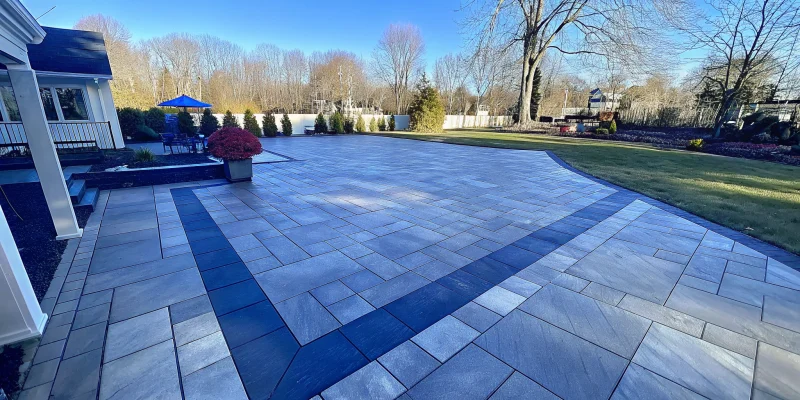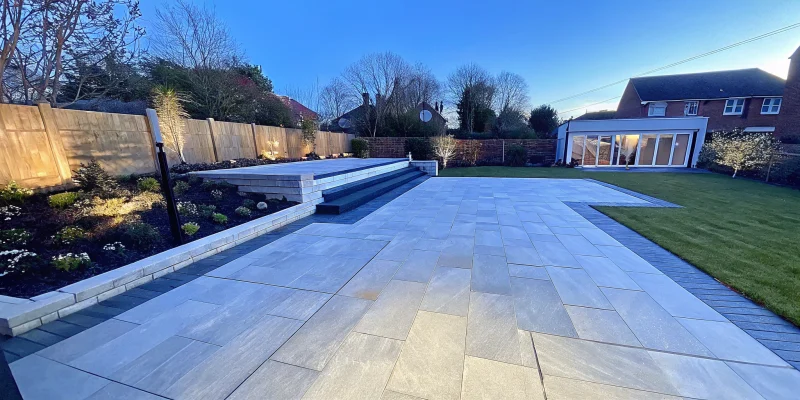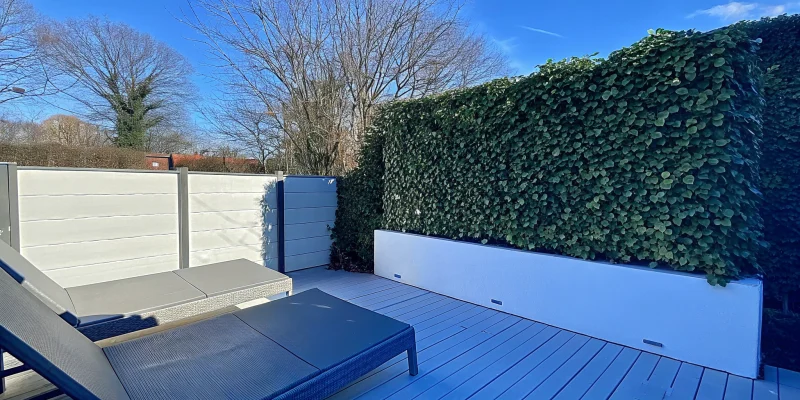
An outdoor artificial ivy wall on a white fence creates privacy for a modern patio.

Artificial Ivy Wall Outdoor: A Complete Design Guide

The classic charm of an ivy-covered wall is hard to resist, but the reality of real ivy can be a nightmare. It requires constant trimming, can damage your home’s exterior, and becomes a haven for pests. If you love the look but not the labor, you’re in the right place. A modern artificial ivy wall outdoor installation gives you all the beauty without any of the headaches. Forget the shiny, plastic-looking panels of the past. Today’s options are incredibly realistic and designed to withstand our Long Island seasons. We’ll show you what to look for in a quality product that stays vibrant for years.

Key Takeaways

  • Invest in Quality for Longevity: To ensure your ivy wall withstands Long Island’s seasons, prioritize products with built-in UV resistance. This prevents fading and ensures the vibrant green color lasts for years, making it a smarter investment than cheaper, less durable options.
  • Map Out Your Project Before You Start: Measure your space accurately to buy the right amount of material and assess the installation surface to determine the best tools for the job. A little planning ensures a seamless finish, whether you do it yourself or hire a professional.
  • Think Beyond Basic Privacy: While great for screening, artificial ivy is also a powerful design tool. Use it to create a lush accent wall, frame your outdoor kitchen or pool area, or cleverly hide unattractive features to instantly improve your home’s curb appeal.

What Is an Outdoor Artificial Ivy Wall?

An outdoor artificial ivy wall is a panel or screen covered in realistic, synthetic leaves designed to mimic the look of natural ivy. Think of it as a beautiful, green tapestry for your home’s exterior. These walls are crafted from high-quality, weather-resistant materials like silk, plastic, and durable fabrics that are treated to resist fading from the sun’s UV rays. This means you get that lush, vibrant look year-round, whether you’re adding a touch of green to a sunny patio or a shady corner of your yard. It’s a simple and stunning way to bring maintenance-free greenery to any outdoor space, transforming plain walls, fences, or balconies into verdant focal points.

Why choose faux ivy over the real thing?

Let’s be honest, while real ivy is beautiful, it can be a bit of a diva. It demands constant watering, the right amount of sunlight, and regular trimming to keep it from taking over. Plus, its climbing tendrils can cause long-term damage to your property over time, working their way into mortar and siding. Artificial ivy gives you all the beauty without the high-maintenance relationship. It stays perfectly green and lush through every season with zero effort—no watering, no pruning, and no worrying about whether it’s getting enough sun. It’s the perfect solution for getting that classic, elegant look without the commitment and potential headaches.

Debunking common myths about artificial ivy

Some people worry that artificial ivy will fade to a sad, sun-bleached color over time. While this can happen with low-quality products, a well-made ivy wall is specifically treated for UV resistance. This protective layer acts like sunscreen for your greenery, ensuring the color stays rich and true for years. Another common myth is that faux green walls are dust magnets. The reality is they require very little cleaning—an occasional rinse with a hose is usually all it takes to wash away any dust or pollen and keep your ivy looking fresh and vibrant.

Popular ways to use faux ivy outdoors

One of the most popular uses for artificial ivy is creating privacy. You can easily attach ivy panels to an existing fence to block views from neighbors or create a more secluded feel for your patio or pool area. It’s a much more attractive solution than a plain privacy screen. Faux ivy is also fantastic for hiding less-than-beautiful features, like a worn-out wall, exposed pipes, or an unsightly air conditioning unit. By covering these spots with lush greenery, you can instantly improve your home’s curb appeal and create a more cohesive, polished look for your entire outdoor space.

What to Look for in an Outdoor Artificial Ivy Wall

When you start shopping for an artificial ivy wall, you’ll quickly realize that the quality can vary quite a bit. A great faux ivy wall can completely transform a space, adding lush greenery and a touch of elegance without the upkeep of real plants. But a low-quality one can look cheap and fade quickly, defeating the purpose entirely. To make sure you invest in a product that looks beautiful for years, you need to know what to look for. It’s not just about finding something that looks good in the box; it’s about finding a solution that will hold up to the elements and continue to enhance your home’s curb appeal.

The key is to focus on three main things: how well it stands up to the sun, what it’s made of, and how easy it is to install. These factors will determine not only the final look of your project but also its longevity and the amount of effort required to get it set up. Thinking about these elements beforehand will help you choose the perfect ivy for your fence, patio, or accent wall, ensuring your outdoor space gets the stylish and durable upgrade you envision. At Gappsi, we often incorporate synthetic turf and greenery into our designs, and we always prioritize quality materials that deliver lasting results for our clients.

UV resistance for long-lasting color

The biggest enemy of any outdoor decor is the sun. For an artificial ivy wall, UV resistance is absolutely essential. Without it, the vibrant green leaves will fade over time, turning a dull, washed-out color that looks anything but natural. When you’re shopping, look specifically for products rated for exterior use with built-in UV protection. This feature ensures the materials are formulated to withstand direct sunlight without losing their color. Think of it as sunscreen for your ivy wall—it’s the single most important feature for maintaining that lush, just-planted look through every Long Island season.

Quality materials for a realistic look

To avoid a plastic-looking wall, pay close attention to the materials. The most realistic artificial ivy is crafted from high-quality silk and plastic blends that allow for detailed, textured leaves. Look for panels that feature a variety of leaf shapes, sizes, and shades of green, as this mimics the natural variation of real ivy. Cheaper options often have a uniform color and a shiny finish that gives them away instantly. High-quality UV-rated ivy rolls are designed to look authentic up close, not just from a distance. This attention to detail is what separates a stunning feature wall from a disappointing one.

Simple installation and coverage options

A great product should also be easy to work with. Before you buy, measure the area you want to cover so you know how many panels you’ll need. The best artificial ivy systems come in panels or rolls with interlocking connectors that snap together, making assembly straightforward. They should also be easy to cut to fit around obstacles or match the specific dimensions of your space. Many can be secured to fences, walls, or trellises using simple tools like a staple gun or zip ties. This flexibility makes the installation process a manageable weekend project for most homeowners.

Finding the Best Artificial Ivy Wall Brands

Once you’ve decided an artificial ivy wall is right for you, the next step is finding a brand you can trust. With so many options out there, it’s easy to feel a little lost. The key is to focus on quality, durability, and long-term value. A great-looking ivy wall should stay that way for years, not just a single season. Let’s break down what to look for, from spotting a quality manufacturer to understanding how price really connects to value. This will help you choose a product that not only looks beautiful on day one but also holds up to our Long Island weather, giving you a lasting green space you’ll love.

A look at Gappsi’s ivy wall solutions

Here at Gappsi, we focus on providing artificial ivy solutions that are built to last. We know that outdoor products on Long Island need to withstand sunny summers, windy autumns, and chilly winters. That’s why we source and supply ivy walls designed for both stunning visual appeal and serious durability. Our goal is to give you that lush, natural look without the constant upkeep of real plants. You can explore our curated selection of high-quality home and garden products at the Gappsi Store to find an option that perfectly fits your outdoor living space and design vision.

How to spot a high-quality manufacturer

When you’re comparing different brands, the details matter. A top-tier manufacturer will always be transparent about the materials they use. The most important feature to look for is UV resistance. This special treatment prevents the vibrant green leaves from fading to a dull, washed-out color under the sun. High-quality products are made from durable materials that feel substantial, not flimsy. A good manufacturer will provide clear specifications about their product’s durability and weather resistance, giving you confidence that you’re making a smart investment. Learning the top facts about artificial ivy can help you ask the right questions.

Comparing price and long-term value

It can be tempting to go for the cheapest option, but with artificial ivy, a lower price tag often means lower quality. Investing a bit more upfront in a well-made product can save you a lot of money and hassle down the road. Cheaper panels may fade quickly, become brittle, or have leaves that fall off, forcing you to replace them in just a year or two. A durable, high-quality artificial ivy wall panel will maintain its color and integrity for years, requiring minimal maintenance. Think of it as a one-time purchase that pays for itself in longevity and lasting beauty.

What Do Homeowners Really Think?

It’s easy to fall in love with the idea of a lush, green ivy wall, but what’s the reality of living with one? When you’re investing in your home, you want to know that a product will look great and hold up over time. I’ve looked through reviews and feedback from homeowners to get the real story on what it’s like to add an artificial ivy wall to an outdoor space. From durability in the face of Long Island weather to how convincing the foliage actually looks, here’s what people are saying.

Real-world feedback on durability

One of the biggest questions homeowners have is whether faux ivy can handle the elements. The good news is that high-quality artificial ivy is built to last. People often mention how well their ivy walls hold up, with one homeowner sharing, “This has truly enhanced my outdoor space. It is great quality and I would highly recommend it.” This kind of feedback shows that the right product can withstand sun, wind, and rain without losing its charm. Durability is especially important when you’re using ivy to add privacy to your yard, as it needs to be a reliable screen year-round. Many find it’s a perfect, low-maintenance way to beautify existing fences and netting.

How realistic does it actually look?

Let’s be honest—no one wants their backyard to look plasticky or fake. The realism of artificial ivy is a major deciding factor, and thankfully, modern options are incredibly convincing. Homeowners often comment on how well the ivy blends into their outdoor decor. One person noted, “The quality is good and it looks cute for backyards, patios, or anything else you’d want an ivy wall for.” The key is choosing a product with varied leaf shapes, sizes, and colors that mimic the natural look of real ivy. When paired with natural materials like the porcelain and stones of a patio, a high-quality ivy wall creates a seamless, organic feel without the upkeep.

Notes on installation and maintenance

While faux ivy is low-maintenance, a successful outcome starts with proper installation. Some common mistakes homeowners make include choosing the wrong location without considering sun exposure or failing to provide adequate structural support. To avoid these issues, it’s smart to plan ahead or consider a professional installation to ensure your wall is secure and looks its best. Once it’s up, the upkeep is minimal. Over time, dust can settle on the leaves, making them look a bit dull. A quick, regular dusting or a gentle rinse with a hose is usually all it takes to keep your ivy wall looking vibrant and fresh through every season.

How to Install an Artificial Ivy Wall

Putting up an artificial ivy wall is a project that can completely transform a space in just an afternoon. The process is straightforward, but a little planning goes a long way in making sure your new green wall looks fantastic and stays put for years. The key is to focus on a solid foundation, the right tools, and a clear plan. Whether you’re covering a small accent wall or a large fence, getting the installation right is just as important as picking out high-quality ivy panels.

Before you start, it’s helpful to map out your project. Think about the surface you’re working with and what kind of attachments will be most secure. For example, installing on a wooden fence will require different hardware than installing on a brick or concrete wall. Taking the time to prepare properly will save you headaches later and ensure a seamless, professional-looking finish. And remember, if the project feels too big or you’re short on time, bringing in a professional is always a great option to guarantee a perfect result. Our landscaping design and construction team has the experience to make the installation quick and flawless.

Step 1: Prepare your surface

First things first, let’s get your wall ready. The surface you’re installing on needs to be clean, dry, and structurally sound. Take a few minutes to wipe away any dirt, dust, or cobwebs. If you’re working with an outdoor wall that has some grime, a quick wash with a hose or a light scrub should do the trick. Make sure it’s completely dry before you begin attaching the panels. A clean surface helps ensure a secure fit and prevents any debris from being trapped behind your beautiful new ivy. This is also a good time to check for any loose paint, crumbling mortar, or other issues that might need a quick fix before you cover them up.

Step 2: Gather your tools and techniques

Having everything you need on hand makes the installation process so much smoother. Your specific tool list will depend on your wall surface, but you’ll generally want a measuring tape, a level, and something to cut the ivy panels if needed, like heavy-duty scissors or wire cutters. For attachment, zip ties are perfect for chain-link fences, while a staple gun works well for wood. For brick or concrete, you’ll likely need a drill, screws, and wall anchors. When you purchase your materials, look for ivy panels with a sturdy, grid-like backing that won’t warp over time, especially with Long Island’s humid summers.

Step 3: Choose between DIY and professional installation

Now for the big question: should you do it yourself or call in the pros? A DIY installation can be a really rewarding project, especially for smaller, simpler areas. If you’re comfortable with basic tools and have a free weekend, it’s definitely a manageable task. However, for larger or more complex installations—like covering a multi-story wall or creating a custom design—hiring a professional can save you time and ensure the wall is secure and perfectly aligned. A professional installer will have all the right tools and experience to handle any challenges, giving you peace of mind and a flawless finish. Our home remodeling experts can handle the job efficiently.

Creative Ways to Use Artificial Ivy Walls Outside

An artificial ivy wall is more than just a green backdrop; it’s a versatile design tool that can completely reshape your outdoor living areas. Think of it as a low-maintenance way to add lush texture, create privacy, and introduce a touch of natural elegance where real plants might not thrive. Whether you want to hide an eyesore, define a space, or simply create a stunning focal point, faux ivy offers a simple and beautiful solution. Let’s look at a few ways you can use it to transform your yard.

Create privacy and enhance fencing

One of the most popular uses for artificial ivy is to create a natural-feeling privacy screen. If your yard feels a bit too exposed to the neighbors, attaching ivy panels to an existing fence is a fantastic solution. It instantly softens the look of a plain wood or chain-link fence and blocks unwanted views, giving your patio or backyard a more secluded, intimate feel. This is a great way to upgrade your property line without the expense of a brand-new fence installation. The dense foliage also helps to muffle sound, making your outdoor space a more peaceful retreat.

Frame your pool and patio areas

Imagine lounging by your pool surrounded by vibrant, green walls that never need watering or pruning. Artificial ivy is perfect for framing outdoor entertainment spaces. You can use it to cover a retaining wall by the pool, create a lush backdrop for your patio dining set, or define the perimeter of an outdoor kitchen. Because high-quality faux ivy is UV-treated, it won’t fade in the sun, and it can easily withstand splashes from the swimming pool. It’s a simple way to give your backyard a polished, resort-like atmosphere that feels like a true escape.

Design a beautiful accent wall

Why limit beautiful walls to the inside of your home? An artificial ivy wall can serve as a stunning outdoor accent, adding depth and interest to any vertical surface. Use it to create a focal point on a bare wall of your house, the side of a shed, or behind a tranquil water feature. This works especially well in smaller spaces like courtyards or balconies where planting options are limited. Paired with beautiful stone masonry, an ivy accent wall introduces a soft, organic texture that makes the entire space feel more inviting and thoughtfully designed.

Artificial vs. Real Ivy: Which Is Right for You?

The classic charm of a wall covered in lush, green ivy is undeniable. But as any homeowner knows, real ivy can be a double-edged sword. It requires constant upkeep, can attract pests, and its tenacious roots can cause serious damage to your home’s exterior over time. So, how do you get the beautiful aesthetic without the headache? For many, artificial ivy is the perfect solution.

Deciding between real and faux comes down to your priorities. Are you looking for instant gratification and zero maintenance, or are you a dedicated gardener who enjoys the process of nurturing a living plant? Let’s break down the key differences to help you decide what makes the most sense for your Long Island home and lifestyle.

The pros of choosing faux ivy

The biggest advantage of artificial ivy is its convenience. It offers that gorgeous, vibrant green look from day one, with no need for watering, sunlight, or trimming. It stays lush and full all year round, unaffected by seasons or weather. High-quality faux ivy is made from durable, UV-resistant materials, meaning it won’t fade in the sun, making it a fantastic choice for both sunny and shady spots. Plus, you can install it without worrying about it damaging your home’s masonry or siding—a common and costly problem with its living counterpart. It’s all the beauty, with none of the work or risk.

The cons to keep in mind

Of course, there are a few things to consider. The quality of artificial ivy varies widely, and lower-end products can sometimes look sparse or fade if they don’t have proper UV protection. It’s essential to choose a reputable supplier to ensure you get a product that looks realistic and is built to last. While it mimics the look of nature, faux ivy doesn’t provide the environmental benefits of real plants, like supporting pollinators. For some homeowners, this can be a deciding factor. The key is to weigh the practical benefits against these considerations to find the right fit for your outdoor space.

A look at the long-term costs

While the initial investment for high-quality artificial ivy might be more than a few starter plants, it’s often the more cost-effective choice in the long run. Think about the hidden costs of real ivy: you’ll spend money on water, fertilizer, and potentially pest control. If it gets out of hand, you might need to hire a professional for trimming. Most importantly, you avoid the risk of expensive repairs from root damage, which can require costly restoration work. With artificial ivy, you have a one-time purchase that delivers lasting beauty for years to come, with no surprise expenses down the road.

How to Choose the Perfect Ivy for Your Long Island Home

Picking the right artificial ivy is about more than just finding something green. It’s an investment in your home’s curb appeal and your own enjoyment of your outdoor space. A little bit of planning upfront ensures you’ll love the final result for years to come. Think of it like choosing a paint color—you want something that fits the space, matches your style, and can handle the environment. By considering a few key factors, you can confidently select an ivy wall that transforms your yard into the private, lush retreat you’ve been dreaming of. Let’s walk through exactly what you need to think about before you buy.

Measure twice, buy once: Planning your space

Before you fall in love with a specific style of ivy, grab your tape measure. The very first step is to measure the height and width of the area you want to cover. This simple action is crucial for a few reasons. First, it tells you exactly how much product you need to order, preventing you from coming up short or overspending on material you won’t use. Second, it helps you visualize the final look and ensures a perfect, seamless fit. There’s nothing more frustrating than starting a project only to realize your materials don’t quite cover the space. Taking accurate measurements avoids any guesswork and helps make the installation process smooth and efficient.

Match your style and design goals

Artificial ivy is incredibly versatile, which means you have plenty of options to match your home’s aesthetic. Think about the overall vibe you want to create. Are you aiming for the classic, dense look of English ivy to complement a traditional brick patio, or do you prefer a lighter, more delicate leaf style for a modern feel? Consider the colors and textures already present in your outdoor living area. The right faux ivy should enhance your existing features, like the stone around your swimming pool or the wood of a pergola. Your goal is to create a cohesive design that feels intentional and looks completely natural in its setting.

Consider our Long Island climate

Here on Long Island, our outdoor decor has to be tough enough to handle four distinct seasons. From hot, sunny summers to cold, windy winters, the weather can take a toll. That’s why it’s essential to choose an artificial ivy wall that is specifically rated for outdoor use. Look for products with built-in UV resistance, which will prevent the vibrant green leaves from fading under the summer sun. High-quality materials will also ensure your ivy can stand up to rain and wind without falling apart. Investing in a durable, weather-resistant product from a trusted supplier like the Gappsi Store means your beautiful green wall will stay looking fresh and realistic year after year, with minimal maintenance required.

How to Care for Your Artificial Ivy Wall

One of the biggest perks of an artificial ivy wall is how incredibly low-maintenance it is. You get all the lush, green beauty without the constant watering, trimming, and pest control that comes with real plants. That said, a little bit of care will go a long way in keeping your ivy wall looking vibrant and realistic for years to come. A few simple steps each season are all it takes to protect your investment and ensure your outdoor space remains a stunning retreat.

Simple cleaning for year-round beauty

Over time, dust and outdoor debris can settle on the leaves, making them look a bit dull. To keep your ivy looking fresh, a simple cleaning routine is all you need. Every few weeks, you can gently wipe the leaves with a feather duster or a soft, dry cloth to remove any surface dust. This quick task takes just a few minutes and makes a noticeable difference.

For a deeper clean a couple of times a year, just use your garden hose. A gentle spray is enough to wash away any accumulated grime or pollen. There’s no need for harsh chemicals or soaps. This simple rinse will restore the leaves’ natural luster and keep your wall looking its best. It’s an easy step to add to your regular outdoor maintenance, much like caring for your stone patios and other hardscapes that benefit from Gappsi’s restoration and sealing services.

Seasonal care and inspection tips

A quick seasonal check-up will help you catch any potential issues before they become problems. After a harsh winter or a major storm, take a moment to walk along your ivy wall and inspect the panels. Make sure they are all still securely fastened to the surface. Also, check for any stray leaves or branches that might have come loose. High-quality ivy is designed to be durable, but it’s always smart to do a quick visual scan.

This is also a good time to check for any signs of fading. If you’ve invested in a quality, UV-resistant product, this shouldn’t be an issue for many years. This is why starting with the right materials is so important. When you select top-tier products from the Gappsi Store, you’re choosing materials built to withstand the Long Island climate and look great season after season with minimal effort.

Where to Find Quality Artificial Ivy Walls

Once you’ve decided to add an artificial ivy wall to your outdoor space, the next step is finding the right product. You want panels that look lush and realistic, not shiny and plastic. More importantly, you need something that can stand up to Long Island’s sun, wind, and rain without fading or falling apart. The good news is, you have plenty of options, from local showrooms to endless online catalogs.

The key is to focus on quality over a quick bargain. A well-made ivy wall will be a beautiful, low-maintenance feature for years, while a cheap one can quickly become an eyesore. At Gappsi, we source high-quality, UV-resistant ivy walls designed for durability, so you can see and feel the difference in person. Deciding where to shop comes down to your personal preference and project needs.

Shopping local vs. buying online

There’s a big advantage to shopping locally: you can see and touch the product before you buy. Pictures can be deceiving, but in a showroom, you can assess the color, texture, and density of the ivy leaves to ensure they meet your standards. Plus, you get expert advice tailored to our local climate. On the other hand, online retailers offer a seemingly endless variety of styles and often have competitive pricing. If you go this route, be sure to read reviews and check the return policy. You’re relying on other customers’ experiences to gauge the quality, so do your homework before adding anything to your cart.

When to buy for the best value

Getting the best value isn’t just about finding the lowest price—it’s about investing in a product that will last. That said, you can definitely time your purchase to save some money. Many home improvement retailers run sales around holidays like Memorial Day, the Fourth of July, and Labor Day, which are great times to shop for outdoor products. Planning your project in advance gives you the flexibility to wait for one of these seasonal promotions. Keep in mind that a higher upfront cost for a UV-protected, well-constructed ivy wall will save you money in the long run, as you won’t have to replace it after just a few seasons.

Related Articles

Frequently Asked Questions

How can I be sure an artificial ivy wall won’t look fake and plastic? The key to a realistic look is in the details of the product you choose. High-quality ivy walls are made with a variety of leaf shapes, sizes, and shades of green to mimic the natural look of a living plant. Look for panels that have a matte finish, as a shiny surface is often what makes faux greenery look cheap. A dense, full panel will also appear much more lush and convincing than a sparse one.

How well does faux ivy hold up to Long Island’s weather? A well-made artificial ivy wall is built to handle our four distinct seasons. The single most important feature to look for is UV resistance. This is a protective treatment that prevents the vibrant green leaves from fading in the summer sun. Quality panels are also designed to withstand wind and rain without the leaves falling off, ensuring your wall looks great for years, not just a single season.

Is installing an ivy wall a difficult DIY project? For most homeowners, this is a very manageable weekend project. The panels are designed to be lightweight and often feature a simple interlocking system that lets you snap them together. Attaching them to a surface is usually straightforward—zip ties work perfectly for a chain-link fence, while a staple gun is great for wood. If you’re covering a very large or complex area, you might consider a professional to ensure a flawless and secure finish.

What kind of maintenance does an artificial ivy wall actually need? It’s about as close to zero maintenance as you can get. You can put away the watering can and pruning shears for good. The only upkeep required is a simple cleaning to keep it looking fresh. A gentle spray with a garden hose a couple of times a year is usually enough to wash away any dust or pollen that has settled on the leaves.

Can I use these ivy panels for something other than covering a fence? Absolutely! While they are fantastic for creating privacy along a fence line, their use is only limited by your imagination. You can create a stunning accent wall on the side of your house or shed, build a beautiful backdrop for a patio seating area, or use them to define an outdoor kitchen space. They are also a clever way to hide unsightly things like pool equipment or air conditioning units.
Share this page:

A Stunning Backyard Multi-Sport Game Court in East Islip, NY

View Gappsi’s YouTube Channel to view A Stunning Backyard Multi-Sport Game Court in East Islip, NY

Featuring Snap Sports Tiles for Pickleball, Badminton, Volleyball & Shuffleboard

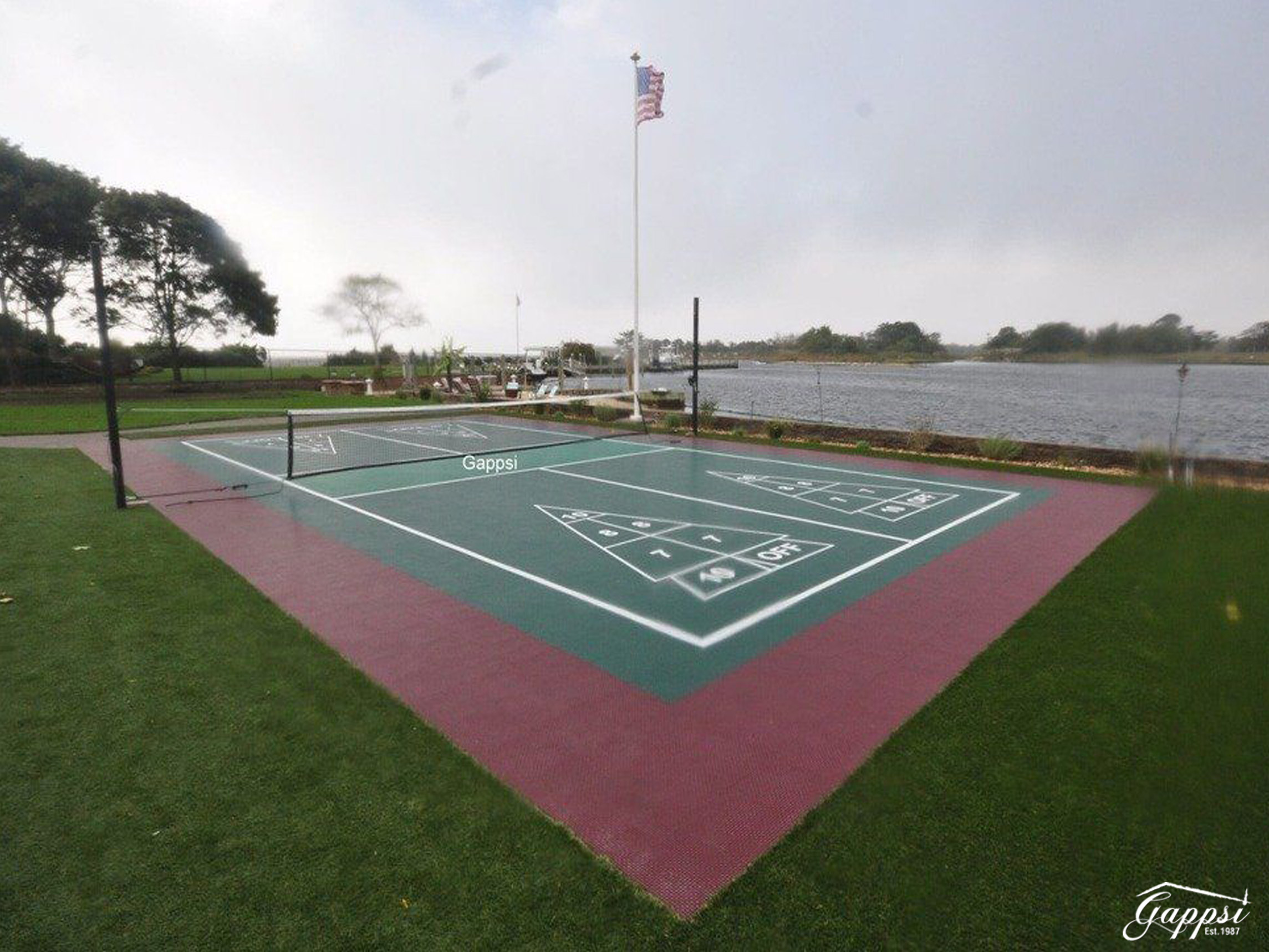
We recently completed a custom 30×60 multi-sport game court in East Islip, New York, near the waterfront. This project combines recreation, durability, and landscape appeal in a single, cohesive space. Designed for pickleball, badminton, volleyball, and shuffleboard, the court offers a resort-style experience and withstands coastal conditions.  This project demonstrates how quality materials, skilled construction, and thoughtful landscaping can transform a yard into a vibrant space for family and friends.

A Multi-Sport Game Court Designed for Versatility

The homeowners requested a versatile court suitable for all ages that would complement the natural surroundings. We designed a multi-use athletic surface that easily accommodates:
  • Pickleball
  • Badminton
  • Volleyball
  • Two shuffleboard courts
An adjustable net system allows quick conversion between pickleball, badminton, and volleyball. This flexibility makes the court ideal for family activities, gatherings, and casual play.  The 30-by-60-foot court provides ample space for competitive play and integrates seamlessly with the landscape.

Built on a Solid, Sustainable Foundation

A long-lasting sports game court starts with a strong base. For this project, we used recycled concrete for the foundation, making the court both environmentally friendly and structurally sound.  On top of the recycled concrete, we installed a layer of bluestone screening to provide a stable, compact surface.
  • Protection against frost heaving and erosion
A layer of landscape fabric between the bluestone base and Snap Sports tiles prevents weeds, improves stability, and helps the court remain level over time.

Why Snap Sports Polypropylene Tiles?

We selected Snap Sports polypropylene tiles for their durability, safety, and professional appearance. These modular tiles are designed for outdoor athletic surfaces and offer several key benefits: they are comfortable and safer for all ages.
  1.  Slip-Resistant Surface – The textured tile surface provides reliable traction, even in waterfront settings.
  2.  Drainage and Weather Resistance – Rainwater drains through the tiles instead of pooling, allowing for faster drying and year-round use.
  3.  Low Maintenance – The surface requires minimal upkeep, needing only occasional rinsing to remove dirt or debris.
  4.  Long-Lasting Color – The UV-stable material resists fading, even under direct sunlight.
Together, these features ensure the court performs well and withstands the elements.  We framed the court perimeter with 2×4 pressure-treated lumber to define the space and protect the edges. This approach provides a clean appearance and adds structural integrity to the tile system.  Surrounding the court, five feet of synthetic turf creates a smooth transition from play area to landscape. The turf provides a soft, clean border that keeps dirt from the court.
  • Adds visual contrast
  • Provides a comfortable space for spectators
We installed a Nicolock paver patio on one side of the court, providing a space for relaxation, spectating, and entertaining guests.
a-stunning-backyard-multi-sport-game-court-in-east-islip-ny

A Coastal-Inspired Landscape Design

Given the property’s proximity to the water, the surrounding landscape was designed to complement the coastal environment.
We incorporated:
  • Gravel flower beds
  • Beach grasses
  • Native flowers
These elements enhance the space’s beauty, improve drainage, and reduce maintenance. The natural textures and colors blend with the court and waterfront views, creating a serene and energetic outdoor setting. For Entertaining and Active Living.  This East Islip multi-sport game court isn’t just about athletics; it’s about lifestyle. Whether hosting a backyard tournament, teaching kids a new sport, or enjoying a sunset shuffleboard match, the space offers endless opportunities for recreation and connection.  With multiple sports built into one court, the homeowners can:
  • Host pickleball games during the day
  • Switch to volleyball or badminton in minutes.
  • Enjoy shuffleboard in the evening.
  • Entertain guests on the patio.
It serves as an extension of the home, designed for fun, fitness, and relaxation.

A Smart Investment for Your Property

Installing a custom sports game court provides both entertainment and long-term property value. Outdoor recreation spaces are increasingly desirable, especially in family-friendly and waterfront communities.  This Snap Sports game court provides:
  • Increased usability of the yard
  • A unique feature for resale value
  • A durable, long-lasting surface with minimal upkeep
This investment offers returns in both enjoyment and property equity.

Ready to Build Your Own Multi-Sport Game Court?

If you are considering a backyard sports game court, this East Islip project demonstrates that performance, beauty, and durability can be achieved in a single space. With quality materials and professional installation, you can create a custom court tailored to your property and lifestyle.  Whether you envision pickleball, volleyball, shuffleboard, or a combination of sports, a Snap Sports tile court can bring your vision to life.  We can help you design a space where memories are made, competition thrives, and outdoor living is elevated.

Contact Gappsi Today

📍 Serving all of Long Island, NY — Nassau & Suffolk Counties
🌐 www.gappsi.com
📞 Call now for a free consultation and estimate!

SCHEDULE A MEETING TODAY WITH GAPPSI

Share this page:
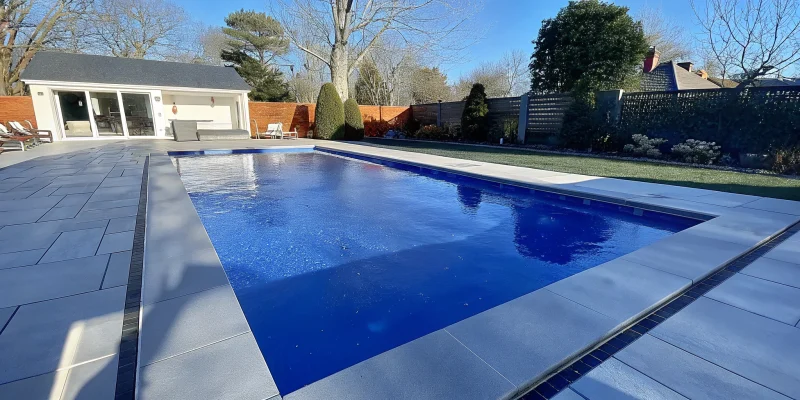
Modern backyard pool with two-inch thick porcelain coping from Long Island NY suppliers.

Top 4 Two-Inch Porcelain Coping Suppliers on Long Island

If you’re looking for the best material to frame your new swimming pool, two-inch thick porcelain coping is the premier choice for modern outdoor design. Its superior density makes it incredibly strong, capable of withstanding heavy foot traffic and our harsh freeze-thaw cycles without cracking. Because it’s non-porous, it resists stains, mold, and fading from the sun, meaning you spend less time cleaning and more time enjoying your pool. The design possibilities are nearly endless, from sleek modern finishes to rustic wood-grain looks. But where do you find this high-performance material? This article is your complete guide to finding the most reputable two inches thick porcelain coping suppliers on Long Island, NY, and what to look for to ensure you get the best quality for your home.

Key Takeaways

  • Porcelain Is a Smart Investment: It offers a superior blend of style and strength. Its two-inch thickness withstands Long Island’s weather, its non-slip surface enhances safety, and its non-porous nature makes cleanup simple.
  • Ask the Right Questions Before Buying: To ensure you get the best value, confirm the product’s thickness and warranty. Also, clarify lead times and get a full cost breakdown—including materials and fees—to avoid surprises and stay on budget.
  • Professional Installation Is Non-Negotiable: The quality of your coping is only as good as its installation. Partnering with an experienced team ensures the foundation is properly prepared and the pavers are set correctly, guaranteeing a beautiful finish that lasts for years.

Why Choose Two-Inch Porcelain Coping for Your Pool?

When you’re designing your dream pool, the coping—that smooth, finished edge around the perimeter—might seem like a small detail. But it’s one of the most important choices you’ll make. It’s the part of the pool you touch, sit on, and see up close every day. That’s why two-inch porcelain coping has become such a popular choice for Long Island homeowners. It offers the perfect blend of sophisticated style, incredible durability, and poolside safety.

Unlike other materials that can crack under pressure from our changing seasons or fade after a few summers in the sun, two-inch porcelain is engineered to handle it all. It gives you a high-end look without the high-maintenance headache. Think of it as the ultimate investment in your backyard oasis—a feature that not only looks stunning but also stands the test of time, letting you focus on making memories instead of making repairs. It’s a practical choice that delivers a touch of luxury where it matters most.

It’s Built to Last

Your pool is a long-term investment, and the materials you use should be, too. Two-inch porcelain coping is specifically designed for outdoor applications, giving it superior strength and durability. It can withstand Long Island’s freeze-thaw cycles without cracking, and it won’t get brittle or fade from constant sun exposure. This material is also incredibly dense, which means it resists water absorption. This prevents damage from mold, mildew, and frost, ensuring your swimming pool’s edge looks as good in ten years as it does on day one. Choosing a material this tough means you get peace of mind and a beautiful pool for years to come.

Spend Less Time Cleaning

Let’s be honest—you’d rather be swimming in your pool than scrubbing it. One of the biggest perks of porcelain coping is how easy it is to maintain. Because it’s non-porous, it’s highly resistant to stains from spilled drinks, sunscreen, and pool chemicals. A simple wipe-down is usually all it takes to clean up messes. This material is also incredibly hard, making it resistant to scratches from patio furniture or pool toys. You can spend less time worrying about upkeep and more time enjoying your backyard. This low-maintenance quality makes porcelain an ideal choice for a pristine, stress-free poolside.

Find Your Perfect Style

Your pool should reflect your personal style, and porcelain coping offers endless design possibilities. Whether you want the clean, modern look of polished stone, the rustic charm of wood grain, or a classic travertine finish, there’s a porcelain style to match. Gappsi offers a curated selection of Italian porcelain and natural stone that can completely transform your property’s look and feel. You can create a seamless transition from your patio to your pool or choose a contrasting color to make the water’s edge pop. With so many textures and colors available, you don’t have to compromise on aesthetics to get top-tier performance.

Keep Your Poolside Safe

Safety is always a top priority around the pool, especially if you have kids or love to host gatherings. Many two-inch porcelain tiles are designed with a slip-resistant surface, providing essential grip in wet areas. This textured finish helps prevent slips and falls without feeling rough on bare feet. You can relax knowing that your family and guests have a safer surface to walk on as they get in and out of the water. Choosing a slip-resistant coping is a simple step that makes a huge difference in creating a secure and enjoyable environment for everyone.

Where to Find Two-Inch Porcelain Coping on Long Island

Finding the right supplier is just as important as choosing the perfect material for your pool. You want a partner who not only has a great selection but also offers the expertise to guide you. Luckily, Long Island has several excellent suppliers that specialize in high-quality outdoor materials. Whether you’re looking for a one-stop shop that handles everything from design to installation or a supplier with a massive inventory to browse, you can find what you need right here in Nassau or Suffolk County. Here are a few of the top places to start your search for two-inch porcelain coping.

Gappsi: Premier Porcelain and Natural Stone Specialists

If you’re looking for a team that lives and breathes outdoor design, Gappsi is your go-to. They are true specialists, offering a curated selection of high-end Italian porcelain and natural stone designed to completely transform your property. What sets Gappsi apart is their comprehensive approach; they don’t just sell you the materials. Their team provides full design and construction services, ensuring your porcelain coping is installed with expert precision. This is a huge advantage if you want a seamless process from start to finish, knowing that the same trusted professionals are handling every detail of your project. They are an ideal choice for homeowners who value quality craftsmanship and a cohesive vision for their outdoor space.

COBSA USA: Riverhead Location

For those who love having a wide variety of options, COBSA USA is a fantastic resource. With a convenient showroom located in Riverhead, they serve as a major tile hub on Long Island. They are known for carrying many different kinds of tiles for all sorts of applications, so you’re likely to find a great selection of two-inch porcelain coping in their inventory. Visiting their Long Island warehouse gives you the chance to see and feel the materials in person, which can make all the difference when making a final decision. They are a solid choice for both homeowners and contractors who are looking for a reliable supplier with a diverse product range.

Long Island Tile & Marble

Another local name to add to your list is Long Island Tile & Marble. As a long-standing supplier in the area, they have a reputation for providing a wide range of tile and stone products for both indoor and outdoor projects. When you visit, you can explore their different styles and finishes to find a porcelain coping that matches your pool deck and overall aesthetic. It’s always a good idea to call ahead or check their website to ask specifically about their two-inch porcelain options and see what they have in stock. Their team can help you compare materials and find a product that fits your budget and design goals.

The Tile Shop

With locations across Long Island, The Tile Shop is an accessible option for many homeowners. They offer a vast selection of tiles from around the world, including durable porcelain perfect for poolside applications. Their showrooms are designed to inspire, with plenty of displays to help you visualize how different coping styles will look once installed. While they cater to a broad market, it’s worth stopping in to see their collection of outdoor-rated porcelain. Be sure to speak with one of their design consultants to get details on their two-inch coping inventory and find a safe, non-slip option that will provide a beautiful and lasting finish for your pool.

How Much Does Two-Inch Porcelain Coping Cost?

Budgeting for a pool project can feel overwhelming, but understanding the costs upfront makes the process much more manageable. When it comes to two-inch porcelain coping, the price isn’t one-size-fits-all. It’s an investment in your pool’s safety, style, and long-term durability, and the cost reflects the quality you’re getting. The final price tag depends on several factors, including the specific style you choose, the brand, and the quantity you need for your project.

Think of it like choosing tile for a kitchen backsplash—there are beautiful, budget-friendly options and high-end, designer selections. The same is true for the porcelain and natural stone you’ll use to frame your pool. Generally, you can expect to see prices listed per square foot, which makes it easier to calculate the total material cost for your space. By breaking down the different price tiers and knowing what influences the final cost, you can find a high-quality option that fits your vision and your wallet. We’ll walk you through what to expect so you can plan your swimming pool project with confidence.

Understanding Price Tiers

When you start shopping for two-inch porcelain coping, you’ll notice that prices can vary quite a bit. Most options are priced per square foot, typically falling between $35 and $55. For example, a popular and clean-looking style like Beton Blanco porcelain coping often costs around $41 per square foot. A similarly stylish choice, such as MSI Arterra Terrazo Glacier, might be priced slightly lower at about $38 per square foot.

On the higher end, you’ll find premium designs with more intricate details or unique colorations. A product like Summit Dark Gray porcelain coping, known for its rich, modern look, can run closer to $53 per square foot. These price differences reflect variations in brand, finish, and manufacturing quality.

Ways to Save on Your Order

A few smart strategies can help you manage the cost of your porcelain coping without sacrificing quality. First, if you have a large pool area, consider purchasing your materials in bulk. Many suppliers offer discounts for larger quantity orders, which can lead to significant savings. It’s also a good idea to ask about any seasonal sales or promotions that might be running.

Another great way to save is by making a confident decision from the start. Order samples of your top choices to see how they look and feel in your space. This helps you avoid the costly mistake of ordering a full batch of coping that isn’t quite right. Seeing the material in person ensures it matches your vision before you commit to the full purchase.

What Influences the Final Price?

So, what’s behind the price differences? Several key factors determine the final cost of your two-inch porcelain coping. Brand reputation plays a big role; established brands known for superior quality often come with a higher price tag. The complexity of the design also matters—coping with unique textures, patterns, or color blends typically costs more than simpler, single-color styles.

The quality of the material itself is another major factor. Premium porcelain is denser and more durable, which is reflected in its price. Finally, don’t forget to factor in additional expenses like shipping costs and local taxes. These can add a significant amount to your total, so be sure to get a complete quote that includes all fees before finalizing your budget.

Choosing the Right Porcelain Coping: What to Look For

When you’re ready to choose your pool coping, it’s easy to get swept up in colors and patterns. And while style is important, a few key technical details will make all the difference in how much you love your pool deck for years to come. Focusing on quality from the start ensures your beautiful new poolside will be safe, durable, and low-maintenance. Here’s what to keep an eye out for as you shop.

Check for Strength and Thickness

The thickness of your coping is one of its most important features. For outdoor spaces, two-centimeter (or roughly two-inch) thick porcelain has become the gold standard for its incredible strength and durability. This isn’t just a random number—that thickness is what allows the coping to handle everything from heavy patio furniture to constant foot traffic without cracking under pressure. Here on Long Island, it also provides the resilience needed to withstand our freeze-thaw cycles. When you choose a substantial material, you’re investing in a poolside that’s truly built to last. Gappsi’s collection of porcelain and natural stone pavers is specifically curated for this kind of lasting performance.

Prioritize a Non-Slip Surface

Safety should always be top of mind around a swimming pool. Because the coping is constantly being splashed, you need a material that provides excellent grip underfoot. High-quality porcelain pavers are designed with slip-resistant surfaces, giving you peace of mind when kids are playing or guests are walking around the pool. This texture is subtle enough to be comfortable on bare feet but effective enough to reduce the risk of slips and falls. When planning your perfect swimming pool, making a non-slip coping a non-negotiable part of the design is one of the smartest choices you can make for your family and friends.

Ensure Long-Lasting Color

You’re putting time and care into designing a stunning outdoor space, so you want it to stay that way. One of porcelain’s biggest advantages is its colorfastness. Unlike other materials that can bleach out after a few seasons in the sun, porcelain’s color is baked in during manufacturing. This process ensures your coping won’t fade, even after years of direct Long Island sun. Your pool surround will look just as vibrant and rich as the day it was installed, without you having to do a thing. This makes it a fantastic long-term investment that keeps your backyard looking polished and new.

Why Italian-Made Matters

You’ll often hear “Italian porcelain” mentioned as the premier choice, and there’s a good reason for it. Italy has a long and storied history of ceramic and stone craftsmanship, and that legacy continues today. Italian manufacturers are pioneers in the industry, known for their exacting quality standards, innovative designs, and sophisticated aesthetic. When you choose Italian-made products, you’re not just getting a paver; you’re getting a piece of design excellence. At the Gappsi Store, we offer a curated selection of Italian porcelain that can completely transform the look and feel of your property, bringing a touch of timeless European elegance right to your backyard.

Getting It Installed: What Local Suppliers Offer

Picking out the perfect porcelain coping is a huge step, but the job isn’t done yet. How it’s installed is just as important as the material itself. The right installation ensures your pool area looks stunning and holds up for years of summer fun. Many local suppliers on Long Island understand this and offer services that go beyond just selling you the stone. They provide the expertise needed to bring your vision to life correctly.

From full-service installation teams that handle every detail to connecting you with trusted local contractors, suppliers can be a key resource. They can also walk you through the technical side of the process, helping you understand what your project requires for a lasting, professional finish. This support is what turns a good project into a great one, giving you peace of mind and a beautiful poolside you’ll love.

Full-Service Professional Installation

Choosing the perfect porcelain paver is only half the battle; proper installation is what ensures it looks beautiful and lasts for decades. A full-service supplier handles the entire process for you, from the initial design consultation to the final placement of each piece. This integrated approach means you have one point of contact and a dedicated team that understands both the product and the installation techniques inside and out. Companies that offer these comprehensive masonry services ensure that every detail, from ground preparation to grouting, is executed flawlessly. This eliminates the stress of coordinating different contractors and guarantees a cohesive, high-quality result for your pool coping.

Connecting with Trusted Contractors

If your supplier doesn’t have an in-house installation team, they can often connect you with a network of trusted, independent contractors. This is a huge advantage, as they’ve already vetted these professionals for quality and reliability. A good supplier will only recommend contractors they know can properly handle their materials, saving you the time and risk of searching for one on your own. When you work with a company like Gappsi, you’re tapping into a team known for top-notch workmanship and exceptional customer service. This ensures you’re not just getting premium porcelain and natural stone, but also the skilled hands needed to install it perfectly.

Understanding the Installation Process

A knowledgeable supplier will also help you understand the technical side of the installation. Porcelain coping can be installed in several ways, such as on a sand base over gravel or with a thin-set mortar. The right method depends on your specific site conditions and desired look. An expert can explain why one approach is better than another for your project. They can also highlight critical steps that ensure longevity, like properly pre-compacting the sand leveling course for sand-set installations. This guidance helps you ask the right questions and feel confident that the job is being done to the highest standard. You can often see examples of these professional installations on a supplier’s YouTube channel.

What Are Customers Saying About Long Island Suppliers?

When you’re investing in a major home project like a new pool deck, you want to know you’re working with the best. Reading reviews from other Long Island homeowners is one of the most reliable ways to gauge a supplier’s performance. It gives you a clear picture of what to expect, from the quality of the materials to the professionalism of the installation crew. Hearing directly from past customers helps you understand who truly delivers on their promises.

Looking through feedback, you’ll notice a few key themes pop up again and again: the durability of the materials, the skill of the installation team, and the quality of customer service from start to finish. These are the areas that make the biggest difference in a project’s success and your long-term satisfaction.

Feedback on Quality and Durability

On Long Island, our outdoor spaces have to withstand everything from summer sun to winter freezes. That’s why homeowners consistently praise suppliers who provide materials that last. It’s one thing for a patio to look good when it’s brand new, but it’s another for it to hold up for decades. One customer noted that Gappsi installed their patio in 1999 and a pool with natural stone masonry in 2009, highlighting that “There are a few craftsmen who stand behind their work.” This kind of long-term performance is what you should look for. Another review put it simply, recommending Gappsi for its “top-notch workmanship, fair pricing, and exceptional customer service.”

Reviews of Installation Services

The most beautiful porcelain coping won’t live up to its potential if it’s not installed correctly. That’s why reviews often focus on the installation experience. Homeowners appreciate a crew that is not only skilled but also respectful of their property and dedicated to the project. One client shared that, “The entire crew at Gappsi are very talented craftsmen and were all just as happy to see our project come together as we were.” It’s also important to find a company that stands by its work. Another customer mentioned that after an issue arose, the team “came back, assessed the issue and immediately scheduled the fix,” which is a true sign of a reliable installer.

Comments on Customer Service

A major renovation project has a lot of moving parts, and great customer service can make the entire process feel seamless. Homeowners value clear communication, punctuality, and a team that pays close attention to the little things. One review praised Gappsi for bringing “impeccable workmanship, timeliness, and nonstop attention to detail to every job.” This level of care extends beyond the initial installation. Another long-time customer was thrilled that Gappsi was able to restore their pavers to look “just like they did when first installed 20 years ago.” That’s the kind of long-term relationship and support that makes a company stand out.

How to Care for Your New Porcelain Coping

One of the best things about choosing porcelain coping for your pool area is how incredibly easy it is to maintain. You get that high-end, polished look without spending your weekends scrubbing. Porcelain is naturally resistant to scratches, stains, and fading, so it’s designed to handle Long Island weather and poolside fun with ease. A little bit of routine care is all it takes to keep your coping looking as pristine as the day it was installed, ensuring your outdoor space remains a beautiful retreat for years to come.

Simple Cleaning and Upkeep

Keeping your porcelain coping clean is straightforward. For daily upkeep, a simple sweep with a broom to clear away leaves, dirt, and other debris is usually enough. When it needs a more thorough wash, you can use a mixture of mild soap and warm water. Because porcelain is non-porous, most spills from poolside drinks or food won’t set in, but it’s always a good idea to wipe them up quickly. The material’s high resistance to chemicals means you don’t have to worry about things like chlorine splashes causing damage. For tougher grime, Gappsi offers a chemical-free cleaning and restoration service that safely brings back its original shine.

When to Call a Professional for Sealing

While porcelain itself doesn’t require sealing, the grout between the pavers is a different story. Grout is porous and can absorb moisture, leading to stains or mildew over time. Having a professional seal the grout lines protects them from discoloration and makes the entire surface easier to clean. Think of it as the finishing touch that preserves the integrity and beauty of the installation. If you notice your grout is looking dingy or you’re dealing with a stubborn stain that won’t lift, it’s a good time to call for professional help. Proper installation and finishing are what ensure your porcelain pavers look beautiful and last for decades, so investing in professional care is always a smart move.

Questions to Ask Your Porcelain Coping Supplier

Walking into a showroom can feel overwhelming, but you can feel confident in your choices by arriving prepared. Asking the right questions will help you compare suppliers, understand the full scope of your project, and ensure you’re getting a high-quality product that will last for years. Think of it as a simple checklist to get all the essential information before you commit. A reputable supplier will be happy to walk you through the details and provide clear, direct answers.

Before you finalize your decision, make sure you cover these three key areas with your potential supplier. It’s the best way to protect your investment and make sure your new poolscape turns out exactly as you envisioned.

Ask About Product Specs and Warranties

Not all porcelain is created equal, so your first step is to confirm the quality of the material itself. Ask for the product specifications, paying close attention to thickness and durability ratings. For outdoor pool areas, two-inch (or 2cm) thick porcelain has become the gold standard for its superior strength and resilience. You should also ask about the warranty. What does it cover, and for how long? Understanding the warranty provides peace of mind and protects you against manufacturing defects. A quality supplier will stand behind their porcelain and natural stone products with a solid guarantee, giving you confidence in your purchase.

Clarify the Installation Timeline

Knowing the installation timeline is about more than just the final day of work; it helps you plan your entire project. Ask the supplier to walk you through their process from start to finish. How long does site preparation take? What installation method do they recommend for your property—a sand base, mortar, or something else? The technique can influence the project’s duration. A professional team will account for crucial steps like compacting the base layer to ensure a flawless, long-lasting finish. Getting a clear timeline upfront helps manage expectations and keeps your project running smoothly without any surprises.

Confirm Delivery and Lead Times

Imagine designing your perfect pool area, only to find out the coping you chose is back-ordered for months. To avoid delays, always ask about delivery and lead times right away. Some of the most beautiful and durable options, particularly curated Italian porcelain, are imported and may require more time to arrive. A transparent supplier will give you a realistic delivery window so you can coordinate the installation and other parts of your project. This simple question is key to keeping your renovation on schedule and avoiding unnecessary stress.

Common Mistakes to Avoid When Buying Porcelain Coping

Choosing the perfect coping for your pool is a big step. It’s the finishing touch that defines the entire look and feel of your outdoor space. With so many options out there, it’s easy to get tripped up by common myths and misconceptions. The last thing you want is to invest in a material that doesn’t live up to your expectations. To help you make a confident choice, let’s walk through a few common mistakes homeowners make when buying porcelain coping and how you can steer clear of them. Getting these details right from the start ensures you’ll have a poolside you love for years to come, without any regrets.

Mistake #1: Believing Durability Myths

One of the biggest hangups I see is the belief that porcelain is somehow less tough than natural stone. It’s a myth that can unfortunately steer people away from an amazing material. The reality is quite the opposite. Because it’s fired at extremely high temperatures during manufacturing, high-quality porcelain is often stronger, more durable, and denser than many natural stones. It’s non-porous, which means it resists staining from pool chemicals, spilled drinks, and whatever else life throws at it. It also stands up beautifully to Long Island’s freeze-thaw cycles without cracking and won’t fade under the summer sun. Don’t let outdated myths fool you; porcelain is built to last.

Mistake #2: Overestimating Installation Difficulty

Another common worry is that installing porcelain coping is a complex, headache-inducing process. While any professional installation requires skill, porcelain is surprisingly versatile. It can be installed in a variety of ways, whether it’s on a sand base over gravel or with a thin-set mortar. This adaptability makes it a practical choice for all kinds of pool designs and backyard layouts. Of course, the key to a flawless finish is hiring a team that knows what they’re doing. When you work with experienced masonry professionals, you can trust that the installation will be handled correctly, giving you a secure and beautiful result without the stress.

Mistake #3: Assuming It’s Hard to Maintain

If the thought of constant upkeep makes you tired, you can relax. Many people assume that a material as beautiful as porcelain must be difficult to care for, but it’s nearly maintenance-free. Because it’s not porous, it doesn’t absorb water or spills, so mold, mildew, and stains are rarely an issue. A simple sweep and occasional wash with soap and water are all it takes to keep it looking brand new. Unlike some natural stones that require regular sealing to protect them, porcelain coping maintains its pristine appearance with minimal effort. This means you get to spend more time enjoying your pool and less time working on it.

Related Articles

Frequently Asked Questions

Is porcelain coping slippery when it gets wet? This is a great question and a top safety concern for any pool owner. High-quality porcelain made for outdoor use is specifically engineered with a textured, slip-resistant finish. It’s not like the glossy tile you might have in your kitchen. This surface provides a reliable grip for wet feet without feeling rough or uncomfortable, giving you peace of mind when family and friends are enjoying the pool.

How does porcelain coping compare to natural stone like travertine? While natural stone has a classic appeal, porcelain offers a few key advantages in performance. Travertine is porous, meaning it can absorb water and is more susceptible to staining from spills or mildew without regular sealing. Porcelain is non-porous, so it naturally resists stains and is much easier to clean. It also provides incredible consistency in color and pattern, whereas natural stone can have unpredictable variations.

Does porcelain coping get too hot for bare feet in the summer? Any material will warm up in the direct sun, but porcelain handles heat very well. Lighter-colored porcelain pavers tend to stay cooler than dark natural stones or concrete because they reflect more sunlight. If heat is a major concern for you, choosing a white, beige, or light gray style will give you a poolside surface that remains comfortable for bare feet even on hot days.

Why is the two-inch thickness so important? Can’t I just use a standard tile? Standard indoor tiles are far too thin and brittle to withstand the demands of an outdoor pool area, especially here on Long Island. The two-inch thickness provides the structural strength needed to handle heavy foot traffic, patio furniture, and our challenging freeze-thaw cycles without cracking. This substantial build ensures your pool edge is incredibly durable and will last for decades.

Can I install porcelain coping myself to save money? While a DIY project can be tempting, installing two-inch porcelain coping is a job best left to professionals. It requires precise cutting of a very dense material, as well as expert knowledge of base preparation and leveling to ensure there are no shifts or cracks down the line. A proper installation is what guarantees the coping’s longevity and flawless appearance, making it a worthwhile investment in your home.

Share this page:
Porcelain paver patio installed by the best installers on Long Island, NY.

A Guide to the Best Porcelain Pavers Installers on Long Island, NY

We’ve all heard the horror stories: a beautiful new patio that starts sinking after one season, or a pool deck with puddles every time it rains. These frustrating and costly issues almost always trace back to one thing: a poor installation. When it comes to porcelain pavers, the stakes are even higher because the material requires specialized handling and preparation. The key to avoiding these headaches is knowing how to properly vet your contractor. This guide is your roadmap to making a confident and informed choice, helping you identify the best porcelain pavers installers on Long Island, NY, and giving you the right questions to ask to ensure your project is built to last.

Key Takeaways

  • Hire a Porcelain Specialist, Not a Generalist: Porcelain requires specific tools and techniques. Ensure your installer has a strong portfolio of successful porcelain projects and understands the critical importance of proper base preparation and drainage.
  • Do Your Homework Before Signing a Contract: Protect your investment by verifying the installer’s license and insurance, reading recent customer reviews, and getting a detailed contract that clearly outlines the project timeline and warranty coverage.
  • Understand the True Cost of Quality: The lowest bid can signal corners being cut on essential steps like site preparation. A transparent, itemized quote that accounts for all materials, labor, and groundwork is the best indicator of a professional job that will last.

What to Look for in a Porcelain Paver Installer

Choosing the right person for the job is just as important as picking the perfect pavers. A beautiful patio, walkway, or pool deck depends entirely on the skill of the installer, and with porcelain, the stakes are even higher because it requires a specific touch. So, how do you find a contractor on Long Island who will do justice to your investment? It comes down to vetting their experience, checking their credentials, and making sure they have a keen eye for design and quality.

A great installation will last for decades, while a poor one can lead to headaches like uneven surfaces, cracked pavers, and drainage issues. Taking the time to find a true professional ensures your vision comes to life exactly as you imagined it. Let’s walk through the key things you should look for to ensure your project is a success from the ground up, giving you an outdoor space you can be proud of for years to come.

Proven Experience with Porcelain

Porcelain isn’t just another paver. It’s denser, less porous, and requires special tools and techniques for cutting and laying. An installer who primarily works with concrete pavers might not have the finesse needed to handle porcelain without chipping it or setting it improperly. You want a team that can show you they’ve successfully completed numerous porcelain and natural stone projects. Ask them directly about their experience with this material. A confident, knowledgeable answer is a great sign they know how to manage everything from creating the right base to ensuring perfect, even grout lines for a flawless finish.

Proper Licensing and Insurance

This is your safety net. Before you even think about signing a contract, confirm that your installer is fully licensed to work in your specific area of Long Island, whether it’s Nassau or Suffolk County. A license shows they meet local requirements and are a legitimate business. Equally important is insurance. Your installer must carry both general liability and worker’s compensation coverage. This protects you from being held financially responsible if a worker gets injured on your property or if your home is damaged during the installation. Don’t just take their word for it; ask to see the documents. You can often verify a license online through your county’s consumer affairs department.

A Strong Design Portfolio

A picture is worth a thousand words, especially when it comes to home improvement. A great installer will have an extensive portfolio of their past work that you can review. Look for high-quality photos and a variety of projects. Do they showcase different styles, from modern to traditional? Can you see examples of intricate patterns or custom designs? A strong portfolio demonstrates not only their technical skill but also their design capabilities. It’s your best window into what they can create. Gappsi’s YouTube channel is a great place to see projects come to life from start to finish, giving you a real feel for their craftsmanship.

High-Quality Material Sourcing

The final look and longevity of your project depend heavily on the quality of the pavers themselves. A top-tier installer has established relationships with reputable suppliers and can guide you toward the best materials for your specific needs. Ask potential installers where they source their porcelain from. They should be able to explain the benefits of different brands and types of pavers. A contractor who is committed to quality will never cut corners on materials. They understand that using premium products from a trusted source like the Gappsi Store is the foundation for a beautiful, long-lasting outdoor space.

Why Are Porcelain Pavers a Smart Choice for Your Home?

When you’re planning a new patio, walkway, or pool deck, the material you choose makes all the difference. You want something that not only looks fantastic but can also handle everything life—and Long Island weather—throws at it. That’s where porcelain pavers come in. They’ve become a go-to choice for homeowners for good reason. They offer a perfect blend of sophisticated style, incredible strength, and surprisingly low maintenance, making them a truly smart investment for your outdoor living space. Let’s look at what makes them stand out.

Incredible Durability and Weather Resistance

Porcelain pavers are built to last. Think of them as the superheroes of outdoor flooring. Because they are fired at extremely high temperatures, they are incredibly dense and strong, making them resistant to scratches, stains, and fading. For those of us on Long Island, their performance in our varied climate is a game-changer. They can handle everything from scorching summer sun to freezing winter temperatures without cracking or getting damaged. This exceptional durability makes them a popular choice for high-traffic areas like patios, driveways, and especially pool decks. When you choose porcelain pavers, you’re investing in a surface that will look beautiful for years to come, no matter the season.

Minimal Maintenance Required

Let’s be honest, we’d all rather spend our weekends enjoying our backyard, not maintaining it. This is where porcelain pavers truly shine. Their non-porous surface means they don’t absorb spills, so a dropped glass of wine or a greasy burger won’t leave a permanent mark. Cleaning is as simple as using a bit of soap and water. Unlike natural stone, which often requires regular sealing to protect it from the elements and stains, porcelain pavers don’t need to be sealed—ever. They are designed to withstand Long Island’s hot summers and icy winters without any special treatment, saving you time, effort, and money on long-term upkeep. This makes them a practical and stress-free option for any outdoor project.

Versatile and Beautiful Design Options

Your outdoor space should be a reflection of your personal style, and porcelain pavers offer the design flexibility to make that happen. Whether you love the rustic look of wood, the classic elegance of natural stone like travertine, or a more modern, sleek finish, there’s a porcelain paver for you. They come in a huge variety of colors, textures, and sizes. One of the biggest advantages is their consistency; unlike natural materials, each paver has a uniform color and pattern. This gives your project a polished and intentionally designed look. You can achieve the high-end aesthetic you want without the maintenance headaches that often come with materials like wood or certain types of stone.

Safe, Slip-Resistant Surfaces

When you’re designing an outdoor area, especially one where family and friends will be gathering, safety is a top priority. This is particularly true for spaces around a swimming pool or in areas that get a lot of rain. Many porcelain pavers are manufactured with a textured, slip-resistant surface specifically for this reason. This provides excellent grip underfoot, even when the pavers are wet, helping to prevent slips and falls. Choosing a slip-resistant paver means you can relax and enjoy your beautiful new patio or pool deck with peace of mind, knowing you’ve created a safer environment for everyone. It’s a small detail that makes a big difference in the overall function and enjoyment of your space.

Top-Rated Porcelain Paver Installers on Long Island

Choosing the right team to install your porcelain pavers is just as important as picking the perfect tile. The quality of the installation determines how your patio or pool deck will look and perform for years to come. A great installer brings expertise, an eye for design, and a commitment to craftsmanship. To help you find the best fit, here are some of the most trusted porcelain paver installers on Long Island.

Gappsi: Premier Outdoor Living Specialists

With a legacy of transforming outdoor spaces since 1987, Gappsi is a top name for home improvement on Long Island. They are complete outdoor living specialists who manage every detail from design to execution. Their team has extensive experience with porcelain and natural stone, ensuring your project is built with precision and artistry. Homeowners praise Gappsi for their meticulous craftsmanship and for standing by their work long after the project is finished. If you’re looking for a company to handle a complex project and deliver a stunning outdoor environment, Gappsi is an exceptional choice.

NT Pavers: Comprehensive Hardscaping Services

NT Pavers is a go-to specialist for high-quality hardscaping materials and installation. They are well-regarded for their selection of porcelain pavers, chosen for their ability to withstand the Long Island climate while looking fantastic. Their focus is on providing products that offer the perfect blend of durability and modern style, making them a favorite for residential and commercial projects. If your goal is to find a durable, beautiful paver and have it installed by a knowledgeable team, NT Pavers is a strong contender known for their top-rated porcelain pavers.

Powerhouse Mason Supply: Quality Materials and Installation

Powerhouse Mason Supply is a fantastic option if you want to explore a wide variety of materials with guidance from product experts. As a major supplier, they have an impressive inventory and a deep understanding of porcelain’s unique qualities, from its low-maintenance nature to its slip-resistant surface. They also provide installation services, offering a seamless experience from selection to project completion. This makes them ideal for homeowners who want to be hands-on in choosing the perfect material and then trust an experienced team to handle the professional installation.

How Much Does Porcelain Paver Installation Cost?

Understanding the budget for your new patio or walkway is one of the first steps in planning your project. While it’s tempting to focus only on the price per paver, the total cost includes materials, labor, and site preparation. Think of it as an investment in your home’s value and your family’s enjoyment. A high-quality installation will last for decades, while cutting corners can lead to costly repairs down the road. The final price tag can vary quite a bit, so it’s helpful to know what factors into the total cost.

Key Factors That Influence Price

Several key elements will shape your project’s final quote. The size and complexity of the design play a huge role; a large, curved patio with multiple levels will naturally cost more than a simple, rectangular one. The condition of your property is another major factor. If your yard needs significant grading or an old patio must be removed, that preparation work will add to the cost. Finally, the specific type of porcelain and natural stone you select will influence the material budget, as prices vary by style, finish, and thickness.

Typical Cost Ranges for Projects

To give you a general idea, the porcelain pavers themselves often range from $7 to $9 per square foot. The installation can add another $5 to $10 per square foot, depending on the method used and the complexity of the job. For a complete project, a smaller 100-square-foot patio might start around $3,000, while a more expansive 400-square-foot space could exceed $18,000. This range typically includes all the necessary groundwork, from excavation to creating a stable base. You can explore different material options at the Gappsi store to get a feel for paver styles and prices.

Potential Hidden Fees to Be Aware Of

A good installer will provide a transparent, itemized quote, but it’s smart to know what might not be included upfront. Ask if the estimate covers the demolition and removal of any existing surfaces, like an old concrete slab. If your property has drainage issues, you may need to budget for additional solutions to protect your investment. Depending on your town, building permits could also be a required expense. Always clarify what the quote includes, from site prep to final cleanup, to ensure there are no surprises along the way.

How to Vet Your Installer’s Credentials

Choosing the right installer is just as important as picking the perfect porcelain pavers. You’re trusting them with a significant investment in your home, so it’s worth taking the time to do your homework. Making sure a company is credible and reliable from the start is the best way to ensure your project goes smoothly and you end up with a beautiful patio that lasts for years. These simple checks will give you the confidence that you’re hiring a true professional for the job.

Verify Their Licenses and Insurance

First things first: any contractor working on your property must be properly licensed and insured. A license proves they meet local requirements, while insurance protects you from liability if an accident happens on your property. Don’t just take their word for it—ask for a copy of their license and certificate of insurance. You can easily verify a contractor’s license in Suffolk County online. A reputable company will have this information ready to share. If a contractor hesitates or can’t provide these documents, consider it a major red flag and move on.

Read Customer Reviews and Testimonials

Reviews from past clients offer a real-world glimpse into what it’s like to work with an installer. Look beyond the curated testimonials on their website and check independent platforms like Google and Houzz. Pay attention to comments about their communication, professionalism, and how they handled any issues that came up. A few less-than-perfect reviews aren’t a deal-breaker, but how the company responds is telling. You can also look for visual proof of their work. Exploring a company’s project gallery or video portfolio gives you a much better sense of their craftsmanship and the quality you can expect.

Check Their Better Business Bureau Rating

The Better Business Bureau (BBB) is another excellent resource for checking a company’s credibility. The BBB evaluates businesses on their responsiveness to customer complaints, transparency, and honest advertising. A high rating is a strong indicator that the company is committed to customer satisfaction and ethical business practices. It only takes a minute to look up a potential installer on the BBB website. This step provides an extra layer of assurance that you’re choosing a trustworthy and reliable partner for your paver installation project. For example, you can see how a company like Gappsi maintains a positive standing by consistently delivering quality service.

Key Questions to Ask Before You Hire

Once you have a shortlist of potential installers, it’s time to dig a little deeper. Asking the right questions can make all the difference between a smooth project and a stressful one. Think of this as an interview—you’re hiring a partner to bring your vision to life. These questions will help you understand their process, quality of work, and how they handle challenges, ensuring you find the perfect fit for your porcelain paver installation.

What is the project timeline?

Understanding the project timeline is about more than just knowing the completion date. It gives you insight into the contractor’s workflow and how they manage their projects. Ask for a detailed schedule, from site preparation to the final cleanup. It’s also wise to discuss how they handle potential delays, like bad weather or material backorders. A professional installer will have a clear plan. Remember, the total cost includes not just the pavers but also the installation, and a proper, unhurried installation is crucial for ensuring your new patio or walkway lasts for years to come. Getting a clear timeline in writing helps set expectations and keeps everyone on the same page from day one.

What does the warranty cover?

A strong warranty is a testament to an installer’s confidence in their materials and craftsmanship. When you’re evaluating potential installers, be sure to ask for the specifics of their warranty. Does it cover both the porcelain pavers themselves against defects and the labor against installation errors? Find out the duration of the warranty and what the process is for filing a claim if something goes wrong. A reputable company will be transparent about what is and isn’t covered. This peace of mind is invaluable, especially for a significant investment like a new pool deck. Don’t be shy about getting the warranty details in writing before signing any contracts.

How do you source materials and install them?

The quality of your project comes down to two things: the materials used and the skill of the installation team. Ask potential installers where they source their porcelain pavers and which brands they recommend. A great contractor will partner with reputable suppliers. It’s also vital to understand their installation process. Professionals know that porcelain pavers can be installed over various bases, including a dense aggregate base, concrete, or even raised pedestals, depending on the specific needs of your property. Asking them to explain their preferred method for your project will reveal their level of expertise. You can even visit a showroom like the Gappsi Store to see the materials for yourself.

What does the design process look like?

This is where your dream outdoor space starts to take shape. A great installer will have a structured design process to translate your ideas into a functional and beautiful plan. Ask them what this process entails. Do they offer in-house design services? Will they provide 2D or 3D renderings so you can visualize the final result? The design process is a critical part of your project, and having experts assist you in selecting the best styles, colors, and layouts will ensure the new pavers complement your home and yard perfectly. A collaborative design and construction approach ensures the final product is exactly what you envisioned, if not better.

Common Installation Mistakes to Avoid

Even the highest-quality porcelain pavers can fail if they aren’t installed correctly. A beautiful, long-lasting patio or walkway depends entirely on the skill and attention to detail of the installation team. Knowing the most common pitfalls can help you spot a quality installer from one who cuts corners. When you’re investing in your home, the last thing you want is to pay for costly repairs in a few years because of a shoddy initial job. A professional installation ensures your outdoor space not only looks fantastic on day one but also stands up to Long Island’s weather for decades. Here are the critical mistakes that a reputable installer will always avoid.

Poor Site and Base Preparation

A solid foundation is everything. The single biggest mistake in any paver project is inadequate site and base preparation. Without a properly compacted and leveled base, your pavers will shift, sink, and become uneven over time. A professional team starts by excavating the area to the correct depth, ensuring the native soil is firm, and then building up a multi-layer base of aggregate material. Each layer is meticulously compacted to create a stable, interlocking foundation that won’t budge. This step is non-negotiable for a durable, professional-looking finish that lasts. Gappsi’s masonry construction process always prioritizes a robust foundation for exactly this reason.

Incorrect Spacing and Uneven Pavers

You can often spot an amateur installation by looking at the gaps between the pavers. Inconsistent spacing and uneven surfaces are tell-tale signs of poor workmanship. Professionals use spacers to ensure every joint is uniform, creating a clean, geometric look. This isn’t just for aesthetics; proper spacing allows the pavers to settle and shift slightly without chipping against each other. An uneven surface is often a direct result of a poorly prepared base, but it can also happen if the pavers themselves aren’t laid correctly. A skilled installer checks for levelness constantly throughout the process, guaranteeing a smooth and safe surface for your family to enjoy.

Inadequate Drainage Planning

Water is the number one enemy of hardscaping. If your installer doesn’t have a clear plan for drainage, you’re setting yourself up for major problems. Water that pools on your patio can cause stains, create slippery moss or algae growth, and even damage your home’s foundation if it flows the wrong way. A professional installer will grade the entire area with a slight, almost imperceptible slope that directs water away from your house and other structures. This careful planning prevents standing water and protects your investment. Without it, you might need restoration and sealing services much sooner than you should.

Subpar Handling of Materials

High-quality porcelain and natural stone pavers are an investment, and they need to be treated with care. An inexperienced installer might chip, scratch, or crack pavers during the installation process through careless handling. Professionals have the right equipment and techniques to move and place materials without damaging them. They also take the time to lay out the pavers before securing them, ensuring the color blend and pattern are just right. This attention to detail during the handling and layout phase prevents costly mistakes and ensures the final product looks polished and perfect, without any distracting imperfections caused by clumsiness.

What to Expect During the Installation Process

Once you’ve chosen your installer and your beautiful porcelain pavers, the real transformation begins. Knowing what happens during the installation can make the entire experience feel much smoother and less disruptive. A professional team will follow a clear, methodical process to ensure your new patio, walkway, or pool deck is built to last. From the initial groundwork to the final cleanup, each step is designed to deliver a flawless finish. Understanding this workflow helps you know what’s happening in your yard and gives you the confidence that your project is in expert hands. Here’s a breakdown of the key stages you can expect.

Preparing the Site and Base

Think of this as the foundation for your entire project—because it is. Proper site preparation is the single most important factor in creating a durable, long-lasting paver surface. The process starts with clearing and excavating the area to the necessary depth. Then, your installation team will lay and compact a base of aggregate material, like crushed stone. This creates a stable, interlocking foundation that won’t shift over time. They will also carefully grade the area to ensure proper drainage, preventing water from pooling on your patio. A well-prepared base is the secret to avoiding common issues like sinking pavers and uneven surfaces down the road.

Laying and Securing the Pavers

With a solid base in place, it’s time for the main event: laying the pavers. This step requires precision and an eye for detail. Installers will carefully place each porcelain paver according to your chosen design, using spacers to create perfectly uniform joints. This consistency is key to achieving a professional, high-end look. Once all the pavers are laid, they are secured by sweeping a special material called polymeric sand into the joints. When activated with water, this sand hardens to lock the pavers together, creating a strong, cohesive surface that resists weeds and insect infestations.

Conducting Quality Checks and Inspections

A reputable installer won’t consider the job done until they’ve performed a thorough quality check. After the pavers are secured, the team will inspect the entire area to make sure everything is perfect. They’ll check that the surface is level, the pattern is consistent, and the pavers are stable. This is also your opportunity to do a final walk-through with the project manager. It’s the perfect time to ask any questions and point out anything you’re unsure about. This final inspection ensures you are completely happy with the finished product, which you can see in Gappsi’s project showcases.

Caring for Your New Pavers

One of the best things about choosing porcelain is how incredibly easy it is to maintain. Unlike other materials, porcelain pavers don’t need to be sealed. Their non-porous surface resists stains, mold, and mildew, so you won’t have to worry about intensive upkeep. For routine cleaning, a simple sweep to remove debris and an occasional wash with soap and water is all it takes to keep them looking brand new. They are also strong enough to handle a pressure washer for tougher dirt. This low-maintenance quality means you can spend less time working on your patio and more time enjoying it.

How to Make Your Final Decision

You’ve done your research, narrowed down your list, and now it’s time to choose the right installer for your porcelain paver project. This final step is about more than just picking the lowest price; it’s about finding a true partner who will bring your vision to life with skill and professionalism. By carefully comparing proposals, meeting in person, and reviewing the contract, you can make a confident choice that ensures a beautiful, long-lasting result for your home.

Compare Quotes and Project Proposals

When you start receiving quotes, it’s tempting to let the bottom line guide your decision. However, the total cost includes both the pavers and the installation, and quality workmanship is crucial for the longevity of your new patio or walkway. Look for detailed proposals that break down the costs for materials, labor, site preparation, and any other potential fees. A lower bid might mean corners are being cut on base preparation or the quality of materials. The best choice is one that balances aesthetics, performance, and price, giving you the most value for your investment in high-quality materials and expert installation.

Schedule On-Site Consultations

An on-site consultation is your chance to see how an installer operates. This meeting allows you to discuss your project in detail, ask specific questions, and gauge their expertise and communication style. A great contractor will offer design guidance and help you visualize the final product, sometimes even bringing a mobile showroom to your home so you can see samples in your own space. Use this time to understand their design process and get a feel for whether they’re the right fit for you and your project. It’s an invaluable step in building trust and ensuring you’re on the same page.

Review the Contract and Payment Details

Before you sign anything, carefully review every detail of the contract. This document should clearly outline the full scope of work, a project timeline, a payment schedule, and warranty information. Make sure you understand what’s covered and what isn’t. It’s also wise to consider the “life-cycle costs,” which include not just the initial installation but also the requirements for ongoing maintenance. A transparent, comprehensive contract protects both you and the installer, setting clear expectations from the start and preventing any surprises down the road. This final check ensures your investment is secure.

Related Articles

Frequently Asked Questions

Why can’t I just hire a general landscaper to install my porcelain pavers? While many landscapers do great work, porcelain is a unique material that requires a specific skill set. It’s much denser and more brittle than concrete pavers, so it needs special diamond-tipped blades for clean cuts and a different approach to base preparation. An installer without direct experience in porcelain can easily cause chips, uneven lines, and improper setting, which can lead to major issues down the road. It’s best to choose a team that specializes in hardscaping and can show you a portfolio of their successful porcelain projects.

How long will the installation process take from start to finish? The timeline really depends on the size and complexity of your project. A straightforward rectangular patio might only take a few days, while a large, intricate pool deck with custom cuts could take a week or more. The most time-consuming and critical part is the site preparation. A professional installer will never rush building the base, as that foundation is what ensures your pavers stay level and stable for decades. Always ask for a projected timeline upfront, but allow for flexibility in case of bad weather.

Are porcelain pavers really worth the investment compared to cheaper options? While the initial cost of porcelain can be higher than basic concrete pavers, it’s a smart long-term investment. Think about the life-cycle cost. Porcelain is incredibly durable and non-porous, so it resists stains, scratches, and fading without ever needing to be sealed. This saves you hundreds of dollars and a lot of time on maintenance year after year. You’re paying for a surface that will look just as good in ten years as it does on day one, with minimal effort on your part.

What is the most critical mistake to avoid when having porcelain pavers installed? The single biggest mistake is improper base preparation. A solid, well-compacted foundation is everything. If an installer cuts corners here, your beautiful pavers will inevitably sink, shift, and become uneven. This can also lead to serious drainage problems that can affect your home’s foundation. A true professional will spend a significant amount of time excavating, grading, and compacting the aggregate base to ensure it’s perfectly stable before a single paver is laid.

What kind of warranty should I expect for my paver installation? A trustworthy installer will always stand behind their work with a solid warranty. You should look for a guarantee that covers two key things: the porcelain pavers themselves against manufacturing defects and the installation labor against any workmanship errors. A strong warranty shows that the company is confident in both their materials and their skills, giving you peace of mind that your investment is protected. Be sure to get the details in writing so you know exactly what is covered and for how long.

Share this page:
Large porcelain pavers installed by one of the largest installers on Long Island, NY.

5 Largest Porcelain Paver Installers on Long Island

Building on Long Island comes with its own unique set of challenges, from our specific soil conditions to our freeze-thaw weather cycles. That’s why local experience is so critical when choosing a contractor for your porcelain paver project. A great installer understands these nuances and knows how to build a foundation that will stand the test of time in our climate. They don’t just lay pavers; they engineer a lasting solution for your home. If you’re ready to start your project, finding a team with deep local roots is key. Let’s look at what defines true expertise and review some of the largest porcelain pavers installers on Long Island, NY.

Key Takeaways

  • Choose Your Installer as Carefully as Your Pavers: The long-term success of your project hinges on the team you hire. Always verify their license and insurance, review their portfolio of past work, and ask for a clear warranty on their craftsmanship.
  • Porcelain is the Smart Choice for Long Island: This material is perfectly suited for our climate because it resists cracking from freeze-thaw cycles, won’t fade in the sun, and is incredibly low-maintenance, giving you a high-end look without the constant upkeep.
  • A Lasting Project Starts from the Ground Up: The beauty of your pavers is only as good as the foundation beneath them. Professional installation ensures proper site preparation, a stable base, and correct drainage, which prevents shifting, sinking, and water damage.

Who Are Long Island’s Top Porcelain Paver Installers?

Choosing the right installer is just as important as picking the perfect porcelain paver. You need a team with the skill, experience, and vision to bring your project to life. Luckily, Long Island is home to several highly-regarded professionals who specialize in creating beautiful, durable outdoor spaces. Whether you’re dreaming of a sleek new patio, a modern pool deck, or a welcoming walkway, finding a contractor you can trust is the first step. To help you get started, I’ve put together a list of some of the top porcelain paver installers in the area, each known for their quality work and commitment to their craft.

Gappsi: Crafting Outdoor Spaces Since 1987

With decades of experience, Gappsi has established itself as a complete backyard designer. They don’t just install pavers; they create entire outdoor living environments. As a one-stop shop for everything from landscaping and masonry to swimming pools, they offer a holistic approach that ensures every element of your backyard works together beautifully. Their wide range of services includes expert porcelain paver installation, making them a versatile and trusted choice for any outdoor project. Homeowners consistently praise their ability to manage complex projects from start to finish, delivering a seamless experience and stunning results.

NT Pavers: A Go-To Supplier and Installer

NT Pavers holds a strong reputation as a leading supplier of natural stone, porcelain, and travertine pavers. Because they source and supply their own high-quality materials, they have a deep understanding of the products they work with. They frequently collaborate with mason yards, architects, and designers across the country, which speaks to their expertise and industry standing. For Long Island homeowners, this means access to premium materials paired with professional installation. Their focus on both supply and service makes them a solid choice for those who prioritize material quality and selection.

Powerhouse Mason Supply: Quality Tiles and Expert Installation

Powerhouse Mason Supply is well-known for providing high-quality porcelain tiles and pavers to both residential and commercial clients throughout Long Island. They’ve built their name on offering premium products that stand the test of time. Beyond just supplying materials, their team also brings expertise in installation, ensuring the products they sell are laid correctly for maximum beauty and durability. This combination of quality materials and skilled craftsmanship makes them a popular option for homeowners and builders who are looking for a reliable partner for their hardscaping projects.

Astro Masonry: Full-Service Delivery and Installation

Astro Masonry is recognized for its comprehensive approach, offering both delivery and installation of stone, pavers, and other masonry products across Long Island and the NY metro area. This full-service model simplifies the process for homeowners, who can rely on one company to handle the logistics from the supply yard to their backyard. Their reliability and broad service area make them a convenient and dependable choice for porcelain paver projects. By managing both the materials and the installation, they ensure a smooth workflow and consistent quality control throughout the entire job.

Perfect Pavers: Integrating Hardscapes and Landscapes

Specializing in the artful blend of hardscaping and landscaping, Perfect Pavers excels at creating cohesive outdoor spaces. They understand that a patio or walkway should feel like a natural extension of the surrounding environment. Their team designs and installs a variety of projects, including beautiful porcelain paver patios and retaining walls, with a keen eye for how each element complements the landscape. For homeowners who want a thoughtfully designed space where the hardscape and softscape are perfectly integrated, Perfect Pavers offers the specialized expertise to achieve that seamless look.

What Separates a Good Installer from a Great One?

When you’re ready to invest in a new patio or walkway, finding the right team for the job is everything. Any decent installer can lay pavers, but a great one transforms your vision into a lasting, beautiful reality. The difference isn’t just in the final product; it’s in the experience, the materials, and the peace of mind you get along the way. A great installer brings a combination of technical skill, design sense, and genuine care to your project, ensuring every detail is handled correctly from the ground up.

Deep Expertise and Years of Experience

Experience is more than just a number on a website; it’s the accumulated knowledge from handling hundreds of unique projects. A great installer has a deep understanding of how materials behave in Long Island’s specific climate—from humid summers to freezing winters. They’ve seen it all and can anticipate challenges before they become costly problems. This expertise means they know how to properly prepare the base for your soil type and can recommend the best materials for your specific needs. A team with a long history in comprehensive projects, from intricate masonry work to poolside patios, brings a level of skill and foresight that a less experienced installer simply can’t match. They don’t just install pavers; they build lasting outdoor spaces.

All-in-One Design and Build Services

Juggling a designer, a materials supplier, and an installation crew can be a major headache. A truly great installer simplifies this by offering comprehensive design and build services. This means you have one dedicated team guiding your project from the first sketch to the final paver. An all-in-one approach ensures your vision is perfectly executed because the people designing your space are the same ones building it. There are no communication breakdowns or blame games between different contractors. This seamless process not only reduces your stress but also leads to a more cohesive and beautifully finished project. It’s the difference between a standard installation and a thoughtfully crafted outdoor living space that feels like a natural extension of your home.

Access to High-Quality Materials

The beauty and longevity of your porcelain paver project depend entirely on the quality of the materials. While a good installer might work with standard options, a great one provides access to a superior selection of products. They have established relationships with top suppliers or, even better, are direct suppliers themselves. This gives you a wider range of colors, textures, and sizes to choose from, allowing you to create a truly custom look. More importantly, premium materials are engineered for durability, resisting stains, fading, and cracks for years to come. When your installer can source the best porcelain and natural stone, you can be confident that your investment is built to last.

A Focus on Customer Care and Smooth Project Flow

Technical skills are essential, but how a company treats you and your home is what truly sets it apart. A great installer prioritizes clear communication, keeping you informed every step of the way. They respect your property, maintaining a clean and organized worksite and minimizing disruption to your daily life. They show up on time, stick to the agreed-upon schedule, and are responsive to your questions and concerns. This commitment to a smooth and positive experience is just as important as the quality of the craftsmanship. You can often see this reflected in detailed customer testimonials that praise not just the beautiful results but the professionalism and care shown throughout the entire project.

Why Are Porcelain Pavers Perfect for Long Island Homes?

Choosing the right material for your patio, pool deck, or walkway is a big decision. You want something that not only looks great but can also handle everything Long Island weather throws at it. That’s why so many homeowners are turning to porcelain pavers. They offer a unique combination of sophisticated style, incredible durability, and surprisingly low maintenance, making them an ideal fit for our local climate.

Built to Withstand the Elements

Long Island seasons can be tough on outdoor materials, from the hot summer sun to the freezing winter nights. Porcelain pavers are built to last through it all. Because they are fired at extremely high temperatures, they become incredibly dense and non-porous. This means they absorb very little water, so you don’t have to worry about them cracking during a freeze-thaw cycle. This durability also makes them resistant to stains from things like spilled drinks or fallen leaves, and they won’t fade after years of sun exposure. When you choose porcelain pavers, you’re getting a surface that will look just as good in a decade as it does on day one.

Enjoy More Time Outside with Less Maintenance

Your backyard should be a place for relaxation, not constant upkeep. Porcelain pavers make that possible. Their smooth, non-porous surface is simple to clean, often requiring just a quick sweep or a rinse with a hose. Spills wipe away easily without leaving lasting stains. Because they don’t retain moisture, they naturally resist the growth of mold and mildew, which is a huge plus in our humid summers. Best of all, unlike many types of natural stone, porcelain pavers never need to be sealed. That saves you a significant amount of time, effort, and money over the years, giving you more time to actually enjoy your beautiful outdoor living space.

Endless Design Possibilities

Your home has a unique style, and your outdoor areas should complement it perfectly. Porcelain pavers offer the design flexibility to bring any vision to life. They can be manufactured to convincingly mimic the appearance of other materials, including the warm look of wood planks, the classic elegance of travertine, or the rustic charm of slate. This allows you to achieve a high-end aesthetic without the maintenance drawbacks of the real thing. With a vast selection of colors, patterns, and sizes, you can create a custom look for your patio or pool deck that feels like a true extension of your home.

A Smart Investment for Your Home

While porcelain pavers may have a higher initial cost compared to basic concrete pavers, they are a smart long-term investment. Their incredible durability means you won’t be spending money on frequent repairs or replacements in the future. You’ll also save on maintenance costs year after year, since there’s no need for professional sealing or harsh chemical cleaners. This lasting value can also add to your home’s resale appeal. To get the most out of your investment, proper installation is key. A professional installer will ensure the base is correctly prepared, which is critical for preventing shifting and ensuring the longevity of your beautiful new surface.

What Goes Into the Cost of a Porcelain Paver Project?

When you start planning your new patio or pool deck, one of the first questions you’ll have is about the budget. Understanding the cost of a porcelain paver project involves looking beyond the price per square foot of the pavers themselves. The final figure is a blend of materials, design choices, site conditions, and the skilled labor required to bring it all together. Breaking down these components will help you see exactly where your investment is going and plan a project that fits your vision and your wallet.

Your Choice of Pavers and Materials

The first major factor in your budget is the porcelain and natural stone you select. Porcelain pavers can cost anywhere between $7 to $9 per square foot, but this can vary based on the brand, finish, size, and style. Just like with indoor tile, you’ll find a wide range of options, from standard looks to premium, designer pavers that mimic natural wood or stone with incredible accuracy. Beyond the pavers, your project will require other materials like a gravel base, sand for setting, and edge restraints to keep everything secure. These foundational elements are crucial for a long-lasting installation and will be factored into your total material cost.

The Size and Complexity of Your Design

It makes sense that a larger patio will cost more than a smaller one, but the complexity of your design also plays a huge role. A simple, rectangular layout is more straightforward to install than a custom-shaped patio with curves, multiple levels, or intricate patterns like a herringbone design. These complex designs require more precise cuts and additional labor time, which increases the cost. When you’re choosing a design for your outdoor project, it’s helpful to think about more than just the initial price. A thoughtfully designed space with features like built-in seating walls or steps, handled by expert masonry services, adds lasting value and functionality to your home.

Preparing Your Property for Installation

Before the first paver can be laid, your property needs to be properly prepared. This is a critical step that ensures your new surface will be stable and drain correctly for years to come. The amount of work required depends entirely on your property’s current condition. A flat, clear patch of lawn will require less prep than a sloped yard or an area where an old concrete patio needs to be demolished and removed. Depending on the project, porcelain pavers can be installed over a sand base, concrete, or raised pedestals. A professional installer will assess your site and determine the best approach, which will influence the overall cost.

The Installation Method and Labor Involved

Installing porcelain pavers requires a high level of care and precision, as any mistakes are easy to spot. That’s why it’s best to hire experienced professionals who know how to work with porcelain. Labor is a significant portion of your project’s cost, with installation estimates running from $5 to $10 per square foot. This fee covers the expertise, time, and specialized equipment needed to do the job right. While it might be tempting to cut costs here, investing in a quality installation team prevents future headaches like shifting pavers, poor drainage, or cracking. You can see the difference professional craftsmanship makes by watching an expert team in action.

How to Vet Your Porcelain Paver Installer

Choosing the right porcelain pavers is only half the battle—the quality of the installation is what truly brings your vision to life and ensures it lasts for years. A great installer doesn’t just lay stones; they create a solid foundation, ensure proper drainage, and pay attention to the tiny details that make a project look polished and professional. Taking the time to find a qualified and trustworthy contractor is the most important step you can take to protect your investment. So, where do you start? By asking the right questions and looking for a few key indicators of quality, you can confidently choose a team that will get the job done right.

Check for Proper Licensing and Insurance

Before you even start talking about design, make sure any installer you consider is properly licensed and insured. This is non-negotiable. A valid license proves they meet local and state requirements to operate legally, while insurance protects you from any liability if an accident happens on your property. Ask for proof of both general liability insurance and worker’s compensation. A professional company will have this information ready and will be happy to provide it. This simple step weeds out unqualified contractors and gives you the peace of mind that you’re working with a legitimate business that values safety and accountability.

Review Their Past Projects and Portfolio

A portfolio is your window into an installer’s skill and style. Ask to see examples of their previous work, paying close attention to projects similar to yours. Are you planning a new pool deck, a driveway, or an intricate patio? Look for photos or even addresses of completed jobs you can drive by. When you review their work, look for clean lines, consistent spacing between pavers, and level surfaces. A strong portfolio showcases a deep understanding of different materials and designs, from classic patterns to complex custom layouts using high-quality porcelain and natural stone. This visual evidence is often the best indicator of the craftsmanship you can expect.

Read What Other Homeowners Are Saying

Customer reviews offer an honest look at what it’s like to work with a company. Go beyond the testimonials featured on their website and check third-party platforms like Google, Yelp, and the Better Business Bureau. Read through the comments to get a sense of the entire customer experience. Were they communicative and professional? Did they stick to the timeline and budget? How did they handle unexpected issues? Hearing directly from other Long Island homeowners can give you confidence in your decision. Consistent positive feedback about craftsmanship and customer service is a clear sign that you’ve found a reliable installer.

Ask About Warranties and Guarantees

A reputable installer will always stand behind their work. Be sure to ask about the warranties they offer for both the materials and their labor. Typically, the paver manufacturer provides a warranty on the product itself against defects, but your installer should offer a separate guarantee on their workmanship. Get the details in writing. You’ll want to know what is covered, for how long, and what the process is for addressing any issues that may arise. A company that provides a clear and comprehensive warranty shows they are confident in their installation methods and committed to your long-term satisfaction with their masonry services.

What to Expect from Your Installation: A Step-by-Step Look

Bringing a new patio, pool deck, or walkway to life is an exciting process. While every project is unique, a professional installation follows a clear and organized path. Knowing these steps can help you feel confident and prepared from the first conversation to the final reveal. Here’s a look at what you can expect when working with a top-tier porcelain paver installer.

Step 1: The Initial Design Consultation

This first meeting is all about your vision. It’s a collaborative session where you’ll discuss your ideas, goals, and how you want to use the space. A great installer will listen carefully and offer expert guidance. As a complete backyard designer, Gappsi can help you see the bigger picture, integrating your new pavers with existing landscaping, masonry, or even a swimming pool. This is the time to share inspiration photos and ask questions. The goal is to create a detailed plan that perfectly aligns with your expectations and the unique character of your home.

Step 2: Site Prep and Planning

Once the design is finalized, the crew gets to work on the foundation. Proper site preparation is critical for a beautiful and long-lasting installation. This involves excavating the area, grading it for proper drainage, and laying a stable base. Depending on your project, your installers might use a base of dense aggregate, sand, or even install pavers over an existing concrete slab. This technical expertise ensures your porcelain pavers won’t shift, crack, or settle over time, giving you a solid surface that’s built to last through Long Island’s changing seasons.

Step 3: The Installation Process

This is where your vision truly starts to take shape. Laying porcelain pavers requires a high degree of care and precision, as even small mistakes can be noticeable. Experienced professionals work meticulously, ensuring each paver is perfectly level and spaced correctly. They’ll make precise cuts to fit the pavers around curves, corners, and other features. Watching a skilled team transform a prepared patch of ground into a stunning, patterned surface is one of the most rewarding parts of the entire project. It’s a testament to the importance of hiring true masonry craftspeople for the job.

Step 4: Final Walk-Through and Inspection

After the last paver is set and the site is cleaned up, it’s time for the final inspection. Your project manager will walk through the completed space with you to ensure every detail meets your approval. This is your opportunity to review the work and confirm you’re completely satisfied. A great company’s commitment doesn’t end here. To keep your new space looking its best, Gappsi also offers professional restoration and sealing services for added peace of mind, ensuring your investment remains in pristine condition for years to come.

Common Installation Hurdles (and How Pros Handle Them)

Porcelain pavers are a fantastic choice for Long Island homes, but a flawless finish depends entirely on a flawless installation. Even the highest quality materials can fail if they aren’t installed correctly. The process is more technical than it looks, with several potential challenges that can trip up an inexperienced installer.

A professional team doesn’t just know how to lay pavers; they know how to anticipate and solve problems before they start. They understand Long Island’s specific soil conditions, weather patterns, and what it takes to build a patio, walkway, or driveway that lasts. From preparing the perfect base to making precision cuts, an expert handles every detail to ensure your investment looks beautiful for decades. This expertise is what separates a good-looking project from a great one that adds lasting value to your home.

Getting the Leveling and Precision Just Right

One of the biggest appeals of porcelain pavers is their clean, uniform look. The edges are perfectly rectified, which means any mistake in leveling or spacing becomes immediately obvious. Unlike more rustic stones that can hide minor imperfections, porcelain is unforgiving. Getting that sleek, seamless surface requires meticulous attention to detail.

Experienced installers use laser levels and specialized tools to guarantee every single paver is set to the exact same height and angle. They know how to create a perfectly flat plane that still has the subtle slope needed for drainage. This precision is what prevents trip hazards and ensures your outdoor space has a polished, high-end appearance that truly stands out.

Ensuring Proper Drainage and a Solid Base

Your paver project is only as good as the foundation it’s built on. Without a solid, properly prepared base, pavers can shift, sink, or crack over time. Water is the main enemy here. Poor drainage can lead to pooling water, erosion of the base material, and damage from freeze-thaw cycles in the winter.

A professional installer will carefully excavate the area and build a multi-layered base, typically using a combination of dense aggregate and sand. The right foundation depends on your property’s soil and the project’s use—a driveway needs a much deeper base than a simple garden path. This is a core part of expert masonry work, ensuring water is directed away from your home and the pavers remain stable through every season.

Choosing the Best Installation Technique

There isn’t a one-size-fits-all method for installing porcelain pavers. The best technique depends on the specific application. For example, pavers can be dry-laid over a sand and gravel base, which is common for patios. They can also be mortar-set over a concrete slab, which is a great option for front stoops or walkways. For rooftop decks or covering an existing patio, a pedestal system that raises the pavers is often the ideal solution.

An experienced contractor knows the pros and cons of each method and can recommend the right one for your project. They consider factors like foot traffic, underlying ground conditions, and your overall design goals to choose an installation technique that provides the best combination of durability, appearance, and value.

Working Around Weather and Scheduling

Long Island weather can be unpredictable, and conditions like heavy rain, extreme heat, or freezing temperatures can easily derail an installation schedule. Professional crews are pros at planning their work around the forecast. They know not to lay a base when a downpour is expected or apply mortar in temperatures that are too high or low, as this can compromise the integrity of the installation.

The good news is that once your porcelain pavers are installed, they are incredibly resilient. They are built to handle our region’s freezing winters and hot summers without cracking or fading. Their non-porous surface resists stains and makes them a safe, non-slip option for pool decks, easily standing up to both pool chemicals and de-icing salts.

How Top Installers Adapt to Your Project’s Needs

Porcelain pavers are incredibly versatile, but they aren’t a one-size-fits-all solution. A great installer understands that every project has its own unique set of demands. The technique for laying a quiet backyard patio is different from what’s required for a driveway that needs to support thousands of pounds of vehicle weight. The best professionals don’t just know how to lay pavers; they know how to engineer a complete system that stands the test of time, no matter the application.

This is where experience really shines. Top installers have seen it all and can anticipate challenges before they arise. They know which materials and installation methods are best suited for a poolside deck versus a commercial courtyard. They can look at your space and your vision and map out a clear plan to bring it to life, whether you’re dreaming of an intricate pattern with mixed materials or a sleek, modern entryway. They have the expertise to handle everything from proper base preparation and drainage to the finishing touches that make a project truly stand out. It’s this ability to adapt their skills and knowledge to your specific home remodeling needs that separates a good installer from a truly great one.

Creating Dream Patios and Outdoor Living Areas

Your patio is the heart of your outdoor living space, and a skilled installer knows how to make it both beautiful and functional. They can go beyond simple layouts to create custom designs that reflect your personal style. For example, a recent Gappsi project in Smithtown combined large 24×24 Italian porcelain pavers with strips of synthetic turf, creating a stunning checkerboard effect that’s soft underfoot and visually striking. This kind of creative installation requires precision and an eye for design. A top installer works with you to choose the right colors, textures, and patterns, ensuring your patio becomes a true extension of your home where you’ll love to relax and entertain.

Designing Stunning and Safe Pool Decks

When it comes to the area around your pool, safety is just as important as style. Experienced installers know that a pool deck needs to withstand constant exposure to water, chlorine, and sun without becoming a hazard. They will guide you to porcelain pavers that are specifically designed for poolside use. These pavers are non-slip to prevent accidents, and they resist moisture, mold, and staining. Because porcelain doesn’t absorb heat like other materials, it stays cooler on bare feet. A professional ensures your swimming pool deck is not only gorgeous but also a safe, durable surface for years of family fun.

Building Durable Driveways and Walkways

Using porcelain pavers for a driveway might seem surprising, but with the right product and professional installation, they create an incredibly durable and elegant entrance to your home. The key is what’s underneath. A top installer understands that a driveway requires a much more robust base to handle the weight of vehicles. They perform meticulous site preparation to ensure the foundation is deep, compacted, and properly graded for drainage. As seen in a Gappsi project in Rockville Center, a professionally installed porcelain driveway provides a high-end look that standard asphalt or concrete simply can’t match. This expert masonry work prevents pavers from shifting, cracking, or sinking over time.

Tackling Large-Scale Commercial Projects

Commercial projects bring a different set of challenges, from managing heavy foot traffic to meeting strict deadlines and building codes. The best installers have the team, equipment, and project management experience to handle these large-scale jobs seamlessly. They can design and build everything from expansive public plazas and welcoming entryways to durable walkways for retail centers or office parks. These projects require a deep understanding of commercial-grade materials and installation techniques that ensure longevity and low maintenance. An experienced company can coordinate with other contractors and manage the logistics of a large site, delivering a professional result that enhances the property’s value and appeal.

Related Articles

Frequently Asked Questions

Are porcelain pavers slippery, especially around a pool? This is a great question and a common concern. While porcelain has a smooth appearance, manufacturers design outdoor pavers with a textured, non-slip finish specifically for safety. When you’re choosing pavers for a pool deck or walkway, an experienced installer will guide you to options with the right texture and slip-resistance rating. This ensures you get a surface that is safe for bare feet and wet conditions without sacrificing that clean, modern look.

Can you install porcelain pavers directly over my old concrete patio? Sometimes, yes, but it depends entirely on the condition of your existing concrete. A professional will need to inspect it first. If the concrete is stable, level, and has no major cracks, it can serve as a solid base. However, if it’s cracked, crumbling, or uneven, it’s a poor foundation that will cause problems for your new pavers down the road. A thorough installer will always prioritize building a solid base, even if that means removing the old patio first to do the job right.

Why is the foundation underneath the pavers so important? Think of the base as the foundation of your house—if it’s not solid, everything built on top of it will eventually fail. A properly excavated and compacted base is what prevents your pavers from shifting, sinking, or developing low spots where water can pool. This is especially critical on Long Island, where our freeze-thaw cycles can wreak havoc on poorly installed hardscapes. Investing in proper site preparation is the single most important factor in ensuring your patio or walkway lasts for decades.

How long does a typical paver installation take? The timeline really depends on the size and complexity of your project. A straightforward, small patio on a flat, clear lot might only take a few days. However, a larger project with intricate patterns, multiple levels, or significant site preparation, like removing an old deck, will naturally take longer. A professional company will give you a clear and realistic schedule during the planning phase so you know exactly what to expect from start to finish.

Besides a license, what’s the most important thing to look for in an installer? Look for a team that can see the big picture. You want a partner who offers comprehensive design and build services, not just someone who lays pavers. When the same company that designs your space is also the one building it, the vision never gets lost in translation. This integrated approach leads to a more cohesive outdoor living area and a much smoother process for you, as you have one point of contact managing every detail from the initial sketch to the final paver.

Share this page: