


Remember how vibrant and rich your pavers looked when they were first installed? That deep color and clean texture made your whole outdoor area pop. Over time, sun exposure and weather can cause those colors to fade, leaving your patio or driveway looking tired. A proper sealing can bring that original beauty right back to the surface. More than just a protective layer, a high-quality sealant enhances the natural pigments in the stone, giving them a richer, deeper appearance—almost like they’re permanently wet. Professional paver sealing services not only restore that eye-catching curb appeal but also shield your hardscape from future fading, stains, and damage.
Key Takeaways
- Effective sealing starts with a deep clean: Sealer will trap any existing dirt, stains, or moisture, making them a permanent part of your patio. A professional cleaning process is essential for a clear, flawless finish that lasts.
- Professional-grade materials make all the difference: Experts use high-quality sealants that offer superior protection against UV rays and stains without making surfaces dangerously slick—a result that typical DIY products can’t guarantee.
- Think of sealing as routine maintenance: To keep your hardscapes protected and looking their best, plan to reseal them every 3 to 5 years. Scheduling this service during the mild weather of spring or fall ensures the sealant cures properly for maximum durability.
What is Professional Paver Sealing & How Does It Work?
Think of paver sealing as a protective topcoat for your beautiful patio, walkway, or driveway. It’s a clear liquid barrier that shields your stone or concrete pavers from the elements, preventing stains from oil spills, fading from UV rays, and the growth of pesky weeds and moss in the joints. But professional sealing is much more than just spraying on a product. It’s a detailed process designed to clean, restore, and protect your investment for years to come.
When done correctly, sealing enhances the natural color and texture of your pavers, giving them a rich, vibrant finish. More importantly, it makes them easier to clean and maintain. However, this is one home improvement project where expertise truly matters. Using the wrong type of sealer or applying it incorrectly can do more harm than good, potentially trapping moisture, creating a cloudy appearance, or even degrading the paver surface over time. A professional restoration and sealing service ensures the right products and techniques are used, preserving the integrity and beauty of your outdoor space.
A Pro’s Step-by-Step Sealing Process
A professional job goes far beyond what you can achieve with a garden hose and a sprayer. At Gappsi, our experience shows in our meticulous process, where the timing between each step is just as important as the step itself. First, we perform a deep cleaning using hot water pressure washing with water temperatures up to 200 degrees. This powerful technique removes ground-in dirt, grime, efflorescence (those chalky white stains), and even old, failing sealer. After a thorough cleaning, we address any necessary repairs and refill the paver joints with sand. Finally, we apply the sealer evenly for a consistent, flawless finish that needs time to cure properly before you can enjoy your refreshed space.
The Best Sealants for Your Pavers
Not all sealers are created equal, and the right choice depends on your paver material and the look you want to achieve. The most common types are acrylic and polyurethane sealers, which form a protective top coating on the paver surface. These are fantastic for enhancing the color of your pavers, making the pigments look deeper and more vibrant. Some sealers offer a glossy, “wet” look, while others provide a more subtle satin finish. A professional can help you select the perfect product from the top-tier sealers and grouts available to protect and complement your specific type of stone or paver.
Application Techniques That Guarantee a Flawless Finish
The secret to a durable, beautiful sealed surface lies in the application. Two of the biggest DIY mistakes are applying sealer to a dirty or damp surface. Sealing over dirt, oil stains, or mold will simply trap them underneath the protective coat, making them a permanent feature of your patio. Similarly, applying sealer when there’s moisture on or under the pavers can cause the finish to appear cloudy or milky, which is incredibly difficult to fix. A professional team avoids these issues by ensuring the surface is perfectly clean and completely dry. They also use specialized equipment for an even application, preventing streaks and puddles for a perfect finish every time.
Why Hire a Pro vs. DIY Paver Sealing?
The appeal of a weekend DIY project is strong. It feels productive and can seem like a great way to save money. When it comes to sealing your paver patio or driveway, however, what looks like a simple task can quickly become complex. The difference between a DIY job and a professional one often lies in the details—details that can affect the look, longevity, and safety of your outdoor space. While you might save a little upfront by doing it yourself, hiring an expert ensures the job is done right the first time, protecting your investment for years to come.
A professional brings specialized knowledge, commercial-grade equipment, and high-quality materials that just aren’t available at your local hardware store. They understand the specific needs of different paver materials and the challenges of the Long Island climate. They know how to handle potential issues like efflorescence (that white, chalky residue) and can ensure the joint sand is properly stabilized. Think of it less as just another task on your to-do list and more as a crucial step in maintaining the beauty and value of your home. Let’s break down exactly why calling in a pro is the smarter choice for your hardscapes.
The Importance of Expert Prep Work
Sealing pavers is about 90% preparation and 10% application. One of the biggest mistakes homeowners make is failing to properly prepare the surface. Any dirt, oil stains, moss, or debris left on the pavers will get trapped under the sealer, resulting in a cloudy, uneven finish that won’t bond correctly. A professional team doesn’t just sweep the area; they perform a deep, thorough cleaning, often using commercial-grade pressure washers and specialized cleaning agents to lift stubborn stains and eliminate organic growth between the joints. They also ensure the surface is completely dry before a single drop of sealer is applied, which is critical for proper adhesion and a flawless look.
Access to High-Quality Materials and Equipment
The sealer you find on the shelf at a big-box store is not the same as what the professionals use. Experts have access to premium, commercial-grade sealants, like durable acrylic and polyurethane formulas, that offer superior protection against UV rays, stains, and water damage. Gappsi’s team uses high-quality products designed to preserve and enhance your natural stone pavers without making them dangerously slick. Professionals also know exactly which product is best suited for your specific material—be it concrete, bluestone, or porcelain—and use specialized equipment to apply it evenly for a consistent, long-lasting finish that a simple roller can’t replicate.
Avoid Costly DIY Mistakes
A DIY paver sealing project can go wrong in many ways, and the fixes are often more expensive than hiring a pro in the first place. Applying sealer over a dirty or damp surface is a common error that traps moisture and grime, leading to a blotchy appearance. Another frequent mistake is applying too much sealer, which can create a thick, plastic-like film that peels, flakes, and becomes extremely slippery when wet. An expert understands the correct application rate and techniques to avoid these issues. They also work with the weather, not against it, ensuring the temperature and humidity are perfect for curing.
Save Time and Protect Your Investment
Your time is valuable, and a proper paver sealing job is a multi-day process. It involves hours of intensive cleaning, waiting for the surface to dry completely, and then the careful application itself. Hiring a professional frees up your weekend so you can actually enjoy your home instead of laboring over it. More importantly, professional restoration and sealing services protect the significant investment you’ve made in your hardscaping. A proper seal prevents erosion, stops weeds, and keeps your pavers looking vibrant, extending their life and maintaining your home’s curb appeal for years to come.
How Much Does Professional Paver Sealing Cost?
Okay, let’s talk numbers. Budgeting for any home project is key, and paver sealing is no exception. While the final price tag can vary, understanding the typical costs and what influences them will help you plan effectively. Think of this as a guide to help you know what to expect when you start gathering quotes for your patio, walkway, or driveway. It’s all about making an informed decision to protect your beautiful outdoor space.
Understanding Average Project Costs
On average, you can expect professional paver sealing to cost between $0.50 and $2.50 per square foot. A large portion of this, typically 50% to 70%, covers the labor involved in doing the job right. To put that in perspective, a small patio might run anywhere from $100 to $400, while a larger driveway could be in the $1,000 to $2,500 range. These figures give you a solid baseline for what a professional restoration and sealing service might charge. Remember, this is an investment in protecting your hardscape from the elements and everyday wear and tear.
What Factors Affect the Final Price?
Several key things will shape your final quote. The most obvious is the size of the area—the more square footage, the more materials and time required. The type of pavers you have also plays a role; some materials are more porous and soak up more sealant than others. The current condition of your pavers matters, too. If they need a deep cleaning to remove stains or require repairs and weed removal, that prep work will be factored into the cost. Finally, the type of sealant used can affect the price, with high-performance options sometimes costing more than standard sealers.
How to Get an Accurate Quote
To get a precise and reliable quote, it’s best to have some information ready when you reach out to a professional. Try to know the approximate square footage of the area you want sealed. It’s also helpful to know what type of pavers you have and to point out any specific issues, like oil stains or moss growth. When you’re ready, you can contact a trusted local company for a personalized estimate. A true pro will often want to see the space in person to give you the most accurate pricing and a clear plan for protecting your investment.
When Should You Reseal Your Pavers?
Knowing when to reseal your pavers is key to protecting your investment and keeping your outdoor spaces looking pristine. It’s not just about looks; sealant acts as a shield, guarding against stains, weather damage, and weeds. While it might seem like a minor task, timing the reapplication correctly ensures you get the maximum benefit and longevity from the protective coat. Paying attention to a simple calendar reminder and a few visual cues from your pavers will tell you everything you need to know.
How Often to Reseal Your Pavers
Think of paver sealant like sunscreen for your patio—it doesn’t last forever. As a general rule, you should plan on resealing your pavers every 3 to 5 years. This isn’t a hard-and-fast deadline, though. The exact timing depends on a few things, like how much foot traffic your patio gets, the weather we see here on Long Island, and the quality of the sealer that was originally used. The goal is to reapply the protective coat before the old one completely wears away. Staying on top of this maintenance is the best way to keep your driveway or pool deck looking its best. If you’re unsure about your pavers’ condition, our professional restoration and sealing services can help you determine the perfect schedule.
Signs It’s Time for a Fresh Coat
Your pavers will give you some pretty clear hints when they’re ready for a new coat of sealant. One of the most obvious signs is staining. If you notice that spills from your grill, wet leaves, or oil spots are leaving their mark, it means the protective barrier is gone and the porous stone is soaking them up. Another tell-tale sign is a hazy, white film on the surface. This is called efflorescence, and it’s basically mineral salts rising from within the paver. It’s a definite signal that your pavers are unsealed and exposed. You might also just notice that the vibrant color your pavers once had has started to look dull and faded. When your patio starts looking tired, it’s usually asking for a refresh.
The Best Time of Year for Sealing
Timing is everything when it comes to sealing pavers. For the best results, aim for the milder seasons of spring and fall. The moderate temperatures during these times are just right for the sealer to cure properly, creating a strong, even bond with the paver surface. Sealing in the peak of summer can be tricky; if it’s too hot, the sealer can dry too quickly and fail to adhere correctly. On the other hand, the cold, damp conditions of late fall and winter can prevent the sealer from curing at all. By scheduling your project during these ideal windows, you ensure the application is successful and the protection lasts as long as possible. It takes the guesswork out of the process and gives you a finish you’ll be happy with for years.
How to Choose the Right Paver Sealing Service
Finding the right team to seal your pavers is about more than just getting the job done—it’s about protecting your investment and ensuring your outdoor space looks its best for years to come. With so many options out there, it can feel a little overwhelming. But if you know what to look for, you can confidently choose a service that will deliver beautiful, long-lasting results. Focus on a few key areas: their experience, the materials they use, their reputation, and their professionalism.
Check for Experience, Licensing, and Insurance
When you’re hiring someone to work on your home, experience is a big deal. A company that has been sealing pavers for years has likely seen it all and knows how to handle different types of stone and unique project challenges. Look for a team with a long track record in the industry. Beyond experience, make sure any company you consider is fully licensed and insured. This is non-negotiable. Proper licensing proves they meet local standards, while insurance protects you and your property from any liability in case of accidents. It’s a basic sign of a professional and reputable business.
Ask About Their Materials and Warranties
The quality of the sealant used on your pavers directly impacts how well they’re protected and how long the finish will last. Don’t hesitate to ask contractors what specific products they use and why they chose them. High-quality, commercial-grade sealants offer superior protection against stains, weather, and wear. You should also inquire about warranties. A confident company will stand behind its work with a solid guarantee. Understanding the warranty terms gives you peace of mind and clarifies what to expect from their restoration and sealing services.
Read Reviews and Look at Past Projects
A company’s past work is the best predictor of your future satisfaction. Before you hire anyone, take some time to read online reviews and testimonials from previous clients. Look for consistent feedback about the quality of their work, their crew’s conduct, and the overall customer experience. Go a step further and ask to see a portfolio of their completed projects. Reputable companies are always proud to show off their work. Seeing before-and-after photos or videos on their YouTube channel can give you a clear idea of the results they deliver and whether their style aligns with your vision.
Gauge Their Professionalism and Communication
From your very first interaction, pay attention to how the company communicates. Are they responsive, clear, and happy to answer your questions? A professional team will make the entire process smooth and stress-free. They should provide a detailed, transparent quote, show up on time, and maintain a clean worksite. Great communication is key to ensuring you’re on the same page throughout the project. A crew that is professional, efficient, and respectful of your property not only delivers excellent results but also makes the entire experience a positive one.
Related Articles
- Cleaning and Sealing Concrete Pavers Process – Gappsi Group
- Sealing Natural Stone Pavers: A Step-by-Step Guide
- cleaning and sealing pavers suffolk county Archives – Gappsi Group
- paver stone sealing Archives – Gappsi Group
- gappsi natural stone pavers Archives – Gappsi Group
Frequently Asked Questions
Will sealing my pavers make them slippery? This is a great question and a common concern, especially for pool decks and walkways. When applied correctly by a professional, a high-quality sealer should not make your pavers dangerously slick. The problems usually start with DIY jobs where too much sealer is applied, creating a thick, plastic-like film. An expert uses the right amount of a commercial-grade product, which often contains additives to maintain surface texture and grip, ensuring your patio is safe to enjoy.
How long does the entire paver sealing process take from start to finish? A proper sealing job isn’t a one-day affair. Typically, the process spans two to three days, though this can vary with the weather. The first day is dedicated to deep cleaning the pavers and joints. After that, the surface needs at least 24 hours to dry completely. Once it’s perfectly dry, the sealer is applied. The timing is crucial because sealing a damp surface is what causes that cloudy, milky look you want to avoid.
Does paver sealing actually stop weeds from growing in the joints? Yes, it makes a huge difference. A key part of the process is cleaning out the joints and refilling them with sand. The sealer then soaks into this sand and hardens it, creating a strong barrier. This makes it very difficult for weed seeds to find soil and germinate. While an occasional stubborn weed might find a way through over time, sealing dramatically reduces growth and makes any stragglers much easier to pull.
What’s the difference between a ‘wet look’ and a ‘satin finish’ sealer? The choice really comes down to personal preference for the final look of your pavers. A “wet look” sealer gives a glossy finish that deeply darkens and enriches the colors, making them appear vibrant as if they were just rained on. A “satin finish” is more subtle. It still enhances the color and provides the same level of protection, but it offers a low-sheen, more natural appearance without the high gloss.
How soon can I walk or drive on my newly sealed pavers? Patience is key here to let the sealer cure properly. Generally, you can walk on the sealed surface after about 4 to 6 hours. However, you should wait longer before putting patio furniture back or allowing for heavier use. For driveways, it’s best to wait at least 48 to 72 hours before driving or parking your car on the surface. Your contractor will give you specific instructions based on the product used and the weather conditions.


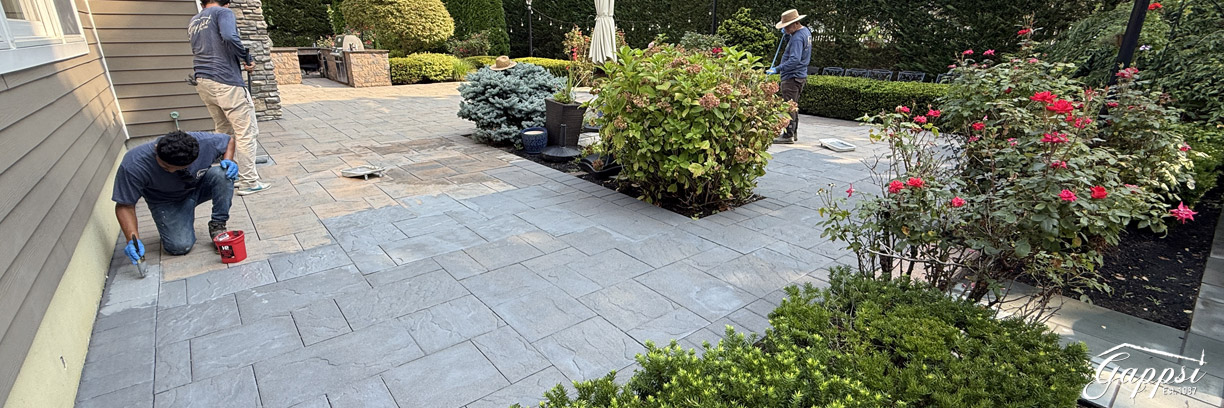 Understanding the Original Surface: Cambridge Toffee Onyx Pavers
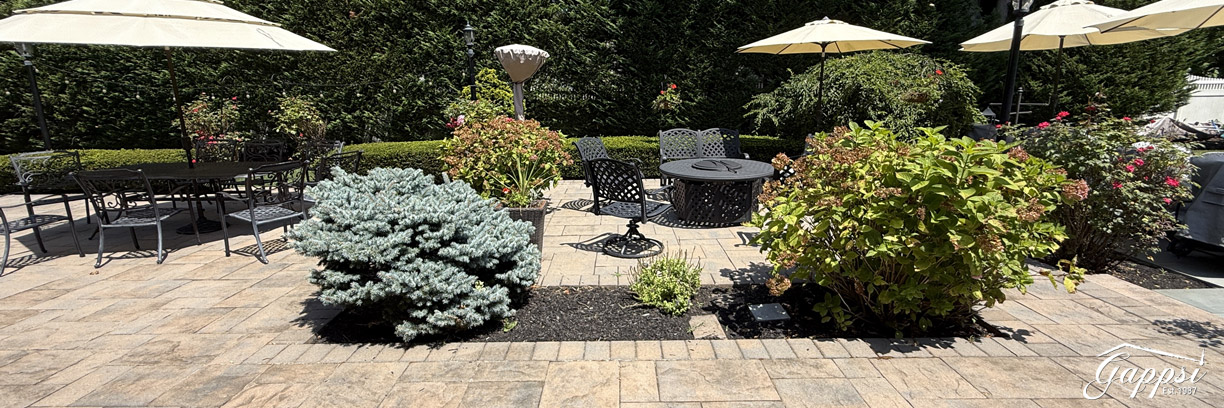 Step 2: Creating Color Samples for Client Approval
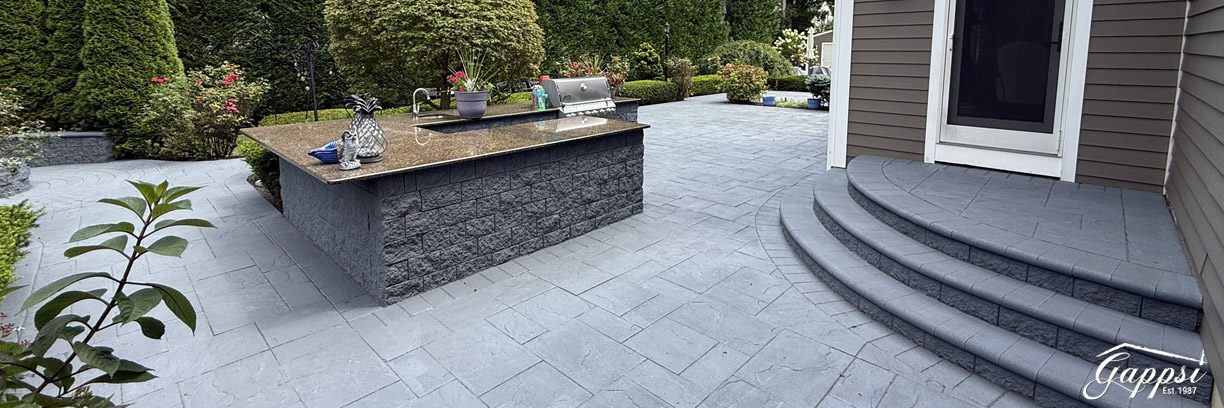 Step 4:
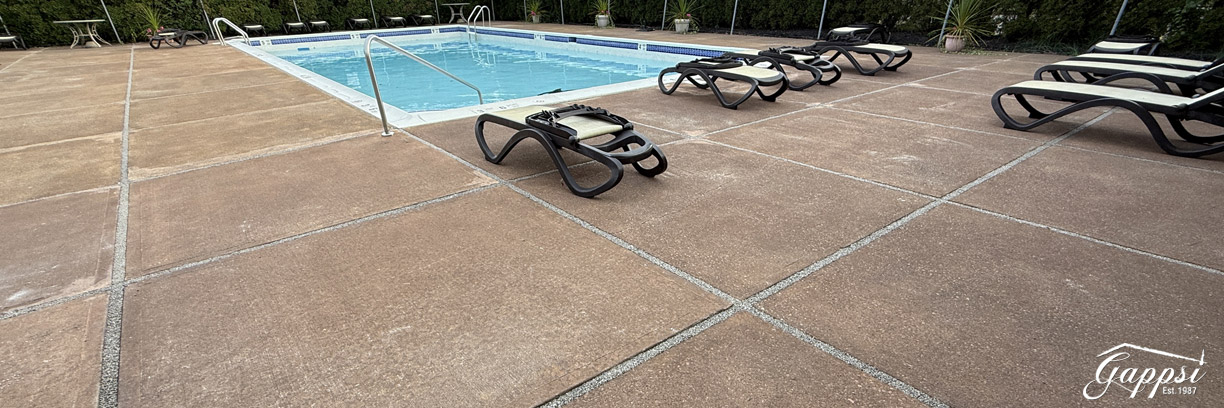
 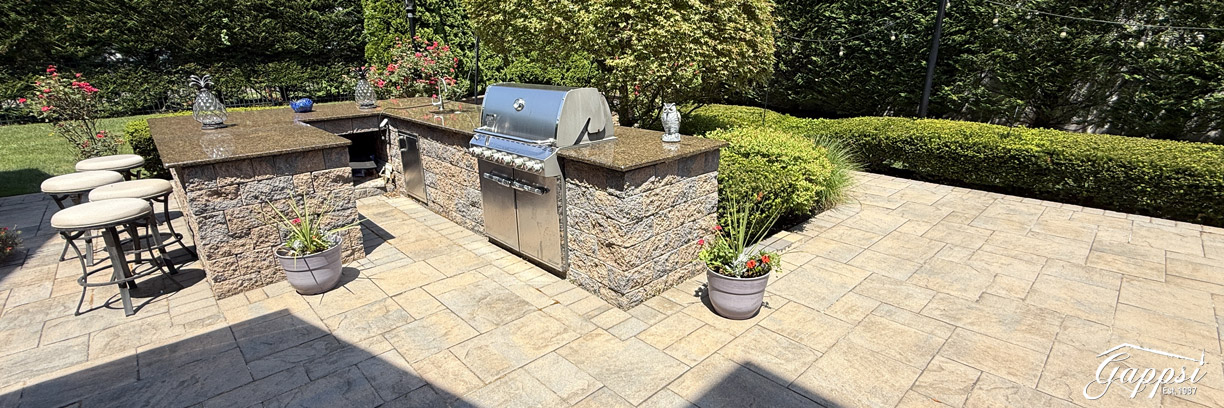 This project showcases what’s possible when homeowners want to update their outdoor living area without tearing out and replacing existing pavers. Through expert staining and sealing, Gappsi delivered a like-new surface at a fraction of the cost of rebuilding.
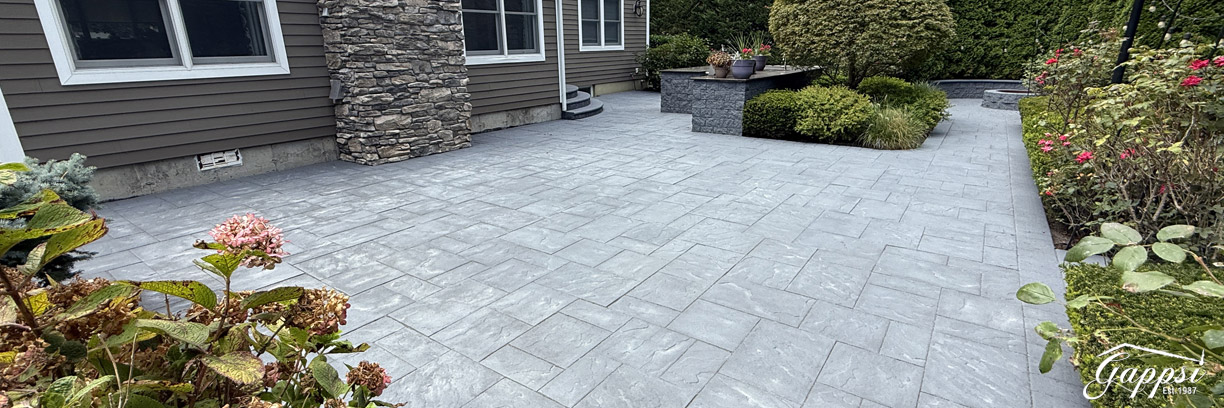 Transform Your Pavers Without Replacing Them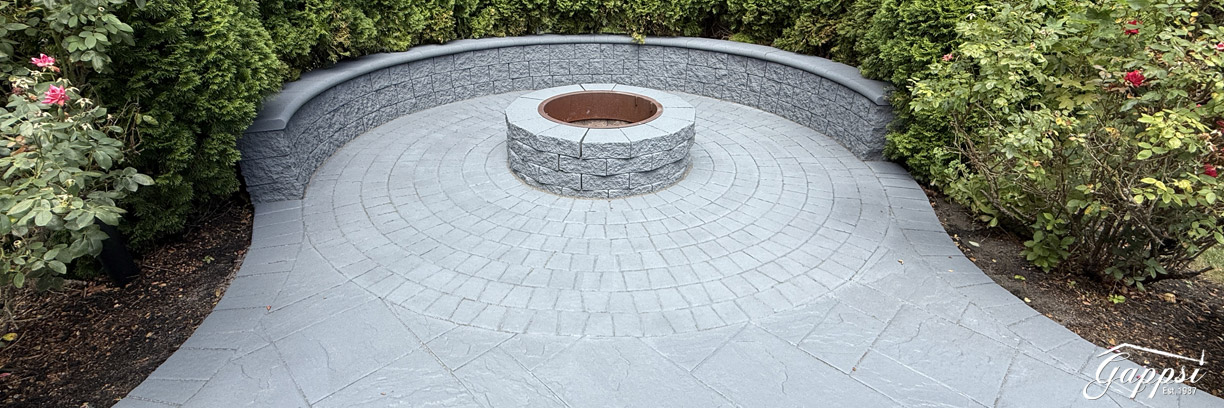
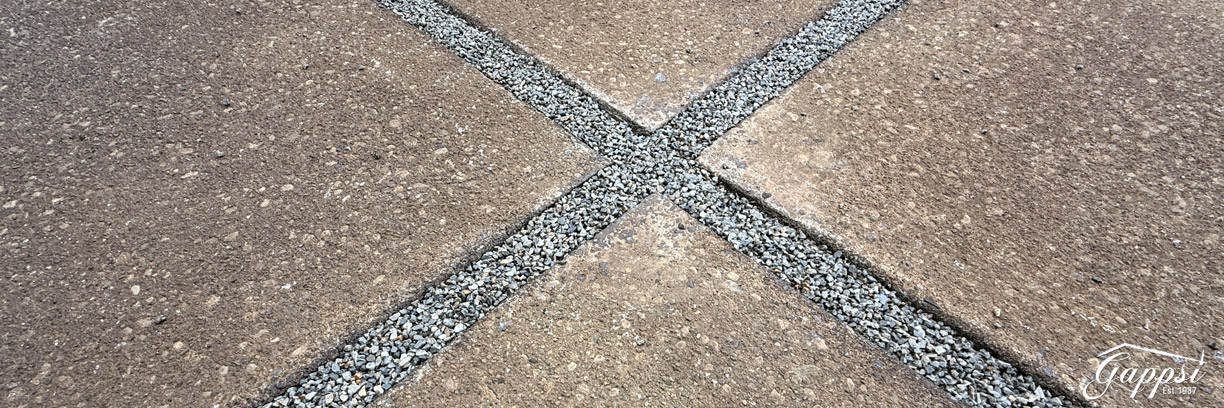
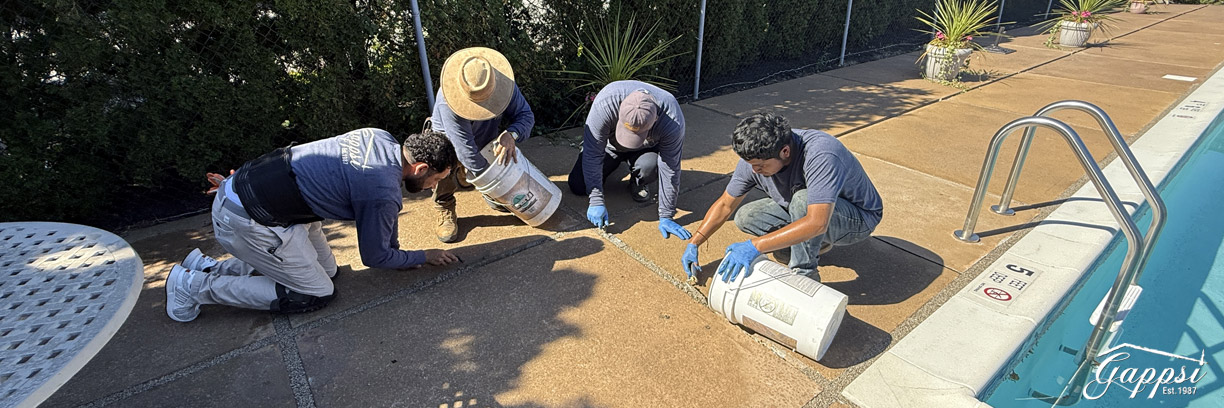 Unfortunately, over time, the polymeric sand did not hold up as expected. Despite claims from the manufacturer that it would withstand weathering and movement, the sand began to crack, wash out, and deteriorate.
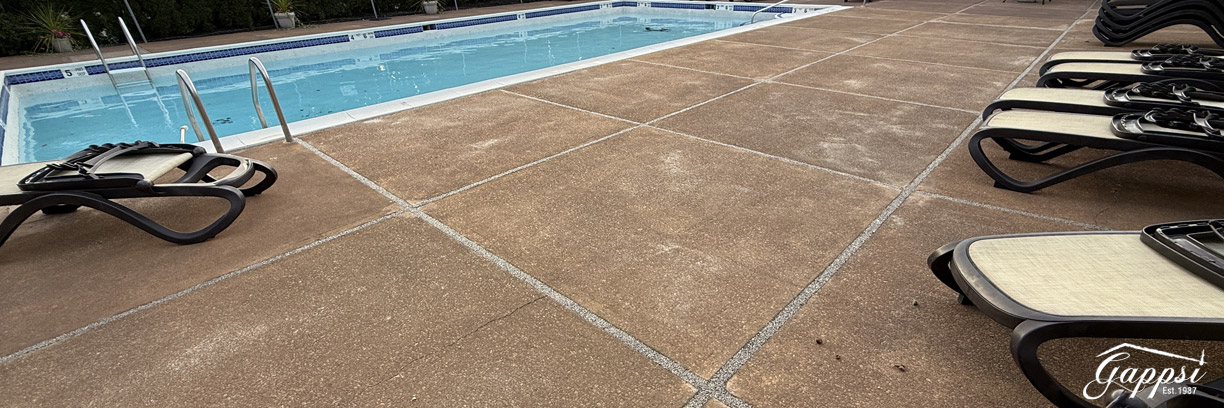 Why Urethane Resin is Superior to Polymeric Sand
 Imported Italian Quality, Installed by Gappsi
 Contact Gappsi for Your Next Project