


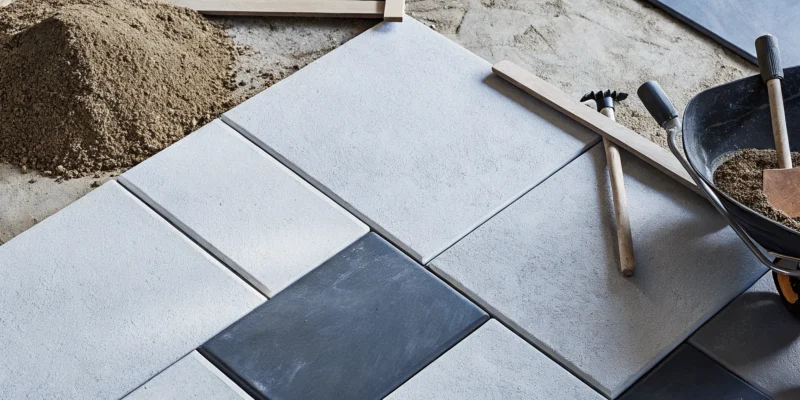
Bluestone is a premium natural stone, and its price reflects its quality, beauty, and durability. If you’ve started your research, you know it’s a bigger investment than concrete or basic pavers, which naturally leads to the question: what exactly are you paying for? The answer lies in the stone itself, the meticulous site preparation required, and the skilled craftsmanship needed for a flawless installation that withstands Long Island’s weather. Understanding the components that make up the total cost to install bluestone patio helps you appreciate the value behind the price. This article will demystify the budget, breaking down each element so you can see where every dollar goes.
Key Takeaways
- Know What Shapes Your Budget: Plan for a cost between $18 and $38 per square foot for a professional installation. Your final price comes down to a few key things: the patio’s size, the quality of the bluestone you choose, and the prep work your yard requires.
- Professional Installation is Non-Negotiable: A patio’s longevity is determined by its foundation, not just the stone. Hiring a pro ensures proper drainage and a solid base, preventing common issues like shifting or cracking and protecting your investment.
- Bluestone Pays for Itself in Value: While the initial cost is higher than concrete, a bluestone patio adds significant curb appeal and property value. You are paying for a durable, timeless feature that will not fade or require frequent replacement.
What Is a Bluestone Patio?
When you picture a classic, elegant stone patio, you’re probably thinking of bluestone. A bluestone patio is an outdoor space made from a type of sandstone that’s famous for its durability and good looks. It’s one of those materials that instantly adds a sense of quality and value to your home. And while the name suggests one color, it actually comes in a beautiful range of tones, including deep blues, greens, grays, and even hints of lilac. This natural variation means every patio is completely unique.
Creating a stunning outdoor area starts with choosing the right materials, and bluestone is a choice that stands the test of time. As experts in masonry design, we’ve seen how it transforms a simple backyard into a sophisticated retreat. It provides a perfect foundation for everything from quiet morning coffees to lively family gatherings.
A Quick Look at Bluestone Types
Not all bluestone is the same, and the type you choose affects both the look and function of your patio. The most common options you’ll encounter are thermal and natural cleft. Thermal bluestone, also called flamed, has a uniform, textured surface that provides excellent slip resistance, making it a great choice for pool surrounds and walkways. Natural cleft bluestone has a more rustic, uneven surface that highlights the stone’s organic texture.
You might also see honed bluestone, which is sanded to a smooth, matte finish for a very sleek and modern appearance. Selecting a premium bluestone ensures your patio can handle Long Island’s changing weather and years of foot traffic without issues. We can help you explore our wide selection of porcelain and natural stones to find the perfect fit for your project.
Why Long Island Homeowners Love Bluestone
There’s a reason bluestone is such a popular choice across Long Island. Its timeless, natural beauty complements any architectural style, from a classic colonial in Nassau County to a modern home in the Hamptons. While it is a premium material with a higher price point, that’s because it’s a sought-after natural stone that isn’t always easy to source. Homeowners see it as a worthwhile investment, not just an expense.
A professionally installed bluestone patio significantly enhances your home’s curb appeal and overall value. It creates a durable, high-end finish that you’ll enjoy for decades. Investing in proper masonry construction from the start is the key to avoiding costly repairs down the road and ensuring your outdoor living space looks beautiful for years to come.
How Much Does a Bluestone Patio Cost?
Let’s talk numbers. Planning your budget is one of the most important first steps in any home improvement project, and a bluestone patio is no exception. Because bluestone is a premium, natural material, its price tag is higher than manufactured pavers, but its beauty and durability are unmatched. The final cost can vary quite a bit based on your specific project, from the size of your patio to the complexity of the design. Think of it less as a fixed price and more as a custom investment in your home’s future. Understanding the key factors that influence the price will help you create a realistic budget and plan a project that you’ll love for years to come. We’ll walk through the average costs, what you can expect to pay per square foot, and how the size of your dream patio will shape your budget.
A Look at the Average Cost
To get a general idea, it’s helpful to look at what homeowners typically spend. On average, a standard 288-square-foot bluestone patio installation can cost around $6,000. This figure usually includes both the cost of the bluestone itself and the professional labor needed to install it correctly. Think of this as a starting point for your own calculations. Your project might cost more or less depending on the unique layout of your Long Island property and the specific design you have in mind. This average cost provides a solid baseline, but a detailed quote from a professional will give you the most accurate picture for your home.
Breaking Down the Cost Per Square Foot
Looking at the cost per square foot gives you a more flexible way to estimate your budget. For a professionally installed bluestone patio, you can generally expect the price to fall somewhere between $18 and $38 per square foot. This range accounts for both the materials and the installation. Why the wide range? The final price depends on factors like the quality and thickness of the stone, the pattern you choose (like irregular vs. thermal cut), and the specific requirements of your site. Gappsi offers a wide selection of beautiful porcelain and natural stone pavers, and our team can help you find the perfect bluestone to fit your vision and budget.
How Patio Size Affects Your Budget
It’s a simple rule: the bigger the patio, the higher the overall cost. Since pricing is often calculated per square foot, you can easily see how size impacts your budget. A small, intimate 10×12 foot (120 sq. ft.) patio will naturally cost much less than a sprawling 20×30 foot (600 sq. ft.) space designed for large gatherings. When you’re dreaming up your outdoor space, keep this relationship in mind. You can play with different dimensions to find a size that fits both your lifestyle and your financial plan. Our expert masonry designers can work with you to design a patio that maximizes your space without breaking the bank.
What Determines the Final Price?
When you start budgeting for a new bluestone patio, it’s helpful to know that the final quote is more than just the cost of the stone. Several key factors come together to determine the total investment. From the specific type of bluestone you choose to the unique layout of your backyard, each element plays a part. Understanding these components will help you plan your budget effectively and ensure there are no surprises along the way. Think of it as building a recipe: the quality of your ingredients and the complexity of the dish both affect the final result. Let’s walk through the main factors that will shape the cost of your beautiful new patio.
The Stone Itself: Quality, Thickness, and Type
The star of the show, the bluestone itself, is a major component of the total cost. As a highly sought-after natural stone, its price is influenced by availability and demand. Not all bluestone is created equal, either. You’ll find variations in color, grade, and finish, all of which affect the price. Thicker stones, which offer greater durability, will cost more than thinner ones. At Gappsi, we source a wide variety of high-quality natural stone pavers, ensuring you find the perfect material that fits both your aesthetic goals and your budget. We’ll help you understand the differences so you can make a confident choice.
Your Patio’s Size and Design
It makes sense that the bigger your patio, the more it will cost. Most contractors price bluestone patios per square foot, with estimates often falling between $18 and $38 for materials and installation. But size isn’t the only design factor. A simple square or rectangular patio will be more straightforward to install than one with intricate curves, complex patterns, or multiple levels. These custom designs require more precise cuts and additional labor, which will be reflected in the final price. Our masonry design experts can create a plan that maximizes your space while keeping your budget in mind.
Getting the Ground Ready: Site Prep and Grading
A beautiful patio is only as good as the foundation it’s built on. Proper site preparation is a critical step that you absolutely cannot skip. This process involves excavating the area, creating a stable base of compacted aggregate, and ensuring the site is graded correctly for drainage. Without a solid, well-drained foundation, your patio could shift, sink, or hold water, leading to costly repairs down the road. The amount of prep work needed depends on your property’s current condition, including its slope and soil type. You can see examples of our team’s meticulous process on the Gappsi YouTube channel.
Understanding Labor Costs on Long Island
Labor is a significant portion of any patio installation budget, and costs can vary based on your location. Here on Long Island, labor rates reflect the high level of skill required to install a bluestone patio correctly. A typical 288-square-foot patio might have a total cost of around $6,048, including both materials and professional labor. While it might be tempting to cut corners here, experienced installers are worth the investment. They have the expertise to handle challenges, ensure a flawless finish, and build a patio that will last for decades. Our landscape construction company is staffed by seasoned professionals dedicated to exceptional craftsmanship.
How Our Local Climate Plays a Role
Long Island’s weather, with its freezing winters and humid summers, has a direct impact on your patio. The freeze-thaw cycle can be tough on outdoor surfaces, causing improperly installed pavers to heave, crack, or become uneven. That’s why choosing the right materials and using climate-appropriate installation techniques are so important. An experienced local contractor knows how to build a patio that can withstand our specific weather patterns. This includes creating a proper base and using jointing materials that allow for slight movement without compromising the structure. Proper patio restoration and sealing also becomes key to protecting your investment from the elements over time.
Clearing the Way: Removing Old Structures
Before your new patio can be installed, the site needs to be clear. If your project involves removing an old wooden deck, a cracked concrete slab, or large shrubs, this will add to the overall cost. Demolition, hauling, and disposal require time and equipment, so it’s important to account for this in your initial budget. Discussing the current state of your property with your contractor upfront will help you get a complete and accurate estimate. This is a common part of many home remodeling projects and is a necessary first step toward creating the outdoor space you’ve envisioned.
Don’t Forget to Budget for These Extras
When you’re planning your beautiful new bluestone patio, it’s easy to focus on the big-ticket items like the stone and the installation labor. But a successful project that stands the test of time involves more than just laying down pavers. Several smaller, yet crucial, elements can impact your final budget and the longevity of your patio. Thinking about these extras from the start helps you create a realistic budget and ensures there are no surprises down the road.
From handling local building codes to selecting the right materials for the finishing touches, these details are what separate a good patio from a great one. A professional team will always account for these factors, but it’s smart for you as a homeowner to understand what they are and why they matter. Planning for things like proper drainage, sealing, and future maintenance isn’t just about adding costs; it’s about making a wise investment in your home that you can enjoy for decades. At Gappsi, we handle all these details, ensuring your project is built correctly from the ground up.
Handling Permits and Local Rules
Before the first stone is ever laid, it’s important to check with your local municipality about building permits. Depending on the size and scope of your patio project, you may need official approval to begin construction. Trying to figure out these local regulations can feel a bit overwhelming, and failing to get the right permits can lead to fines or even project delays. This is an area where working with an experienced local contractor really pays off. We understand the specific requirements here on Long Island and can manage the entire permitting process for you, making sure your project is fully compliant from day one.
Proper Drainage for a Lasting Patio
One of the most critical aspects of a durable patio is something you’ll never see: the drainage system. Without a plan for water runoff, your patio can suffer from erosion, shifting stones, and water damage to your home’s foundation. A properly installed patio should always include a slight slope that directs water away from your house. In some cases, more complex drainage solutions might be needed. This is a non-negotiable step for ensuring the structural integrity of your investment, and it’s a standard part of our masonry construction process.
The Details: Choosing Jointing Materials
The material that fills the gaps between your bluestone pavers, known as jointing material, plays a huge role in the stability and appearance of your patio. Using the wrong type of sand or bonding adhesive can lead to weeds sprouting up, insect infestations, or stones shifting and becoming uneven over time. Certain types of bluestone also require specific adhesives to ensure a strong bond that won’t crack or lift. We help you select the perfect jointing material that not only complements the look of your natural stone patio but also provides the best long-term performance.
Protecting Your Investment: Sealing and Finishing
Once your bluestone patio is installed, the final step is to protect it. Applying a quality sealant is one of the best things you can do to preserve its beauty and durability. A good sealant helps prevent stains from spills, protects the stone from water penetration, and can even enhance its natural color. While this adds a small amount to the initial cost, it’s a worthwhile investment that will save you money on future repairs and cleaning. We offer professional cleaning and sealing services to keep your patio looking brand new for years to come.
Planning for Future Maintenance
While bluestone is incredibly durable, every patio requires some basic upkeep to stay in top condition. This doesn’t have to be a major chore, but it’s something to plan for. Regular sweeping and occasional rinsing will keep it clean, but you should also budget for a professional deep cleaning and re-sealing every few years. This routine maintenance will protect the stone from the elements, prevent fading, and ensure your patio remains a beautiful and functional part of your outdoor living space for a very long time. Thinking about this long-term care from the beginning helps you protect your investment.
Getting the Installation Right
A bluestone patio’s beauty is more than skin deep. The real secret to a stunning, long-lasting outdoor space lies beneath the surface in the quality of the installation. Getting this part right is what separates a patio that looks good for a year from one that becomes a cherished part of your home for decades. It’s about creating a solid, stable surface that can handle everything from summer barbecues to Long Island’s winter freezes without shifting, cracking, or becoming a puddle-prone mess.
Proper installation protects your investment and the stone itself. When laid correctly, bluestone retains its gorgeous color and texture, and the risk of chips or cracks drops significantly. It all comes down to a combination of the right foundation, smart drainage, and expert techniques. While it might seem like a lot to consider, understanding these key steps helps you know what to look for in a quality installation, ensuring your vision for the perfect patio becomes a durable reality. Gappsi’s masonry experts have been perfecting this process for years, creating patios built to last.
The Foundation Matters: Concrete vs. Sand
Think of your patio’s foundation as the unsung hero of the entire project. You have two main options here: a compacted gravel and sand base or a solid concrete slab. A base of sand or stone dust is a traditional method, often used for a more rustic, permeable look. However, for maximum durability, many professionals recommend a wet-laid installation on a concrete foundation. By setting the bluestone with mortar on a poured concrete slab, you create an incredibly strong and stable patio that is built to last a lifetime. This method provides the ultimate defense against shifting and settling over time.
Why Drainage and Slope Are Crucial
Water is the number one enemy of any patio. Without a proper escape route, rainwater and melting snow can pool on the surface, seep into the joints, and erode the base, leading to shifting stones and costly damage. That’s why creating a slight, almost unnoticeable slope is one of the most critical steps in any patio installation. By grading the area to direct water away from your home’s foundation, a professional installer protects both your house and your new patio. This simple step is essential for preventing erosion and ensuring your bluestone patio remains stable and beautiful for years to come.
Installation Methods: Dry-Laid vs. Wet-Laid
The way your bluestone is set in place defines both its final look and its long-term performance. A dry-laid patio involves setting the stones over a compacted gravel and sand base, then sweeping sand into the joints. This method offers a slightly more natural, classic feel. A wet-laid patio, on the other hand, involves setting the stones in mortar over a concrete slab, creating a solid, seamless surface. While both methods can produce beautiful results, a wet-laid installation generally offers more permanence and stability, especially in a climate with freeze-thaw cycles like ours on Long Island. Gappsi’s team can help you choose the best method for your specific natural stone project.
Selecting the Best Adhesives and Joints
The materials used to hold your patio together are just as important as the stones themselves. For a wet-laid patio, using the right adhesive or mortar is essential for a strong bond that prevents stones from lifting or cracking. Certain types of bluestone are more porous and require specific bonding agents that can handle moisture effectively. For a dry-laid patio, the material used to fill the joints makes a huge difference. Using a high-quality polymeric sand, which hardens after being wet, helps lock the stones in place, prevent weed growth, and resist erosion from rain.
Why Professional Installation Beats DIY Every Time
While the satisfaction of a DIY project is tempting, a bluestone patio installation is a job best left to the professionals. This is a complex project that involves heavy lifting, precise measurements, and specialized knowledge of grading, drainage, and materials. An experienced team ensures the site is prepared correctly and that every stone is laid perfectly. Hiring a professional isn’t just about convenience; it’s an investment in quality that saves you from the potential headaches and high costs of fixing mistakes down the road. With a project this important, you want the peace of mind that comes from knowing it was done right the first time by a trusted home improvement company.
Is a Bluestone Patio a Good Investment?
Deciding on a new patio involves more than just picking a pretty stone; it’s about making a smart choice for your home’s future. A bluestone patio is a significant project, so it’s natural to ask if the cost translates into real value. When you look at its durability, impact on your home’s worth, and how it compares to other materials, the answer becomes clear. It’s not just an expense, it’s an investment in your property and your lifestyle.
Built to Last: Durability and Longevity
A bluestone patio is more than just a beautiful addition; it’s a long-term feature of your home. This natural stone is incredibly dense and hard-wearing, capable of withstanding Long Island’s changing seasons, from hot summers to freezing winters. But the stone’s inherent strength is only part of the equation. A truly durable patio depends on expert installation. The stone’s long-term performance depends heavily on the quality of the preparation and workmanship beneath it. This is why proper site prep, a solid base, and correct jointing are non-negotiable. When installed correctly, your bluestone patio will resist shifting and cracking, giving you a gorgeous outdoor space that lasts for decades with minimal fuss. Proper restoration and sealing can further extend its life.
Adding Value and Curb Appeal to Your Home
A well-designed bluestone patio is a fantastic way to increase your property’s value and curb appeal. Potential buyers see it as a premium, move-in-ready feature, which can make your home stand out in the market. The timeless, elegant look of bluestone complements any architectural style, from classic to modern, creating a seamless transition between your indoor and outdoor living areas. It’s an attractive outdoor space that can definitely add value to your home. Imagine pairing it with a beautiful garden or a cozy fire pit. This kind of thoughtful landscape design not only gives you a personal oasis but also makes a powerful statement to anyone visiting or considering buying your property. It’s an investment in your lifestyle and your home’s future.
Bluestone vs. Other Patio Materials: A Quick Comparison
When planning your patio, it’s helpful to see how bluestone stacks up against other options. Materials like gravel or basic concrete are less expensive upfront but often require more maintenance and lack the high-end finish of natural stone. Bluestone’s cost, typically between $18 and $38 per square foot installed, is more comparable to other premium materials like high-end pavers or travertine. While the initial investment is higher than concrete, you’re paying for unparalleled durability and a classic look that never goes out of style. Unlike manufactured pavers that can fade over time, bluestone maintains its rich color and character for generations. We work with a wide range of porcelain and natural stone, and bluestone consistently proves to be a top choice for homeowners seeking lasting value.
Bring Your Bluestone Patio Vision to Life with Gappsi
After exploring all the details, from stone types to installation methods, you are probably feeling excited about the possibilities for your own backyard. Turning that vision into a beautiful, functional patio is the next step, and it’s where having the right partner makes all the difference. A bluestone patio is a significant investment in your home, and you want to feel confident that every dollar is put to good use, creating a space your family will love for years to come.
Here on Long Island, our team at Gappsi has spent decades helping homeowners create stunning outdoor spaces. We believe a successful project starts with a clear plan. That’s why we work with you to understand your goals, design a patio that fits your lifestyle, and provide a detailed breakdown of the costs involved. Our expert masonry services ensure that every aspect of your project, from the foundation to the finishing touches, is handled with precision and care.
A bluestone patio is more than just the stone itself. It’s about the expert site preparation, the correct drainage, and the meticulous installation that ensures it will last for years. Because we manage the entire process, we can guarantee a seamless experience and a flawless result. We source high-quality porcelain and natural stone pavers and use proven techniques to build patios that are as durable as they are beautiful.
Whether you are just starting to dream or are ready to break ground, we are here to help. Our team can walk you through the material selection at the Gappsi showroom, refine your design ideas, and create a plan that respects your budget. When you are ready to take the next step, reach out to the Gappsi team. Let’s build the outdoor oasis you have always wanted.
Related Articles
- Natural Stone Pavers Long Island Outdoor Living
- Porcelain & Stone Patio Pavers on Long Island | Gappsi Inc
- Bluestone Pavers NY: Your Long Island Patio Guide
- Bluestone pavers in Long Island Archives – Gappsi Group
- Bluestone patio in Nassau County Archives – Gappsi Group
Frequently Asked Questions
Why is there such a wide price range for a bluestone patio? The final cost of a bluestone patio is shaped by several factors beyond just the square footage. The specific type and quality of the stone you choose, the complexity of your design, and the amount of site preparation your property requires all play a role. A simple rectangular patio on a flat surface will naturally have a different price point than a large, curved patio on a sloped yard that needs significant grading and a concrete base.
What’s the difference between thermal and natural cleft bluestone? The main difference comes down to the stone’s surface texture. Thermal bluestone is treated with heat to create a uniform, lightly textured finish that provides excellent slip resistance, making it a popular choice for pool surrounds. Natural cleft bluestone is split along its natural layers, resulting in a more rustic, uneven surface that highlights the stone’s organic character. Your choice really depends on the aesthetic you prefer for your outdoor space.
How can I ensure my new bluestone patio lasts for decades? The secret to a long-lasting patio is expert installation. A solid foundation with proper grading for drainage is the most critical element, as it prevents water damage and shifting over time. Once installed, a little maintenance goes a long way. Having your patio professionally cleaned and sealed every few years will protect the stone from the elements and keep it looking beautiful for years to come.
Is professional installation really necessary for a bluestone patio? While it can be tempting to try a DIY approach, installing a bluestone patio is a complex job that requires specialized skills. Professionals have the equipment and expertise to properly grade the site, build a stable foundation that can handle our local climate, and lay the heavy stones correctly. Investing in a professional installer is the best way to avoid costly mistakes and ensure you get a beautiful, durable patio that was built right the first time.
Why should I choose bluestone over less expensive materials like concrete pavers? While materials like concrete pavers have a lower initial cost, bluestone is an investment in lasting value and timeless style. The natural color variations and unique texture of bluestone create a high-end, authentic look that manufactured products can’t quite match. It is incredibly durable and maintains its beauty for generations, which significantly enhances your home’s curb appeal and overall value.